
Why Do My Drains Gurgle When It Rains?
If your drains gurgle only during heavy rain, the cause is often outside the fixture. Use this checklist to sort sewer surcharge, a marginal lateral, vent issues, or septic saturation, and choose the right next step.
Good grain. Great questions.
If your sink, tub, or toilet starts making that glug-glug sound only when a heavy rain rolls through, you are not imagining the timing. Rain can change how sewer and storm systems behave, and that shift can make air move the wrong way through your plumbing. The result is gurgling, bubbling, and sometimes slower draining.
Let’s sort the likely causes by the pattern you are seeing, then land on the right next step without tearing into the wrong part of the system.
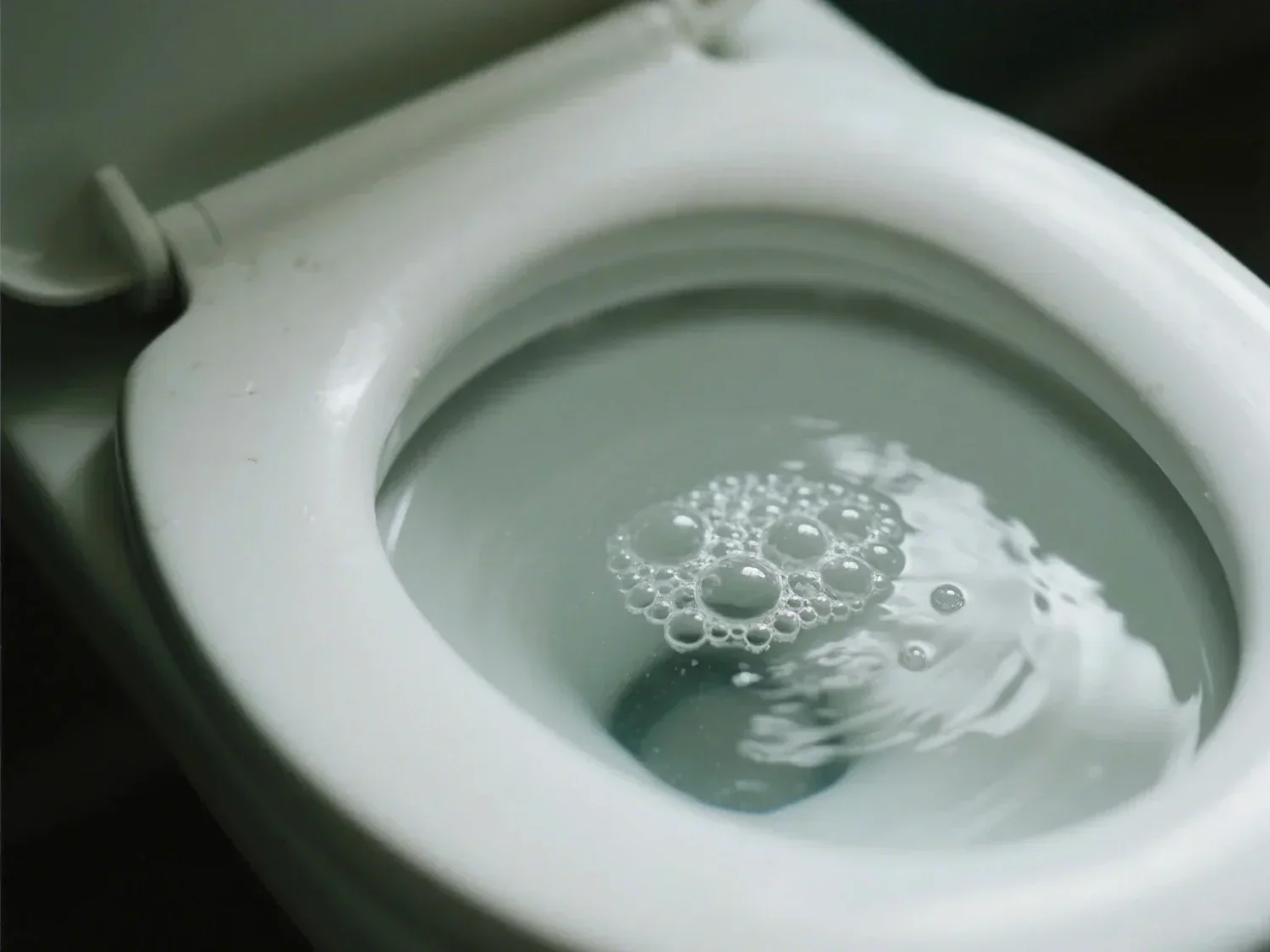
What that gurgle means
Gurgling is almost always air moving through water. In a healthy setup, drains and vents move wastewater out and let air in or out so traps do not get siphoned and fixtures drain smoothly.
During heavy rain, a few big things can change:
- The public sewer main can surcharge (especially if stormwater is getting into sanitary sewers). That reduces how freely your house can push wastewater out.
- Your yard and soil can saturate. That can expose a marginal house lateral (the pipe from your home to the main), shift offsets at joints, or worsen a sag or partial restriction.
- Extra water may be getting into the wrong pipe, like a downspout, yard drain, or foundation drain tied into a sanitary line (illegal in many areas, but it happens).
So the gurgle is not the “problem.” It is the signal that pressure and airflow in the system are getting weird.
First: confirm the pattern
Before diagnosing, answer two quick questions:
Does it happen only during heavy rain or right after?
If yes, keep going here. Rain-only is a distinct clue and often points outside the house, but do not assume it is automatically the city.
Is it one fixture or several?
- Several fixtures gurgle (multiple sinks, tubs, or toilets): think a main line restriction, a sewer surcharge, or a system-wide vent issue.
- One fixture gurgles (only one sink or only one toilet): could still be venting, but it can also be a localized branch drain issue.
Common rain-only cause: sewer surcharge
If your drains gurgle only when it rains hard and especially if neighbors also have slow drains or backups, one of the most common explanations is this: the municipal sewer main is temporarily running “full,” so your home’s wastewater cannot flow as freely. Air has fewer places to go, so it burps back through the nearest water seals, usually toilets and tubs.
Signs this is likely
- Multiple fixtures get slow or noisy at once during heavy rain.
- The toilet may bubble when another fixture drains.
- The problem improves on its own as the rain stops and the system recovers.
- You do not notice gurgling in dry weather.
Right next step
- Stop using water if you see rising water levels in a tub, shower, or floor drain. That is how a “gurgle” turns into a backup.
- Check the lowest drain in the home (basement floor drain, lowest shower). If anything backs up there during rain, treat it as a main line risk.
- Call your city or utility if you suspect a sewer surcharge in your area. They can confirm whether the main is overloaded or if there is a known issue.
- If it is frequent, talk with a plumber about a backwater valve if your area is prone to surcharging. Installation often requires permits or inspection and is not appropriate for every setup.
Also common: a marginal house lateral
Rain does not just overload city mains. It can also reveal a private-side problem that is borderline in dry weather: a house lateral with roots, scale, an offset joint, a belly (sag), or a partially collapsed section.
When the soil is saturated, groundwater can press on weak spots, and any restriction in the line has less “help” from gravity and airflow. The system gets touchier, and you hear it.
Signs it may be your lateral
- It is worst during rain, but you occasionally notice slower drains in dry weather too.
- The lowest fixtures act up first (basement shower, floor drain, first-floor toilet).
- The problem is getting worse season to season.
- You have mature trees near the sewer route or an older home with clay or cast iron pipe.
Right next step
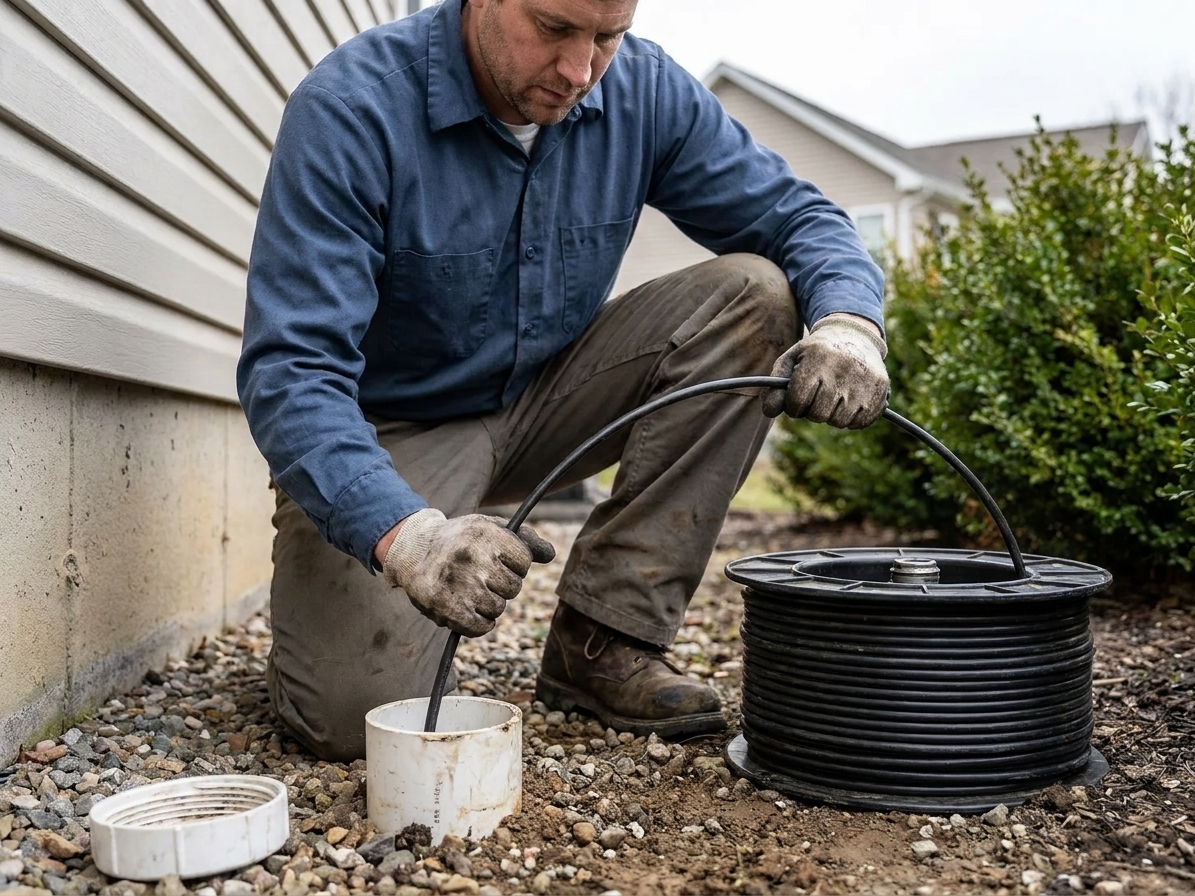
A camera inspection of the sewer line is the cleanest way to confirm roots, a sag, a broken section, or an offset joint without guessing.
Vent issues: possible, not required
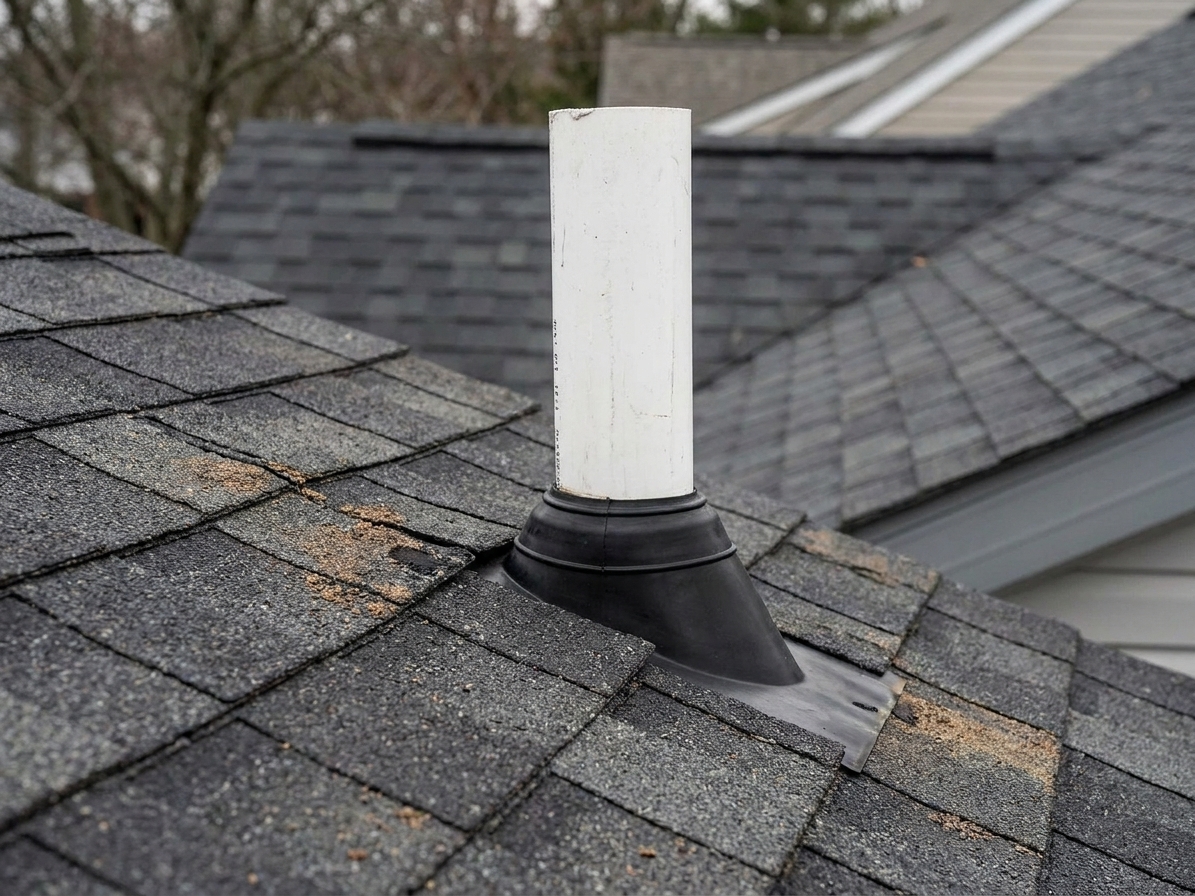
A plumbing vent (the pipe that sticks up through the roof) lets air move so drains do not pull on traps. If that vent is blocked by leaves, a nest, or debris, you can get gurgling because fixtures are trying to drain without enough make-up air.
Rain is not required for a vent problem. But storms can line up with vent symptoms because wind and debris can drop into an uncovered or damaged vent opening, and wet material can shift and restrict airflow more than it did when it was dry.
Signs it is a vent issue
- Gurgling is strongest in one bathroom group, often the top floor or the bathroom closest to the vent stack.
- You notice sewer odor or traps that seem to get pulled low after fixtures drain.
- The gurgle can happen with relatively small water use, like a toilet making a small glug after a nearby sink drains.
- The issue is not tied to the lowest drain in the home.
Right next step
If the pattern points you toward a vent problem, the next step is to inspect the roof vent opening safely when conditions are dry or hire it out. Roof work is no place for bravado.
Safety reminder: Wet roofs and ladders are a bad combo. If it is raining or recently rained, wait for dry conditions or call a pro.
What about roots?
Tree roots are a classic sewer-line problem, but here is the key sorter:
Root intrusion usually causes symptoms in dry weather too. It tends to create recurring slow drains, frequent clogs, or backups that do not care what the sky is doing.
That said, heavy rain can make a marginal root problem louder because saturated soil can change flow and airflow. But roots rarely stay perfectly quiet until it rains.
Signs roots are the main storyline
- Slow drains or gurgling happens at other times, not only during storms.
- Clogs return regularly, especially in the main line.
- You hear gurgling when the washing machine drains or when multiple fixtures run.
- You have a mature tree near the sewer route and the house is older with clay or cast iron sewer piping.
Right next step
If you have any dry-weather symptoms alongside the rain-time gurgle, the clean next move is a camera inspection of the sewer line.
If you are on septic
If your home uses a septic system, heavy rain can saturate the drain field and make it harder for wastewater to disperse. The result can look similar: gurgling, slow drains, or toilets that feel “lazy” to flush during and after storms.
Right next step
Limit water use during the storm and for a bit after. If symptoms repeat, call a septic pro to evaluate the tank, pump (if you have one), and drain field. Snaking an indoor drain will not fix a saturated drain field.
Quick decision tree
If it gurgles only during heavy rain and stops after
- More than one drain affected: suspect a surcharged public main, an overloaded or restricted house lateral, or stormwater getting into a sanitary line. Watch the lowest drain. Limit water use during the storm. Contact the utility if it seems widespread.
- Mostly one bathroom group affected: suspect a vent restriction. Plan a safe vent inspection when dry or call it in.
If it gurgles during rain and you also get slow drains in dry weather
- Suspect a sewer line restriction such as roots, scale, a sag, an offset joint, or a partial collapse. Schedule a camera inspection.
If you see water rising anywhere
- Stop running water and treat it as an active backup risk. Call a plumber.
What you can check safely
1) Note what is loudest
Gurgling often shows up at the lowest fixtures first, commonly toilets, tubs, and floor drains. Note where it is loudest and what else was running when it happened. That helps narrow whether it is a branch issue, a venting issue, or the main line.
2) Check the lowest drain point
If you have a basement, the floor drain is your early-warning system. During heavy rain, peek at it before you start laundry or showers.
3) Do a simple bucket test after the storm
When conditions are normal again, pour a bucket of water into a tub and listen. If the gurgle is gone in dry weather, that supports the rain-timed diagnosis.
This is only a rough check. It will not reliably separate venting from main line issues. Stop immediately if any water level rises or drainage slows sharply.
Skip the chemicals: If this is a main line issue or a municipal surcharge problem, drain chemicals do not help and can make professional snaking or cleanup more hazardous.
Do not do this during a storm
- Do not run laundry, dishwashers, or long showers if you suspect surcharging or you see rising water.
- Do not climb onto a wet roof to check a vent.
- Do not keep plunging or snaking a toilet if multiple fixtures are acting up. That can waste time while the lowest drain is filling.
When to call a pro now
- Any wastewater backup or water rising in a tub, shower, or floor drain.
- Gurgling plus sewer smell that does not fade.
- Repeated rain events causing the same problem.
- You suspect a blocked roof vent but cannot safely access it.
- You have dry-weather symptoms along with the rain-time gurgle.
A plumber will typically choose between a main line cleanout, a vent inspection, or a camera inspection based on your pattern. Your job is to hand them the pattern clearly.
FAQ
Can heavy rain affect my plumbing if my house pipes are clear?
Yes. If stormwater is getting into sanitary sewers or the system is overwhelmed, your house connection can feel it even if your own pipes are otherwise clear.
Why does the toilet bubble when it rains?
The toilet bowl is a large open water surface connected to the drain. When pressure changes or air cannot move freely, the toilet often shows it first by bubbling or gurgling.
Is rain-only gurgling ever normal?
Occasional mild gurgling during extreme downpours can happen in areas with known sewer surcharging. But if it is frequent, getting worse, or paired with slow drains, treat it as a sign to investigate.