A homeowner-friendly breakdown of what really clogs sinks, tubs, and toilets, plus simple prevention habits and safe DIY fixes before you call a plumber.
The Homeroom Fix
October 28, 2026
•
By Marcus Delgado
What to Do When Every Drain in the House Is Slow
When multiple sinks, tubs, or toilets drain slowly at once, it often points to a building drain or main sewer issue. Here’s how to diagnose it, find your cleanout, try safe DIY steps, and know when to call a plumber.
The first time every drain in my house started acting like it was trying to sip water through a coffee stirrer, I did what any confident DIYer does. I blamed the kids, the dog, and probably Mercury being in retrograde. Then I remembered an old jobsite rule: one slow drain is annoying, but multiple slow drains is a clue.
If your bathroom sink, tub, kitchen sink, and maybe even the toilet are all slow or gurgling around the same time, you are usually not dealing with a single little hair clog. You are looking at a building drain or main sewer issue, or sometimes a venting problem. The good news is you can do a few smart checks before you panic. The important news is you can also make things worse if you pick the wrong “fix.”
First: figure out if it is one fixture or the whole system
Here is the fast way I sort this out as a former residential carpenter who has watched plumbers diagnose these in about 90 seconds.
Signs it is probably a single-fixture clog
- Only one sink or tub drains slowly and everything else is normal.
- The slow drain improves after you remove hair and gunk from the stopper.
- No gurgling anywhere else when that fixture drains.
Signs it is probably a building drain or main sewer issue
- Two or more fixtures are slow, especially on the lowest level of the house.
- You hear gurgling in one drain when another fixture is running.
- A toilet is sluggish or bubbles when a sink or tub drains.
- Water backs up in a tub or shower when you run the washing machine or flush a toilet.
- You notice sewage smell near a floor drain or basement shower.
Quick ruleIf the problem shows up in the lowest drains in the house first (basement floor drain, basement shower, first-floor tub), suspect the main line before you waste time on sink traps.
Do this 10-minute triage before you touch a snake
1) Stop using water for a bit
If you suspect a main clog, running more water is like inviting more people into an elevator that is already stuck. Tell everyone to pause showers, laundry, and dishwashing until you know what you are dealing with.
2) Check the lowest drain in the house
Walk to the lowest point where your plumbing has an opening to show you trouble:
- Basement floor drain
- Basement shower
- First-floor tub (in a slab-on-grade home)
If there is standing water, slow swirling, or any sign of backup there, that is a big hint the restriction is downstream in the building drain or sewer.
3) Do a simple “one-at-a-time” test
- Pick one fixture, ideally a sink.
- Run water for 15 to 20 seconds.
- Listen at nearby drains and toilets for gurgling.
- Repeat with a different fixture on the same floor, then a different floor.
Gurgling or water movement in other drains while you run one fixture usually means air is being displaced by water that cannot move freely, which points to a shared drain issue.
Common causes when every drain is slow
Main drain clog (most common)
This is a blockage in the building drain or the sewer line leaving your house. Typical culprits:
- Grease buildup that finally narrowed the pipe enough to catch everything else
- “Flushable” wipes (they are not flushable in real life plumbing)
- Paper towels, feminine products, cotton swabs
- Roots intruding into older clay, concrete, or compromised pipe
- Collapsed or belly-sagged sewer line in older homes
Partial blockage plus heavy water use
Sometimes the line is not fully clogged, it is just restricted. Everything seems “kind of fine” until you run a bath or the washing machine, then everything slows down together.
Vent problem (less common, but real)
Plumbing vents let air in so drains can flow smoothly. A blocked vent (leaves, a bird nest, snow issues in colder climates) can cause slow drains and gurgling. That said, vents are not the first place I send most homeowners because roof work has fall risk and main clogs are far more common.
Where a cleanout usually is (and what it looks like)
A cleanout is a capped access point into your drain line. If you have one, it is the safest, cleanest place to snake a main line because you are working directly on the big pipe, not yanking traps apart under a sink.
Typical cleanout locations
- Basement: near the front wall where the sewer exits, sometimes by the water heater or laundry area
- Crawlspace: near the main beam where the building drain runs out
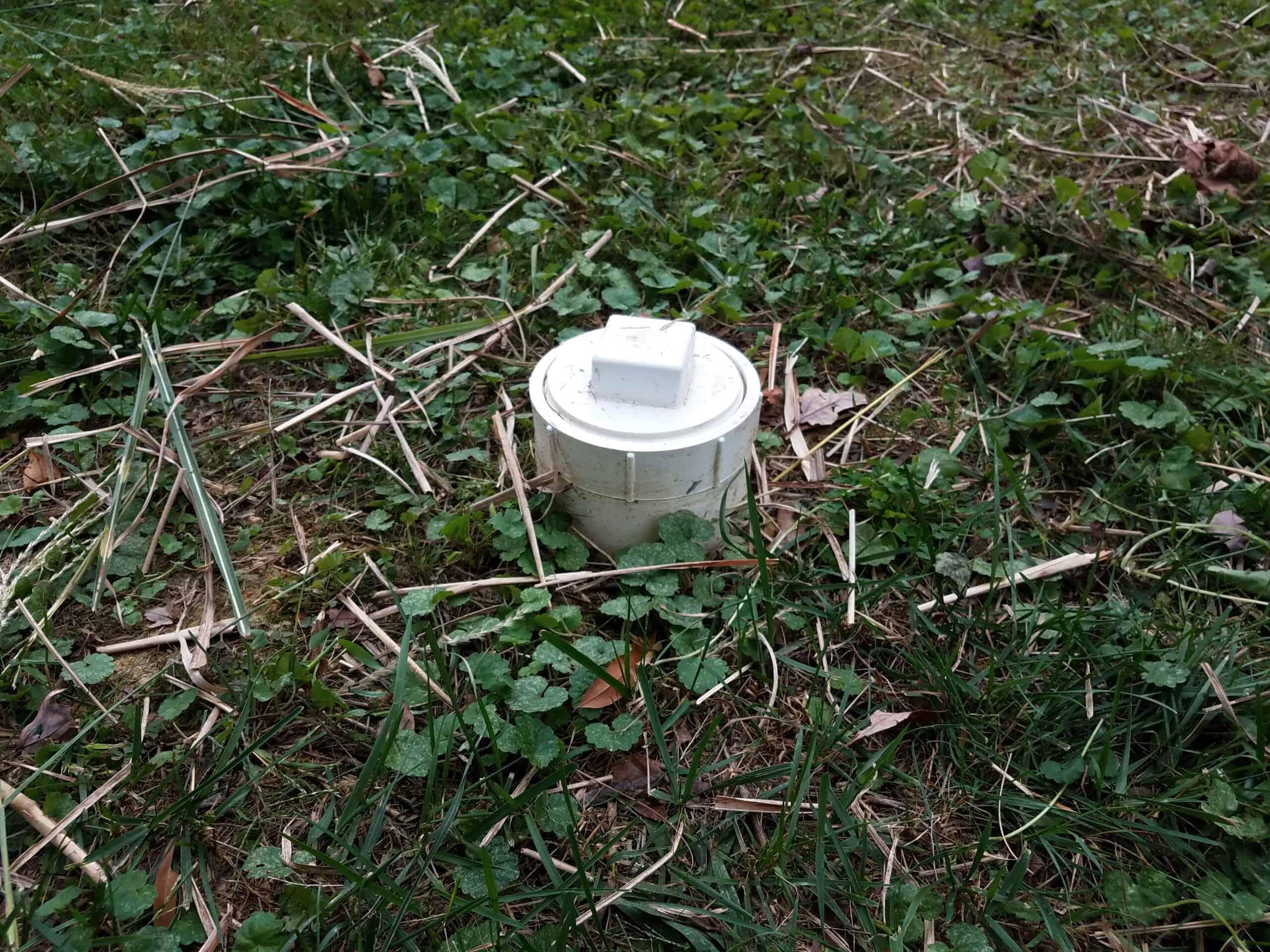
- Outside: a capped pipe near the foundation, sometimes close to where the sewer line heads toward the street
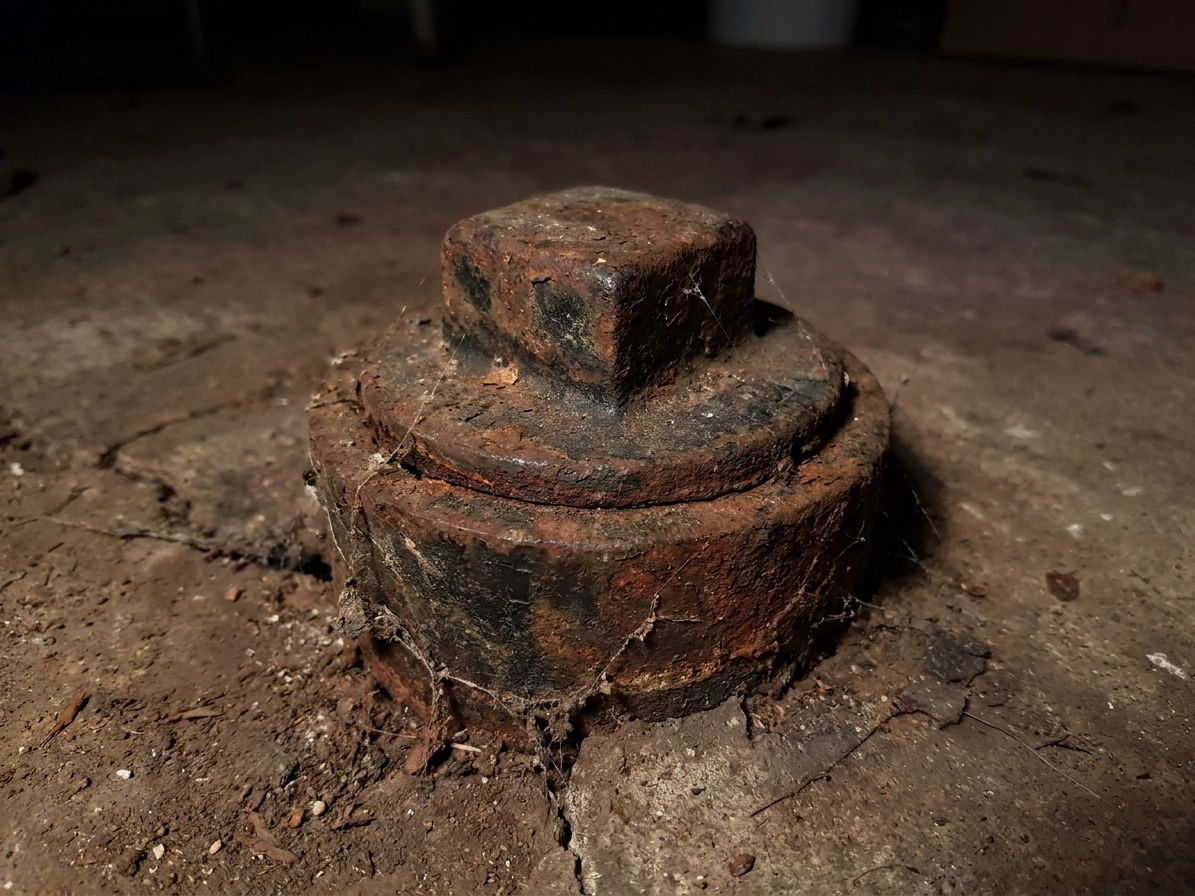
- Older homes: you might have a cast iron cleanout with a square nut on top
Safety heads-up: If you open a cleanout on a clogged main, sewage can come out. Wear gloves and eye protection, keep kids and pets away, and put down a plastic sheet and towels. If the cleanout is below the level of the backup, you may want to stop and call a plumber instead of opening it.
DIY steps that are actually worth trying
I am all for DIY, but “every drain is slow” is a situation where you want to stay in your lane. Here are the steps I consider reasonable for a homeowner, in order.
Step 1: Boiling water and chemicals? Not for this
If multiple fixtures are affected, skip the harsh chemical drain cleaners. They rarely fix a main-line restriction, and they can leave corrosive liquid sitting in the pipe for the next person who has to open it. Hot water is fine for a greasy kitchen line, but it will not solve roots, wipes, or a collapsed pipe.
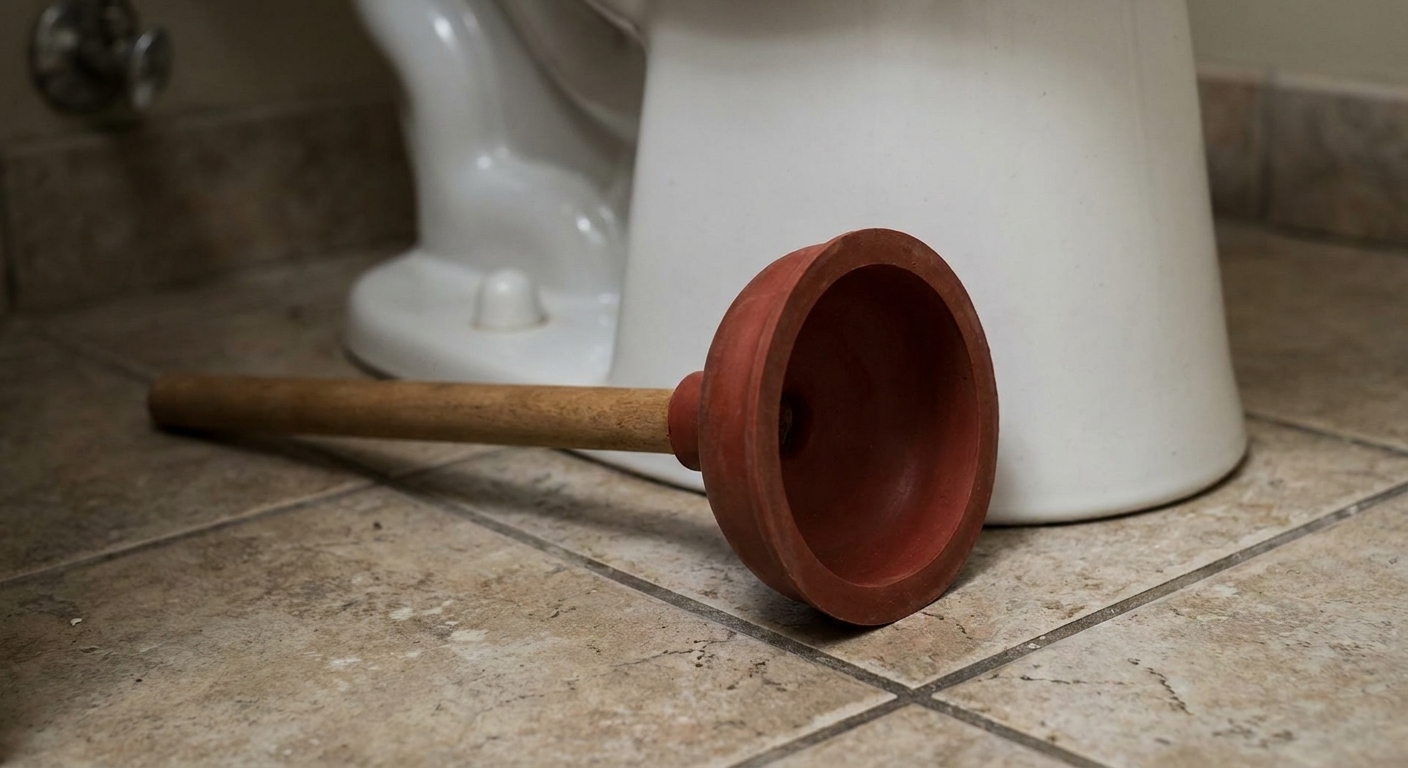
Step 2: Try a plunger on the right fixture
Plunging can sometimes move a soft blockage enough to restore flow, especially if the issue is close to a toilet or tub branch line.
- Use a flange plunger for toilets.
- Use a cup plunger for sinks and tubs.
- Cover nearby overflow openings in tubs or sinks with a wet rag to improve suction.
- Plunge with purpose: 15 to 20 firm strokes, then check drainage.
Step 3: If you have a cleanout, consider snaking from there
If the symptoms point to the main drain and you can access a cleanout safely, a drain snake (also called an auger) is the usual DIY tool. A few guardrails:
- Use the right machine. Small hand snakes made for sink traps usually cannot clear a main line.
- Go slow. Forcing a cable can kink it or damage piping.
- Expect mess. Put down plastic and keep a bucket and rags nearby.
- Do not run the cable dry at high speed. Control matters more than power.
If you rent a machine and you are not comfortable using it, that is not a character flaw. It is a smart moment to call a pro before you get a cable stuck in your sewer line.
Step 4: Check outdoor clues
- Soggy patch in the yard along the sewer path can hint at a broken line.
- Standing water near an exterior cleanout is a red flag.
- Neighbors having the same issue at the same time can suggest a municipal sewer problem. If you suspect that, call your city or utility provider.
When to stop DIY and call a plumber
I love teaching homeowners to do their own work, but I also love preventing sewage from entering living spaces. Call a plumber sooner rather than later if any of the following are true:
- Sewage is backing up into a tub, shower, or floor drain.
- The lowest drain in the house is holding water and rising with use.
- You tried plunging and it made things worse.
- You cannot locate a cleanout, or the only cleanout is in a risky spot to open.
- You suspect tree roots or a damaged line (recurring slowdowns, gurgling for weeks, frequent backups).
- You have a septic system and the house is slow across multiple fixtures (this can indicate a full tank or drain field issue).
Do not ignore this: A main-line backup can become a health hazard fast. If you see wastewater, keep people and pets out of the area and avoid running any water until it is resolved.
What to ask the plumber (so you get real answers)
If you do bring in a pro, a few good questions can save you money and confusion:
- “Can you tell me where the blockage was found and about how far in?”
- “Was it grease, wipes, roots, or something else?”
- “Do you recommend a camera inspection?” (Especially if this is a repeat problem.)
- “Is the cleanout location good, or should we add a better one for future access?”
A camera inspection is often the difference between “we cleared it” and “we know why it keeps happening.” In older neighborhoods, that can be huge.
How to prevent the next whole-house slowdown
- Never flush wipes, even the ones that swear they are flushable.
- Keep grease out of the kitchen drain. Let it cool, wipe pans with a paper towel, and toss it.
- Use hair catchers in showers and tubs, and clean them weekly.
- If you have large trees near the sewer route and an older home, consider a periodic camera check if you have repeated issues.
- Learn where your cleanout is and keep it accessible. Do not bury it behind storage or landscaping.
FAQ
Why is my toilet bubbling when the sink drains?
Bubbling usually means air is being pushed through the system because water is not moving freely. If it is happening alongside multiple slow drains, a main-line restriction is a prime suspect.
Can I use a chemical drain cleaner if everything is slow?
I would not. When the main is restricted, chemicals can sit in the pipe, create nasty fumes, and make the eventual snaking job more dangerous. Mechanical clearing is the normal solution for a main drain issue.
What if the slow drains started right after a big rain?
Heavy rain can coincide with municipal sewer surcharging in some areas, and it can also reveal problems in older lines. If multiple homes on your street are affected, call your city or sewer authority. If it is just you, treat it like a main-line issue and start with the lowest drain checks.
Is it safe to open a cleanout myself?
Sometimes, yes. If you have active backup or you suspect the line is full, opening a cleanout can release sewage. If you are unsure, that is a good stopping point for a plumber.