
Are Chemical Drain Cleaners Safe for Pipes?
Lye, acid, and enzyme drain cleaners can damage pipes, traps, septic systems, and disposals if used wrong. Learn what’s safe, what’s risky, and when to skip chemicals.
I grew up in a house where the first “drain cleaner” was usually my grandpa’s old plunger and a stubborn attitude. After ten years in residential construction, I can tell you this much: chemical drain cleaners have their place, but that place is smaller than most labels make it sound.
So, are chemical drain cleaners safe for pipes? Sometimes, in the right pipe, for the right clog, used exactly as directed. But they can also soften, warp, corrode, or crack plumbing components, and they can make the next step (snaking or disassembly) more dangerous and more expensive.
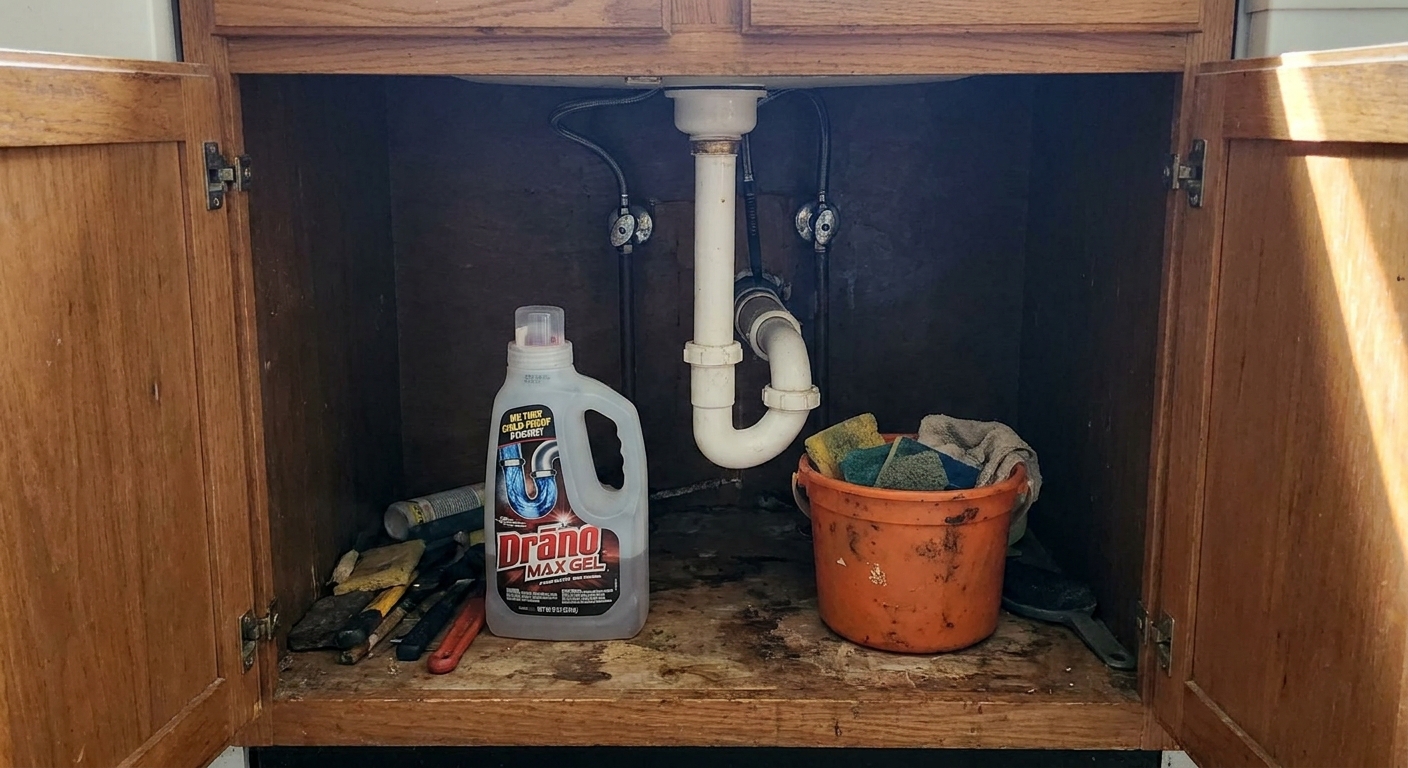
The quick answer
Enzyme or bacterial drain cleaners are usually the safest option for pipes and septic systems, but they are slow and often will not fix a true blockage.
Caustic (lye) cleaners can be risky mainly because of heat and dwell time. If the product sits concentrated in a trap or low spot, that heat can stress plastic fittings and seals, and harsh pH can be hard on older components.
Acid cleaners are the riskiest for household plumbing and safety. They can aggressively attack metal, create dangerous fumes, and turn a simple clog into a hazardous job.
If the drain is fully blocked, backing up, or gurgling like it has a personality, I generally point people back to mechanical clearing first: plunger, proper drain snake, trap removal and cleaning, or a call to a plumber if you suspect the clog is in the main line.
What these products are
Caustic (lye) cleaners
These are typically sodium hydroxide or potassium hydroxide based. They work by breaking down grease and organic gunk, and the reaction can generate significant heat.
Oxidizing cleaners
Some products use oxidizers to break down organic material. Depending on the formula, that may include bleach (sodium hypochlorite) or other oxidizing agents. Either way, they can be irritating, reactive, and not friendly with other cleaners.
Acid cleaners
These often contain sulfuric acid or similar strong acids. They can chew through hair and organic matter quickly, but they are also extremely corrosive and dangerous to handle.
Enzyme and bacterial cleaners
These use enzymes or bacteria cultures that digest organic buildup over time. They tend to be gentler on plumbing and septic systems, but they are maintenance products more than emergency unclogging tools.
Safety by pipe part
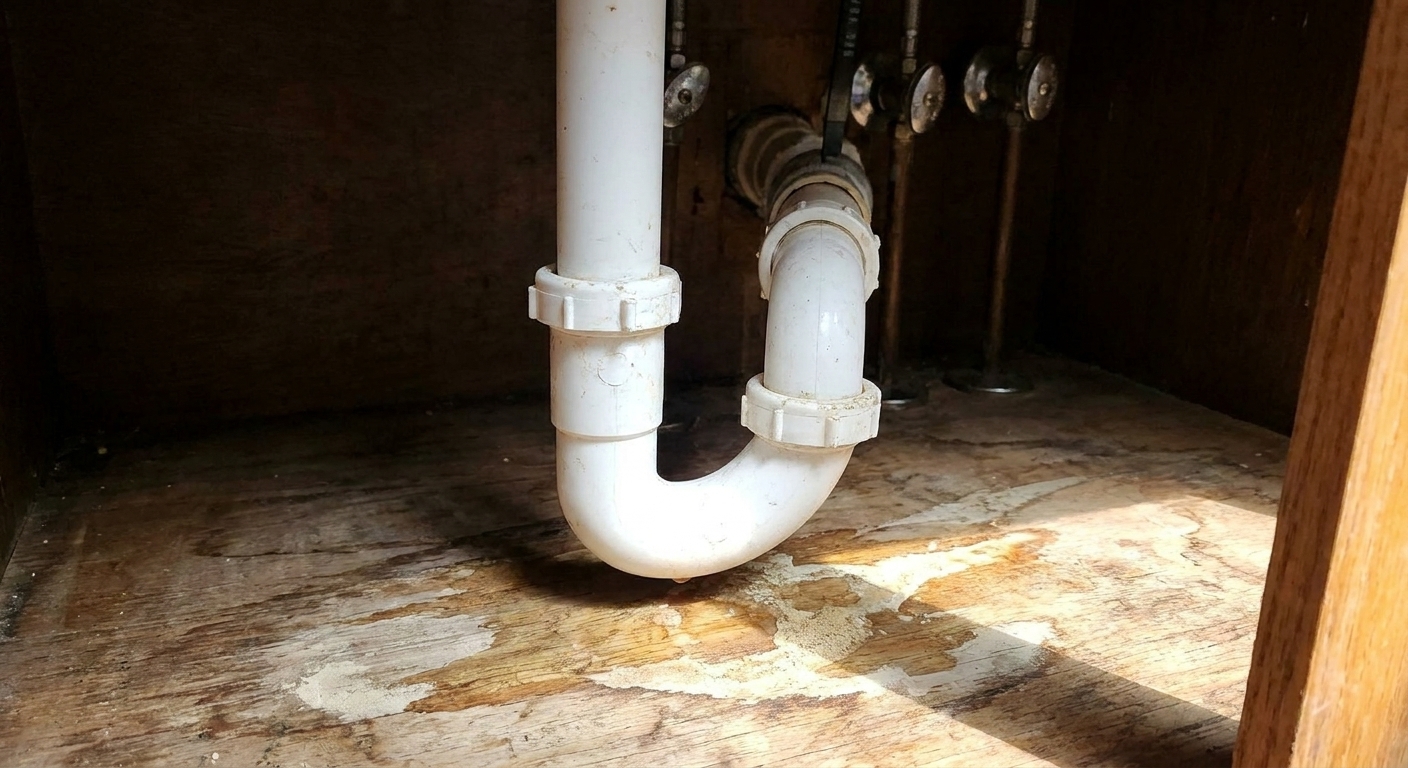
P-traps and under-sink fittings
Most modern homes have PVC or ABS plastic traps. In general:
- Enzyme cleaners: typically safe.
- Caustic cleaners: usually not a problem for PVC/ABS on paper, but in real life the risk is excess heat plus sitting in the trap, especially if you over-pour or leave it longer than the label calls for. That can stress plastic and rubber seals over time.
- Acid cleaners: highest risk. They can damage older metal traps and create a hazardous situation if you later need to remove the trap.
Metal traps (often chrome-plated brass) can pit or corrode from harsh chemicals, especially acids. Once that plating is compromised, corrosion tends to accelerate.
Old galvanized steel drains
Galvanized drain lines are common in older homes and can already be narrowed by rust and mineral scale. Chemical cleaners are a gamble here.
- Acids can accelerate corrosion and may open up weak spots that were barely holding on.
- Caustics can still create heat, and they often do not remove the hard scale that makes galvanized pipes slow in the first place.
If you have galvanized drains and frequent clogs, your best “drain cleaner” is usually a cable snake followed by a realistic plan for partial replacement over time.
Cast iron drains
Cast iron can handle a lot, but it is not immune. Strong acids can attack it, and repeated chemical use can worsen existing corrosion. If your cast iron is original and already rough inside, chemicals may temporarily punch through soft buildup, but they do not solve the underlying issue: a pipe that is getting narrower and rougher.
Modern PVC and ABS drain lines
These plastics are generally resistant to many household chemicals, but “resistant” does not mean “invincible.” The big issue is heat.
Some caustic cleaners heat up enough to soften plastic, especially if:
- the drain is slow so the chemical sits concentrated in one spot,
- you use more than recommended,
- you follow with very hot or boiling water when the label does not call for it.
If a plastic trap or fitting gets softened and then bumped, tightened, or stressed, it can warp or crack. That is how you turn a clog into a leak.
Septic systems
If you have a septic system, treat chemical drain cleaners like you would treat pouring anything weird into your aquarium. Your septic tank relies on bacteria to break down waste.
Enzyme and bacterial products
These are usually the most septic-friendly option. They are not magic, but they are less likely to disrupt the bacterial balance.
Caustic and oxidizing cleaners
These can disrupt septic biology, especially with repeat use or heavy doses. Even if one use does not “wipe out” a tank, the safer mindset is: keep harsh chemistry out of septic systems whenever you can.
Acid cleaners
These are the ones I avoid recommending for septic homes. Strong acids are disruptive, and if you need to do follow-up work, the safety risk goes up fast.
Septic reality check: If multiple drains are slow at once, you smell sewage, or you have gurgling and backups, skip the chemical. That is often a main line or septic issue that needs mechanical clearing or a septic pro, not a stronger potion.
Garbage disposals
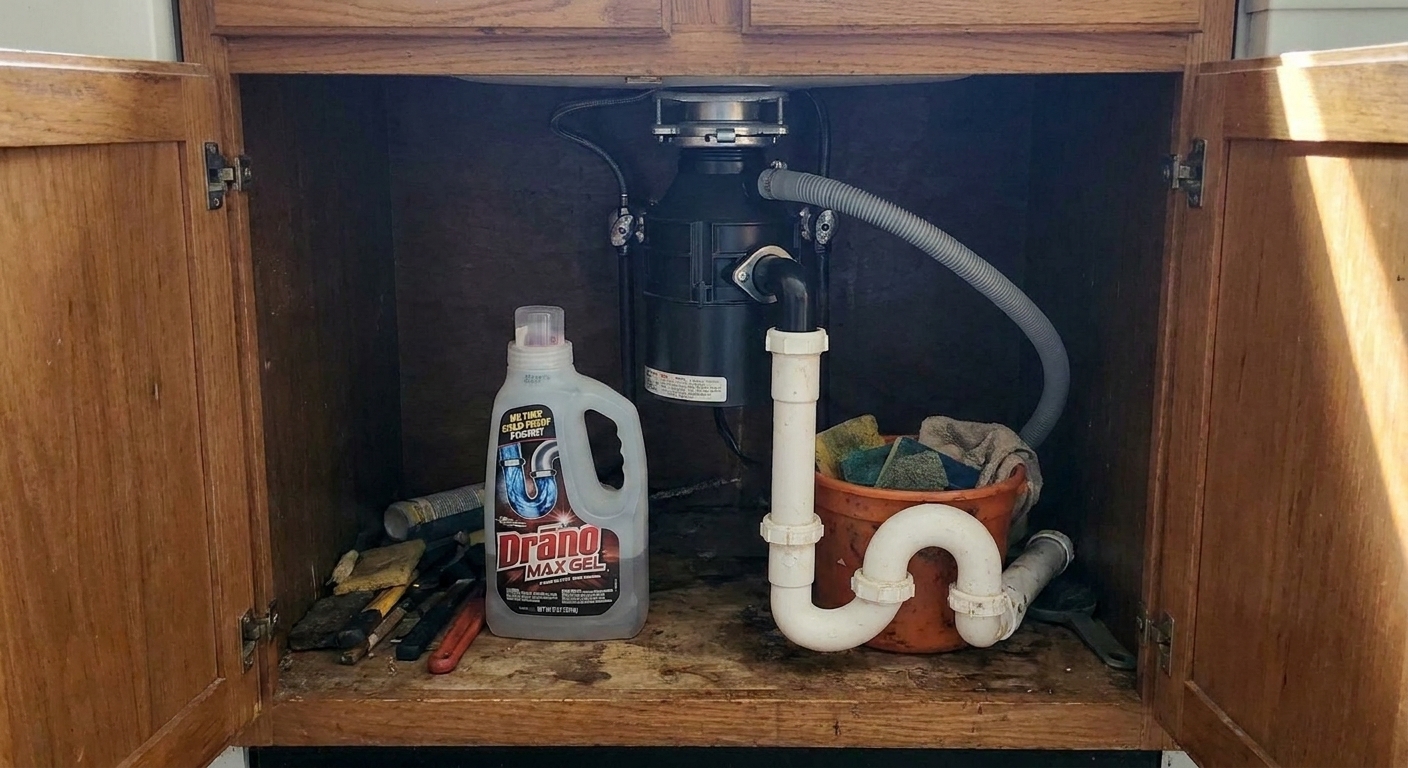
Most disposal manufacturers discourage harsh drain cleaners, and I get why. Disposals connect to plumbing with multiple materials: metal components, rubber splash guards, sometimes thinner plastic discharge piping, and then the trap.
- Enzyme cleaners: generally safest, especially for odor control and light buildup.
- Caustic cleaners: can generate heat and may not play nicely with rubber parts and gaskets over time.
- Acid cleaners: I avoid them around disposals. The risk is not worth it.
Also, a disposal clog is often mechanical: fibrous food, too much starch, or a foreign object. Chemical drain cleaner does not remove a physical blockage.
Main hazards
Heat
Many caustic cleaners produce heat as they react. If the clog is tight and the product sits in the trap, you can end up with hot, concentrated chemical soup sitting against one section of pipe.
Splash and burns
When you pour chemicals into a drain with standing water, splash is a real risk. And if you later plunge or snake the drain, that liquid can come back at you.
Safety minimums: Wear eye protection and chemical-resistant gloves. Keep kids and pets away. Open a window or run the bath fan. If the label says do not use a plunger, believe it.
Mixing (the ER trip)
Never mix drain cleaners with other cleaners. Never “top off” one product with another. Mixing can create violent reactions, dangerous heat, or toxic gas.
- Bleach + acids can create chlorine gas.
- Different drain cleaners can react unpredictably even if they look similar.
If you already poured drain cleaner
If you dumped something in the drain and it did not work, do not “stack” products and do not start plunging out of frustration. Here is the safer play:
- Ventilate the room. Run the fan and open a window.
- Keep people and pets away from the sink, tub, or floor drain.
- Follow the label for wait time and flushing instructions. Do not improvise with boiling water.
- Do not snake or remove the trap until you are confident the line has been flushed as the label directs. If it is fully blocked and you cannot flush, treat it as hazardous.
- Call a plumber if it is not moving, and tell them exactly what you used. That is not “oversharing.” It is safety.
When chemicals backfire
This is the part homeowners do not get warned about enough.
Trap removal becomes hazardous
If the drain is still clogged, the chemical often ends up sitting in the trap. If you then remove the trap, you are dumping caustic or acidic liquid into a bucket inches from your face and hands.
Some clogs get harder to clear
Some clogs are a mix of grease, soap scum, hair, and food. Strong chemicals can partially break down grease, then it can re-solidify farther down the line or reshape into a tougher plug. Not guaranteed, but it happens often enough that I consider it a real risk.
Snaking gets riskier
Running a drain snake through a line that may contain active chemicals is risky. Snakes splash. Cables fling droplets. If a pro shows up, they have to assume the worst, which can change how they approach the job.
Toilets are different
People ask about toilet clogs all the time, and I am extra cautious here. Chemical drain cleaners in toilets are a bad combo of splash risk and false confidence.
- Many toilet clogs are paper or an object, not “gunk” that chemicals dissolve.
- If you end up needing a closet auger, you can get chemical water coming back at you.
- Harsh chemicals can also be rough on rubber and seals over time.
For toilets, start with a good toilet plunger (flange plunger). If that fails, go straight to a closet auger or call a plumber.
What to do instead
Start simple
- Sink or tub: use a cup plunger with a good seal. Add enough water to cover the rubber cup.
- Bathroom sink: remove and clean the pop-up stopper. That is where hair loves to camp out.
- Shower: pull the strainer and remove hair by hand or with a small plastic drain tool.
Clean the trap
If you are comfortable under a sink, trap cleaning is often faster than guessing with chemicals. Bucket underneath, towels ready, and loosen the slip nuts. If that sentence makes your palms sweat, that is okay. Call a plumber. Better that than a chemical burn.
Use a proper drain snake
A hand-crank snake for small branch lines is a solid homeowner tool. Work slowly and deliberately. Do not force it like you are trying to start a lawnmower from 1994.
Use enzymes for prevention
Enzyme cleaners are great for slow, greasy kitchen drains or funk buildup, especially when used regularly. They are not great at punching through a fully blocked line on a Saturday night.
Cheat sheet
| Location / System | Enzyme | Caustic (lye) | Acid |
|---|---|---|---|
| PVC/ABS trap and branch drains | Usually OK | Use caution (heat, dwell time) | Not recommended |
| Chrome-plated brass trap | Usually OK | Use caution | High risk of corrosion |
| Old galvanized drain lines | Limited help | Use caution, often ineffective | High risk |
| Cast iron drains | Usually OK | Use caution | Risky |
| Septic system home | Best choice | Can disrupt, avoid routine use | Avoid |
| Garbage disposal | Usually OK | Use caution | Avoid |
| Toilet | Not useful | Not recommended | Avoid |
Important: “Usually OK” assumes you follow the label directions, the drain is not completely blocked, and you are not mixing products.
When to call a pro
- More than one fixture is backing up (example: toilet gurgles when the shower runs).
- You have sewage smells or water coming up in a tub when you run a sink.
- You used chemical drain cleaner and the clog did not move.
- Your home has old galvanized or failing cast iron and clogs are frequent.
- You suspect roots, a collapsed line, or a septic problem.
There is no shame in tapping out. Plumbing is one of those trades where small mistakes can become big water damage.
My bottom line
If you want the safest approach for your pipes and your future self, go mechanical first. Use chemical drain cleaners sparingly, pick the least aggressive product that matches the problem, and never treat the label like a dare.
And if you want a solid companion read, check out our guide on the everyday stuff that starts clogs in the first place. Most “mystery clogs” are not a mystery once you know what you are feeding your drains.