If your drains are slow and gurgling (but not backing up), your plumbing vent may be blocked. Learn how to locate it, clear it safely, and know when to call ...
The Homeroom Fix
October 28, 2026
•
By Marcus Delgado
Why Does My Drain Smell Like Sewage?
A sewage smell from a drain usually means sewer gas is getting past a trap or seal. Use these quick checks to find the source: dry P-trap, floor drain trap issues, overflow biofilm, loose cleanout caps, sump or ejector pit lids, or a vent problem.
If you are getting that unmistakable sewage smell from a sink, tub, or floor drain but the water still drains fine, you are not crazy and your plumbing is not necessarily “backed up.” A lot of the time it is an air seal problem, not a flow problem.
I grew up in a house where we tried the simple stuff first. My grandpa would say, “Smells travel through air, not through water.” In plumbing terms, that usually means sewer gas is sneaking past a trap (or past a cap or seal) somewhere in the system.
Below is the exact order I use in my own 1970s Michigan fixer upper when a drain starts smelling like a swampy sewer line. We will start with the stink, then do the quick checks that pinpoint the source.
First: make sure it is really sewer gas
Sewer gas is a mix of nasty smells from your drain and vent system. It is often strongest when you first walk into the room, after the house has been closed up, or when HVAC is running and pulling air.
Two fast clues
- The smell is strongest right at the drain opening, not from the wall or floor. That points to a trap or overflow issue.
- The smell comes and goes. That often points to a dry trap, a floor drain without a working trap primer, or a venting problem that pulls the trap dry.
Safety note: A “rotten egg” smell can come from sewer gas (hydrogen sulfide) or from natural gas or propane (the odorant added to fuel gas). If the smell is strong house-wide, you feel dizzy or get a headache, or you are not sure what you are smelling, step outside and call your gas utility or emergency number first. Sewer gas is foul, but you should not gamble with fuel gas.
Quick odor hunt: find the guilty drain
Before you start taking things apart, figure out where the smell is actually entering the room.
What to do
- Sniff test with a purpose: get low and smell near each drain, overflow opening, and any cleanout plug you can see (basement, laundry area, near a stack).
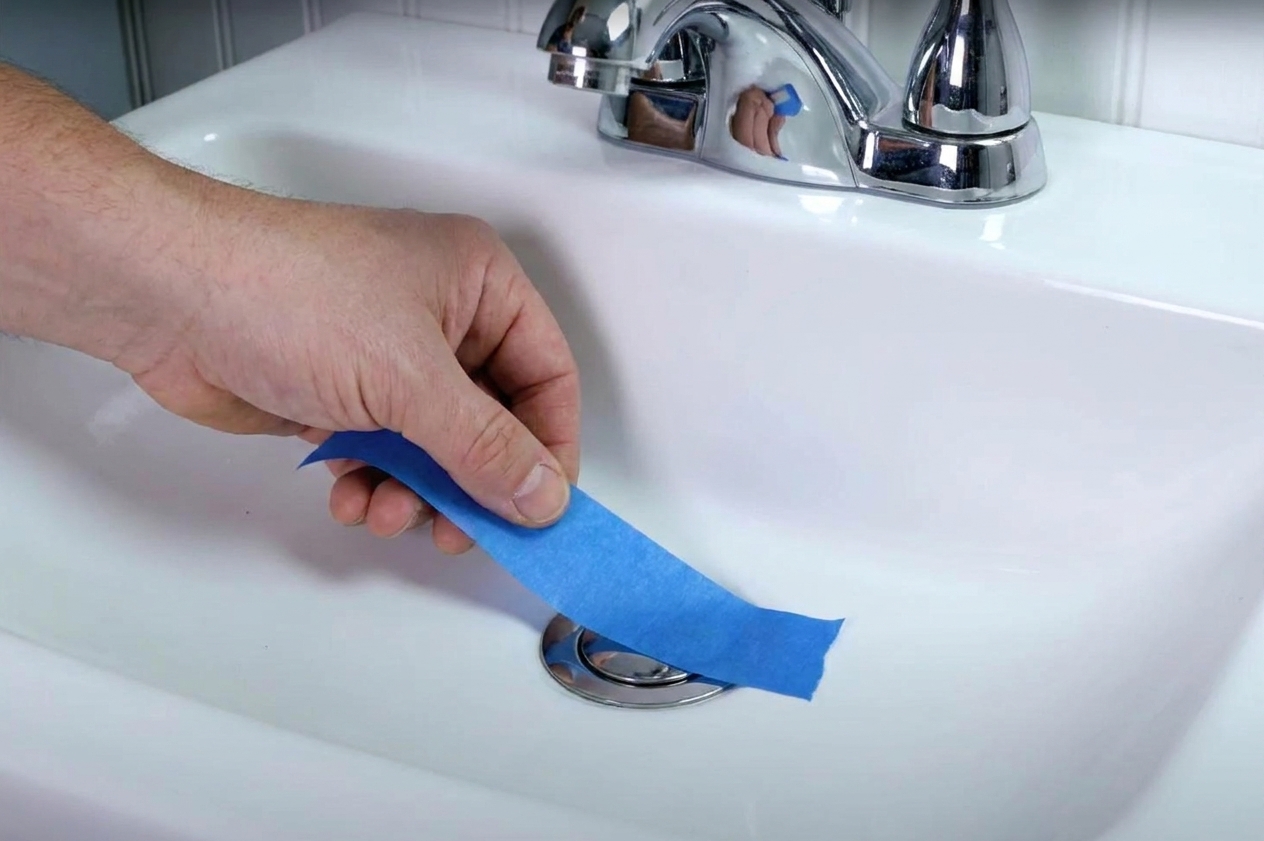
- Use painter’s tape as a temporary lid: tape over one drain at a time for 10 to 20 minutes. If the smell drops fast when a drain is sealed, you found your entry point. Do not leave tape on for hours, and do not tape over a drain you need to use during the test.
- Do not forget the overflow: tub and sink overflows can stink even when the drain itself is fine.
Most common cause: a dry P-trap
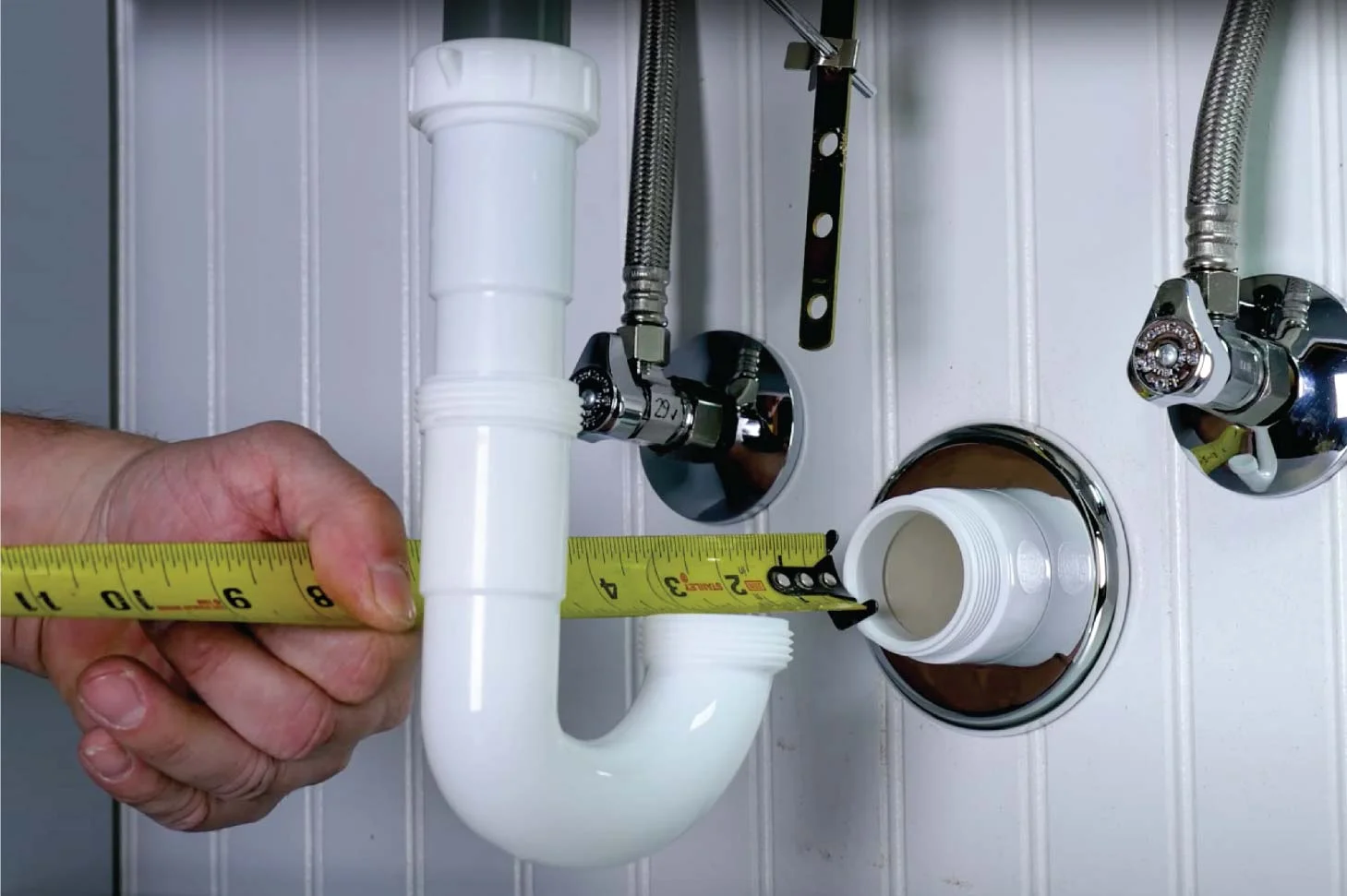
That U-shaped bend under your sink or the built-in trap under a tub is not just plumbing decoration. It holds a little water on purpose. That water is the seal that blocks sewer gas from coming back up.
How traps go dry
- A guest bath or basement sink that rarely gets used
- A floor drain in a mechanical room that never sees water
- Dry air in winter (hello, Michigan), which speeds evaporation
- A venting issue or nearby fixture draining can siphon a weak trap
Check and fix
- Run water for 30 to 60 seconds in the smelly fixture.
- Wait a few minutes, then smell again.
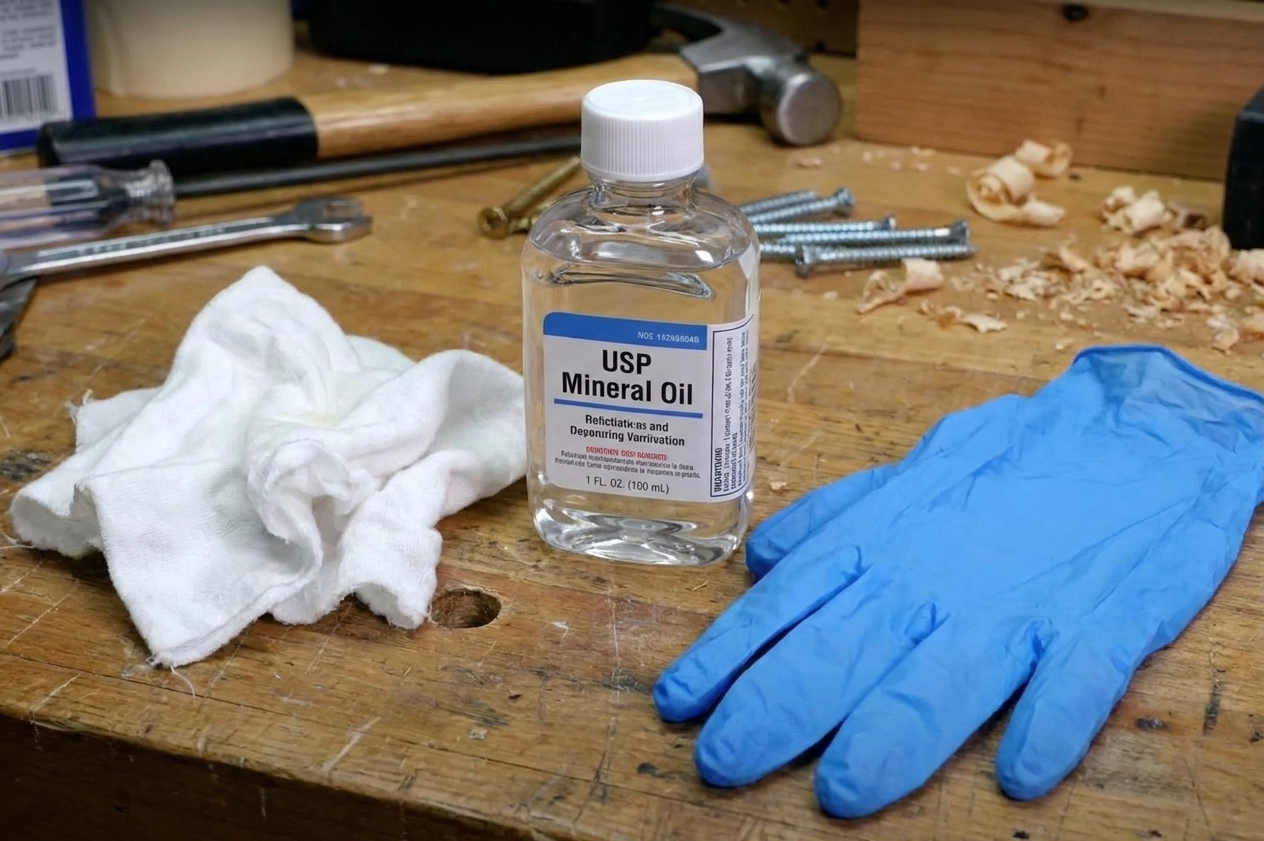
- If it improves, you just refilled the trap. To slow evaporation, add 1 to 2 tablespoons of mineral oil into the drain after refilling it. Mineral oil floats on top of the water and reduces evaporation. Use a small amount. It is a temporary help for evaporation, not a fix for siphoning or vent problems. Do not use cooking oil, it can go rancid.
If the smell returns in a day or two, jump down to the sections on floor drain trap primers and venting issues.
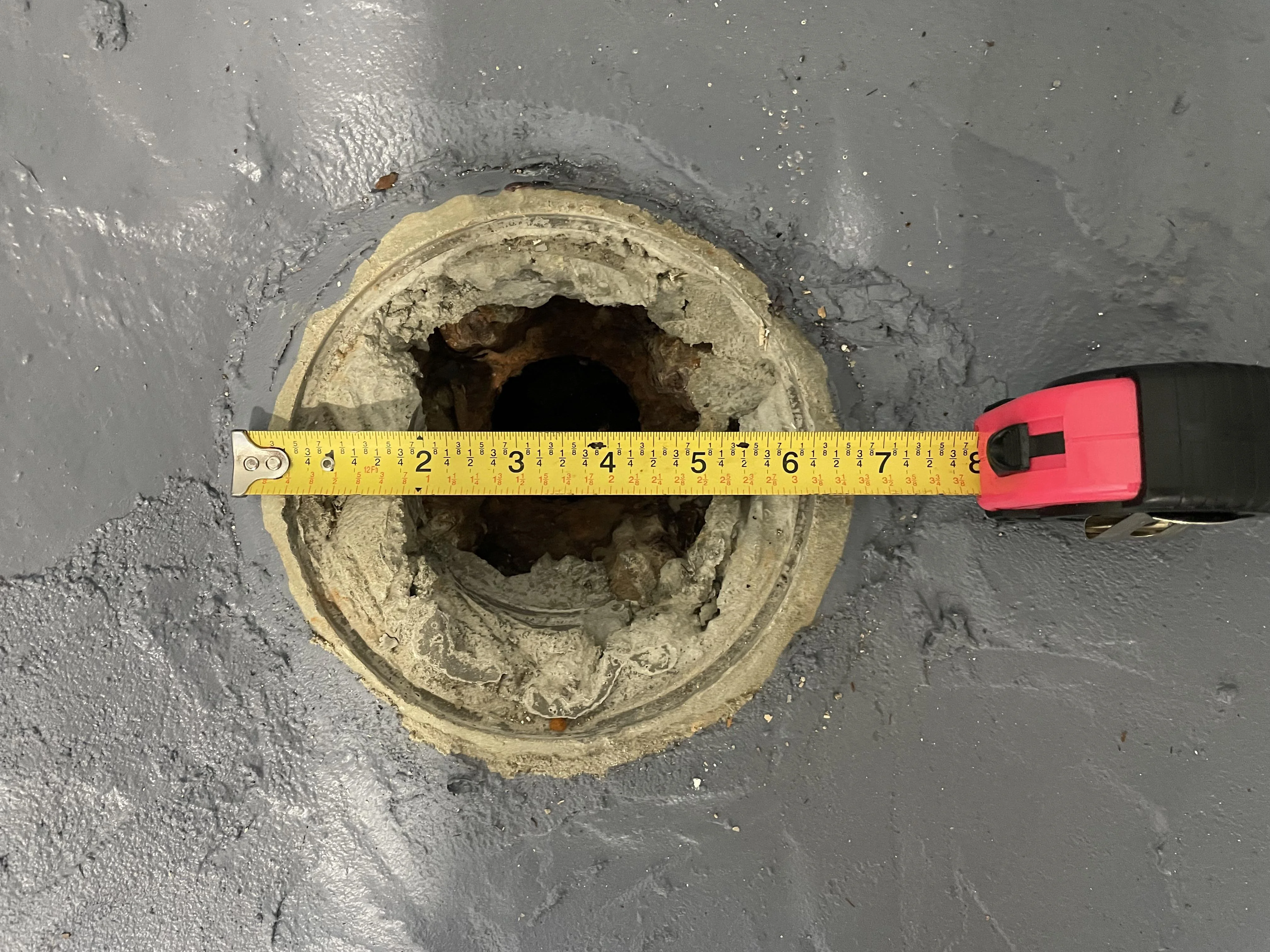
Floor drain stink: dry trap or no primer
Floor drains in basements, laundry rooms, and mechanical rooms are classic “it still drains but smells awful” culprits. Some homes, especially newer or code-updated installs, have a trap primer, a small device or line that automatically drips water into the trap so it never dries out. Plenty of older homes do not.
Signs your floor drain trap is dry
- Odor is strongest at the floor drain grate
- Drain works when water hits it, but smell returns later
- Floor drain sits in a low-traffic area where nothing ever spills into it
What you can do today
- Pour 2 to 4 cups of water into the floor drain.
- Come back in 10 minutes and sniff again.
- If it helped, add 1 to 2 tablespoons of mineral oil to slow evaporation.
How to check for a trap primer
Look near the floor drain for a small copper or plastic line entering the side of the drain body, or a nearby primer valve tied to a sink supply. In some homes, it is hidden in the wall or ceiling.
If you suspect a missing or non-working primer and the drain keeps drying out, that is a good time to call a plumber. Adding or repairing a primer is not usually a massive job, but it does involve code and proper connections.

Biofilm in an overflow
If you have ever cleaned a teenager’s water bottle straw, you already understand biofilm. Sink and tub overflows collect soap scum, skin oils, toothpaste, and hair mist. It can smell like sewage even when the trap is fine.
How to tell it is the overflow
- The smell is stronger near the overflow opening than the drain
- Running water helps a little, but the odor comes back quickly
- The fixture drains normally with no gurgling
Clean a sink overflow (simple method)
- Remove the stopper if you can, so you have more access.
- Use a zip tie or small bottle brush to scrub the overflow channel. A flashlight helps.
- Flush with hot water.
- Optional: pour a little dish soap down the overflow and rinse again.
Clean a tub overflow
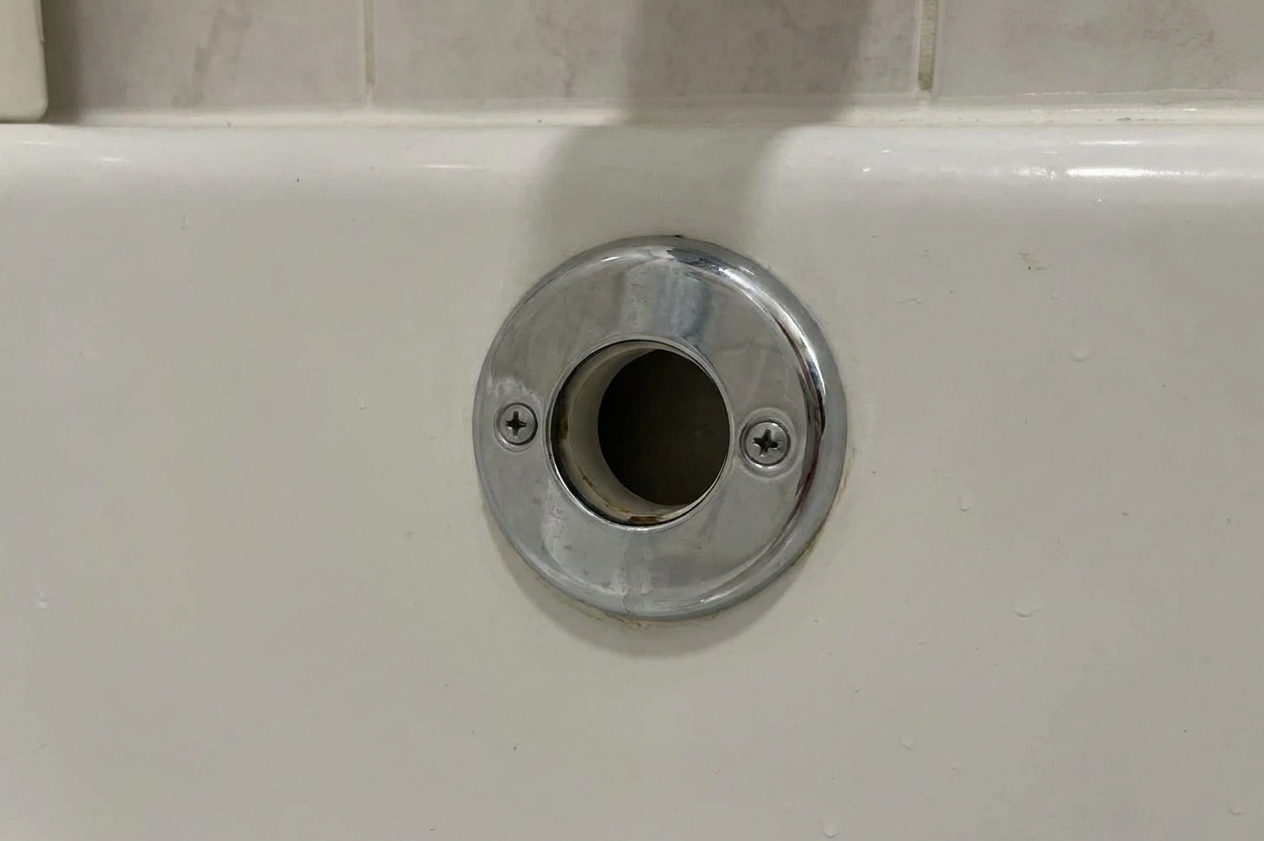
- Remove the overflow cover plate (usually two screws).
- Pull out hair and gunk around the lever or linkage if you have it.
- Scrub what you can reach with a brush, then rinse.
Avoid mixing strong chemicals in enclosed plumbing. If you already used a drain cleaner, rinse thoroughly with water before using anything else.
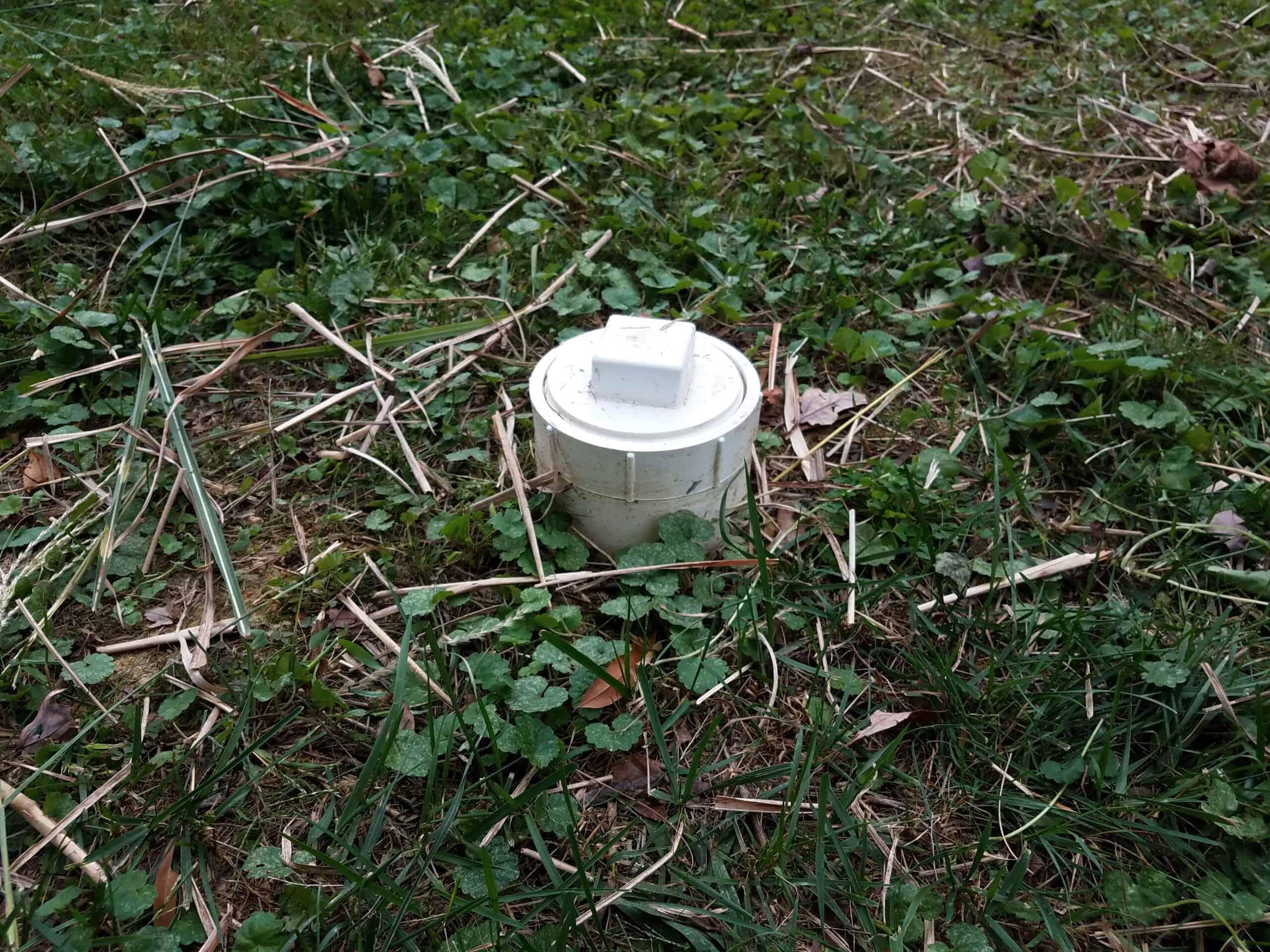
Loose cleanout cap
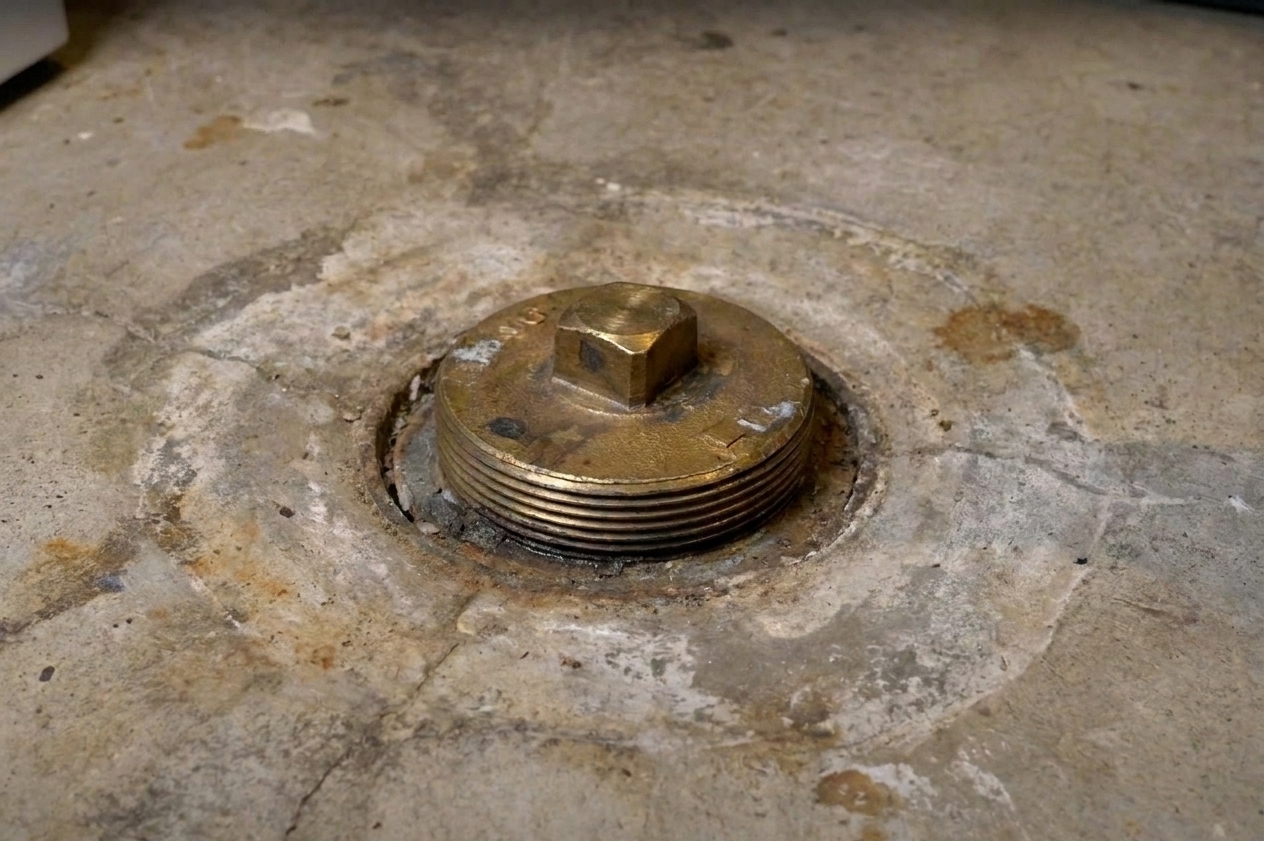
Cleanouts are access points to your drain line. They often have a threaded plug or cap, and if that cap is loose, cross-threaded, cracked, or missing its sealing washer, sewer gas can leak out even though everything drains fine.
Where to look
- Basement near the main stack
- Utility room walls near the floor
- Outside along the foundation (in some layouts)
What to check
- Look for a white or black plastic cap or a brass plug on a larger pipe fitting.
- Sniff near it. If it smells strongest there, you have a winner.
- Gently try to tighten it by hand. If it moves easily, it may have been leaking.
If the cap is cracked or will not tighten, replace it. If you see standing water, corrosion, or signs of leakage around a cleanout, it is worth having a plumber evaluate the condition of the line and fittings.
Venting problems
Your drain system needs air to flow properly. That is what vent pipes are for. When venting is blocked or incorrect, the system can create negative pressure that siphons water out of traps or lets sewer gas burp back through a fixture.
Symptoms that point to venting
- Gurgling from a drain after another fixture is used
- Toilet bowl water level mysteriously drops over time
- Odor can be worse when it is windy outside
- Multiple fixtures smell, not just one
Common vent issues
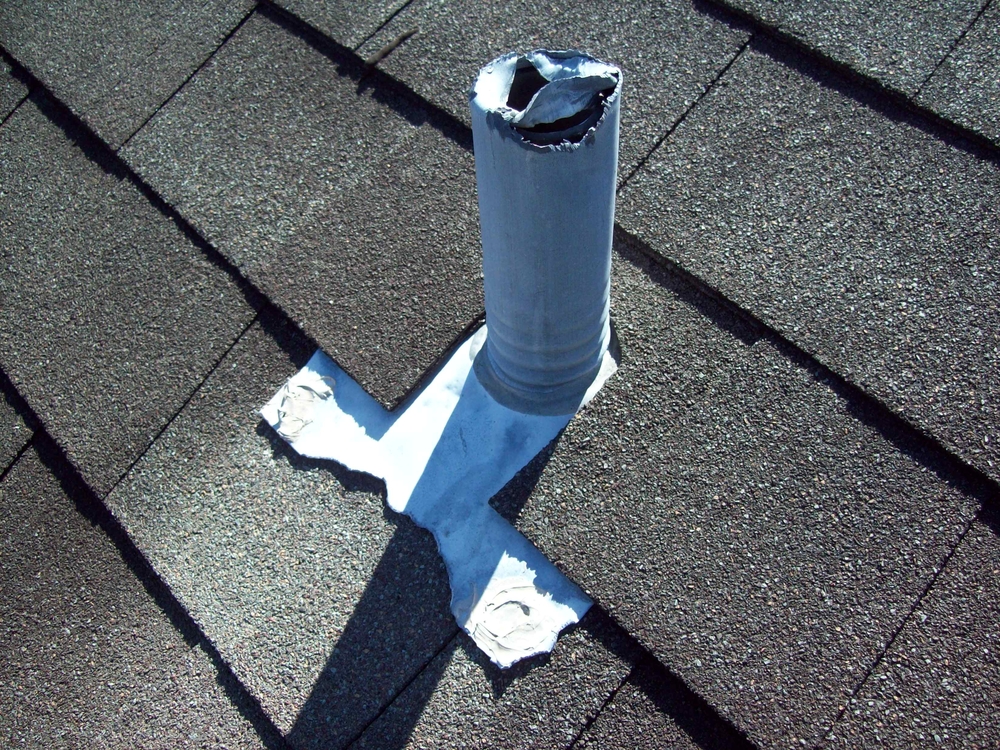
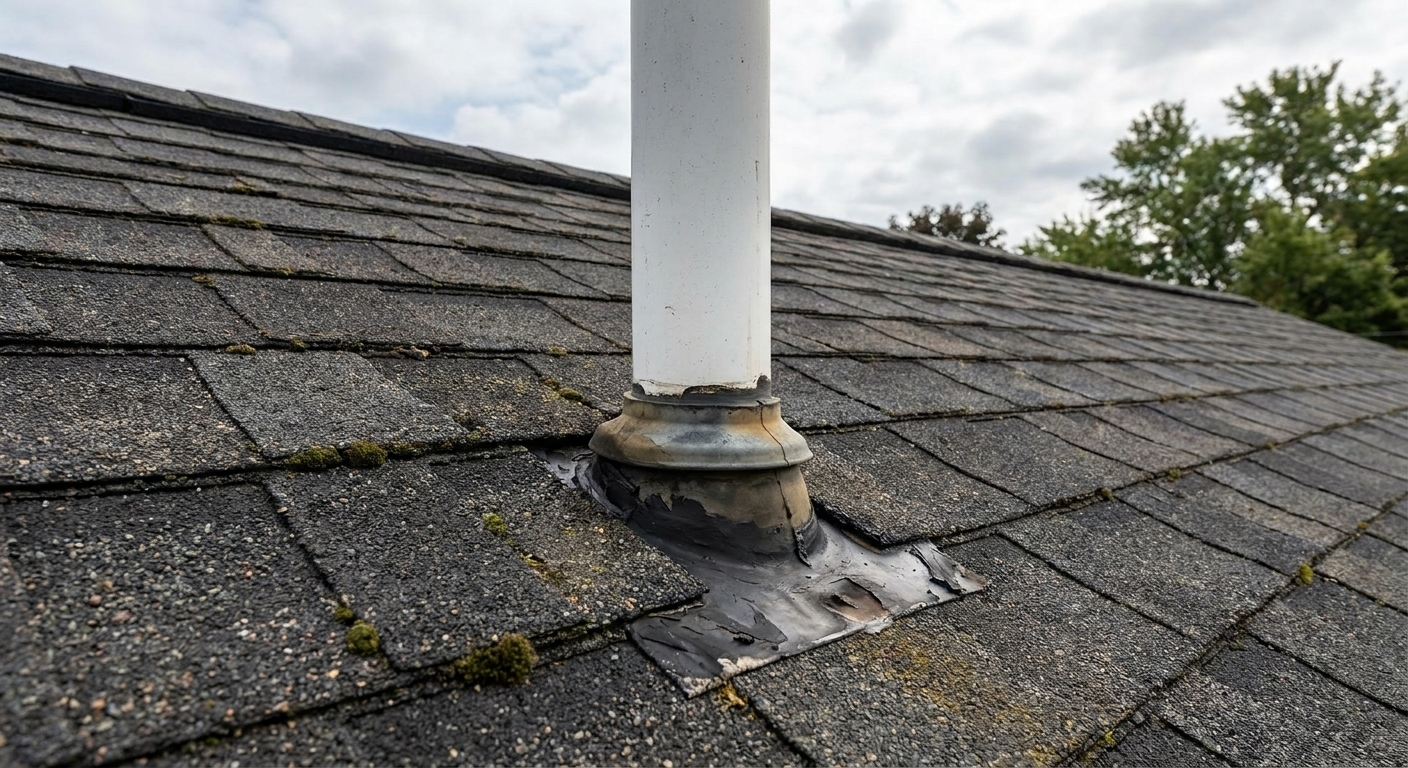
- Roof vent blockage (leaves, nests, snow, or ice)
- Failed or missing AAV (air admittance valve) under a sink in remodeled areas
- Improper DIY plumbing changes that eliminated a vent connection
Roof vent work is not my favorite DIY recommendation because it involves ladders, slippery shingles, and sometimes winter conditions. If you suspect a blocked vent and you are not 100 percent comfortable on the roof, call a pro. The diagnosis is usually quick.
Basement odor traps: sump and ejector pits
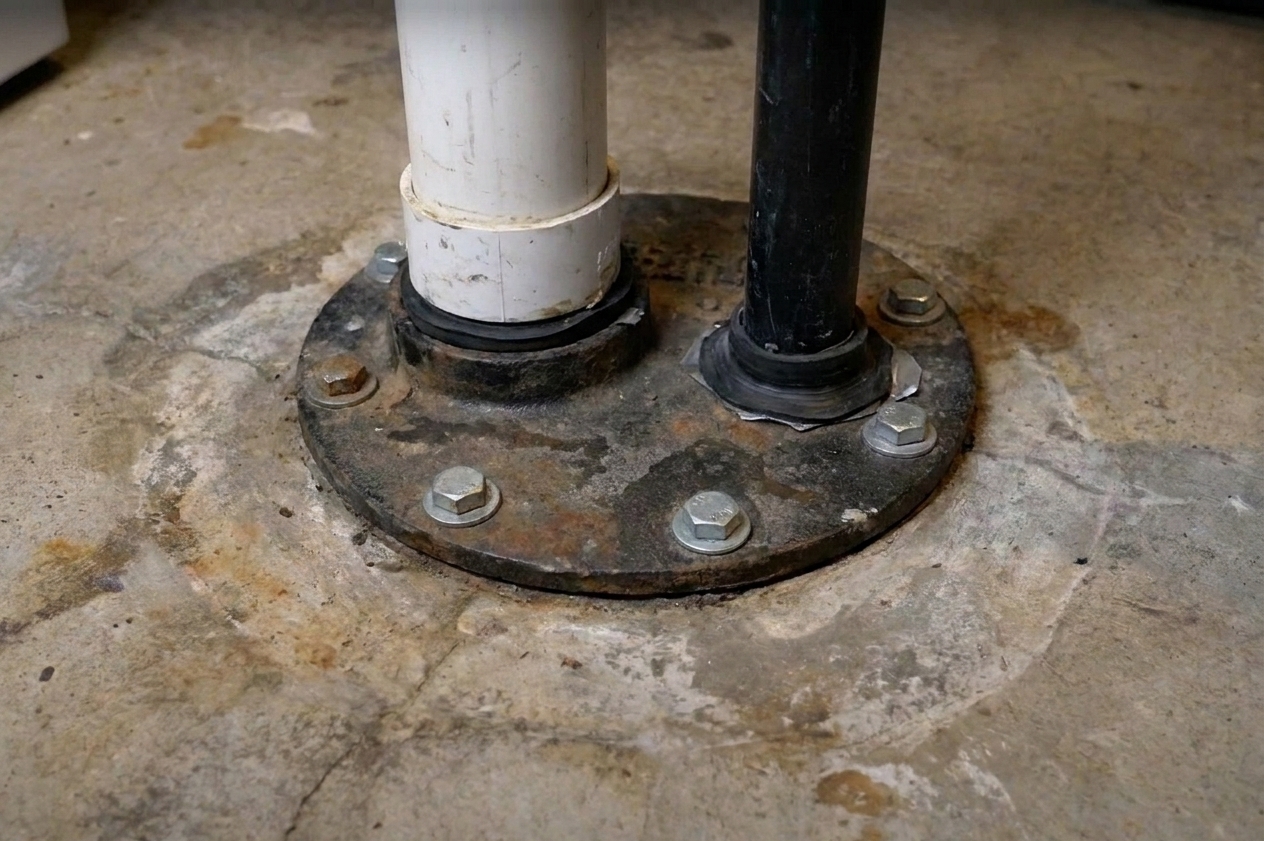
If the smell is in the basement and you swear it is not coming from a specific drain, check for a sump pit lid or sewage ejector pit lid. A loose lid, missing bolts, or a failed gasket can leak sewer gas into the basement even when every drain trap is full.
What to look for
- Odor strongest near the pit cover
- Visible gaps around the lid, cord holes, or pipe penetrations
- Any lid that rocks or does not sit flat
These covers are supposed to be sealed. If you have an ejector pit and you smell sewer gas, it is worth calling a plumber to check the lid seal and venting.
Other odor sources
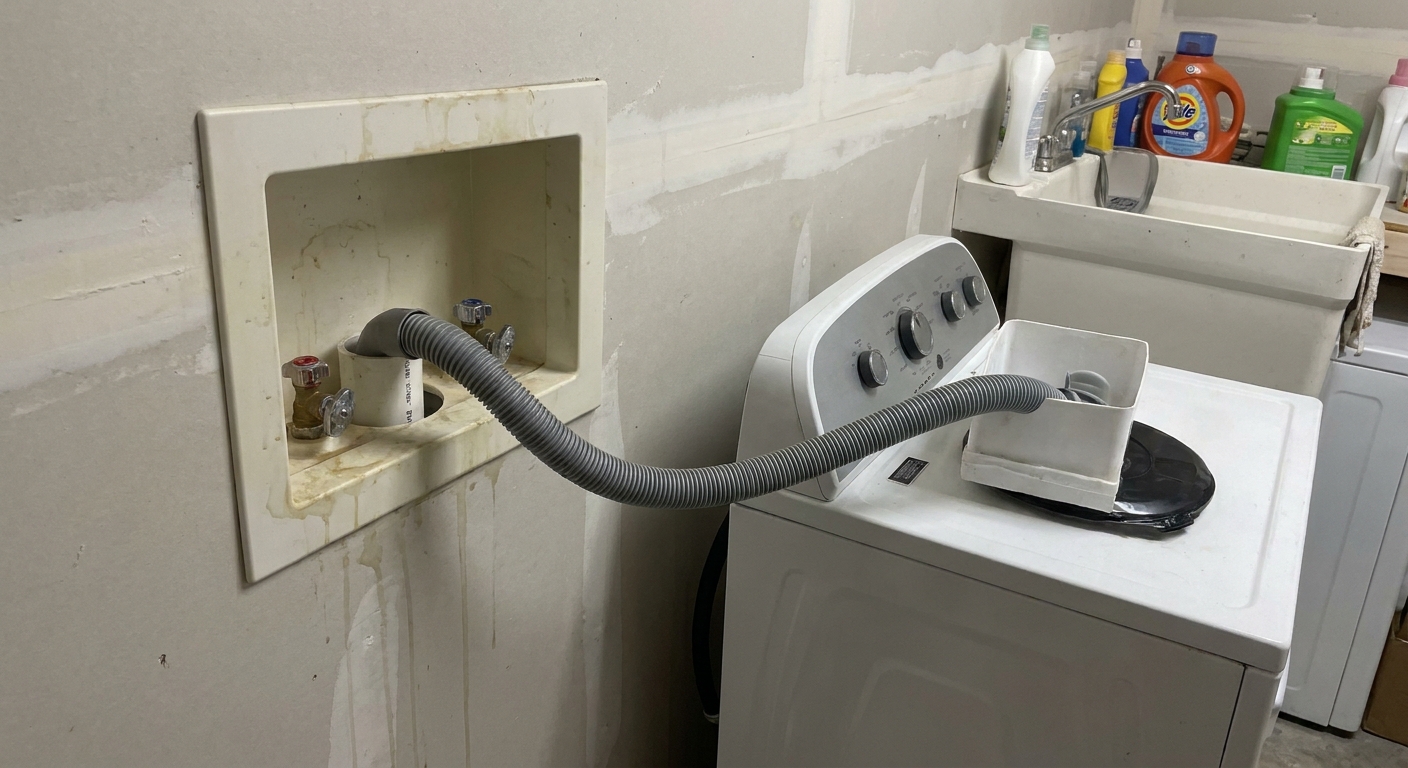
Washer standpipe and laundry area
If the washing machine standpipe trap dries out or is incorrectly installed, it can stink up a whole basement. Run water in the nearby laundry sink (if you have one) and make sure the washer drain setup includes a proper trap.
Garbage disposal funk
Disposals can smell awful, but the odor is usually more “rotting food” than sewer gas. If the smell is at the kitchen sink, clean the splash guard and run cold water while grinding a handful of ice and a little dish soap. Avoid large amounts of citrus peels or fibrous scraps, since they can jam or overload some units and they mostly just mask odor.
Failing wax ring at a toilet
A bad wax ring can leak sewer odor without an obvious water leak at first. If the smell seems to come from the base of a toilet, the toilet rocks even slightly, you see staining around the base, or the floor feels soft, that is a real fix-not-ignore situation.
Hidden drain leaks
It is less common, but a cracked drain line in a wall or under a slab can leak odor while fixtures still drain fine. If you have persistent odor plus damp spots, staining, or unexplained settling, that is a good time to bring in a pro for diagnostics.
Do not do this
- Do not mix chemicals in a drain or overflow. Rinse thoroughly with water between products.
- Do not permanently seal a drain as a “fix.” Tape is for testing only.
- Do not cap or block a vent to stop smells. Venting is part of what protects trap seals.
- Do not ignore backup warning signs like multiple slow fixtures, gurgling at the lowest drain, or water coming up where it should not. That is a different problem than a simple odor leak.
Step-by-step checklist
- Refill traps: run water in the smelly fixture, plus nearby rarely used fixtures.
- Floor drain test: pour water into the floor drain, then add a little mineral oil.
- Overflow cleaning: scrub sink or tub overflow passages.
- Cleanout sniff test: locate cleanouts, check caps for tightness and cracks.
- Basement pit check: inspect sump and ejector pit lids and seals if the smell is downstairs.
- Listen for vent symptoms: gurgling, trap siphoning, multi-fixture odors.
- Escalate: if odors persist or you suspect venting, hidden leaks, or sewer line issues, call a plumber.
When to call a plumber
I am all for DIY, but sewer gas is one of those things where a fast professional diagnosis can be money well spent.
- You cannot locate the source after the basic trap and overflow checks
- Multiple drains smell at once
- You hear frequent gurgling or see toilet water levels drop
- You find a cracked cleanout fitting or signs of leakage
- The smell is strongest in the basement near the main stack, ejector pit, or under-slab areas
A plumber can do smoke testing or other diagnostics to find leaks in venting or hidden joints.
FAQ
Why does my bathroom sink smell like sewage even though it drains fine?
The top causes are a dry P-trap (especially in a guest bath), biofilm in the overflow channel, or a venting issue that is siphoning the trap. Start by running water to refill the trap, then clean the overflow.
Can a sewer smell come from a drain that is not clogged?
Yes. Flow and odor are two different problems. A drain can be wide open but still allow sewer gas through if the trap is dry, a cleanout cap is leaking, a pit lid seal is leaking, or venting is pulling trap water out.
Will bleach fix a sewage smell in a drain?
Bleach can knock back some odor-causing gunk, but it does not fix the root cause if the trap is dry or a cleanout is leaking. For overflows and light slime, physical cleaning plus hot water usually works better than trying to “chemical” your way out of it.
How often should I add water to floor drains?
If the drain has no functioning trap primer, you might need to add water every few weeks, more often in dry winter air. Mineral oil on top of the trap water can stretch that out.