If your tub gurgles right when the washer pumps out, it’s usually shared piping, venting trouble, or a developing clog. Use the timing to narrow it down with...
The Homeroom Fix
October 28, 2026
•
By Marcus Delgado
How to Clear a Clogged Plumbing Vent
Slow drains and that odd gurgling sound can point to a blocked plumbing vent termination. Here’s how to find your vent and clear leaves, nests, or other debris safely, plus when to call a pro.
The first time I ran into a clogged plumbing vent, I did what a lot of DIYers do. I attacked the drain with a snake, a plunger, and a few words I won’t repeat in front of my golden retriever, Wrench. The drain got a little better, then went right back to the same slow, gulping, gurgling nonsense.
Turns out, the problem was not in the drain line at all. It was the vent stack on the roof, blocked by wet leaves and a little bird-related housekeeping project.
If your symptoms are slow drains and gurgling (especially after a toilet flush or when another fixture drains), a clogged plumbing vent is a real suspect. This guide will walk you through finding the vent stack and clearing it safely, with a heavy emphasis on fall protection and knowing when it’s time to call a pro.
What a plumbing vent does (and what it does not do)
In most homes, the plumbing vent is the pipe that terminates through the roof (or, less commonly, out a side wall). Its job is to let air into the drainage system so water can flow smoothly and traps can hold water (which blocks sewer gas from coming into your home).
In a properly functioning system, a vent line is mainly an air path, not a waste line. It can carry moisture and sewer gas, but it should not be moving solids the way your drain line does. When a vent gets blocked, the drain lines can’t breathe, so fixtures drain slowly and you may hear gurgling as the system tries to pull air through nearby traps.
Good news: When the vent is the issue, clearing it can be surprisingly straightforward.
Symptoms that fit a clogged vent stack
These signs point more toward a vent problem than a simple hair-and-gunk clog in one trap.
- Slow drains in one or more fixtures
- Gurgling sounds from a sink, tub, or toilet when another fixture drains
- Drain speed that changes based on what else is running in the house (for example, a sink that slows when the toilet flushes)
Not the same problem: If you have sewage backing up into a tub or shower, or a toilet that overflows repeatedly, stop here and call a plumber. That points to a main drain obstruction, not just a vent issue.
Quick rule-out: If only one fixture is slow and nothing else gurgles, you are more likely dealing with a local clog in that trap or branch line. If multiple fixtures on the same floor or bathroom group act up together, a vent issue moves up the suspect list.
What commonly blocks a roof vent
Vent clogs are often right near the top of the pipe. Common culprits include:
- Leaves and twigs that wash in during storms
- Bird nests or squirrels storing “treasures”
- Wasps or insects building inside the warm, protected pipe
- Ice forming at the top in freezing weather
Less common, but real: construction debris, a damaged or offset vent section, or buildup deeper in the vent line. That is one reason I keep the advice gentle. If you hit a hard stop that will not move, it’s time to bring in help.
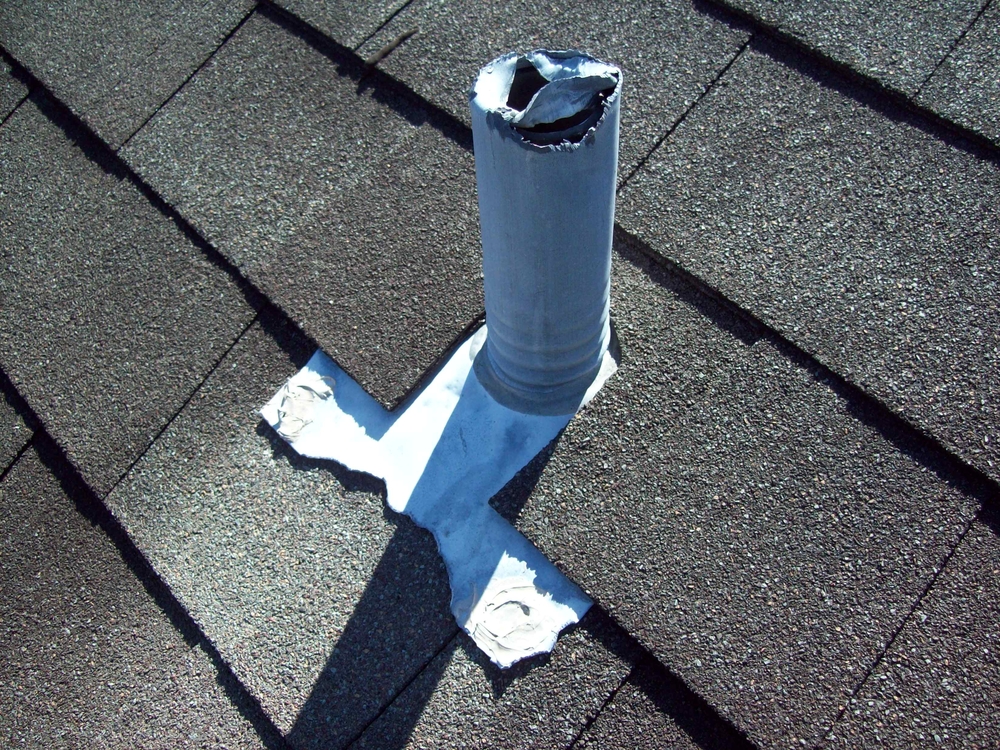
How to find the vent stack
Most homes have at least one vent stack, and some have several. Here’s how to find the one most likely involved.
Start inside (fastest way)
- Look under a sink where you are noticing gurgling or slow draining.
- Find the vertical drain pipe leaving the trap. That pipe goes down, then a vent line usually ties in and heads upward through the walls.
- If you have access to an attic, look for a vertical pipe that goes up and exits the roof or an exterior wall. Often it is black ABS plastic or white PVC in newer work, and cast iron in older homes.
Then confirm outside
- Walk around your home and look for pipe terminations, most often through the roof, usually 2 to 4 inches in diameter.
- The main vent is often near a bathroom group or above a wall that lines up with bathrooms.
- On a multi-bath home, the vent you want may be closer to the fixtures showing symptoms, but it is not always the closest one.
Roof safety first
I’ve framed roofs, walked plenty of them, and I still treat roof work like it is trying to humble me. Because it is.
Do not get on the roof if any of these are true
- The roof is wet, frosty, snowy, or icy.
- The roof is steep and you are not experienced with roof footing.
- You cannot set a ladder safely (level ground, proper angle, stable base).
- You cannot maintain three points of contact while climbing.
When to call a pro: If the vent is iced over, the roof is steep, or you are uncomfortable with heights, hire a plumber or roofing pro. Ice and gravity are a brutal combo.
Basic ladder rules
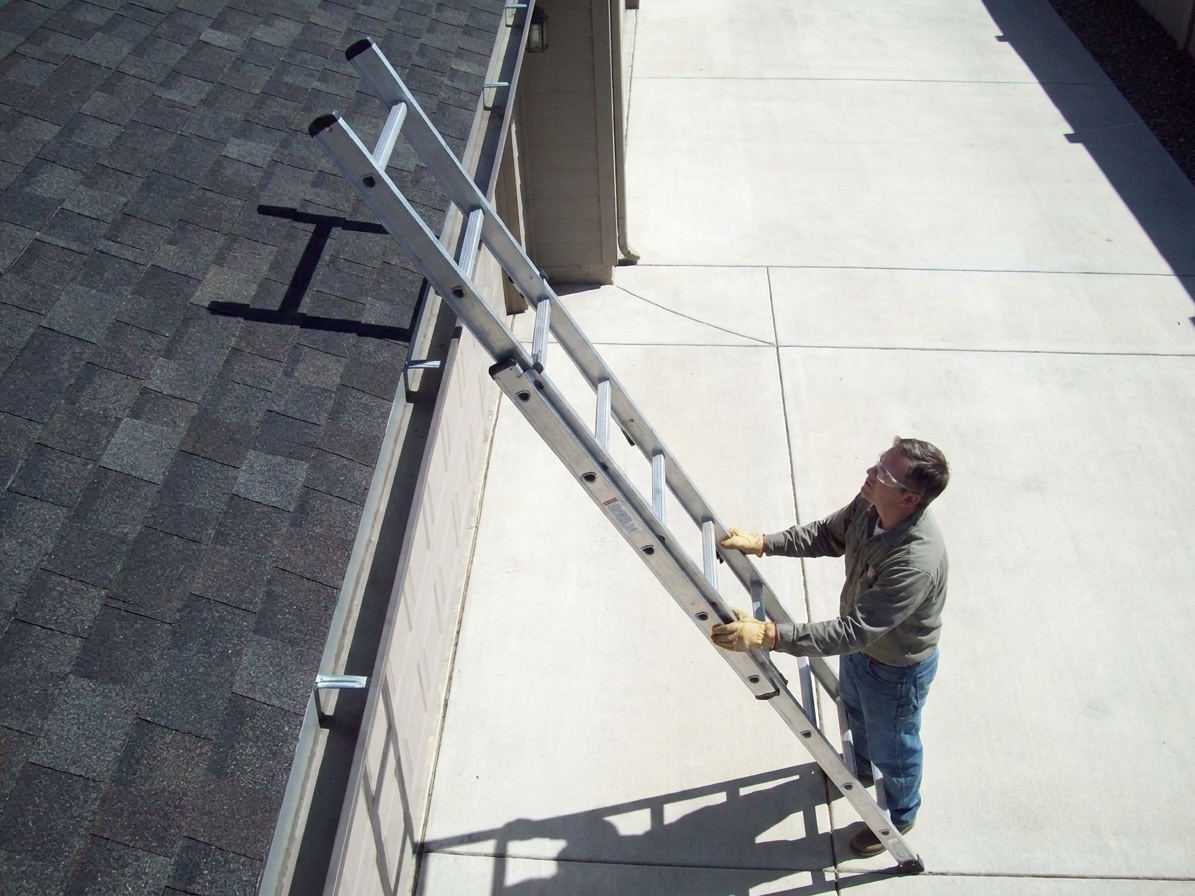
- Use a ladder rated for your weight plus tools. Set it on firm, level ground.
- Set the ladder angle at roughly a 4:1 ratio (1 foot out for every 4 feet up).
- Extend the ladder at least 3 feet above the roof edge.
- Have a helper steady the ladder.
- Wear shoes with good traction.
- If you have a harness and know how to anchor it properly, use it. If you do not, do not “make something up.” That can be worse than nothing.
Tools and supplies
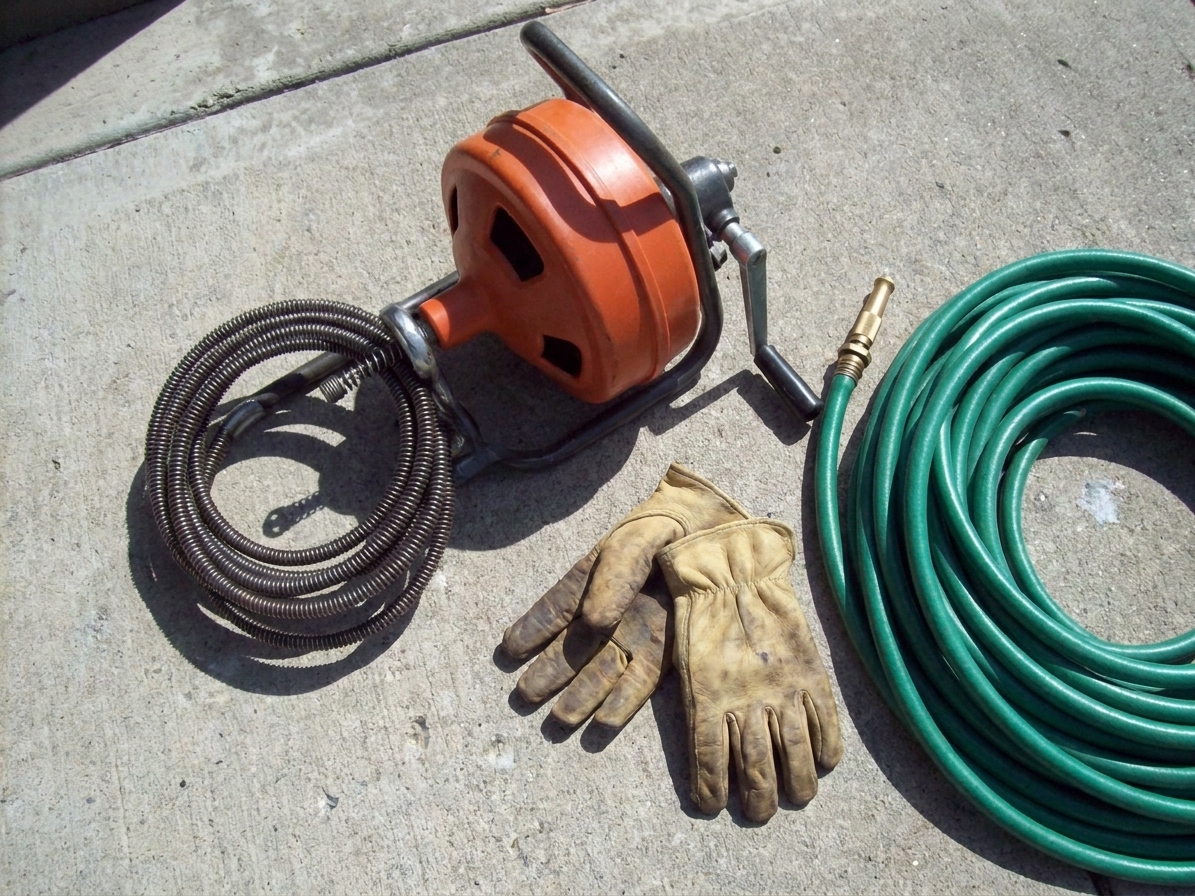
You do not need much, but you do want the right stuff so you are not improvising on a roof.
- Work gloves
- Flashlight (even in daylight, it helps you see down the pipe)
- Small hand trowel or a piece of stiff wire for grabbing debris at the top
- Garden hose with a spray nozzle
- Bucket or trash bag for debris
- Optional: plumber’s snake or drain auger (hand crank style)
Clear the vent from the roof
The goal is to remove the blockage without damaging the vent pipe, the flashing boot, or your shingles.
1) Check the top opening
From a stable position on the roof, look into the vent opening. Many clogs are right at the top: leaves packed in, a nest, or visible debris. If you see a vent cap or screen, remove it carefully (if it is meant to come off) and set it aside so you do not crack it or knock it off the roof.
- Put on gloves.
- Gently pull out loose material by hand if you can reach it safely.
- Drop debris into a bucket or bag. Do not push it down the pipe if you can avoid it.
2) Loosen shallow debris
If the top is crusted with leaves or gunk, use a small piece of stiff wire or a thin tool to loosen it. Avoid anything rigid and aggressive that can crack plastic piping or damage an older cast iron joint.
3) Flush with a garden hose (low drama)
This is my go-to move for leaves and small debris, but keep it gentle.
- Run the hose up to the roof (have your helper feed it up).
- Place the hose end just into the vent opening.
- Turn on water at a moderate flow. Do not use high pressure and do not use a pressure washer.
- Give it a moment, then shut off and listen. In some cases you will hear the blockage give way. In others, the proof is inside when fixtures stop gurgling.
Stop if: water backs up to the top and stays there, you hear concerning glugging inside the house, or anything just feels wrong. A vent line is not meant to be a water main.
4) Snake the vent if flushing does not clear it
A hand auger can clear deeper obstructions like compacted leaves or a nest wedged farther down.
- Feed the snake slowly into the vent.
- When you hit resistance, rotate gently and work it through.
- Pull the snake back out and clean off debris.
- Try the hose again after snaking (moderate flow).
Go easy: If you are meeting solid resistance that will not budge, do not force it. You can damage fittings, especially on older piping. That is a pro call.
5) Confirm the fix inside
Before you put everything away, test a couple fixtures:
- Run a sink for 30 to 60 seconds and watch the drain speed.
- Flush a toilet and listen for gurgling in nearby fixtures.
- If you have a tub that was draining slowly, run it briefly and confirm improvement.
If you suddenly notice a strong sewer gas smell indoors after you have been working on vents, stop and reassess. It can mean a trap got siphoned or you have another venting issue that needs a plumber’s eyes on it.
What about ice?
In Michigan, ice shows up in places you would swear it has no business being, including vent stacks. A vent can ice over when warm, moist air rises and freezes at the roofline, building up at the top of the pipe.
Here’s my safety rule: if you suspect ice, do not climb onto the roof. The roof surface may be slippery even if it “looks fine” from the ground.
Signs it could be ice:
- Problems started during a hard freeze.
- Symptoms improve when temperatures rise.
A plumber can safely thaw and clear the vent, and they can advise on code-appropriate options if icing is a repeat issue in your area.
Check the flashing boot
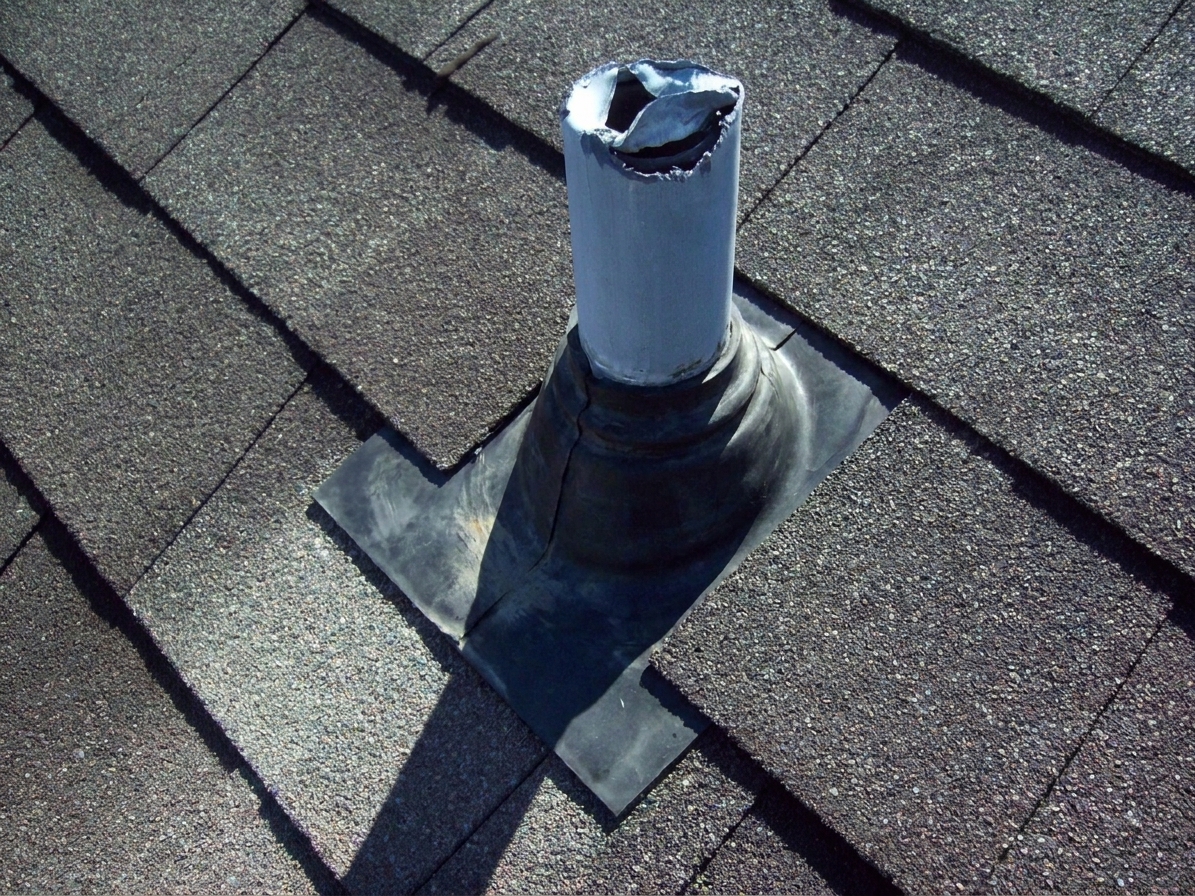
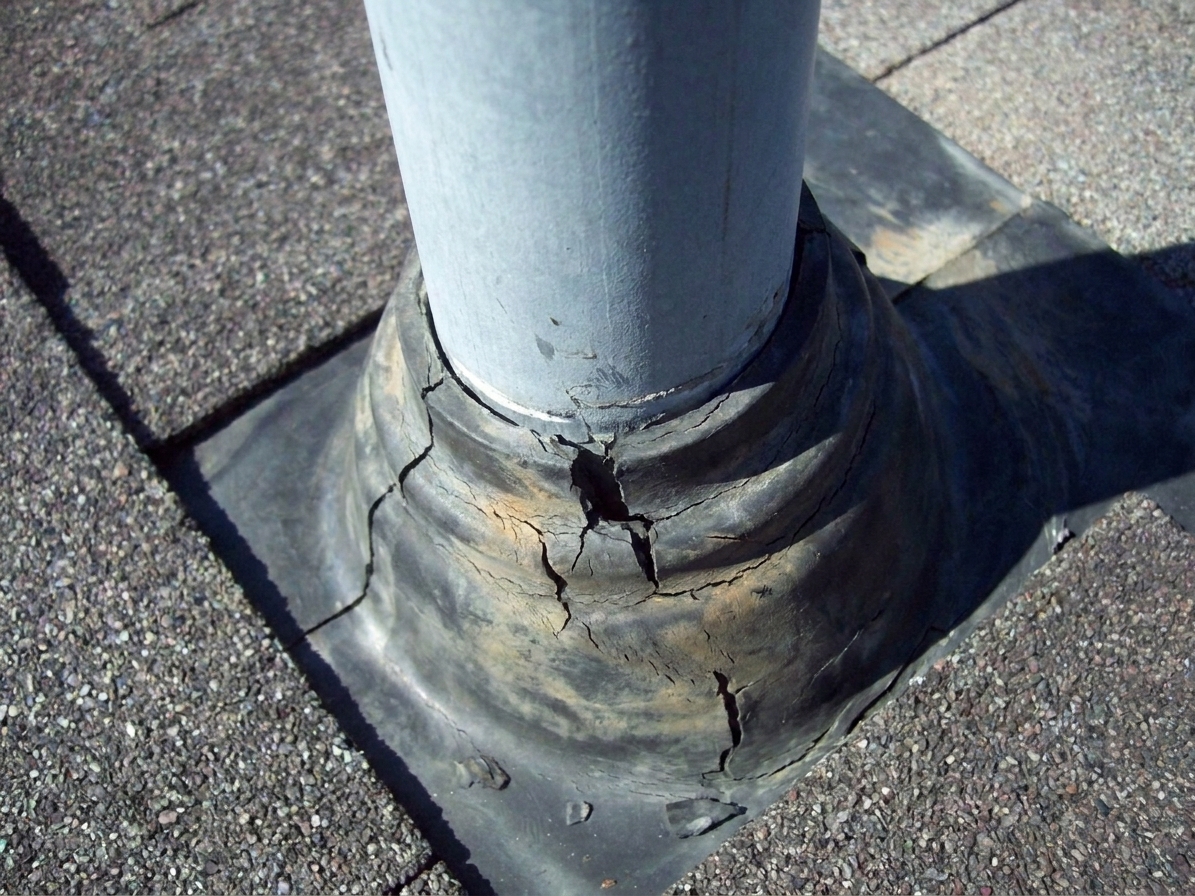
While you are up there, take 10 seconds and look at the rubber flashing boot around the vent pipe. If it is cracked, brittle, or pulling away, it can leak into your attic over time.
I’m not saying you need to replace it today, especially if you do not do roof work. But it is worth noting, because a small roof leak can quietly ruin a lot of wood.
When to call a pro
- Your roof is steep, high, or you are uneasy with heights.
- You see or suspect ice around the vent area.
- You cannot clear the blockage with light hand removal, gentle hose flushing, and careful snaking.
- The vent pipe appears damaged, loose, or corroded.
- You clear the vent but the drains still gurgle and stay slow.
A good plumber can confirm whether the issue is truly the vent or something else in the drainage system. Depending on the layout, they may clear it from the roof or from another access point without you ever setting foot on shingles.
Quick FAQ
Can I prevent vent clogs?
You can reduce the odds by trimming overhanging branches and keeping roof debris under control. Some homeowners ask about vent caps or screens, but those can also catch frost and debris depending on climate and design. If vent clogs keep happening, it’s worth asking a plumber what’s appropriate for your roof and region.
Why does a clogged vent make drains slow?
Because the drainage system needs air to flow properly. Without enough air, water tries to pull air through traps, which causes gurgling and slows the drain.
Do I need to go on the roof to check the vent?
If you have safe attic access, you can sometimes identify the vent pipe path inside. But actually clearing a blockage at the termination often involves roof work. If that access is not safe, hire it out. This is one of those jobs where the risk is not worth the bragging rights.
What should I not do?
- Do not use a pressure washer.
- Do not pour drain chemicals into the vent.
- Do not force rigid tools down a plastic vent line.