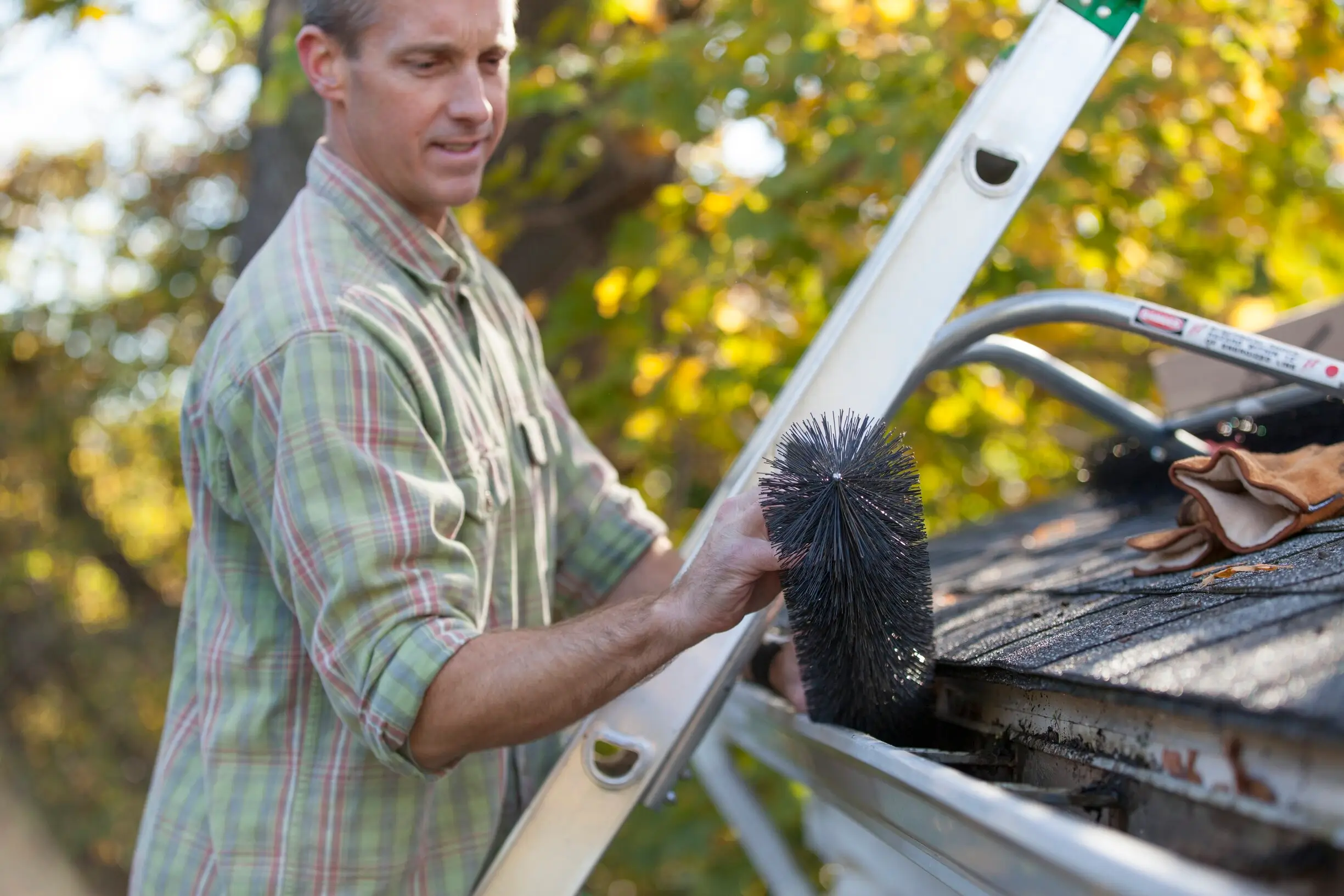
A practical, homeowner-friendly fall checklist with 15 must-do tasks to get your house ready for winter, from gutters and roofs to furnaces and hose bibs.
The Homeroom Fix
September 24, 2026
•
By Marcus Delgado
Fall Home Maintenance Checklist: 15 Weekend Tasks
Tackle these 15 fall home maintenance tasks over a weekend or two to prevent costly repairs. Prioritized checklist by exterior, HVAC, plumbing, attic, and yard.

Marcus Delgado
Marcus Delgado is a former residential carpenter and lifelong DIY enthusiast who believes every homeowner has the power to transform their space. After a decade of swinging hammers for general contractors, he shifted gears to share practical, budget-friendly home improvement advice. When he's not renovating his own 1970s fixer-upper, you can find him hunting for salvaged wood or teaching weekend workshop classes.
Fall is my favorite season for home maintenance. The weather is friendly, the bugs calm down, and you get a clean shot at winterizing the house before snow and ice start looking for weaknesses. The goal is simple: stop small problems now so they do not turn into big invoices later.
Below is a 15-task checklist organized by area of the home, with a clear priority order. Many homeowners can knock this out over a weekend, but do not sweat it if yours takes longer. House size, ladder comfort, and “what you find once you start looking” can easily turn this into a weekend or two.
Quick priority plan
If you only have a few hours, focus on anything that could cause water damage or heat loss. Here is the order I use on my own 1970s fixer-upper.
- Priority 1: Must-do (prevents expensive damage): Tasks 1 to 7
- Priority 2: Should-do (boosts efficiency and avoids headaches): Tasks 8 to 12
- Priority 3: Nice-to-do (keeps things tidy and trouble-free): Tasks 13 to 15
Exterior
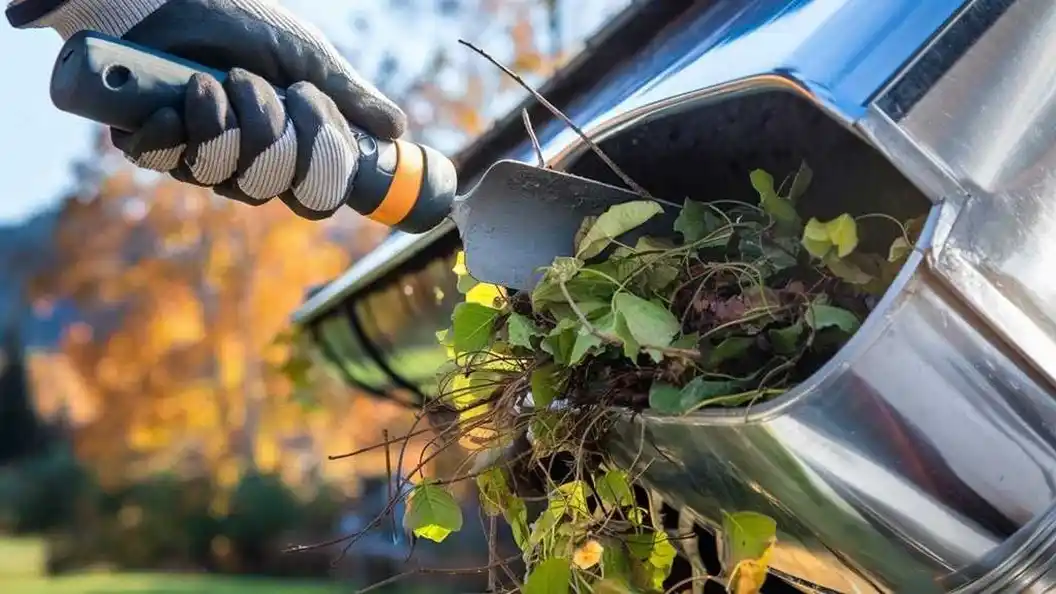
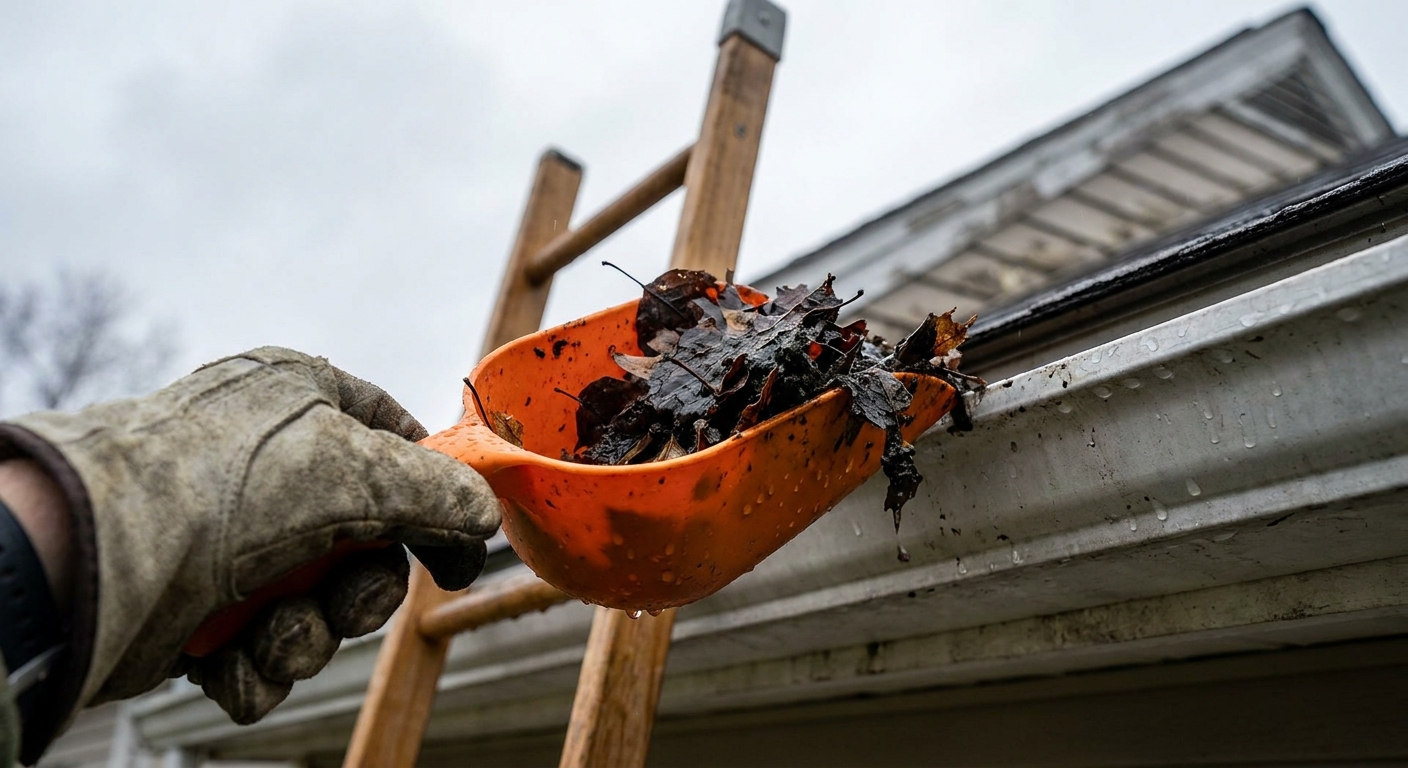
1) Clean gutters and check downspouts
Why it matters: Clogged gutters overflow. Overflow turns into foundation leaks, rotted fascia, and surprise basement water. No thanks.
- Scoop out debris, then flush gutters with a hose.
- Make sure downspouts dump water at least 4 to 6 feet away from the foundation using extensions or splash blocks.
- Also check grading while you are there. The ground should slope away from the house so water keeps moving, not pooling.
2) Inspect the roof from the ground (and the attic if you can)
Why it matters: A single missing shingle can become a ceiling stain once freeze-thaw season hits.
- From the ground, look for curled, cracked, or missing shingles.
- Check flashing areas around chimneys and vent pipes for gaps or lifted edges.
- If anything looks suspect, mark the spot and plan a closer look on a dry day.
3) Seal exterior gaps around doors, windows, and pipes
Why it matters: Air leaks waste heat and invite water, pests, and drafts that make your furnace work overtime.
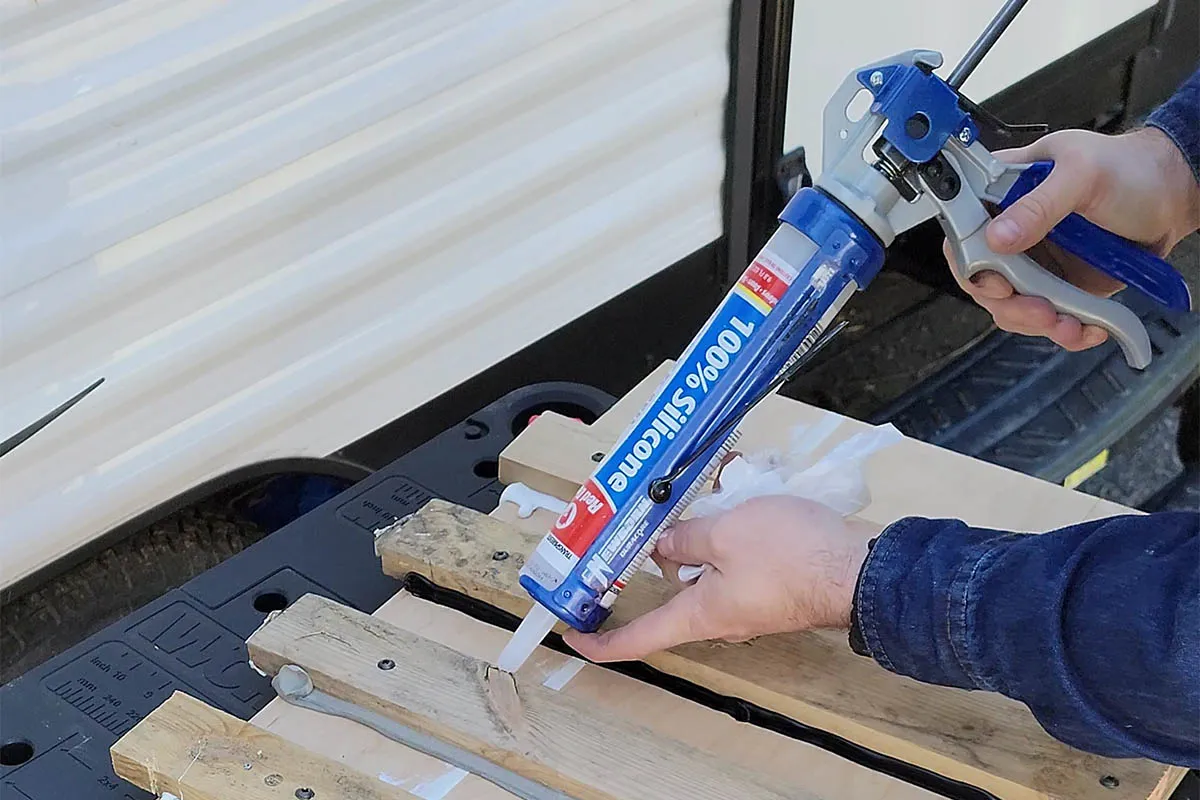
- Use exterior-rated caulk for small cracks.
- Use expanding foam for larger gaps around pipe penetrations (go easy, it grows a lot).
- Replace brittle weatherstripping and check door sweeps for daylight at the threshold.
4) Check siding, trim, and paint for soft spots
Why it matters: Peeling paint and punky wood are basically an open invitation for rot to spread.
- Gently probe suspect wood trim with an awl or the tip of a screwdriver. You are testing for softness, not trying to punch a hole through your siding.
- Touch up peeling paint and seal bare wood before winter moisture moves in.
5) Test exterior faucets and shutoffs, then prep hoses
Why it matters: A frozen hose bib can split inside the wall. That is a “discover it in spring” kind of disaster.
- Disconnect and drain hoses.
- Shut off the interior valve to exterior spigots (if you have them) and drain the line.
- Install insulated faucet covers if you get hard freezes.
- If you have an irrigation system, follow your local winterization best practice (often a shutoff and blowout in colder regions).
HVAC
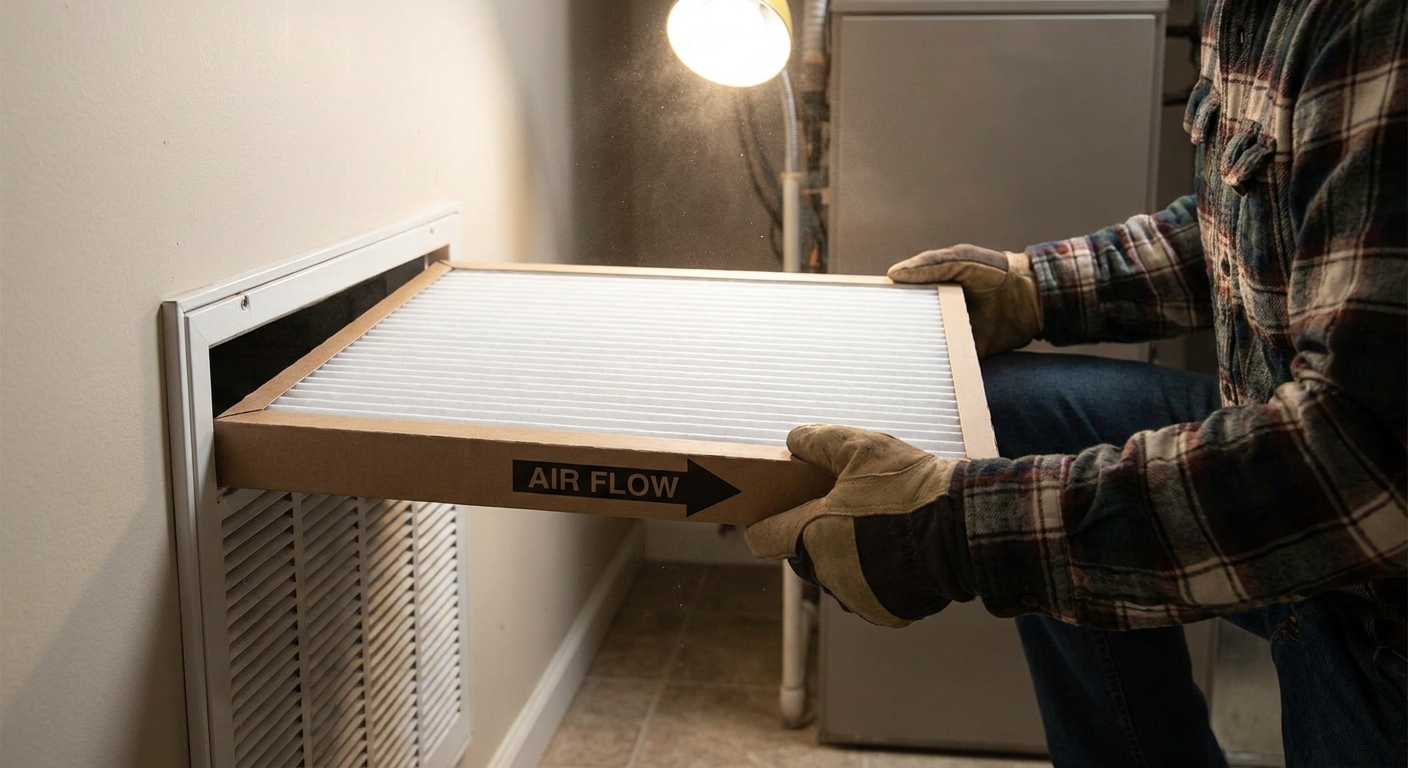
6) Replace your furnace filter
Why it matters: A clogged filter restricts airflow. That can reduce comfort, raise bills, and stress the blower motor.
- Check the size printed on the old filter and match it exactly.
- Install it with the airflow arrow pointing toward the furnace.
- Set a reminder to check monthly during heavy heating season.
7) Do a quick heating system safety check
Why it matters: Fall is when furnaces wake up. You want a calm first run, not a burning-dust panic.
- Run the heat for 10 to 15 minutes and listen for rattles, squeals, or banging.
- Confirm supply vents are open and unobstructed.
- Test smoke and carbon monoxide detectors and replace batteries if needed. Also check the manufacture date. Many alarms have an end-of-life date (often around 10 years, depending on model).
Safety note: If you smell strong gas, hear unusual roaring, or see soot around the furnace, shut it off and call a pro. Some problems are great DIY learning moments. Carbon monoxide is not one of them.
8) Vacuum return vents and clear around the furnace
Why it matters: Dust buildup reduces airflow, and clutter around mechanicals is a fire risk.
- Vacuum return grilles and nearby baseboards.
- Keep the furnace area clear. A good rule is about 3 feet of clearance, or follow the clearance guidance on the unit label or manual.
9) Check your thermostat settings
Why it matters: Even a few degrees of setback while you sleep or are away can lower heating costs without making the house feel like a cave.
- Verify heat kicks on and reaches the set temperature.
- If you have a programmable thermostat, set weekday and weekend schedules.
Plumbing
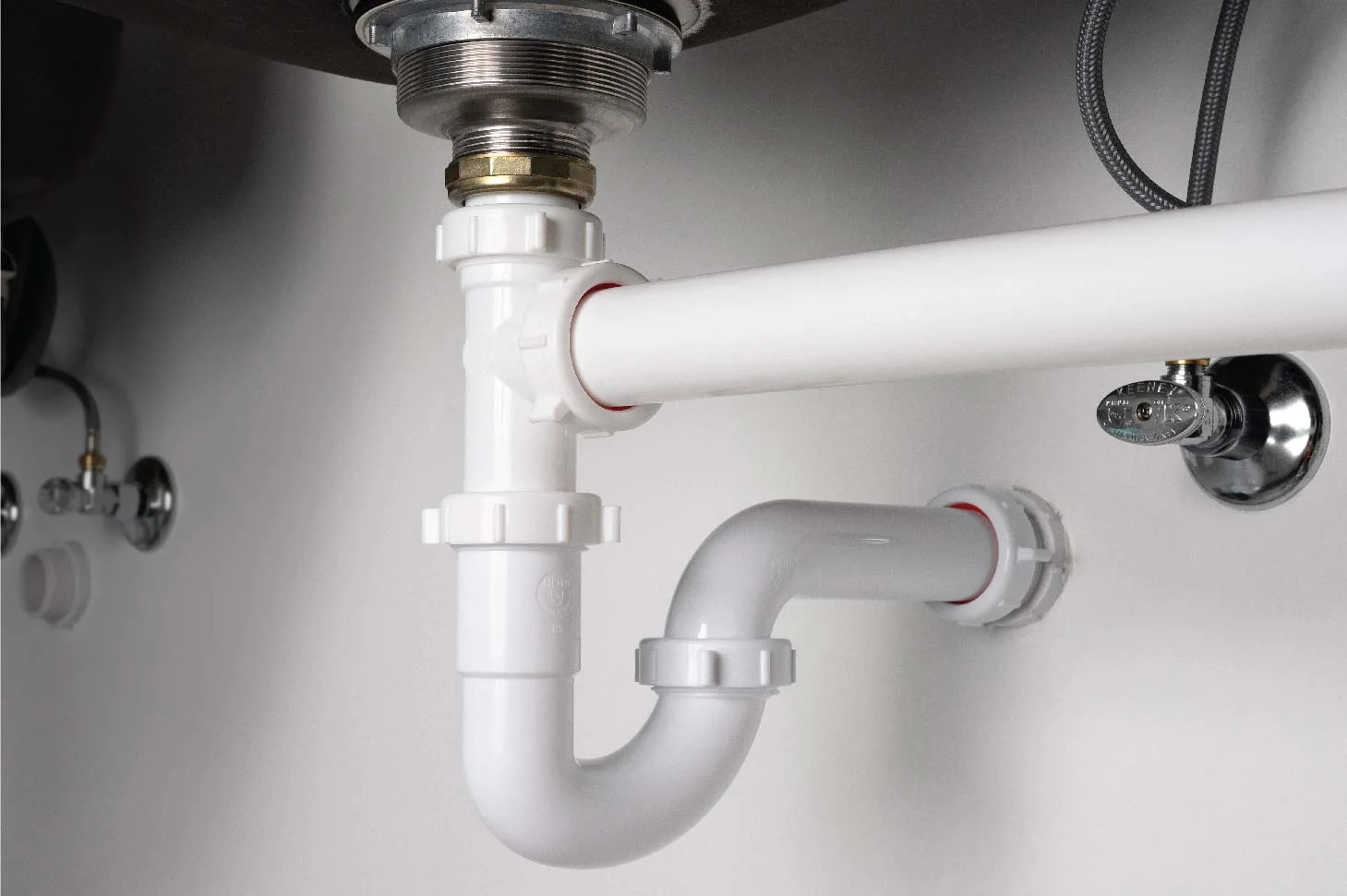
10) Find and fix slow leaks now
Why it matters: A slow drip can rot cabinet bottoms and feed mold all winter long.
- Check under sinks, behind toilets, and around the water heater.
- Look for corrosion, mineral buildup, or dampness.
- Tighten fittings gently. If a shutoff valve will not budge, do not force it.
11) Drain and flush the water heater (or at least do a mini-drain)
Why it matters: Sediment reduces efficiency and can shorten tank life.
- Turn the thermostat to pilot or off for gas, or switch off the breaker for electric.
- Place a shallow pan and towels under the drain area, then attach a hose to the drain valve.
- Open the valve slowly and drain a few gallons to pull out some sediment. Water running “clear” is not a perfect indicator, but a short drain can still help.
- Close the valve gently. Older plastic drain valves can be fragile, so do not reef on it.
- Remove hose, restore power, and check for leaks.
If you have not touched it in years: A full flush can disturb heavy buildup and reveal a weak tank or a tired valve, especially on very old heaters. When in doubt, do a cautious partial drain and plan a professional service.
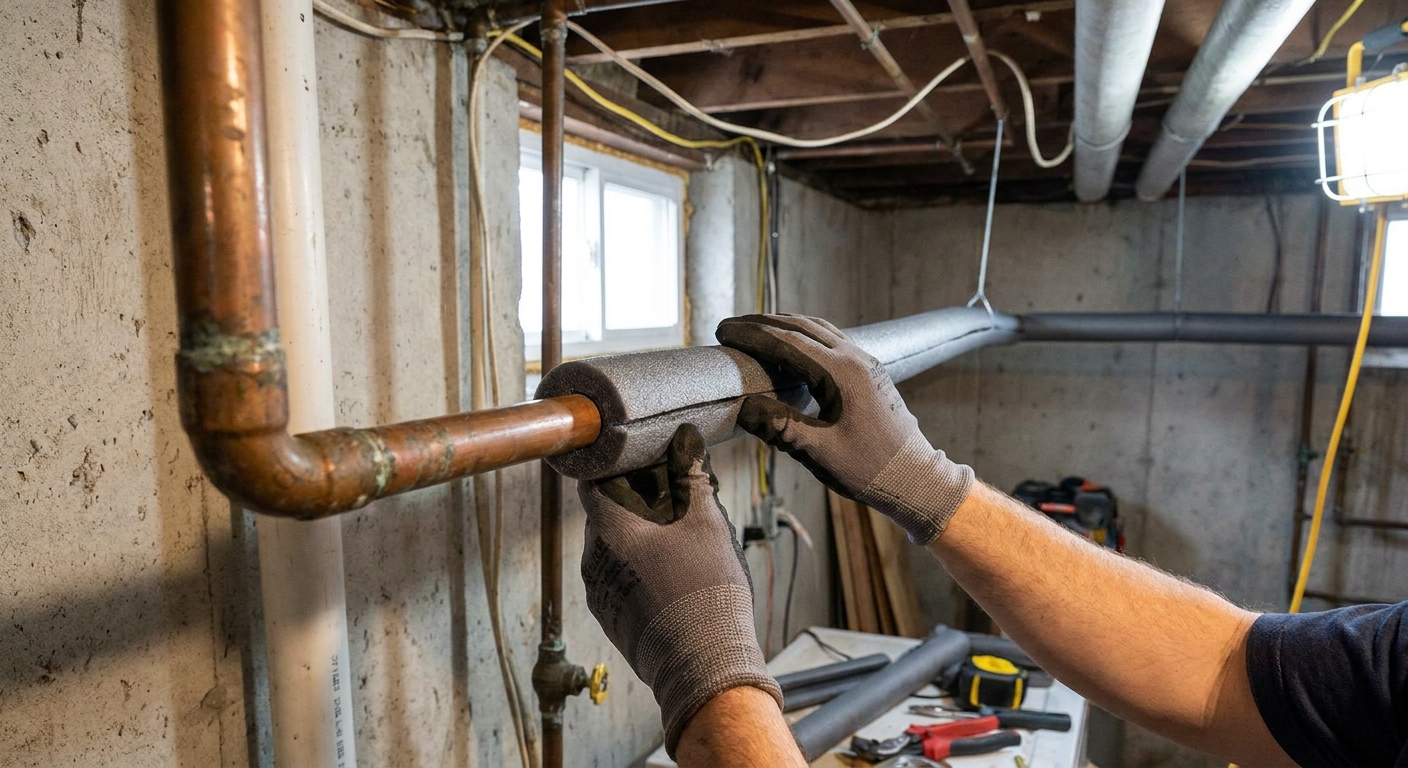
12) Prep plumbing for cold snaps
Why it matters: Freezing pipes split. Split pipes flood. That escalated quickly.
- Insulate exposed pipes in unheated areas with foam sleeves.
- Know where your main water shutoff is and make sure it is accessible.
- If your crawlspace is vented, make sure vents and access doors can be secured the way you normally do for winter in your region.
Attic and insulation
13) Inspect attic for moisture, mold, or critter signs
Why it matters: Attics tell the truth. If you have a roof leak, condensation issue, or uninvited squirrels, you will usually see evidence up there.
- Look for dark stains on sheathing, damp insulation, or rusty nail tips.
- Check for droppings, nests, or chewed areas near eaves.
- Confirm soffit vents are not blocked by insulation.
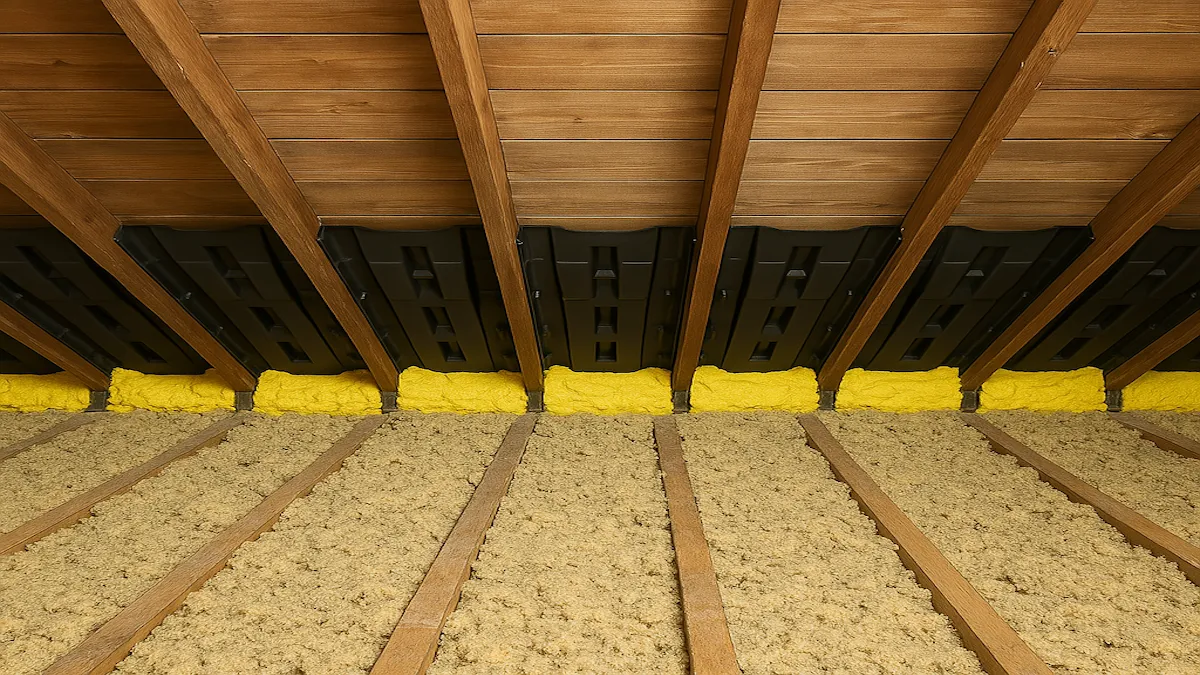
14) Seal attic air leaks before adding insulation
Why it matters: Air sealing is often more effective than piling on more insulation. Warm air escaping into the attic can also contribute to ice dams.
- Use caulk or foam around plumbing stacks, wiring holes, and top plates.
- Add a gasket or insulated cover over attic hatch access if it is drafty.
Yard and drainage
15) Do a final yard cleanup and protect drainage paths
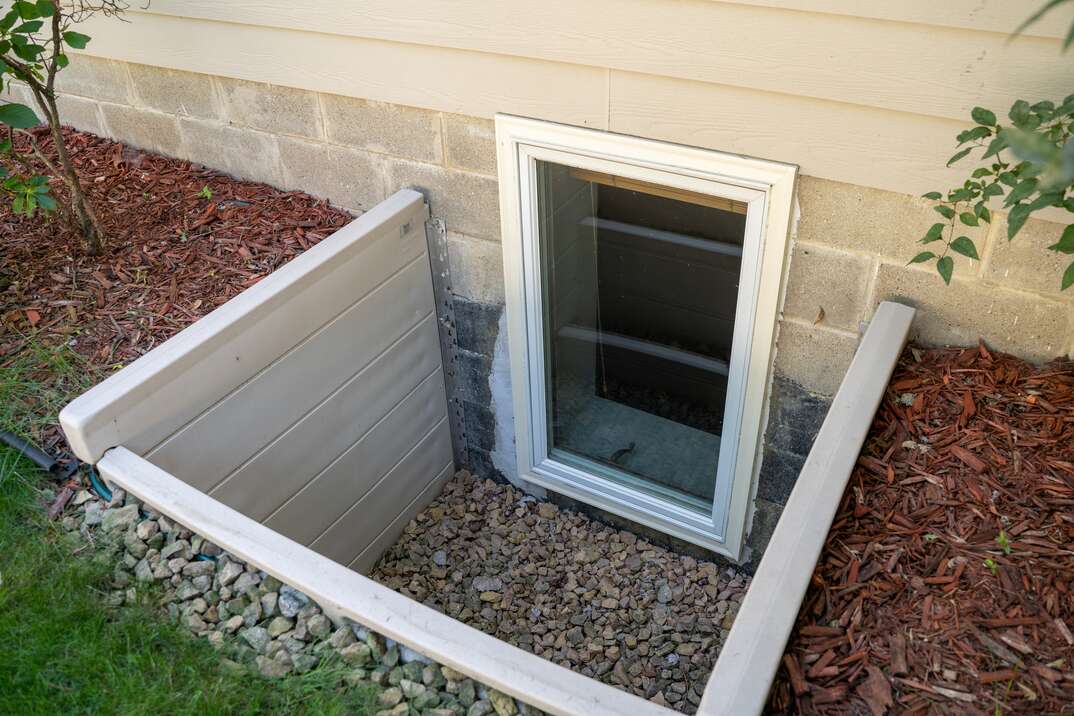
Why it matters: Leaves and debris clog window wells, downspout exits, and yard drains. Then water backs up right when the ground starts freezing.
- Rake leaves away from the foundation and window wells.
- Clean out yard drains and pop-up emitters if you have them.
- Trim branches that rub the roof or siding.
A simple weekend schedule
Day 1 (outside)
- Gutters and downspouts
- Roof and flashing check
- Seal exterior gaps
- Faucets, hoses, and shutoffs
- Yard cleanup and drainage
Day 2 (inside)
- Furnace filter and heat test
- Vacuum returns and clear furnace area
- Thermostat check
- Leak check
- Water heater mini-drain
- Pipe insulation
- Attic inspection and air sealing
Tools and materials
- Work gloves, safety glasses, sturdy ladder
- Gutter scoop, bucket, garden hose
- Exterior caulk and a caulk gun
- Expanding foam (minimal-expanding is easier for beginners)
- Utility knife, tape measure
- Furnace filter (correct size)
- Shop vacuum or vacuum with hose attachment
- Foam pipe insulation sleeves
- Flashlight or headlamp for attic and under-sink checks
When to call in help
I am all for DIY, but I am also a fan of sleeping at night. Consider bringing in a pro if you find any of the following:
- Shingles missing in multiple areas, sagging roof lines, or repeated interior water stains
- Furnace short cycling, loud metal-on-metal noises, or any signs of soot or strong gas odor
- Water heater leaking at the base or heavy corrosion at fittings
- Evidence of widespread mold or active pests in the attic
Printable checklist
- [ ] Clean gutters and confirm downspouts drain away from foundation
- [ ] Roof and flashing visual inspection from ground
- [ ] Seal exterior gaps at doors, windows, and penetrations
- [ ] Inspect siding, trim, and paint for soft spots
- [ ] Disconnect hoses and winterize exterior faucets
- [ ] Replace furnace filter
- [ ] Run the heat, test smoke and CO detectors
- [ ] Vacuum return vents and clear storage away from furnace
- [ ] Confirm thermostat operation and program schedule
- [ ] Check under sinks, toilets, and around water heater for leaks
- [ ] Water heater mini-drain to reduce sediment
- [ ] Insulate exposed pipes and locate main shutoff
- [ ] Attic check for moisture and ventilation issues
- [ ] Air seal attic penetrations and access hatch
- [ ] Clear leaves from window wells, yard drains, and foundation edges