A simple, prioritized fall checklist with 15 practical tasks organized by area of the home. Knock them out over a weekend (or two) and avoid expensive surpri...
The Homeroom Fix
September 11, 2026
•
By Marcus Delgado
Fall Home Maintenance Checklist: 15 Tasks to Prep for Winter
Knock out these 15 fall home maintenance tasks before freezing temps hit. Simple steps to prevent leaks, drafts, ice dams, and costly winter repairs.
Fall is my favorite season to work on a house. The air is cool, the bugs are slowing down, and you still have time to fix the little problems before they turn into winter disasters.
This checklist is the same kind of walk-around I do at my own 1970s fixer-upper in Michigan. Do not feel like you have to crush all 15 tasks in one weekend. Pick the biggest payoff items first (gutters, heat, water lines), then circle back for the rest.

Start with safety and a simple plan
Rule #1: If you do not like ladders, do not force it. Plenty of these tasks can be done from the ground, and the rest can be a good time to hire out.
Rule #2: Water plus freezing temperatures equals expensive surprises. Most items below are about controlling water and air leaks.
Quick tool grab
- Work gloves and safety glasses
- Flashlight or headlamp
- Caulk gun and exterior caulk
- Expandable foam (small gaps only)
- Utility knife
- Screwdriver set
- Shop vac
- Garden hose
- Basic furnace filter replacements
The Ultimate Fall Home Maintenance Checklist (15 tasks)
1) Clean gutters and check downspouts
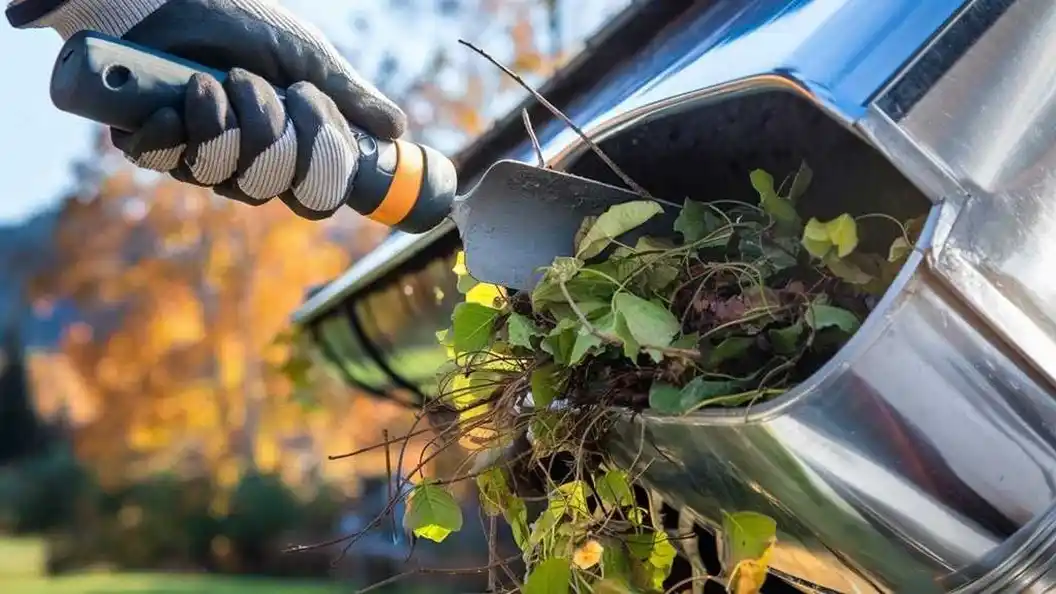
Clogged gutters are the fast lane to ice dams, wet basements, and rotted fascia. Scoop out leaves, then run water through the system.
- What to look for: Standing water in the gutter, seams that drip, spikes pulling loose, downspouts that overflow.
- DIY fix: Reseat loose hangers, seal small leaks with gutter sealant, and add a downspout extension to push water away from the foundation.

2) Check the roof from the ground
You are not auditioning for a roofing job. A careful look from the ground can catch most problems.
- What to look for: Missing shingles, lifted edges, rusty flashing, sagging areas, piles of granules near downspouts.
- When to call a pro: You see multiple missing shingles, active leak stains in the attic, or roof decking that looks uneven from inside.
3) Seal exterior gaps
Drafts are not just uncomfortable, they can create condensation and higher heating bills. Walk the exterior and seal obvious cracks.
- Use caulk for: Small gaps at trim joints, around window and door casings, and siding seams that were previously caulked.
- Use foam carefully for: Larger gaps where pipes or wires enter the house. Go easy. Foam expands and can make a mess fast.

4) Replace weatherstripping and adjust door sweeps
If you can see daylight under an exterior door, winter will see it too.
- Simple test: Close the door on a dollar bill. If it slips out easily, you likely need adjustment or new weatherstripping.
- DIY fix: Replace stick-on foam (temporary) with better quality kerf or compression weatherstripping when possible, and install a new door sweep.
5) Drain and shut off outdoor water lines
This one prevents the classic split-pipe surprise. If you have a shutoff for exterior hose bibs, use it.
- Disconnect and store hoses.
- Shut off the interior valve feeding the hose bib (if present).
- Open the outside spigot to drain. If your interior shutoff has a small bleeder cap, open it to empty the line.
- If you have a frost-free hose bib: After you shut off any interior valve, leave the exterior handle open so the faucet can drain out.
- Install insulated faucet covers if you get hard freezes (most helpful on standard hose bibs, less so on true frost-free faucets).

6) Winterize irrigation systems
If you have in-ground sprinklers, this is usually a compressed-air job. Some homeowners do it themselves, but it is also one of the most common “I wish I hired that out” tasks.
- DIY-friendly: Shut off the water supply, drain exposed sections, remove backflow device parts if your model requires it.
- Hire out: Blowing out lines with regulated air, zone by zone, following your system and manufacturer guidance. Wrong pressure can damage components, and many small homeowner compressors are not a great match for the job.
7) Service your furnace or boiler
Your heating system will run the most hours of the year in the next few months. Give it a fighting chance.
- Replace the air filter. As a rule, check it monthly during heating season and replace it per the filter type and label (pets, dust, and runtime matter).
- Vacuum dust around the unit.
- Listen for new noises on the first run.
- Pro tip: If you have not had a professional tune-up in a couple years, schedule one before the first cold snap.

8) Test smoke and carbon monoxide alarms
Winter means more closed windows, more heater run-time, and sometimes fireplaces. Safety gear matters.
- Test each alarm.
- Replace batteries if needed.
- Check dates: replace units per the label. Many smoke alarms are around 10 years, and many CO sensors are shorter (often 5 to 7 years).
9) Clean the dryer vent
A clogged vent makes your dryer work harder and raises fire risk. This is a top-tier “small chore, big payoff” task.
- Turn the dryer off. If it is electric, unplug it. If it is gas, shut off the gas valve before you move it.
- Pull the dryer out carefully.
- Disconnect the duct and vacuum lint buildup.
- Check the exterior vent flap for sticking and lint mats.
- Do not run the dryer with the duct disconnected.
- Consider upgrading to rigid metal ducting if you have flimsy foil hose.

10) Check attic insulation and air leaks
Warm air escaping into the attic is a major contributor to ice dams. Before you add insulation, air seal where you can. Also, a well-vented attic helps keep roof temps more even, so make sure soffit and ridge vents are not blocked.
- Look for: Gaps around plumbing vents, chimney chases, older recessed lights, attic hatches.
- DIY fix: Weatherstrip and insulate the attic hatch. Use fire-rated materials around chimneys and follow clearance rules. For recessed lights, do not seal tight to older non-IC rated cans.
11) Inspect and clean the fireplace and chimney
If you burn wood, creosote buildup is not something to guess at.
- DIY: Clean ash, check the damper, inspect the firebox for cracks.
- Hire out: A chimney sweep for a proper cleaning and inspection, especially if it has been more than a year or you had smoky fires last season.
12) Reverse ceiling fans and check bath fans
Ceiling fans set to clockwise at low speed can gently push warm air down. Bathroom fans should actually move air outside, not just make noise.
- Flip the fan direction switch (usually on the fan body).
- For bath fans: hold a piece of toilet paper up to the grille. It should stick when the fan is on.
13) Clear leaves from window wells and drains
Leaves love to pile up right where you do not want water sitting.
- Clean window wells and check for cracked covers.
- Clear driveway drains and any yard inlets.
- Rake back mulch piled against siding and keep soil sloping away from the house.
14) Store summer gear and prep snow tools
This is the task you will thank yourself for when the first storm hits at 6 a.m.
- Service the snow blower: fresh fuel, check the shear pins, inspect belts, test start.
- Put snow shovels where you can reach them from inside.
- Stock ice melt (and use pet-safe if needed).

15) Protect decks, steps, and exterior wood
Water-soaked wood plus freeze-thaw cycles equals splitting and peeling. A little attention now extends the life of your outdoor surfaces.
- Sweep debris out of deck corners and between boards.
- Check for loose railings and wobbly steps and tighten fasteners.
- Spot-seal exposed end grain or peeling areas, and plan a full wash and stain if the finish is failing.
Bonus tasks (high payoff)
If you have time, these are worth it, especially in wet falls and long winters.
- Test the sump pump (if you have one): Pour water into the pit and make sure it kicks on, then check the discharge line for clogs.
- Clear the outdoor HVAC unit: If you have a heat pump, keep leaves and weeds cleared year-round. If you have central AC, clear debris and follow manufacturer guidance on any covering. Avoid wrapping it tightly.
- Check exterior lights and steps: Replace burnt bulbs, set timers, and make sure handrails are solid before things get icy.
Prioritize it: if you only do 5 things
If time is tight, do these first. They prevent the most common winter damage.
- Clean gutters and extend downspouts
- Shut off and drain exterior hose lines
- Replace furnace filter and schedule service if needed
- Seal obvious drafts at doors and windows
- Clean the dryer vent
FAQ
When should I start fall maintenance?
Aim for early to mid-fall, before freezing nights are routine. You want caulk to cure properly and you want time to schedule any pros if you find issues.
Do gutter guards replace cleaning?
They can reduce how often you clean, but they do not eliminate it. Seeds, shingle grit, and small debris still build up. Plan on at least one check each fall.
What is the fastest way to find drafts?
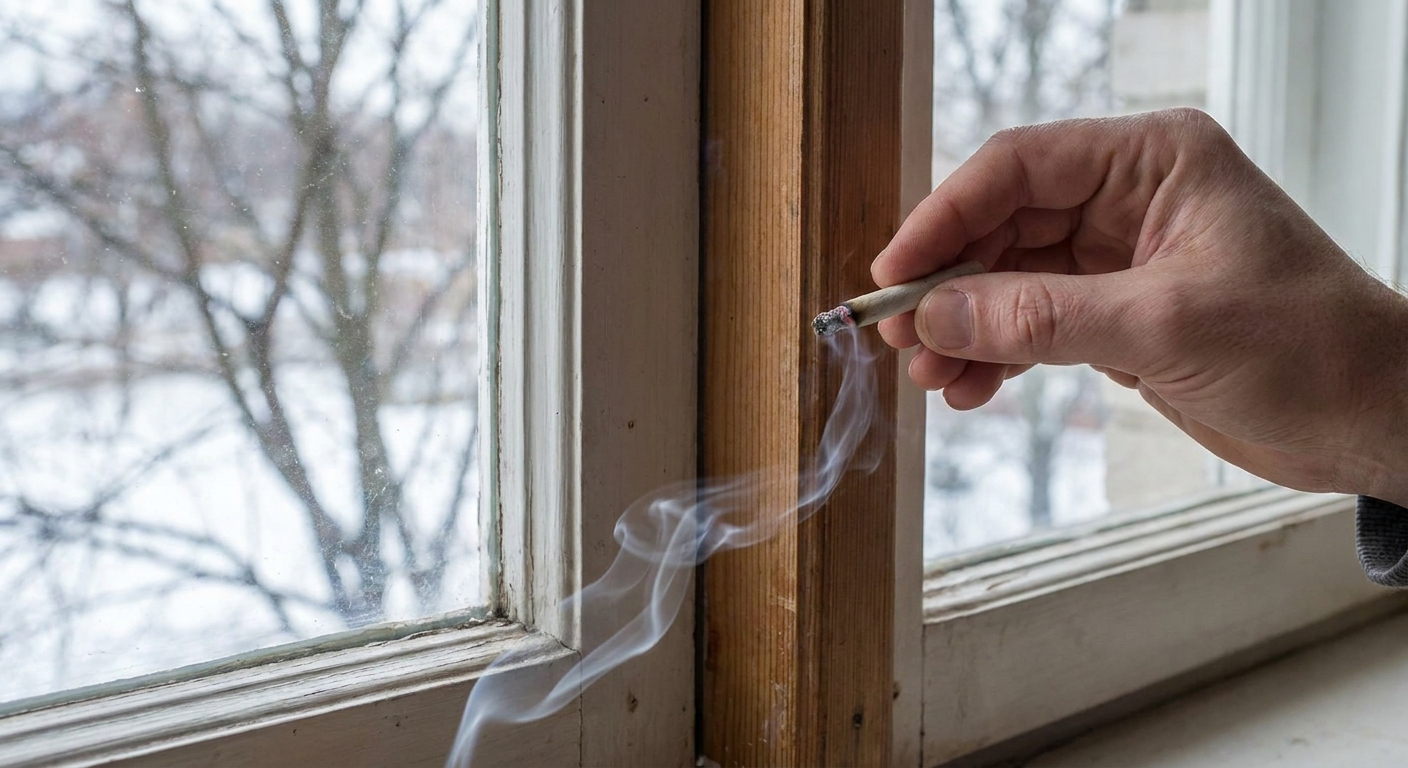
On a windy day, use your hand to feel around door edges and window trim. If you want to get a little more precise, a cheap incense stick can show airflow, just keep it away from insulation and anything flammable.
Is it safe to leave hoses attached in winter?
It is a common cause of frozen and burst hose bibs. Remove hoses and drain the spigot. If you have a shutoff inside, use it.
One last neighborly nudge
Fall maintenance is not about making your house perfect. It is about making it predictable. Knock out a few high-impact tasks, keep water moving away from your home, and winter gets a whole lot less dramatic. Your furnace, your wallet, and your future self will all be a little happier.