
How to Unclog a Gutter Downspout
Downspout overflowing at an elbow? Learn how to clear a packed gutter downspout by disconnecting the bottom bend, snaking upward, flushing from above, and checking the outlet.
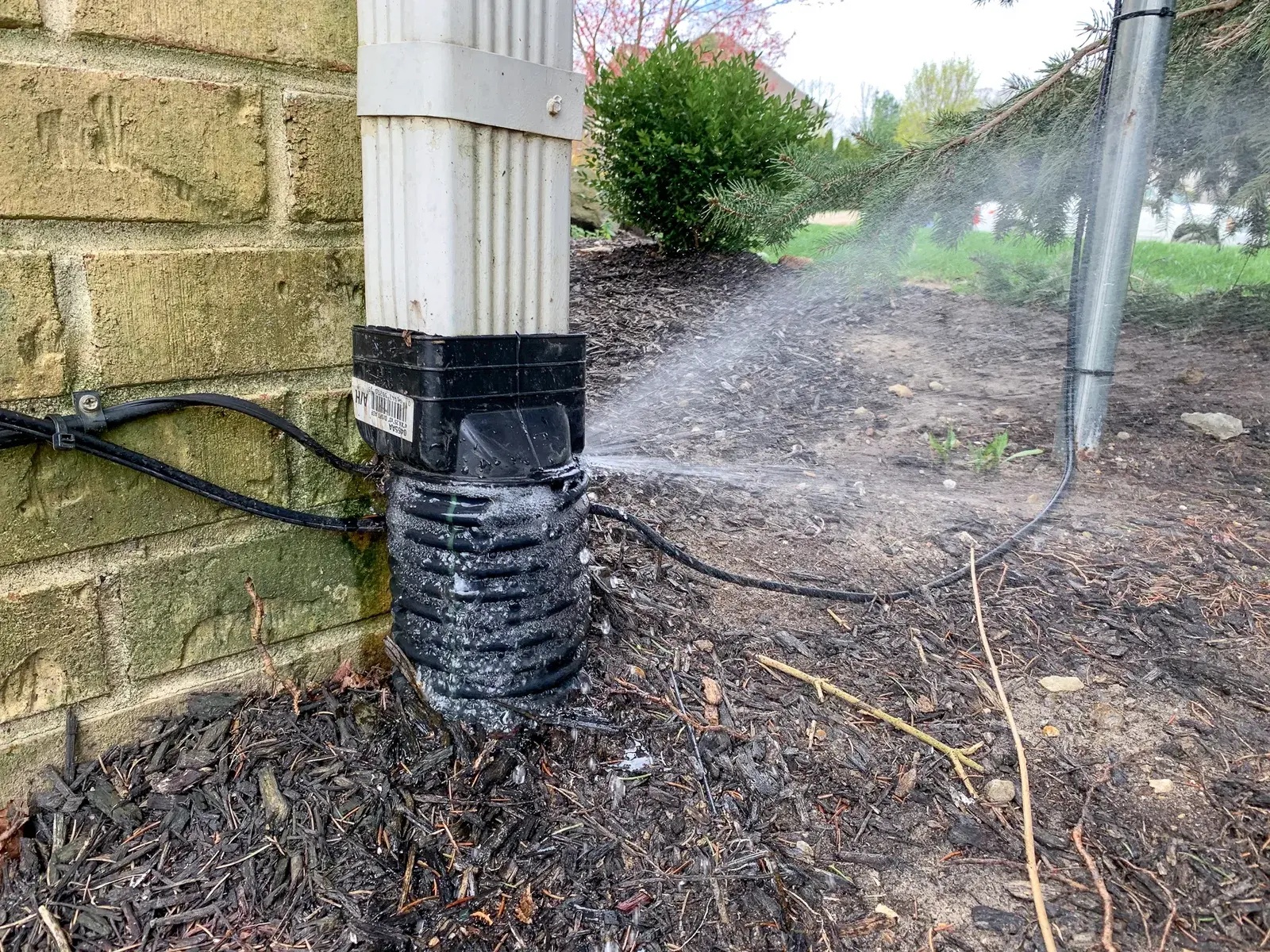
The first time one of my downspouts overflowed at an elbow, I assumed the gutter above was the problem. Nope. The downspout was packed like a compost tube, and every heavy rain turned that elbow into a little waterfall aimed directly at my foundation. The good news is a clogged downspout is usually very fixable with basic tools and a calm, step-by-step approach.
This guide focuses on the classic situation: water shoots out or spills over at an elbow because the vertical run is clogged with leaves, grit, shingle granules, or a glorious mud plug that has been building character for months.
Before you start: safety and a quick diagnosis
You will be working on a ladder and around sharp metal edges. Take it slow. If you are not comfortable on a ladder or the downspout is two stories up with tricky footing, this is a good time to call a pro.
Safety first: Use a stable extension ladder on firm ground, keep your belt buckle between the rails, and wear gloves and eye protection. Downspouts love to hide sharp screws and gritty sludge.
How to confirm the downspout is the clog
- Overflow happens at the elbow or seam when it rains, even if the gutter is not completely filled to the brim.
- Water backs up in the gutter right near the downspout outlet.
- Quick clue: lightly knock on the downspout. A dull thud can mean packed debris, but sound is not definitive. Material, straps, and fasteners can change what you hear.
- Look at the throat: check the gutter outlet (the drop into the downspout) for a visible plug right at the opening. Sometimes the whole problem is a wad of leaves sitting right there.
If the gutter is full of leaves along its whole run, clean the gutter first. But if the gutter looks mostly okay and the downspout is acting like a clogged straw, keep reading.
Tools and supplies
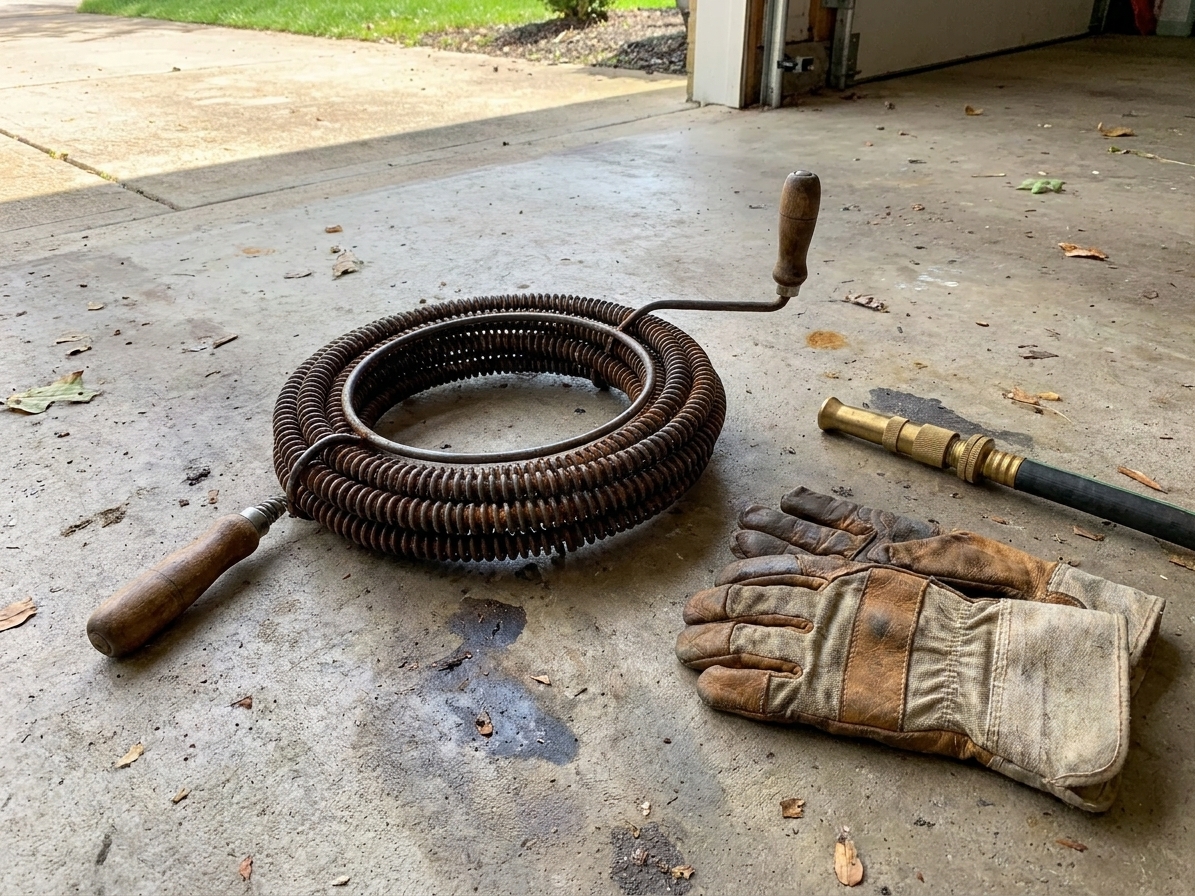
- Work gloves and safety glasses
- Flathead screwdriver or nut driver (commonly 1/4 inch or 5/16 inch hex head screws)
- Bucket or tarp for debris
- Garden hose with a spray nozzle
- Plumber’s snake or drain auger (a small hand auger usually works well)
- Optional: shop vac with a narrow nozzle
- Optional: replacement downspout screws and a short section of downspout if yours is damaged
Auger tip: For most residential downspouts, a hand auger in the 15 to 25 foot range with a small cable (often around 1/4 inch) is plenty. Skip powered augers unless you really know what you are doing. Thin aluminum downspouts dent easily and seams can pull apart.
Step-by-step: clear an elbow overflow
1) Start at the bottom bend
If your downspout has an elbow near the ground (most do), that is your best access point. The goal is to open the system where gravity helps you, not where gravity fights you.
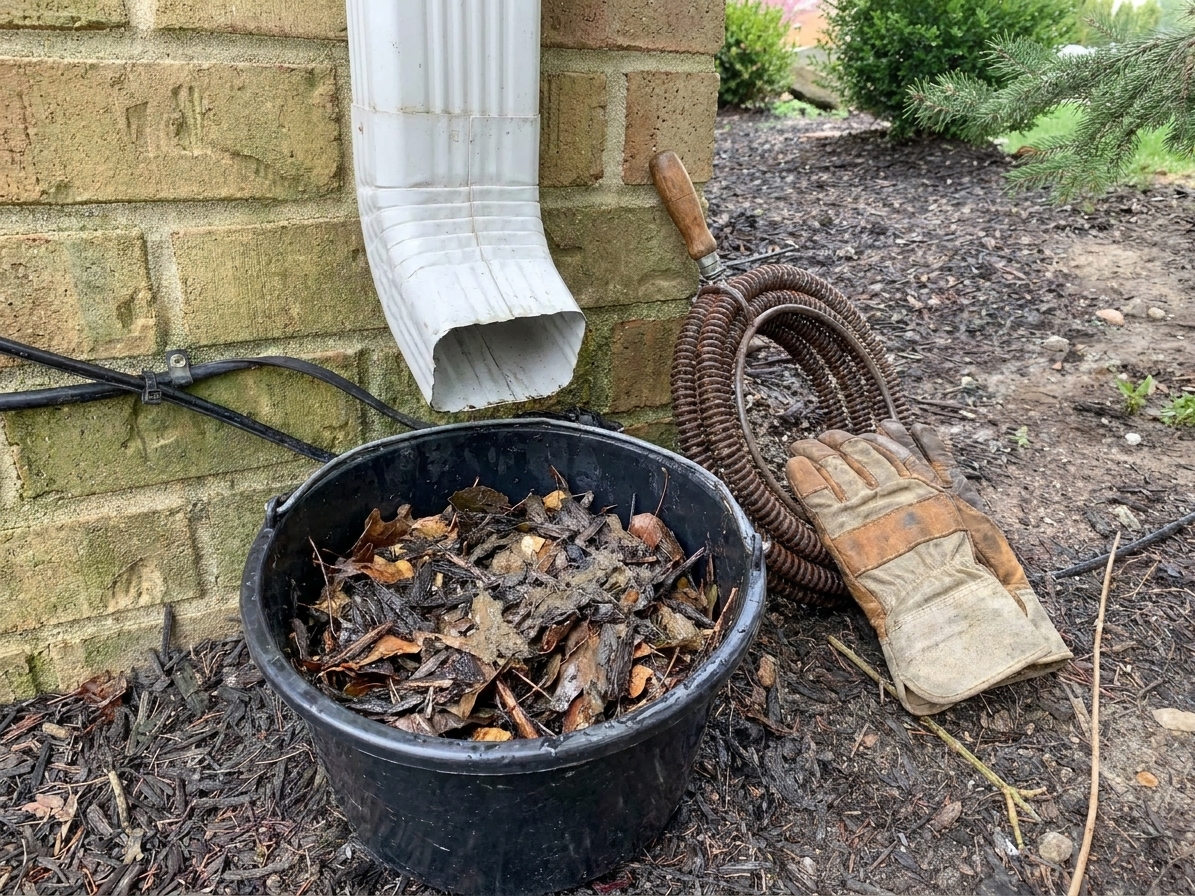
- Set a bucket or tarp under the bottom elbow. You are about to meet the clog in person.
- Remove the screws holding the elbow to the vertical downspout section. Keep one hand on the elbow so it does not swing and dent the siding.
- Wiggle and pull the elbow free. If it is stuck with paint or sealant, a gentle twist usually breaks it loose.
Expect wet leaves, gritty sludge, and maybe a small ecosystem.
2) Pull out what you can reach
Look up into the vertical run. If you can see the clog at the bottom, pull it out with a gloved hand. If it is packed tight, do not jam a stick up there and hope for the best. You usually just compact it harder.
3) Snake upward
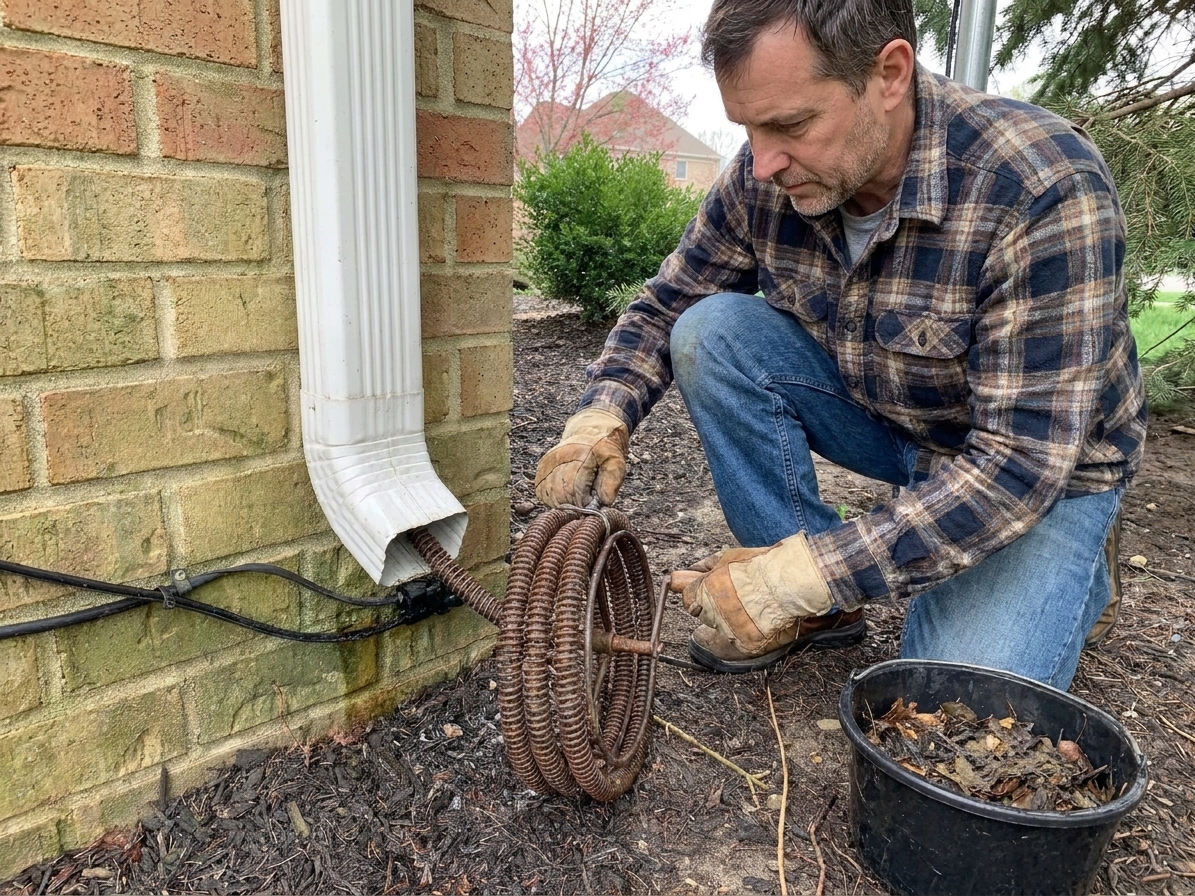
Feed a hand auger or plumber’s snake up into the downspout from the bottom opening.
- Insert the snake and rotate as you push. That twisting motion helps the tip chew into wet leaves and gritty buildup.
- When you hit resistance, work it gently: twist, push a little, pull back a little.
- Once it breaks through, pull the snake out slowly. Bring the debris with you.
If you keep pulling out gritty mud and leaf bits, you are winning. If the snake comes out clean and you still cannot push farther, you may be hitting a crushed section of downspout or a tight elbow higher up.
4) Flush from above
After you have opened things up from below, flushing from above is a great way to wash the remaining grit out. The key is to start slow so you do not create a gutter overflow while you are still clearing things.
- Go up to the gutter and locate the downspout drop outlet.
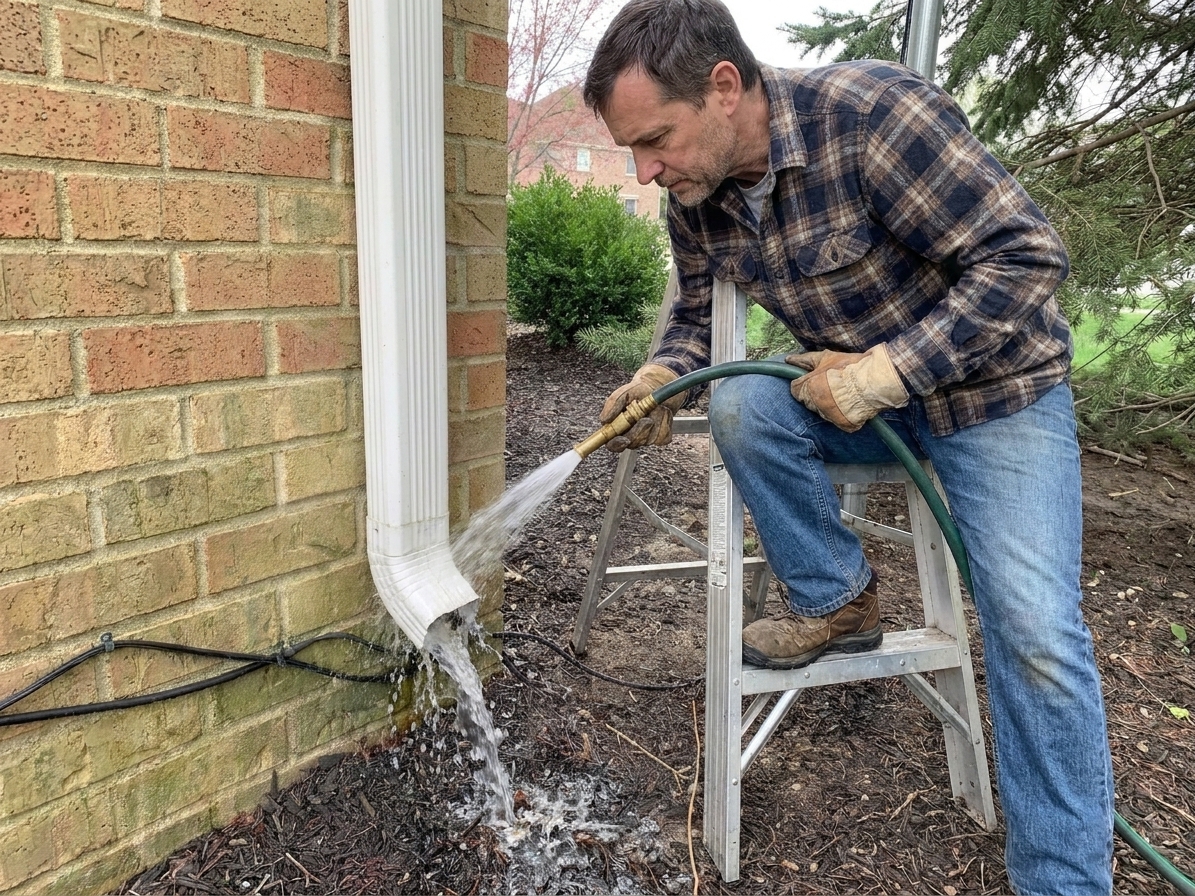
- With the bottom elbow still disconnected, run a garden hose into the gutter outlet and send water down the downspout.
- Start with low flow, then increase as you see steady discharge at the bottom.
- Watch the open bottom: you want a strong, steady stream with debris washing out. If you can, have a helper keep an eye on the gutter while you manage the hose.
Why leave the elbow off? Because it gives the water and junk somewhere to exit without pressurizing the system and popping a seam.
5) Check the outlet and any drains
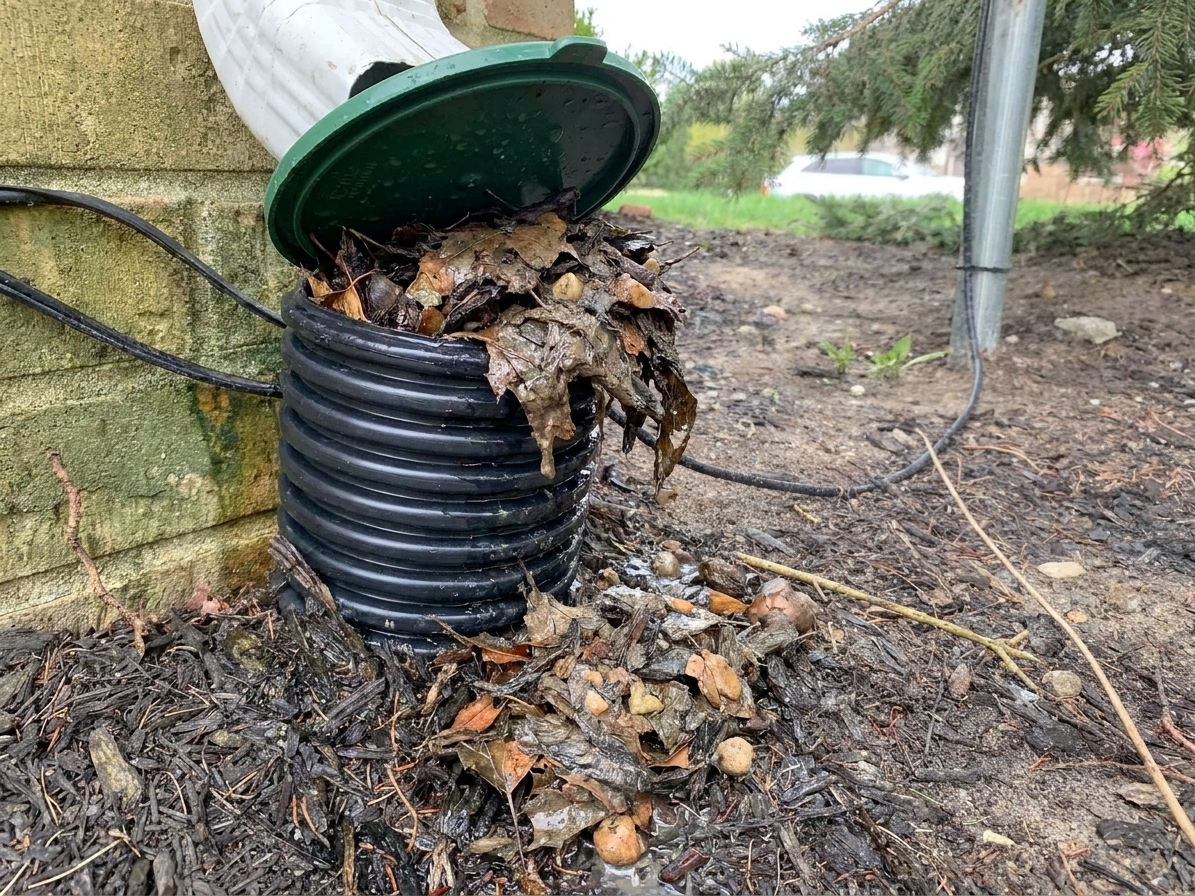
If your downspout drains into a splash block, extension, pop-up emitter, or underground drain, check that section too. A clear vertical downspout does not help much if the exit path is blocked.
- Splash block: make sure it is not buried in mulch or mud.
- Corrugated extension: disconnect it and look for a clog right at the connection point. This is a common choke point.
- Pop-up emitter: open it and clear debris. These can pack up with seeds and shingle grit.
- Underground drain pipe: if water gushes out of the downspout but pools at the pipe entrance, the underground line may be clogged or collapsed.
If you are dealing with an underground line, take a minute to look for a cleanout. If you cannot find one and you do not know what the pipe is (thin PVC, older clay tile, unknown connections), avoid aggressive snaking from the downspout. It is easy to hang up a cable, damage an older line, or punch through a weak section. This is one of those moments where a drain camera and the right equipment can save you a lot of digging.
6) Reassemble and test
- Reconnect the lower elbow and any extensions.
- Use stainless or exterior-rated screws if you are replacing fasteners.
- Run the hose again from the top for a full test.
You are looking for two things: no overflow at seams and a strong discharge at the bottom outlet.
If it is still clogged
Clog stuck at an upper elbow
Some downspouts have an elbow near the eave before the vertical run. If the clog is wedged there, snaking from the bottom might not grab it.
- Try a longer snake so you can reach the upper elbow.
- If you can safely access it, disconnect the upper elbow and clear from that opening too. This is ladder work, so only do it if you can do it safely and steadily.
Crushed downspout or hardened grit
If the downspout is dented flat or packed with gritty sediment that feels like concrete, you might spend more time fighting it than it is worth. Downspout sections are relatively affordable. Replacing a damaged section can be the cleanest fix.
Ice, not leaves
In Michigan, I have seen downspouts freeze solid during weird shoulder-season cold snaps. If you suspect ice, do not force it with a snake.
- Wait for a thaw when you can.
- If you need to speed things up, use gentle, low-risk heat like warm (not boiling) water poured through from the top once you have an open exit at the bottom.
- Avoid open flame. Also be careful with high-heat tools around vinyl siding and near dry leaves. And if it is icy underfoot, ladder work is a hard no for me.
How to prevent repeats
- Do a quick check after the leaves drop and again after spring pollen season. Those are peak clog builders.
- Make sure the downspout straps are secure so joints do not separate and catch debris.
- Listen during a heavy rain. A downspout should sound like a steady rush, not a gurgle-and-spit.
- Keep the discharge area clear. Buried splash blocks and clogged extensions cause backups that look like downspout clogs.
When to call a pro
- You cannot safely access the upper connections or the roof edge.
- The downspout ties into an underground drain that will not clear and keeps backing up.
- You suspect a pitch problem, missing gutter slope, or water is causing foundation issues.
- You see water getting behind the gutter or fascia, suggesting rot or hidden damage.
There is no shame in hiring out the risky parts. I swung hammers for a decade, and I still outsource jobs that ask me to do acrobatics on a ladder.
FAQ
Can I unclog a downspout with a pressure washer?
You can, but I treat it as a last resort. Pressure washers can blow apart seams, blast water behind siding, and ricochet debris into your eyes. A hose flush plus a snake is usually plenty.
Is it okay to bang on the downspout?
Light tapping is fine for diagnosis. Hammering usually dents the metal or pops joints loose. If it is truly packed, a snake does a better job with less damage.
What is that gritty stuff in my downspout?
Often it is a mix of shingle granules, roof grit, dirt, and decomposed leaves. It settles in elbows and low spots, then grabs more debris like Velcro.
Why does it overflow at the elbow?
Elbows create turbulence and a natural pinch point. When debris starts to collect, that bend is where it stacks up first and where water finds a way out.