
Why Does My Toilet Gurgle When I Flush?
A gurgling toilet usually means air is getting pulled through your drain. Learn how to tell apart a partial clog, a blocked vent or AAV, or a main-line issue and what to check next.
Let us talk about that toilet gurgle.
If your toilet gurgles when you flush, it is usually not the toilet being dramatic. It is your plumbing trying to breathe. A drain system needs a smooth flow of water and a smooth path for air. When something restricts either one, you can get that telltale blurp or glug.
Most toilet gurgling comes from three places:
- A partial clog close to the toilet
- A venting problem (blocked or poorly vented)
- A main-line issue (building drain or sewer line starting to back up)
Let us sort those out like a neat row of screws in a shop tray.
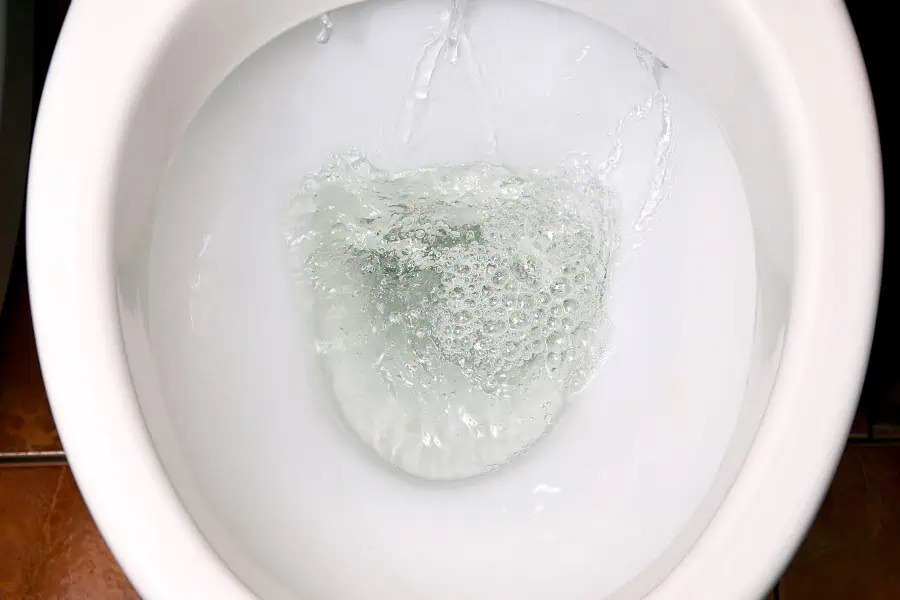
What the gurgle means
A toilet has a built-in trapway (that S-shaped path inside the toilet), and then the branch drain continues beyond it. When you flush, a rush of water pushes waste through the trapway and into the drain line. For that water to move quickly, air has to move too. Normally, air is supplied through the plumbing vent system, typically a vent stack that exits the roof.
A gurgle is often the sound of air being pulled through water because the system cannot pull air the easy way. That can happen when:
- Water is slowed by a clog and creates suction behind it.
- A vent is blocked so the drain pulls air from the nearest trap instead.
- The main line is partially blocked, so fixtures fight each other for air and space.
Quick triage
1) Does the toilet flush slowly or leave the bowl low or high?
Slow flush, weak siphon, or a bowl that does not clear well often points to a partial clog in the toilet or the branch drain right below it.
Odd bowl levels can happen with venting problems or developing main-line issues, especially if levels change after other fixtures run.
2) Do other fixtures gurgle too?
Listen and look around. If the toilet gurgles and you also notice gurgling in a nearby tub or shower drain, or a bathroom sink that bubbles, that leans toward a venting problem or a downstream restriction that affects multiple fixtures.
3) Is it worse when something else drains?
If the toilet gurgles when:
- The shower drains
- The bathroom sink drains
- The washing machine pumps out
That is a big hint that the problem is not just inside the toilet. It suggests the drain line is pulling air through the toilet trap because it cannot get enough air through the vent, or because the main line is not accepting flow normally.
Cause 1: Partial clog
This is the most common and the easiest to check from ground level. A partial clog is sneaky because the toilet might still flush, just with extra noise and drama.
Clues
- Gurgling happens during the flush or right after.
- Flush is weaker than usual, with less “whoosh.”
- Water rises a bit higher in the bowl before slowly going down.
- It started after a “maybe that was too much paper” moment.
What to do
1) Try a proper plunge
Use a flange plunger (the kind with the extra rubber sleeve). Make sure the bowl has enough water to cover the plunger cup.
- Set the plunger to seal the drain opening.
- Start with a gentle push to avoid splashing, then use firm, repeated strokes.
- Flush once to test. If it improves but is not perfect, repeat.
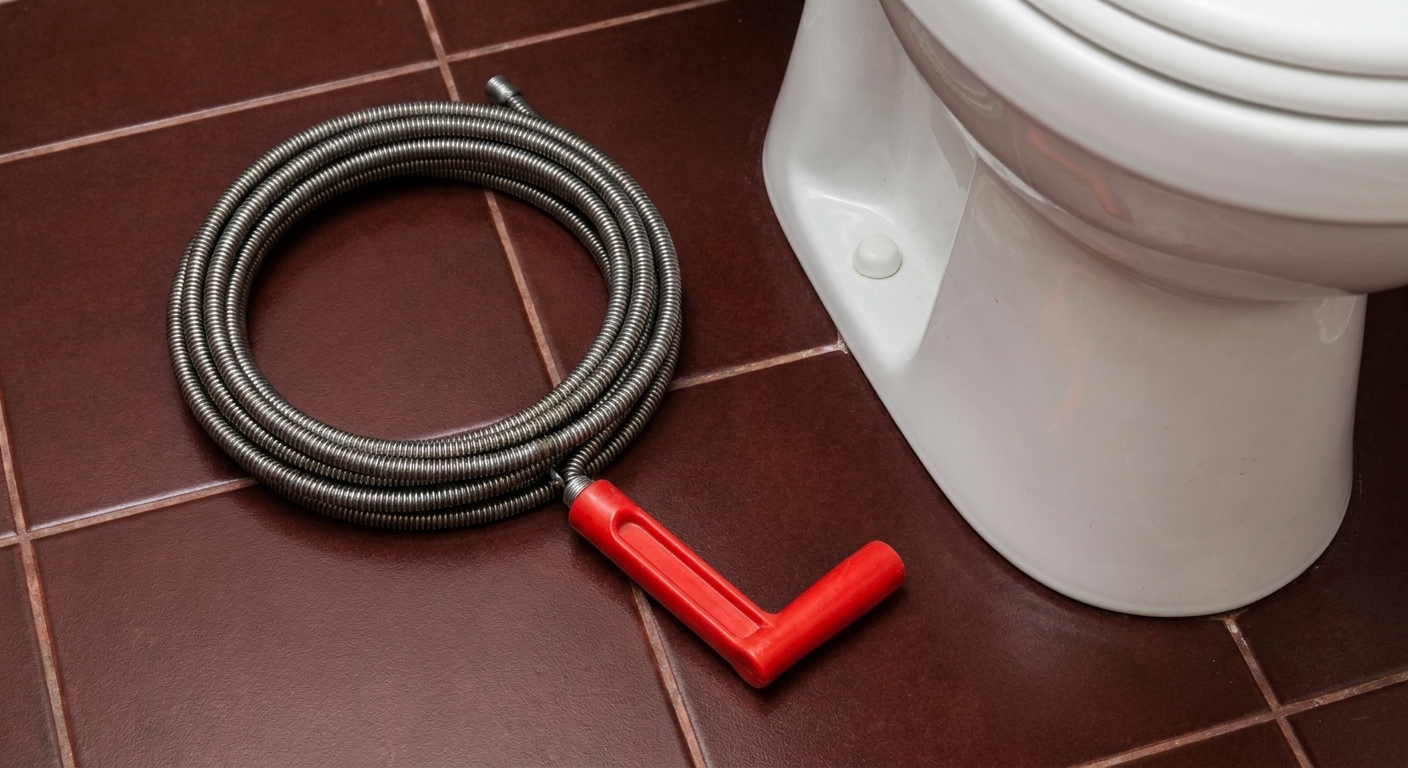
2) Use a closet auger if plunging does not fix it
A toilet auger (closet auger) can break up or retrieve a clog in the toilet trap where plungers sometimes cannot.
Workshop note: If you are using an auger, keep the protective boot against the porcelain and do not force it. Forcing is how you earn a chipped bowl and a new weekend project.
3) If it keeps coming back, think downstream
Recurring gurgling plus recurring clogs can mean the branch drain is partially restricted, not just the toilet trap. At that point, a plumber’s drain snake or camera inspection can save a lot of trial and error.
Cause 2: Vent problem
Your plumbing vent is the system’s air supply. When it is blocked, the drain can pull air from the nearest available place, often through a fixture trap. That can cause gurgling and sometimes a sewer smell if traps get siphoned low.
Clues
- Gurgling happens even when the toilet seems to flush normally.
- You hear gurgling in multiple fixtures in the same bathroom.
- Gurgling can be worse on windy days or after long periods without use, then improve temporarily.
- You occasionally notice sewer odor (a trap may be losing water).
Common vent trouble
- Leaves, nests, and debris in a roof vent opening
- Snow or ice in cold climates
- Animal nesting
- AAV issues: If your bathroom uses an air admittance valve under a sink (common in remodels), a stuck or failing AAV can act like a blocked vent
- Improper venting or an older layout that is easily overwhelmed
Safety first: Roof work is real fall-risk work. If checking a roof vent means getting on a steep roof, climbing high, or working near power lines, skip the hero act and call a plumber.
Checks from indoors
- Trap water levels: Shine a flashlight into a shower or tub drain. If it looks dry or you smell sewer gas, run water to refill the trap and note if the smell returns quickly.
- Listen during other drains: Run the bathroom sink full blast for 20 to 30 seconds, then stop it. If the toilet gurgles as the sink drains, venting is a strong suspect.
- Watch for a delayed glug: A late glug can happen when the system is pulling air after the main flush wave passes.
Clearing a vent problem often means removing debris and snaking the vent from the roof cleanout. Sometimes it also means confirming the vent path inside walls or checking an AAV for failure. If the signs are strong, this is a good moment to call in help.
Cause 3: Main line issue
If the toilet gurgles and you are also seeing slow drains, backups, or gurgling in other parts of the house, your main drain may be partially blocked. When the main line cannot move water out fast enough, air and water get pushed and pulled through the nearest fixtures.
Clues
- More than one fixture is acting up, especially across different rooms.
- The lowest drains in the house (basement shower, first-floor tub) are slow or backing up first.
- You see water in a shower or tub after flushing a toilet.
- You get intermittent backups that clear and then return.
Fixtures to check
- Closest shower or tub: Run water for a minute, then watch how fast it drains.
- Bathroom sink: Fill and release. Listen for gurgles.
- Kitchen sink: If it is slow too, that points farther downstream.
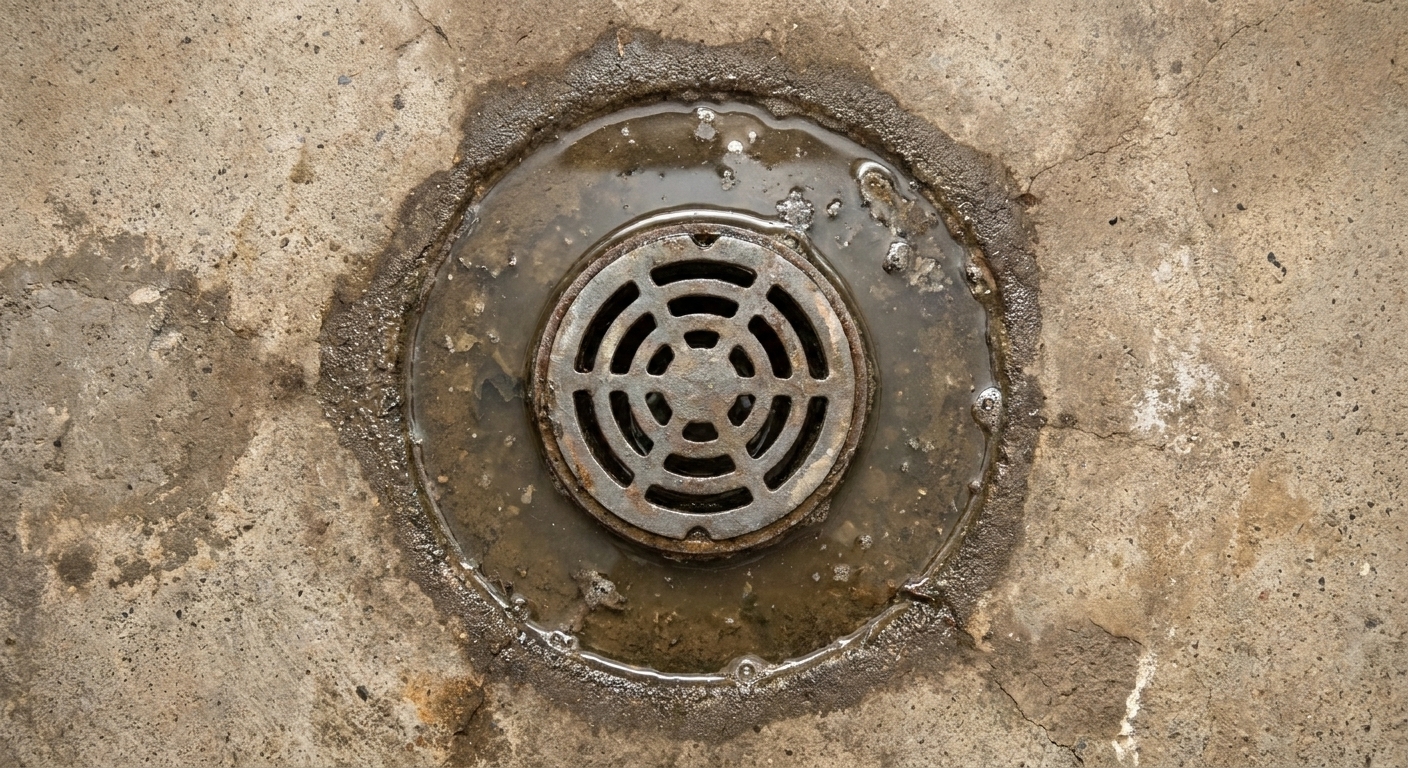
- Floor drain (if you have one): Any water or odor there matters.
Main-line problems can be caused by grease buildup, scale, root intrusion, a sagging pipe section, or a collapsed line. These typically require professional snaking, jetting of the drain line, or a camera inspection to confirm.
Checklist
| What you notice | Most likely cause | What to do next |
|---|---|---|
| Toilet flush is weak, bowl rises, gurgles during flush | Partial clog in toilet or nearby branch drain | Plunge, then closet auger; call plumber if recurring |
| Toilet flushes but gurgles, other nearby drains gurgle too | Vent blockage, AAV issue, or venting problem | Check for trap siphon signs; check AAV if present; consider plumber for vent clearing |
| Multiple fixtures slow or backing up, lowest drains affected | Main line or sewer line restriction | Stop running water, call plumber to snake or camera the line |
When to call a plumber
Some gurgles are mild, some are a warning bell. Call a plumber sooner rather than later if you have any of these:
- Backup or overflow risk: water rising high in the bowl, tub filling when you flush, or wastewater in a shower.
- Sewer smell that keeps returning, especially if traps seem to lose water.
- Multiple drains affected at the same time.
- Gurgling plus a history of root intrusion or older sewer lines.
- No improvement after plunging and augering.
And if you are on a septic system and you notice widespread slow draining, gurgling, or backups, that can also point to a full tank or a failing drain field. That is another job for a pro.
What not to do
- Do not keep flushing to see if it goes away if the water level is rising or drains are sluggish. That is how small problems become mop and bucket events.
- Do not mix drain chemicals and do not pour aggressive drain openers into a toilet. They often do not solve toilet clogs well and can create a hazard for anyone snaking the line later.
- Do not ignore a dry-trap smell. Sewer gas is not just unpleasant. It can include methane and hydrogen sulfide, and you do not want that indoors.
FAQ
Is a gurgling toilet always clogged?
No. A toilet can gurgle with a decent flush if the vent is blocked, an AAV is failing, or if the main line is restricted. Think of gurgling as an airflow symptom, not a guaranteed clog.
Why does my toilet gurgle when the shower drains?
That often means the shower discharge is pulling air through the toilet trap because the vent is not supplying enough air, or because there is a restriction downstream. If it is limited to one bathroom, suspect venting or a branch drain issue. If it happens across the house, suspect the main line.
Can a blocked roof vent cause my toilet to gurgle?
Yes. A blocked vent can make drains search for air wherever they can get it, including through toilet and sink traps. That air moving through water is the gurgle.
My toilet gurgles but does not overflow. Should I worry?
It is still worth investigating. Occasional gurgling can be the early stage of a developing blockage or vent issue. Catching it early is usually cheaper and cleaner.
Can mineral buildup in the toilet cause gurgling?
Sometimes. Heavy mineral buildup in rim jets or the siphon jet can weaken flush performance, which can make a borderline clog or airflow issue more obvious. It is a secondary suspect, but if your flush is weak and you have hard water, it is worth inspecting and cleaning the jets.
Wrap-up
A gurgling toilet is your plumbing system asking for a clearer path, either for water, air, or both. Start with the simplest checks: flush strength, nearby fixture behavior, and whether gurgling shows up when other drains run. If multiple fixtures are involved or you see backup signs, that is your cue to call a plumber before the problem graduates from sound effect to cleanup aisle.