Multiple slow drains usually mean a bigger clog than hair in one shower. Learn the telltale signs of a main drain problem, where to check for a cleanout, saf...
The Homeroom Fix
October 28, 2026
•
By Marcus Delgado
Why the Tub Gurgles When the Washer Drains
A tub or shower that gurgles only when the washing machine drains usually points to shared piping, a venting issue, or a partial blockage. Here’s how to tell which one and what to check indoors.
The first time I heard a bathtub gurgle while the washer drained, I assumed the tub was the problem. It was not. The tub was just the unlucky bystander, and the washing machine was the one bullying the plumbing.
That timing matters. If the tub or shower only gurgles when the washer (or dishwasher) dumps water quickly, you are usually looking at one of three patterns: a shared drain branch, a venting issue (often an air admittance valve), or a partial blockage that is starting to act like a stopper.
Let’s walk through what is happening and the simplest indoor checks that help you sort it out before you start pulling pipes apart.
What the gurgling means
Plumbing drains are supposed to move water and air. When a washer drains, it sends a big slug of water through the pipe quickly. As that water rushes past a nearby connection, it can create suction and tug on the water sitting in another trap, like your tub or shower P-trap.
The gurgle sound is usually one of these:
- Air being pulled through the tub trap because the drain is starved for air (venting problem).
- Air bubbling through the tub drain because the shared piping is pressurizing or struggling to keep up (shared branch and/or partial restriction).
- The trap water moving as the system tries to balance pressure (can happen even with no obvious clog).
One important safety note: if you notice sewer smell after the gurgling, treat it as urgent. That can mean the trap is getting siphoned low, and sewer gases are getting a path into the bathroom.
Quick timing checklist
These clues help you separate the three common causes.
- Gurgle only when the washer drains, and the tub still drains fine otherwise: shared branch is very common, venting issue is also possible.
- Gurgle plus the tub water level dips (you can sometimes see it): venting problem or partial blockage creating strong suction.
- Gurgle plus slow tub draining or hair clogs showing up more often: partial blockage moves up the list.
- Gurgle plus water backing up into the tub or shower during washer discharge: partial blockage is very likely.
Cause 1: Shared branch
In a lot of houses, the laundry drain ties into the same branch line as a nearby bathroom tub or shower. When the washer pump kicks on, it shoves water down that shared pipe fast. The tub is connected to the same “hallway,” so it hears the commotion.
Indoor checks for a shared branch
- Map the proximity: If the laundry room shares a wall, ceiling area, or floor system with the bathroom, a shared branch is common.
- Listen for where it is loudest: Stand near the tub drain when the washer drains. If the gurgle is strongest right at the drain opening (not in the wall), that points to air movement at the trap.
- Check other fixtures at the same time: Run the washer drain and listen at a nearby sink or floor drain. If multiple fixtures “talk” during discharge, that supports shared piping.
- Watch the tub water seal: Put an inch or two of water in the tub, then let the washer drain. If the water surface ripples or dips but does not pull down far, that can be normal shared-branch turbulence.
What to do with this information: A shared branch by itself is not automatically a defect. The concern is whether the branch is properly vented, properly sized, and whether it is starting to clog. That leads right into the next two causes.
Cause 2: Venting issue
Every trap needs venting so it does not get siphoned. If the plumbing vent is blocked, missing, incorrectly tied in, or too far away, the system will grab air wherever it can. Sometimes that means pulling air through your tub drain, which sounds like gurgling.
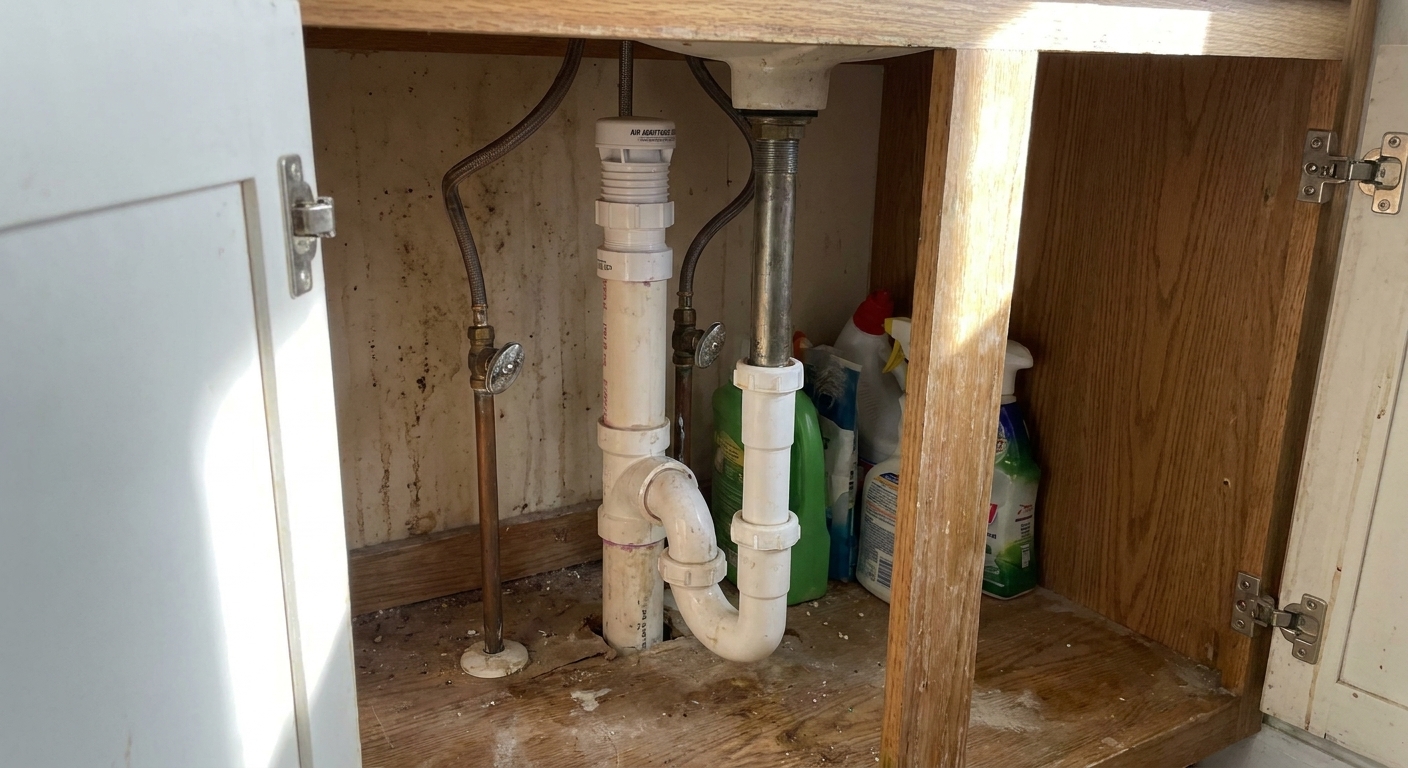
In some homes, especially remodels, a fixture may be vented with an air admittance valve (AAV), sometimes called a Studor vent. An AAV is designed to let air into the drain line and help protect traps. When it is functioning correctly, it should not let sewer gases out, but a failed or poorly installed valve can absolutely contribute to odors and gurgling.
One more wrinkle: whether AAVs are allowed and how they must be installed varies by local code. Even when permitted, they typically need to be installed upright and remain accessible for service.
Indoor checks for venting trouble
- Sniff test after gurgling: If you get sewer odor in the bathroom after the washer drains, that suggests the tub trap water is being pulled low.
- Look for trap seal loss the simple way: Put a couple inches of water in the tub before the washer pumps out. If you can see the tub water level noticeably dip during the gurgle, or you hear a long “glug,” that is consistent with siphoning.
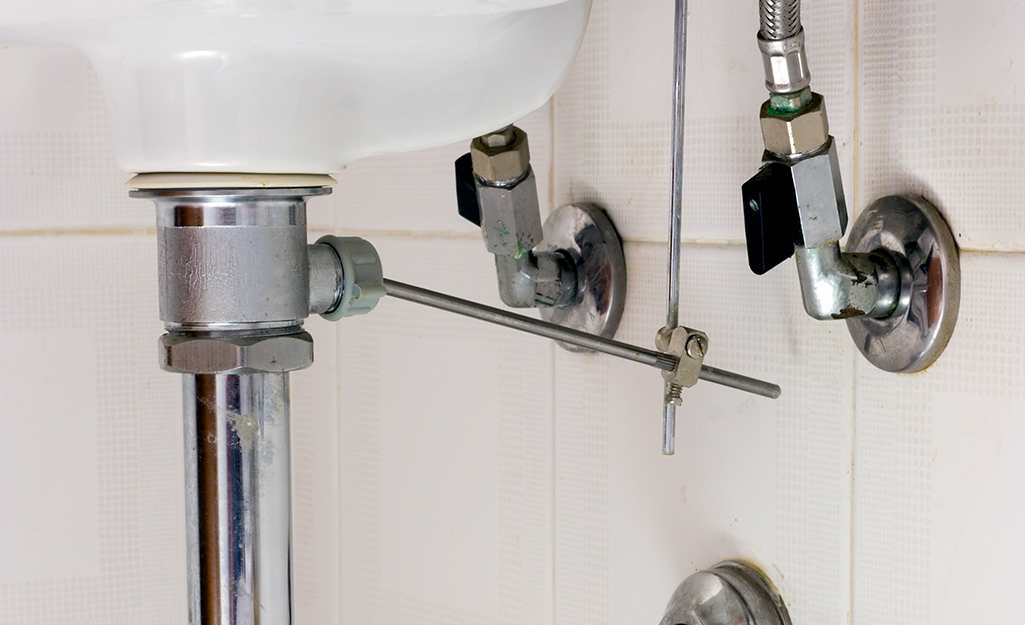
- Look for an AAV: Check under the bathroom sink, behind an access panel, or near the laundry standpipe for a stubbed-up pipe with a valve on top. If you find one, note its location. AAVs should be accessible and installed upright, above the trap arm level.
- Test other drains for “glugging”: If the bathroom sink also gurgles when the washer drains, that is another hint the branch is air-starved.
Safety reminder: If you suspect sewer gas is entering the house, do not ignore it. Keep traps filled with water and address the venting issue promptly. If you feel lightheaded or get strong odors, ventilate the area and step away.
What you can reasonably do yourself: You can identify whether an AAV exists and whether it is loose, damaged, or obviously installed wrong. Replacing an accessible AAV is often straightforward, but if you are not sure you are looking at one, or you cannot find access, that is a good time to call a plumber.
Cause 3: Partial blockage
A washer discharge is like a stress test. If the branch line is partially restricted, the washer’s fast dump can push water past the restriction and create pressure swings and bubbling. The tub trap becomes the easiest place for that pressure to show itself, so you hear gurgling or see water movement.
Partial blockages that commonly cause this:
- Lint and detergent sludge from laundry
- Hair and soap scum from the tub or shower
- “Flushable” wipes from anywhere upstream (not actually flushable)
- Grease if the line ties in near a kitchen branch (depends on layout)
Indoor checks for a developing clog
- Does the tub ever back up during washer draining? Even a small rise in tub water is a big clue that the shared line is restricted.
- Check tub drain speed: Run the tub for 30 seconds, then drain. If it drains slower than it used to, or it leaves standing water, you might have a developing clog.
- Check the washer standpipe behavior: While the washer drains, watch the standpipe. If it rises high, sounds strained, or nearly overflows, the restriction is likely downstream.
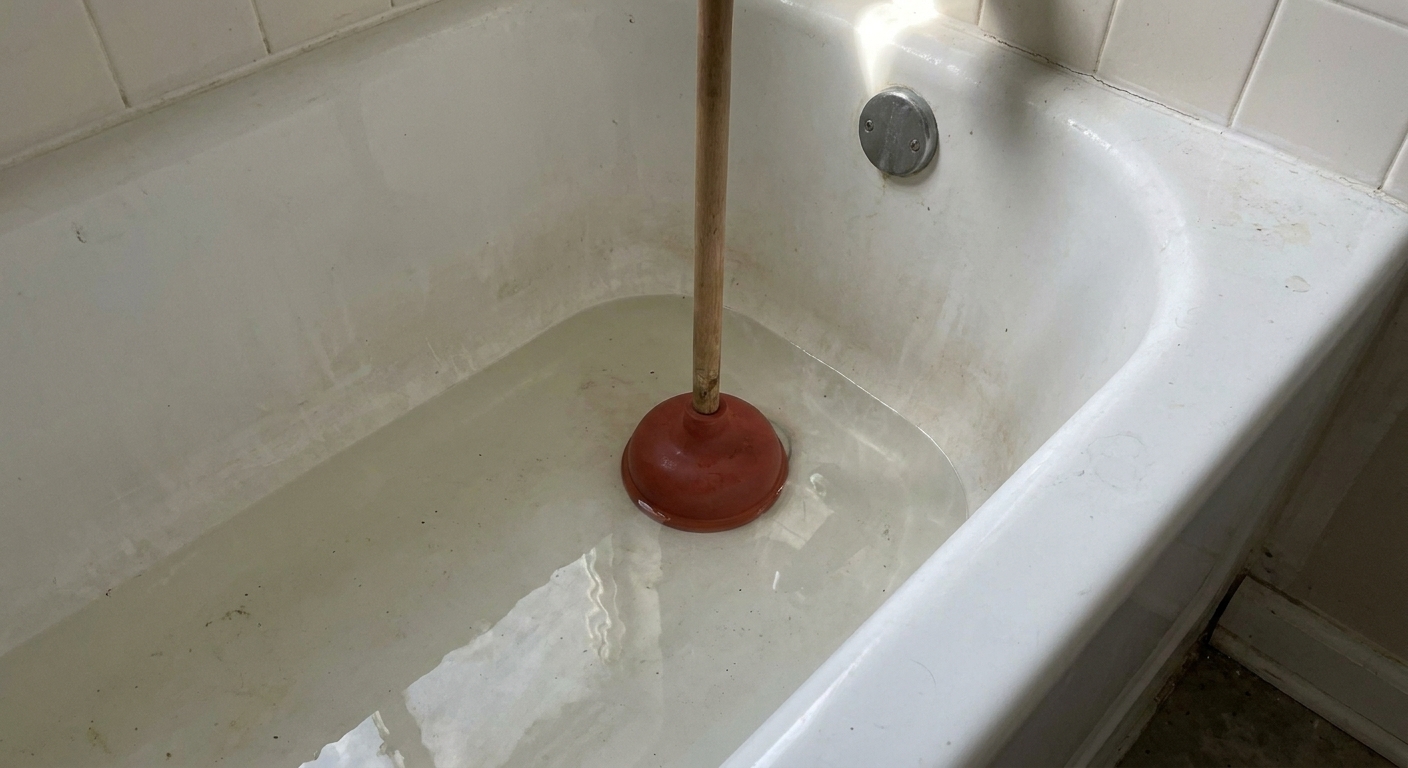
- Plunge the tub the right way (quick test): If you have a tub overflow, cover it with a wet rag, then give the drain a few firm plunges with enough water to cover the plunger cup. If the gurgling improves afterward, you probably moved some gunk. If nothing changes, venting moves up the list.
Safe DIY next steps (before chemicals)
- Pull hair at the source: Remove the tub strainer and use a plastic hair-removal tool or a small zip tie style snake. It will not fix a clog deep in the branch line, but it often helps.
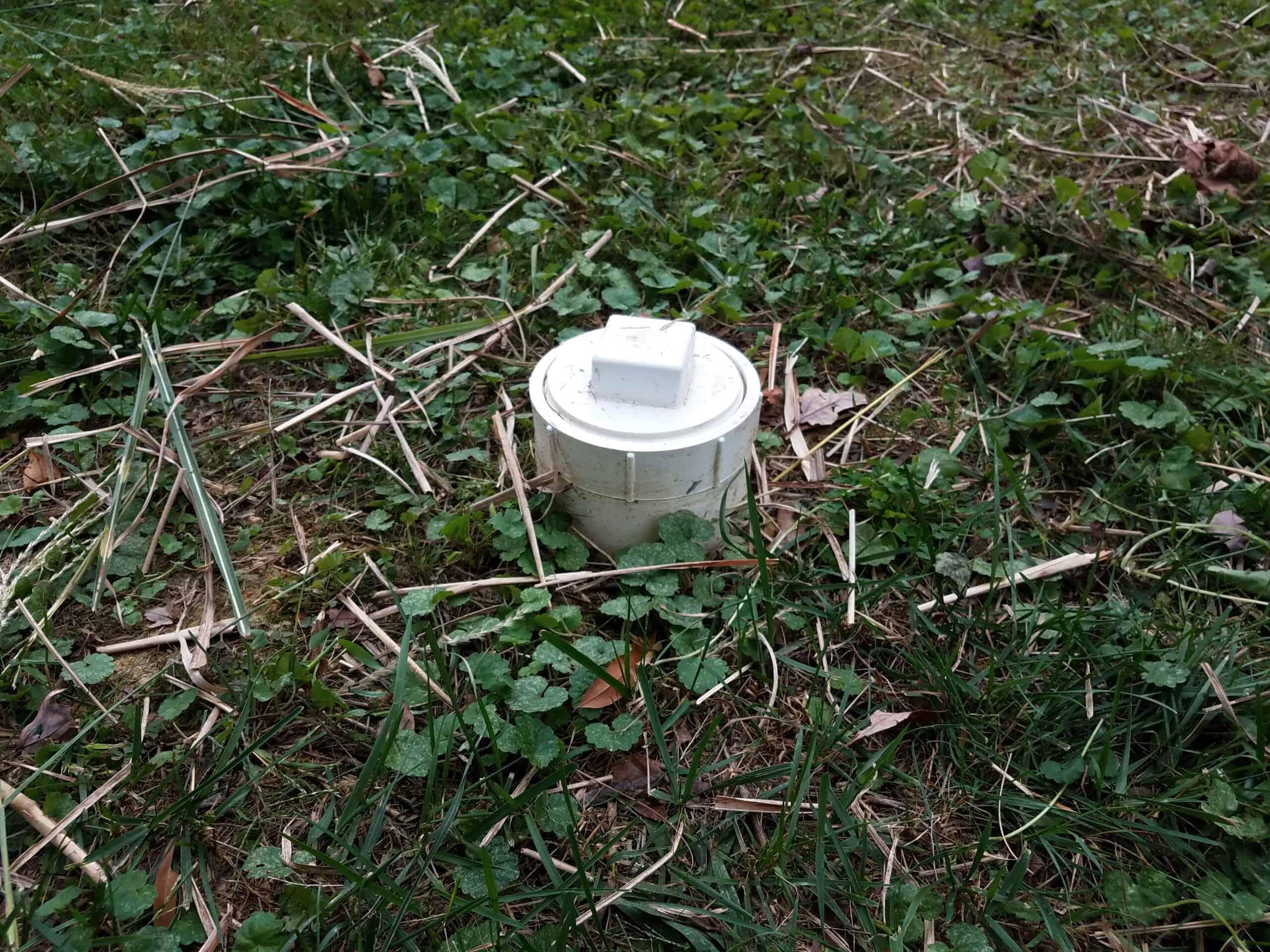
- Check for a cleanout: Some homes have an accessible cleanout near the laundry or bathroom. If you have one and you know how to open it safely, that is often the best access point for a snake.
- Know when to stop: If water is backing up into the tub, the standpipe is near overflow, or you cannot clear it quickly, a plumber with the right cable and, ideally, a camera can save you from making a mess worse.
What not to do: Be careful with harsh chemical drain cleaners. They are hard on old piping, and if you end up needing to snake the line, you do not want caustic liquid splashing back at you.
Washer setup issues
Sometimes the plumbing is basically fine, but the washer setup makes the whole system more dramatic.
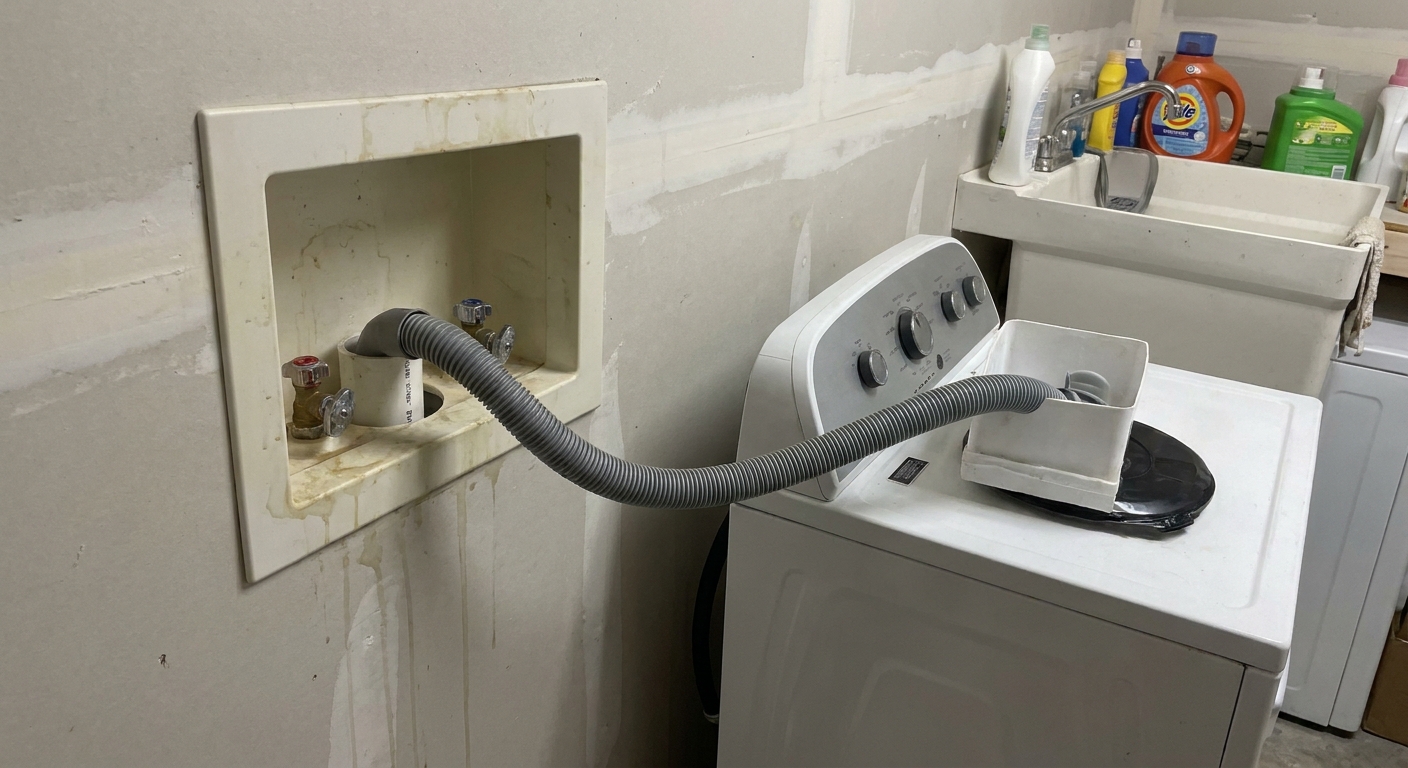
- Standpipe height and trap setup: A too-short standpipe, an odd trap arrangement, or an undersized line can make pump-out surge harder and trigger gurgling. Modern washers, especially HE models, can discharge fast.
- Pinched or shoved-in drain hose: If the drain hose is jammed too far down the standpipe or taped airtight, it can disrupt airflow and make symptoms worse. You want a proper air gap at the standpipe opening.
If your laundry setup looks questionable, that is a good “take a photo and ask a plumber” moment, because washer drain code requirements are specific and mistakes can cause recurring problems.
A simple decision path
Step 1: Confirm it is tied to pump-out
Start the washer and wait for the pump-out portion of the cycle. If the tub gurgles only during pump-out, you are on the right trail.
Step 2: Look for backup
If water rises in the tub or shower when the washer drains, treat it as a partial blockage until proven otherwise.
Step 3: Check for odor or siphon
If there is sewer smell after the gurgle or you can tell the tub water level is dipping during pump-out, treat it as a venting problem (possibly an AAV issue). Repeated trap siphoning is more than an annoyance, it can let sewer gas into the home.
Step 4: If no backup and no odor
You may simply be hearing a shared branch doing its thing, especially in older homes where pipe runs are long and venting is not as generous. Keep an eye on it, because gurgling can be an early warning sign of a clog forming.
When to call a plumber
I love a good DIY win, but drain and vent issues can cross from “annoying” to “messy” fast. Call in help if:
- The tub or shower backs up during washer draining.
- You get sewer odor after the gurgling.
- The washer standpipe nearly overflows during pump-out.
- You have done basic checks and the problem is getting worse.
- You suspect a main line issue (multiple fixtures affected across the house).
How to keep it from returning
- Catch hair at the tub: A simple strainer does more than most “preventive” tricks, because hair and soap scum are a top repeat offender.
- Be cautious with lint catchers: A lint catcher on the washer discharge hose can help in some setups, but it must be cleaned frequently and it should not restrict flow. If you already have slow draining or backups, skip this and address the clog first.
- Hot water, with limits: An occasional hot water flush can help reduce soap buildup in some lines, but it will not solve hair, wipes, or heavy sludge. Do not dump boiling water into drains, especially with PVC piping or older joints.
- Skip “flushable” wipes: Completely. They are repeat offenders in residential drain calls.
FAQ
Is it dangerous if my tub gurgles when the washer drains?
The sound itself is not dangerous, but it can be a sign of a venting problem or a partial blockage. If you also smell sewer gas or see backup, take it seriously.
Why does it only happen when the washer drains and not when the tub drains?
A washer dumps water fast under pump pressure. That sudden high flow is more likely to create suction and pressure changes than a gravity-draining tub.
Can a clogged vent cause gurgling without slow drains?
Yes. An air-starved drain can gurgle even if water still goes down. Slow draining often shows up later, or only under heavy discharge like a washer pump-out.
If I have an AAV, does that mean my plumbing is wrong?
Not automatically. AAVs are allowed in many areas when installed correctly, but local code varies. They can also fail over time, and they must be accessible. A stuck, undersized, or poorly placed AAV can cause the exact “washer drains, tub gurgles” pattern.