If your tub gurgles right when the washer pumps out, it’s usually shared piping, venting trouble, or a developing clog. Use the timing to narrow it down with...
The Homeroom Fix
October 28, 2026
•
By Marcus Delgado
Washing Machine Draining Onto the Floor
Washer water on the laundry room floor usually comes from the drain hose, standpipe or sink overflow, a slow drain line, or a clogged pump filter. Here’s how to pinpoint the cause and fix it safely.
The first time my old top-loader dumped a whole tub of gray wash water onto the laundry room floor, I did what every confident DIYer does. I stared at it for a full minute like it was going to explain itself.
If your washing machine is draining onto the floor, the good news is this is usually a very specific kind of problem: the washer is pumping water out faster than the drain setup can handle, or the discharge is not staying in the standpipe or drain where it should. Let’s walk through the most common causes in the order I troubleshoot them at home and in friends’ basements.
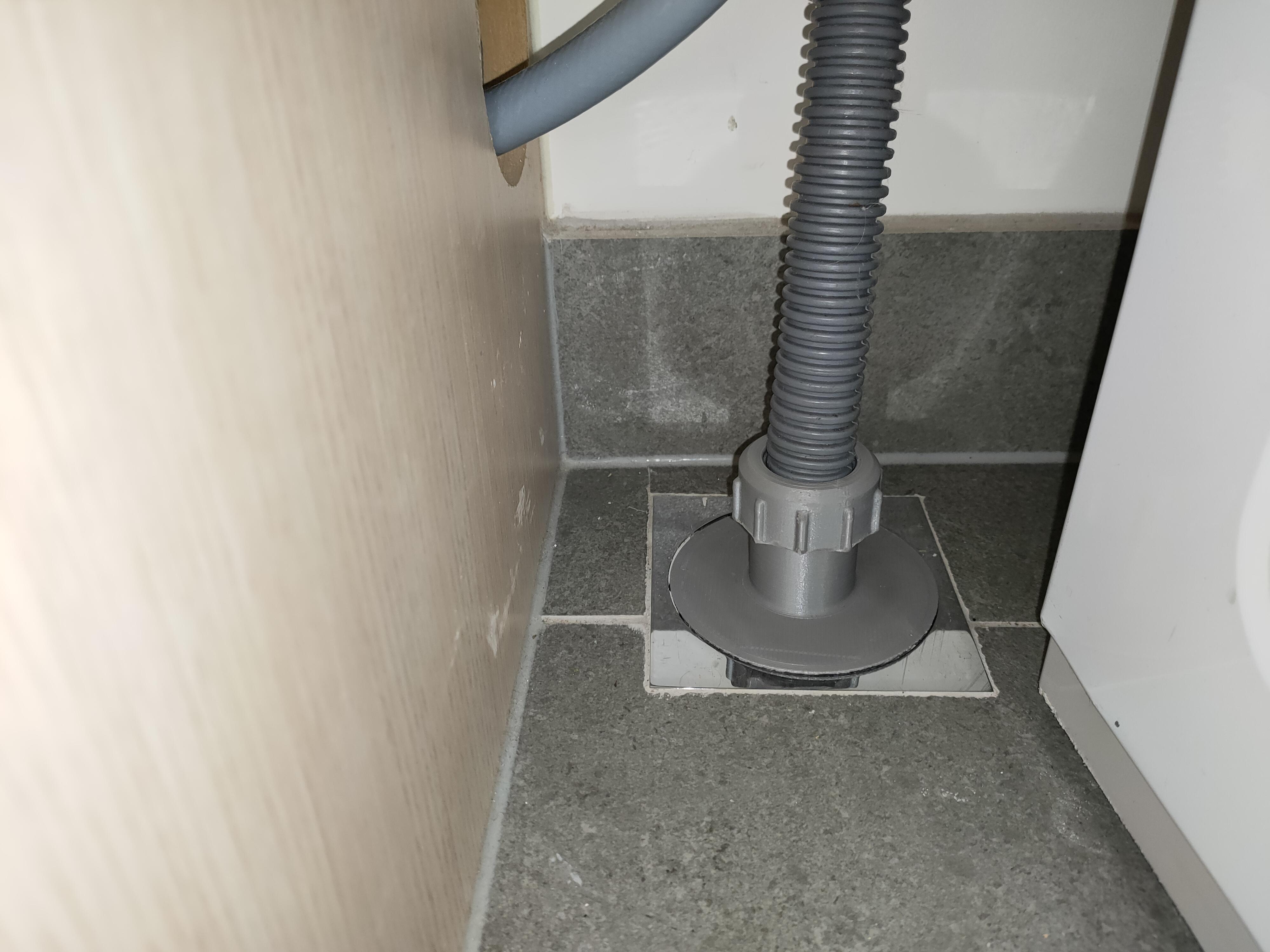
Do this first: stop the mess and stay safe
Before you chase the “why,” take two minutes to prevent damage.
- Cancel the cycle and switch the washer off.
- Unplug the washer if there is standing water near cords or outlets.
- Turn off the water supply valves to the washer.
- Soak up water with towels. If you have a wet dry vac, this is its time to shine.
- Do not keep testing drain cycles until you have the drain hose aimed into a bucket or you are watching the standpipe closely.
Quick safety note: If water reached an outlet, power strip, or extension cord, shut off the circuit at the breaker before touching anything wet. Water and electricity do not do second chances.
What you will need
You can diagnose most washer drain floods with a few basics:
- Towels
- Flashlight
- A bucket or large plastic tote
- Zip tie or small strap to secure the drain hose
- Shallow pan (for pump filter cleanouts)
- Small hand snake or drain auger (optional, but very useful)
Find where the water starts
“Washer drained onto the floor” can mean a few different things, and your fix depends on the source.
Three common scenarios
- Water is gushing from the standpipe (the vertical pipe in the wall or floor). This is an overflow or slow drain issue.
- Water is leaking from the washer itself, usually during drain or spin. This can be a pump filter, pump, hose, or internal leak.
- Water is coming from the drain hose connection because the hose slipped out, is kinked, or is not secured.
If you can, run a short drain and spin while watching with a flashlight. If you cannot run the washer without flooding, pull the drain hose out of the standpipe and place it in a large bucket or laundry tub just for testing.
Common cause: drain hose issues
This is the “it was fine until I pushed the washer back” problem. The drain hose gets pinched, the washer pump still pushes water, and it either backs up and spills or sprays from a bad position.
What to check
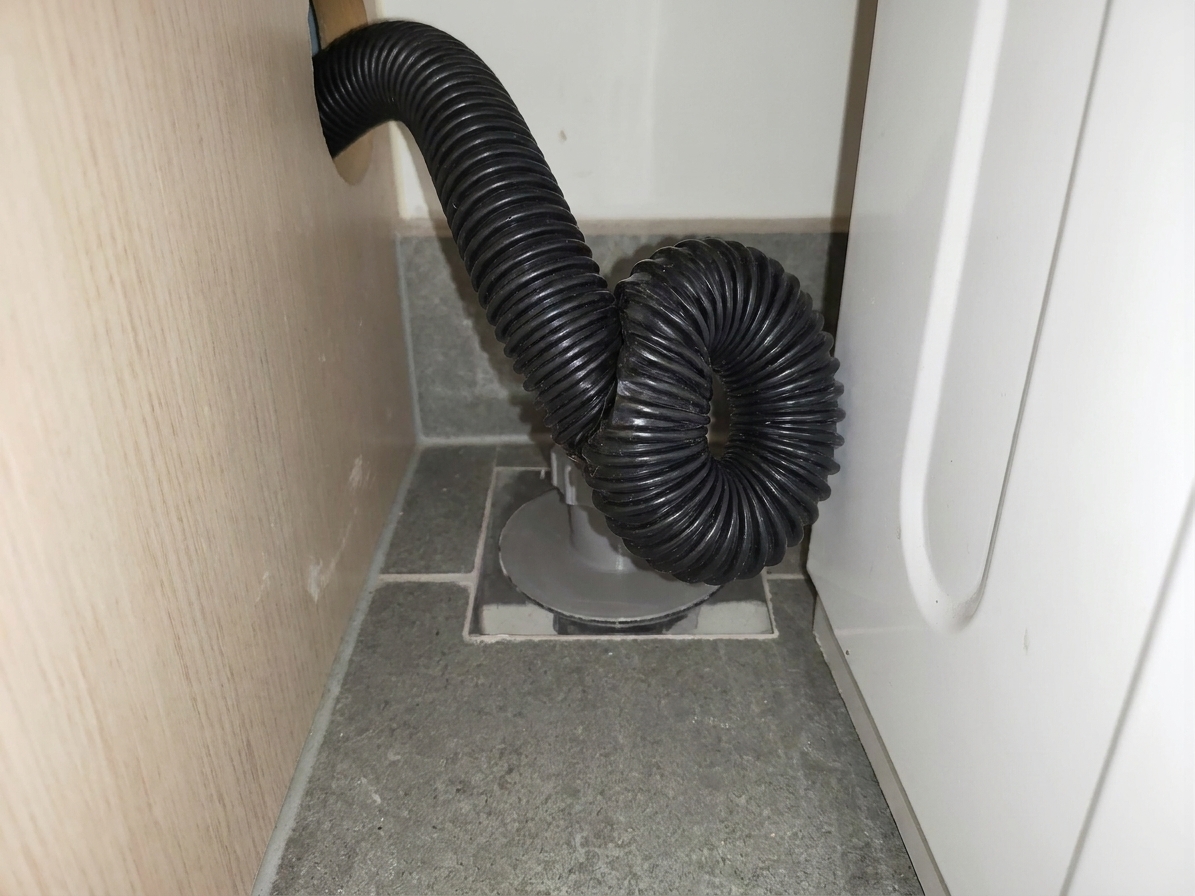
- Kinks and pinches behind the washer. Pull the washer forward and inspect the full hose path.
- Hose shoved too far into the standpipe. If the hose is jammed deep, it can restrict flow and cause backup.
- Hose not secured at the top of the standpipe. During drain, the hose can jump and spray water outside the pipe.
- Cracks or splits in the drain hose, especially near bends.
Fix
- Reposition the washer so the hose has a gentle curve, not a hard bend.
- Keep the hose end seated properly using the U-shaped hose hook if your washer has one.
- Secure the hose to the standpipe with a strap or zip tie so it cannot whip out, but do not seal the standpipe opening airtight.
That last part matters: the standpipe needs an air gap around the hose so it can drain and vent normally. If you seal it tight, you can encourage siphoning, gurgling, slow draining, or an overflow that appears out of nowhere.
Next suspect: clogged pump filter
If your washer is draining slowly, making a grinding sound, or leaving water in the drum, check the pump filter. Socks, coins, hairpins, and the occasional mysterious LEGO can block the pump and create all kinds of chaos.
A clogged filter most often causes a slow or failed drain. That can lead to a standpipe overflow (because the drain cycle gets weird and drawn out), or a leak at the filter housing or pump area if a seal is compromised.
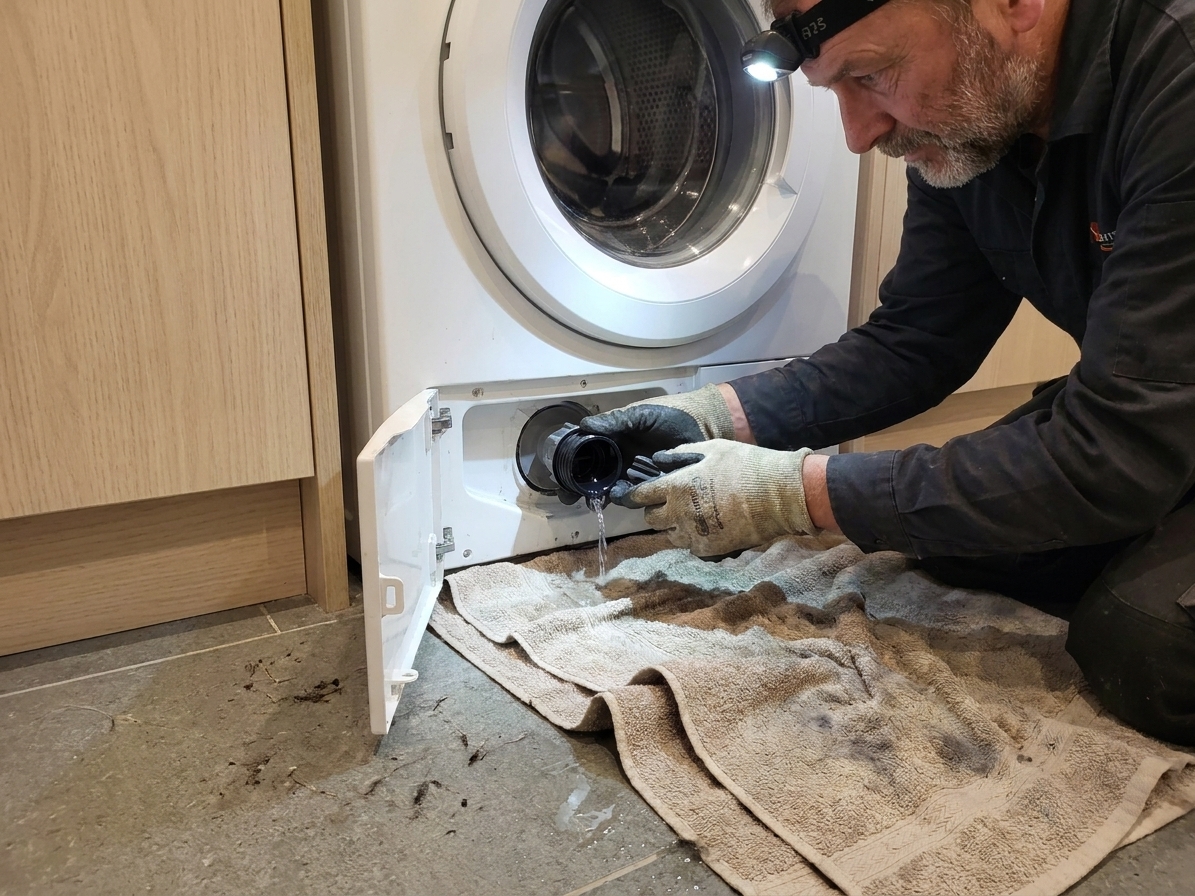
How to check the pump filter
- Unplug the washer.
- Find the small access door near the bottom front of many front-load washers and some HE top-loaders.
- Put towels down and a shallow pan nearby. A lot of water may come out.
- If your machine has a little drain tube, use it to drain into a container first.
- Unscrew the filter cap slowly and let water drain out.
- Remove debris, rinse the filter, and check the filter housing for gunk.
- Reinstall the filter snugly, close the door, and test.
If the filter was packed, you may have just fixed the whole thing in 10 minutes. If it was clean, keep going. We are narrowing the cause.
Standpipe and drain problems
Sometimes the washer is doing its job perfectly, and the plumbing setup is the weak link. When the pump kicks on, a modern washer can move water fast, especially high-efficiency models that discharge in a strong surge.
Signs the standpipe is the issue
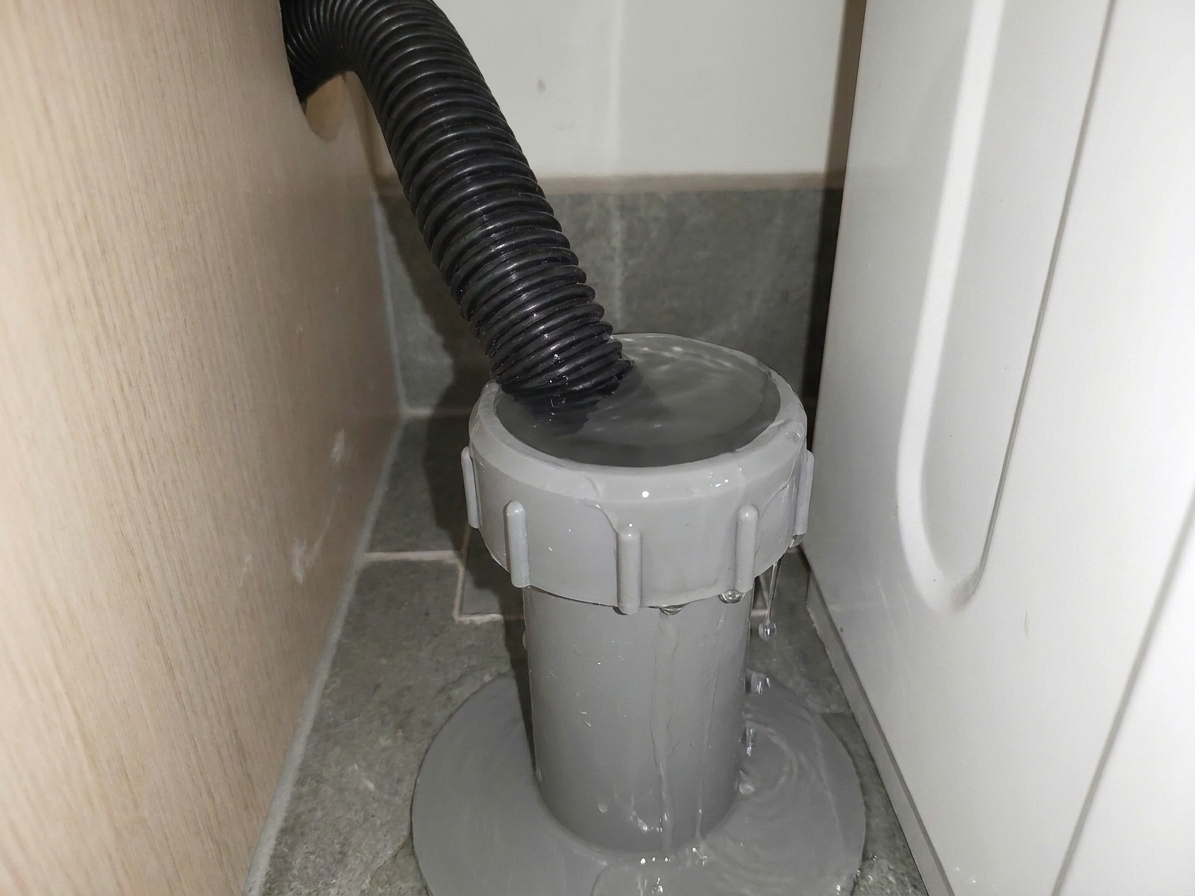
- Water rises quickly in the standpipe and spills over the top.
- The standpipe gurgles or burps water.
- The overflow happens only during drain, not while filling or washing.
Standpipe height and size
You will see a lot of “typical” guidance out there, but this is one area where it is smart to verify your washer manual and local code. Many standard installations use a standpipe around 18 to 30 inches above the trap, and commonly a 2-inch drain is used for washer standpipes in many jurisdictions. Your setup may differ, especially in older homes.
What you can do: Compare your actual setup to your washer installation instructions. If the standpipe is clearly too short, too low, or undersized for your washer, the long-term fix is plumbing work. That is usually a job for a plumber unless you are comfortable with drain piping and code requirements.
Standpipe draining too slowly (partial clog)
This is the big one. Lint, soap scum, and sludge can narrow the drain line over time. The washer pumps out faster than the line can accept it, so the standpipe becomes a temporary bathtub, then overflows.
What you can do right now:
- Pull the drain hose out and look down the standpipe with a flashlight. If you see standing water, that is a clue.
- Try a small hand snake or a drain auger down the standpipe. Go slow and avoid forcing it.
- If you have a laundry sink nearby, do not assume it is the same drain path, but if it is tied in and also drains slowly, that supports a drain restriction.
If you drain into a laundry sink
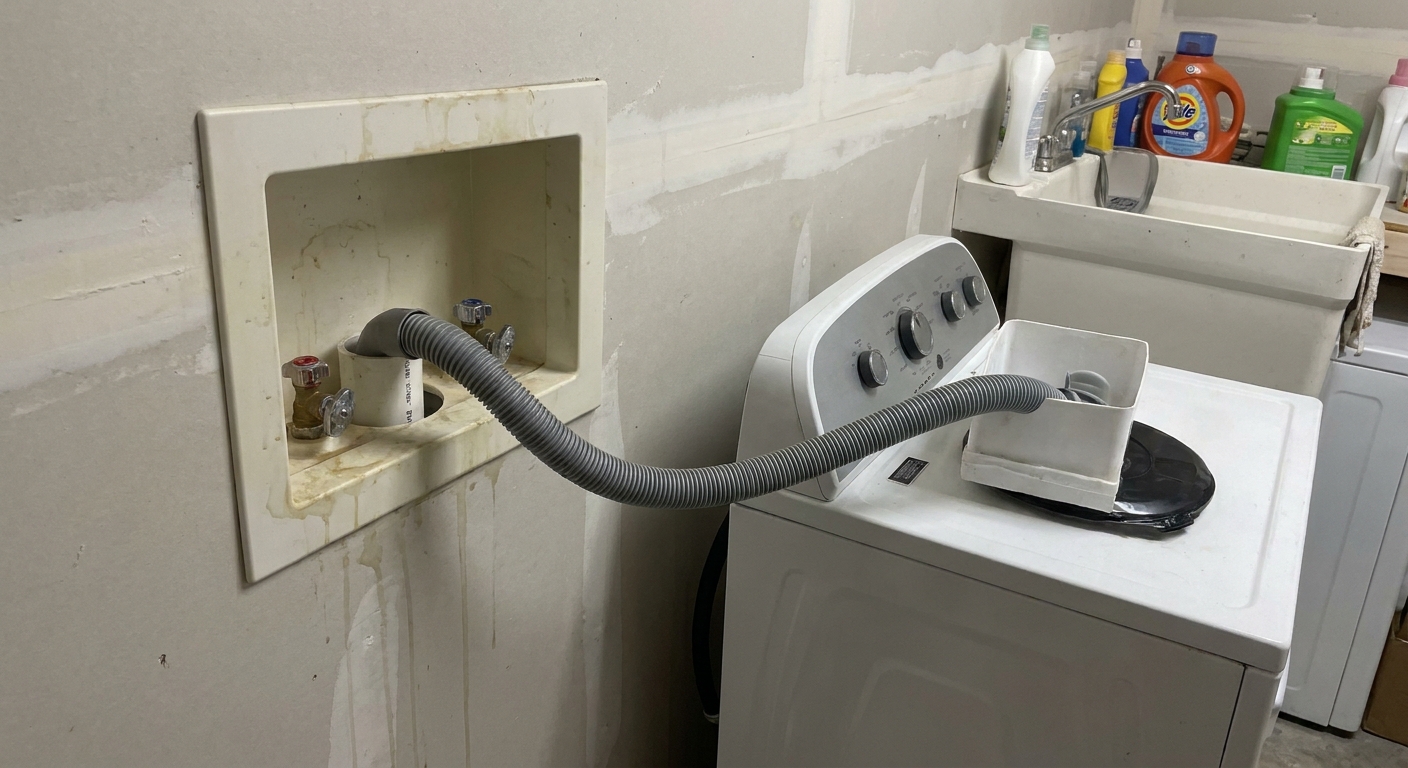
Some setups drain into a laundry sink instead of a standpipe. The troubleshooting is basically the same: if the washer dumps water faster than the sink drain can handle, the sink fills up and overflows.
What to check: a partially clogged sink trap, a slow branch line, or a clogged sink strainer. Also make sure the hose is secured so it cannot flop out of the sink during drain.
When HE washers overwhelm the drain
High-efficiency washers are great at using less water, but the drain pump can discharge that water in a strong, fast burst. In older homes with smaller or partially restricted drain lines, that burst can momentarily overwhelm the standpipe or laundry sink.
What it looks like
- Drain starts strong, water level shoots up the standpipe, then it either barely avoids spilling or it spills.
- This might happen on certain cycles that drain more aggressively.
What helps
- Make sure the standpipe and trap are clear. Even a partial clog turns “barely fine” into “flood.”
- Confirm the hose is not sealed airtight in the standpipe. You want it secured, not plugged.
- Upgrade the plumbing if needed. If your washer consistently overwhelms a correctly installed, clear standpipe, a plumber can evaluate venting, pipe size, and layout.
I know “call a plumber” is not everyone’s favorite line, but this is one of those cases where the fix might be about the drain system design, not the appliance.
Use other drains as clues
Homeowners often ask: “My sink drains fine, so why is the washer flooding?” Fair question. A washer dumps a lot of water quickly, and that can expose problems that a slow-draining faucet never notices.
If other drains are slow too
If toilets gurgle, tubs drain slowly, you smell sewer gas, or you see water backing up in other fixtures when the washer drains, you may be dealing with a main line or branch line restriction. That is bigger than just the washer standpipe and may require a professional drain cleaning.
If everything else seems normal
Then you are likely looking at one of these washer-adjacent issues:
- Drain hose placement or kinks
- Clogged standpipe or laundry branch line
- HE discharge overwhelming a marginal drain setup
- Washer pump filter blockage causing slow or uneven draining
If the leak is not the drain
If the water is coming from under the machine and not from the standpipe or sink, here are a few common culprits.
Loose or leaking internal drain hose
Vibration can loosen clamps over time. If you are comfortable removing the lower front panel (or rear panel on some models), you can inspect for wet hoses and drips during a controlled test.
Failing drain pump
A cracked pump housing or bad seal can leak specifically during drain. If you see water near the pump area and the standpipe is not overflowing, the pump is a prime suspect.
Door boot or tub-to-pump hose issues
Tears in the door gasket usually leak during wash and tumble, not just drain. But water paths can be weird. Look for trails of water and mineral marks that show the direction of the leak.
Leaking standpipe trap or joints
Not every “washer flood” is an overflow. If the standpipe is not actually spilling, but you still end up with water on the floor, check the plumbing around the standpipe and trap for slow drips at joints, cracks, or failing connections that only leak when a high-volume drain hits the line.
Call for service if: you smell burning, the washer trips the breaker, you see water dripping onto wiring, you suspect a mainline backup, or the machine leaks even when it is off and not draining.
Quick checklist
- Is the standpipe or sink overflowing? Focus on standpipe height and size, slow drain, partial clogs, and HE discharge surge.
- Is the drain hose kinked or shoved too deep? Reposition and secure it without sealing the opening.
- Does your washer have a pump filter? Clean it.
- Do other fixtures back up when the washer drains? Possible branch or main drain issue.
- Is water leaking from the machine body? Inspect pump, clamps, hoses, and nearby plumbing joints.
FAQ
Can I use Drano or chemical drain cleaner in the standpipe?
I usually avoid it for laundry standpipes. Chemical cleaners can be rough on older or already compromised plumbing, are hard to rinse safely, and do not always work well on lint and sludge. A small auger and a good flush are usually better. If you do use chemicals, follow the label exactly and never mix products.
Why did this start after I replaced my washer?
Newer washers can pump out faster, and the drain hose length and shape can differ. A drain that was “good enough” for the old machine might overflow with the new one, especially if the line is partially restricted.
How far down should the drain hose go into the standpipe?
Enough to stay put, but not so far that it chokes the opening. The goal is secure placement with an air gap around the hose. If your washer came with a hose hook, use it.
Is it normal for the standpipe to gurgle?
A little noise can happen, but loud gurgling often hints at venting issues or a developing clog that is forcing air and water to fight for space.
Should I add a lint trap to the drain hose?
I am cautious with add-on lint traps on the discharge hose because anything that “catches lint” can also clog and cause a flood. If your washer manufacturer recommends a specific lint solution for your setup, follow that guidance. If you are having repeat lint clogs in the standpipe, it is often better to address the drain condition and cleaning routine than to add a restriction in the hose.