
How Long Does a Septic Tank Last?
Concrete, plastic, fiberglass, and steel septic tanks can last decades, but drain field life varies widely with soil and use. Here’s what to expect and how to extend it.
Good grain. Great questions. Septic systems are not glamorous, but they do reward the homeowner who asks the boring questions early.
If you have a septic system, you probably want one simple number: how long will this thing last? A tidy answer is that many septic tanks last about 20 to 60+ years depending on what they are made of, how they were installed, local soil and groundwater conditions, and how the system is treated day to day.
The sneakier truth is that a septic system is a team. The tank can be fine while the drain field is worn out, and the drain field can be healthy while a tank is cracking, rusting, or leaking. So we are going to cover both, plus the habits that stretch service life and the planning steps that keep replacement from becoming an emergency.
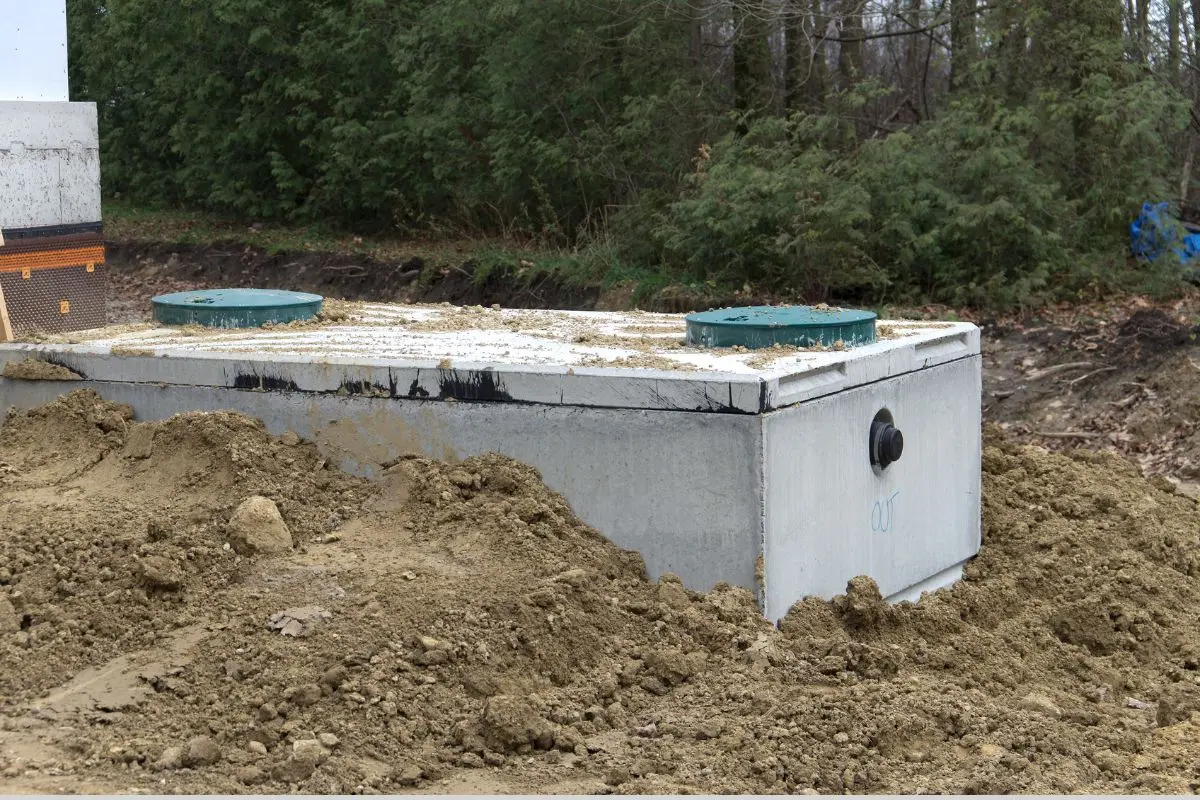
Typical septic tank lifespan by material
Septic tanks are usually made from concrete, plastic (polyethylene), fiberglass, or steel. The material matters because each one fails differently, and local conditions and manufacturing quality can swing the results.
Concrete septic tanks: often 40 to 60+ years
A well-made concrete tank installed on stable soil can last a very long time. It is heavy, it resists floating, and it handles backfill pressure well. In aggressive soils or with a poor concrete mix, concrete can fail earlier, so treat these ranges as commonly reported, not guaranteed.
- Common lifespan range: 40 to 60 years
- Can be longer with good materials, a correct install, and steady maintenance
- Common failure points: baffles or tees deteriorating, lids cracking, seams leaking, or concrete surface damage from corrosion
Workshop note from Knob: Concrete is tough, but it is not invincible. When people say “my tank failed,” it is often the lid, riser, baffle, or inlet or outlet area that gave up first. Soil chemistry matters too. Some soils and groundwater are simply harder on concrete over time.
Plastic (poly) septic tanks: often 20 to 40 years
Plastic tanks do not corrode, and they are easier to transport. Their biggest enemies are poor installation and soil and water conditions that cause movement.
- Common lifespan range: 20 to 40 years
- Common failure points: tank deformation, cracked fittings, problems from settling, and floating issues in high groundwater
Plastic tanks can perform well when they are installed with the correct bedding, backfill, and anti-float measures if needed.
Fiberglass septic tanks: often 30 to 50 years
Fiberglass sits in a nice middle lane: corrosion-resistant like plastic, but typically more rigid. As with plastic, installation details matter a lot.
- Common lifespan range: 30 to 50 years
- Common failure points: improper backfill leading to stress cracks, damaged fittings, or shifting in saturated soils
Steel septic tanks: often 15 to 25 years (sometimes less)
Steel tanks are the ones we side-eye in the shop. Many older properties still have them, but steel rusts, especially near the top where moisture and oxygen team up. If you are not sure what you have, it is worth finding out.
- Common lifespan range: 15 to 25 years
- Common failure points: rust-through, collapsing lids, baffles failing, structural collapse
Safety reminder: If you suspect a steel tank, especially an older one, treat the area around the lid like a weak floor. Do not stand on it. A rusted lid can collapse.
How long does the drain field last?
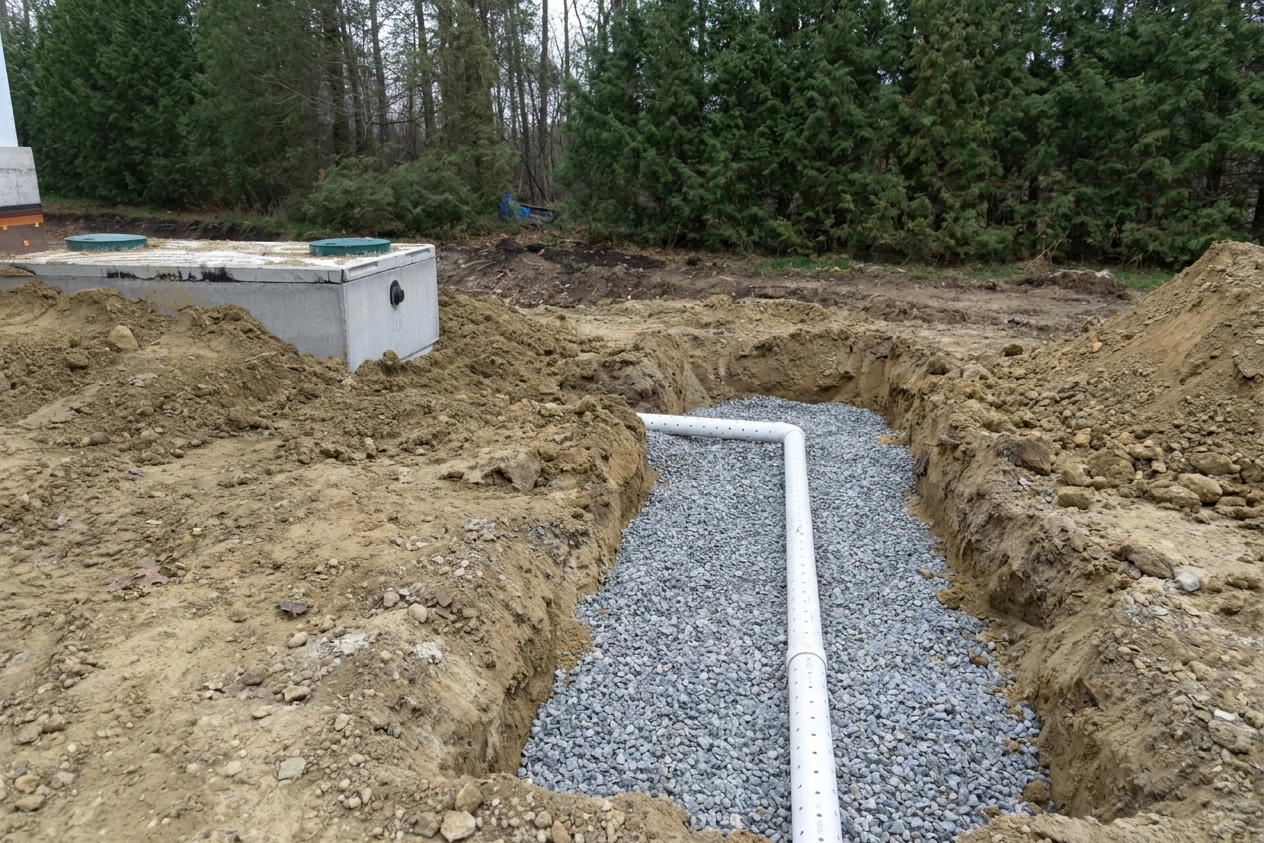
The drain field (also called a leach field) is often the make-or-break component for the whole system because it depends on soil conditions and how clean the effluent is when it leaves the tank.
Typical drain field lifespan: often 15 to 30+ years. Many systems land around the 20 to 30 year range, but soil type, groundwater, loading, and maintenance can push it shorter or longer.
What the drain field is doing
The tank’s job is to separate solids and fats from wastewater and let partially clarified liquid flow out. The drain field’s job is to disperse and treat that liquid through soil.
Over time, a biological layer (often called biomat) can build up at the soil interface and reduce the soil’s ability to absorb. This speeds up when too many solids or grease make it out of the tank, or when the field gets overloaded with water and cannot rest and re-oxygenate.
What shortens tank and field life
If septic systems had a complaint box, it would be full. Here are the biggest life-shorteners, in plain language.
Skipping pumping and inspections
Pumping does not “clean” the drain field, but it protects it. When a tank is not pumped on schedule, solids rise and can exit the tank. Once solids reach the drain field, they are hard to undo.
Flushing the wrong stuff
The tank is not a trash can. Non-biodegradable items can clog baffles, filters, and pipes, and they can reduce tank capacity.
- “Flushable” wipes (they are a top troublemaker)
- Feminine hygiene products
- Paper towels
- Dental floss
- Cat litter
- Fats, oils, and grease
Too much water, too fast
Hydraulic overload is a quiet drain field killer. Too much water pushes solids along before they settle and saturates the field so it cannot rest.
- Leaky toilets running for days
- Back-to-back laundry loads all day
- Long showers plus multiple guests plus dishwashing marathons
Driving or building on the tank or field
Compaction and crushed pipes shorten lives fast. Parking heavy vehicles, building sheds, pouring patios, or stacking materials over the drain field can collapse lines and squeeze the soil so it stops absorbing well.
Tree roots and landscaping choices
Roots seek moisture and nutrients. They can enter joints or damaged pipes, and they can wrap around components and cause misalignment over time.
High groundwater, flooding, and poor drainage
When groundwater rises into the drain field zone, the system cannot disperse properly. Tanks can also shift or float if not designed for those conditions.
Corrosion inside the tank
Even concrete can be attacked over time by gases created in the tank. In some systems, hydrogen sulfide can convert to acidic compounds that corrode concrete surfaces, especially in the tank headspace and around inlet and outlet areas. Severity varies a lot by conditions.
Bad installation details
A quality tank can still have a short life if installed incorrectly. Common issues include poor bedding, wrong backfill, poorly sealed connections, and incorrect elevation or slope that affects flow.
High-impact household add-ons
A few common features can change the math on wear and maintenance. None of these automatically “ruin” a system, but they are worth discussing during service visits.
- Garbage disposals: can increase solids and grease loading, which often means pumping more often
- Hot tubs and big soaking tubs: can dump a lot of water at once and overload a field
- Water softeners: discharge practices and local guidance vary, so ask your septic pro what is recommended in your area
- Pumps, alarms, and aerobic units: add components that need periodic checks and sometimes parts replacement
How to make a tank and field last longer
This is the part I like, because it is mostly boring routines, and boring is usually affordable.
1) Pump on a schedule that fits your household
There is no universal number because tank size and household use vary. Many homes land around every 3 to 5 years, but the right interval comes from an inspection of sludge and scum levels.
- If you moved into a home with septic, get an inspection and establish a baseline.
- Keep records of pumping dates, notes, and any repairs.
2) Protect the drain field from water overload
- Fix running toilets and leaks quickly.
- Spread laundry loads across the week instead of doing them all in one day.
- Route roof runoff and surface drainage away from the field.
3) Keep grease out of the system
Let grease cool and throw it away. Wipe oily pans with a paper towel before washing. The tank can hold some scum, but grease is a frequent culprit in baffle and filter issues.
4) Use the system like it is a system
Septic-friendly habits are about reducing solids, reducing harsh chemicals, and keeping the biology steady.
- Skip wipes, even the ones labeled safe for septic.
- Use household cleaners as directed, and avoid dumping large amounts of bleach or disinfectants at once.
- Do not use chemical drain openers as a routine habit. If you have frequent clogs, fix the plumbing problem.
5) Maintain the effluent filter (if you have one)
Many systems have an effluent filter at the outlet baffle. It is a good guard for the drain field, but it needs periodic cleaning. If you are not sure whether you have one, ask during your next service visit.
6) Keep heavy loads off the tank and field
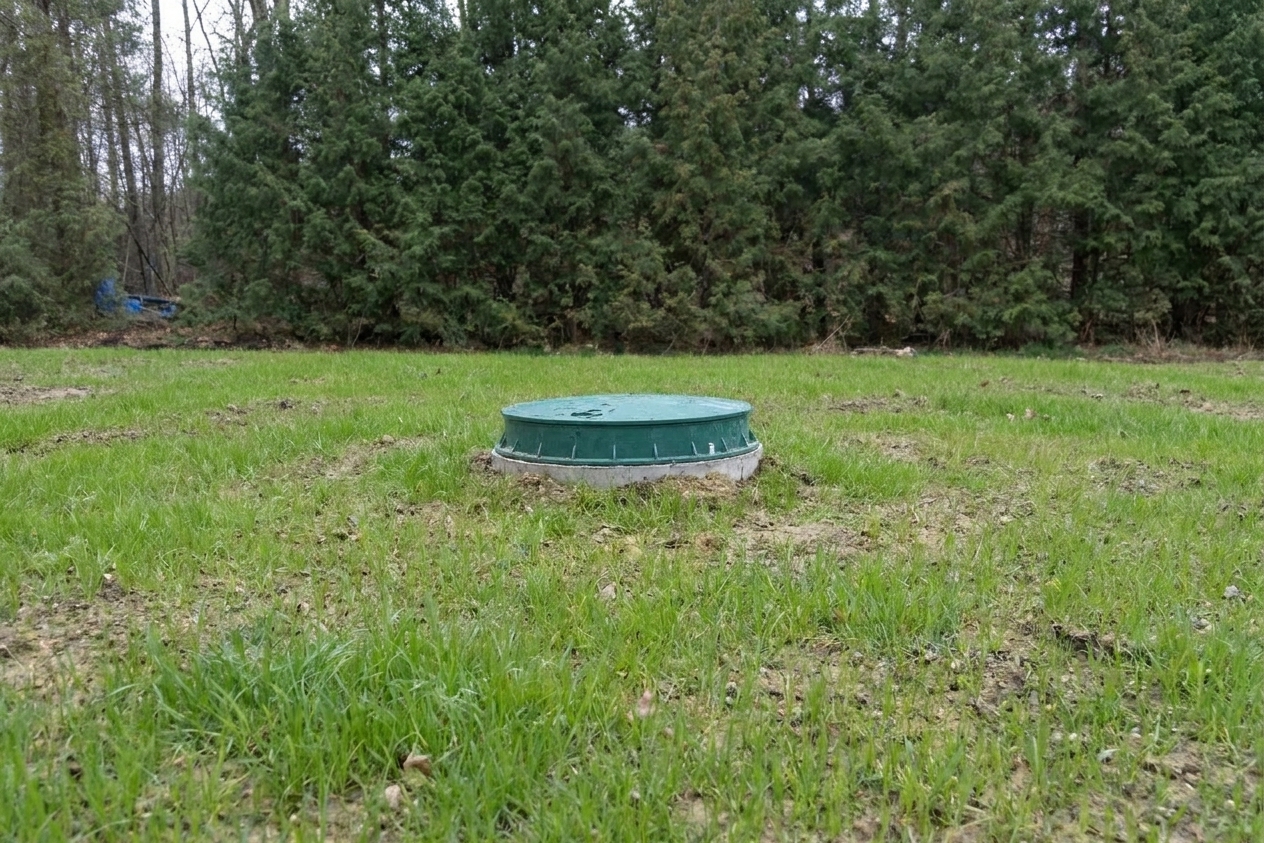
Mark the area clearly. Use landscaping barriers if needed. The best drain field is the one nobody compacts.
7) If you do not know where your tank is, locate it safely
If you do not know where the tank and field are, do not guess with aggressive digging or probing. A safer plan is to:
- Check property records for an as-built drawing or permit sketch.
- Call a septic company that offers locating, or your local health department may be able to point you to records.
- Once found, map it and keep that sketch with your system file.
Planning for replacement
Replacement planning is less about circling a date on the calendar and more about watching for risk factors and creating options.
Start planning sooner if these apply
- Your home has a steel tank and you do not know its age.
- You have a history of backups, wet spots, or odor near the drain field.
- The tank is showing signs of structural issues, leaks, or repeated baffle problems.
- The property has high groundwater or frequent flooding.
- You are adding bedrooms or increasing occupancy, which may require a system evaluation.
Know what “replacement” can mean
Sometimes replacement is straightforward: swap the tank, reconnect, and move on. Other times it involves upgrades to meet current codes, repairs to lines, adding risers, adding a pump, or replacing or expanding the drain field. Local requirements vary a lot, so the best early step is a professional evaluation and a conversation with your local health department or permitting office.
Keep a simple system file
If you want one tidy workshop move: keep a folder with these items.
- As-built drawing or sketch of tank and drain field location (or a professional locate report)
- Pumping and inspection receipts
- Notes on any alarms, repairs, or parts replaced
- Tank material and size if known
This file helps you make smart choices, and it helps a future buyer too.
Signs the system may be near end of life
A full tank and a failing system can look similar, so think of these as “time to investigate” signals, not instant proof.
Tank red flags
- Cracked or deteriorating lid or riser
- Evidence of leaks around the tank
- Rusting, soft spots, or suspected steel tank lid weakness
- Frequent clogs that keep coming back after pumping
Drain field red flags
- Soggy soil or standing water over the drain field
- Persistent sewage odors outside
- Slow drains throughout the house that return soon after pumping
- Bright green stripes of grass over field lines during dry weather
- Sewage backup into fixtures (treat this as urgent)
When to call for help: If you have sewage backing up into the house, or standing wastewater outdoors, call a septic professional promptly. Avoid using water until you know what is going on.
Quick lifespan cheat sheet
If you just want the ranges in one spot, here you go.
| Component | Typical lifespan | What usually ends it |
|---|---|---|
| Concrete septic tank | 40 to 60+ years | Corrosion at baffles, cracking, leaking seams, lid failure |
| Fiberglass septic tank | 30 to 50 years | Stress cracks from poor installation, shifting soils |
| Plastic (poly) septic tank | 20 to 40 years | Deformation, shifting, floating in high groundwater |
| Steel septic tank | 15 to 25 years | Rust-through, lid collapse, structural failure |
| Drain field | 15 to 30+ years | Soil clogging from solids or grease, hydraulic overload, compaction |
FAQ
Can a septic tank last 100 years?
It is uncommon, but a high-quality concrete tank in stable soil with excellent maintenance can sometimes last far longer than typical ranges. In most homes, other parts of the system, especially the drain field, need major work first.
Does pumping make the tank last longer?
Yes, indirectly. Pumping helps prevent solids from leaving the tank and damaging the drain field, and it lets a professional spot early problems with baffles, inlet and outlet connections, and leaks.
Is a new tank enough if the drain field is failing?
Not always. If the drain field is worn out or saturated, replacing only the tank will not solve absorption problems. A proper diagnosis is key because the fix might involve field repair, replacement, or redesign.
How do I know what my tank is made of?
Your pumping or inspection report may say it. If not, a septic professional can often tell by age, visible access points, and the way the tank responds at the riser or lid. Steel tanks are most common in older installations and may be identified by rusted components or metal lids.