
Signs a Septic Tank Needs Pumping
Slow drains, wet ground, odors, alarms, and high sludge or scum can mean your septic tank is full. Learn typical pumping intervals and when to stop using water and call a pro.
I grew up in a “we fix it first” house, and I still live that way in my 1970s Michigan fixer upper. But septic systems are one of those areas where the smartest DIY move is knowing when to stop. A septic tank that is overdue for pumping does not usually give you one polite hint. It gives you a handful of annoying clues, then it gives you a mess.
Below are the most common signs your septic tank needs pumping, how to confirm it, and when you should immediately stop using water and call a licensed septic pumper.
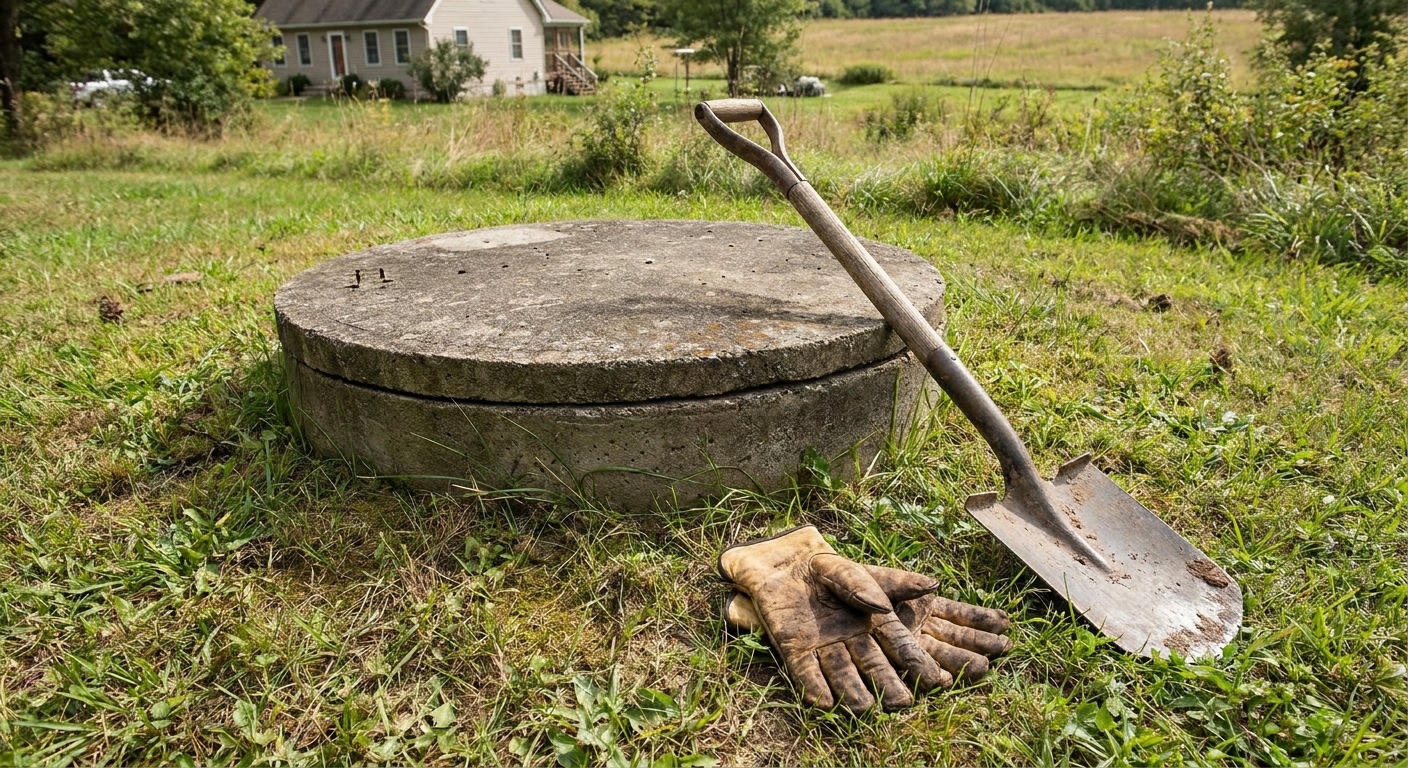
How often should a septic tank be pumped?
Many homes fall into an every 3 to 5 years pumping rhythm, but it can vary a lot. A bigger household, heavy water use, or regular garbage disposal use can push you closer to every 1 to 3 years. A smaller household with a larger tank may stretch longer.
Your interval depends on:
- Household size (more people equals more wastewater and solids)
- Tank size (a 1000 gallon tank typically reaches “too much sludge and scum” sooner than a 1500 gallon tank)
- What goes down the drain (garbage disposal use, wipes, grease, “flushable” anything)
- Water habits and fixtures (lots of laundry days, long showers, and frequent guests add up)
- System type (some setups include pumps, filters, or aerobic components that require closer attention)
If you just moved in and have no records, treat it like changing the oil in a used truck with an unknown maintenance history: schedule a pump and inspection so you can reset the clock.
One important point: pumping is about removing accumulated solids. It is not a cure for a broken drainfield, crushed pipe, or failing pump, but it is the first, simplest thing to rule out when the symptoms match.
Sign #1: Sludge and scum are too high
This is the most direct “yes or no” indicator. Inside your tank, solids separate into layers:
- Scum floats on top (grease, oils, lighter solids)
- Effluent is the liquid middle layer
- Sludge settles at the bottom (heavier solids)
As sludge and scum build up, there is less room for liquid. That is when solids can get pushed out toward the drainfield, and that is when expensive problems start.
What “too high” means
These are common guidelines, not universal rules, since tank design and local standards vary. Many pros recommend pumping when:
- The sludge layer is around 12 inches or more, or
- The combined sludge + scum takes up about one third of the tank depth, or
- The bottom of the scum layer is getting close to the outlet baffle
DIY reality check: Measuring inside a septic tank involves hazardous gases and bacteria. Even leaning over an open tank is risky. If you do not have the right tools and training, leave measurement and evaluation to a septic company. It is not worth getting hurt to save a service call.
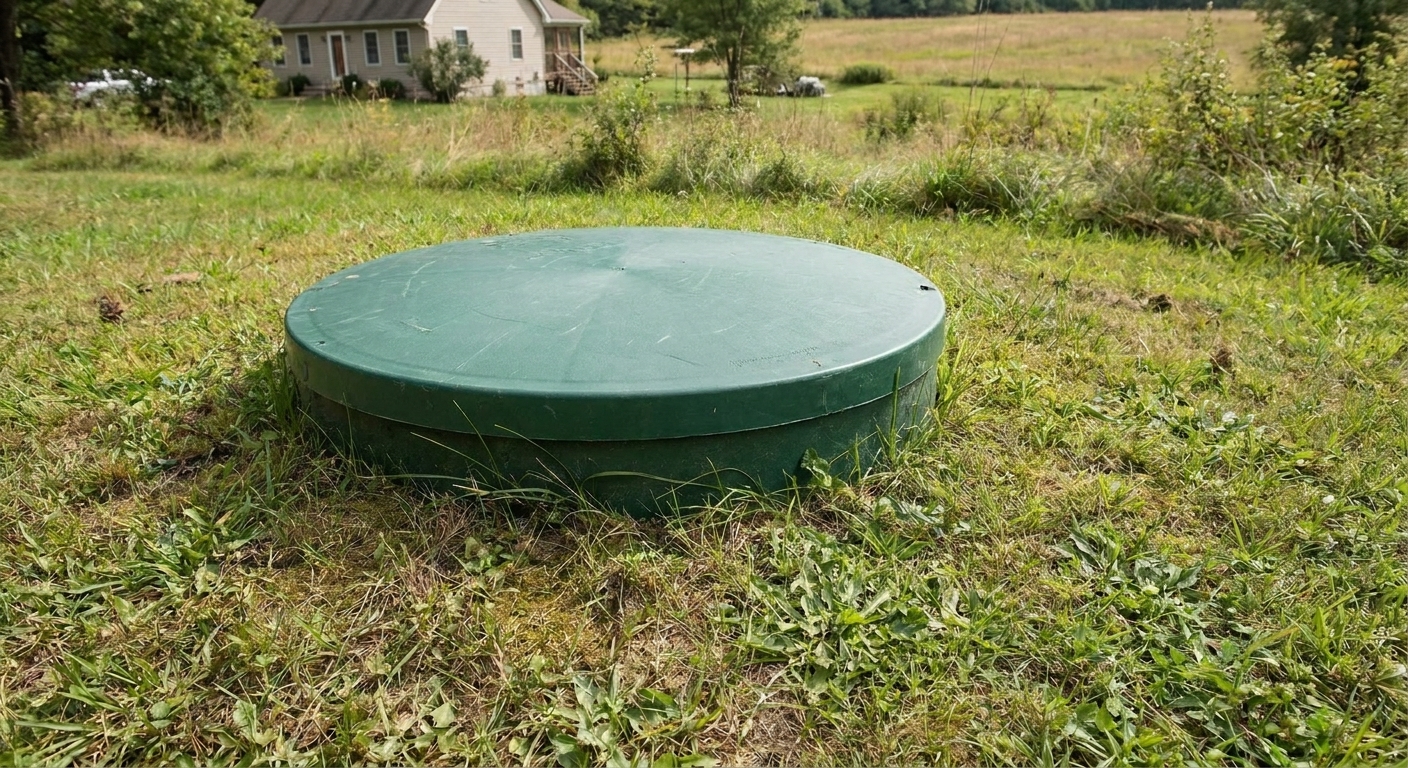
Sign #2: Slow drains in multiple rooms
A septic issue often shows up as multiple slow drains at the same time. Think: the shower drains slowly, the kitchen sink gurgles, and the toilet seems lazier than usual. That is different from a single localized clog, like hair in one tub trap.
Why it happens
Your plumbing needs somewhere to send wastewater. If the tank is overloaded with solids, the effluent filter is plugged, or the drainfield is not accepting flow, water leaving the house meets resistance and everything starts draining like it is moving through cold syrup.
Quick reality check
Even on septic, a whole-house slow drain can still come from a main line clog between the house and the tank. If multiple fixtures are affected, the safest move is the same: stop trying random fixes and have the system checked so you do not force a backup.
If you are on municipal sewer, roots in the sewer lateral are a common culprit. On septic, the most common starting points are capacity and maintenance issues (tank solids, filters, pumps, drainfield conditions).
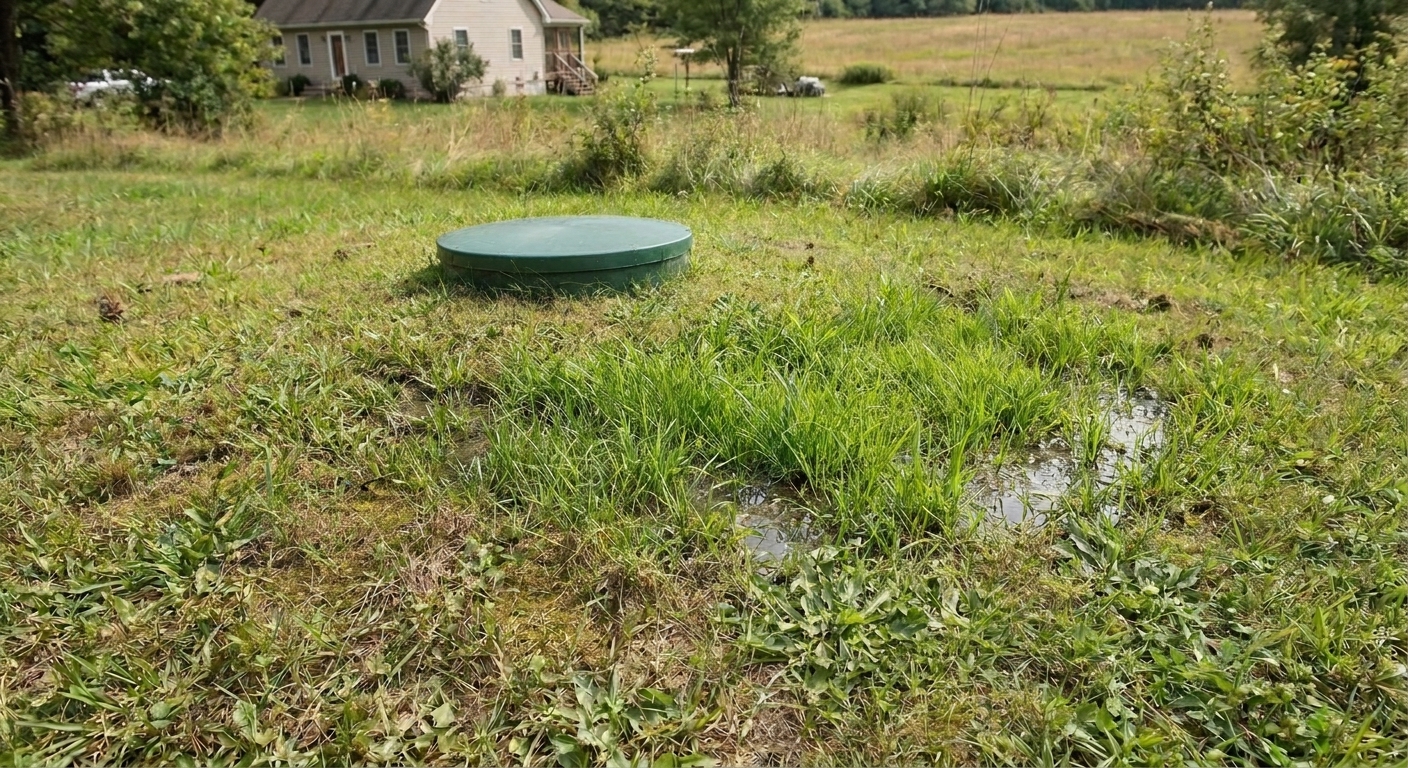
Sign #3: Wet ground or extra green grass
If the yard above your tank or drainfield suddenly feels spongy or looks suspiciously lush, pay attention. When a septic tank is too full or the drainfield cannot absorb effluent, liquid can rise toward the surface.
Common clues include:
- Puddling that is not explained by rain
- Soft soil that never seems to dry
- Bright green strips of grass in an otherwise normal lawn
This is not just a smell issue. It can be a health hazard and a sign that untreated wastewater is not staying where it belongs.
False positives: Irrigation leaks, a broken water line, or a downspout dumping in one spot can also create a wet patch. If the location lines up with your tank or drainfield, treat it seriously until proven otherwise.
Sign #4: Sewage odors
A healthy septic system should not make your yard smell like a truck stop restroom. If you notice sewage or rotten egg odors outdoors near the tank or drainfield, or indoors around drains, it can point to:
- A full tank
- Effluent surfacing in the yard
- A blocked vent or plumbing trap issues
- A problem with the pump chamber (if you have one)
False positives: A dry P-trap (like a basement floor drain that never gets water) can let sewer smells into the house. If the smell is only at one drain, add water to that trap and see if it improves. If odors are paired with slow drains, wet yard spots, or an alarm, assume septic trouble and call.
Odors plus wet ground is an especially strong combo. That is a “call today” situation.
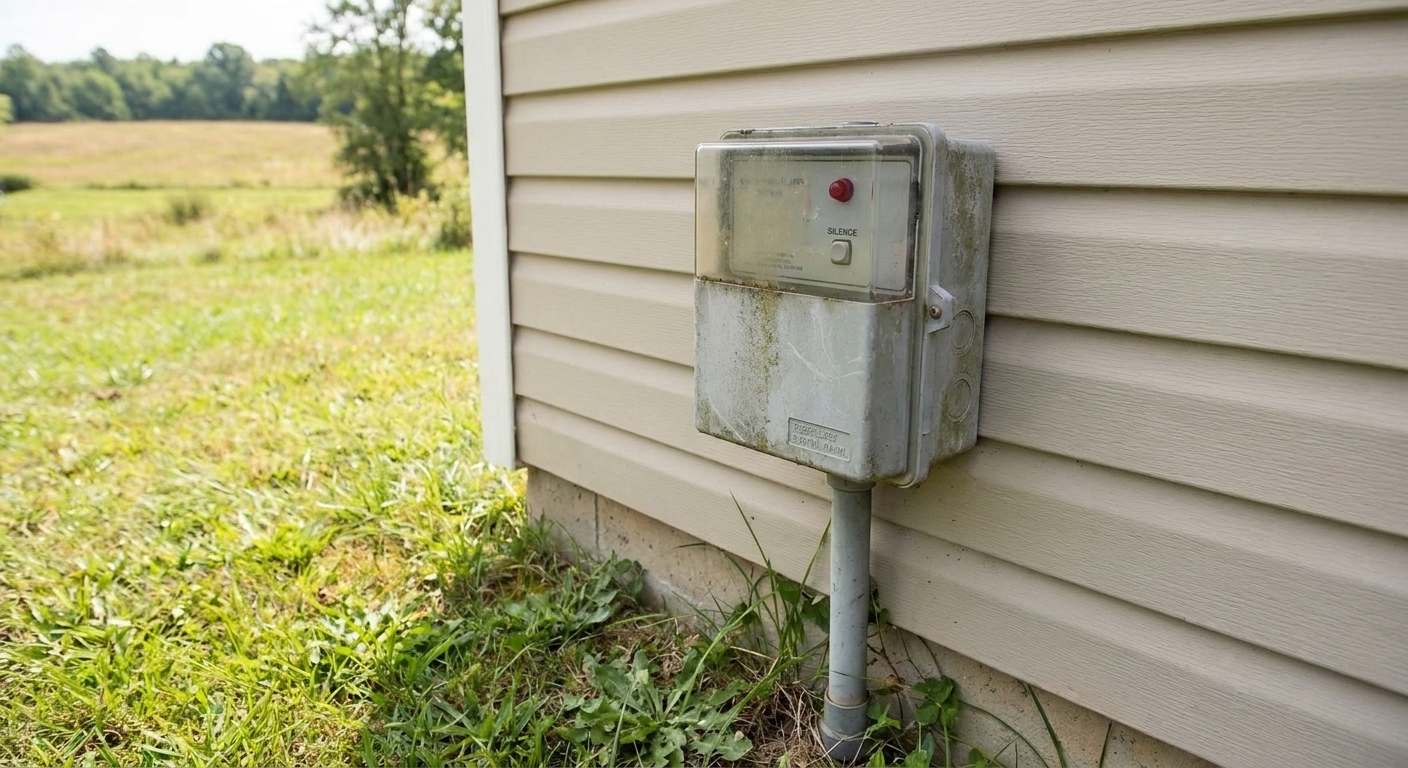
Sign #5: Pump alarm goes off
If your system includes a pump tank (common with mound systems, raised beds, and some challenging lots), you may have an audible and/or visual alarm. When that alarm goes off, it usually means the liquid level is too high in the pump chamber.
What can trigger it
- Pump failure (burned out pump, tripped breaker, bad float switch)
- Clogged line from the pump to the field
- Overuse of water in a short period
- Downstream backup (drainfield not accepting effluent)
Sometimes an overdue tank pumpout contributes to pump side problems, but an alarm is not something to ignore while you “see if it goes away.” It can quickly turn into an indoor backup.
When an alarm sounds: Cut water use immediately, check for a tripped breaker if you know where it is and can do so safely, and call your septic service provider. Do not silence the alarm and continue normal water use.
Septic trouble vs a normal clog
Here is my homeowner shortcut: one fixture acting up is usually a local clog. Multiple fixtures acting up at once, especially on the lowest level of the home, can point to the main line or septic system.
More septic-like symptoms
- Toilet bubbles when the shower drains
- Gurgling in multiple drains
- Slow drains everywhere, not just one sink
- Backups in the lowest tub or floor drain
- Outdoor odors or wet patches near the system
That said, a clogged house sewer line can look a lot like a full septic tank. If you are seeing multi-fixture symptoms, the right move is a septic-aware diagnosis, not just snaking one drain and hoping for the best.
When to stop using water
If you see any of the situations below, stop running water and call a septic professional right away:
- Sewage backing up into a tub, shower, floor drain, or toilet
- Pump alarm is sounding or light is on
- Standing liquid or sewage odor over the tank or drainfield
- Multiple slow drains paired with gurgling, odors, or wet yard spots
While you wait for help:
- Do not do laundry. Washers dump a huge volume of water fast.
- Keep showers short or skip them if you are backing up.
- Do not run the dishwasher.
- Use toilets only when necessary.
Think of your septic system like a bathtub with a slow drain. If it is already full, adding more water is not “testing.” It is flooding.
What the pumper will do
Every company has its own routine, but a solid visit often includes:
- Locating and opening lids (or risers)
- Pumping the tank contents
- Checking baffles and visible components
- Noting scum and sludge levels and general tank condition
- Advising on pumping interval based on your household
If you have an effluent filter, ask whether it was cleaned. This is a removable filter at the tank outlet on some systems that helps keep solids from leaving the tank. When it clogs, it can cause slow drains and backups.
Lid safety note: Do not dig blindly. Call for utility locates before digging, and never enter a septic tank for any reason.
Tips to avoid emergencies
- Keep records. Save the invoice and write the date and tank size in your home binder.
- Spread out water use. Septic systems love steady, boring routines.
- Do not flush wipes. Even “septic safe” wipes are a common cause of buildup and clogs.
- Go easy on grease. Let cooking grease cool and throw it away instead of washing it down.
- Protect the drainfield. No parking, no heavy equipment, and no deep-rooted trees planted on top.
FAQ
Can I pump my own septic tank?
Often it is not allowed, not realistic for homeowners, or both. Even where owner maintenance is permitted, disposal rules are strict and septic gases can be deadly. For most homeowners, this is still a job for a licensed pumper. If you are curious what is allowed where you live, check your local health department rules.
If my drains are slow, should I use a chemical drain opener?
I avoid it for septic systems. In large amounts or frequent use, harsh chemicals can be hard on septic biology, and they rarely fix a septic-side restriction anyway. If multiple fixtures are slow, skip the chemicals and diagnose the septic or main line instead.
Will pumping fix a saturated drainfield?
Pumping can relieve immediate symptoms if the tank is overfull, but it does not fix a failing drainfield by itself. If the drainfield is saturated, damaged, or compacted, the pumper may recommend further evaluation.