
Septic Tank Pumping Cost
Typical septic pumping costs often run about $400 to $600, but pricing is regional and can range from roughly $250 to $700+. See what’s included, common add-on fees, and practical maintenance tips.
Good grief. Fair question.
If you already know your septic tank needs pumping, the next question is always the same: what is this going to cost me? The honest answer is that septic pumping is one of those “same job, wildly different driveway” services. A straightforward pump-out can be pretty reasonable. A buried lid, a long hose run, or a tank that has not been serviced in a long time can bump the bill fast.
In many U.S. markets, most homeowners land around $400 to $600 for a standard pump-out. You will also see quotes closer to $250 in easy-access situations and $700+ when access is tough, the job is more involved, or it is an emergency call. Consider these typical market ranges, not a promise. Local labor rates, disposal fees, and travel distance can move the number a lot.
If you want the most accurate number for your property, get 2 to 3 local quotes and ask what is included before the truck rolls.
Typical cost ranges
Here are the numbers I look for when comparing quotes, assuming a normal residential tank, non-emergency scheduling, and decent access:
- 1,000 gallon tank pump-out: about $350 to $550
- 1,250 gallon tank pump-out: about $450 to $650
- 1,500 gallon tank pump-out: about $550 to $750
If you are getting quotes far outside these ranges, it is not automatically a red flag, but it is a prompt to ask what is included (and what is not). Also note that some companies price by tank size, while others price by time/volume pumped, especially if the tank is unusually full or they have to work through heavy solids.
What is usually included
A standard septic pumping visit commonly includes:
- Opening the tank access (if it is accessible and known)
- Pumping out liquids and removing solids (sludge and scum)
- A quick visual check of the tank interior and baffles or tees (not a full inspection)
- Basic cleanup and closing the lid when finished
Some companies also include measuring sludge and scum depth and noting approximate levels on your invoice. That small detail is useful because it helps you estimate your next pumping interval.
One point that saves confusion: pumping is removing waste from the tank. An inspection usually means documenting condition and function (sometimes for a sale). A full system evaluation can involve additional testing of the drain field and components. They are related, but they are not the same service.
Common add-on fees
This is where the “wildly different driveway” part kicks in. These are the most common reasons the price climbs, with typical ranges you might see on an invoice:
- Tank locating: $50 to $200+ if the access is unknown and they need to probe, trace lines, or pull records
- Digging up a buried lid: $50 to $250+ depending on depth and whether they need equipment
- Second lid or multiple compartments: $25 to $150 (many tanks have more than one access point)
- Long hose run: $25 to $150 if the truck cannot get close to the tank
- Hard access: $50 to $300+ for steep driveways, gates, tight turns, or soft ground that limits where the truck can park
- Emergency or after-hours service: $100 to $400+ on top of the base price
- Extra pumping time/volume: $50 to $200+ in markets where pricing is tied to how much is removed or how long the job takes (other companies roll this into a flat tank-size price)
- Filter cleaning (effluent filter): sometimes included, often $25 to $75 if billed separately
- Septic inspection add-on: $150 to $400+ depending on scope and local requirements
- Permit or reporting fees (where required): varies by jurisdiction
- Disposal/tipping fees: sometimes bundled, sometimes itemized, and highly regional
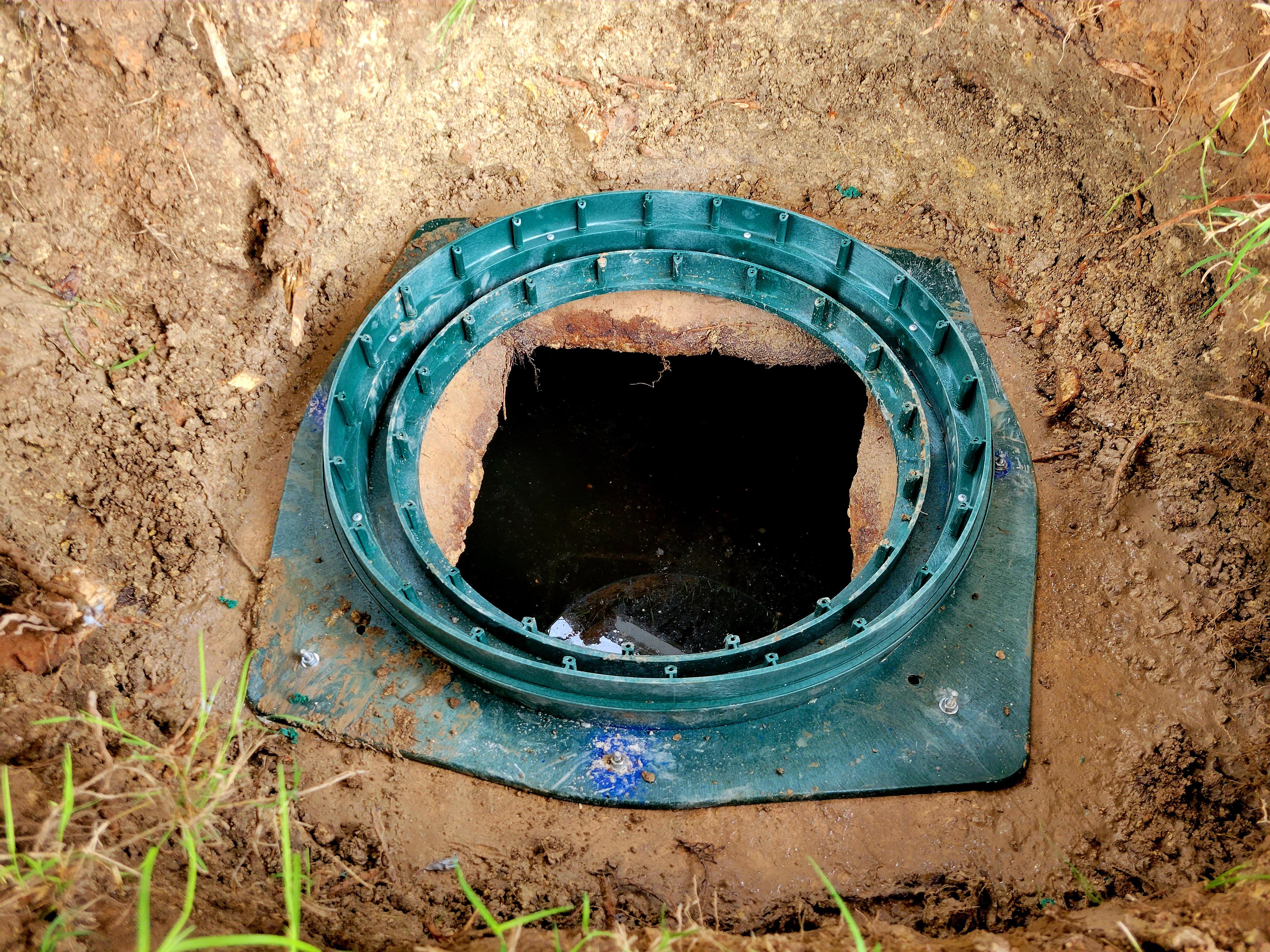
One quick tip: if your lid is buried now, consider installing a riser after pumping. It costs money up front, but it often pays you back by avoiding repeated digging fees in the future.
How to compare quotes fairly
When I am trying to compare two prices that are not close, I ask these questions:
- What tank size are you pricing? If they are guessing and you are not sure, ask how they handle it if the tank is larger than expected.
- Does the price include locating the tank? If nobody knows where the lid is, get this clarified.
- Does the price include digging? If your lid is buried even a little, get that clarified.
- Are all access points/compartments being serviced? Many tanks have two compartments. Ask how they will access and pump them based on your tank design and local practice.
- Is an effluent filter included? If you have one, ask if they clean it as part of the visit.
- Is there a trip fee? Some companies price pumping low and add a dispatch or travel fee.
- How do you price the job? Flat by tank size, or variable by volume/time. Either can be fine. You just want to know what triggers an upcharge.
- What is the emergency rate? Even if you are scheduling normally, it is good to know the rules.
Signs you may need pumping
If you are not 100 percent sure pumping is the issue, these are the usual clues something is getting full or overloaded:
- Slow drains in multiple fixtures (not just one sink)
- Gurgling sounds in drains or toilets
- Sewage odors inside or outside
- Wet, spongy, or unusually green patches over the tank or drain field
- Backups, especially after heavy water use or rain
Those symptoms can also point to other problems (like a clogged line or a saturated drain field), but they are a good reason to call a pro and ask what they recommend.
Maintenance tips that actually help
You cannot “skip” pumping forever, but you can avoid paying for preventable problems:
- Pump on a schedule. Many households do well with pumping every 3 to 5 years. A larger family with a smaller tank may need it sooner, and a small household with a larger tank may be able to stretch longer.
- Know where the lid is. If you do nothing else, map it. A service call goes smoother when the crew is not hunting for your tank.
- Install risers if the lid is deep. This is one of the simplest ways to keep future costs predictable.
- Watch what you flush. Wipes (even “flushable”), grease, and hygiene products add solids and can shorten the time between pump-outs.
- Fix running toilets and leaks. Excess water can overload the system and lead to backups that feel like “pumping problems” but are really water-use problems.
Bottom line
If you want a quick planning number, budget $400 to $600 for a typical septic pump-out, then add extra room if you know access is difficult, the lid is buried, you need the tank located, or you need weekend or emergency service. The best quote is not just the cheapest, it is the one that clearly tells you what is included so the final bill does not surprise you.