
Can You Use a Garbage Disposal with a Septic Tank?
Yes, you can use a garbage disposal with a septic tank, but it adds extra solids that can stress some systems. Learn when it is okay, when to skip it, and how to reduce risk.
I grew up in a house where the garbage disposal was treated like a magic disappearing machine. Then I started working on older homes with septic tanks and learned the hard way that what disappears from the sink does not disappear from your system.
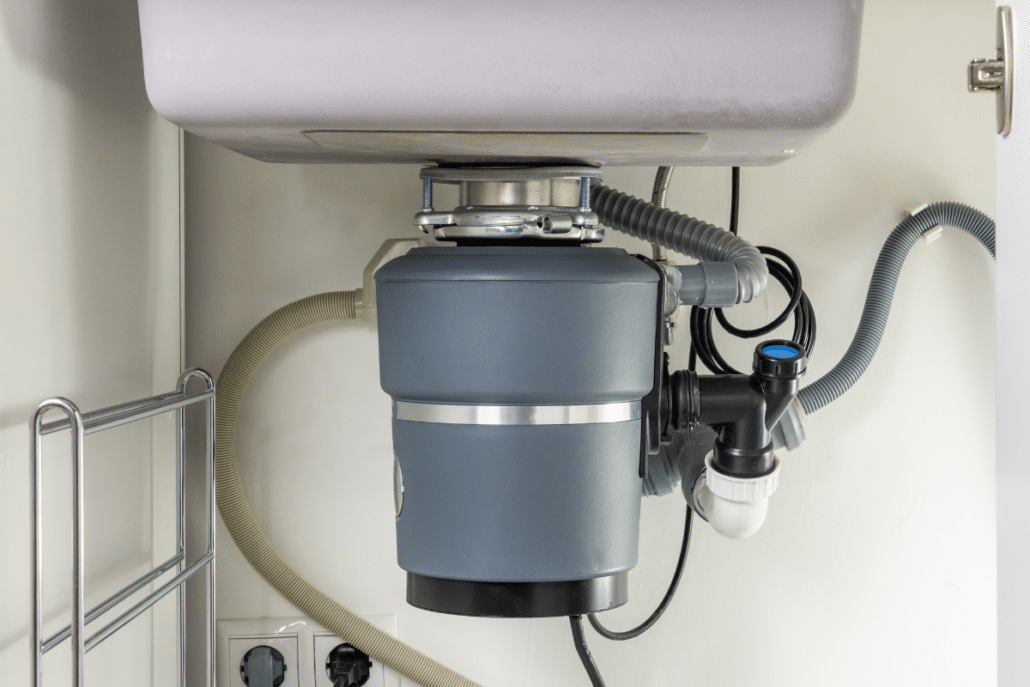
So can you use a garbage disposal with a septic tank? Usually yes, but it depends on your septic design, its condition, and how you use the disposal. The big issue is simple: a disposal turns food scraps into a thick slurry of extra solids that your tank has to process and store.
The short answer
A garbage disposal can be connected to a septic system. It is a common setup. But it is not always a good idea.
If your septic system is small, older, already struggling, or you have a big household that generates a lot of wastewater, a disposal can push the system past its capacity. If your system is newer, properly sized, and well cared for, you may be fine if you use the disposal like a tool, not a trash can.
Why disposals stress septic
A septic tank works by separating and holding onto solids so bacteria can break them down over time. When you add a garbage disposal, you change what flows into the tank.
More solids, faster
Food scraps ground up in a disposal still count as solids. They are just smaller solids. That means:
- More sludge builds up at the bottom of the tank.
- More floating scum can form at the top, especially with fats and oils.
- Bacteria have more work to do, and breakdown is not instant.
Less effective settling (sometimes)
The main issue is the extra solids load. That said, the way people use disposals can also make a tank behave worse. If you are running a lot of water while grinding or doing repeated long grinds, you are adding hydraulic surges that can churn the tank. A septic tank needs calm time for solids to settle and for clearer liquid (effluent) to move toward the drain field.
Higher risk for the drain field
The drain field wants liquid, not suspended solids. If extra particles make it past the tank, they can contribute to clogging the drain field over time. Drain field repairs are the kind of expense that makes a grown adult stare quietly into the middle distance.
Systems that struggle most
Not all septic systems have the same margin for error. These are the situations where I tell homeowners to be extra cautious or skip the disposal entirely.
Older or undersized tanks
If your tank is smaller than modern recommendations for your home size, or it is decades old, it may not have the capacity and internal baffles it needs to handle extra solids gracefully.
High water use homes
More people in the home means more showers, laundry, dishwasher cycles, and toilet flushes. Septic systems are sized around daily flow. Add a disposal and you are increasing the solid load and, depending on how you run it, sometimes the flow spikes too.
Existing warning signs
If you are already dealing with slow drains, gurgling, sewage odors outside, or soggy areas near the drain field, a garbage disposal is not your friend. In that case, treat the kitchen drain gently until you know what is going on.
Lots of cooking at home
If you cook most meals, prep produce daily, and generate steady scraps, you will feed the disposal far more than the average household. Even a healthy septic tank can get overwhelmed by constant inputs.
Special system types
If you have an aerobic treatment unit, a pump tank, a mound system, or any advanced system with filters and alarms, follow the manufacturer and installer guidance first. Some setups are more sensitive to extra solids and some have specific maintenance rules.
When to keep food out
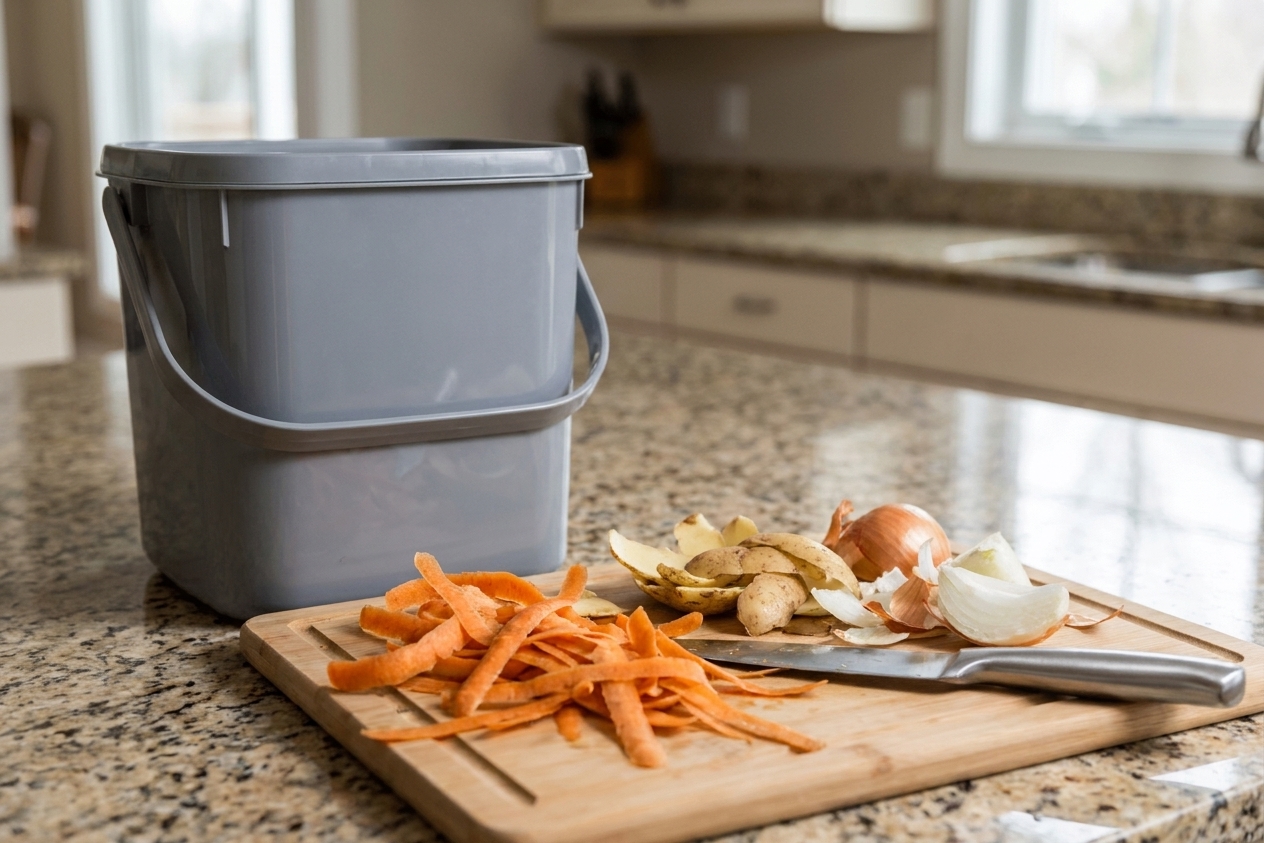
If you are on septic, the safest default is this: scrape plates into the trash or compost and use the disposal only for tiny leftovers.
These are times I would skip using the disposal even if you have one installed:
- After hosting a big meal, when you are tempted to rinse half the casserole into the sink.
- During a plumbing iffy moment, like when the sink is draining slower than usual.
- When you are doing lots of starchy prep, because those scraps can turn into heavy sludge in the system.
- Any time grease is involved. Grease and septic are a bad combo, disposal or not.
And to make this painfully practical, here are a few common things I tell people not to grind, especially on septic:
- Grease, fats, and oils (wipe pans first, then wash)
- Coffee grounds
- Eggshells
- Fibrous scraps like celery, corn husks, onion skins, and potato peels
- Large amounts of rice, pasta, or bread
When removal makes sense
I am not anti disposal. I am anti expensive septic problems. If any of these sound like your situation, removing the disposal can be a very reasonable upgrade.
- Your septic contractor recommends it based on your tank size, drain field condition, or past issues.
- You are replacing a failed disposal anyway and want the simplest, lowest risk setup.
- You have a history of backups and you are trying to reduce every variable.
- Your kitchen habits create lots of scraps and it is unrealistic to expect the household to change behavior.
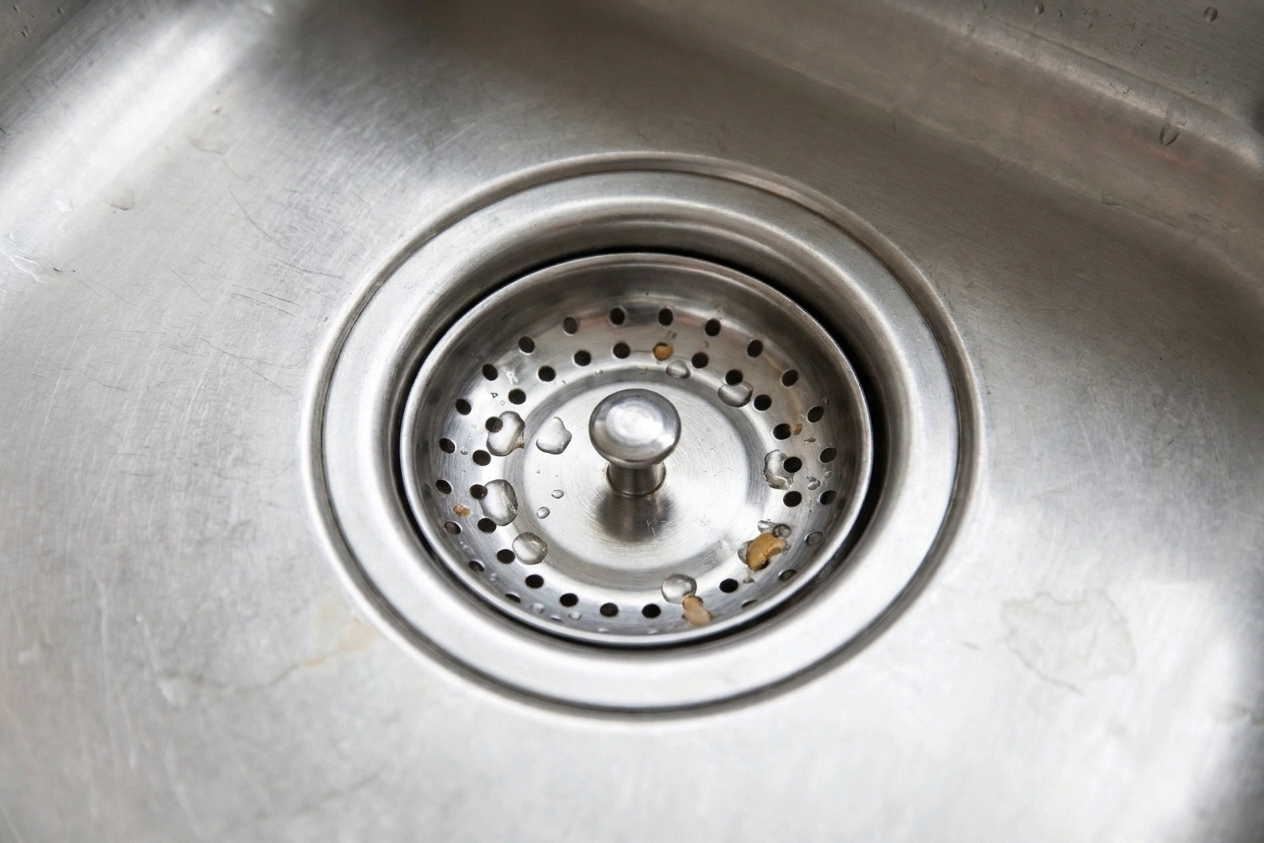
Removing a disposal usually means swapping to a standard basket strainer drain and adjusting the drain plumbing. If you are not comfortable working under a sink, a plumber can do it quickly.
If you keep it, use it right
If your system is in good shape and you want to keep your disposal, your goal is to reduce solids and avoid shocking the tank with big dumps.
My simple rules
- Scrape first, grind second. The disposal is for small bits, not plates full of leftovers.
- Run cold water before, during, and after. Cold water helps keep fats more solid so they are less likely to coat pipes. It also helps push material through the line.
- Feed slowly. A handful at a time beats one big shove.
- Do not use hot water to melt things through. Melted grease can move deeper into the system and re-solidify later.
- Keep the unit grinding efficiently. Most disposals do not have knife blades. They rely on impellers and a grind ring. If it is struggling, jamming, or leaving bigger bits, treat that as a maintenance issue, not a reason to send more food.
Consider a septic-rated model (with realistic expectations)
Some models are marketed as septic friendly, usually meaning they grind finer and have more power. Finer grinding can help reduce big chunks, but it does not make the solids disappear. Think of it as lowering risk, not eliminating it.
Also, even with a great disposal, many septic homes need more frequent pumping because you are adding more solids to the tank. Ask your septic professional for a schedule based on tank size and household occupancy, then stick to it.
Signs it is causing trouble
You do not need to be a septic wizard to notice patterns. If these issues show up more often after you started using a disposal heavily, take it seriously:
- Kitchen sink drains slower or backs up more often than other fixtures.
- Gurgling sounds when the dishwasher drains or the disposal runs.
- Sewage odor around drains or outdoors near the tank or drain field.
- Wet, spongy patches in the yard where your drain field is located.
If you see yard symptoms or smell sewage outside, that is your cue to call a septic pro. Drain field and tank issues are not a DIY guessing game.
Quick FAQ
Will a garbage disposal ruin a septic tank?
Not automatically. But it can contribute to problems by adding extra solids and, depending on how you run it, sometimes churning the tank more than it likes, especially on older, smaller, or already stressed systems.
Is it illegal to have a garbage disposal on septic?
Most places allow it, but local plumbing codes and septic regulations vary. Some jurisdictions or permits may require a larger tank capacity, specific components, or a different maintenance schedule if a disposal is used. If you are installing a new disposal, check with your local building department or your septic contractor.
Is a disposal worse than rinsing scraps down without one?
Both are hard on septic. The disposal just makes it easier to send more food down the drain, which is where the trouble starts.
What is the safest alternative?
For septic homes, the safest setup is usually no disposal plus a compost bin or trash can habit for food scraps. Second safest is a disposal that is used lightly.
My bottom line
If you are on septic, I tell homeowners to start from a conservative place: assume your system would prefer you not use a disposal, then decide if your particular system can handle it.
If your septic is modern, properly sized, and trouble-free, you can usually keep the disposal if you use it gently and plan for the possibility of more frequent pumping. If your system is older, you have frequent slow drains or backups, or you just want the lowest risk path, keeping food out of the drain or removing the disposal is often the smarter move.
When in doubt, a quick conversation with a local septic professional can save you from turning a 15 minute kitchen convenience into something that can easily become a five figure yard project in many areas.