
Does Homeowners Insurance Cover Sewer Backup?
Homeowners insurance often excludes sewer backup unless you add a water backup endorsement. Here’s what’s typically covered, what’s not, and how to document and file a claim.
Good grain. Great questions.
If a sewer line backs up into your home, it feels like the floor drops out from under you. And then you immediately wonder: is this covered by homeowners insurance? Sometimes yes, often no, and the difference usually comes down to one small policy add-on with a big job.
Let’s sort the shop bench: what standard policies often exclude, what a water backup add-on typically covers, and how to document the mess so your claim has a fighting chance.
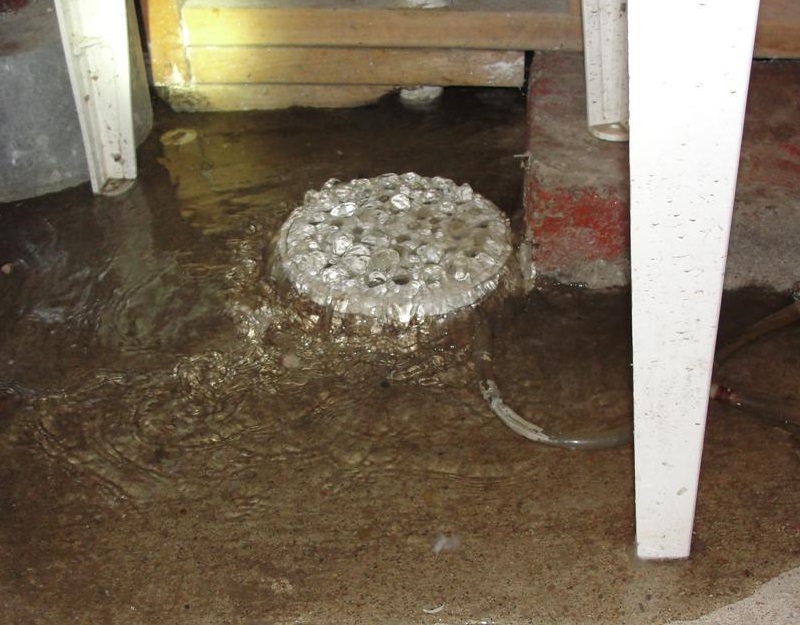
The short answer
In many markets, standard homeowners insurance does not automatically cover sewer or drain backup damage. Coverage varies by insurer, state, and policy form, but sewer and drain backups are commonly excluded unless you add an endorsement often called:
- Water backup coverage
- Sump pump overflow or discharge coverage
- Drain or sewer backup endorsement
Coverage names vary by insurer, but the idea is the same: extra protection for water that backs up through sewers or drains, or overflows or discharges from a sump pump, subject to the endorsement terms, conditions, and limits.
Why sewer backup is often excluded
Homeowners policies tend to cover sudden and accidental water damage from inside the home, like a burst pipe. Sewer backups are treated differently because they are often linked to:
- Maintenance issues (grease, wipes, roots, collapsed pipes)
- System capacity issues (heavy rain overwhelming municipal systems)
- Flooding pathways that overlap with flood insurance territory
That is why many insurers separate it out and make you opt in with an endorsement and a specific limit.
What water backup coverage typically covers
If you have a water backup endorsement, it generally helps pay for damage caused by water that backs up through a sewer or drain, or overflows or discharges from a sump pump, as allowed by your policy language and local requirements.
Often covered
- Cleanup and mitigation (and sometimes sanitizing), subject to policy conditions, vendor requirements, and safety rules
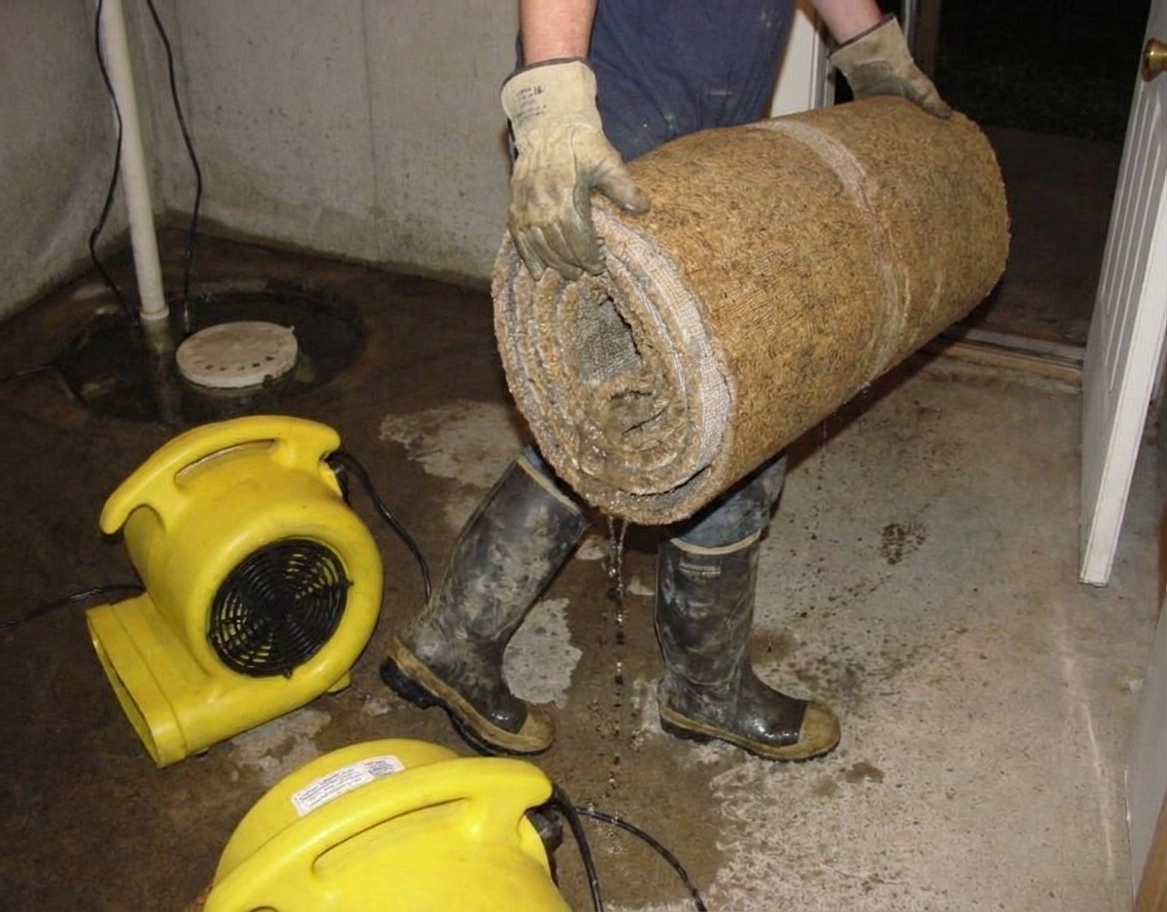
- Removing damaged materials like carpet, baseboards, drywall, and insulation
- Repairs to the interior such as flooring replacement or drywall restoration
- Damage to personal belongings like stored items, furniture, rugs, and some electronics, depending on policy wording and how the loss is classified
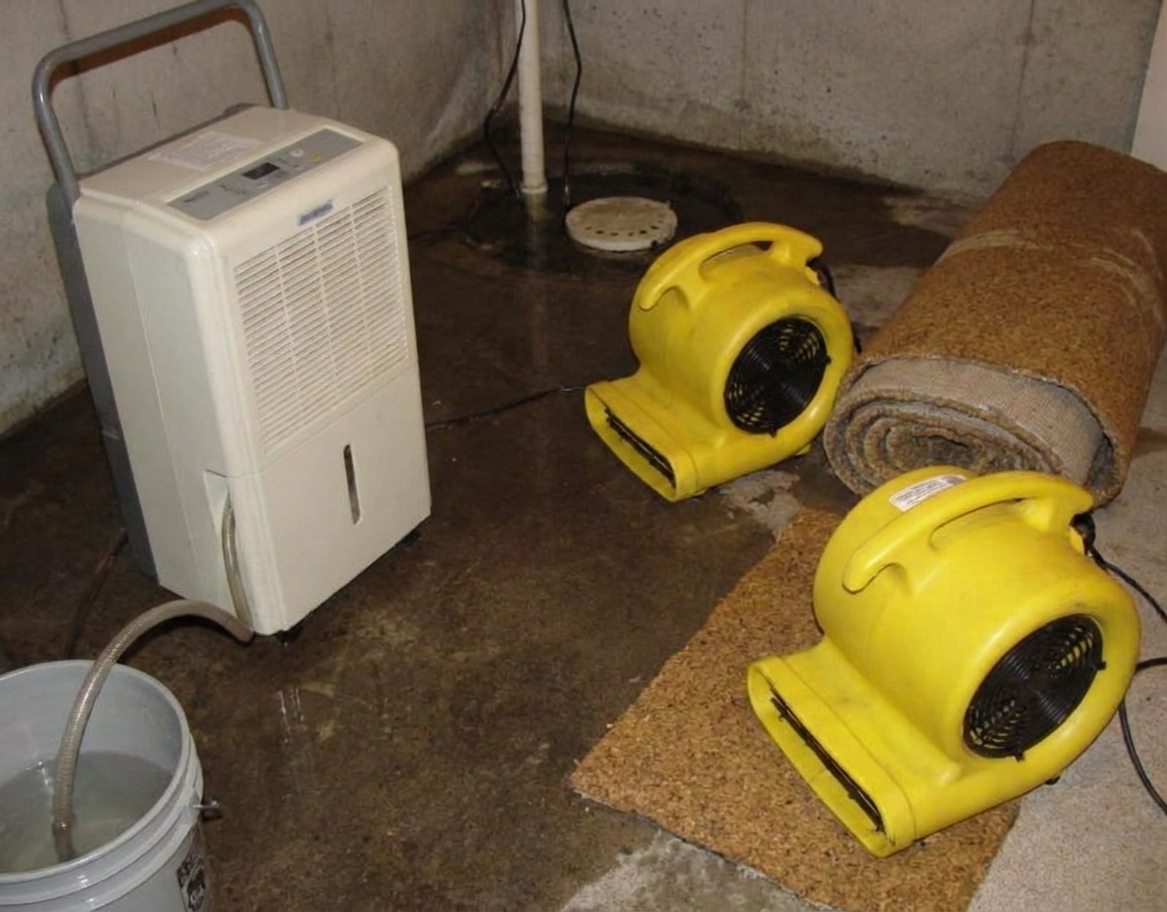
- Drying and dehumidification services when appropriate
Usually capped by a separate limit
Water backup endorsements commonly come with a separate coverage limit that is lower than your main dwelling coverage. Examples many homeowners see are $5,000, $10,000, or $25,000, but what is available and what you purchased varies by insurer. If cleanup and rebuild costs exceed that cap, you may be paying the rest out of pocket.
Deductibles vary
Some insurers apply your standard homeowners deductible. Others set a separate water backup deductible. Your declarations page usually tells the story, or your agent can confirm it in a minute.
What is usually not covered
Policy wording varies, but these are common gaps homeowners run into with sewer backups.
The pipe itself
Insurance is generally about resulting damage, not routine wear and tear. Many policies do not pay to repair or replace the failed sewer line that caused the backup. Some insurers offer separate options for service line coverage (availability varies), which may help with certain buried utility line repairs on your property.
Pre-existing problems and maintenance
If the insurer determines the backup relates to long-term seepage, repeated issues, neglected maintenance, or slow leaks, coverage may be limited or denied.
Flooding
If water entered your home from outside due to rising water, surface flooding, or storm surge, that is typically a flood insurance situation, not a standard homeowners claim. Sewer backups can happen during storms, so the adjuster may focus on the exact path the water took to determine which policy applies.
Mold beyond the policy window
Many policies have specific rules or sub-limits for mold. Waiting too long to mitigate can create a second problem that is not fully covered.
Cleanup first, coverage second
Even if you are not sure you are covered, you still want to reduce further damage. Insurers typically expect you to take reasonable steps to prevent the loss from getting worse.
Safety reminder Sewer water can carry bacteria and contaminants. If sewage is involved, consider calling a professional remediation company. Keep kids and pets out of the area. Do not start fans or air movers unless a remediation pro directs you, because the right setup often involves containment and filtration.
Reasonable immediate steps often include:
- Stopping the water source if possible (do not run sinks, toilets, or appliances that drain)
- Shutting off electricity to affected areas if there is standing water near outlets or appliances
- Taking photos and video before removing items
- Removing valuables from the wet area if it is safe
- Starting documentation, including dates and who you spoke with
How to file a claim
If you suspect coverage, file promptly. Most insurers allow claim reporting through an app, website, or phone.
1) Confirm the water’s path
When you file, be clear about the path of the water, not just the mess. Helpful language is factual and specific, like “water came up through the basement floor drain” or “sewage backed up from the toilet.” Avoid guessing the cause if you do not know yet.
2) Ask about add-ons, limits, and deductibles
Ask your insurer:
- Do I have water backup coverage (a sewer or drain backup endorsement)?
- What is the limit and deductible for that coverage?
- Does it cover cleanup, contents, and tear-out?
- Are there any mold limits or mitigation requirements?
Quick definition: “Tear-out” is the cost to remove parts of the building (like drywall, cabinets, or flooring) to access damaged areas, and then put things back. This is a common friction point, so it is worth asking directly.
3) Keep damaged items until told otherwise
It is tempting to haul everything to the curb. Instead, photograph and inventory first, and keep samples when possible. If items must be discarded for health reasons, document heavily and keep receipts for disposal and supplies.
Documentation that helps
Think of this like labeling parts in the shop. The more organized your evidence, the less back-and-forth you get later.
Photos and video to capture
- The entry point (floor drain, toilet, shower, sink, sump pit)
- Standing water depth using a common object for scale (a ruler or tape measure is ideal)
- Damage at floor level: baseboards, drywall swelling, buckled flooring
- Any visible residue or contamination
- Personal property damage laid out clearly
Write down a simple timeline
- When you discovered the backup
- What you did immediately
- Who you called (plumber, restoration company, city sewer department)
- Any changes in conditions (water rising, power shutoff)
Save all receipts
- Emergency plumber or drain service
- Wet vac rental, fans, dehumidifiers (if used under proper guidance)
- Cleaning and disinfecting supplies
- Dump fees and disposal
- Hotel stays if the backup loss is covered and the home is truly uninhabitable (ask about Loss of Use or ALE limits for backup claims)
If a plumber provides a camera inspection or written notes about the cause, keep that report. Cause documentation can be key, especially if there is a dispute about whether it was a backup versus flooding.
Common scenarios
Backup through a basement floor drain
This is the classic case for a water backup endorsement. Without it, many policies exclude the resulting damage.
Sump pump failure during heavy rain
Often covered only if your endorsement includes sump overflow or discharge. Some policies require the pump to be permanently installed and properly maintained. Also ask how your policy treats power outages, because some endorsements limit certain outage-related losses unless you have additional coverage.
Tree roots or a collapsed sewer line
The resulting interior damage may be covered under water backup coverage if the water backed up into the home. Repairing the pipe itself is often excluded unless you carry service line coverage or a similar add-on (when available).
City main overflow versus your private line
Ownership affects who repairs what, but insurance still focuses on whether your policy includes backup coverage and what caused the damage. In some cases, the city may accept liability, but do not count on that for immediate cleanup.
If you do not have coverage
If your insurer confirms there is no backup coverage, you still have practical options:
- Fix the cause first so the problem does not repeat
- Document anyway in case another party is liable (for example, a contractor’s mistake or a municipal issue)
- Ask about adding water backup coverage going forward. Many people only learn it exists after the first mess.
- Consider a backwater valve if your home is prone to backups, especially in lower-level bathrooms or basements. A plumber can advise whether it fits your system.
Prevention that pays off
If your basement has a history of water, insurers may ask about prior losses. Beyond the paperwork, a few practical upgrades can keep you out of the same mess:
- Sewer lateral inspection if your home is older or you have frequent slow drains
- Sump pump testing (and a battery backup or secondary pump if you rely on it)
- Backwater valve where appropriate for your plumbing layout
- Better habits with grease and “flushable” wipes (your pipes do not agree they are flushable)
Also, check whether your city or utility provider offers a backup assistance program or backwater valve rebates. Some places do, some do not, but it is worth a quick call.
FAQ
Is sewer backup the same as flooding?
Not usually. Flooding typically means water coming from outside the home due to rising water. Sewer backup refers to water backing up through sewers or drains. During storms, the line can blur, so evidence of the water path matters.
Will insurance cover cleanup and damaged belongings?
If you have a water backup endorsement, it commonly covers mitigation, repairs, and some personal property damage up to the endorsement limit, subject to policy terms. Without that add-on, standard policies often exclude sewer backup cleanup and damage.
How much does water backup coverage pay?
It depends on the limit you selected. Many policies set a separate cap for backup losses (often in the $5,000 to $25,000 range as examples, depending on insurer and what you purchased). Check your declarations page or ask your insurer for the endorsement limit and deductible.
Should I call a plumber or insurance first?
If sewage is actively backing up, stopping the problem and protecting the home comes first. Then call insurance as soon as practical. If you hire emergency help, keep invoices and notes.
One last pass with the broom
Homeowners insurance may cover sewer backup, but in many cases only if you added water backup coverage before the backup happened. If you are cleaning up right now, focus on safety, stop further damage, document everything, and file promptly.
And when the floor is dry again, take five minutes to review your declarations page. This is one of those “small line item, big relief” coverages when you need it most.