
How to Clean Up After a Sewage Backup
A step-by-step, safety-first plan for cleaning sewage inside your home: stopping the source, what to wear, what to throw away, how to disinfect hard surfaces, how to dry fast, and when to call a pro for walls or HVAC.
I have a strong DIY stomach, but sewage is where I stop pretending I am tougher than biology. Once the line is flowing again, the goal is simple: keep yourself safe, remove anything that cannot be reliably cleaned, and dry the space fast so you do not trade one disaster for a mold problem.
This guide stays focused on cleanup inside the house after a sewage backup. If you take nothing else from me, take this: treat sewage like a serious contamination event, not a bigger version of a dirty toilet.
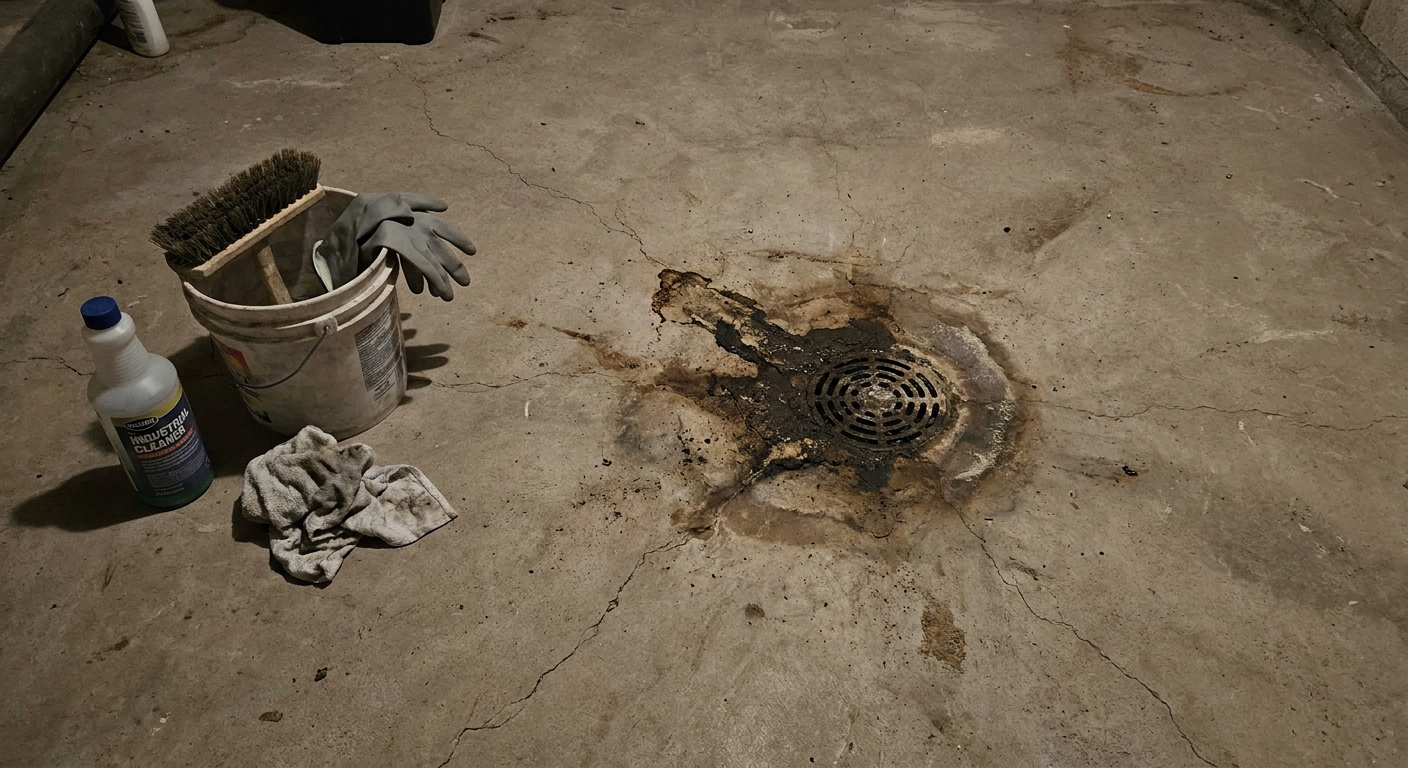
Before you start
I know I said this is an inside-cleanup guide, but you cannot clean effectively if sewage is still trying to come back for a second round.
- Stop using water. No toilets, sinks, showers, dishwasher, washing machine.
- Stop the source if you can. If the backup is active and you cannot isolate it, shut off the home water supply and call a plumber.
- Confirm it is actually stopped. Wait a bit and re-check the lowest drain (often a basement floor drain) before you start hauling anything out.
- Take quick photos for insurance. Get wide shots of the room and close-ups of obvious damage before you start ripping out materials.
Disposal note: Do not dump extracted sewage into storm drains, your yard, or outside ditches. Disposal rules vary, so if you have more than a small amount, ask your plumber or local waste authority what they want you to do.
First, make it safe to work
Shut down the right stuff
- Keep people and pets out. Close doors, block off stairs, and do not let kids do a curiosity lap.
- Turn off HVAC if air returns are in the affected area. You do not want to pull contaminated air through the system. Close supply and return vents in the room if you can do it safely.
- Shut off power at the breaker if water is near outlets or appliances. If sewage reached electrical outlets, power strips, a furnace, a washer, or anything plugged in, shut off the breaker to that area first. If you are not sure, call an electrician.
- Ventilate. Open windows if weather allows and set a box fan in a window blowing out to exhaust air. Do not aim fans across contaminated surfaces until gross solids are removed, since that can aerosolize germs.
Safety note: If anyone in the home is immunocompromised, elderly, or very young, consider having them stay elsewhere until cleanup and drying are complete.
What to wear
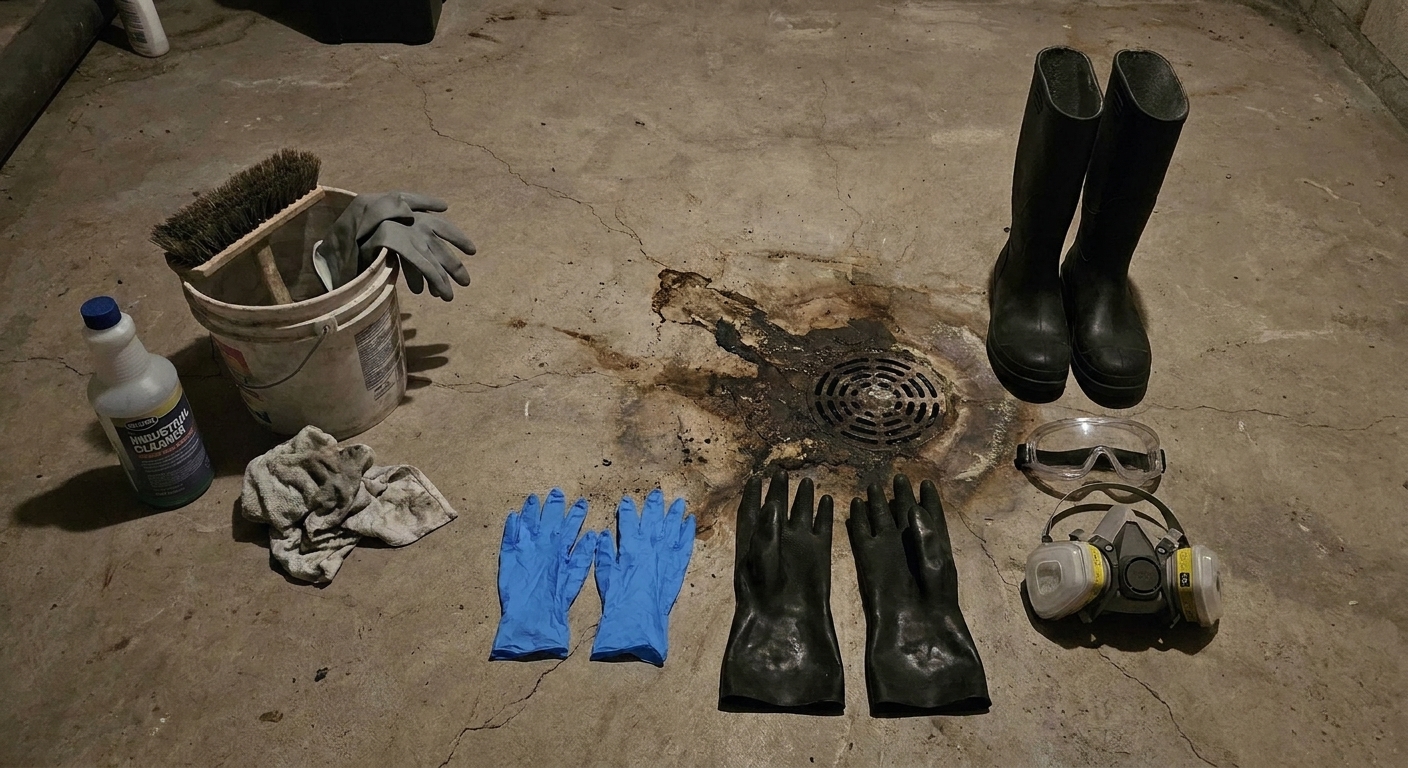
Your outfit matters. You are not trying to look like a movie hazmat team, but you do need a barrier between you and contaminated water.
Minimum PPE
- Gloves: Nitrile gloves under heavy-duty rubber gloves is ideal.
- Boots: Rubber boots that can be disinfected. No sneakers.
- Eye protection: Safety goggles or glasses with side shields.
- Mask or respirator: An N95 is the minimum for light cleanup, but fit matters. If you are pulling out soggy materials, scraping residue, or dealing with heavy contamination, a snug-fitting half-face respirator with P100 filters is a better choice if you have one.
- Clothing: Long sleeves and long pants you can hot wash immediately, or disposable coveralls.
A quick tip I use
Put duct tape at the glove-to-sleeve and pant-to-boot transitions. It is not glamorous, but it keeps drips from running into your sleeves or socks.
Cleanup steps
I like a simple order of operations that keeps you from re-contaminating clean areas.
- Remove standing sewage and solids.
- Bag and remove unsalvageable porous materials.
- Wash hard surfaces with soap and water.
- Disinfect hard surfaces correctly.
- Dry fast and verify dryness.
- Clean and disinfect tools, then decontaminate yourself.
Remove sewage safely
How to get standing water out
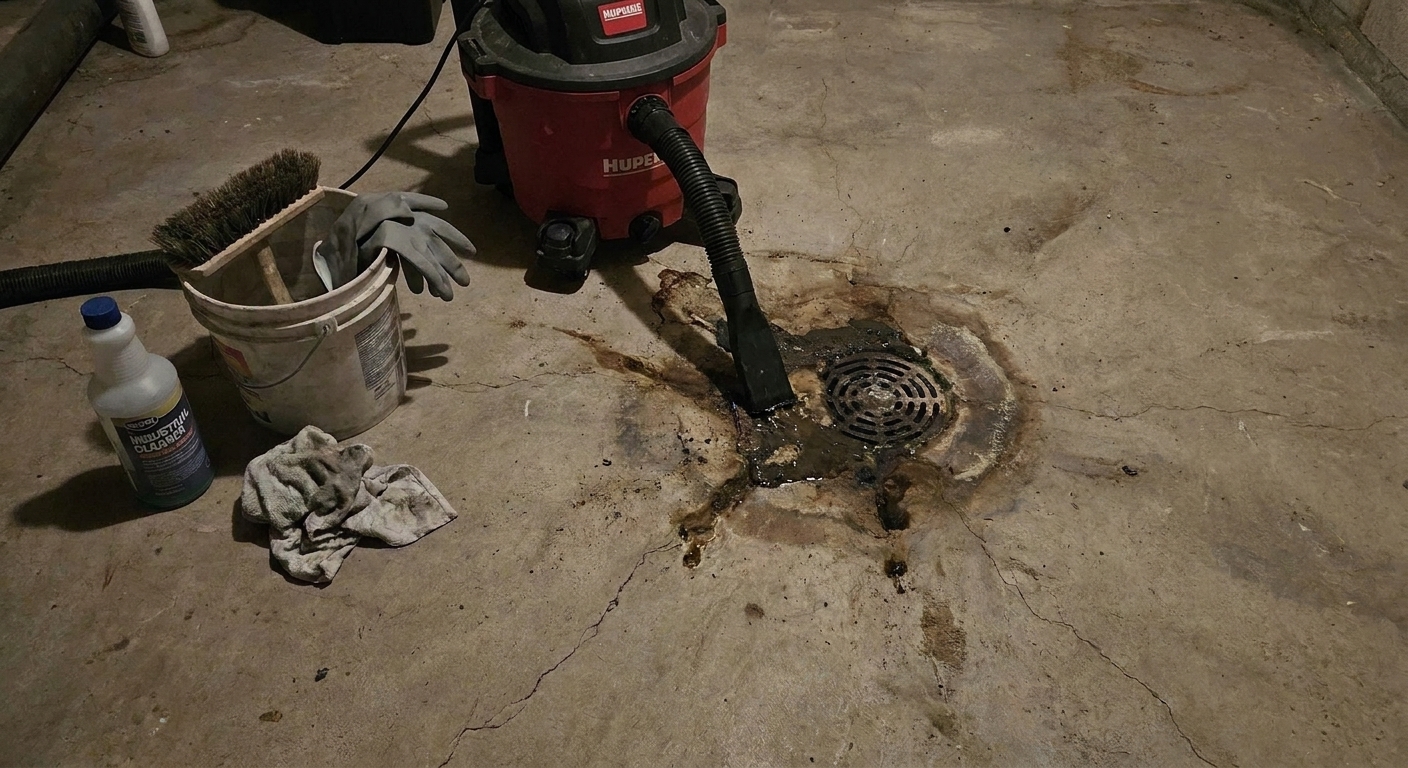
- Wet/dry shop vac: Only if it is rated for wet pickup and you can disinfect it afterward. Set it up for wet use per the manufacturer instructions. Many vacs require removing the dry paper filter and using a foam sleeve or wet filter.
- Pump: For deeper water, a utility pump or a rented pump is faster. Disinfect it afterward.
- Absorbents: For small amounts, disposable rags or absorbent pads work.
Handle solids first
Use a shovel, dustpan, or scraper dedicated to this job. Work gently to avoid splashing. Put waste into heavy-duty trash bags. Double-bag if you can.
Do not mix cleaners. Never combine bleach with ammonia or acidic cleaners. That can create dangerous gases.
What to toss
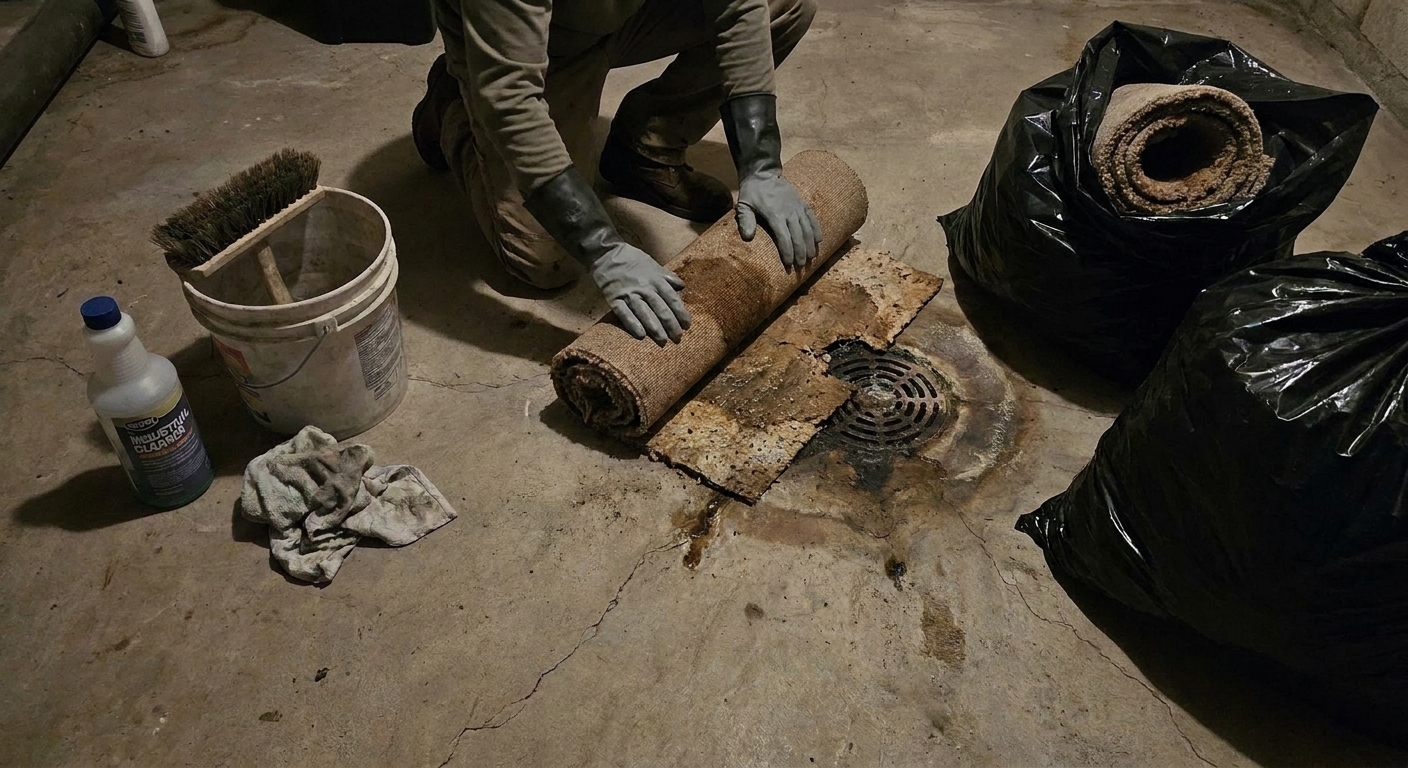
If sewage touched it and it is porous, it is usually not something you can reliably disinfect. This is the part people hate, but it is also the part that prevents lingering smells, bacteria, and repeat mold growth.
Generally discard these
- Carpet and carpet pad
- Area rugs
- Upholstered furniture and mattresses
- Drywall and insulation that got wet from sewage
- Ceiling tiles
- Particleboard and MDF (swells and holds contamination)
- Cardboard boxes, paper goods, books
- Stuffed animals and most fabric toys
What about wood?
Sometimes salvageable, sometimes not. If it is sealed (painted or polyurethane) and sewage did not soak into joints, you can often clean and disinfect. If it is unfinished and sewage soaked in, replacement is usually the smarter and safer call.
Clean and disinfect
Hard surfaces are things like concrete, tile, sealed wood, metal, plastic, fiberglass, and some finished cabinetry. The winning combo is: clean first, disinfect second. Disinfectant does not work well through grime.
Step 1: Wash
- Use hot water and a heavy-duty cleaner or dish soap.
- Scrub with disposable rags or brushes you can disinfect.
- Rinse with clean water.
Step 2: Disinfect
Use an EPA-registered disinfectant labeled for bacteria and viruses, and follow the label exactly. If you are not sure what "EPA-registered" means, look for an EPA Registration No. on the label. For bleach solutions, follow the product label for disinfection concentration and contact time. Many products need the surface to stay visibly wet for several minutes to actually disinfect.
- Do not guess the mix. Read the label.
- Do not spray and immediately wipe. Leave it wet for the stated time.
- Rinse food-contact surfaces (like a utility sink you wash pet bowls in) after disinfection, per label instructions.
Step 3: Dry
After disinfection, dry the area thoroughly. Drying is not optional. Germs like moisture, and mold absolutely loves it.
If sewage hit drywall
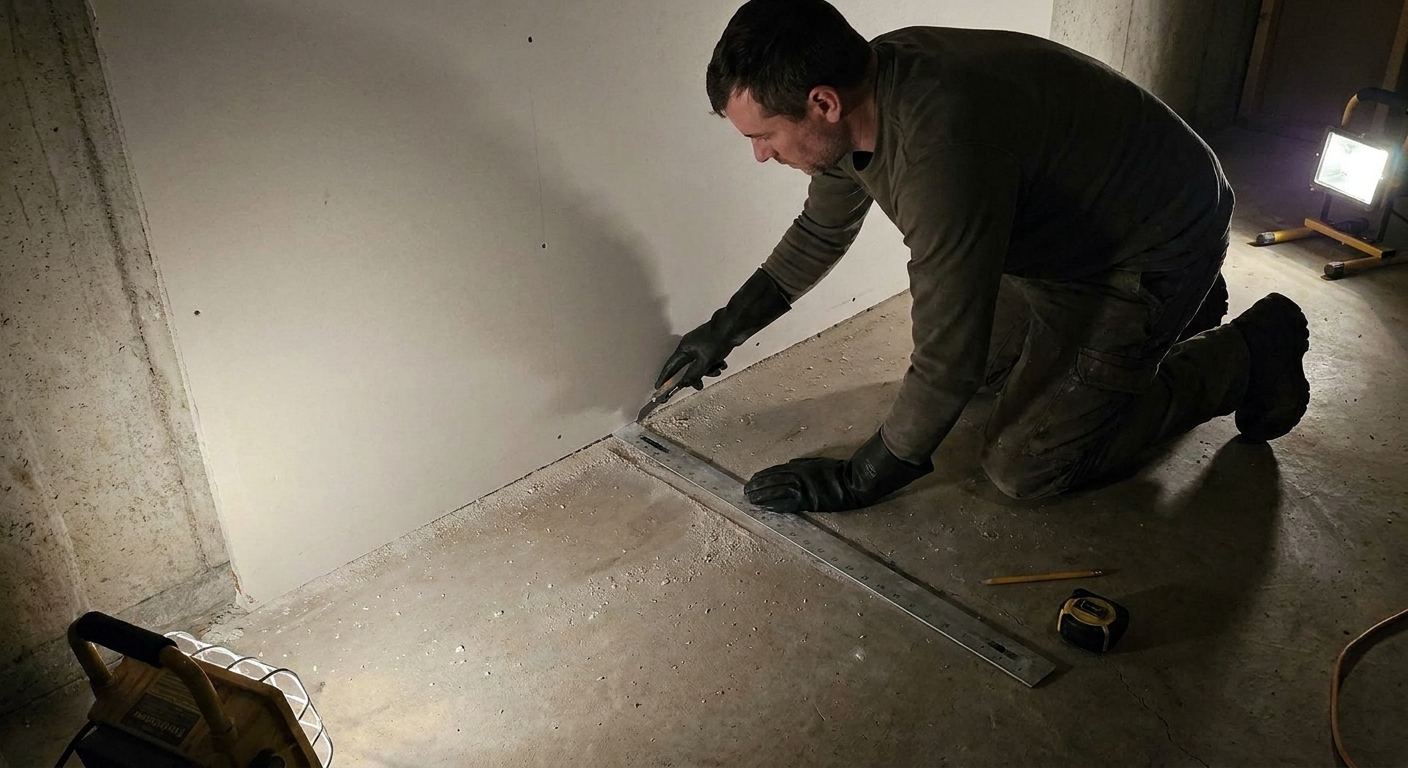
Drywall is basically a sponge wrapped in paper. If sewage touched it, you are usually looking at removal, not cleaning.
How high to cut
If you can see a waterline on drywall, assume contamination wicked higher than what you see. The common flood-cut is 12 inches above the highest wet mark, but with sewage I often see people end up going higher. A practical range is 12 to 24 inches above the highest mark, or high enough to remove any wet insulation and anything that smells or tests damp. If insulation is wet, it needs to come out.
When to call a pro
- Sewage soaked into wall cavities (insulation, studs, sill plate area)
- Multiple rooms affected or a large area of finished basement
- You cannot dry it quickly (limited airflow, high humidity, no dehumidifier access)
- Strong persistent odor after removing contaminated materials
- HVAC involvement (floor registers, returns, furnace area contaminated)
- Anyone in the home is high-risk medically
Pros have containment, negative air machines, commercial disinfectants, and moisture meters. That gear matters when sewage gets into the structure.
Concrete floors and drains
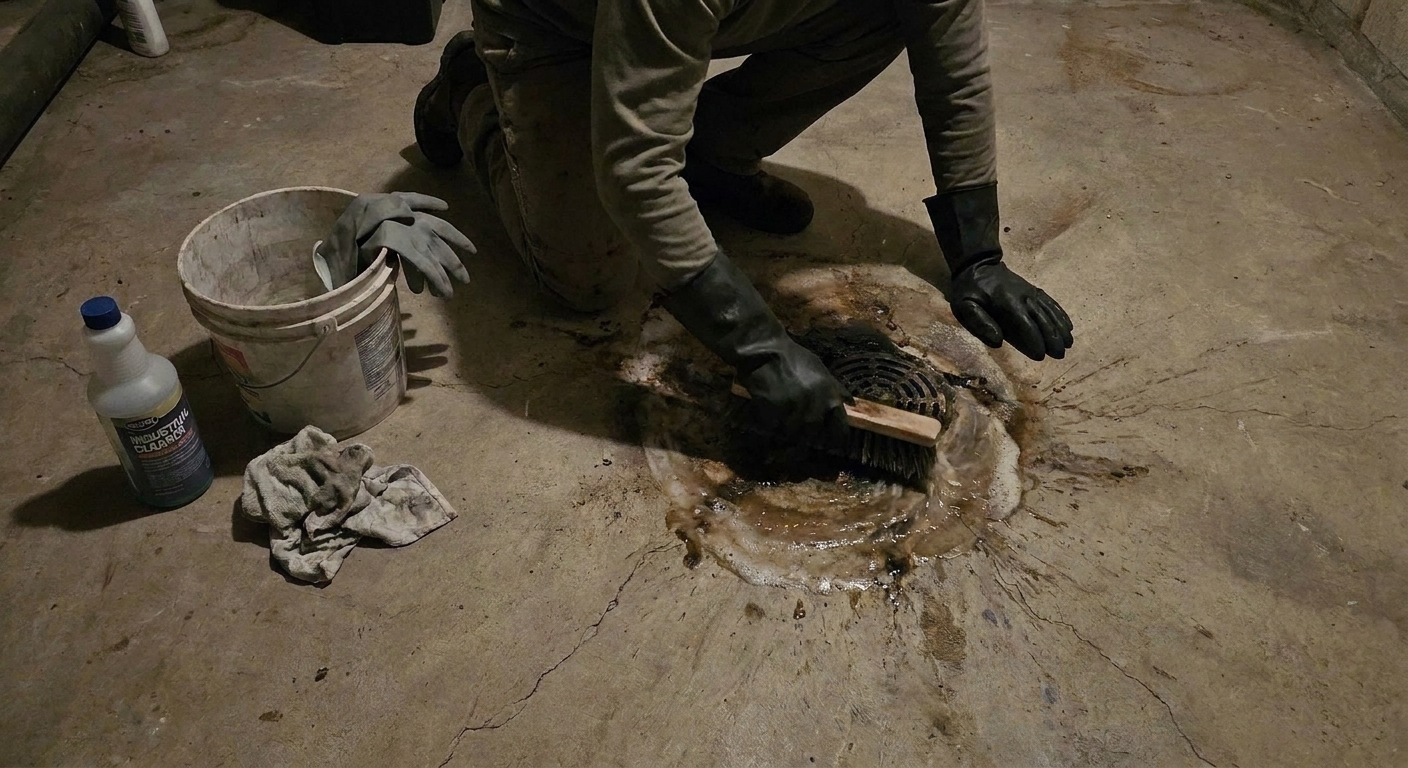
Concrete feels indestructible, but it is porous. Sewage can leave residue that keeps smelling if you do not scrub it thoroughly.
How I clean concrete
- Remove solids and standing water.
- Scrub with a degreasing cleaner and hot water.
- Rinse and extract the dirty water with a wet vac.
- Disinfect and keep the surface wet for the full contact time.
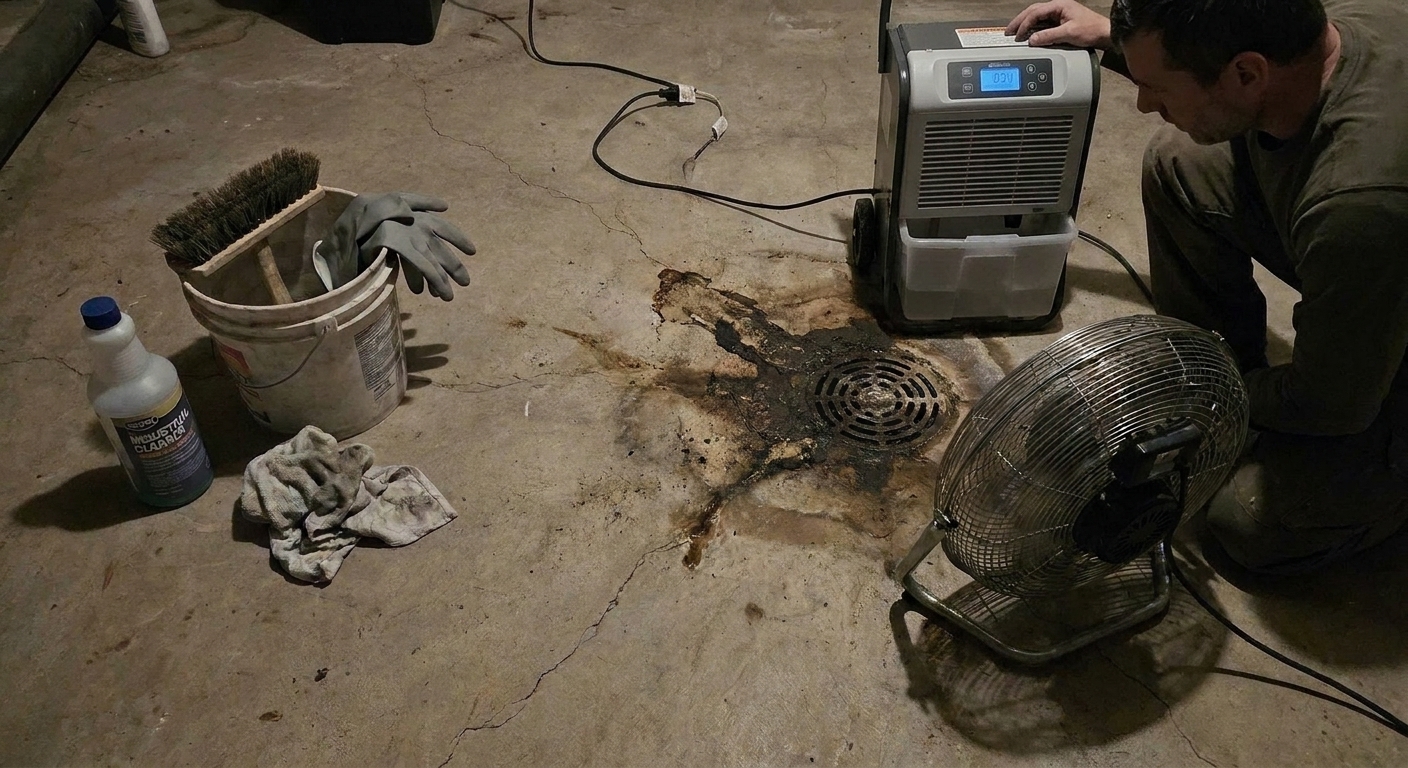
- Dry with fans and a dehumidifier.
Do not forget the drain
Once the blockage is resolved, clean around the floor drain and consider having the drain and trap inspected if you keep getting odors. Sometimes the smell is a dried-out trap, but after a backup I assume it is residue until proven otherwise.
Drying matters
When I worked residential jobs, the difference between a successful cleanup and a nightmare callback was almost always drying speed.
Tools that help
- Dehumidifier: Run it continuously and empty it often, or hose it to a drain if possible.
- Air movers or box fans: Aim them to move air across wet surfaces, not to kick up debris.
- Heat: Within reason. Warmer air holds more moisture, which dehumidifiers can then remove.
How dry is dry?
If this was on or in building materials, the best answer is a moisture meter. Without one, your nose is not a reliable instrument. If it still smells musty or sewer-ish after cleaning and drying, something porous is still contaminated or still wet.
Personal items
Washable fabrics
If sewage contacted washable clothing or towels, handle them with gloves. Wash separately using detergent and the hottest water safe for the fabric, following the care label. If the item cannot be washed thoroughly, I lean toward discarding it.
- Do not overload the washer. You want agitation and full rinse.
- If the care label allows, consider an oxygen bleach product to help with sanitation.
- To avoid cross-contamination, run an empty hot cycle with detergent after you finish the sewage load.
Hard plastic and non-porous items
Toys, storage bins, and tools with hard surfaces can usually be cleaned and disinfected. Clean first, then disinfect, then let dry fully.
Dishes and cookware
If sewage contacted dishes, wash with hot water and detergent and then sanitize. If you have any doubt about porous items like wooden spoons or cutting boards, toss them. They are not worth the risk.
Tools and waste
This is the moment where people relax too early. Do not. Your tools and trash bags can spread contamination right back through the house if you get sloppy at the end.
Decontaminate tools
- Wash tools with soap and water to remove grime.
- Disinfect per label instructions.
- Let them dry completely.
Bagging and disposal
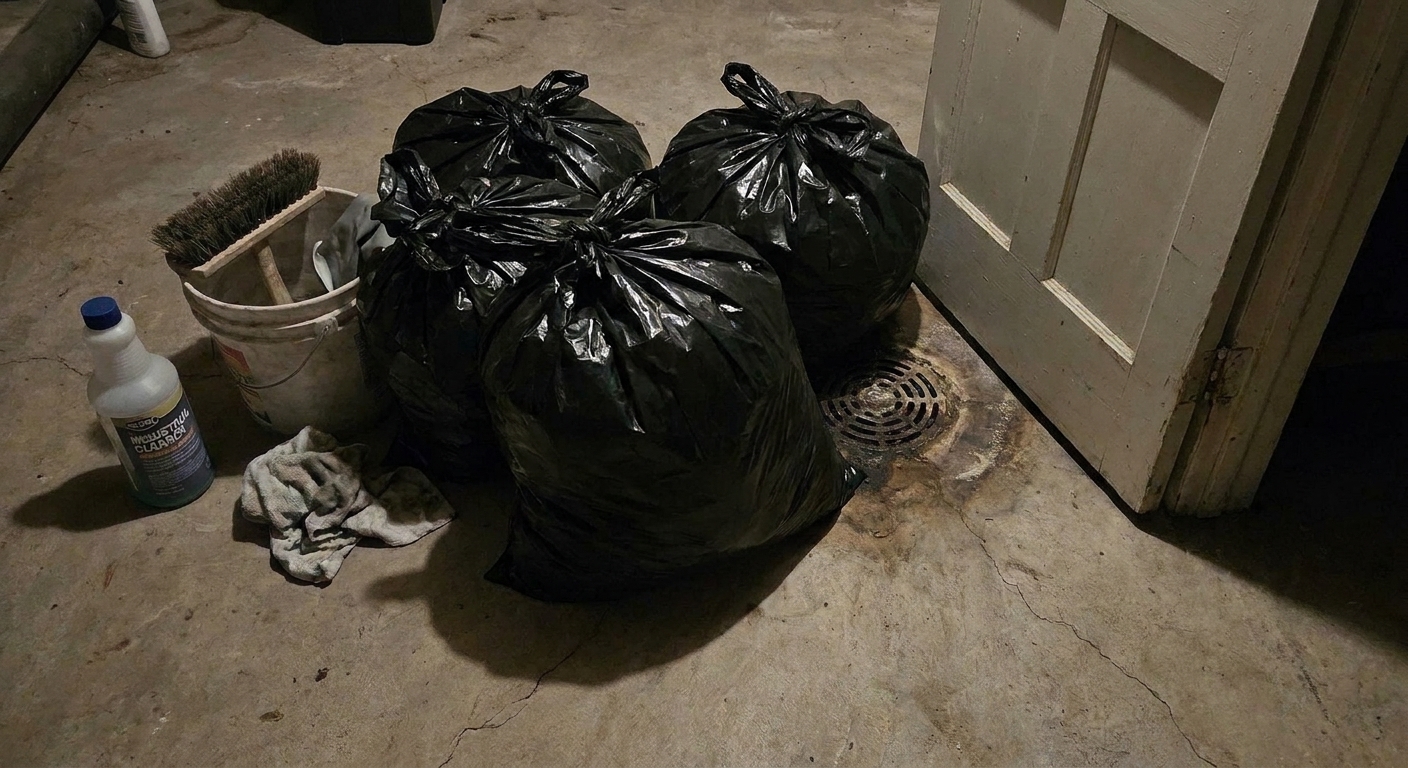
Use heavy-duty contractor bags. Double-bag if they are wet or sharp. Disposal rules vary by municipality, so if you have a large volume, call your local waste authority for guidance. The key is preventing leaks and keeping handlers safe.
Final checklist
- Wash up safely: Remove gloves last, then wash hands thoroughly. Shower as soon as you are done.
- Disinfect footwear: Clean boots outside if possible, then disinfect.
- Replace HVAC filters if the system was running during the event.
- Watch for delayed issues: Musty odor, warped baseboards, bubbling paint, or damp spots on walls can show up days later.
- Document the damage: Take photos before and during cleanup if you are dealing with insurance.
My rule from the jobsite: If you cannot confidently clean it and dry it, do not keep it. Sewage is not the time for sentimental optimism.
FAQ
Can I use bleach to clean sewage?
Bleach can disinfect some hard, non-porous surfaces when used correctly, but it is not a magic erase button. You still need to clean first, then apply a properly mixed solution according to the label, and keep the surface wet for the full contact time. Never mix bleach with other cleaners.
Is it safe to stay in the house during cleanup?
Often yes if the affected area can be isolated and ventilation is good, but keep kids and pets away. If sewage affected multiple rooms, HVAC, or you have high-risk family members, staying elsewhere during remediation is a good call.
How do I get rid of the sewage smell?
Odor usually means leftover contamination or lingering moisture. Re-check porous materials, especially carpet pad, baseboards, drywall, and insulation. Scrub and disinfect concrete thoroughly and dry aggressively with a dehumidifier.
Can I pressure wash or blast fans to speed it up?
I would not pressure wash indoors and I would not aim fans across contamination until solids and grime are removed. Both can aerosolize what you are trying to get rid of. Clean deliberately, then disinfect, then use airflow and dehumidification for drying.
When is a sewage backup an emergency?
If sewage is still rising, you cannot stop the flow, it is near electrical hazards, or it is affecting living spaces, treat it like an emergency. Shut off power at the breaker to the area if needed and call for professional help.