
Do Septic Tank Additives Actually Work?
Bacteria, enzymes, and chemical septic additives are everywhere. Here’s what they can and cannot do, which claims to doubt, and when pumping is still the real fix.
Good grain. Great questions.
If you have a septic system, you have probably seen the promise: pour in a packet, walk away, and let “good bacteria” handle the rest. It is a tidy idea. Septic tanks are not tidy.
Here is the workable truth from the workshop bench: most homes with a normally used, healthy septic system do not need additives. Some additives are mostly harmless. Some are a waste of money. And a few can create real problems by stirring up solids or harming the biology your system depends on.
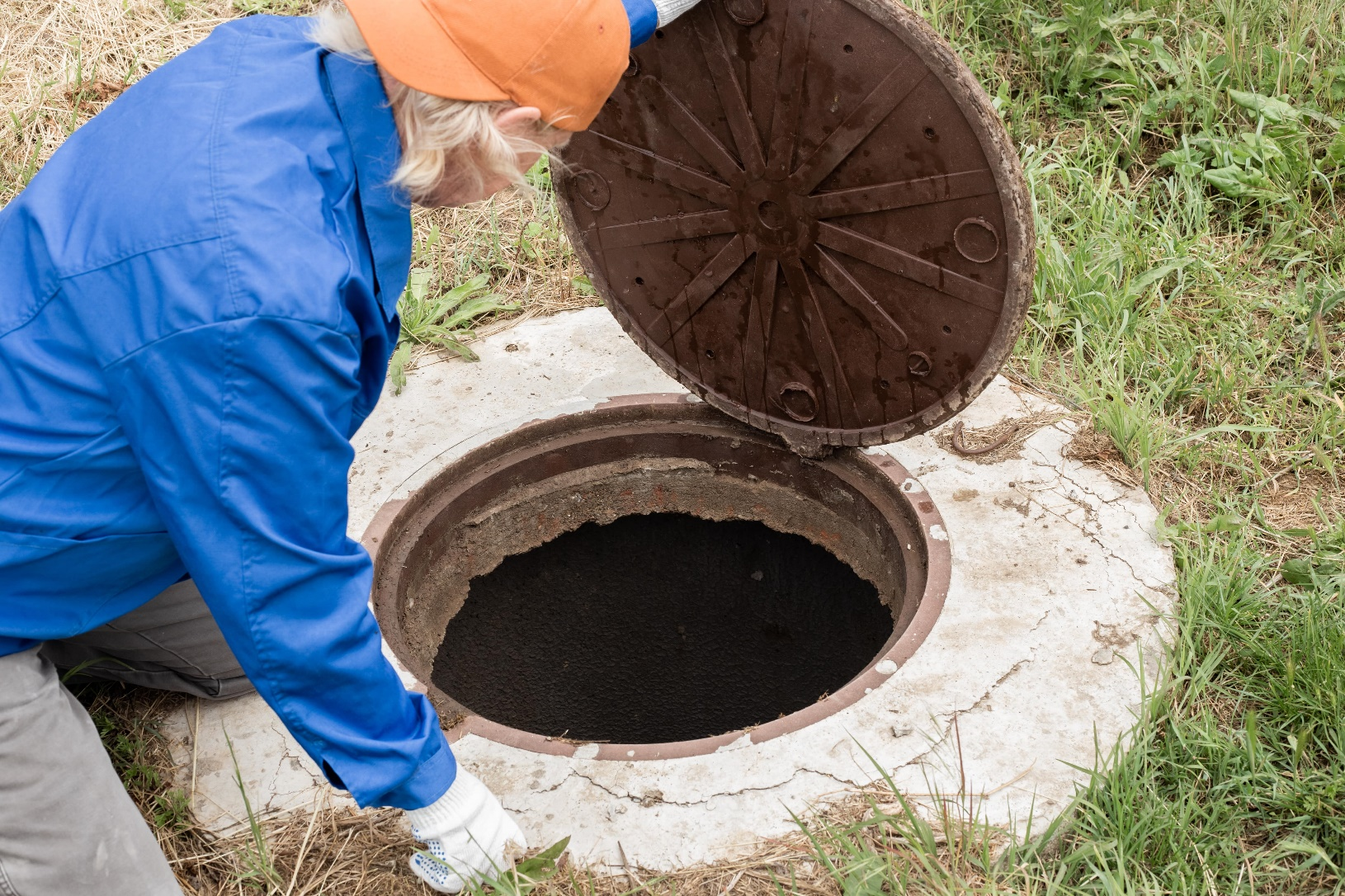
What a septic tank already does
A conventional septic system works because it separates and slows things down.
- In the tank, heavy solids settle into sludge, fats float into a scum layer, and the middle layer of liquid (effluent) moves on to the drainfield.
- In the drainfield, soil finishes the job by filtering and treating the effluent.
Inside the tank, bacteria that arrive naturally from normal household waste help break down some organics. But here is the key: septic tanks are not garbage disposals. Not everything “digests,” and solids still accumulate. That is why pumping exists.
The three additive types
1) Bacterial additives
These products add bacteria strains (sometimes with nutrients) marketed to “restore” a tank’s biology.
What evidence generally supports: If a system has been disrupted, adding bacteria may help reestablish activity. But in a typical home with normal use, bacteria are already present in abundance, and most systems rebound on their own once normal inputs return.
What to doubt: claims that added bacteria will eliminate pumping, remove all solids, or “fix” a failing drainfield. A tank that is full of sludge is a tank that needs pumping, not optimism.
2) Enzyme additives
Enzymes are proteins that help break down certain materials. Many products blend enzymes with bacteria, or imply enzymes alone can liquefy solids.
What evidence generally supports: Enzymes can help break down some organics under the right conditions. In a septic tank, conditions vary widely and results are inconsistent.
What to doubt: claims that enzymes will break down everything, especially things that should not be in a tank in the first place (wipes, feminine products, cigarette butts, plastics). If it did not belong in the tank, no enzyme fairy is rescuing you.
3) Chemical additives
These include caustics, acids, solvents, and oxidizers marketed to open clogs, dissolve scum, or “shock” the tank into working again.
Handle with care: Some caustic or acid drain openers and “septic shock” products can damage a septic system by killing beneficial bacteria, pushing solids into the drainfield, corroding certain components, or creating dangerous fumes. They can also cause a temporary “it drains now” moment while setting you up for a bigger failure later. Do not mix chemicals, and keep kids and pets away from treated drains.
If you are considering a chemical product because drains are slow or backing up, that is usually a sign you need diagnosis, not a stronger bottle.
Do additives replace pumping?
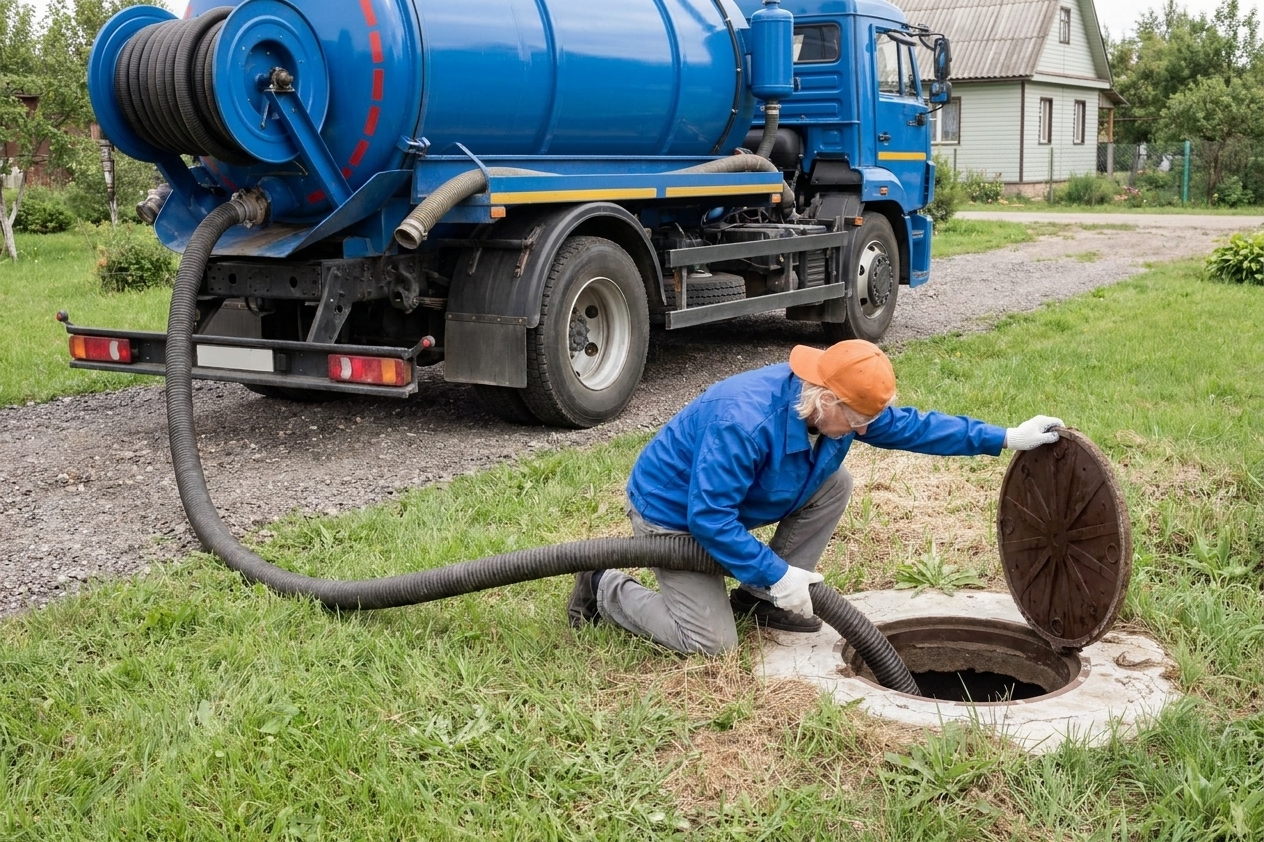
No. Pumping is not about “killing bacteria” or being old fashioned. It is about removing accumulated sludge and scum that do not vanish.
Even when bacteria break down some solids, there is always residual material. Over time, that residual builds up. If the sludge and scum layers get too thick, solids can escape the tank and clog the drainfield, which is where repairs get expensive fast. That is also why baffles and, in many systems, an effluent filter exist: to keep solids where they belong.
Knob’s shop ruleIf a product claims you will never need pumping again, set it back on the shelf and keep walking.
Before you add anything
If you are standing in the aisle with a bottle in your hand, pause and run this quick checklist first:
- Know the last pump date. If you do not know, assume it is time to inspect and probably pump.
- Check the simple house stuff. Dried traps, a loose toilet, or a venting issue can mimic septic problems.
- Look outside. Wet spots, sewage smells, or unusually green patches near the drainfield are not “additive moments.”
- If you have a pump tank, check alarms. An alarm is a call for service, not a call for more powder.
Also, one important distinction: septic tank additives are not the same thing as drain cleaners. A clog in a sink trap or branch line is a plumbing issue. A tank or drainfield issue is a septic issue. Treat the right problem.
When an additive might help
Additives are not magic, but there are a few situations where a conservative, bacteria-based product may be reasonable as a supporting move.
After a disruption
- After heavy household antibiotic use
- After a spill or regular, heavy use of disinfectants or harsh cleaners
- After a long vacancy where the tank received very little new waste
Even here, the first-line fix is usually changing habits and giving the system stable inputs again. The additive is optional, and it should not be treated like a reset button.
For mild odors
If you have mild septic odors and you are confident there is not a backup, broken vent, dried trap, or drainfield issue, a bacteria-based additive may help at the margins. If odors are strong, persistent, or paired with slow drains, get the system checked.
When the manufacturer requires it
Some aerobic treatment units and proprietary systems have maintenance instructions that include certain products or professional service schedules. In that case, follow the system documentation or service provider guidance.
When additives can backfire
When pumping is overdue
If sludge is high, additives can break up the top layers just enough to send more suspended solids out to the drainfield. The drainfield wants relatively clear effluent. It does not want a smoothie of sludge particles. This is where baffles and effluent filters matter, and why inspection beats guesswork.
When you are chasing a clog
Slow drains can come from a simple house plumbing clog, a blocked effluent filter, a full tank, a crushed line, or drainfield saturation. Dumping additive in often delays the right fix.
When using harsh chemicals
Normal, occasional household cleaning is usually tolerated by a healthy system. The trouble starts with large doses, frequent shocking, or dumping concentrated chemicals down the drain. That can reduce microbial activity, damage certain components in pumped or aerobic systems, and it can be hazardous to handle.
When the marketing encourages bad habits
The sneakiest harm is behavioral. If a product makes you feel safe flushing wipes, pouring grease, or skipping pumping, it is selling you trouble.
Claims to doubt
- “Never pump again.” Tanks accumulate solids. Pumping removes them. End of story.
- “Fixes a failing drainfield.” A failing drainfield is usually about soil clogging, compaction, saturation, or physical damage. Additives do not rebuild soil structure.
- “Dissolves sludge completely.” Some breakdown happens, but full elimination is not realistic.
- “Works in every system, every condition.” Temperature, usage patterns, tank size, and what enters the system all matter.
- “Guaranteed to prevent backups.” Backups can be plumbing, baffles, filters, tank level, roots, or drainfield issues.
What to do instead
1) Pump based on your household
The right pumping interval depends on tank size, number of people, water use, and what goes down the drain. Many households land in the 3 to 5 year range, but it can be shorter with a small tank or a big family. The best schedule is the one based on inspection, not a calendar guess.
2) Protect the biology you already have
- Use bleach and disinfectants in moderation.
- Do not pour paint, solvents, or harsh cleaners down the drain.
- Skip antibacterial soaps when you can, especially for routine handwashing.
3) Keep solids and grease out
- Do not flush wipes, even “septic safe” ones.
- Do not dump grease, fats, or coffee grounds down the drain.
- Use drain strainers and scrape plates into the trash.
4) Use water like you pay for the drainfield
Because you do. Spreading laundry through the week, fixing leaks, and avoiding long high-flow events helps keep the drainfield from getting overloaded.
5) Do not forget the effluent filter
Many modern tanks have an effluent filter at the outlet baffle. When it plugs, the house can get slow drains or gurgles even if nothing is “broken.” Filters need periodic cleaning, and if you have never serviced yours, a septic pro can show you how and set a safe schedule.
Quick decision guide
| Situation | Best next step | Additive? |
|---|---|---|
| Everything is working normally | Stay on a pump and inspection schedule | Usually unnecessary |
| Tank likely overdue for pumping | Schedule pumping and inspect baffles and filter | Avoid as a “fix” |
| Mild odor, no slow drains or wet spots outside | Check traps and vents, review chemical use | Maybe, bacteria-based only |
| Slow drains or backups | Diagnose plumbing vs septic, consider tank level and filter check | Not the first move |
| Drainfield is wet, smelly, or sewage is surfacing | Stop water use, call a septic pro | No |
FAQ
Are Rid-X and similar products safe?
Many widely sold additives are bacteria and enzyme blends and are generally considered low risk when used as directed. The bigger question is whether you need them. For most functioning household systems, they are optional at best.
Can additives unclog a drainfield?
If a drainfield is clogging due to solids leaving the tank, the priority is stopping the solids, usually by pumping and correcting baffles or filters. Additives are not a dependable drainfield unclogging tool, and relying on them can delay proper repairs.
Will additives break down toilet paper?
Toilet paper is already one of the more septic-friendly inputs. If your system struggles with toilet paper, the issue is usually water use patterns, a partially blocked line, tank levels, a dirty effluent filter, or maintenance, not a lack of enzymes.
What about yeast, sugar, or DIY remedies?
Most DIY “boosters” are unnecessary. Septic tanks already receive plenty of nutrients and microbes through normal use. Adding sugar or yeast can be unpredictable and does not replace proper maintenance.
If you are seeing warning signs: slow drains in multiple fixtures, gurgling plumbing, sewage odor outdoors, soggy patches near the drainfield, or a backup, skip the additive aisle and get the system evaluated. That is the moment when speed matters, and guesses get expensive.
If you want one sentence to hang in the workshop: additives may support a healthy system, but they cannot replace pumping or fix a mechanical failure. Keep the tank maintained, keep junk out, and your septic system will usually keep quietly doing its job.