
What Should You Not Put in a Septic Tank?
Avoid septic backups and expensive repairs by keeping paints, solvents, concentrated disinfectants, wipes, and heavy grease out of your system. Here’s what’s safe in normal amounts.
I grew up in a “we can fix that” house, and septic systems fit that mindset perfectly. They are simple, sturdy, and a little misunderstood. A septic tank is basically a living, working container. It relies on bacteria to break down waste, and it only has so much space to hold solids and scum.
So when people ask what you should not put in a septic tank, the answer usually falls into two buckets: stuff that disrupts the bacteria and stuff that fills the tank or will not break down. Keep those two ideas in your head and you will avoid most septic headaches.
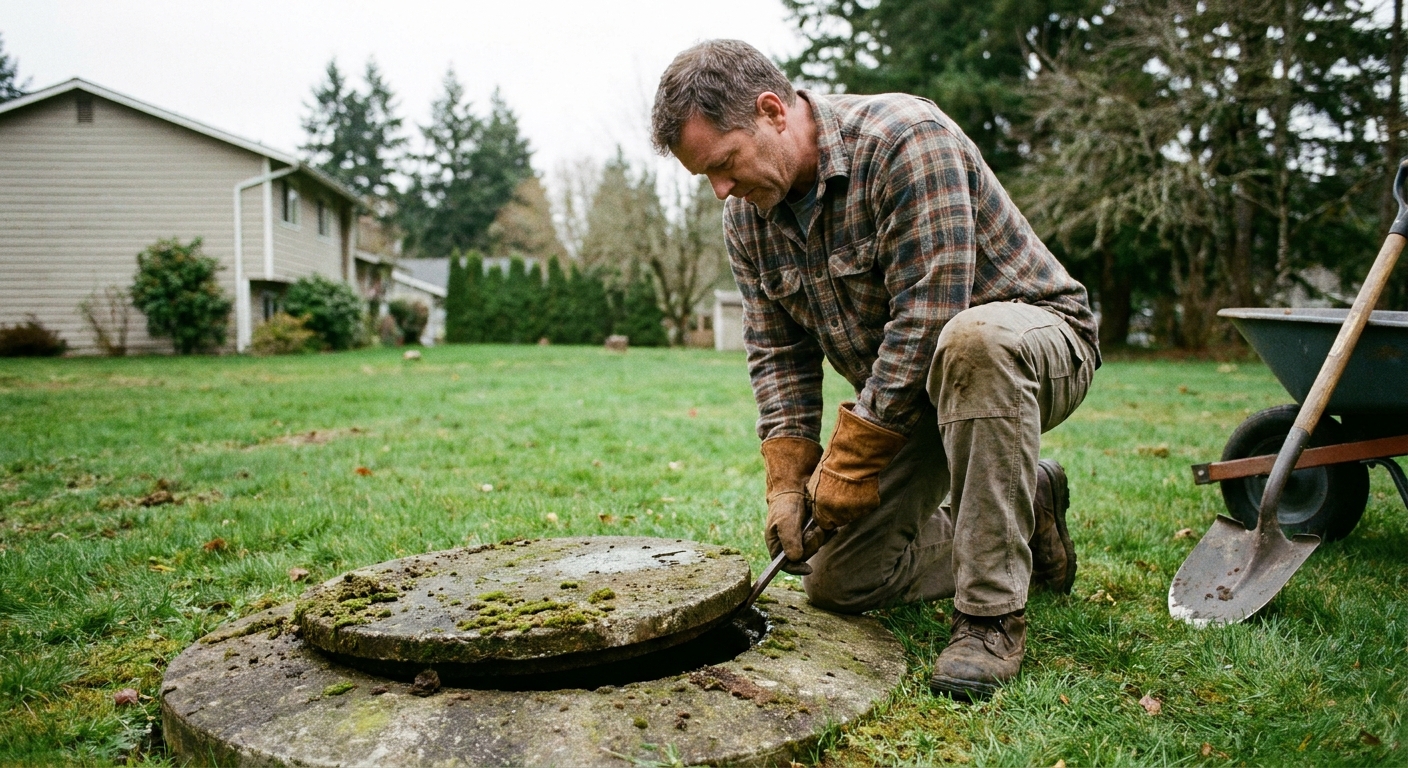
Two ways people wreck septic systems
1) Disrupting the good bacteria
Your tank needs bacteria to digest and separate waste. Dumping concentrated chemicals, or using harsh products in high volumes over and over, can reduce that bacterial workforce. When that happens, solids build up faster and more gunk can move toward your drainfield.
2) Overloading the tank with stuff that will not break down
Some products float and form a thick scum layer. Others sink and add to sludge. Either way, you are using up storage space and pushing the system toward clogs, backups, and drainfield trouble. A lot of the worst items are not “toxic,” they are just stubborn and physical.
Do not put these in a septic tank
Paint, stain, and paint cleanup water
Latex paint seems harmless because it is water-based, but it still contains binders, pigments, and additives that do not belong in your tank. Oil-based paints and stains are worse because they are solvent-heavy.
- Do not dump leftover paint into any drain or toilet.
- Do not rinse rollers or trays where the wash water goes into the septic system.
- Take leftovers to your local household hazardous waste collection or follow your municipality’s disposal rules.
Solvents, fuels, and shop chemicals
This is the big bacteria-disruption category, and it is also bad for the drainfield and groundwater. The risk jumps when these are dumped in concentrated form.
- Paint thinner, mineral spirits, acetone
- Gasoline, diesel, kerosene
- Engine and shop degreasers
- Pesticides, herbicides, and concentrated bug killers
- Photo chemicals and some hobby chemicals (resins, cleaners, etchers)
Rule of thumb: if it is a solvent, fuel, or biocide, keep it out of your plumbing entirely.
Concentrated disinfectants and antibacterial cleaners
Normal cleaning is fine. The issue is dumping concentrated product or leaning on disinfectants constantly. Anything labeled antibacterial, disinfecting, or sanitizing is designed to kill microbes. Your septic tank depends on microbes.
- Do not pour unused disinfectant down the drain “to get rid of it.”
- Avoid making a habit of sending buckets of bleach water or disinfecting solution down the drain.
Wipes, towels, and other non-breakdown paper goods
Wipes are a septic problem because they do not break down like toilet paper. The main risk is mechanical: they can tangle, snag on baffles, clog filters, or jam pumps before they ever decompose.
- Baby wipes, cleaning wipes, makeup wipes
- “Flushable” wipes of any kind
- Paper towels, shop towels, disinfecting cloths
Trash can is the correct destination here.
Feminine products, condoms, and bathroom odds and ends
If it is meant to absorb, stretch, or stay intact, it is going to cause trouble.
- Tampons and pads
- Condoms
- Cotton swabs, dental floss, and floss picks
- Bandages and disposable masks
Cat litter, cigarette butts, and similar tank fillers
These are classic “it disappears from the toilet but not from the system” items.
- Cat litter, especially clay-based litter
- Cigarette butts
- Diapers
Grease, fats, and oily food waste in large amounts
Grease is sneaky. It goes down warm and comes back to haunt you as it cools. In the tank, fats and oils add to the scum layer and can contribute to drainfield clogging over time.
A little incidental grease left on plates after dinner is normal. The problem is treating the sink like a fryer disposal system.
- Do not pour bacon grease, fryer oil, or pan drippings down the sink.
- Do not rinse greasy pots with hot water and soap as a “workaround.” You are still sending grease into the system.
Let grease cool, scrape it into the trash, or collect used cooking oil for proper disposal if your area offers it.
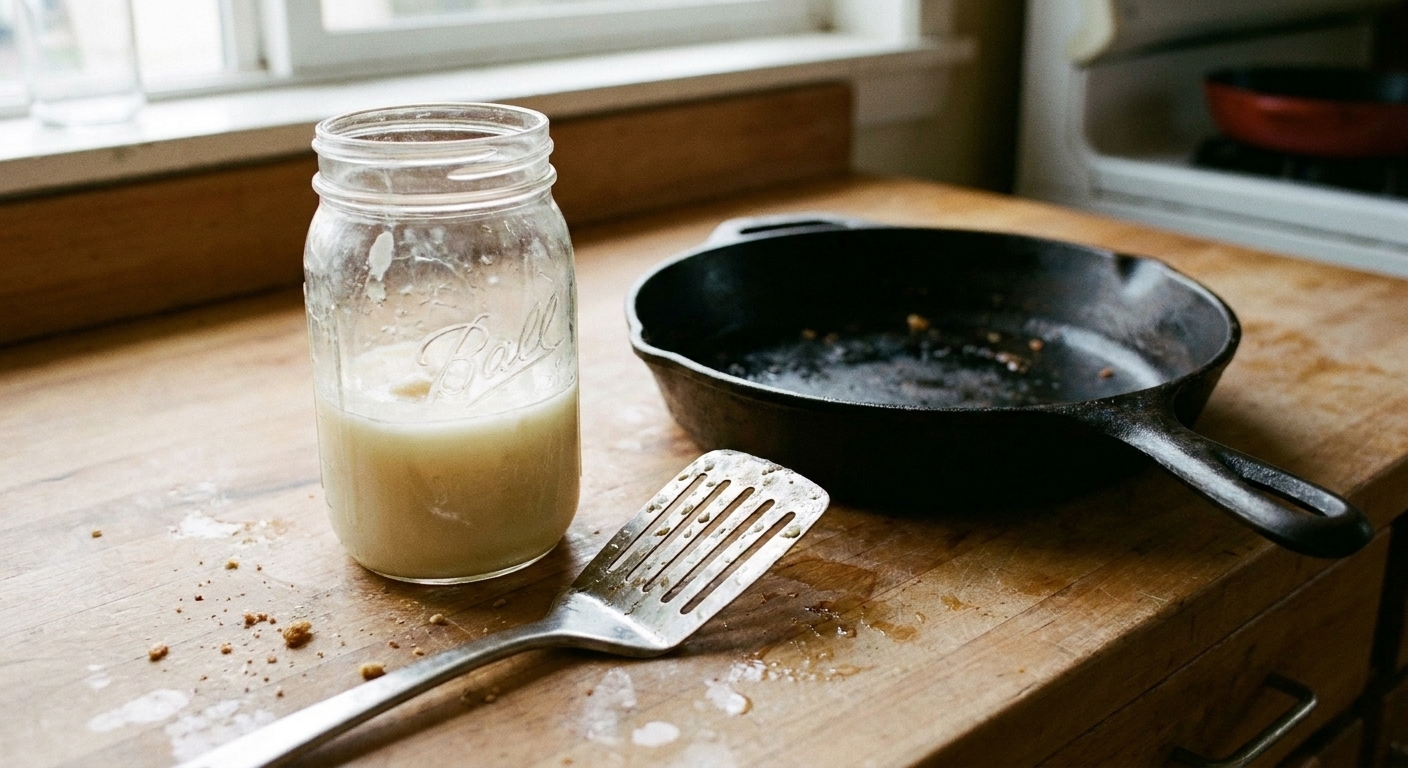
Be careful with these gray areas
Bleach
Bleach is not automatically forbidden. Occasional, normal household use is typically fine for many septic systems. The problems show up when you:
- Use bleach constantly in high volumes
- Dump mop buckets or concentrated bleach solution down the drain
- Run multiple bleach-heavy loads of laundry back-to-back
If you want a simple rule: use bleach sparingly, and never dump a concentrated container into the system.
Antibiotics and medications
Small amounts from normal personal use happen, but do not flush unused meds. Many communities have drug take-back programs, which is the safest route.
Water softener regeneration discharge
Some homes send water softener backwash into the septic system. The extra water and salt can be hard on a septic setup depending on the system design and soil conditions. Guidance varies by local code and manufacturer, and some areas restrict this connection or require specific setups. If you are on septic and installing a softener or already have one, ask a local septic pro what is typical in your area and what your system can handle.
Hot tub or pool water
Do not drain a hot tub or pool into your septic system. Even if the water is dechlorinated, it is still a huge volume that can overload the tank and stir up solids. Drain it to a proper location following local rules.
Coffee grounds and kitchen grit
These are not chemical hazards, but they add to the solids load and can shorten the time between pump-outs.
- Coffee grounds
- Eggshells
- Large amounts of food scraps sent down a garbage disposal
What is fine in normal amounts
Most septic systems are built to handle normal household life. You do not need to tiptoe around your own bathroom.
Usually fine with typical use
- Toilet paper in normal amounts
- Human waste, obviously, that is the job
- Regular household cleaners used as directed, not dumped in bulk
- Dish soap and laundry detergent in normal quantities
- Shampoo and body wash
My “dose makes the poison” rule
If it is a cleaner and you are using it the way the label describes, your system can usually handle it. If you are using it like a chemistry experiment or trying to dispose of leftovers, stop and find a proper disposal option.
Habits that protect your septic tank
Keep chemicals out of the drain by default
In my own fixer-upper, I keep a simple rule in the workshop: if I would not want it on my skin, I do not want it in my septic tank. That one guideline eliminates most bad decisions.
Scrape, wipe, then wash
Before you wash plates or pans, scrape food into the trash and wipe greasy residue with a paper towel. You will send less grease and fewer solids into the tank.
Do not use the garbage disposal as a trash can
If you have a disposal, use it lightly and keep fibrous or bulky scraps out of it. Compost or trash food solids when you can. Less stuff in the tank usually means fewer problems.
Spread out water use
Large surges of water can stir up the tank and push floating scum and suspended solids toward the outlet. If possible, spread laundry loads throughout the week instead of doing eight loads on Saturday. It helps your tank settle properly and protects the drainfield.
Know your tank access points
If you do not know where your tank lids are, find them before you have a problem. Future-you will be grateful.

Pumping and maintenance basics
A healthy septic tank still fills with sludge over time. Pumping is not a failure, it is normal maintenance.
- Pump on a schedule based on tank size, household size, and water habits.
- If you just bought the house and have no records, ask a local septic company to help you set a baseline.
- Installing an effluent filter (if your system supports it) and cleaning it on schedule can add protection, but it does not replace pumping.
If something questionable already went down the drain
First, do not panic. One-time mistakes happen. What you do next depends on what it was and how much.
- Stop using that drain for the day if you dumped a lot of chemical product.
- Do not try to “flush it out” with a bunch of extra water. That can push contaminants toward the drainfield.
- Call a septic company if you poured a significant amount of solvent, paint, fuel, pesticide, or anything truly hazardous. They can advise whether pumping is warranted.
- Watch for warning signs over the next days and weeks: slow drains throughout the house, gurgling, sewage smell, wet spots in the yard above the drainfield.
Safety note: Never open a septic tank yourself unless you know exactly what you are doing. Septic gases can be dangerous, and falling into a tank can be fatal. If a lid needs to be removed, hire a pro.
Quick list: septic no items
- Paint, stain, and paint cleanup water
- Solvents (paint thinner, mineral spirits, acetone)
- Fuel and automotive fluids
- Pesticides and herbicides
- Concentrated disinfectants and antibacterial cleaners
- Wipes labeled flushable, plus paper towels and shop towels
- Tampons, pads, condoms, dental floss, cotton swabs
- Cat litter, diapers, cigarette butts
- Large amounts of cooking grease and oil
- Hot tub or pool water
FAQ
Can I use bleach with a septic tank?
Usually yes in normal household amounts, used occasionally and as directed. Avoid dumping concentrated bleach or bleach water by the bucket, and avoid multiple bleach-heavy uses back-to-back.
Are antibacterial soaps bad for septic systems?
Typical handwashing is rarely the make or break issue, since the tank is continuously replenished with bacteria. The bigger concern is heavy, repeated use of antibacterial or disinfecting products, and especially dumping concentrated solutions into drains. If you are on septic, it is reasonable to choose regular soap when you can.
Is it okay to use a garbage disposal with a septic tank?
It can be, but it adds solids load, which often means more frequent pumping. If you have one, use it lightly and keep fibrous, bulky, or greasy scraps out of it.
Do septic additives help if I accidentally used harsh chemicals?
Most systems do not need additives. If you think you hit your system with a big chemical dump, call a septic pro before you pour anything else into the system. The best fix might be pumping and returning to normal use habits, not adding more products.