
How to Dispose of Cooking Grease
Don’t pour grease down the sink. Learn how to cool, contain, and trash bacon grease and fryer oil, plus the best way to wipe small amounts from pans without clogging drains.
The fastest way to turn a perfectly good kitchen drain into a science experiment is pouring cooking grease down the sink. I grew up in a house where my grandpa fixed everything, and he had one hard rule: grease goes in the trash, not the pipes. After a decade in residential construction, I can tell you he was right. Grease cools, clings, and builds up like cholesterol for your plumbing.
The good news is disposing of cooking grease is easy once you’ve got a repeatable routine: cool it, container it, trash it. Here’s exactly how to do that for bacon grease, hamburger fat, and fryer oil, plus what to do with those “just a little bit” greasy pans.
The big rule: never send grease down the sink
Even if you chase it with hot water. Even if you add dish soap. Even if it looks liquid when it leaves the pan.
Here’s what happens in the real world: grease hits cooler pipes, turns waxy, and sticks. Over time it grabs food bits and turns into a clog that smells like regret.
Safety reminder: Hot grease can cause serious burns. Let it cool first, and move slowly. If you need to transport a container of warm oil, use oven mitts and keep kids and pets out of the kitchen traffic area.
If you’re on a septic system, this rule still applies. Grease can harden in the line, collect in the tank, and contribute to backups. Septic repairs are not the kind of surprise you want.
What to do with bacon grease and meat drippings
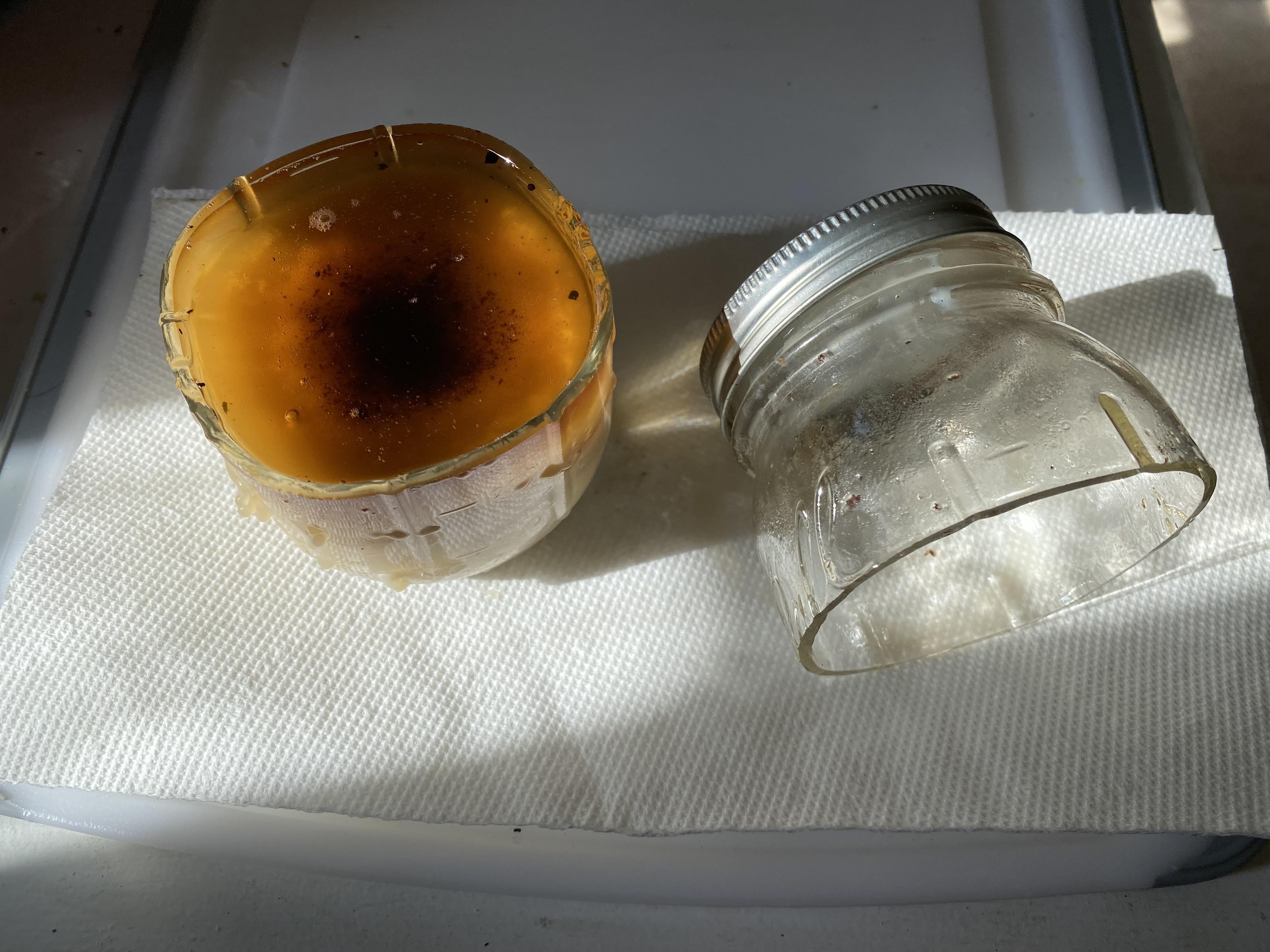
Bacon grease, sausage drippings, and the fat you pour off browned ground beef are usually small enough amounts that you can solidify them and throw them away cleanly.
Method 1: Cool it in a heat-safe container (my go-to)
- Turn off the heat and let the pan sit 5 to 10 minutes.
- Carefully pour the grease into a heat-safe container. A ceramic mug, an empty metal can, or a glass jar works well.
- Let it cool completely until it’s solid or semi-solid.
- Seal it with a lid or a piece of foil.
- Toss it in the trash. If your trash lives indoors for a few days, double-bag it to reduce odors.
If you like reusing bacon fat for cooking, you can keep a small jar in the fridge. Keep it covered and as clean as you can (strain out dark bits if needed). Discard it if it smells “off,” looks moldy, or you’ve left a bunch of meat crumbs in it.
Method 2: Soak up small amounts right in the pan
If you only have a thin layer of grease left:
- Let the pan cool a few minutes.
- Use paper towels to wipe the grease into the trash.
- Then wash the pan normally with hot water and dish soap.
How to dispose of fryer oil (or any larger amount of cooking oil)
Deep fryer oil and big batches of pan-frying oil are where people get tempted to use the sink. Don’t. The quantity is exactly what makes it a plumbing nightmare.
Step-by-step: cool, strain (optional), and bottle
- Cool the oil completely. This can take a few hours. Warm oil can warp thin plastic and can soften or weaken trash bags.
- Decide: reuse or toss. If you want to reuse it, strain it through a fine mesh strainer lined with coffee filters or cheesecloth into a clean container.
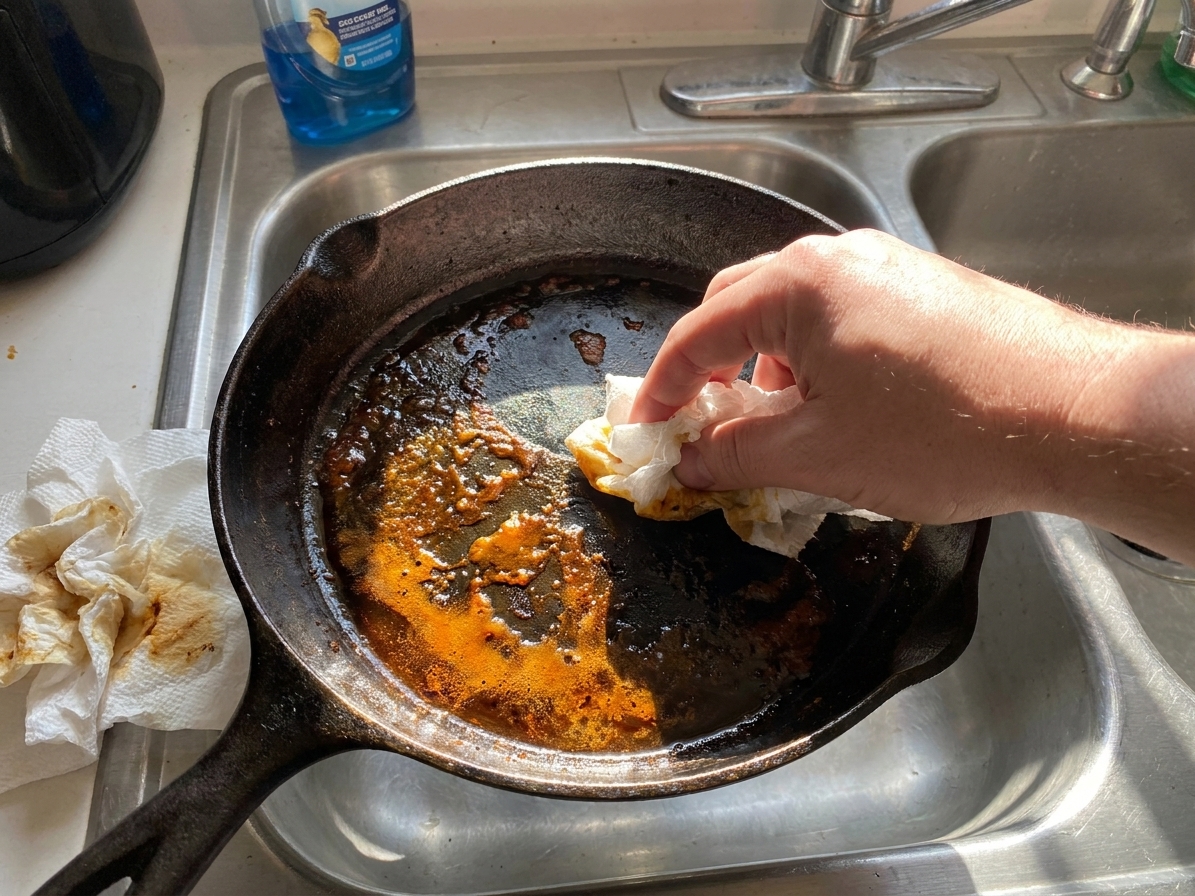
- For disposal, pour into a sealed container. Use the original oil bottle, a plastic jug, or a sturdy jar. A funnel helps prevent a slippery mess.
- Seal it tight and wipe the outside of the container.
- Trash it. Set the sealed container upright in the bin.
If you fry often, keep an empty, lidded container under the sink that you think of as your “oil bottle.” Once it’s full, cap it and toss it on trash day.
One more option: some cities and counties have used cooking oil drop-offs (often through recycling centers or household hazardous waste programs). If you generate a lot of oil, it’s worth a quick check with your local waste authority.
The quick method for just a little grease
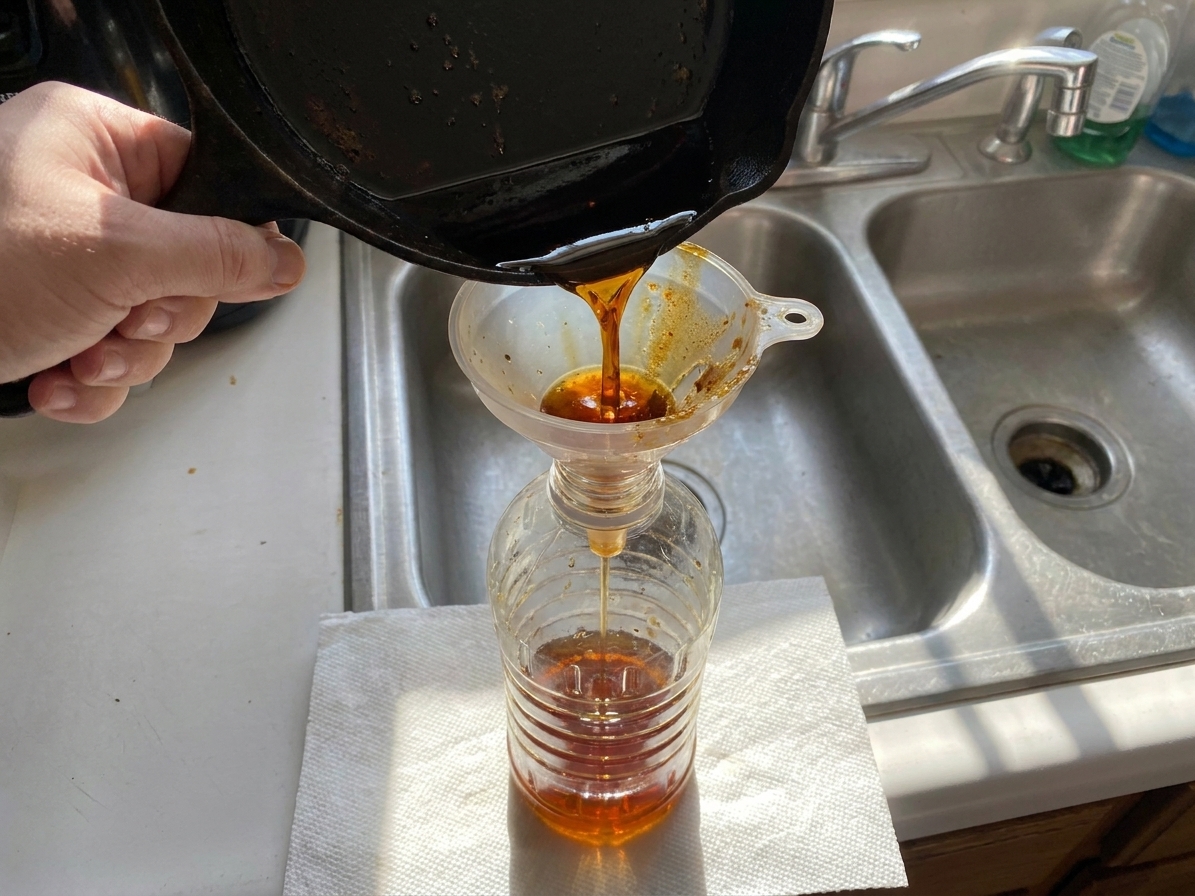
This is the everyday moment that makes or breaks your pipes. If you’ve got just a tablespoon or two left after cooking, wiping it out is usually the cleanest move.
Wipe it, trash it, then wash
- Let the pan cool until it’s safe to handle.
- Use a paper towel to wipe the grease into the trash.
- If there are food bits, wipe those out too.
- Wash with hot water and dish soap.
Tip from a guy who hates buying paper towels: For non-greasy cleanup I’ll use a washable rag. For grease, I stick to paper towels so I’m not washing fat down my laundry drain or making my shop rags rancid.
What containers work best (and which ones don’t)
Good options
- Empty jar with lid (pickle jar, pasta sauce jar). Great for bacon grease once cooled.
- Original oil bottle for used fryer oil.
- Metal can (coffee can, large soup can) with foil crimped over the top.
- Heat-safe mug for collecting small batches, then scrape into the trash once solid.
Skip these
- Thin plastic cups that can soften if the grease is still warm.
- Open bowls that can get knocked over, especially with pets. My golden retriever Wrench has never met a smell he didn’t want to investigate.
- Pouring into the trash bag directly, which is how you end up with a leaking bag and a greasy trail.
Common questions I hear from homeowners
Can I pour grease down the sink if I run hot water?
No. Hot water just keeps it liquid long enough to move farther into your plumbing, where it cools and sticks anyway.
Can I use dish soap to break up the grease?
Dish soap helps wash a greasy pan, but it won’t prevent buildup reliably if you send actual grease down the drain. Wipe or container first, then wash.
What about pouring grease into the toilet?
Also no. Different drain, same problem. Plus, you are risking a much bigger mess.
Is it OK to throw oil in the trash?
Yes, as long as it’s cool and sealed in a container. Don’t dump loose oil into the bag.
What if I already poured grease down the sink?
Stop adding more grease and switch to proper disposal starting now. If you notice slow draining, gurgling, or recurring clogs, that’s your sign to deal with the drain issue. Skip the “I’ll fix it with hot water and soap” approach. If it keeps acting up, a plumber or a proper cleanout is usually the safest next step.
My simple habit that keeps grease out of the pipes
Here’s the routine I teach in weekend workshops because it actually sticks: keep a “grease jar” in the fridge and an “oil bottle” under the sink.
- Grease jar for small, mostly solid fats like bacon grease.
- Oil bottle for larger liquid oil volumes from frying.
When you build the habit, you stop having that awkward moment of staring at a hot pan and thinking, “Where am I supposed to put this?” And your drains stay boring, which is exactly what you want from plumbing.