
Why Toilet Bowl Water Disappears Between Flushes
Toilet bowl water dropping hours after a normal refill usually points to siphoning, a bowl crack, or a base leak. Here’s how to tell which and when to stop using it.
Good grain. Great questions.
If your toilet bowl looks normal right after a flush, then hours later the water line has dropped or the bowl is nearly empty, you are not imagining things. In most homes, a toilet bowl does not “evaporate” that fast. In very hot, very dry conditions (or with strong HVAC airflow) you can lose a little water over time, but evaporation alone rarely explains a bowl that trends low or near-empty between normal uses.
There are three usual suspects:
- Siphoning caused by a venting issue, negative pressure, or a drain event that pulls air and water through the toilet trap
- A hairline crack in the bowl or trapway that lets bowl water leak away without an obvious puddle
- A wax seal or base leak that lets water escape under the toilet (and can create odor and damage)
Let’s sort them in a way that saves time and keeps your bathroom safe.
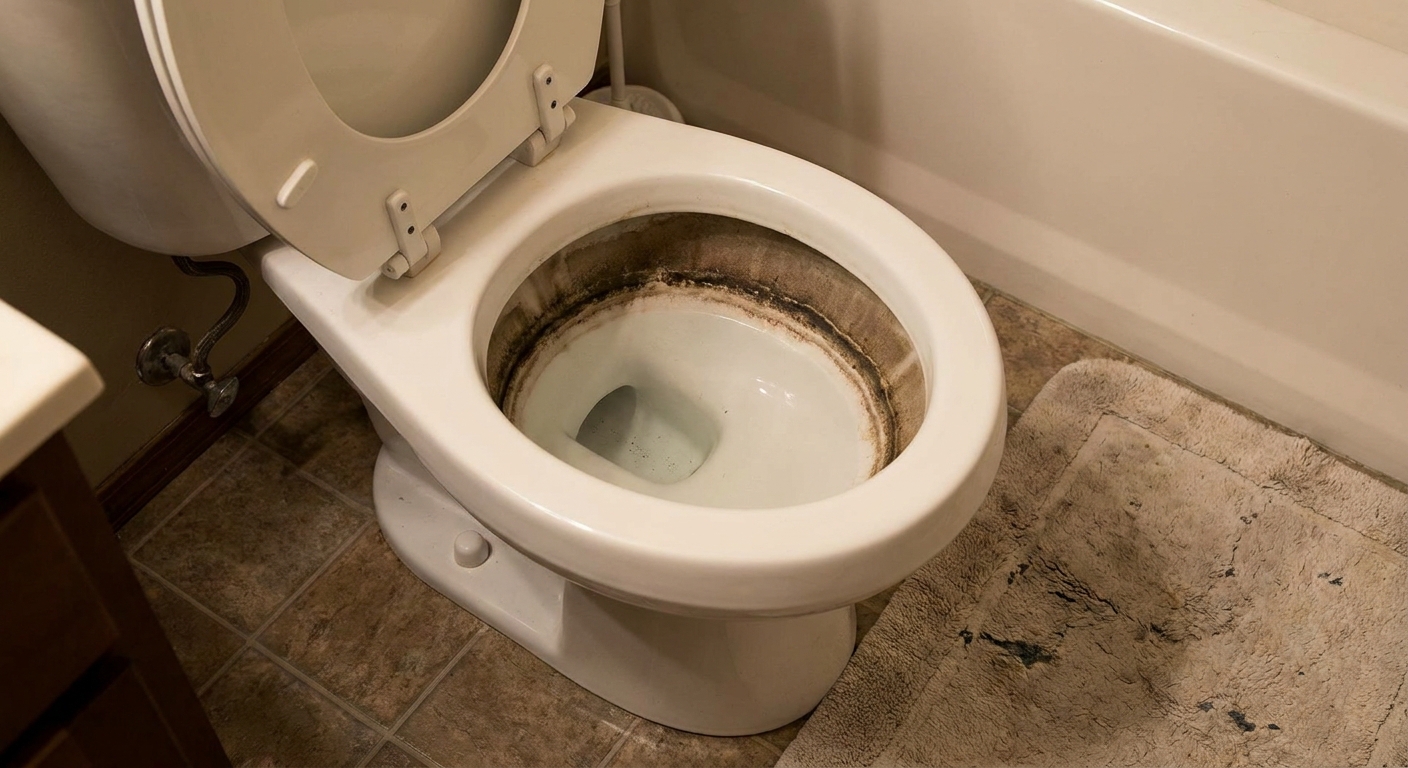
First: a quick safety check
When bowl water disappears, the toilet trap is not doing its job. That trap water is what blocks sewer gas from entering the room.
Stop using the toilet and ventilate the bathroom if you notice sewer odor, anyone feels dizzy or nauseated in the room, or the bowl empties nearly completely more than once.
If you smell sewer gas strongly or suspect a sewage backup, step away and call a plumber. Sewer gas is not something to “tough it out.”
If there is no odor and the water just drops a bit, you can do a few simple checks below.
What “normal” bowl level looks like
The tank refilling normally does not guarantee the bowl is stable. The bowl is supposed to settle at a consistent level set by the toilet’s internal trapway design. If it is steadily lower over time, water is leaving the trap.
Two clues matter most:
- How fast the bowl level drops (minutes versus hours)
- What else is happening in the home when it drops (shower running, washer draining, another toilet flushing)
Fast diagnosis: 10-minute setup
You can set this up in about 10 minutes. The useful information comes from what you see over the next few hours.
1) Mark the water line
Right after a flush and refill, use a pencil or a small piece of painter’s tape on the outside of the bowl to mark where the water line sits.
2) Dry the area around the base
Wipe the floor around the toilet dry, especially behind it where small leaks hide. Place a few squares of dry toilet paper around the base.
3) Wait, then recheck
Come back in 1 hour and again in 4 to 8 hours.
- If the floor paper is damp, suspect a base leak or wax seal issue.
- If the floor is dry but the bowl line dropped, suspect siphoning or a crack.
- If the bowl drops only after other fixtures drain, siphoning jumps to the top of the list.
Cause #1: Siphoning
Siphoning means the toilet’s trap water is being pulled out by air movement in the drain system. Your toilet might not be clogged at all, yet the trap slowly loses water because the system is fighting for air.
Common signs
- The bowl level drops after someone showers, after the washing machine drains, or after another toilet flushes
- You hear glugging from the toilet or nearby drains
- Odor shows up when the bowl is low
- The bowl level sometimes returns after a flush but drops again later
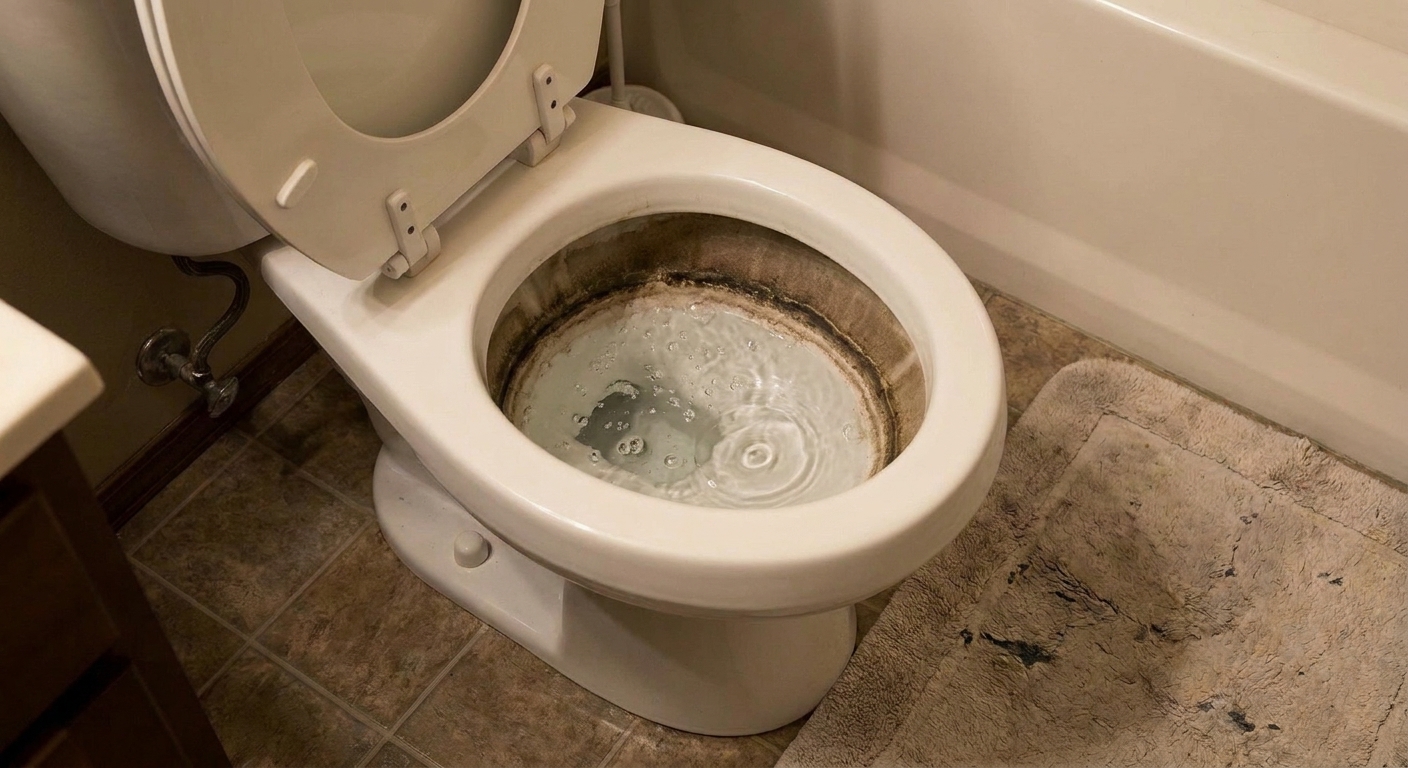
Simple tests
Test A: The nearby-drain test
Flush the toilet, let it settle, then run hot water in the sink for 60 seconds and turn it off. Next, run the tub or shower for 60 seconds and turn it off. Watch the bowl for movement or listen for glugging.
Test B: The big discharge test
If you can do it safely, start a washing machine drain cycle or drain a full tub (even a sink full of water can help). If the bowl level drops soon after, you are likely seeing siphoning.
What causes it
- Blocked or undersized vent on the roof (leaves, nests, snow, debris)
- Improper venting from a remodel (fixtures tied in wrong, missing vent, or vent run too long)
- Partial drain restriction farther down the line that changes airflow patterns, even if the toilet seems to “flush fine”
- Wind effects over a roof vent that can amplify negative pressure when venting is already marginal
Also possible: self-siphoning
Some toilets run the bowl low because of how the flush and after-siphon behave, especially if rim jets or siphon jets are partially blocked by mineral buildup or debris. This can look like a “mysterious low bowl” even when the home venting is OK.
What to do
- If it is clearly tied to other drains and you hear glugging, plan on a plumber. Vent work often means roof access and code details.
- In the meantime, you can refill the bowl with a bucket of water to restore the trap seal if odor is present. This is a temporary bandage, not the fix.
Cause #2: Hairline crack
Cracks can be sneaky. A hairline crack in the bowl or trapway can let bowl water seep out slowly. Because the leak is clean water from the bowl (not a pressurized supply), it may not leave a dramatic puddle.
Common signs
- The bowl level drops even when nobody uses other plumbing
- No glugging, no clear connection to the shower, sink, or washer
- You spot a thin crack line inside the bowl, around the outlet opening, or low on the bowl near the floor
- You sometimes see a mystery damp spot on the floor near the toilet, or dampness showing up on the ceiling below the bathroom, but not consistently right at the base
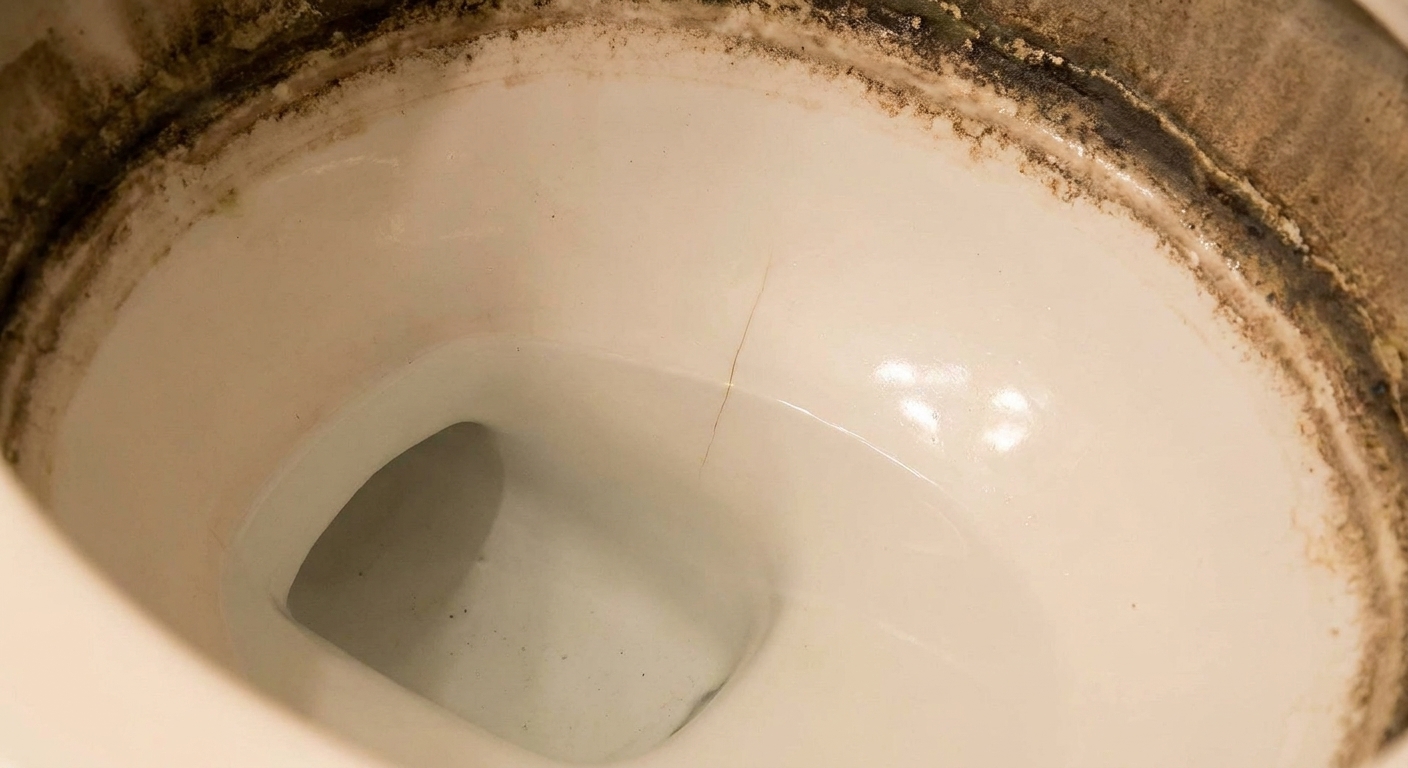
Easy crack check: dye in the bowl
Put a few drops of food coloring in the bowl water (not the tank). Do not flush. Check back in 30 to 60 minutes and again in a few hours:
- If dyed water shows up on the floor or you see new dampness nearby, suspect a crack.
- If the bowl level drops but you never find dye anywhere, it can still be siphoning. Dye does not always reveal where the water went.
Stop using that toilet if you see a crack in the bowl, the bowl empties to near-dry repeatedly, or you find dampness that keeps returning. Porcelain can fail suddenly, and you do not want to be there when it does.
What to do
Cracked porcelain is not a reliable repair zone. Replace the toilet. (Some specialty epoxies exist, but they are typically short-term and not what you want under daily use.)
Cause #3: Wax seal or base leak
A wax ring seals the toilet outlet to the closet flange. If that seal fails, water can escape under the toilet. Many people expect a constant puddle, but some failures only show up intermittently, especially when the toilet is flushed and waste water rushes past the seal.
Common signs
- Water on the floor around the base after a flush (or damp toilet paper you placed as a telltale)
- A slight sewage smell near the base even when the bowl looks “normal”
- Caulk around the base is stained, soft, or separating
- The toilet rocks, even a little (rocking breaks wax seals over time)
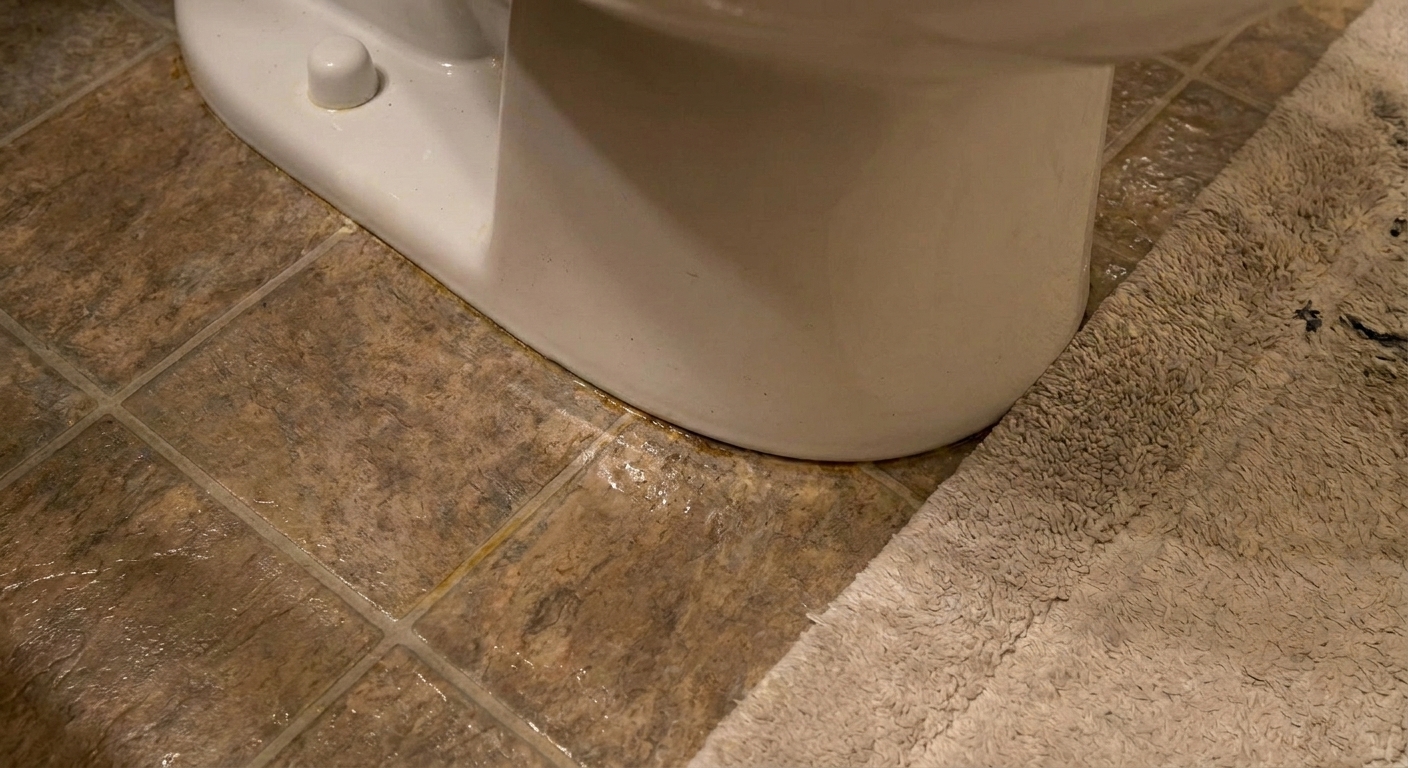
How to confirm
- Paper test: Place dry toilet paper around the base, flush once, then check for wet spots.
- Rock test: With clean hands, gently try to wiggle the bowl. Any movement is a red flag. Do not keep rocking it. You are not trying to “seat it,” you are checking stability.
Does a bad wax ring lower bowl water?
Most of the time, a failed wax seal causes leakage and odor at the base, not a slowly lowering standing bowl level. If the bowl water is dropping and the floor stays dry, look harder at siphoning or a crack. That said, a loose or poorly set toilet can come with multiple problems at once, and a venting or drain issue can exist alongside a wax seal failure.
What to do
- If you have base moisture or rocking, plan to stop using the toilet until it is addressed. Leaks can rot subflooring fast.
- Repair usually means pulling the toilet and installing a new seal (wax ring or waxless seal), and correcting any flange height issues so the toilet sits solid.
- If the toilet rocks, it may also need shimming and new closet bolts.
What about a phantom flush?
A leaking flapper usually causes tank water to sneak into the bowl, which can make the fill valve run occasionally. That problem does not typically make the bowl level drop hours later. Still, it is worth checking because it wastes water and can confuse the bigger picture.
- If you hear periodic refilling, put a few drops of food coloring in the tank and wait 15 to 20 minutes without flushing. If color shows up in the bowl, your flapper or flush valve seal is leaking.
- That is a separate fix from a bowl-that-won’t-hold-water issue, but you can have both at once.
One more odor gotcha
If you are chasing smell more than water loss, remember: a dry trap in another drain can stink up the room and make you blame the toilet. Floor drains, shower drains in rarely used bathrooms, and laundry standpipes can all dry out over time. If a drain is unused, pour a little water in it to restore the trap seal.
When to stop using it
I like a calm checklist in the shop, and the bathroom is no different. Stop using the toilet and switch to another bathroom if you notice any of the following:
- Sewer gas smell in the room, especially when the bowl is low
- The bowl empties nearly completely between flushes
- Water at the base or damp flooring around the toilet
- The toilet rocks or feels loose
- Any visible crack in the bowl or at the base of the toilet
Those conditions can lead to sewer gas exposure, hidden water damage, or a worsening porcelain failure.
Quick cheat sheet
| What you observe | Most likely cause | Best next step |
|---|---|---|
| Bowl drops after shower, washer drain, or nearby sink use; glugging sounds | Siphoning or venting issue | Confirm with timing tests; call plumber for vent or drain evaluation |
| Bowl drops even when plumbing is not used; no glugging | Hairline crack (or slow siphoning) | Inspect for cracks; use dye in bowl; replace toilet if cracked |
| Damp floor at base, stained caulk, toilet rocks | Wax seal or base leak | Stop using; reset toilet with new seal; correct rocking with shims |
| Tank refills randomly; bowl water level seems normal | Leaking flapper | Dye test in tank; replace flapper or flush valve seal |
| Bowl tends to run low right after flushing; weak flush; mineral buildup suspected | Partial blockage or jet buildup | Clean rim and siphon jets; consider a plumber if symptoms persist |
FAQ
Can toilet bowl water evaporate overnight?
A small drop is possible in hot, dry conditions or with strong airflow in the room, especially if the bathroom is rarely used. But evaporation alone usually does not pull the bowl down to a low or near-empty level overnight. If you see a real change, look for siphoning, a crack, or a leak.
Why is the tank full but the bowl is low?
The tank and bowl are separate systems after the refill ends. A full tank just means the fill valve shut off properly. A low bowl means the trap water is leaving the bowl between flushes.
Is it dangerous to use a toilet with a low bowl water level?
It can be. Low bowl water can let sewer gas into the room. If you smell odors, the bowl empties significantly, or you suspect a leak under the toilet, stop using it and address the cause.
What if the bowl only drops a little?
A small change can still be a clue. Mark the water line and watch whether it stabilizes. If it keeps trending down, treat it as a real problem to diagnose.
The tidy takeaway
When toilet bowl water disappears between flushes, it is almost always siphoning, a hairline crack, or a base seal leak. The fastest path is to watch what triggers the drop, check for moisture at the base, and listen for glugging. If odor, cracking, rocking, or wet flooring shows up, park that toilet until it is fixed. Your nose and your subfloor will thank you.