
Which Plumbing Vent Cap Blocks Leaves and Nests?
A clear, practical comparison of plumbing vent caps and screens that block leaves, birds, and small animals without choking your vent stack. Learn which styles clog or ice up and what to check for.
Good grain. Great questions.
If your plumbing vent pokes through the roof, it is basically an open invitation for leaves, pine needles, curious critters, and nest builders. The trick is picking a vent cap that keeps the junk out without restricting airflow. Because a vent that cannot breathe turns into slow drains, gurgling traps, and sewer gas smells.
Let’s sort the common vent cap styles by what they block, what they accidentally trap, and where they make sense.
What a vent cap must do
A plumbing vent is not a chimney. It is an air path that helps your drains flow and protects trap seals. Any cap you add should meet three goals:
- Block nesting and debris like leaves, needles, acorns, and small animals.
- Keep airflow high so the vent still equalizes pressure quickly.
- Stay clear in real weather, including wind-driven debris, frost, and light snow events.
In practice, the best caps use a hooded cover plus open area that stays functional even if a few bits of debris stick.
Cap styles compared
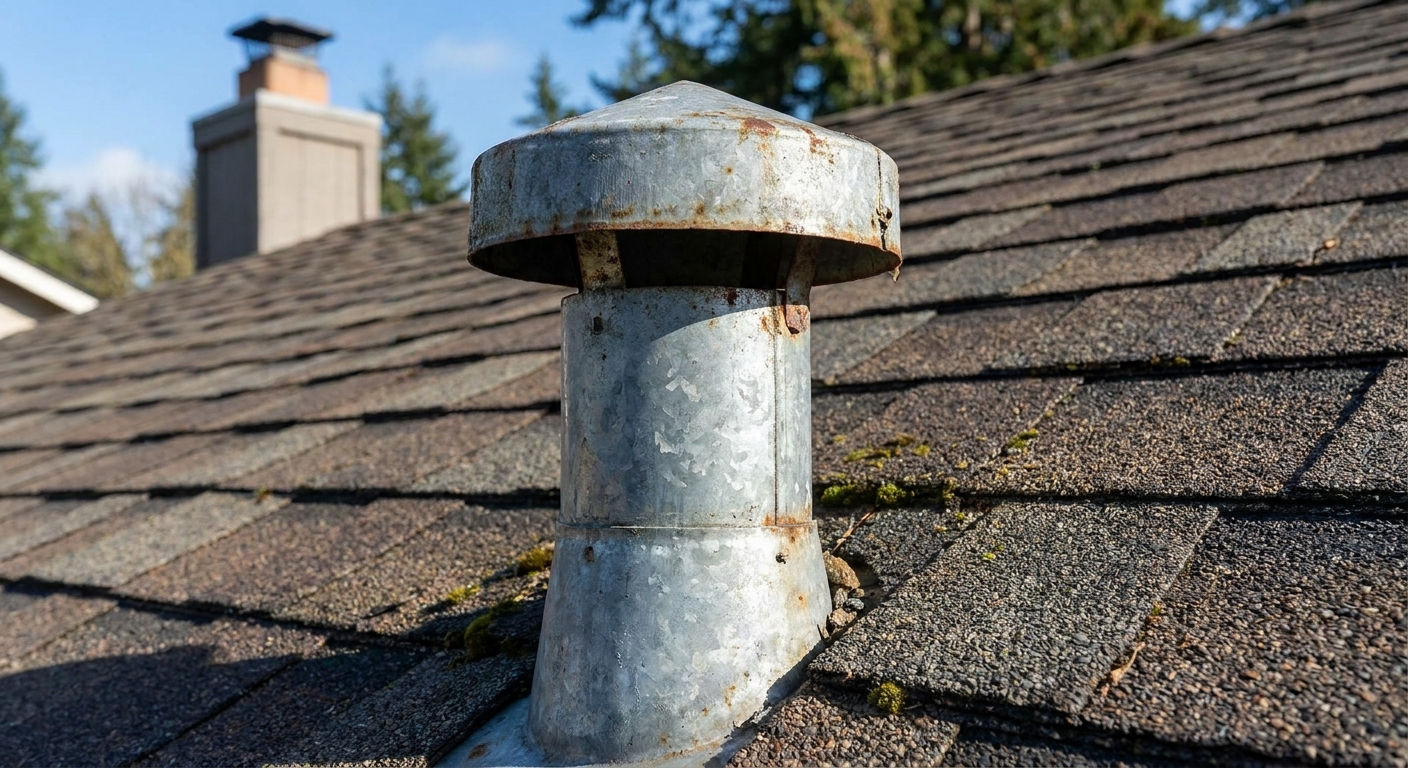
1) Hooded “mushroom” vent caps (best all-around)
These are the classic plumbing vent caps that look like a little hat over the pipe opening. Air exits around the sides under the hood.
- Blocks: leaves that drop straight in, most rain, and many nesting attempts because the top opening is not exposed.
- Airflow: typically very good, as long as the side openings are generous.
- Common failure: fine needles and lint-like debris can cling to tight side louvers on some models.
- Best for: most homes that mainly fight leaves and curious birds.
Key note: If you only read one line, read this. Choose a hooded cap with wide side openings, not one with tiny decorative slots.
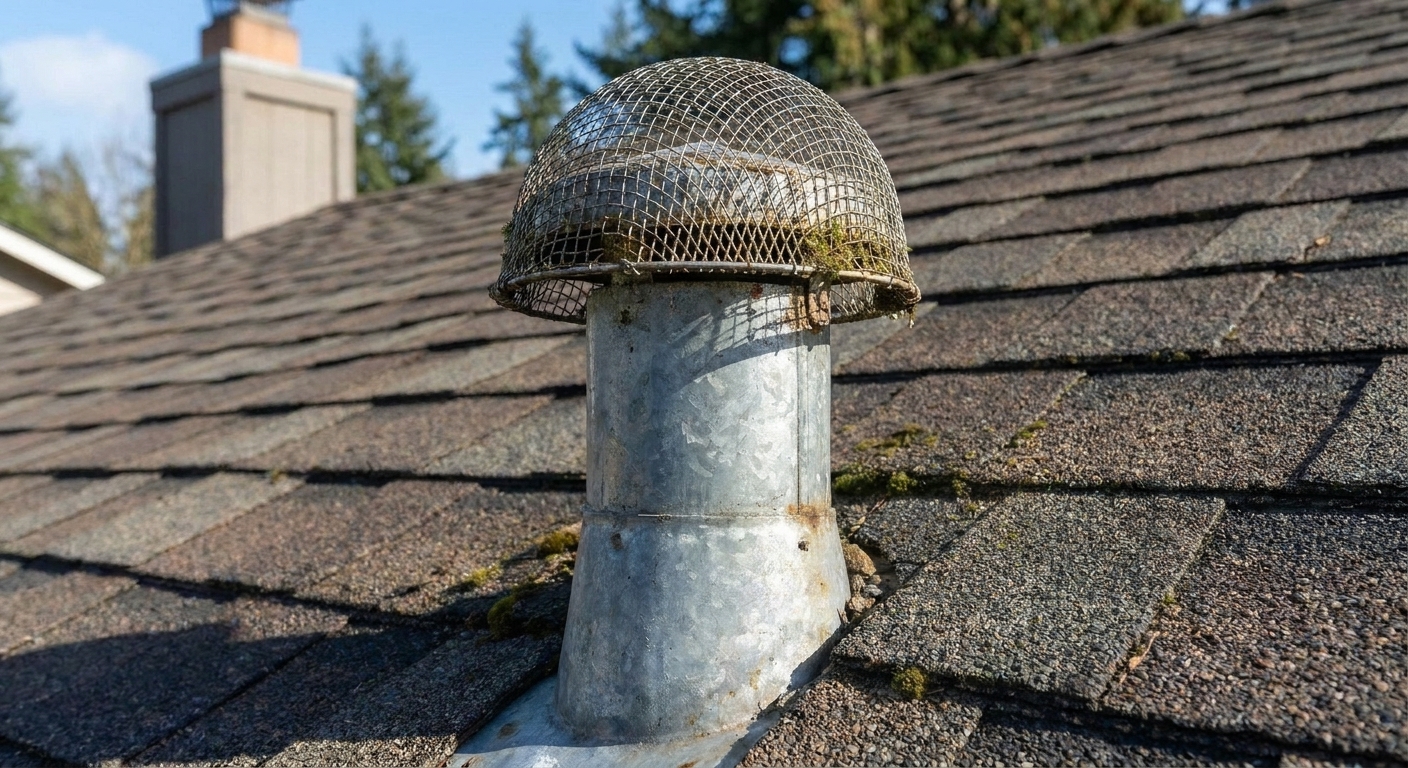
2) Domed wire-cage “animal guard” caps (great for critters, mixed for leaves)
These look like a small dome or cylinder cage above the vent, often stainless steel mesh or welded wire.
- Blocks: birds, squirrels, and larger nesting material very well.
- Airflow: good when the cage has large open area.
- Common failure: can act like a leaf basket in heavy leaf fall, collecting a mat on the outside. That mat can restrict airflow over time.
- Best for: homes with persistent bird activity or visible nesting attempts.
3) Flat vent screens inserted into the pipe (usually the cloggier choice)
These are simple mesh discs or screens that sit inside the vent opening or are clamped at the top rim.
- Blocks: small animals and some debris, at least at first.
- Airflow: often reduced, because the vent’s exit area is now limited by mesh.
- Common failure: this is the style most likely to clog with lint-like fuzz, pollen, roofing grit, and needles. In cold climates, fine mesh can also ice over faster than open designs.
- Best for: generally not my first pick unless you have a specific reason and can keep an eye on it.
4) “Gooseneck” style caps (good shedding, watch the opening size)
These create a curved exit path like a small plumbing exhaust hood.
- Blocks: straight-drop debris and wind-driven rain fairly well.
- Airflow: can be good, but only if the outlet is sized appropriately for your vent stack.
- Common failure: small outlet openings can restrict airflow, and some designs can collect debris at the bend.
- Best for: very windy sites where you want a protected exit.
5) Turbine or “spinning” vent tops (rarely necessary for plumbing vents)
These are more common for attic ventilation than plumbing stacks. Some specialty versions exist.
- Blocks: can block rain and some debris.
- Airflow: variable and wind-dependent.
- Common failure: moving parts, wear, noise, and they can still trap debris.
- Best for: typically not needed for a standard plumbing vent.
Quick pick guide
If you want the fastest path to a good decision, match the cap to your most likely intruder.
- Mostly leaves and occasional needles: pick a hooded mushroom cap with wide side openings.
- Birds trying to nest in the pipe: pick a hooded cap with an integrated cage, or a domed animal guard with large open area.
- Lots of pine needles and seed fluff: avoid very fine mesh. Favor a hooded cap with fewer, larger exit gaps that will not felt over as easily.
- Cold winters with freeze risk: be cautious with any cap or screen that creates a cold restriction at the termination. Avoid flat fine screens at the pipe mouth, and favor open designs with a hood and plenty of exit area, but check local rules first.
Details that matter
Match the cap size to the vent pipe
Many homes have a 2 inch, 3 inch, or 4 inch vent stack at the roof, but other sizes exist. Buy a cap that matches your pipe diameter so it seats properly and does not wobble in wind.
Look for big open area at the exit
A cap can be technically screened and still breathe well if the total open area is generous. A cap can also be technically hooded and still be restrictive if the exit slots are narrow. More open area means:
- less chance of matting with needles and fuzz
- less chance of icing across the exit
- less performance loss from a little debris
Prefer corrosion-resistant materials
Plastic caps are common and can do fine. For wire guards, corrosion-resistant metal matters. If a cage rusts and breaks, it can leave sharp edges and gaps.
Make sure it is meant for plumbing vents
Some roof vent products are for attic exhaust or other roof penetrations. Plumbing vents need free airflow and the right fit on a vertical pipe.
Fit and fastening basics
The cap needs to stay put and stay centered. Some models push on (friction fit), others use a clamp or set screws. Whichever style you choose, make sure it seats fully and does not rock. A loose cap can rattle in wind or blow off, and a crooked cap can create a tight spot where debris builds up.
What clogs or ices up first
You asked the right question, because “blocking nests” is only half the story. These are the most common troublemakers:
- Fine mesh screens right at the pipe opening: easiest to felt over with fuzz and pollen, and easiest to glaze with frost.
- Caps with tiny louvers: they look tidy, but those narrow slots can trap needles and roofing grit.
- Domed cages with small mesh in heavy leaf zones: they can become a leaf catcher, especially in fall storms.
None of this means these products never work. It just means you should be honest about your roof’s “debris personality.” A maple-heavy yard is not the same as a pine-heavy yard.
Roof and code checks
Vent terminations are one of those areas where local rules can apply. A few smart checks before you commit:
- Clearance around the vent: the cap should not create a spot where water can pond against the roof boot, flashing, or the top of the pipe.
- Snow country considerations: if your roof regularly holds snow, the vent needs to stay effective above expected snow levels. A cap that sits low can end up buried.
- Do not reduce the vent’s effective size: if you have a 3 inch or 4 inch vent, avoid caps that choke it down through a small screened throat.
Important cold-climate reality: In sustained hard-freeze climates, some jurisdictions and inspectors discourage or prohibit certain vent caps and screens. The concern is that warm, moist sewer air can hit a cold restriction and build hoarfrost, eventually shrinking the opening or sealing it shut. Before you install any cap on a roof vent in true winter weather, check your local plumbing code and local practice, or ask a local plumber who deals with your conditions every year.
Safety reminder: Working on a roof is a fall hazard. If accessing the vent means sketchy footing, steep pitch, or brittle roofing, a licensed roofer or plumber is the right tool for the job.
Maintenance tips
Even a great cap can slowly turn into a restriction if your roof drops enough debris.
- Do a quick seasonal look: especially after fall leaf drop and after windstorms. You are looking for a mat of leaves on a cage, or needles packed into side slots.
- Watch for vent symptoms: slow drains in more than one fixture, gurgling after a big discharge, or sewer odor that comes and goes can all point to a partially blocked vent.
If symptoms show up right after you add a cap, treat that as a clue. The cap may be too restrictive for your situation, or it may be catching debris faster than you expected.
FAQ
Can I just put window screen over the vent?
I would not. Household screening is usually too fine, clogs easily, and is not designed for UV exposure or roof weather. It can also come loose and create a bigger mess.
Will a vent cap cause slow drains?
A well-designed cap should not. A too-fine screen or a restrictive cap can, especially after it collects debris. That is why “big open area” matters as much as “keeps birds out.”
What about insects?
Most vent caps are aimed at larger debris and nesting. Very fine insect screening is where you start trading airflow for blockage risk. If insects are the main problem, look for a purpose-made vent cap with generous screened area, not a tiny mesh insert.
Do I need a cap on every vent pipe?
Not always, but any open stack that is exposed to leaves or animal activity is a candidate. If you have multiple roof vents, prioritize the ones under trees or near known bird perches.
Simple best pick
If you want one default choice that works for most homes: pick a hooded mushroom-style plumbing vent cap sized to your pipe, with wide side openings and no fine mesh at the throat. Add a cage-style guard when birds are the repeat offenders.
If you live where sustained hard freezes are normal, start with code and local practice. In some places, the best vent cap is no vent cap.
That keeps leaves and nests out, and lets your stack keep doing its quiet, important job: breathing.