A step-by-step, homeowner-friendly guide to flushing sediment from gas and electric tank water heaters for better efficiency and longer life.
The Homeroom Fix
September 24, 2026
•
By Marcus Delgado
Water Heater Not Getting Hot? 7 Checks Before You Call a Plumber
No hot water or only lukewarm? Walk through 7 homeowner-friendly checks for gas and electric water heaters, plus safety tips, sediment clues, and clear signs it’s time to call a pro.

Marcus Delgado
Marcus Delgado is a former residential carpenter and lifelong DIY enthusiast who believes every homeowner has the power to transform their space. After a decade of swinging hammers for general contractors, he shifted gears to share practical, budget-friendly home improvement advice. When he's not renovating his own 1970s fixer-upper, you can find him hunting for salvaged wood or teaching weekend workshop classes.
When a water heater stops making properly hot water, it usually feels urgent. Showers turn into polar plunges, dishes stack up, and suddenly you are googling plumbers at lightning speed.
Take a breath. There are a handful of common issues you can safely check in often 10 to 20 minutes. Some are as simple as a tripped breaker or a bumped temperature dial. Others are your water heater waving a little white flag.
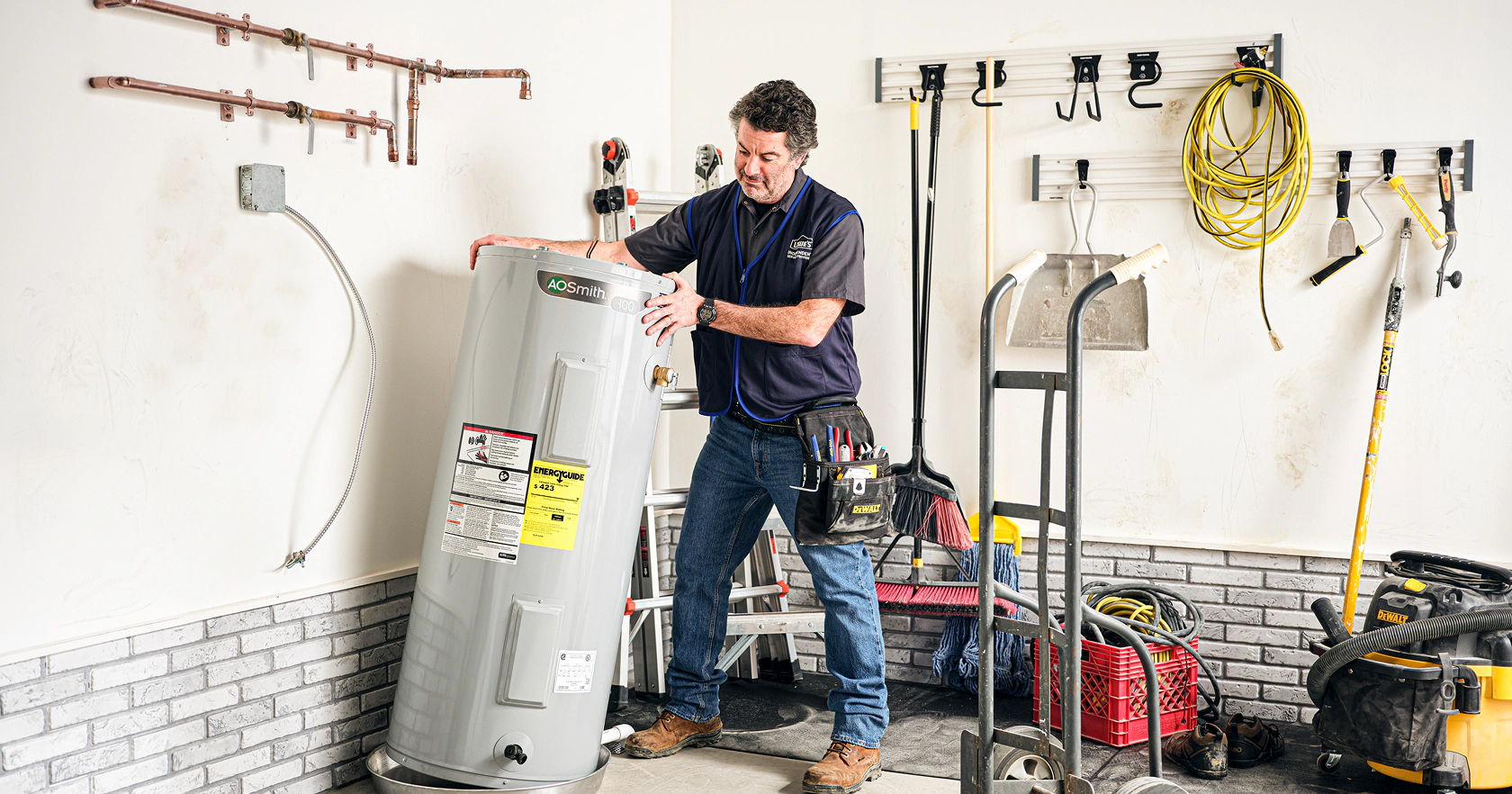
Safety first If you smell gas, see scorching, melting wires, or water leaking onto electrical parts, stop and call a pro right away. For gas odors, leave the area and contact your gas utility or emergency services.
Before you start: identify your type
Most homes have either a gas tank water heater (burner and vent pipe) or an electric tank water heater (no burner, usually two removable access panels on the side). Tankless units follow some similar logic, but the checks below are written mainly for tank-style heaters.
- Gas tank: has a flue vent connection on top and a gas line going into the control valve.
- Electric tank: the heater itself will not have a draft hood or flue connection, and it usually has two access panels for upper and lower elements.
Not sure you have a standard tank? Heat pump (hybrid) water heaters have a fan and air filter on top, indirect tanks are heated by a boiler (often with two plumbing lines to the boiler), and tankless units mount on a wall. If yours looks different, use the same safety rules, but your best next step may be the manual or a quick call to a pro.
Check 1: Make sure you are not running out of hot water
This sounds obvious, but it is the easiest one to rule out. If your shower starts hot and goes lukewarm fast, you might be outpacing the heater.
Quick tests
- Pause the demand: Wait 45 to 60 minutes with no hot water use, then try again.
- Check shower flow: A high-flow showerhead can drain a tank quicker than you think.
- Look for recent changes: Guests, extra laundry, a new soaking tub habit, or a broken dishwasher that is constantly calling for hot water.
If waiting restores hot water, the heater may be undersized for your current use, or it may be recovering slowly due to sediment or a failing element. Keep going.
Check 2: Verify the temperature setting
Temperature knobs get bumped during cleaning, storage shuffles, or curious-kid investigations.
What to do
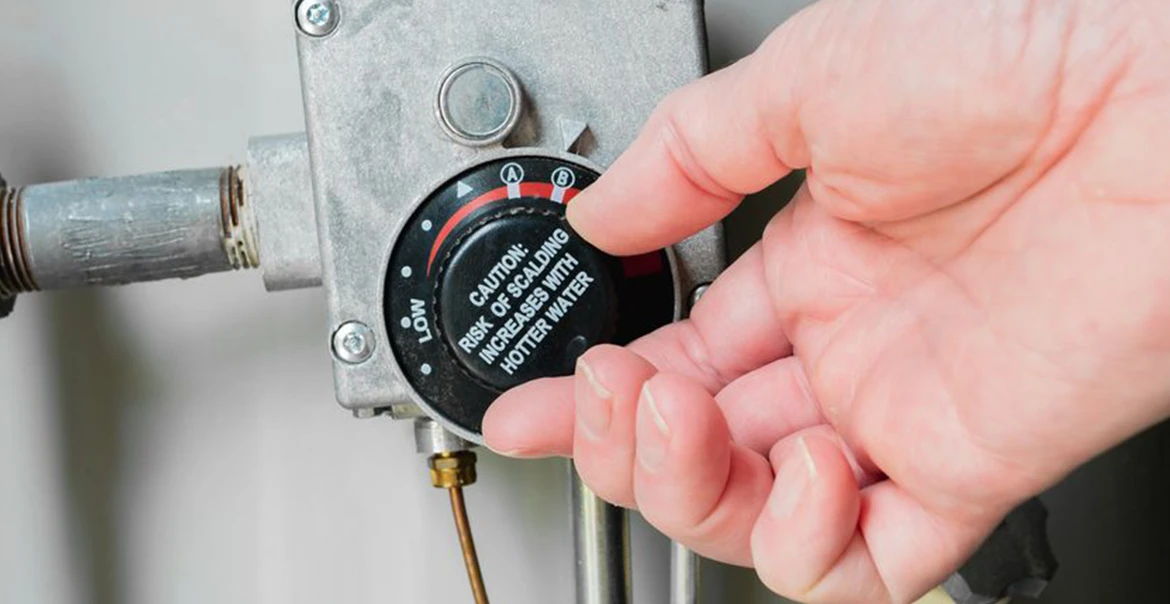
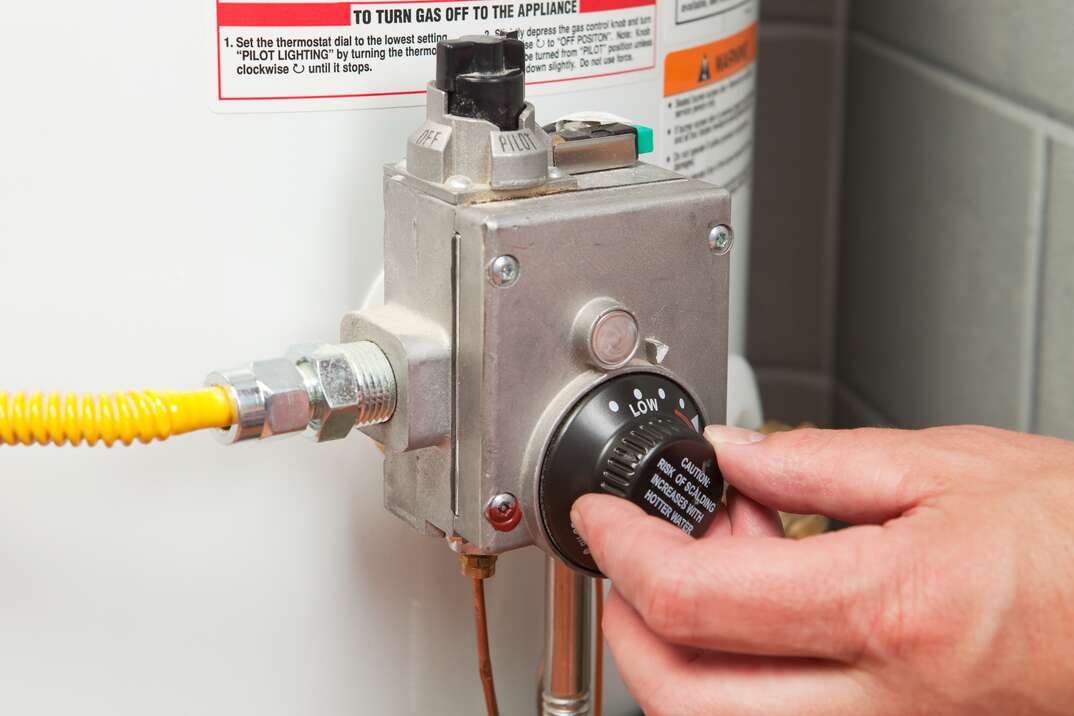
- Gas: Check the dial on the gas control valve. Many are labeled “Warm, Hot, A, B, C.” A typical target is around 120°F.
- Electric: Thermostats are behind the access panels. If you are not comfortable opening panels, skip this and jump to the “call a pro” section. If you do open them, turn off the breaker for the water heater first.
- Whole-house mixing valve (if you have one): Some setups blend hot and cold to prevent scalding. If it fails or is adjusted too cool, everything goes lukewarm. Look near the top of the heater or on the hot outlet line for a brass valve body with multiple ports.
Scald warning Water hotter than 120°F can cause burns quickly, especially for kids and older adults. If you raise the setting, do it in small steps and test at a faucet with a thermometer.
Check 3: If it is electric, check the breaker and reset
Electric water heaters commonly go lukewarm or cold when one heating element stops working or when power is interrupted.
Breaker check
- Find the double-pole breaker labeled “Water Heater.”
- If it is tripped, flip it fully OFF, then back ON.
- If it trips again, stop. Repeated tripping can mean a shorted element or wiring issue.
High-temperature reset (electric)
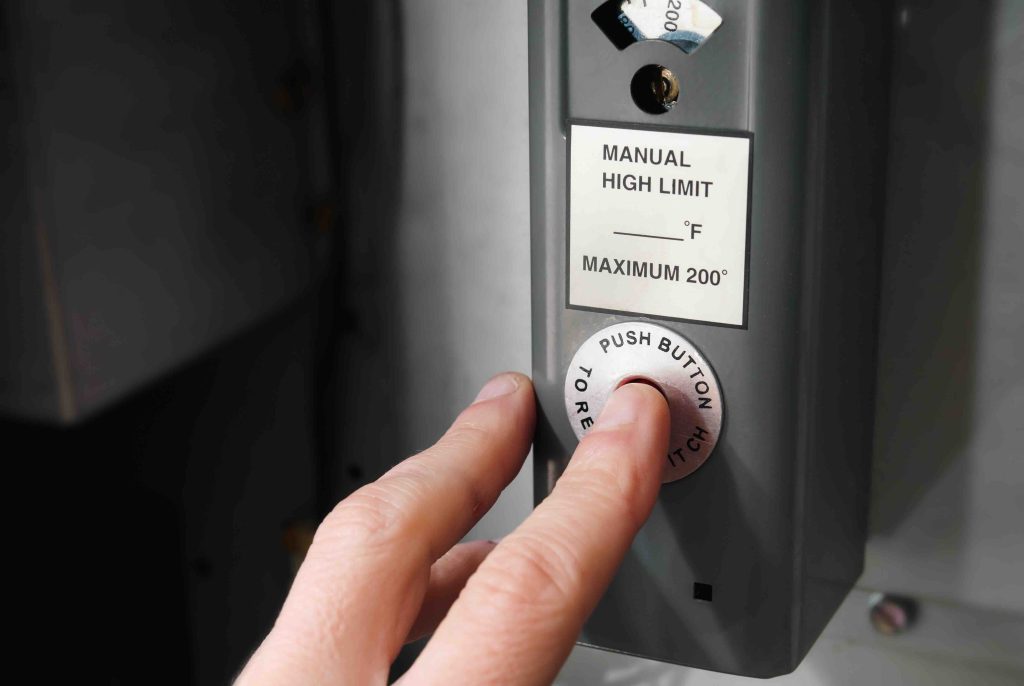
Many electric heaters have a red “reset” button on the upper thermostat.
- Turn the water heater breaker OFF.
- If you have a non-contact voltage tester, confirm power is actually off before you touch anything inside the panel.
- Remove the upper access panel.
- Peel back insulation carefully (do not rip it, it goes back). Make sure the insulation is put back in place when you are done, since misplaced insulation can cause trouble.
- Press the red reset button if it has popped.
- Reinstall insulation and panel, then turn the breaker back ON.
Check 4: If it is gas, check the pilot
On many gas water heaters, no pilot means no burner, which means no hot water.
What you can safely do
- Look through the sight glass near the bottom for a small steady flame (some models have an LED status light instead).
- If the pilot is out, follow the relight instructions printed on the heater. They are usually on a label right on the tank.
- If your unit has a blinking status light, check the label or manual for the flash code. It can point to lockout, air supply issues, or a sensor problem.
Stop and call for help if you smell gas, the pilot will not stay lit after a couple tries, or you see soot, scorching, or melted parts near the burner area.
Check 5: Look for closed valves or a crossover
Sometimes the heater is fine, but the hot water is not getting where it should.
What to check around the tank
- Cold water supply valve: On the cold line entering the top of the tank. Make sure it is fully open.
- Hot outlet valve: Less common on older installs, but if present, ensure it is open.
- Recent plumbing work: After a remodel, it is possible for a mixing valve, tempering valve, or even a misrouted line to blend too much cold in.
Simple crossover test
- Turn off the cold supply valve to the water heater.
- Open a hot tap somewhere in the house.
- You will likely get a short burst as pressure bleeds off. After that, watch what happens.
- If the flow keeps running steadily instead of tapering down to a drip, you may have a crossover where cold is feeding into the hot line through a single-handle faucet, shower valve, or mixing valve.
Crossover troubleshooting can get fiddly fast. If the test suggests one, a plumber is usually the quickest path.
Check 6: Drain a little water for sediment
In many homes, especially in hard-water areas, minerals and time team up to create sediment in the bottom of the tank. That layer makes heating less efficient and can cause lukewarm water, rumbling noises, or wildly inconsistent temps.
Quick sediment check
- Turn off the heat source:
- Gas: set control to “Pilot” (or follow your label instructions).
- Electric: turn the breaker OFF.
- Let the water cool 30 minutes if you can.
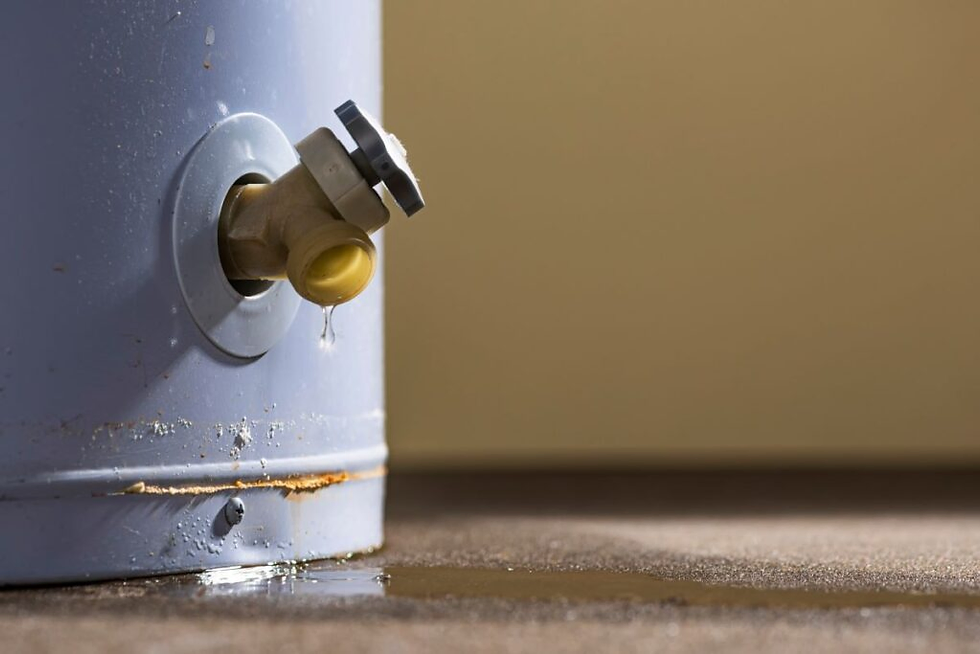
- Attach a garden hose to the drain valve at the bottom of the tank. Run the hose to a floor drain or outside.
- Open a hot faucet at a sink to relieve pressure.
- Crack the drain valve and drain 1 to 2 gallons into a bucket first if you want to see it.
If the water comes out gritty, sandy, or rusty, sediment is likely slowing recovery. If it looks clear, you are not in the clear. Heavy scale can stay packed at the bottom, and a small drain may not pull much of it out.
Watch the drain valve Old plastic drain valves can break or start leaking after you touch them. If yours looks fragile or crusty, consider stopping here and scheduling service instead of forcing it.
Check 7: Think about age and failures
There is a point where troubleshooting turns into chasing your tail. A few parts fail so often that it helps to know the pattern.
Common electric issues
- Failed lower heating element: Often causes “some hot water but not enough.” The upper element heats the top, then the lower never finishes the job.
- Bad thermostat: Can cause overheating, lukewarm temps, or inconsistent cycling.
Common gas issues
- Thermocouple or flame sensor issues: Pilot will not stay lit.
- Gas control valve problems: No burner activity even with pilot, error codes blinking, or inconsistent heat.
- Dirty burner or clogged air intake: Poor combustion, soot, or weak heating.
How old is too old?
Most tank water heaters last roughly 8 to 12 years, sometimes more with great water and maintenance. If yours is pushing that range and acting up, replacement may be the smarter money move than repeated repairs.
You can usually find the manufacturing date on the sticker. If you share the brand and serial number with a plumber, they can often decode it quickly.
When to stop DIY and call a pro
I am all for homeowner confidence, but water heaters combine hot water, pressure, gas or high voltage, and sometimes cramped utility closets. Here is my hard line on when to make the call.
Call a pro now if you see any of these
- Gas smell, soot, scorch marks, or burner flames that look wild or unstable
- Water leaking from the tank body (not just a loose fitting)
- Breaker trips repeatedly or wiring looks overheated
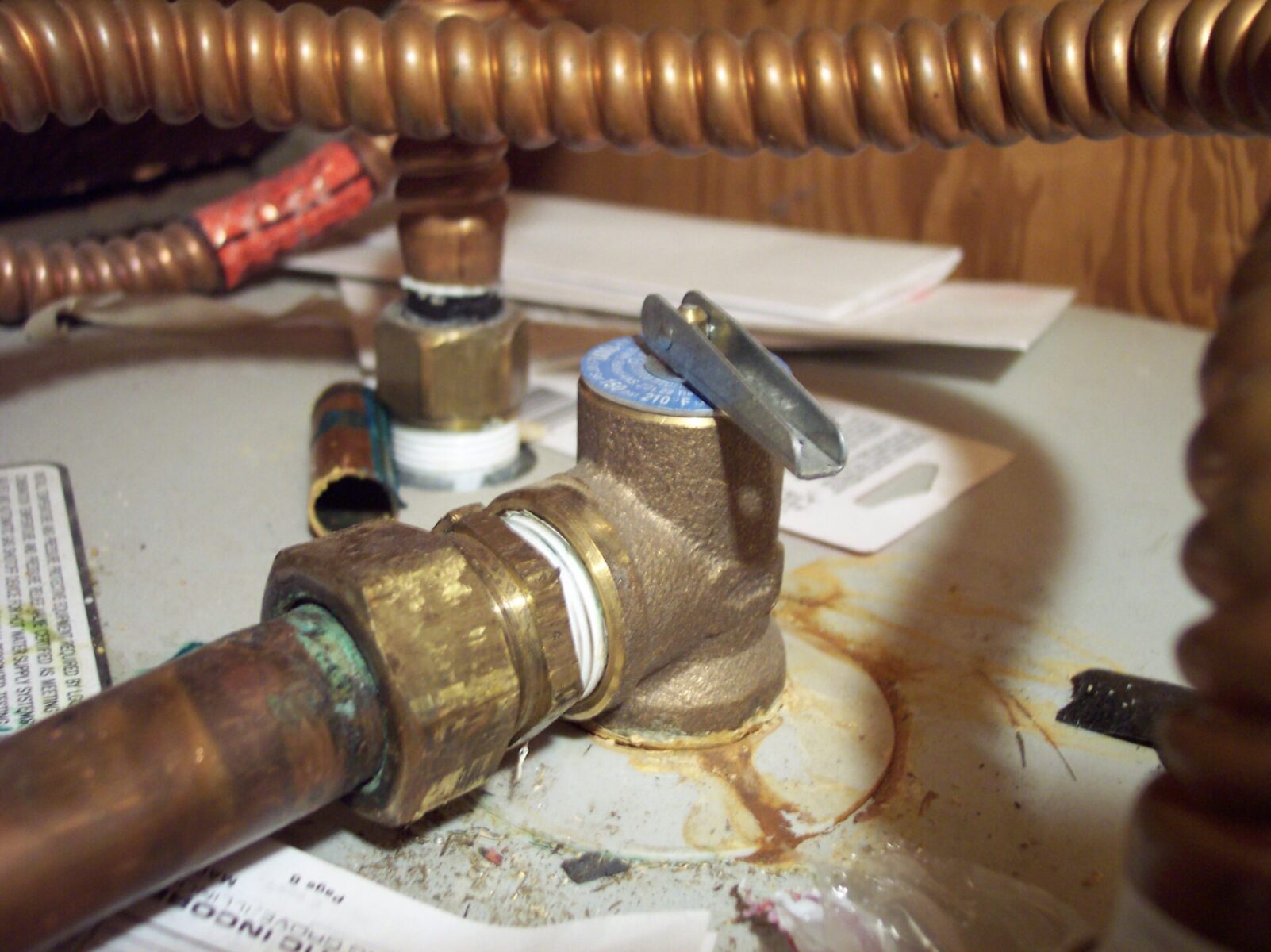
- Relief valve is discharging water constantly
- You cannot get the pilot to stay lit after following the label instructions
- The unit is older and you have rust-colored water or heavy corrosion at connections
If you do schedule service, snap a couple photos first: the model label, the control valve area (gas) or access panels (electric), and the plumbing on top. It can save time and make the visit more productive.
Quick FAQ
Why do I have hot water in some faucets but not others?
That often points to a fixture-level issue, like a clogged faucet cartridge or a mixing valve stuck too cool. If it is one shower or one sink, start there.
Why does my water heater make lukewarm water after a reset, then fail again?
On electric units, a reset that keeps tripping commonly indicates a failing thermostat or heating element, or a wiring issue. On gas units, repeated pilot outages can indicate combustion air problems, a failing sensor, or a control issue. Either way, it is usually time for service.
Is it safe to raise the temperature to get hotter water?
You can, but do it carefully. Many households target 120°F for safety and efficiency. Higher temps increase scald risk and can increase scaling risk in hard-water areas.
My neighborly wrap-up
Most “no hot water” situations come down to one of three things: no power, no flame, or slow heating. Run the checks above and you will either fix it quickly or you will have solid info for the pro, which is the next best win.
And if you end up calling a plumber, you did not fail. You just saved yourself an hour of guessing and a week of cold showers. That is a pretty good DIY decision, too.