
Signs of Poor Attic Ventilation
Spot the most common signs of poor attic ventilation, from an attic that stays too hot and musty odors to frost, ice dams, and shingle wear. Includes simple checks for soffits and roof vents plus what to fix first.
Good grain. Great questions.
Attic ventilation is one of those “silent partners” in a house. When it works, you never think about it. When it doesn’t, it leaves clues all over the place: sweaty summer attics, winter frost, mystery odors, and even roof damage.
Let’s sort the signs, then run a few simple checks you can do without turning your attic into a full weekend project.
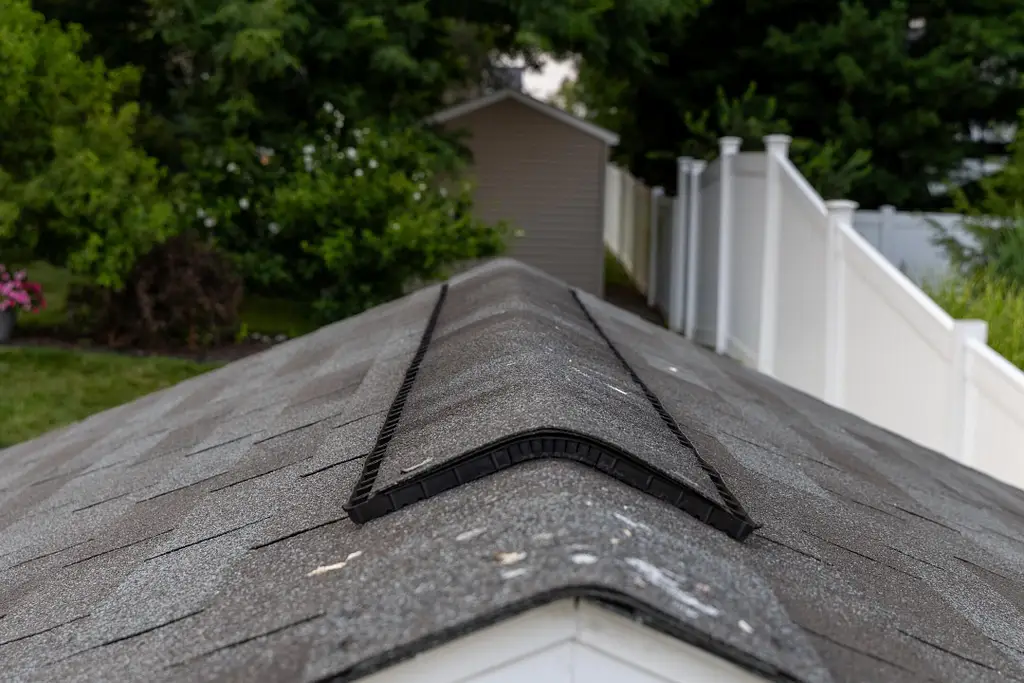
What it should do
An attic should be able to take in outdoor air (usually at the soffits or low roof vents) and exhaust it (usually at the ridge or near the top of the roof). That moving air helps:
- Dump summer heat before it bakes your shingles and superheats rooms below.
- Carry away moisture that sneaks upward from living spaces through tiny gaps in ceilings, lights, and attic access doors.
- Keep roof temperatures more even in winter, which can help reduce ice dams in cold climates.
When intake or exhaust is blocked, unbalanced, or simply not enough, the attic becomes a heat and moisture trap.
Quick rule of thumb: You generally want roughly balanced intake and exhaust (by net free vent area), with intake at the eaves and exhaust high. Exact sizing depends on your roof design, local code, and shingle manufacturer requirements, so treat this as a guiding principle, not a one-size-fits-all formula.
Signs of poor ventilation
1) The attic stays very hot after sunset
Attics get hot. That part is normal. The flag is when the attic holds onto heat for hours after the sun is off the roof, especially after a bright, still day. Poor ventilation can keep hot air parked above your insulation, which often shows up as:
- Upstairs rooms that are hard to cool
- HVAC that runs long cycles on hot days
- Hot ceilings or warm closet walls near attic spaces
Simple check: Instead of guessing by feel, bring a cheap thermometer (or an IR thermometer for surfaces) into the attic near dusk and compare it to the outdoor temp. If the attic is still significantly hotter than outside well into the evening, ventilation could be part of the problem (insulation and air sealing can be too).
2) Musty smell, visible mold, or dark staining
Mold and mildew are moisture stories. If your attic smells earthy or “old basement,” or you see dark speckling on roof sheathing or rafters, the attic is staying damp too long. Ventilation is often a contributor, but it is rarely the only cause.
Look for:
- Black or gray spotting on the underside of roof decking
- Staining around nails or along wood grain
- Wet insulation or matted, clumped insulation
Safety note If you see widespread mold, skip the casual poking around. Disturbing it can spread spores. Consider a qualified pro to assess both the cause and cleanup.
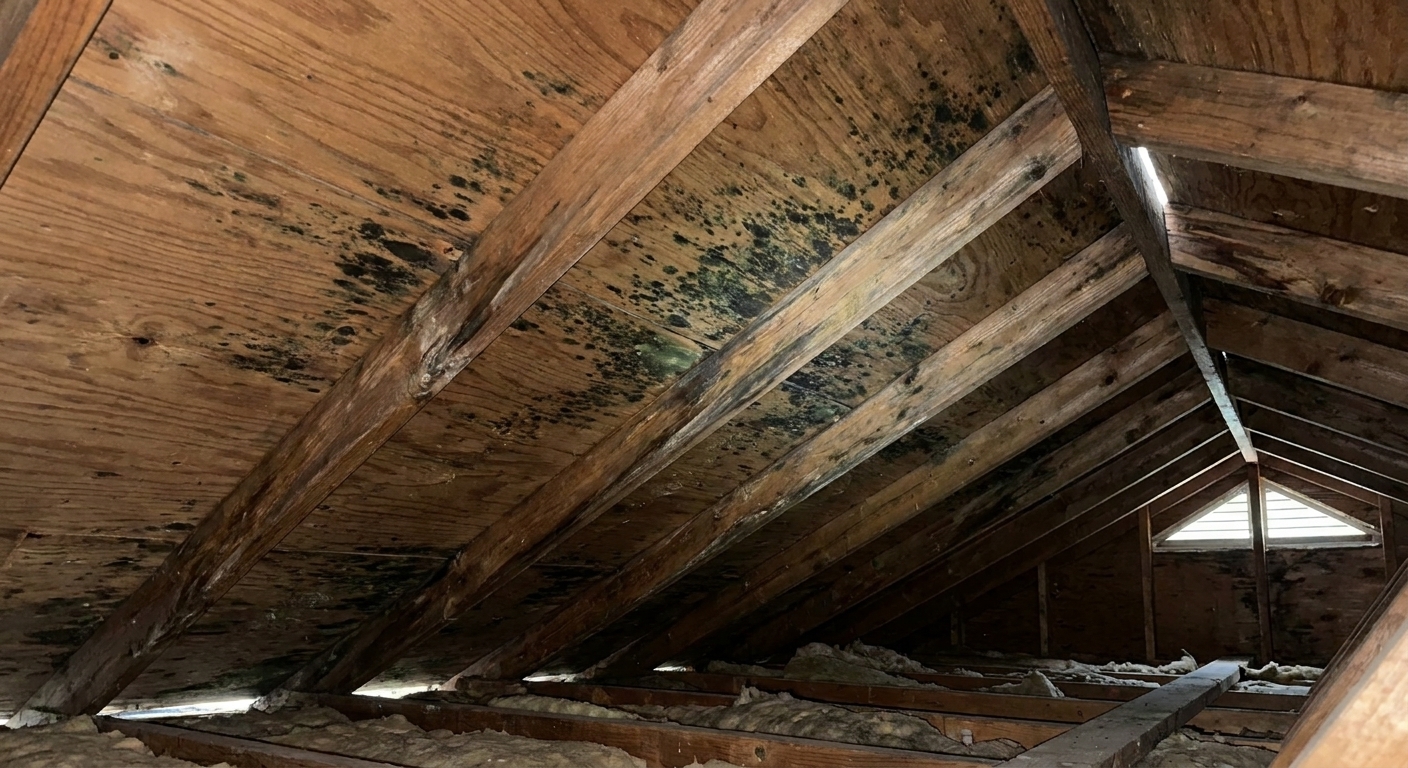
Cold-weather warning signs
3) Frost on nails or roof decking
If you see white frost in the attic during cold weather, that is indoor moisture condensing on cold surfaces. It is common to spot frost on:
- Roof decking
- Rafters
- Nail tips poking through the roof sheathing
When temperatures rise, that frost can melt and drip onto insulation, creating a second problem: wet insulation loses performance and can lead to staining on ceilings.
What it usually means: Warm, moist air is leaking into the attic (air sealing issue), and the attic is not flushing that moisture out well (ventilation issue).
4) Ice dams and thick icicles
Ice dams happen when snow melts on a warmer part of the roof, runs down to the colder eave, and refreezes. Ventilation is not the only driver, but poor attic airflow can make roof temperatures uneven and worsen the cycle.
Signs you are in ice-dam territory:
- A ridge of ice at the roof edge
- Water staining on exterior walls under the eaves
- Drips or damp spots around exterior ceilings
What it often points to: A combo of air leaks, uneven insulation, and insufficient ventilation. If you only “add more venting” without air sealing, you might still be feeding the attic moisture and heat.
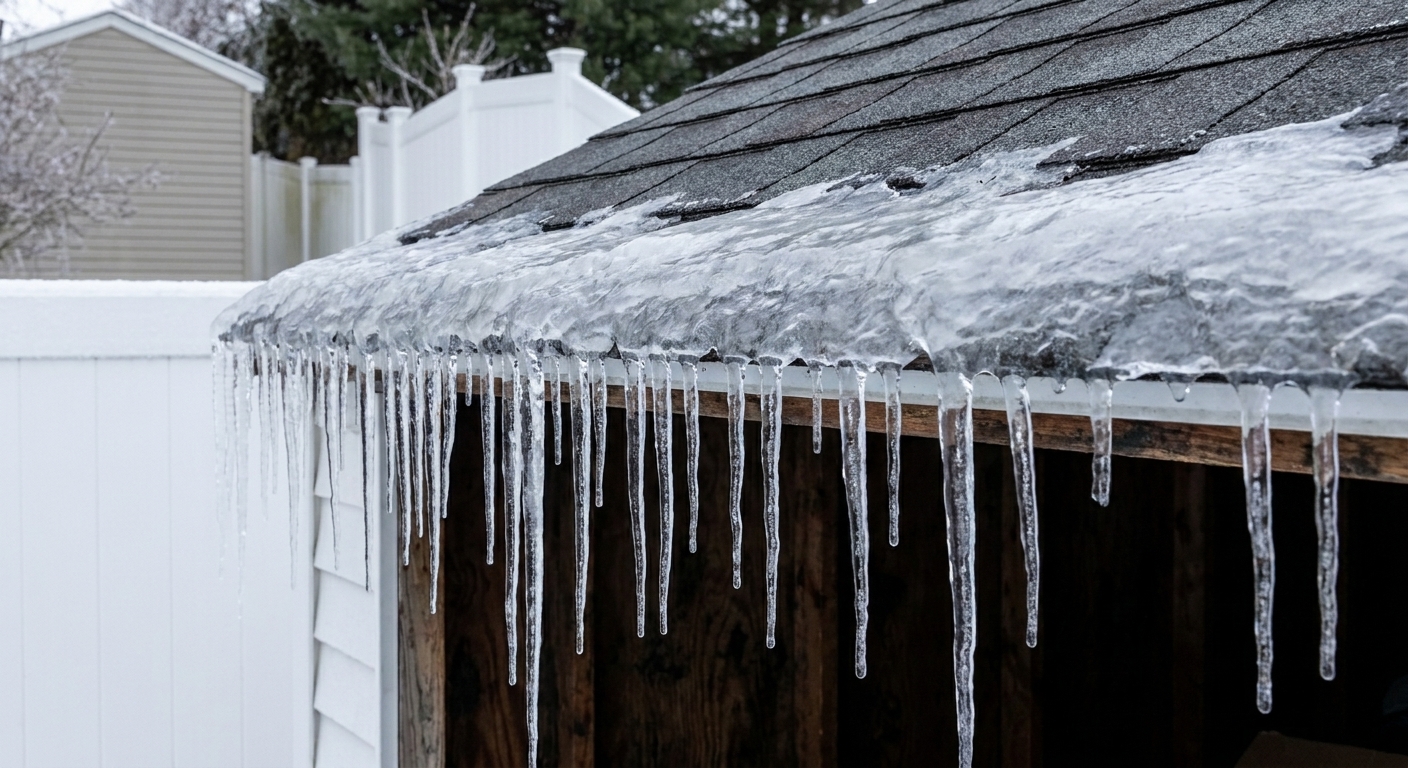
Clues from outside
5) Shingles look prematurely worn
Excess attic heat can contribute to shingle wear over time. Plenty of things age a roof, so do not treat this as a one-clue diagnosis, but if you also have a very hot attic, early shingle wear is a strong supporting sign. (Also, many shingle warranties assume you meet ventilation requirements.)
Look for:
- Curling edges
- Cracking or brittleness (hard to see without getting close)
- Uneven roof surface in areas over the attic
6) No high exhaust venting
Many homes use ridge vents, but some use box vents, gable vents, or powered fans. If you see no high exhaust venting at all (and you do not have a roof designed to be unvented), the attic may be under-vented.
Quick check: From the ground, look for a continuous ridge vent line, roof vents near the top, or a gable vent. If you are not sure what you are seeing, snap a photo and compare it to common vent styles.
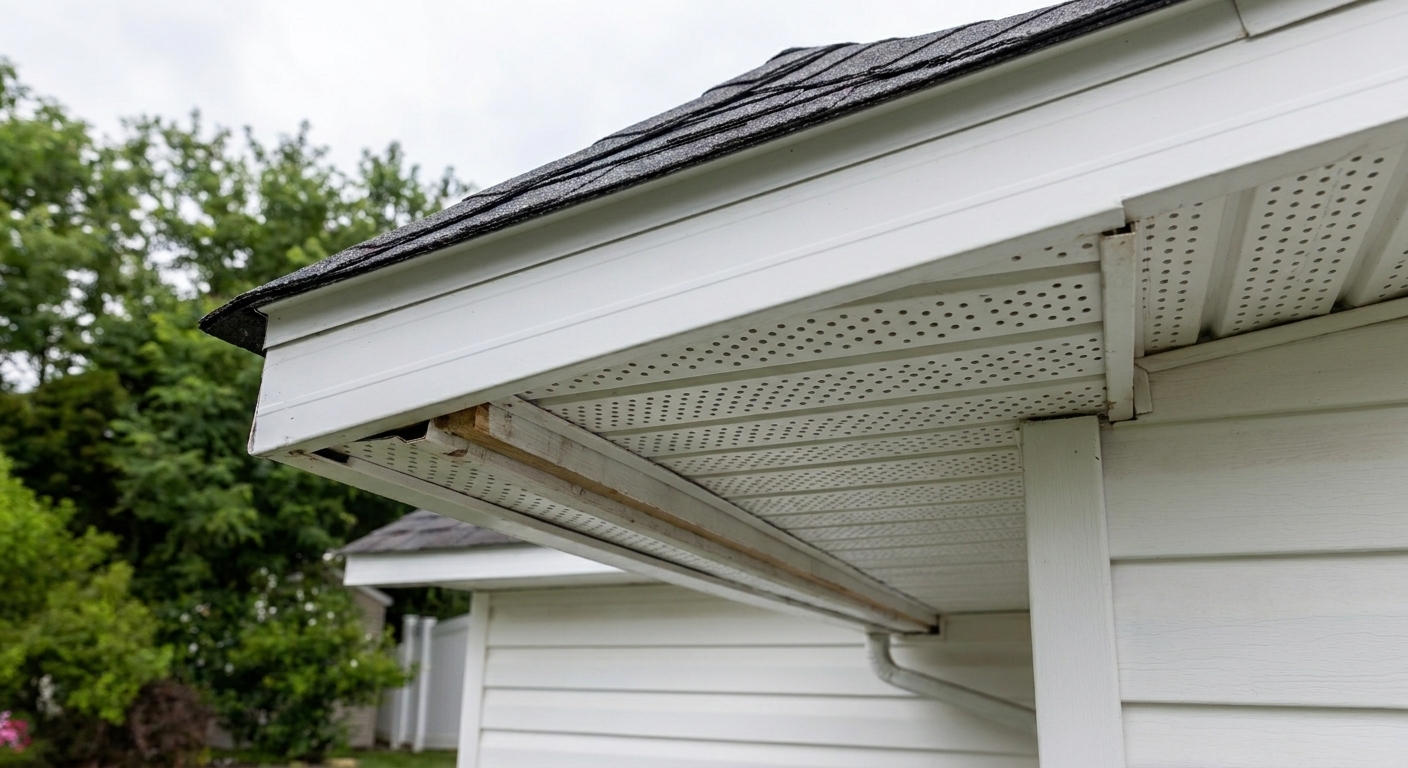
Fast attic clues
7) Rusty nails or metal hardware
Rust in the attic usually means moisture is hanging around. Check nail tips, metal connector plates, and any exposed fasteners. A little surface discoloration is one thing. Widespread rust is a bigger hint that humidity stays high.
8) Insulation looks dirty on top
Insulation that appears “dusty” on top can be a sign of air movement through it. Sometimes that is from attic airflow patterns, and sometimes it is from air leaks from the house carrying dust into the attic.
Look for dirty streaking around:
- Recessed lights
- Bath fan housings
- Plumbing penetrations
- The attic hatch or pull-down stairs
This is one reason attic ventilation and attic air sealing are best friends, not competitors.
Safety note Attics can be hazardous. Step only on framing (joists or planks), not drywall. Watch for roofing nails poking through the deck. Use good lighting, gloves, and a respirator if you are around dusty insulation.
Simple vent checks
Check 1: Are soffit vents blocked?
This is one of the most common, most fixable problems. In many attics, insulation gets pushed right into the eaves, smothering the intake vents.
What to do:
- In the attic, look down the rafter bays toward the eaves.
- If you cannot see an open path at the very edge, insulation may be blocking the intake.
- Look for rafter baffles (also called vent chutes). If they are missing or crushed, intake airflow suffers.
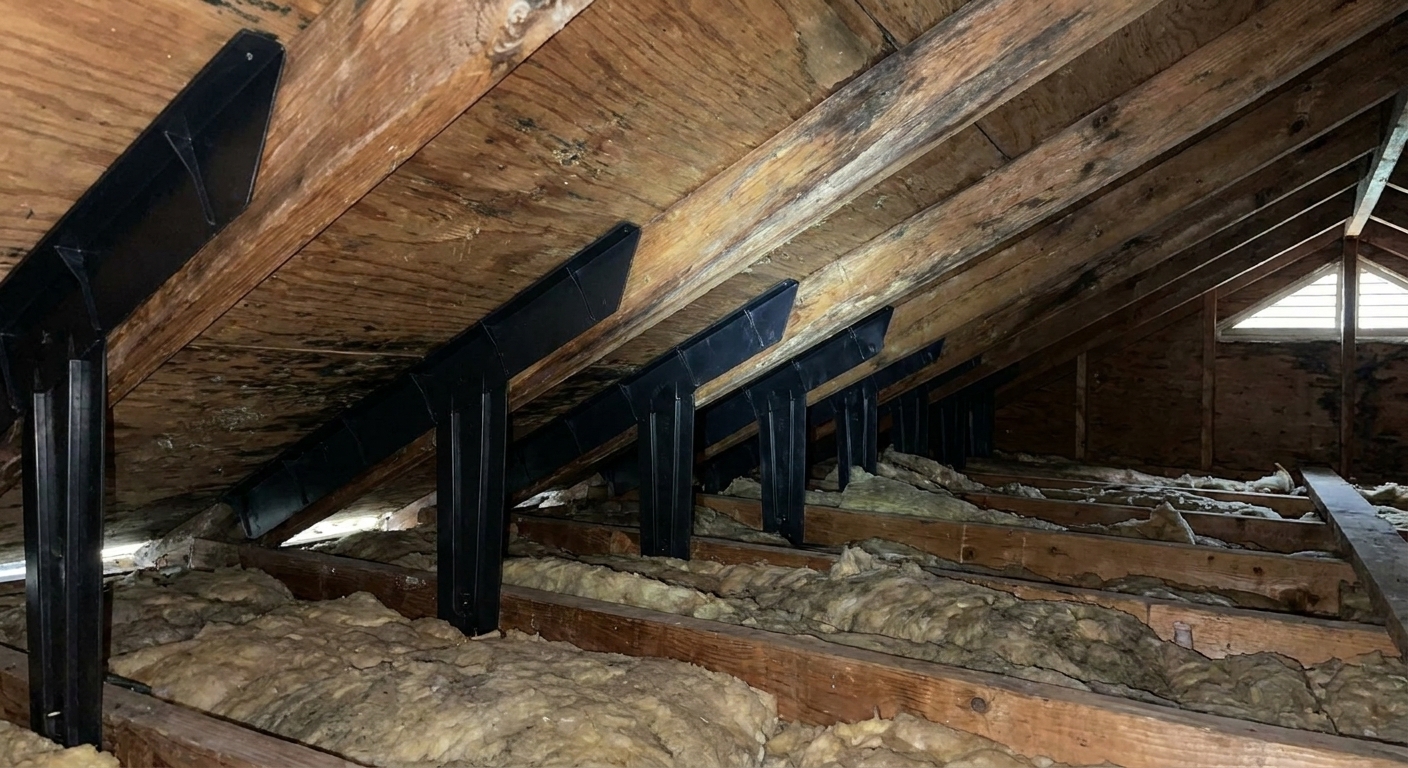
Check 2: Is there a clear low-to-high path?
Think of attic ventilation like a gentle conveyor belt: in low, out high. If you have intake but no exhaust, the attic can stay hot and damp. If you have exhaust but not enough intake, the exhaust can pull air from wherever it can, including the living space below through leaks.
Quick signs of imbalance:
- Lots of ridge vent, but soffits are solid with no venting.
- Soffit vents exist, but ridge vent is missing, blocked, or very short.
- A powered attic fan is running, but soffit vents are blocked.
Check 3: Are fans venting into the attic?
This is a moisture superhighway. Bathroom fans should vent to the exterior, not into the attic. Dryer vents should go outside too.
How to tell: In the attic, trace the duct from the fan housing. It should terminate at a roof cap or wall cap, not just end in mid-air.
A quick caution on soffits: Some homes use soffit exhaust terminations, but they can be problematic if the moist exhaust air gets pulled right back into nearby vented soffit intake. If you have vented soffits, a roof or wall cap is often the safer bet.
Important A dryer vent dumping into an attic is a fire and moisture risk. Treat it as a priority fix.
Common layouts and mistakes
Common vent setups
- Soffit plus ridge: common and effective when soffits are open and the ridge slot is cut correctly.
- Soffit plus box vents: also common; works when vents are properly sized and evenly distributed near the upper roof.
- Gable vents only: can help in some homes, but airflow is often weather-dependent and may not sweep the lower roof deck the way soffit-to-ridge does.
Common mistakes
- Mixing ridge and gable vents: it can short-circuit airflow, with air entering one vent and exiting another nearby without washing the lower attic. It is not always wrong, but it is often less effective than a dedicated soffit-to-ridge path.
- Powered fan without intake: the fan still has to pull air from somewhere, and that “somewhere” can be your house through ceiling leaks.
- Blocked soffits: insulation-packed eaves and missing baffles are ventilation killers.
- Moisture sources aimed at the attic: bath fans, dryers, or even leaky ducts.
What to fix first
If you only take one thing from this page, take this: fix air leaks before you “turn up” ventilation. Otherwise you can end up pulling more warm, moist indoor air into the attic.
Step 1: Stop air leaks into the attic
- Seal around plumbing stacks, wiring holes, and top plates
- Address leaky recessed lights or use rated, sealed fixtures
- Weatherstrip and insulate the attic hatch or pull-down stairs
- Confirm bath fans vent outside
Step 2: Unblock and protect soffit intake
- Pull insulation back from the eaves
- Add or repair rafter baffles so insulation stays put
- Make sure soffit vent holes are not painted shut or clogged
Step 3: Confirm effective high exhaust
- Ridge vents should be continuous where designed and not covered
- Box or turtle vents should be unobstructed and sized appropriately
- Gable vents can help, but may not create consistent low-to-high flow on their own
Step 4: Then evaluate insulation
Ventilation problems often ride along with insulation problems. After air sealing and vent path checks, make sure the attic floor insulation is consistent and not wind-washed or wet.
Unvented attic note
Some homes have unvented attics or compact roofs, often insulated at the roof deck with spray foam. Those systems are designed to work differently and may not have soffit or ridge venting at all. If that is what you have, the “add vents” approach can be the wrong move, so it is worth confirming your roof type before making changes.
When to call a pro
Some ventilation issues are straightforward, others are roof-design specific. It is time to bring in help if:
- You have recurring ice dams even after basic air sealing and insulation cleanup
- You see widespread mold growth or damp roof sheathing
- Your roof ventilation type is unclear or appears to mix systems in a confusing way
- You suspect a blocked ridge vent (or an improperly cut ridge slot) and need roof work
A reputable insulation or roofing contractor should be able to explain intake, exhaust, and the airflow path in plain language. If they only want to sell a fan without talking about soffits and air sealing, I would keep shopping.
Quick FAQ
Is a hot attic always a ventilation problem?
No. Sun on a roof makes an attic hot, period. The concern is when the attic stays very hot for long periods, you have comfort problems below, or you also have moisture symptoms like mold, frost, or rust.
Can too much ventilation cause problems?
“Too much” is less common than unbalanced. If exhaust is strong but intake is weak, the attic can pull conditioned air from the home through leaks, which wastes energy and adds moisture in winter.
Do attic fans solve poor ventilation?
Sometimes they help, sometimes they create new issues if intake is inadequate or the attic floor is leaky. It is usually smarter to start with air sealing and ensuring the soffit-to-ridge path is clear.
Why do I see mold in winter more than summer?
Winter air is cold, and cold surfaces in the attic make condensation easier when warm, moist indoor air leaks upward. Ventilation helps remove that moisture, but air sealing is the real MVP.