
A simple, prioritized fall checklist with 15 practical tasks organized by area of the home. Knock them out over a weekend (or two) and avoid expensive surpri...
The Homeroom Fix
September 26, 2026
•
By Marcus Delgado
Garage Door Won’t Open? 7 Checks Before You Call for Help
Before you call a pro, run through these 7 beginner-friendly garage door checks: power, remotes, wall button, locks, photo eyes (closing issues), track obstructions, and emergency release. Safety first.

Marcus Delgado
Marcus Delgado is a former residential carpenter and lifelong DIY enthusiast who believes every homeowner has the power to transform their space. After a decade of swinging hammers for general contractors, he shifted gears to share practical, budget-friendly home improvement advice. When he's not renovating his own 1970s fixer-upper, you can find him hunting for salvaged wood or teaching weekend workshop classes.
A garage door that won’t open has a special talent for happening when you’re late, it’s raining sideways, and you’ve got an armful of groceries. The good news: a lot of “dead” garage doors aren’t broken at all. They’re usually stuck because of a simple issue like no power, a tripped sensor circuit, or a lock that got bumped.
Below are seven quick checks I walk homeowners through before we talk repairs. They are beginner-friendly, organized, and focused on the safest stuff first.
Safety first (30 seconds that can save you a trip to the ER)
Garage doors are heavy. The springs counterbalance the weight so the opener can lift the door with modest force. If a spring or cable has failed, the door can slam shut or be nearly impossible to lift.
Do not loosen or remove anything related to springs, cables, or bottom brackets. Those parts can be under serious tension.
If you see a hanging cable, a gap in the spring, or the door looks crooked in the opening, skip the DIY checks and call for service.
- Keep fingers away from rollers, hinges, and tracks while testing.
- Unplug the opener before touching the rail, chain/belt, or wiring.
- If the door is stuck halfway open, do not stand under it.
Check 1: Confirm the opener has power
This is the unglamorous one, but I have seen it more times than I can count.
What to do
- Look for lights on the opener motor unit. No lights often means no power.
- Make sure the opener is plugged in. Vibration can work a plug loose over time.
- Check the outlet: plug in a lamp or phone charger to confirm it works.
- Check your breaker panel for a tripped breaker or blown fuse labeled “garage” or “outlets.”
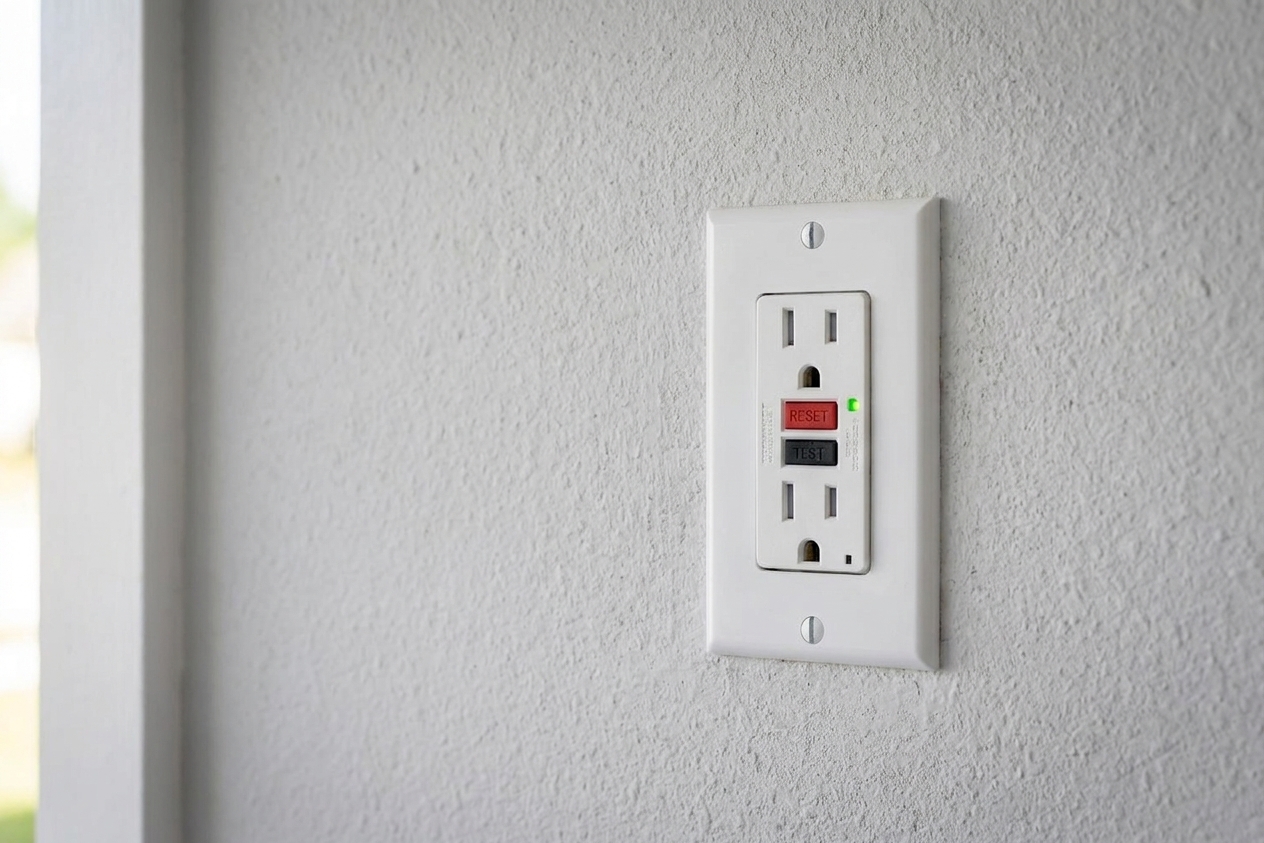
- If it is a GFCI outlet, press Reset. Many garages share a GFCI with outdoor outlets and bathrooms.
What it means: If the opener powers back up and the door runs normally, you are done. If it immediately trips again, stop and call an electrician or garage door tech. Repeated trips can point to a short, moisture in an outlet, an overloaded/shared circuit, damaged wiring, or a failing opener component.
Check 2: Replace the remote batteries (and try the keypad)
Weak batteries can still flash a little light on the remote while failing to send a strong signal. Cold weather makes this worse, which is why Michigan garages love to act up in January.
What to do
- Replace the coin cell or AAA battery in the remote.
- Try the wall button inside the garage.
- If you have an exterior keypad, try that too.
What it means: If the wall button works but the remote does not, you are dealing with a remote, battery, or signal issue. If nothing works, keep going down the list.
Check 3: Make sure the wall control is not in “Lock” or “Vacation” mode
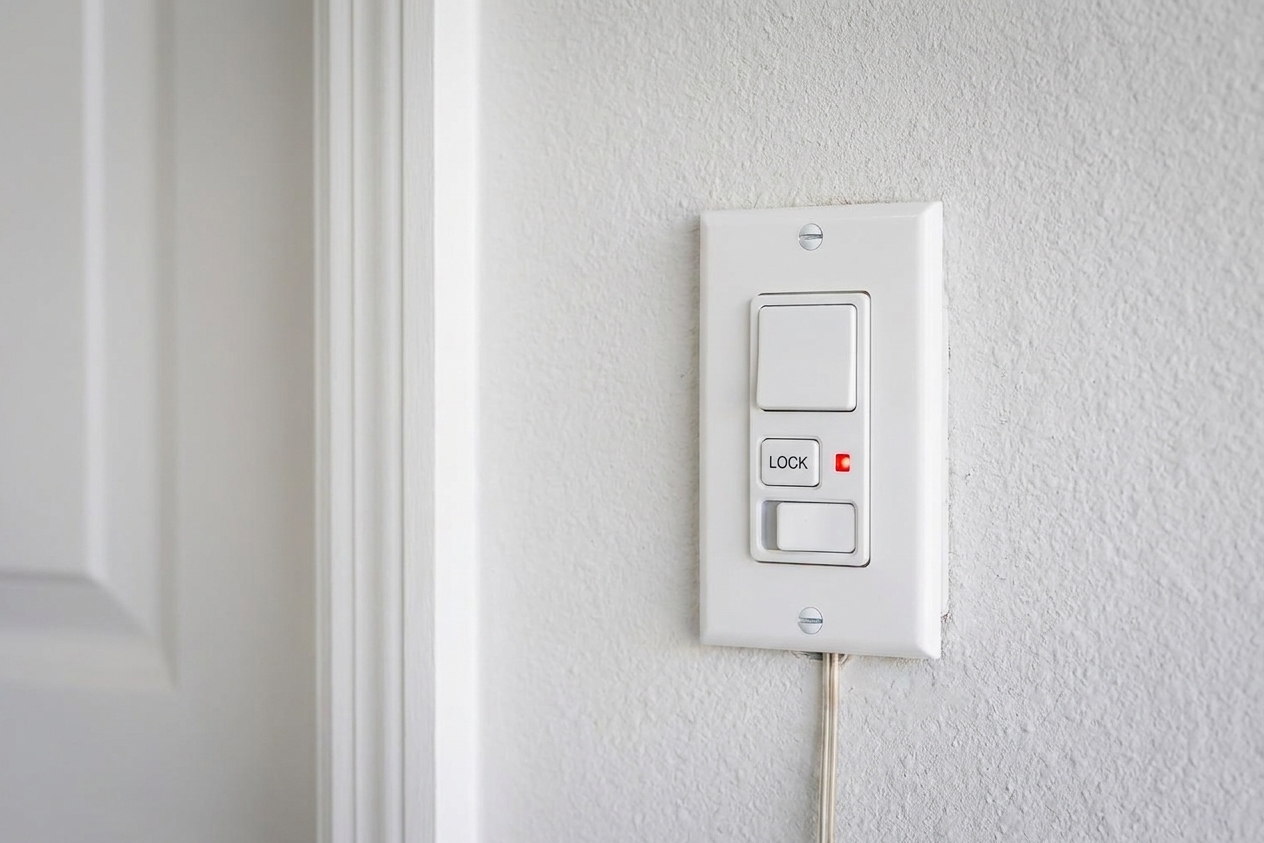
Some wall buttons have a lock feature that disables remotes and keypads. It is easy to hit by accident when you are carrying stuff in and out.
What to do
- Look for a “Lock” button or a lock icon on the wall control.
- If the control has an LED that is blinking steadily, check your manual for lock mode behavior.
- Try holding the lock button for 2 to 5 seconds to toggle it off (varies by model).
What it means: If the wall control opens the door but remotes suddenly stopped, lock mode is a prime suspect.
Check 4: Check the manual lock on the door (if you have one)
Older or more traditional garage doors sometimes have a manual slide lock handle. If that lock is engaged, the opener may strain, stop, or refuse to move the door.
What to do
- Look for a handle in the middle of the door with two bars sliding sideways into the track.
- Make sure the bars are retracted and not sitting in the track.
What it means: If the lock was engaged, you may be back in business immediately. If the opener tried to run against the lock, keep an ear out for new grinding noises. If anything sounds off, stop and get it checked.
Check 5: Inspect the photo eyes (safety sensors) near the floor
Quick clarification: photo eyes usually cause closing problems, not opening problems. If your door will not close, closes then reverses, or only closes when you hold the wall button down, jump here first.
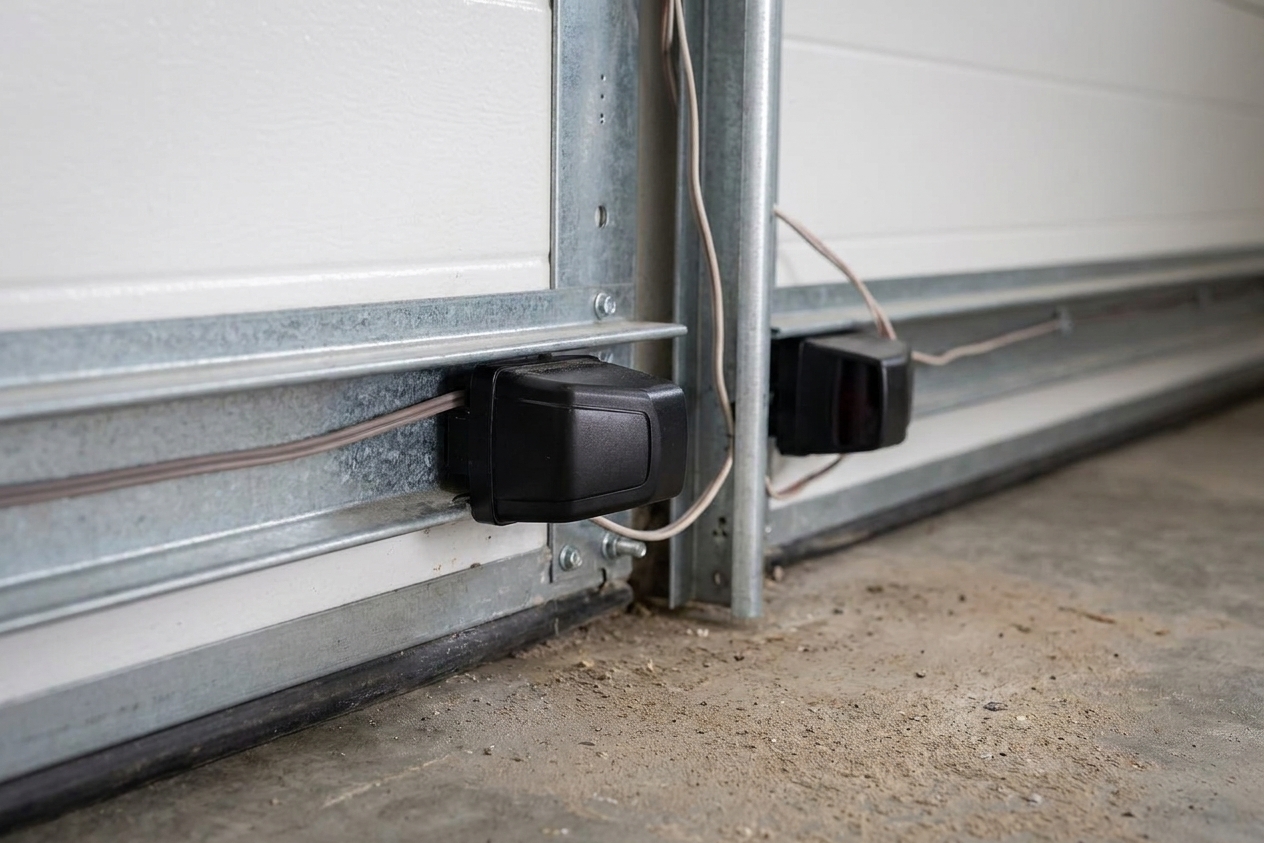
Those two little “eyes” near the bottom of the tracks are designed to stop the door if something is in the way. If they are dirty or misaligned, the door may refuse to close, or it may close and pop right back up.
What to look for
- One or both sensor lights are off or blinking.
- Boxes, brooms, bikes, or trash cans are bumping the sensor brackets.
- Cobwebs, dust, or a muddy paw print on the lens.
What to do
- Gently wipe each lens with a soft microfiber cloth.
- Confirm both sensors point directly at each other at the same height.
- If a bracket is loose, snug it carefully so it does not droop.
What it means: Steady sensor lights often indicate proper alignment, but light colors and blink codes vary by brand. If the lights will not go steady, check your opener manual for the exact meaning. Sensor wiring or the sensors themselves can also fail.
Check 6: Look for track obstructions, ice, or jammed rollers
Sometimes the opener is fine and the door is fine, but the path is not. A small object in the track or a roller that has jumped the track can stop everything.
What to do
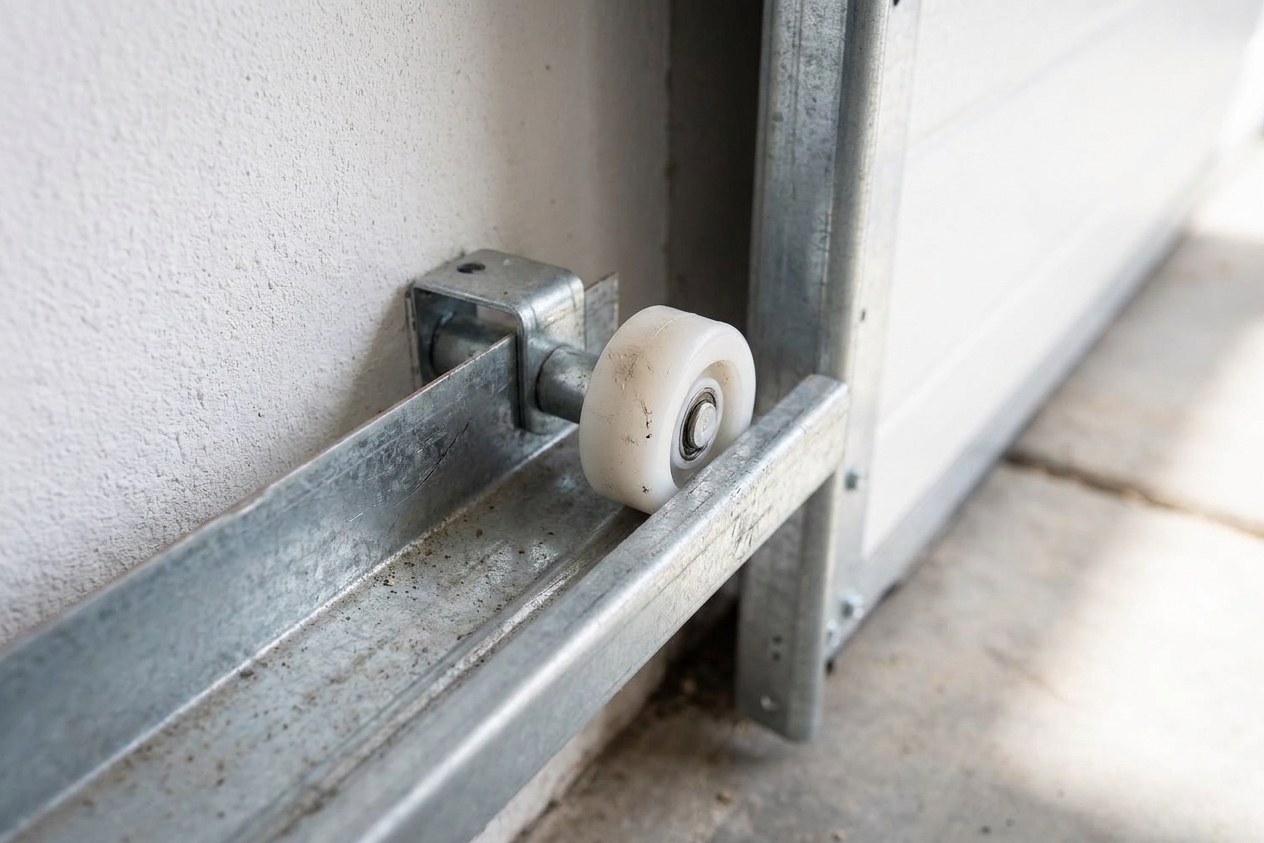
- With the door closed, scan both vertical tracks from floor to as high as you can safely see without a ladder.
- Remove debris like pebbles, hardened mud, or kids’ toys. Keep hands clear of rollers, hinges, and pinch points while you do.
- In winter, check the bottom seal: the door can freeze to the slab. If the opener hums but the door will not budge, stop before you burn out the motor. Use a plastic scraper to break the ice seal along the bottom, then try again.
- Look for a bent track, a roller sitting crooked, or a hinge that looks torn or twisted.
What it means: If you see bent track, a roller out of place, or the door is rubbing hard on one side, that is usually “call for help” territory. Forcing it can make the damage worse.
Check 7: Check the emergency release (and reconnect it correctly)
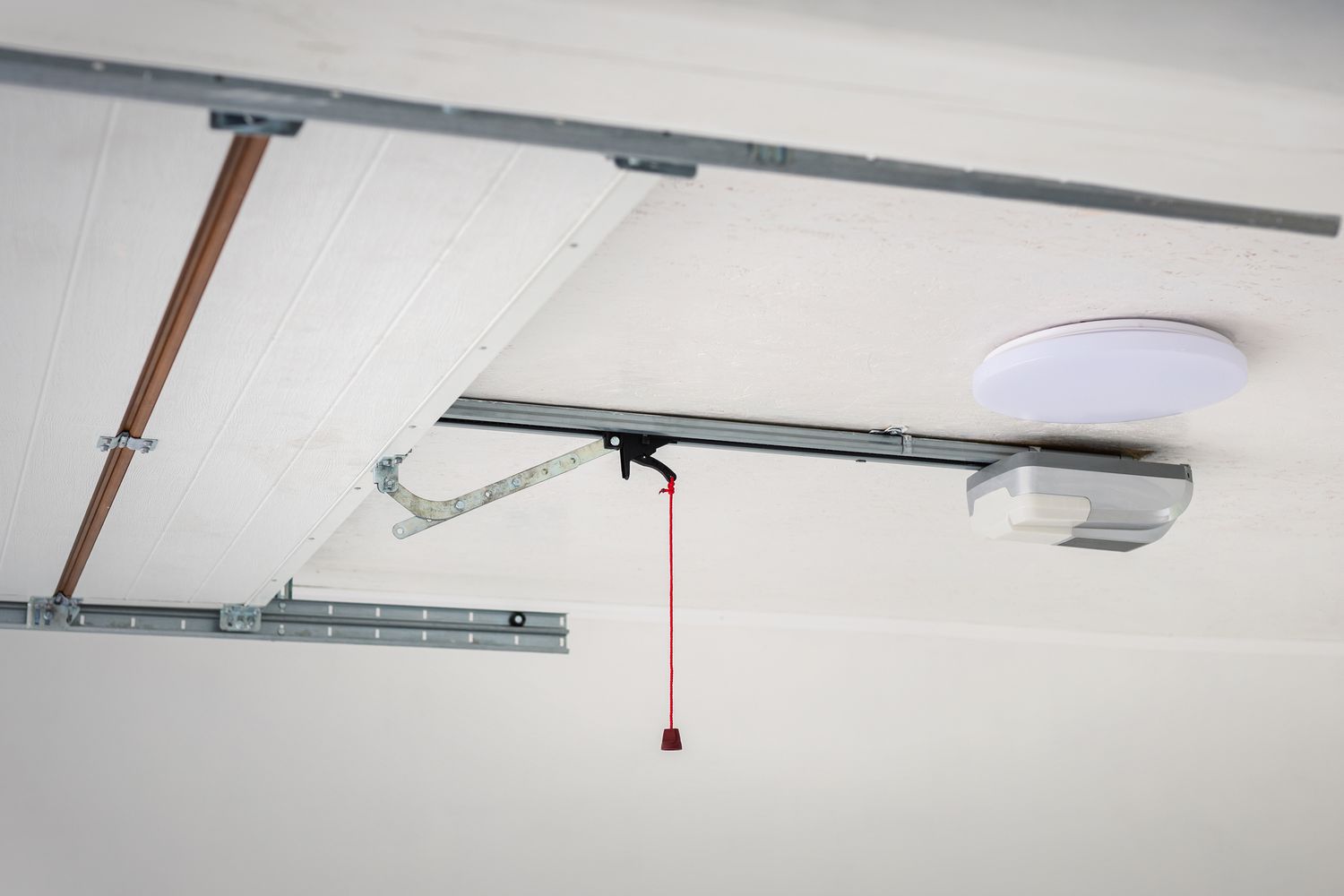
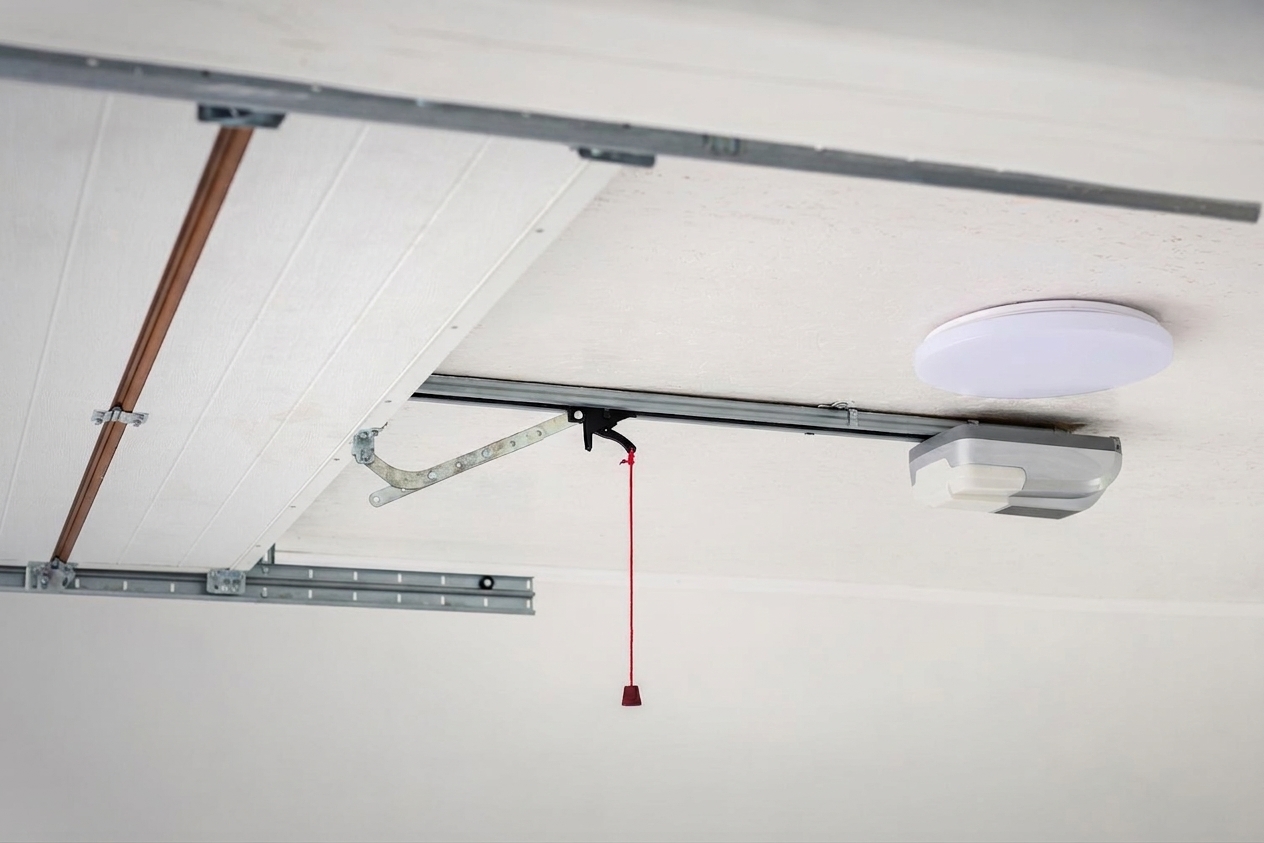
If the red emergency release cord has been pulled, the opener trolley disconnects from the door. The opener motor may run, but the door will not move. This often happens after a power outage, or when someone manually operated the door.
How to tell
- You press the remote and hear the opener run, but the door stays put.
- The door lifts easily by hand, almost like it is not attached to anything.
How to reconnect (typical setup)
- Close the garage door fully if you can.
- Unplug the opener for safety.
- Find the trolley on the opener rail and the release lever attached to the red cord.
- Pull the cord toward the door (often down and back) to reset the lever into the engaged position.
- Plug the opener back in.
- Run the opener once. Many units will “click” back into the trolley automatically as it moves.
Some models reconnect differently. If it will not re-latch, you may need to pull the door by hand until the trolley meets the catch point and clicks. If you are not sure, check the opener manual for your model.
What it means: If it reconnects and runs smoothly, you are good. If the door is heavy to lift by hand, stop and call a pro because that points to a spring or balance issue.
When to stop troubleshooting and call a pro
I love a good DIY win, but garage doors are one of those systems where a small warning sign can point to a big safety issue. Pick up the phone if you notice any of the following:
- A loud bang from the garage, followed by a door that will not lift (classic broken spring symptom).
- A visible gap in a torsion spring above the door.
- Cables dangling near the sides of the door.
- The door is crooked or jammed on one side.
- The opener strains, the rail shakes, or you hear grinding.
- The door feels very heavy when lifting manually.
Important: Do not attempt spring or cable replacement yourself unless you have specific training and the right tools. This is one of the most dangerous “looks simple” repairs in a house.
Quick FAQ
My garage door won’t open and I hear a click. What is that?
Often it is the opener trying to engage, then stopping due to a lock, a jam, or a fault. Work through power, lock mode, the emergency release, and track obstructions first. If it will not close reliably, move photo eyes higher on the list.
The opener runs but the door does not move. What is most likely?
Start with the emergency release being disconnected. If the trolley is not attached to the door, the motor can run with no load.
The door closes, then immediately reverses. What should I check?
Photo eye alignment and a blocked track are the two big ones. Also check for anything touching the door as it comes down, including a warped bottom seal catching on uneven concrete.
Can I open the garage door manually if the power is out?
Yes, if the springs are intact and the door is balanced. Pull the emergency release to disconnect the opener, then lift using the handle. If it feels unusually heavy, stop. That can signal a broken spring.
A simple next step if you still need help
If you run through all seven checks and the door still will not open, jot down three details before you call a technician: what the door did (or did not do), what sounds you heard, and whether the opener lights are blinking with a specific pattern (error codes can be surprisingly helpful). That little bit of info can speed up the diagnosis and, sometimes, save you money.
If you want, tell me what your door is doing (silent, hums, moves a few inches, closes then reverses) and whether you have sensor lights, and I will help you narrow it down.