A step-by-step troubleshooting guide for a nonresponsive garage door opener, including power checks, remote and keypad fixes, sensor alignment, lock mode, do...
The Homeroom Fix
September 28, 2026
•
By Marcus Delgado
Garage Door Won’t Close? 8 Checks to Try First
If your garage door starts to close then reverses, or won’t shut at all, try these homeowner-safe checks first: sensors, tracks, obstructions, settings, remotes, and more.

Marcus Delgado
Marcus Delgado is a former residential carpenter and lifelong DIY enthusiast who believes every homeowner has the power to transform their space. After a decade of swinging hammers for general contractors, he shifted gears to share practical, budget-friendly home improvement advice. When he's not renovating his own 1970s fixer-upper, you can find him hunting for salvaged wood or teaching weekend workshop classes.
A garage door that starts to close then pops back up is one of those home problems that feels dramatic, like your house is saying, “Nope, not today.” The good news is many “won’t close” issues come down to a few common safety triggers and small obstructions you can spot in minutes.
Work through these checks in order. They start with the fast, no-tools stuff and move toward the “okay, grab a flashlight” level.
Before you touch anything: quick safety notes
Safety first Garage door springs and lift cables are under serious tension. This article sticks to safe homeowner checks. If you see a broken spring, frayed cable, or the door feels unusually heavy, stop and call a garage door pro.
- Keep kids and pets away while testing the door.
- Do not put fingers near rollers, hinges, or the track while the opener is moving.
- If you need to step under the door, unplug the opener first and make sure the door is fully open and stable.
- If the door is partially open and seems heavy or unsteady, do not pull the emergency release. Close it first (if safe) or call a pro.
1) Check the photo-eye sensors (a very common culprit)
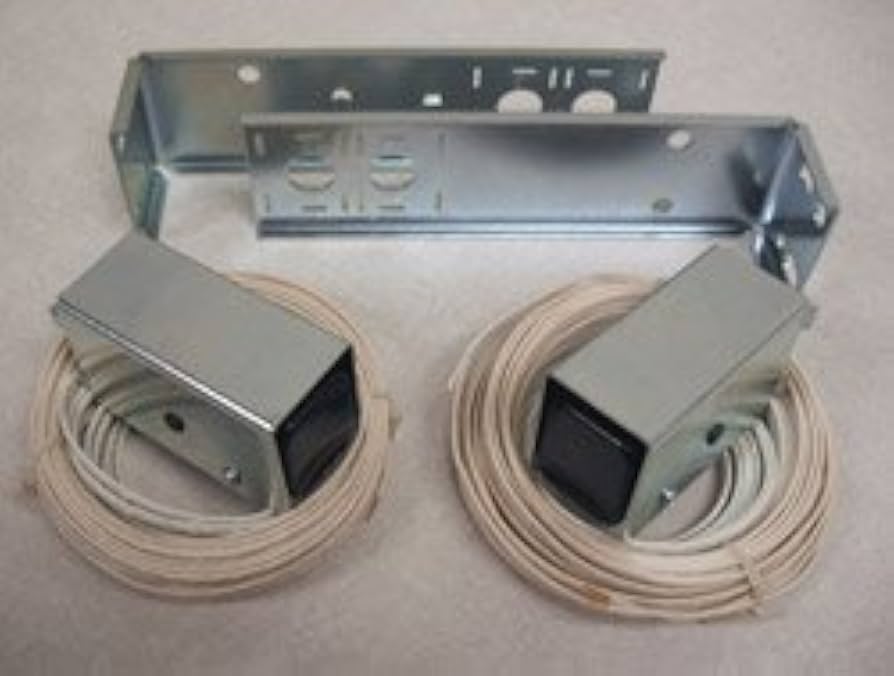
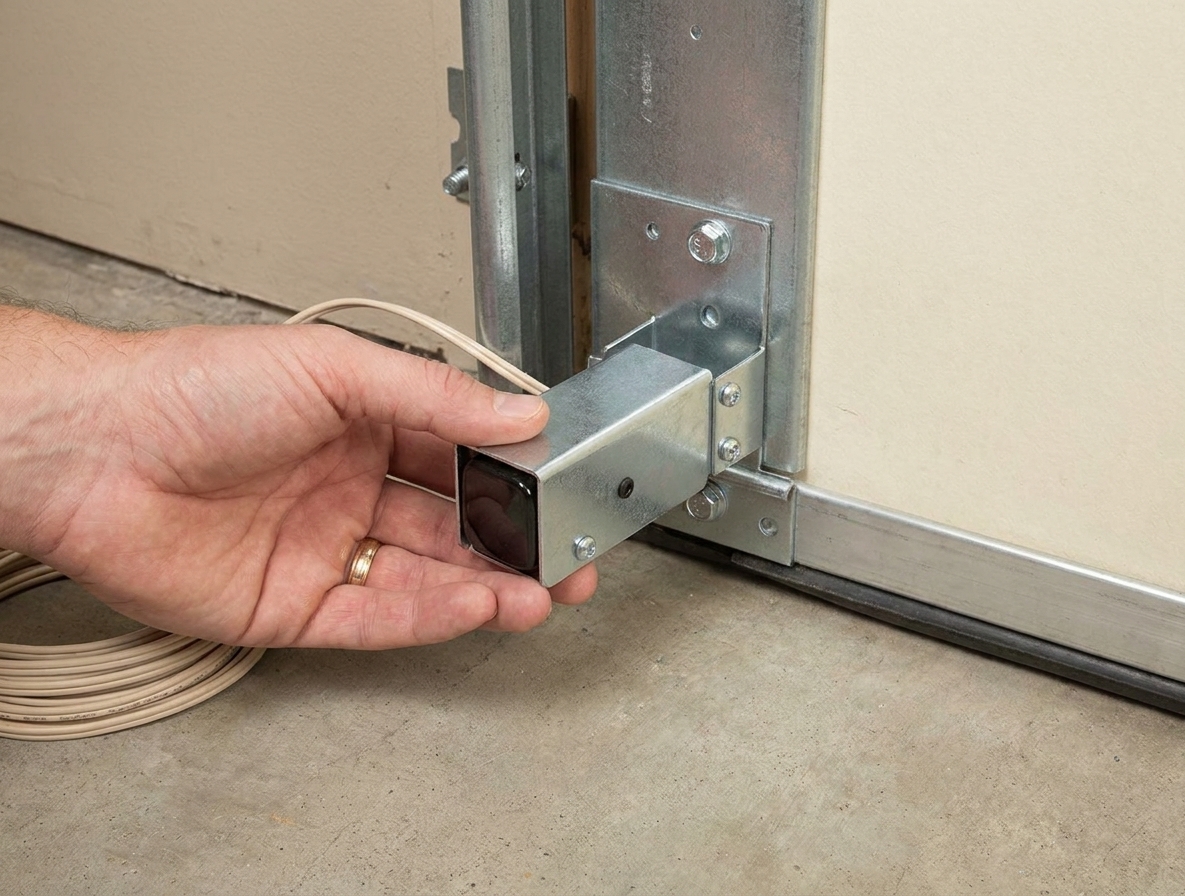
Those two little boxes near the bottom of the door tracks are the photo-eye safety sensors . If they cannot “see” each other, the opener thinks something is in the way and will refuse to close or will reverse.
What to look for
- One light off or blinking on a sensor (light meanings vary by brand, so check your manual if you are unsure)
- Sensors pointed slightly away from each other
- Dust, cobwebs, or moisture on the lens
- Stuff blocking the beam: storage bins, bikes, trash cans, even a dangling extension cord
- Sunlight glare hitting a sensor lens (late-day sun can mimic “blocked sensor” symptoms)
Quick fix
- Wipe both sensor lenses with a clean microfiber cloth.
- Make sure both sensors are aimed at each other and mounted at the same height.
- Tighten the wing nut or small fastener if a sensor is loose and drooping.
- Remove anything that could be breaking the beam, including tall grass or snow piled near the door opening.
- If you suspect sun glare, try shading the sensor with your hand and test the door, or close the door when the glare is gone.
DIY tell: On many openers, if the door closes when you hold the wall button down continuously, that points to a sensor issue (the constant press acts like a supervised override). This is not universal on every model or era, so check your opener manual for how your unit behaves.
2) Clear the tracks and doorway, then check the rollers
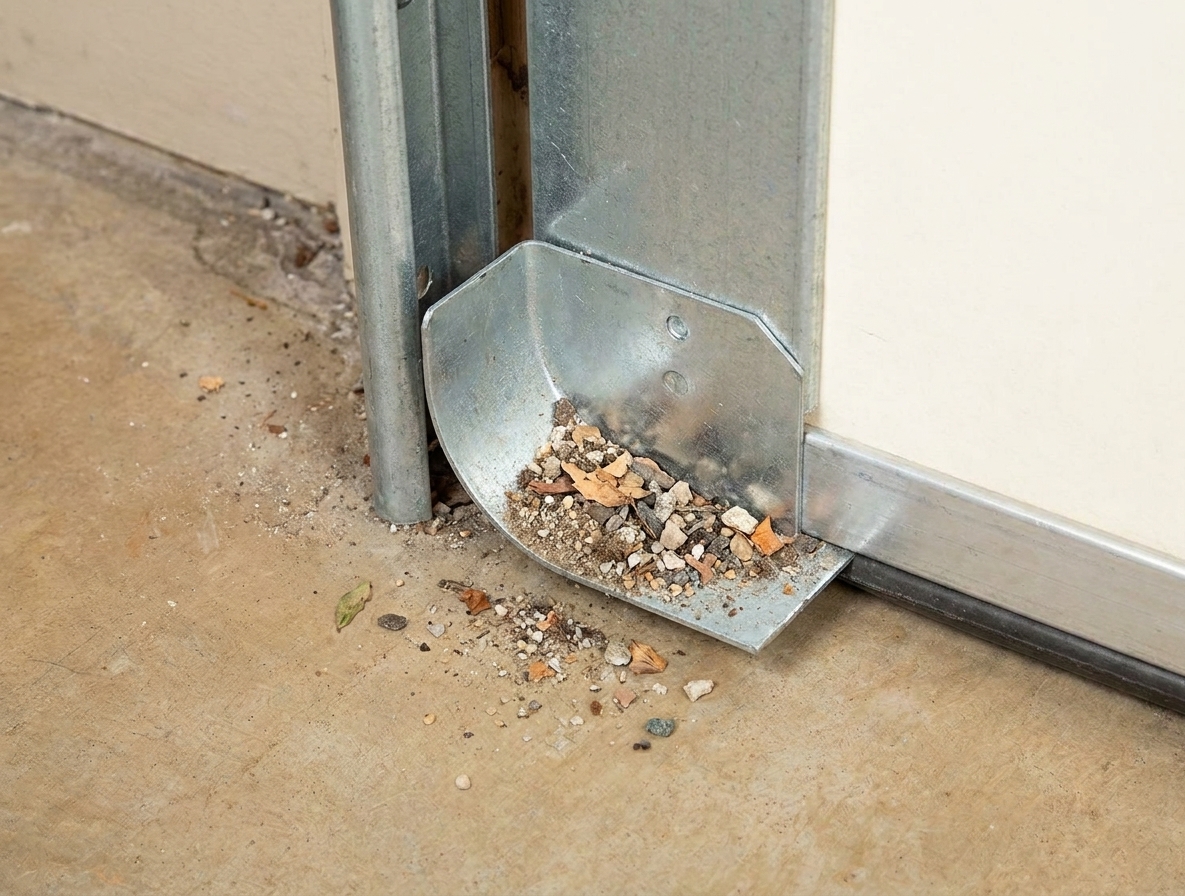
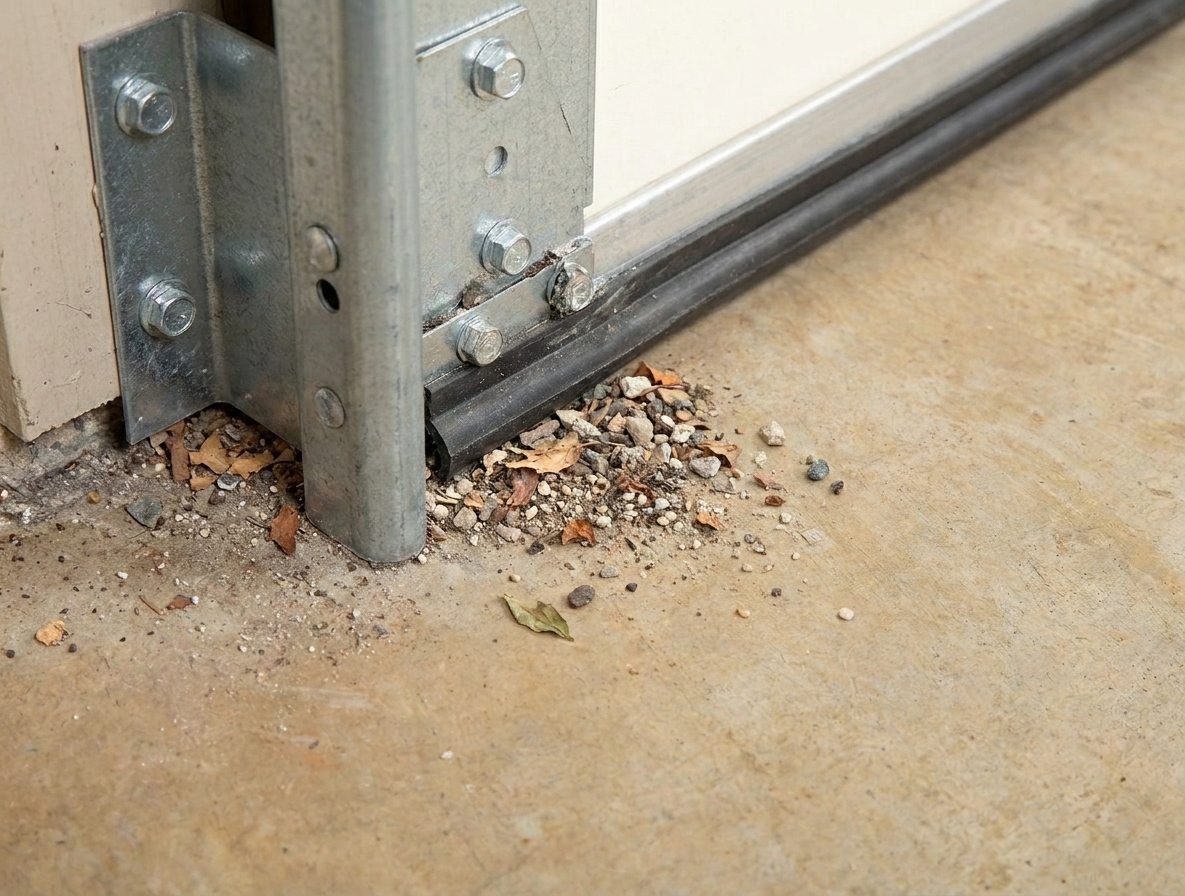
If the door starts down and then reverses, something may be binding or hitting the track. Even a small pebble or a hardened blob of mud can do it.
What to check
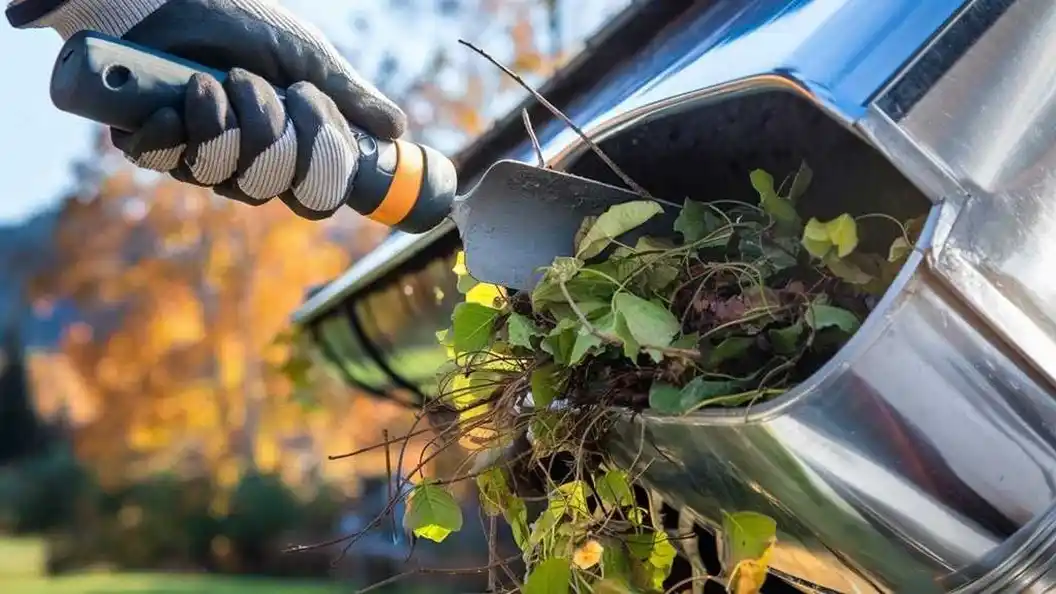
- Debris in the vertical tracks near the floor
- Dented track sections
- Loose track bolts letting the track twist
- Rollers that look cracked, wobbly, or jammed
Quick fix
- With the door closed, use a flashlight to scan both vertical tracks.
- Vacuum out debris or wipe the inside of the track with a rag. Do not reach into the track where pinch points are.
- If you see a dented track, do not start hammering on it with the door under tension. That is a “pause and call a pro” moment unless you are experienced.
Worth knowing: Generally, do not grease the track itself. Lubricate rollers and hinges (and any points your manufacturer recommends). A greasy track usually turns into a dirt magnet.
3) Make sure the manual lock is not engaged
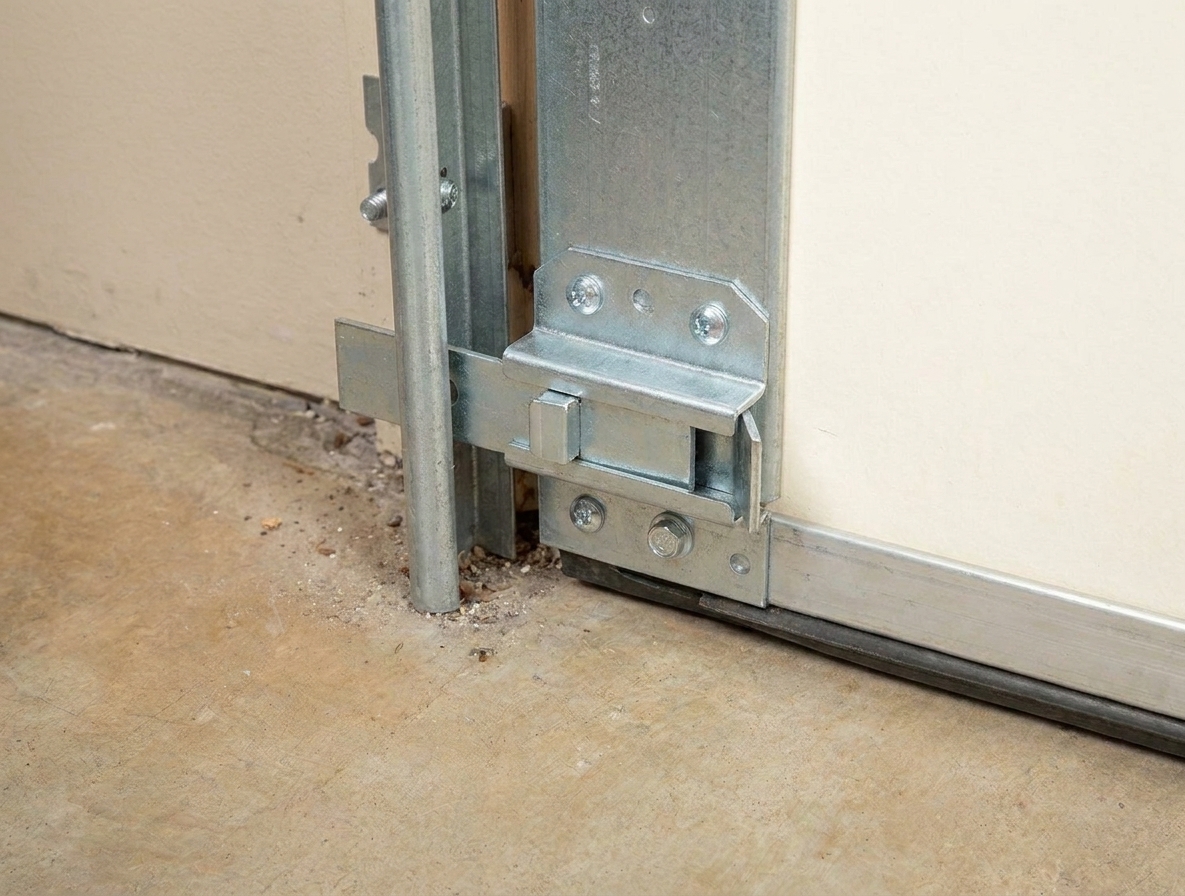
Many older garage doors have a manual slide lock in the middle of the door. If it gets bumped into the locked position, the opener tries to close, meets resistance, and reverses.
What to look for
- A handle in the center of the door with two metal bars that slide into the track
- Scrape marks on the track where the bar is hitting
Quick fix
Flip the handle to unlock and make sure the bars are fully retracted from the track. If you never use that lock, you can also remove the bars so it cannot surprise you again.
4) Replace the remote battery and rule out a stuck button
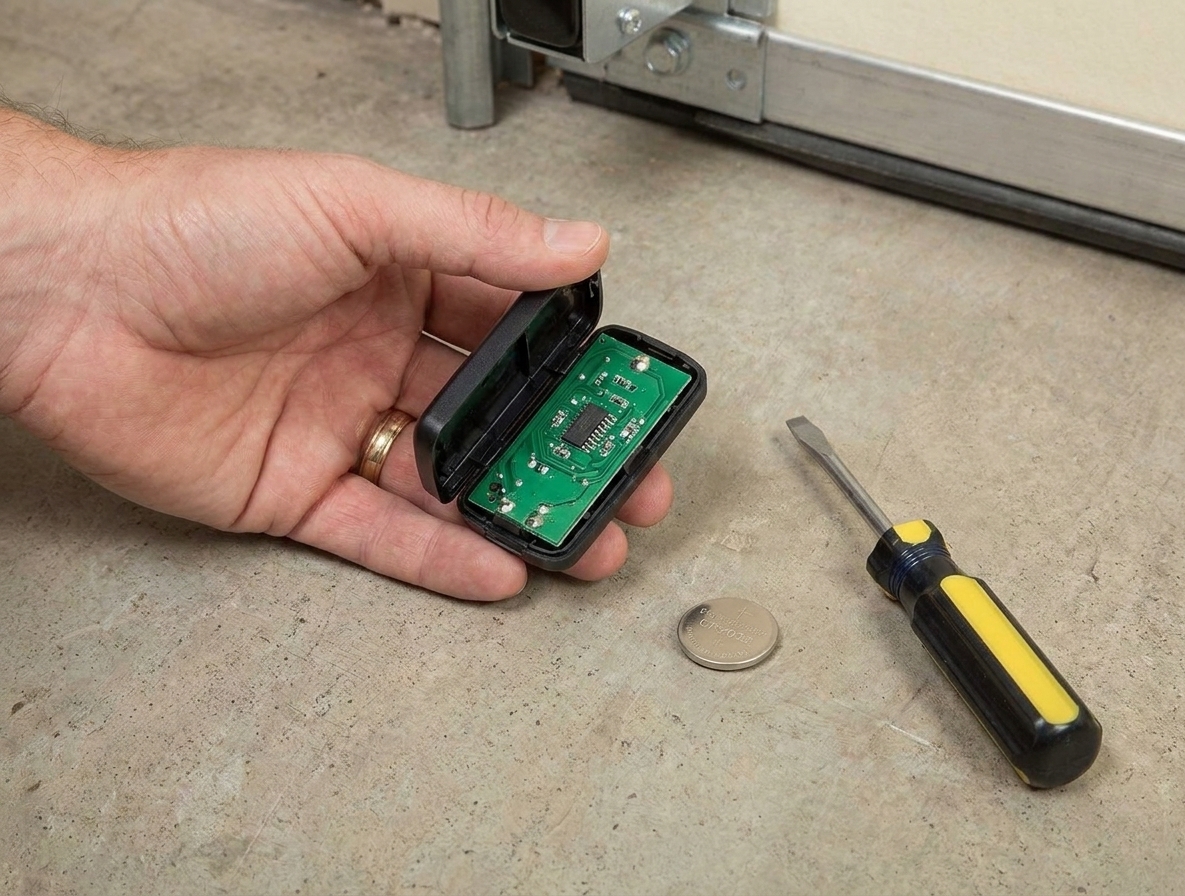
This one sounds too simple until it isn’t. A weak remote battery can cause intermittent operation or reduced range. Also, a remote in a junk drawer can get a button held down by something heavy, which can confuse the opener.
Quick checks
- Try the wall button instead of the remote.
- Remove the battery from the remote for a few minutes and try the door again.
- If you have a keypad, try that too.
- If the remote works only in certain spots, consider RF interference (LED bulbs, nearby electronics) or a failing remote.
If the door behaves normally with the wall button but not the remote, swap the remote battery first. It is the cheapest “maybe” in the whole lineup.
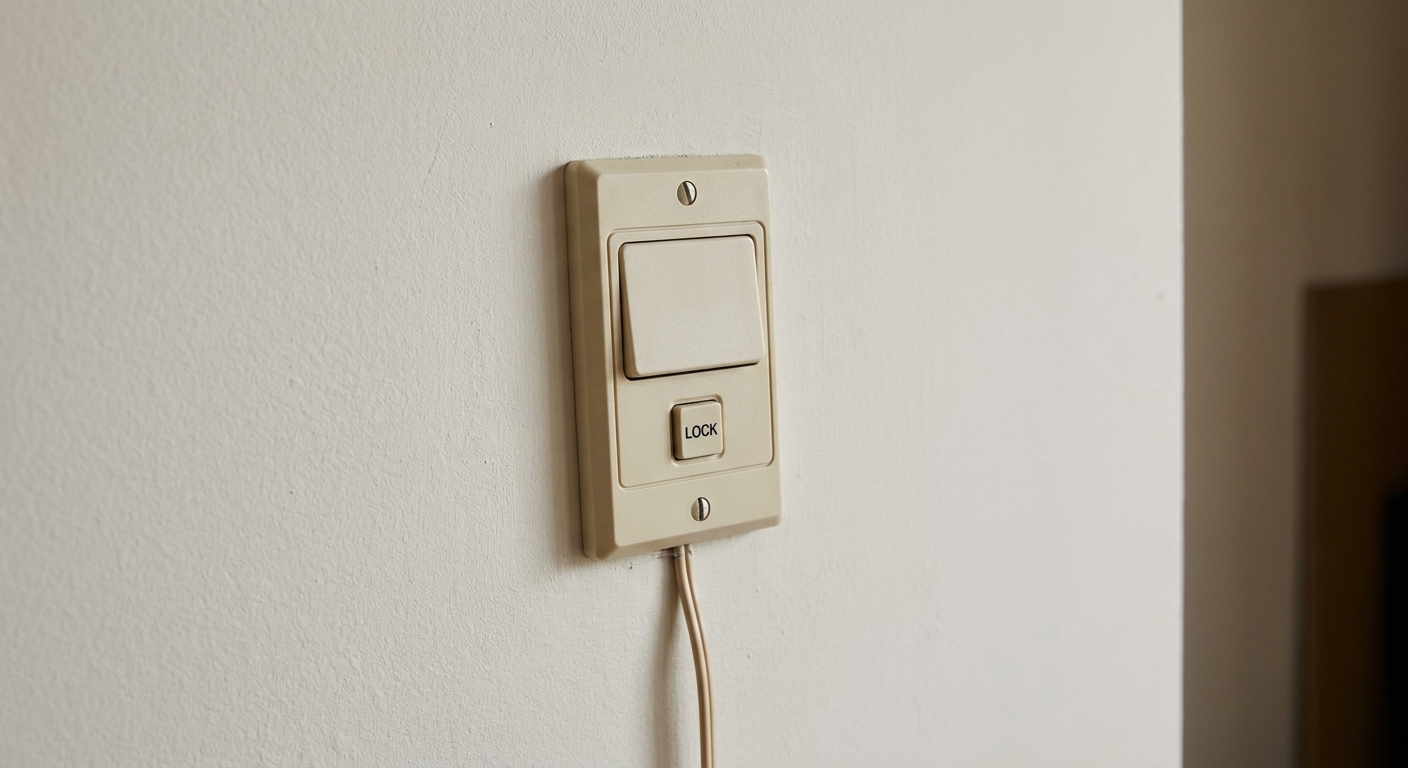
5) Check if the opener is in lock mode
Some wall control panels have a Lock feature that disables remotes and keypads. It is great for vacation. It is also great for making you think your garage door is haunted.
What to do
- Look for a lock icon or “Lock” button on the wall console.
- Press and hold the lock button (often 2 to 5 seconds) to toggle it off.
- Watch for a light indicator that changes state.
If your remotes quit working but the wall button still works, lock mode is a prime suspect.
6) Check the bottom seal and frozen spots
If the door starts down and immediately reverses, it might not be electronics at all. The bottom weather seal can catch on a raised spot, stick to the floor, or freeze in place.
What to look for
- Ice at the threshold in winter
- A tacky painted floor or fresh sealant that the rubber seal is sticking to
- A bunched-up bottom seal or small object right at the center of the door
Quick fix
- Clear ice and gently break any frozen bond at the bottom of the door.
- Clean the floor where the seal meets the ground.
- If the seal is torn or curled, plan to replace it (easy DIY on many doors, but not urgent unless it is causing repeated reversals).
7) Test travel limits and force (small adjustments only)
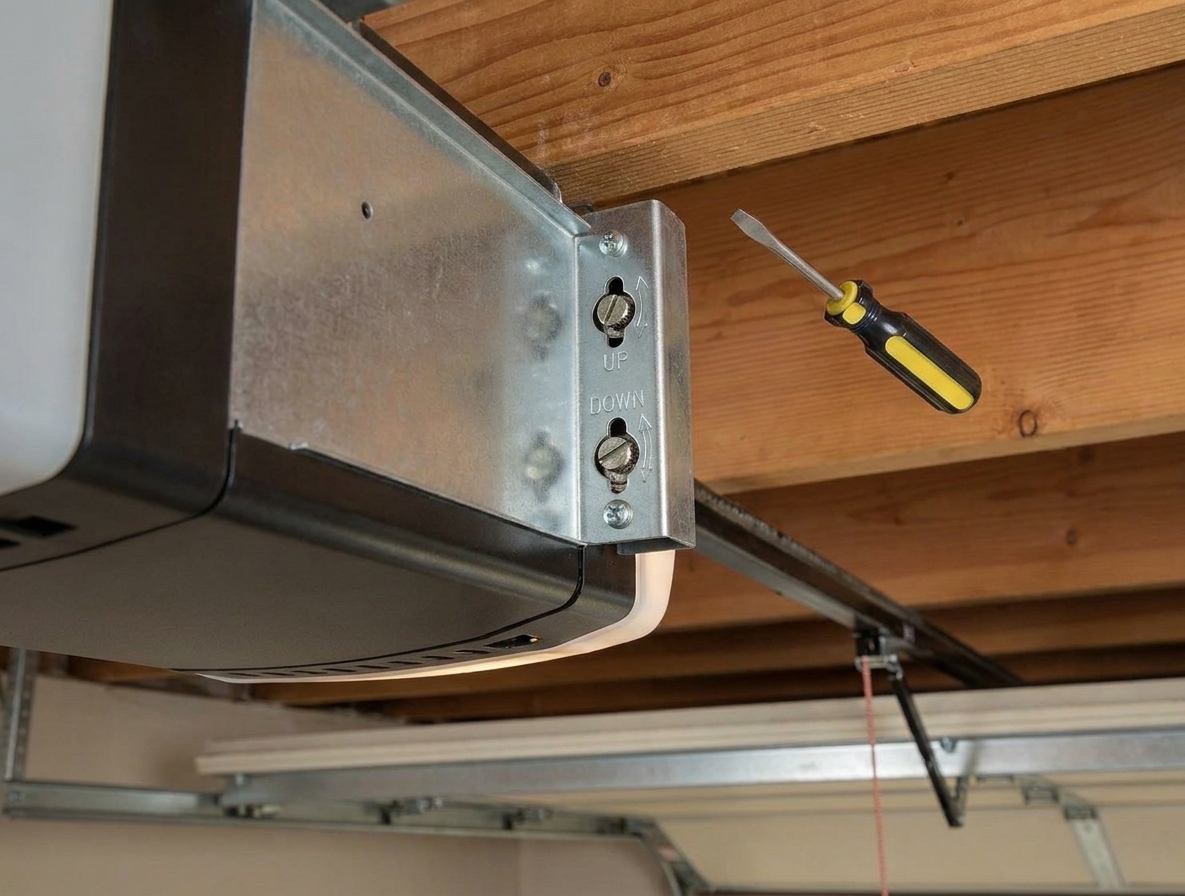
Garage door openers have settings for how far the door travels and how much force it uses. If either is off, the door may hit the floor, think it struck an obstruction, then reverse.
Go slow here Only make tiny adjustments. If the door is reversing because it is binding, cranking up force can be unsafe. If you are not sure what you are adjusting, stop and get the manual or call a pro.
Signs it is a limit issue
- The door closes almost fully, touches the floor, then immediately opens back up.
- The door stops short of the floor and reverses.
- The opener light flashes after reversal (many models use flash codes, so counting flashes and checking the manual can save time).
What to do
- Find your opener’s manual online by searching the brand and model number (usually on the opener housing).
- Locate the down travel or close limit setting (and note any LED blink or light-flash codes listed in the manual).
- Adjust in small increments, then test.
If adjusting limits does nothing, the issue is more likely sensors, track friction, or a door balance problem.
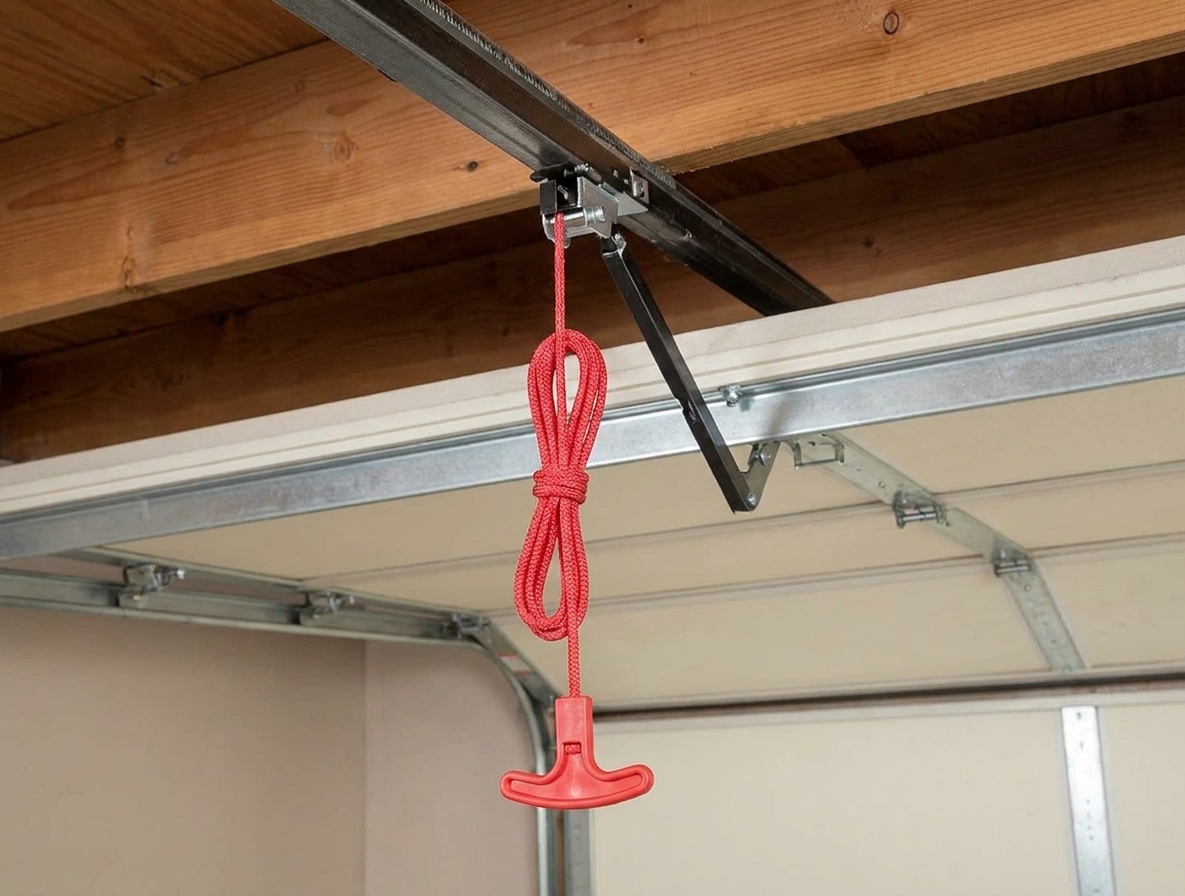
8) Try the manual release and check door balance
If the door is heavy, out of balance, or binding, many openers will refuse to close or will reverse to protect the motor.
How to do a basic balance check
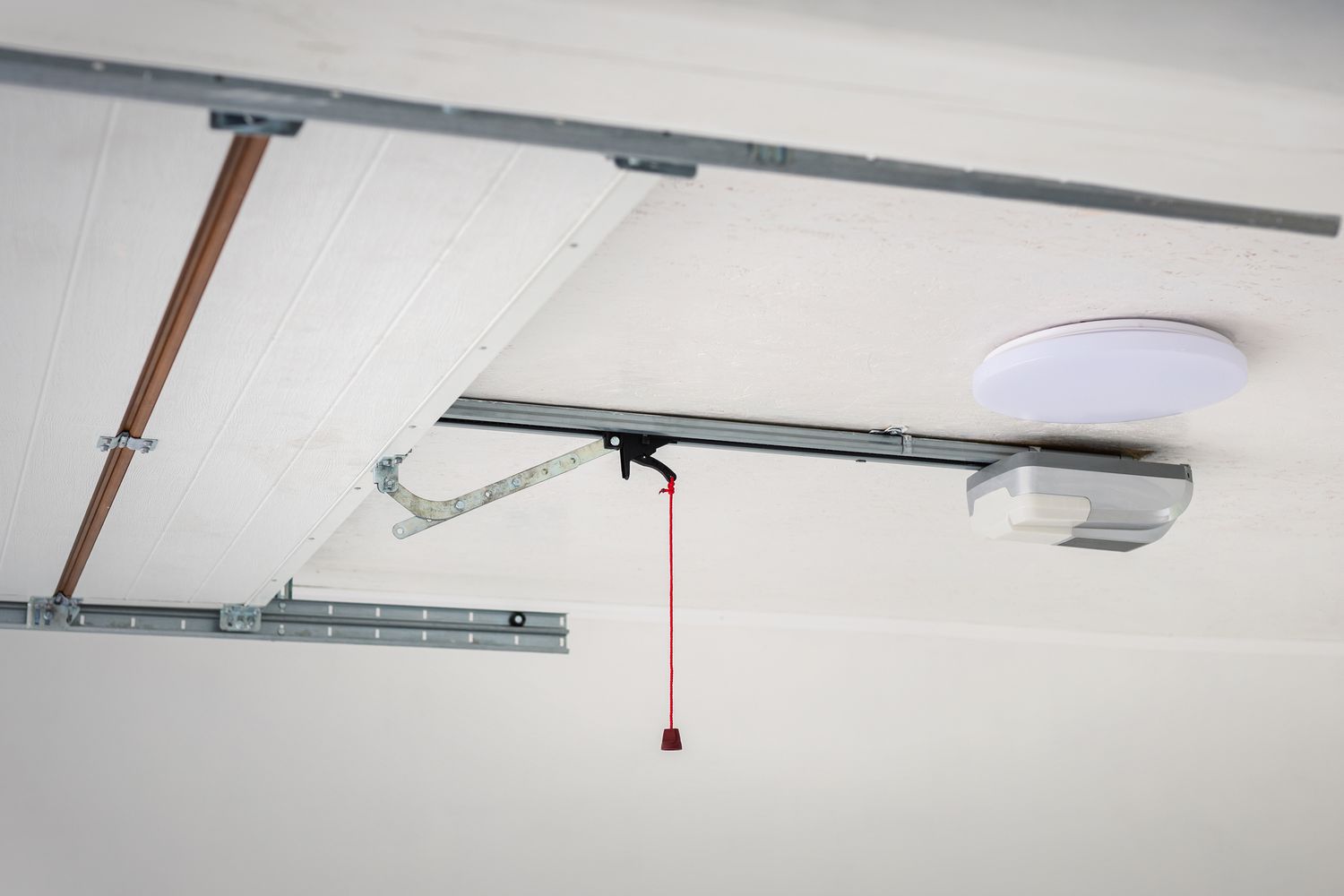
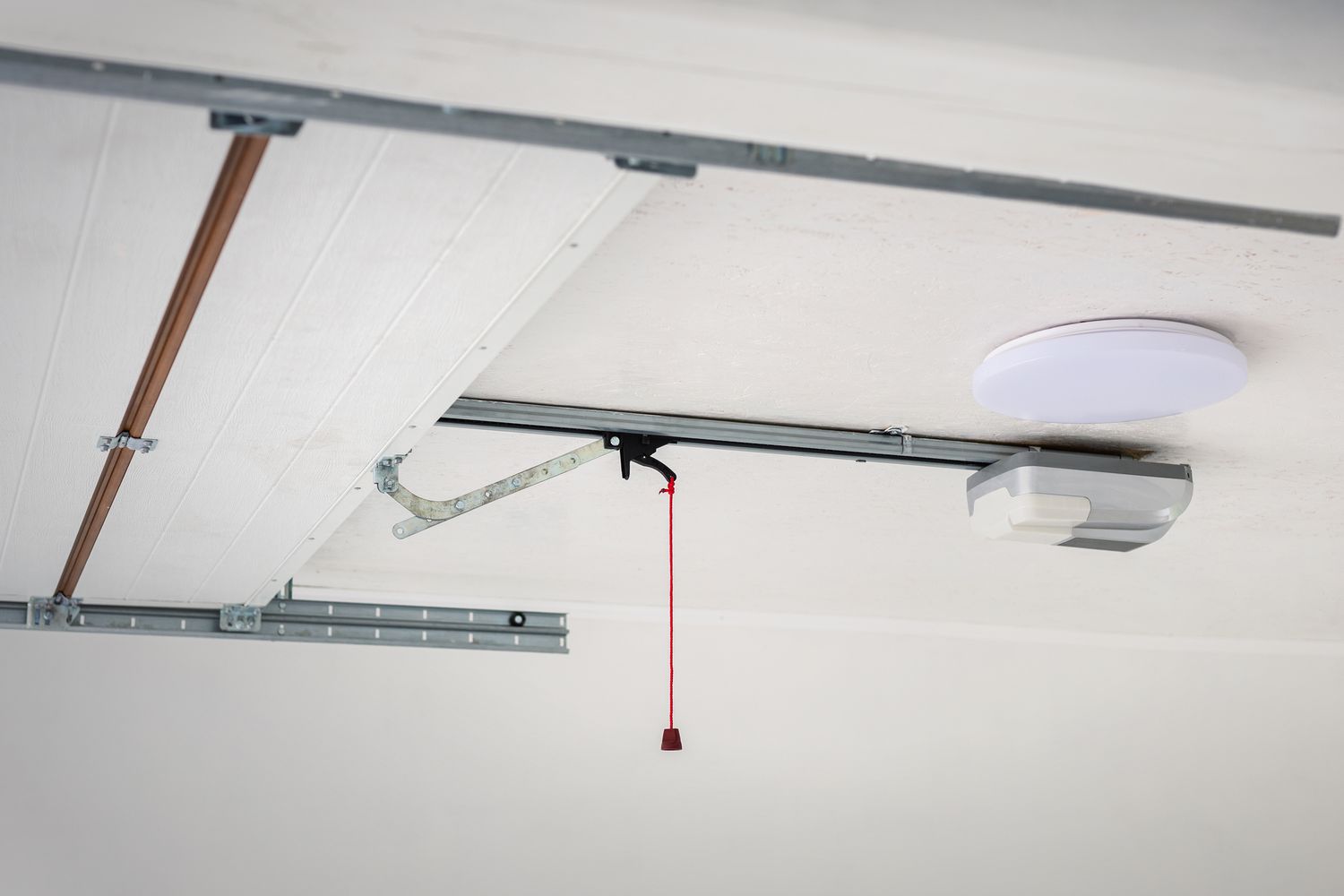
- With the door fully closed, pull the red emergency release cord to disconnect the opener.
- Lift the door by hand about waist-high and let go carefully.
- A well-balanced door should stay put or move only slightly.
If the door slams down, shoots up, or feels unusually heavy, the springs may be failing or misadjusted. That is a professional repair.
When to stop DIY and call a pro
I love a good fix-first moment, but garage doors are one place where calling in backup is smart. Pick up the phone if you notice any of the following:
- A broken torsion spring above the door (often looks like a gap in the coil)
- A frayed or loose lift cable along the sides
- The door is crooked in the opening or came off a roller
- You hear loud bangs, grinding, or the opener strains hard
- Tracks are bent badly or pulling away from the wall
A service call can cost less than the damage from forcing a door that is out of alignment. Ask me how I know.
Troubleshooting cheat sheet
| Symptom | Most likely cause | First thing to try |
|---|---|---|
| Door starts closing then reverses immediately | Photo-eye sensors blocked, misaligned, or affected by glare | Clean and align sensors, remove obstructions, check for sunlight glare |
| Door closes most of the way then pops back up | Down limit slightly off, bottom seal sticking, or floor resistance | Inspect threshold and bottom seal, check for ice, then adjust down travel slightly |
| Wall button works but remotes do not | Lock mode, dead remote battery, interference | Disable lock mode, replace remote battery, test for interference |
| Door stops at same spot every time | Track obstruction or binding | Inspect tracks and rollers at that height |
| Door feels heavy by hand | Spring or balance issue | Stop and call a pro |
FAQ
Why does my garage door close and then open back up?
The opener is detecting an obstruction or resistance. Common causes include photo-eye sensors, something in the track, a sticky bottom seal, or the close limit being slightly off so the door “thinks” it hit something when it reaches the floor.
Can I just increase the force so it closes?
You can, but you usually should not start there. Increasing force can defeat safety features and can mask a real problem like a binding door or failing springs. Always clear obstructions and check sensors first.
What if my sensors look aligned but the light still blinks?
Clean the lenses, make sure the brackets are tight, and check the sensor wires for damage. Light patterns vary by manufacturer, so confirm what blinking means in your opener manual. If wiring looks chewed, pinched, or loose at the terminals, that is often the real cause.