A homeowner-friendly comparison of loose-fill and batt attic insulation: coverage, access through small openings, DIY workload, safety notes, and how much R-...
The Homeroom Fix
October 25, 2026
•
By Marcus Delgado
Can You Put Attic Insulation Over Recessed Lights?
Burying the wrong recessed can in attic insulation is a real fire risk. Learn IC vs non-IC ratings, how to confirm clearance requirements, airtight covers, wafer lights, and when to replace the fixture or call an electrician.
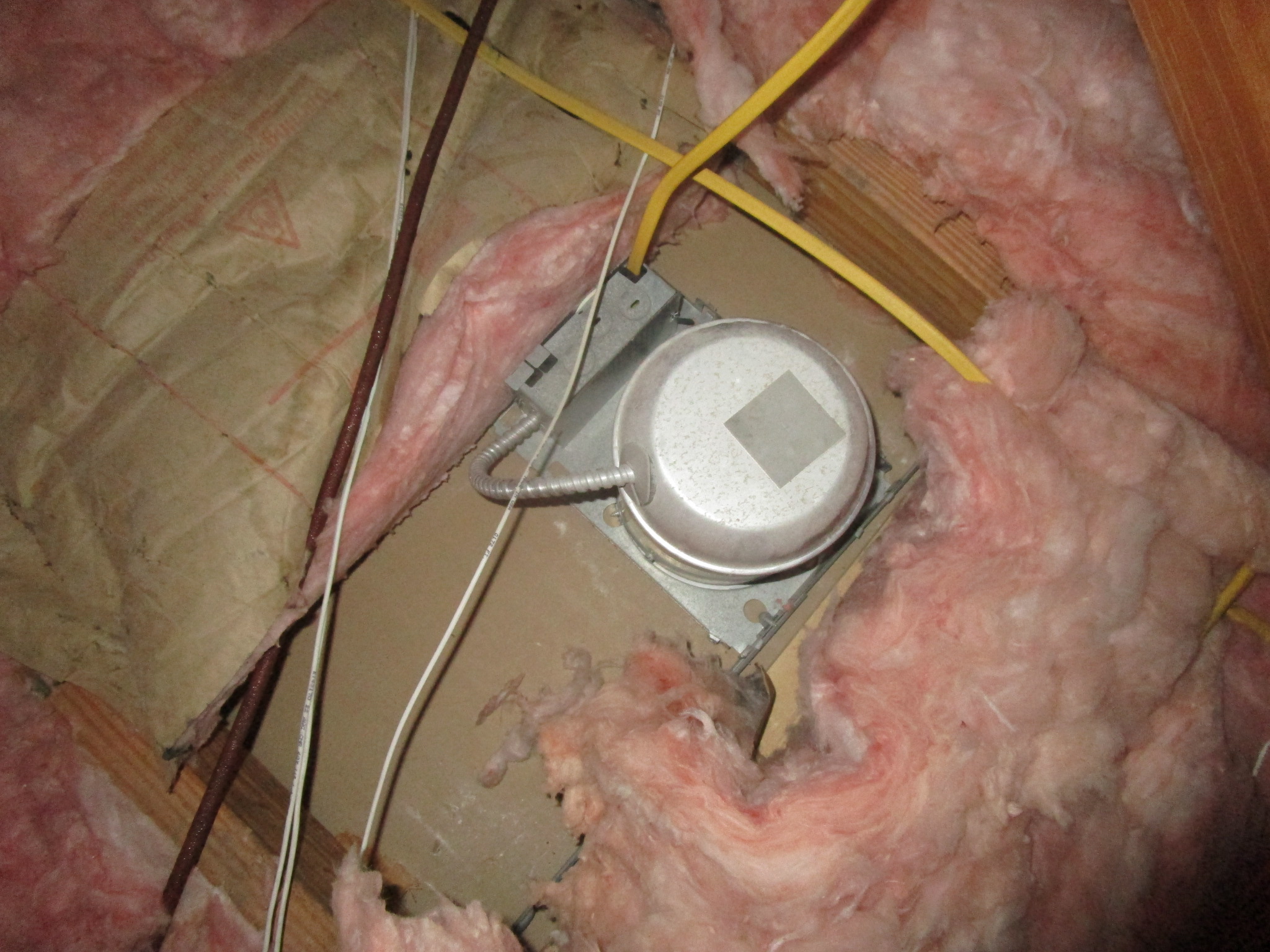
The fastest way to turn a money-saving attic insulation project into a scary one is to bury a non-IC recessed can light under loose insulation. Those older cans were designed to shed heat into open attic air. Cover them up and you can trap enough heat to damage wiring, cook the fixture, or in worst cases, start a fire.
I have worked on plenty of 1970s and 1980s houses where the attic looked like a snow drift of blown-in cellulose, and every few feet there was a recessed light sticking up like a little volcano. If you are about to add insulation, take an extra hour to sort out your can lights first. It is one of those DIY steps that is not optional.
The short answer
You can only put attic insulation over recessed lights if the fixture is rated for it. That usually means:
- IC-rated (Insulation Contact) recessed housings can be in contact with insulation.
- Non-IC housings must keep insulation away by the required clearance on the fixture label.
- Even with IC-rated cans, many homes benefit from an airtight (AT) rated fixture or a listed airtight cover to stop warm, moist indoor air from leaking into the attic.
If you cannot confirm the rating, treat it like non-IC until proven otherwise.
IC vs non-IC recessed lights
What “IC” means
IC stands for Insulation Contact. An IC-rated recessed housing is built to run cooler and to tolerate being surrounded by insulation without overheating. If your can is IC-rated, insulation can touch it.
What “non-IC” means
Non-IC cans are older or cheaper housings that rely on open air around them for cooling. They require a buffer of open space around the can. If insulation touches them, heat can build up fast.
Rule of thumb: age
This is not a perfect rule, but it helps you stay cautious:
- Older recessed lights (especially pre-1990s) are often non-IC.
- Newer recessed lights, remodel LEDs, and many modern housings are IC or IC/AT.
That said, I have seen IC housings in older homes too, and I have seen newer installs where the housing was not what the homeowner assumed. The label is what matters.
How to identify your fixture
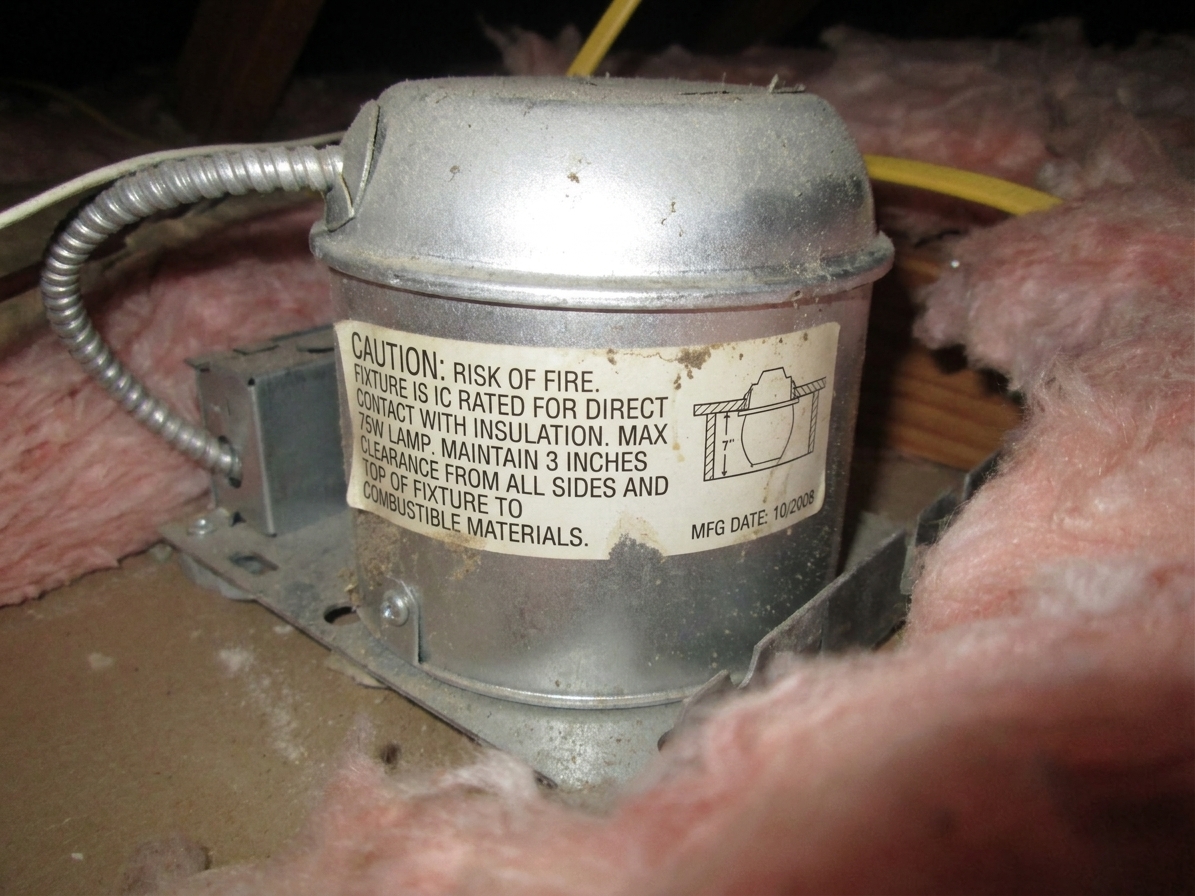
1) Check the label from the attic
If you can safely access the attic and reach the fixture, look for a label on the metal can or junction box. You are looking for wording like:
- IC or Type IC
- Non-IC
- AT or Airtight (sometimes shown as “AIR TIGHT”)
- A specific required clearance, for example “Maintain clearance from insulation”
Attic safety reminder: move slowly, step only on joists or a plank laid across joists, and watch for roofing nails poking through the sheathing.
2) Pull the trim and look inside
If the attic is hard to access, many recessed lights have a label visible inside the can when you remove the trim and bulb. Turn off the breaker first, let the fixture cool, then remove the trim and look for a sticker inside the housing.
If you still cannot find a label, do not guess.
Clearance rules
There is no one magic number that fits every recessed light. The safe rule is simple:
- The fixture listing and label control. Follow the clearance printed on the housing.
- Many non-IC housings call for a clearance that is often around 3 inches, but it can be different by model. Treat any “typical” number as a clue, not permission.
How people maintain clearance
If you have non-IC cans and you are insulating the attic, you have three common paths:
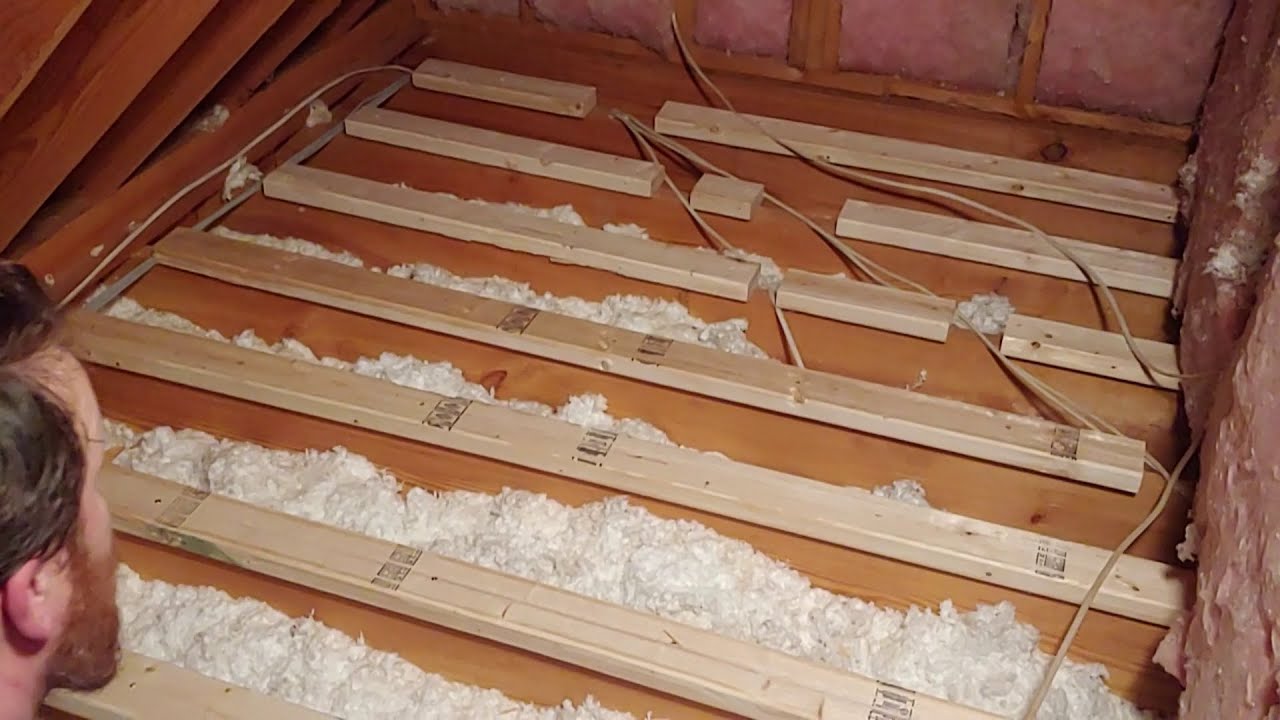
- Build a dam around each can so blown-in insulation cannot drift against the housing.
- Use a listed recessed light cover that is specifically approved for your fixture type and the required clearances.
- Replace the fixture with an IC-rated, preferably IC/AT, model.
For many homeowners, a listed cover or a fixture upgrade is the cleanest long-term solution. Just do not assume any random plastic box in the attic is safe. Listing and instructions matter.
Airtight vs heat safety
There are two separate issues here:
- Heat safety: IC vs non-IC determines whether insulation can touch the fixture.
- Air leakage: airtight (AT) construction reduces the chimney effect where warm indoor air leaks into the attic around the light.
Why airtight matters
Even if your fixture is IC-rated, recessed lights can be a big source of air leakage. That leakage can:
- Raise heating and cooling bills
- Send moisture into the attic in winter, which is not great for wood framing
- Make rooms feel drafty even with good insulation levels
If your recessed light is not labeled airtight, a listed airtight cover installed over the can in the attic can help. Use only covers listed for your situation (IC vs non-IC), and follow both the cover instructions and the fixture label.
Loose-fill insulation
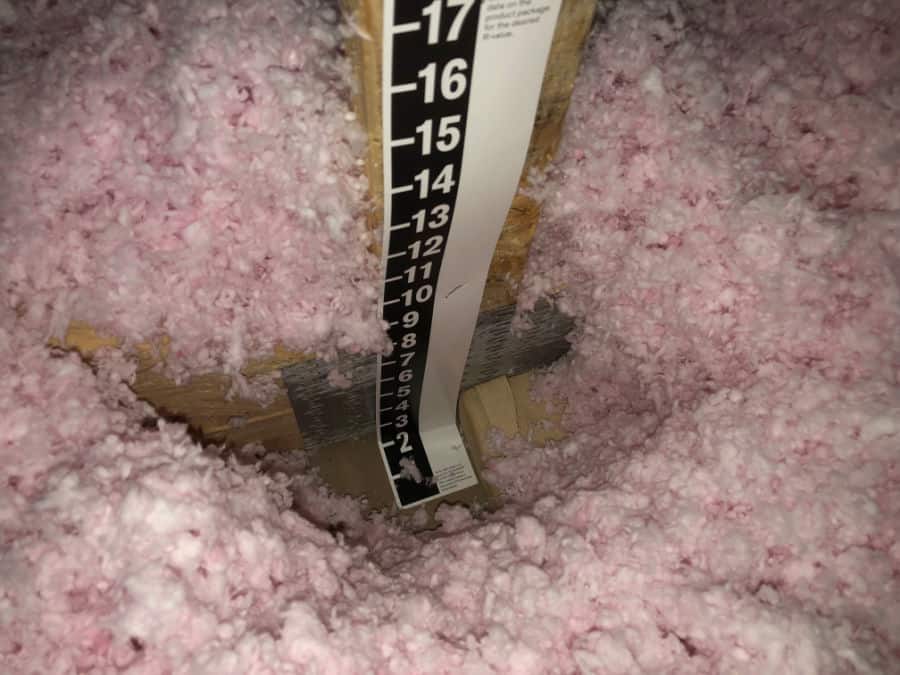
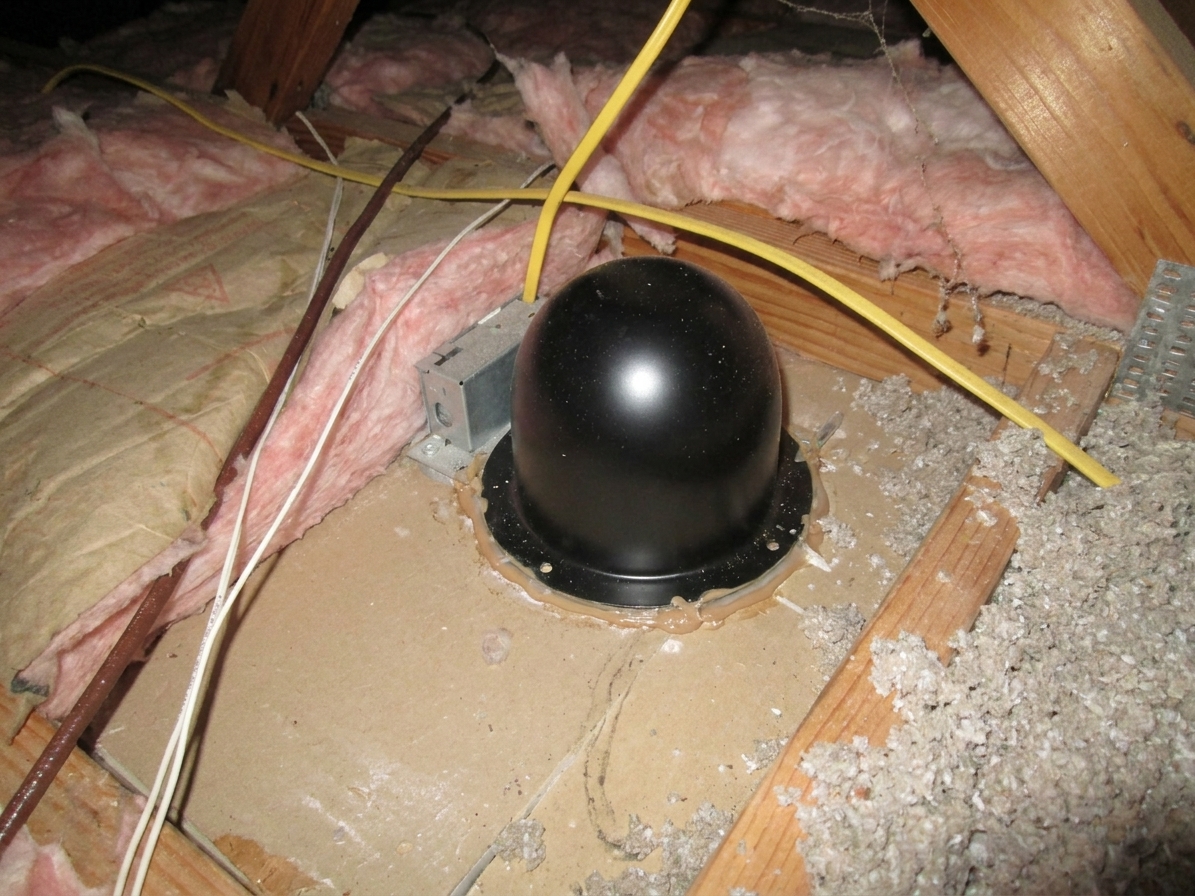
Loose-fill insulation is the one that gets homeowners into trouble because it moves. It drifts. It gets kicked around. It piles up in odd places. Cellulose in particular likes to pack into gaps, but fiberglass can drift too. So your plan has to assume insulation will eventually end up touching whatever is nearby.
If your lights are IC-rated
- You can generally insulate right over and around the housing.
- For best performance, consider improving air sealing with an IC/AT fixture or an approved airtight cover.
If your lights are non-IC
- Do not bury them.
- Create and maintain the required clearance zone permanently, not just on installation day.
- Consider a fixture replacement if you are adding a lot of insulation and want fewer exceptions and less worry.
Canless wafer LEDs
One more curveball: a lot of homes now have canless wafer LEDs instead of old-style cans. With wafer lights, the “fixture” is usually the thin LED wafer plus the small junction box up in the ceiling cavity or attic.
- Many wafer kits are rated for insulation contact, but you still need to confirm the rating on the label.
- Do not bury a junction box unless the product instructions allow it and the wiring connections remain accessible as required.
If you are unsure what you have, take a photo of the label and ask an electrician or your local building department.
Cover, replace, or call a pro
Choose a listed cover when:
- Your fixture is IC-rated but not airtight and you want better air sealing.
- Your fixture is non-IC and the cover is listed for non-IC use and maintains the required clearances.
- You want a solution that is less fussy than building custom dams around every can.
Important: use only covers listed for recessed lights and matched to your fixture type. Some covers are intended only for IC fixtures, and some have lamp or wattage limits. Follow the paperwork.
Replace the fixture when:
- The housing is non-IC and you are trying to bring the attic up to modern insulation levels.
- The fixture is old, damaged, rusty, or has brittle wiring.
- You want to switch to sealed LED units that run cooler and leak less air.
One clarification that saves a lot of confusion: a new LED bulb or LED trim does not automatically change a non-IC can into an IC-rated fixture. The housing rating still rules unless the product instructions specifically say the retrofit is approved for your exact housing and insulation conditions.
From a carpenter’s perspective, replacement is often the most “set it and forget it” option, but electrical work is where I tell people to stay in their lane. Which leads to the next one.
Call an electrician when:
- You cannot confirm whether the fixture is IC or non-IC.
- You see scorched insulation, discoloration on the housing, melted wire nuts, or a burning smell.
- The can is wired in a way that looks questionable, splices outside a junction box, loose connections, or damaged cable jacket.
- You want to replace multiple fixtures and are not comfortable working inside electrical boxes.
My attic checklist
- Identify every recessed light from above and verify the rating.
- Confirm bathroom fans vent outdoors, not into the attic. Warm moist air plus cold roof decking is a bad combo.
- Air seal first where you can, especially around plumbing stacks, wiring holes, and top plates.
- Protect heat sources like chimney flues with the required clearances and proper materials.
- Install baffles at soffits so insulation does not block ventilation.
Insulation works best when the attic is set up like a system, not just a pile of fluff.
FAQ
Can I cover recessed lights with insulation if I use LED bulbs?
LEDs run cooler than incandescent bulbs, but the housing rating still rules. A non-IC can is still a non-IC can, even with an LED bulb installed.
What if insulation is already touching my recessed light?
Play it safe: move insulation away immediately and check the label on the fixture. If it is non-IC, maintain the required clearance. If you see any heat damage or smell anything odd, shut the light off at the breaker and call an electrician.
Do I need an airtight cover if my fixture is IC-rated?
Not always, but it is often worth it. IC rating is about heat safety. Airtight is about air leakage. If you are trying to keep heating bills down and avoid attic moisture issues, airtight matters.
Are recessed light covers required by code?
Requirements vary by location and by the fixture. The one constant is that the fixture listing and label are the minimum safe starting point. When in doubt, follow the fixture labeling and local code guidance, or ask an electrician or inspector.
Bottom line
If you remember one thing, make it this: never bury a recessed light unless it is rated for insulation contact. Verify the label, respect the listed clearances, and use a listed cover or a proper fixture upgrade when needed. Your attic will be warmer, your energy bills should drop, and you will not be lying awake wondering what is happening above your ceiling.