
Why Your Toilet Whistles When It Refills
A toilet that whistles only while the tank refills is usually a fill valve issue: a partly clogged screen, a worn valve seat, or high water pressure. Here’s how to pinpoint and fix it safely.
The first time I heard a toilet “sing” during a refill, I thought I had a weird pipe ghost. Turns out it is usually just water moving too fast through a slightly unhappy part.
Good news: if your toilet whistles only while the tank is filling and then stops once it reaches the water line, you are dealing with a different issue than a toilet that keeps running. The toilet should fill, hit the shutoff point, and go quiet.
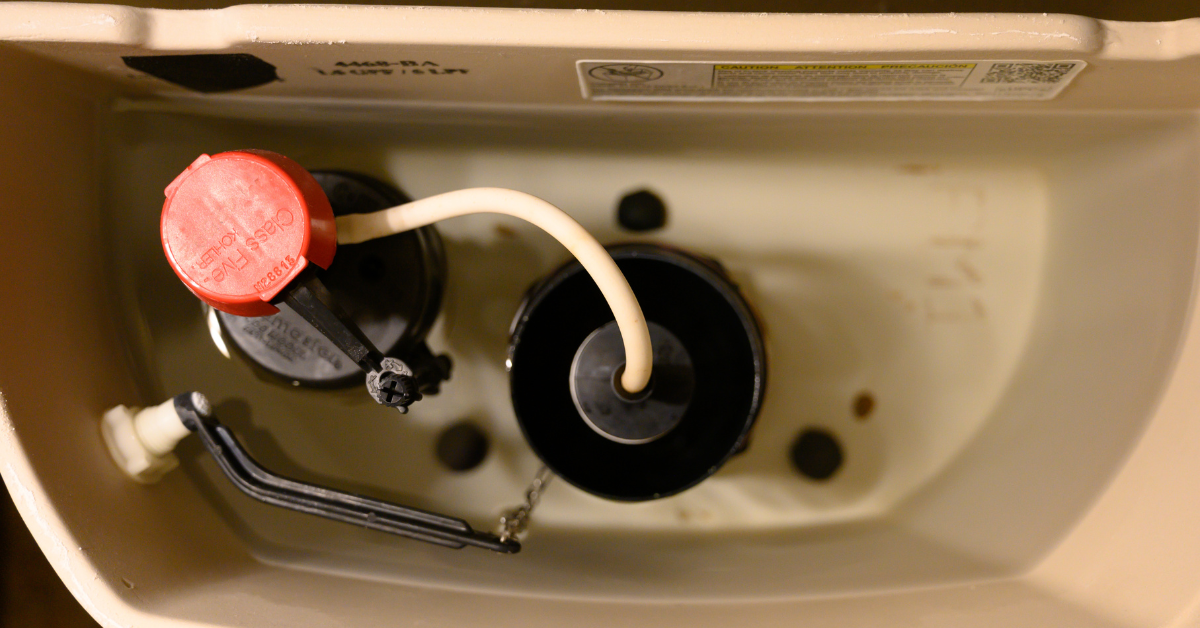
What the whistle means (and what it does not)
A whistle during refill is almost always vibration. Water rushing through a narrow spot can make a rubber seal flutter or a plastic part resonate like a tiny recorder.
- This article is for: whistle starts when you flush, lasts during tank fill, and stops when the fill valve shuts off.
- Not this article: tank never stops filling, you hear constant running, or water is flowing into the overflow tube nonstop. That is a shutoff or flapper problem.
Normal behavior: The tank should shut off on its own when the water reaches the marked water line (or about 1/2 inch below the top of the overflow tube).
Quick safety and prep
You do not need fancy tools for most of this, but you do want to work clean and careful inside the tank.
- Turn the water supply valve off if you are going to remove hoses or parts.
- Flush and hold the handle down to drain most of the tank.
- Keep a small bowl and an old towel nearby.
Tools I typically grab: adjustable wrench or channel-lock pliers, a small cup, an old toothbrush, and a flashlight.
Cause #1: A partly blocked fill-valve screen
This is the most common whistle I see in real homes, especially with older plumbing or after a water main flush. Most modern fill valves have a small screen where water enters the valve. If grit or mineral flakes partially clog it, the water jets through a smaller opening and the valve can whistle.
How to confirm
- The whistle is loudest right after a flush when the refill flow is strongest.
- It may change pitch if you slightly close the supply stop valve under the toilet.
- Other faucets in the bathroom might sputter briefly after utility work.
How to clean the screen (two common methods)
Different fill valves are built differently, but these two approaches cover most brands.
Method A: Rinse through the fill valve
- Turn off the water at the shutoff valve under the toilet.
- Flush to lower the tank water level.
- Remove the top cap of the fill valve (usually a twist or a clip).
- Hold a cup over the opening to block splashing.
- Crack the shutoff valve on for 2 to 3 seconds to blast debris out, then shut it back off.
- Reassemble and test.
Method B: Clean the inlet screen at the supply connection
- Turn off the shutoff valve under the toilet.
- Place a towel under the supply connection.
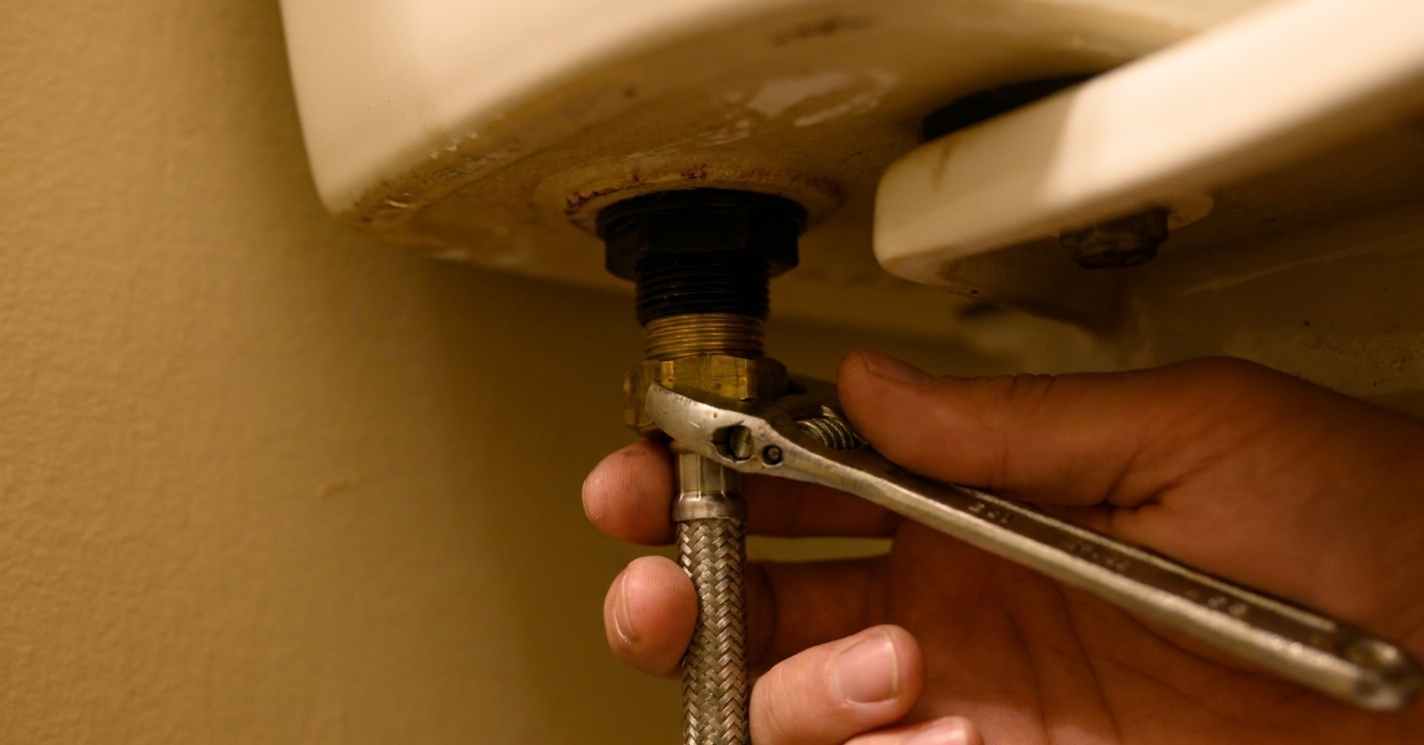
- Disconnect the supply line from the bottom of the fill valve shank.
- If your model has a visible screen at the inlet, gently remove it and rinse it clean. Use an old toothbrush for mineral buildup.
- Reconnect the line, turn water on slowly, and test.
Be gentle: Those little screens and plastic tabs are not built for brute force. If it feels like it is going to snap, stop and switch to replacing the fill valve.
Cause #2: A worn valve seat or seal inside the fill valve
If the screen is clean and the whistle is still there, the next suspect is the internal rubber seal. As rubber ages, it hardens or deforms. Water rushing past it can make it vibrate and squeal.
Clues it is the seal
- The toilet is not running constantly, but the refill is noisy every time.
- The sound can vary from a whistle to a foghorn or squeal.
- The toilet may fill a little slower than it used to.
Fix options
- Replace the seal (if available for your model): Some fill valves have a serviceable cap and seal kit. If you can identify the brand and model, you may find a replacement seal at the hardware store.
- Replace the entire fill valve (my usual recommendation): Fill valves are relatively inexpensive, and a full replacement is often faster and more reliable than chasing an internal part on an older valve.
Fill valve replacement, in plain steps
- Turn off the shutoff valve under the toilet.
- Flush and sponge out the remaining tank water.
- Disconnect the supply line from the bottom of the fill valve.
- Inside the tank, unclip the refill tube from the overflow tube.
- Remove the lock nut under the tank holding the fill valve in place.
- Lift the old fill valve out.
- Install the new fill valve and set the height per its instructions.
- Tighten the lock nut snug, not crazy tight.
- Reconnect the supply line.
- Clip the refill tube to the overflow tube so it points down into the overflow.
- Turn water on, check for leaks, and adjust the water level to the marked line.
If you can replace a showerhead, you can replace a fill valve. Just go slow and keep a towel handy.
Cause #3: High water pressure (or a partially closed shutoff valve)
Sometimes the fill valve is fine, but the conditions are not. High house water pressure can make refill flow aggressive, which makes any small imperfection whistle. A partially closed shutoff valve can also create a “high velocity through a restriction” situation that sings.
Easy checks first
- Make sure the shutoff valve is fully open: Turn it counterclockwise until it stops. If the whistle changes when you adjust the valve, that is a big clue.
- Try slightly throttling the valve: If your pressure is high, closing the shutoff valve just a touch can reduce the whistle. This is a decent short-term band-aid, but it is not my favorite long-term solution.
How to know if your water pressure is too high
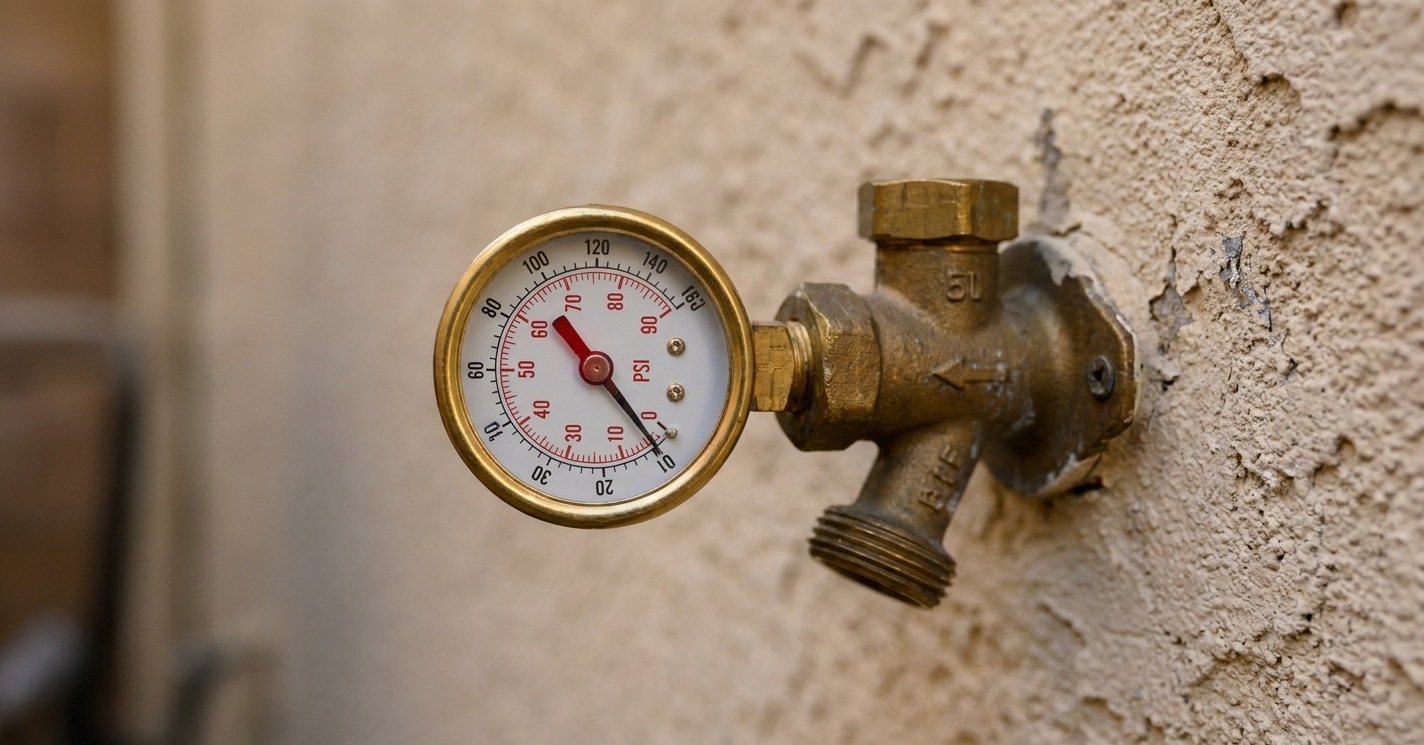
Most homes are happiest around 40 to 60 psi. Above roughly 80 psi is considered high and can wear out fixtures faster.
- If you notice banging pipes (water hammer), frequent leaking fixtures, or multiple noisy refill valves, pressure is worth checking.
- A simple hose-thread pressure gauge on an exterior spigot or laundry faucet can tell you a lot.
If your pressure is high, the real fix is usually a pressure reducing valve adjustment or replacement. That is a job many homeowners can do, but if you are not comfortable working on the main line, a plumber is money well spent.
Make sure the toilet is shutting off at the right level
Even though your main complaint is the whistle, take 30 seconds to confirm the tank is filling correctly.
- The water level should stop at the tank’s marked water line, if there is one.
- If there is no mark, aim for about 1/2 inch below the top of the overflow tube.
- If water is trickling into the overflow tube after shutoff, adjust the float and re-check. Continuous overflow is wasted water.
When to stop DIY and call for help
I am all for learning, but here are a few times I would rather you tap out.
- You cannot fully shut off the toilet supply valve, or it leaks at the stem when you turn it.
- The shutoff valve is corroded and feels like it might snap.
- You confirm water pressure is very high and you are unsure about adjusting the pressure reducing valve.
- You replace the fill valve and the whistle still happens. That can point to odd pressure issues or piping resonance that takes some diagnosing.
FAQ
Is a whistling toilet dangerous?
Usually no. It is typically a noisy fill valve, not an imminent flood. The bigger risk is wear and tear if the root cause is high pressure or a failing valve. If you see leaks, water on the floor, or the tank never shuts off, address it immediately.
Can I just live with it?
You can, but it often gets worse. Cleaning the screen or replacing the fill valve is a relatively quick, inexpensive fix that also helps the toilet fill properly.
Will replacing the flapper fix a whistle?
Almost never. A flapper problem causes running or periodic refills after the toilet has been sitting. A whistle that happens only during active refill points to the fill valve and water flow conditions.
Why did it start suddenly?
Common triggers are debris in the line after utility work, sediment stirred up by a shutoff being used, or a fill valve seal reaching the end of its life.
My go-to diagnosis order
If you want the quickest path from “why is my toilet whistling?” to silence, here is the order I would tackle it:
- Confirm it only whistles during refill and stops at the proper water line.
- Make sure the shutoff valve is fully open.
- Clean the fill valve screen or flush debris out of the valve.
- If it still whistles, replace the fill valve.
- If multiple fixtures are noisy or you suspect high pressure, check psi and address pressure reduction.
Do those steps and your bathroom should go back to being many things, but not a musical instrument.