
Toilet Won’t Flush but Isn’t Clogged? Start Here
If your toilet won’t flush but the bowl isn’t clogged, the problem is usually in the tank. Check the handle, chain, flapper, linkage, tank water level, and bowl refill tube.
If your toilet bowl is not blocked but the toilet still will not flush, you are most often dealing with a tank problem, not a drain problem. In other words: the toilet is not getting the “go time” signal to dump a rush of water into the bowl.
I have fixed a lot of these in under 10 minutes with nothing more than a flashlight and a little chain adjustment. Let’s walk through it in order, from the handle to the flapper to the water level, and stop as soon as the flush mechanism works again.
Quick reality check: A bowl can look “not clogged” and still flush poorly because of mineral buildup in the rim or siphon jet, a partial obstruction in the trapway, low bowl water level, or even a venting issue. But start in the tank first. It is where the easy wins usually are.
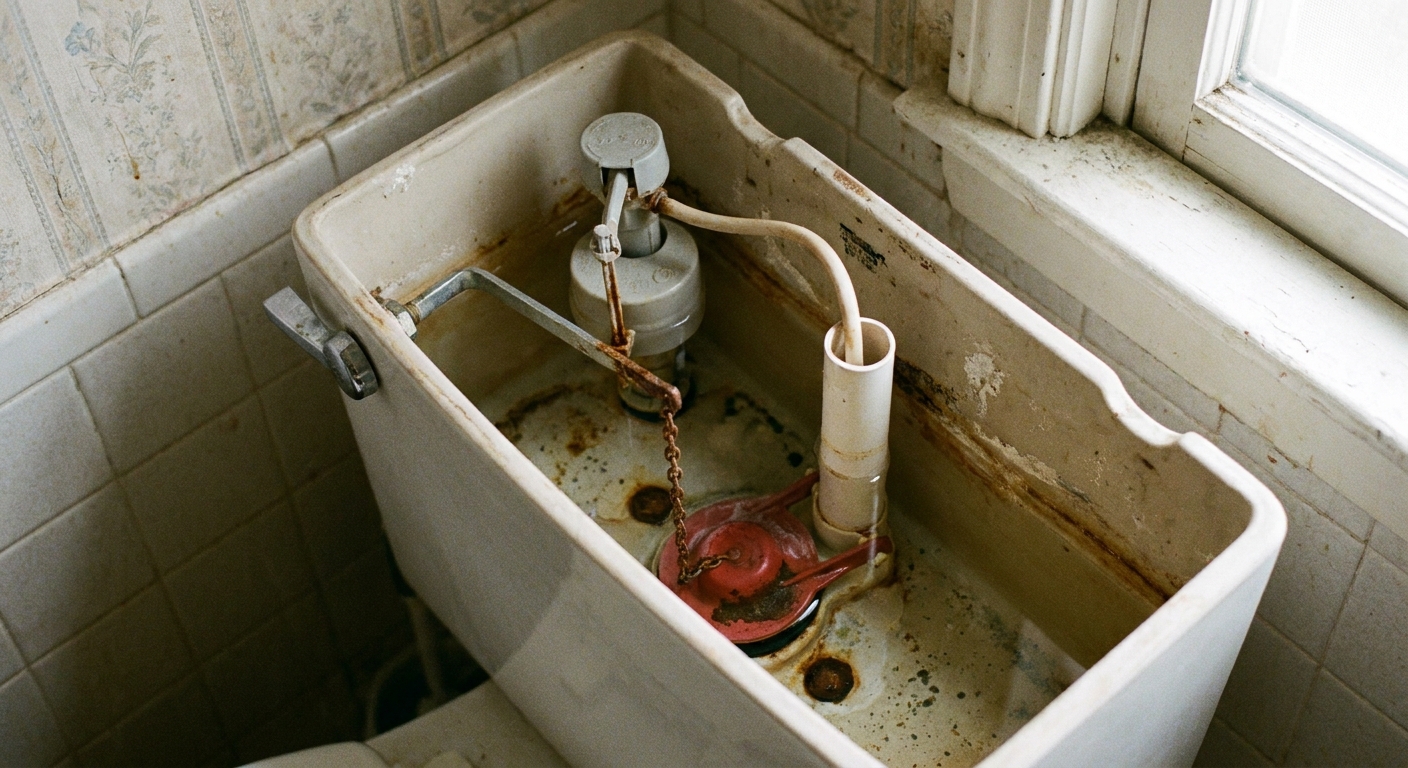
Before you start
- Take the tank lid off carefully and set it on a towel on the floor. Those lids chip easily and they are heavier than they look.
- Avoid drop-in tank cleaners while troubleshooting and in general. They can stain parts, hide leaks, and shorten the life of rubber seals.
- Have a flashlight handy. A phone light works, but it is nice not to drop your phone into a toilet tank on a Tuesday night.
Step 1: Check the handle
Push the flush handle and watch inside the tank. One of three things usually happens:
- The handle feels loose and nothing moves inside the tank. That points to a handle or handle arm problem.
- The handle moves, but the chain is slack and the flapper does not lift. That points to chain length or a disconnected chain.
- The flapper lifts, but it drops immediately and you get a weak or half flush. That points to a flapper issue, lift mechanism issue, or tank water level being too low.
Loose handle fix
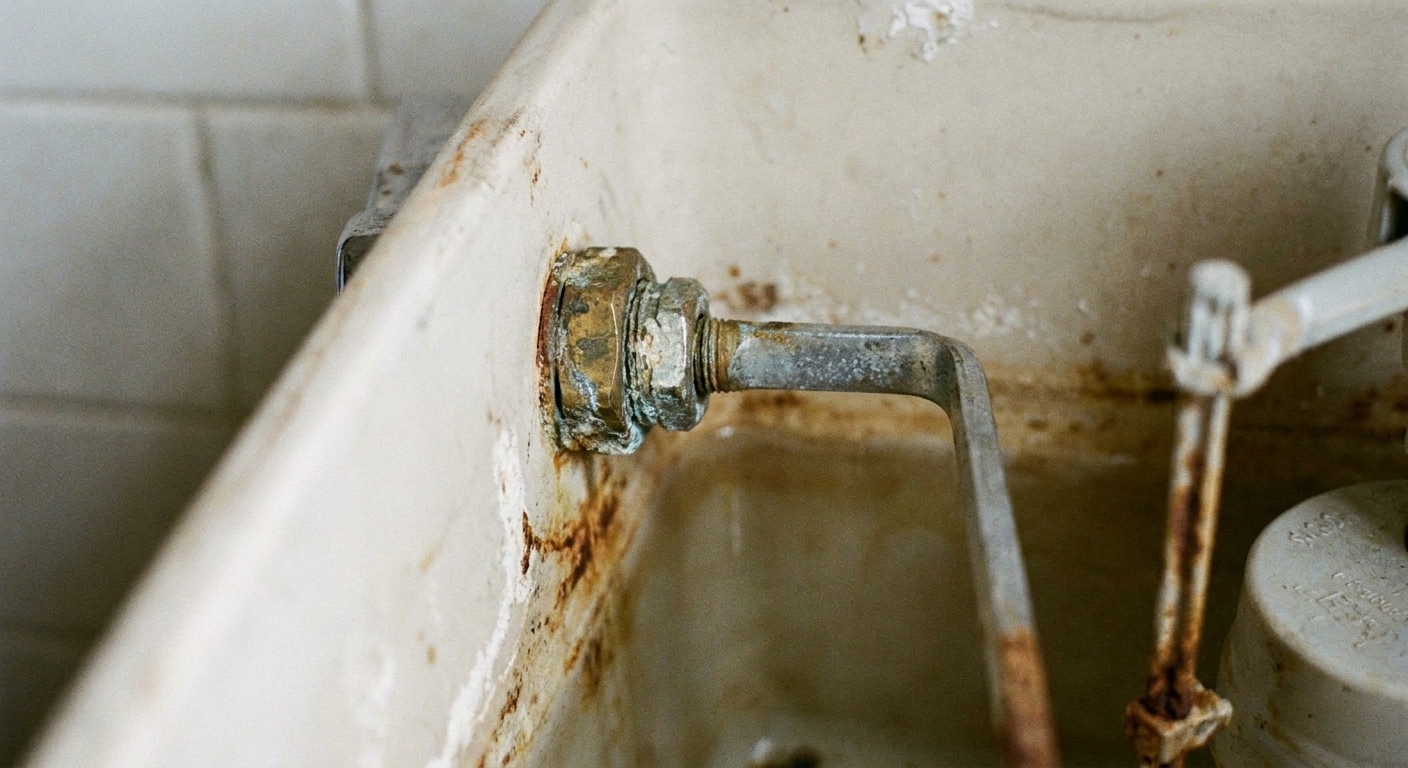
Inside the tank, the handle connects to a metal or plastic arm. That assembly is held to the tank by a nut on the inside.
- If the handle wobbles, tighten the nut inside the tank.
- Many toilets use a reverse-thread nut here. If it will not tighten clockwise, try tightening counterclockwise.
- If the arm is broken or badly corroded, replace the handle assembly. They are inexpensive and fairly universal.
Step 2: Check the chain
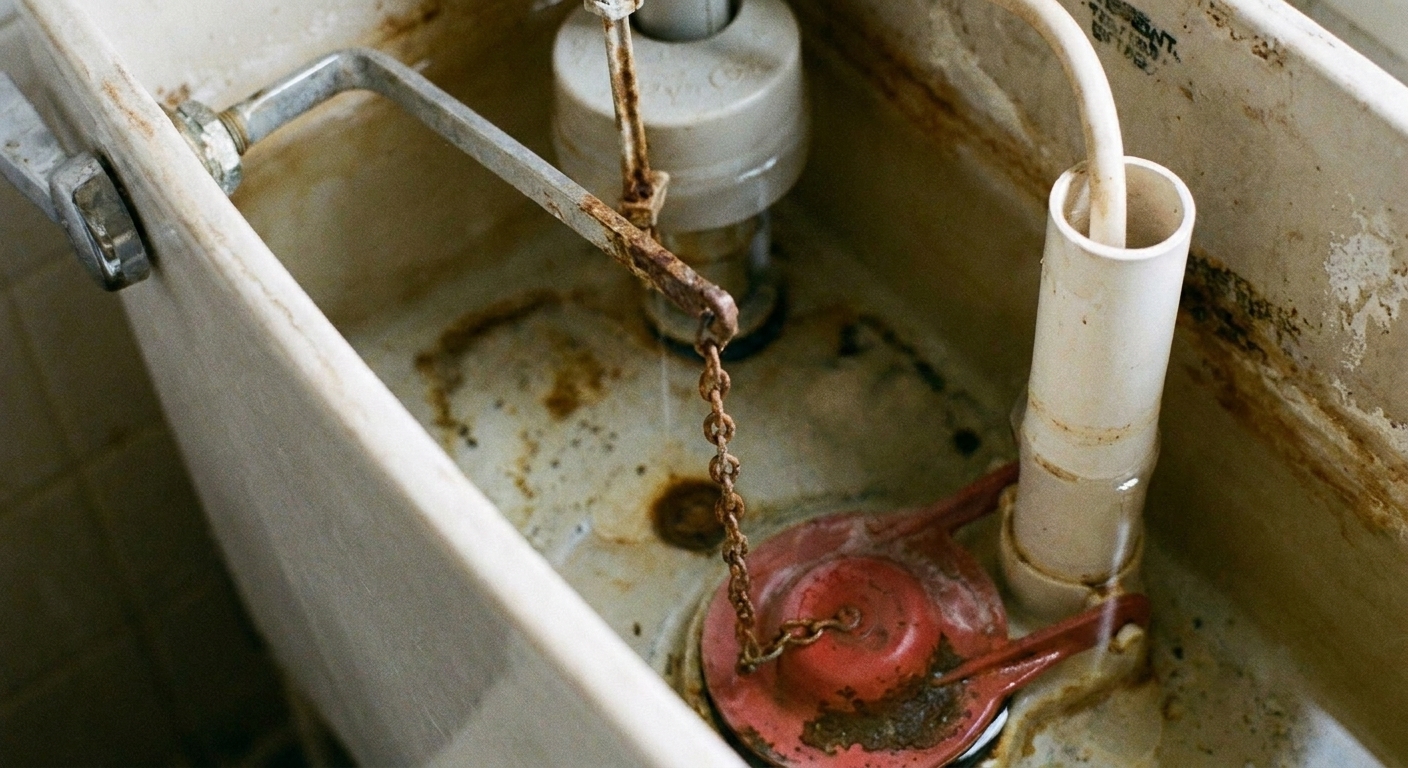
The chain is the handshake between your handle and the flapper. If it is disconnected or adjusted wrong, the flapper never opens long enough to start a proper flush.
Good chain length
- With the flapper closed, you want a little slack, usually about 1/4 to 1/2 inch.
- Too loose: you press the handle and the arm moves, but the flapper barely lifts or not at all.
- Too tight: the flapper may not seal fully, which can cause other problems later.
Fixes
- Reconnect the chain if it popped off the handle arm.
- Move the hook to a different chain link to shorten or lengthen it.
- If your toilet uses a rubber strap instead of a chain, make sure it is not twisted or torn.
Step 3: Check the flapper
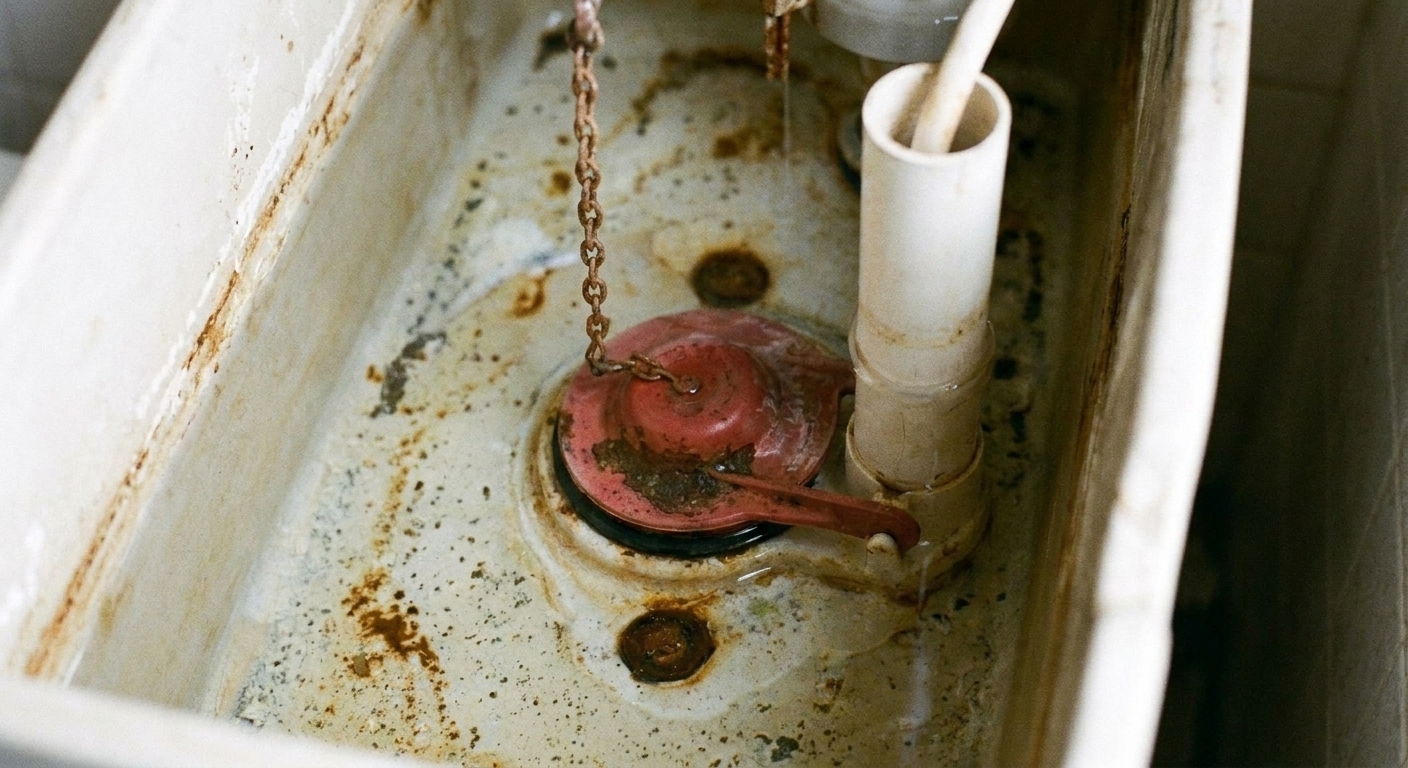
The flapper is the rubber valve at the bottom of the tank. When it lifts, tank water rushes into the bowl fast, and that is what starts the siphon action that makes a real flush.
Quick test
First, glance at the tank water level. If it looks low, jump to Step 5 and fix that before you judge this test.
With the tank reasonably full, reach in and lift the flapper by hand for 2 to 3 seconds.
- If the toilet flushes strongly when you lift it by hand, the drain is probably fine. Your issue is the handle, chain, or lift mechanism.
- If the flapper will not stay up or it feels stiff and warped, the flapper itself is suspect.
What to look for
- Warped, cracked, or slimy flapper: Replace it. Rubber parts are wear items.
- Flapper ears not seated on the overflow tube pegs: Re-seat the flapper so it swings freely.
- Chain caught under the flapper: Reposition it so the flapper can seal flat.
Step 4: Check linkage
Some toilets use a traditional flapper and chain. Others use a canister-style flush valve or a setup where a wire or arm does the lifting. If that lift piece is bent or rubbing the tank wall, you can get a no-flush or barely-flush situation even when the chain looks fine.
What to do
- Flush while watching to see if anything binds.
- Look for interference where the handle arm hits the tank wall, the overflow tube, or the fill valve.
- If a wire is bent, gently straighten it so the lift motion is vertical and smooth.
If parts are badly corroded or plastic is cracked, replacement is the smarter move than trying to bend it back forever.
Step 5: Check tank level
Here is the sneaky one. Your toilet can look totally normal, the bowl is not clogged, you press the handle, and it still does not flush because the tank does not have enough water stored to start the flush.
Where the water should be
- Many toilets want the water level about 1/2 inch below the top of the overflow tube, or at the waterline mark stamped on the tank.
- If the water is several inches lower than that, the flush will be weak or may not start at all.
How to raise the level
This depends on what fill valve you have, but the idea is the same: adjust the fill valve to allow a higher shutoff level.
- Float cup style: Look for an adjustment screw or clip on the valve. Adjust in small increments, then let the tank refill and re-check.
- Older float ball style: Use the adjustment screw where the float arm meets the valve, or gently bend the arm upward to raise the water line.
What you should see after
- The tank refills to the new level and then stops.
- Water should not run continuously into the overflow tube.
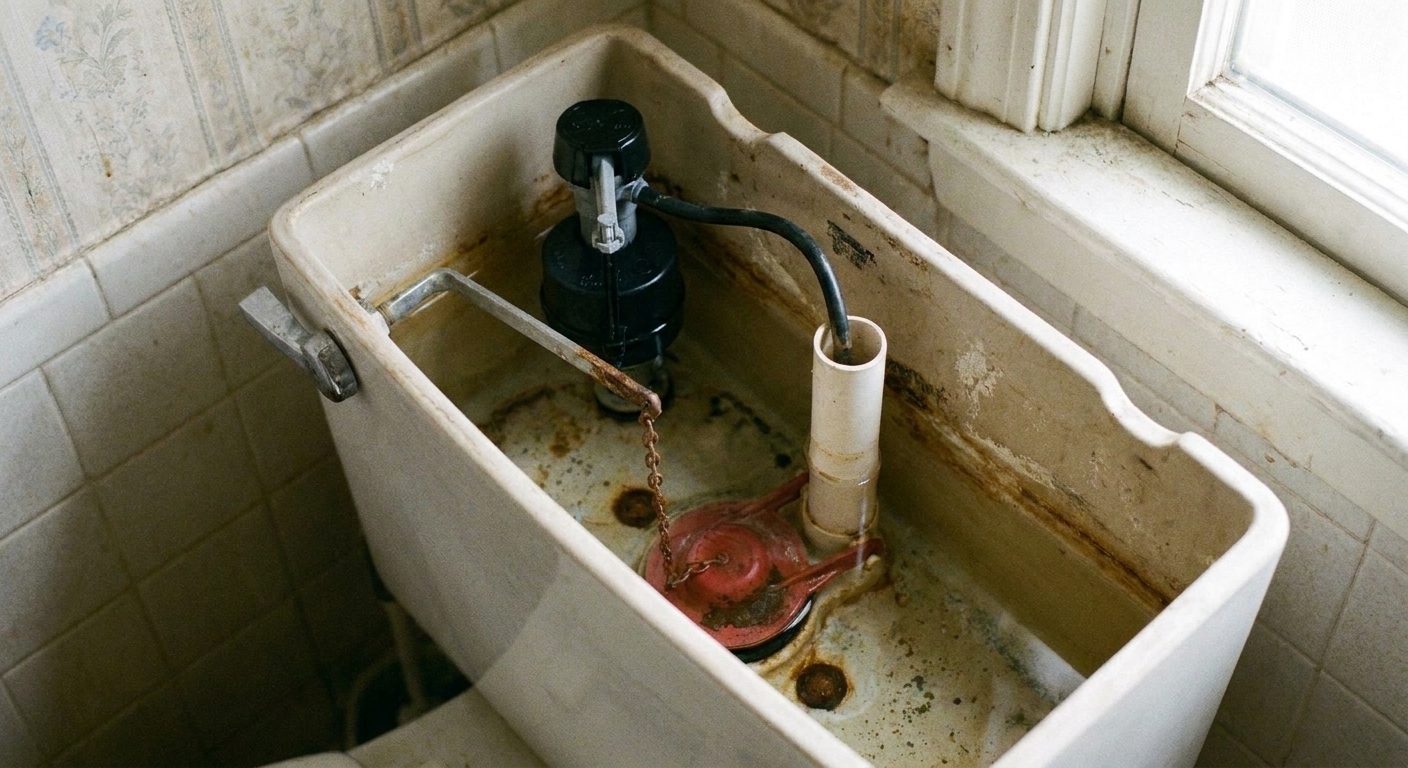
Quick sanity check: If the tank never reaches a stable level and keeps trying to refill, or you see water trickling into the overflow tube, that is a different repair path. This page stays focused on a toilet that will not initiate a flush.
Step 6: Check bowl refill
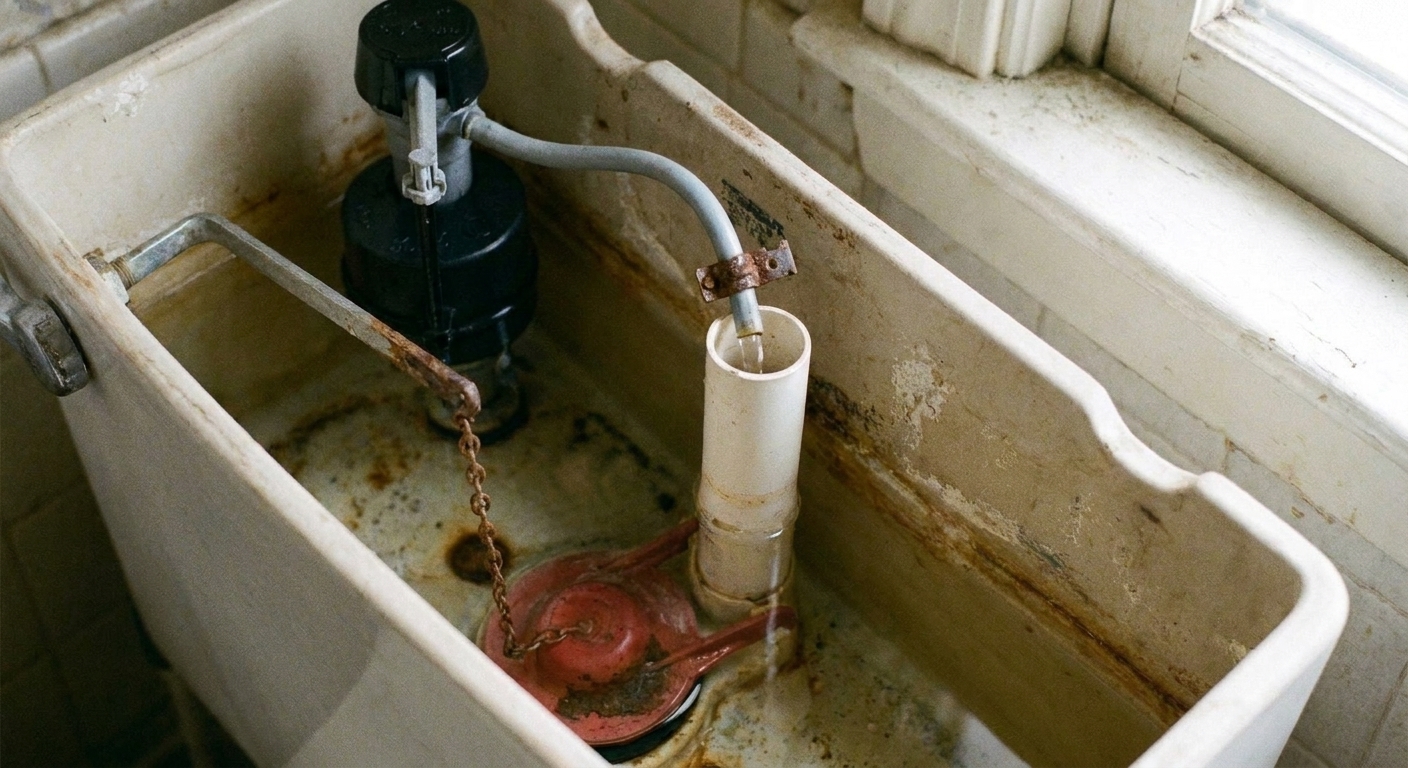
If the tank level looks perfect but the flush still feels weak or incomplete, check the bowl water level. A surprisingly common issue is the refill tube (the small hose from the fill valve) not sending water into the overflow tube.
What to look for
- The refill tube should point into the overflow tube and usually be held with a small clip.
- If it slipped out, got cut, or is spraying water elsewhere, the bowl may not refill to the right level between flushes.
Fix
- Reposition the refill tube so it discharges into the overflow tube without kinking.
- If the tube is brittle or split, replace it. It is cheap, and it saves a lot of head-scratching.
Fast checklist
- Take the lid off and flush while watching the parts.
- Handle tight and moving the arm?
- Chain connected and not too loose or too tight?
- Flapper seated correctly and flexible, not warped?
- Any linkage binding against the tank wall?
- Tank water level near the overflow tube target or tank waterline mark?
- Refill tube aimed into the overflow tube so the bowl refills?
Stop the second you find something obviously wrong and fix that one thing. Toilet troubleshooting goes best when you change one variable at a time.
If the tank checks out
If the tank parts are working, the flapper lifts properly, the tank water level is correct, and you still cannot get a real flush started, you may be dealing with a non-tank issue that still does not look like a classic “clog.” Here are the usual suspects:
- Mineral buildup in rim jets or siphon jet: Common in hard water areas and older toilets. It can turn a normal flush into a weak swirl.
- Partial trapway obstruction: A small object can let water drain but ruin the siphon action. This is especially common with small toys, toothbrush caps, and wipes.
- Venting issues: Less common, but a blocked vent can mess with how the toilet siphons and drains.
When to call a pro
If you have verified the tank mechanism, the tank and bowl levels, and you still cannot get a flush started, it is time to switch tactics.
- If you suspect a blockage deeper in the toilet or drain line, use an unclogging approach instead of continuing to tweak tank parts.
- If you find cracks in the tank, bowl, or around mounting bolts, shut off the water and plan a repair or replacement. Porcelain cracks are not a wait and see situation.
FAQ
My handle moves, but it feels like it is doing nothing. What is the most likely cause?
A disconnected chain or a chain that is too loose is the most common. Second place is a handle arm that has come loose from the handle, or a broken plastic arm.
The flapper lifts but drops immediately. Why?
Often it is a flapper that is stiff, waterlogged, or warped, or a chain setup that is not letting the flapper lift cleanly. Low tank water level can also make a flush feel like it never really started.
Can low tank water really keep a toilet from flushing if the bowl is not clogged?
Yes. The bowl might be clear, but the toilet still needs a strong surge of water from the tank to start the siphon. If the tank is underfilled, you can get a weak swirl and no real flush.
Do I need to turn off the water to do these checks?
Not for inspection and simple chain adjustments. If you are replacing parts or adjusting aggressively, it is smart to shut the supply valve off, flush to drop the tank level, and then work.