
Why Is the Water Pressure Low Throughout the House?
Low water pressure at every faucet usually points to a main valve issue, a failing pressure-reducing valve, a clogged whole-house filter or screen, a softener restriction, a leak, or a utility-side problem. Here’s how to narrow it down safely.
The day the water pressure drops in the entire house, it feels personal. You turn on the kitchen faucet, it sighs. You try the shower, it disappoints. And suddenly your house is acting like it’s on a well in a drought.
When every faucet is weak, this is usually not about a single fixture or a clogged aerator. It’s typically a whole-house supply or restriction issue, which is actually good news because it narrows the suspects to a short list: a main shutoff not fully open, a pressure-reducing valve (PRV) acting up, a clogged whole-house screen or filter, a water softener creating a bottleneck, a hidden leak, or a problem on the utility side.
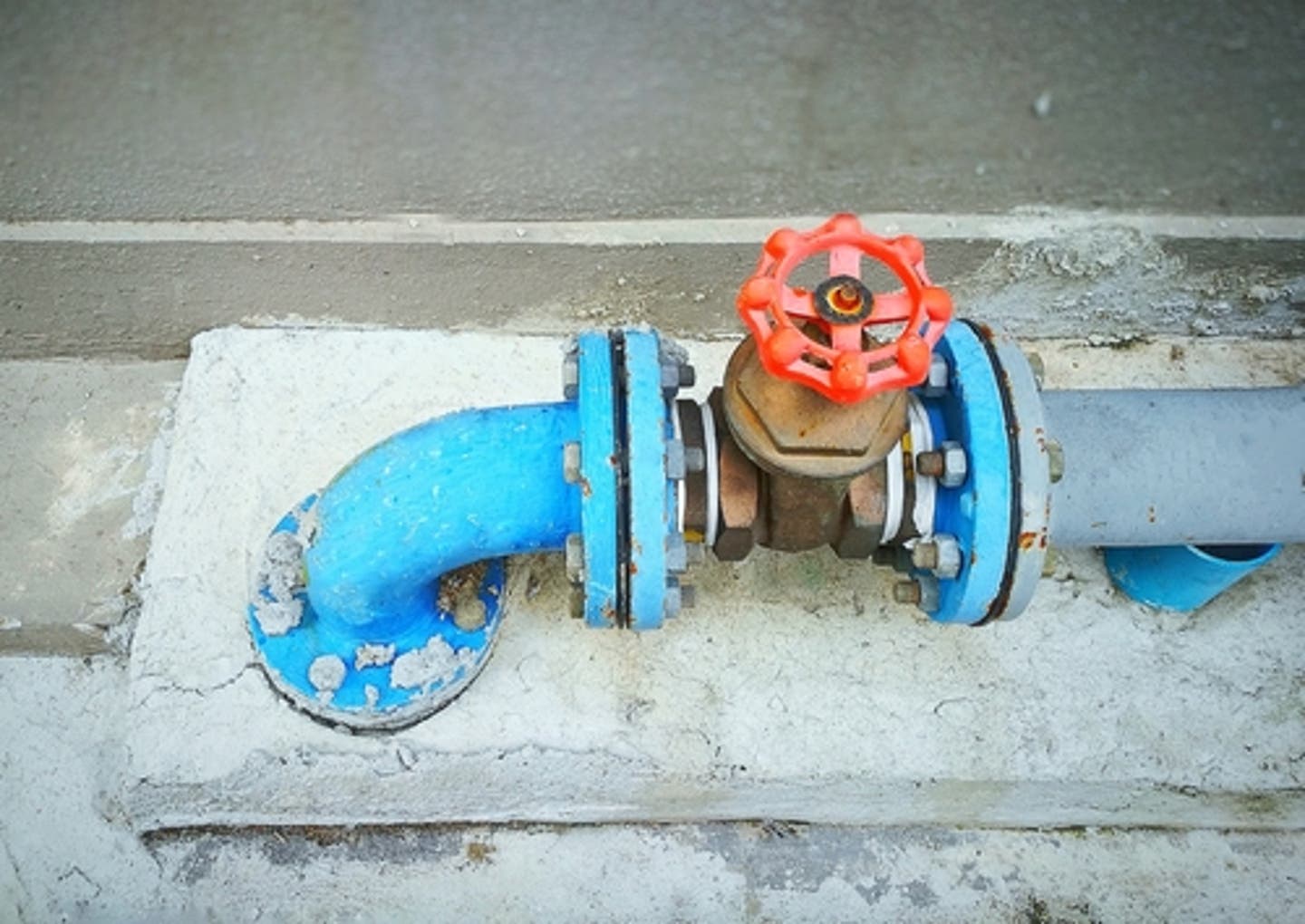
First, confirm it’s truly whole-house
Before you start turning valves, make sure you’re chasing the right problem. We are looking for low pressure or low flow everywhere, not one lazy faucet.
- Test hot and cold at a few spots: kitchen sink, tub, a bathroom sink, and an outside hose bibb if you have one.
- Compare flow at different times: morning, midday, evening. If it’s worse only at peak times, that can point to the utility supply.
- Notice if toilets fill slowly. Toilets are a great whole-house clue.
If only hot water is weak, that’s often a water heater shutoff, a dip tube issue, or a restriction on the hot side, not the main service. If only one faucet is weak, that’s usually the faucet, its aerator, or its stop valve, and we’re not covering that here.
One quick reality check: if pressure feels “fine” until you run two things at once (shower plus washing machine, for example), you may be dealing with a flow restriction more than a true utility pressure problem. The steps below still apply, but that clue helps you interpret what you find.
Safety and prep
Most of these checks are homeowner-friendly, but you are working around pressurized plumbing.
- Know where your main shutoff is before you need it in a hurry.
- Take photos before you adjust anything, especially the PRV area, so you can put things back the way you found them.
- If you see active leaks, corrosion that looks severe, or a cracked valve body, stop and call a plumber.
If you have a PRV, do not crank on adjustment bolts randomly. A bad adjustment can create dangerously high pressure that can damage appliances, supply lines, and water heaters.
Step 1: Check the main shutoff valve
I’ve lost count of how many “mystery low-pressure” calls turned out to be a main valve that was only half open. Sometimes it happens after a meter swap, a plumber visit, a basement project, or a well-meaning family member “testing” things.
Where to look
- Inside main shutoff: usually where the water line enters the house, often in a basement, crawlspace, or utility closet.
- Meter-side valve: sometimes there’s another valve near the water meter (in a pit outside, a basement meter set, or a meter room).
What to do
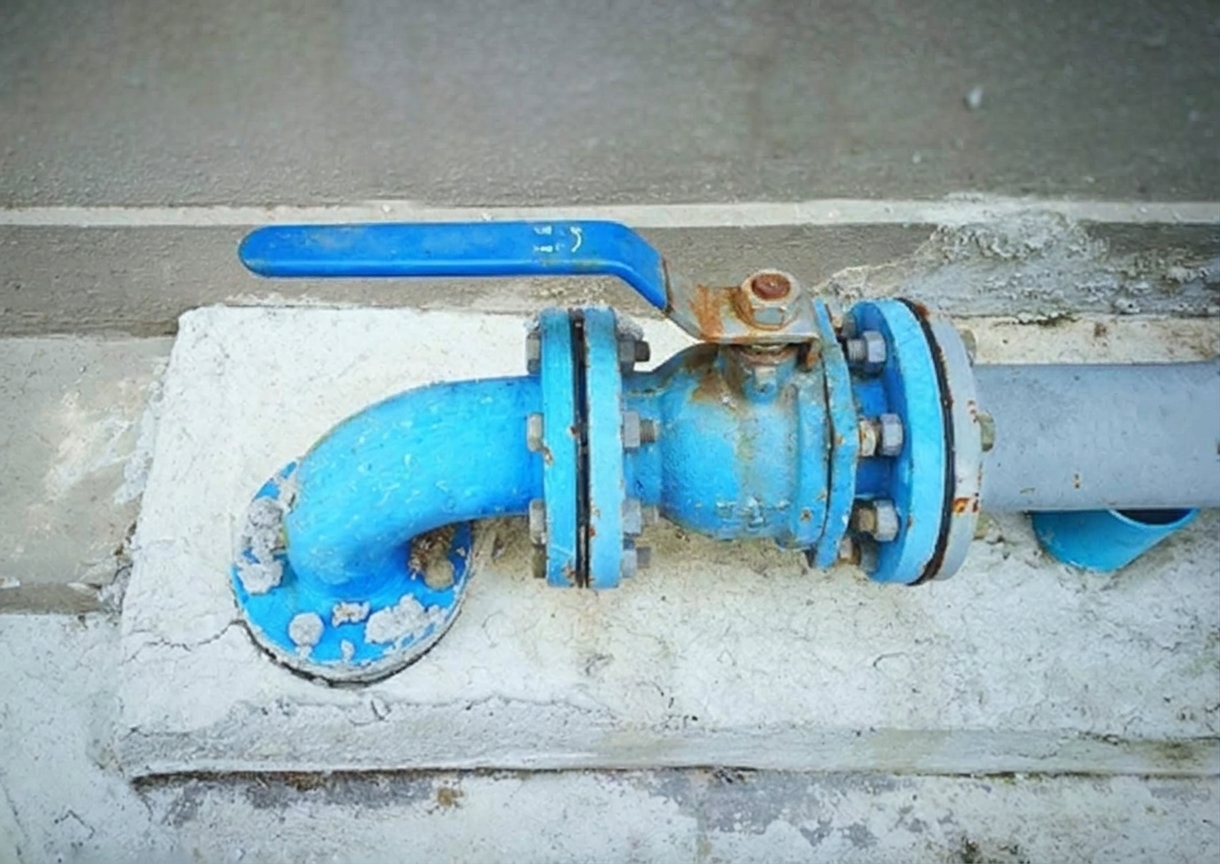
- Wheel-style valve: turn counterclockwise until fully open. Do not force it hard against the stop.
- Lever (ball) valve: the handle should be parallel with the pipe when fully open.
If the valve is old and stiff, go slow. If it starts dripping at the stem (packing nut area), that is a sign it may need service or replacement.
Step 2: Find the PRV and test pressure
Many homes have a pressure-reducing valve on the main line, usually after the meter and before branches split off. Its job is to take high city pressure and tame it to something appliance-friendly. When it fails, it often fails low and your whole house feels it.
How to spot a PRV
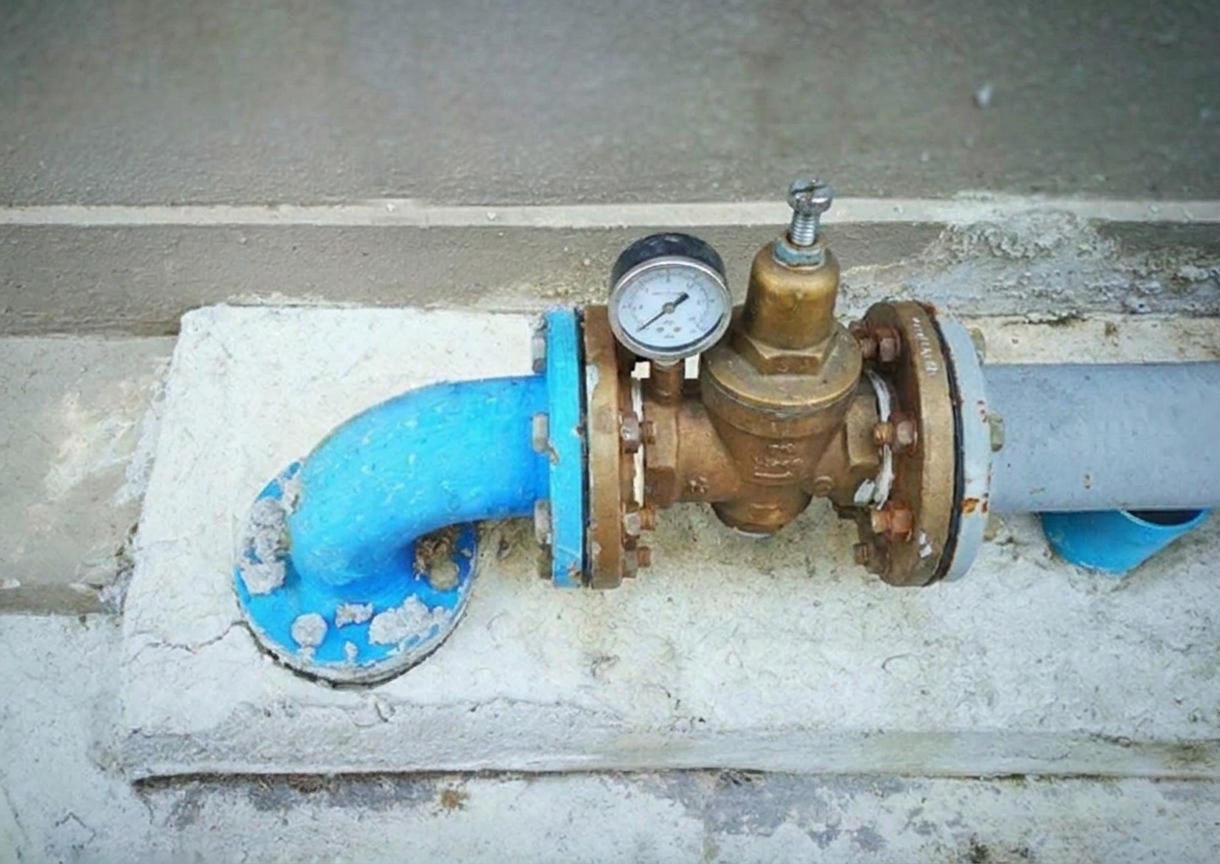
A PRV is commonly a brass valve body on the main line with an adjustment screw or bolt on top, but shapes and orientations vary by brand and installation. You will often see names like Watts or Zurn on the casting.
Signs the PRV is the culprit
- Pressure or flow is consistently low at every fixture.
- Pressure may surge briefly and then drop.
- You notice new water hammer or odd knocking after the issue starts.
The best homeowner test: measure static pressure
Pick up an inexpensive water pressure gauge that screws onto a hose bibb or laundry faucet with hose threads. Most hardware stores and many home centers carry them.
- Screw the gauge onto an outdoor hose bibb or a laundry sink faucet with hose threads.
- Make sure no water is running inside the home.
- Open the bibb to pressurize the gauge, then read it with everything else off. That reading is your static pressure.
As a general rule, many homes run comfortably around 40 to 60 psi. Some run fine higher, but many jurisdictions and manufacturers recommend staying at or below 80 psi to reduce wear on plumbing and appliances. If you are down in the 20s or 30s, it will feel weak.
If you have a PRV and your reading is low, the valve may be failing or clogged with debris. Rebuilding or replacing a PRV is a very common repair, but it can involve cutting pipe depending on your setup. If you are not comfortable with that, this is a great moment to bring in a plumber.
Step 3: Check for a clogged screen or filter
Even if you don’t have a whole-house filter system, many setups have a screen somewhere on the incoming side that can catch grit and scale. After water main work in your neighborhood, it’s also common for debris to get stirred up and lodge in restrictions.
Common places a restriction hides
- PRV inlet screen (some models have one)
- Y-strainer installed on the main
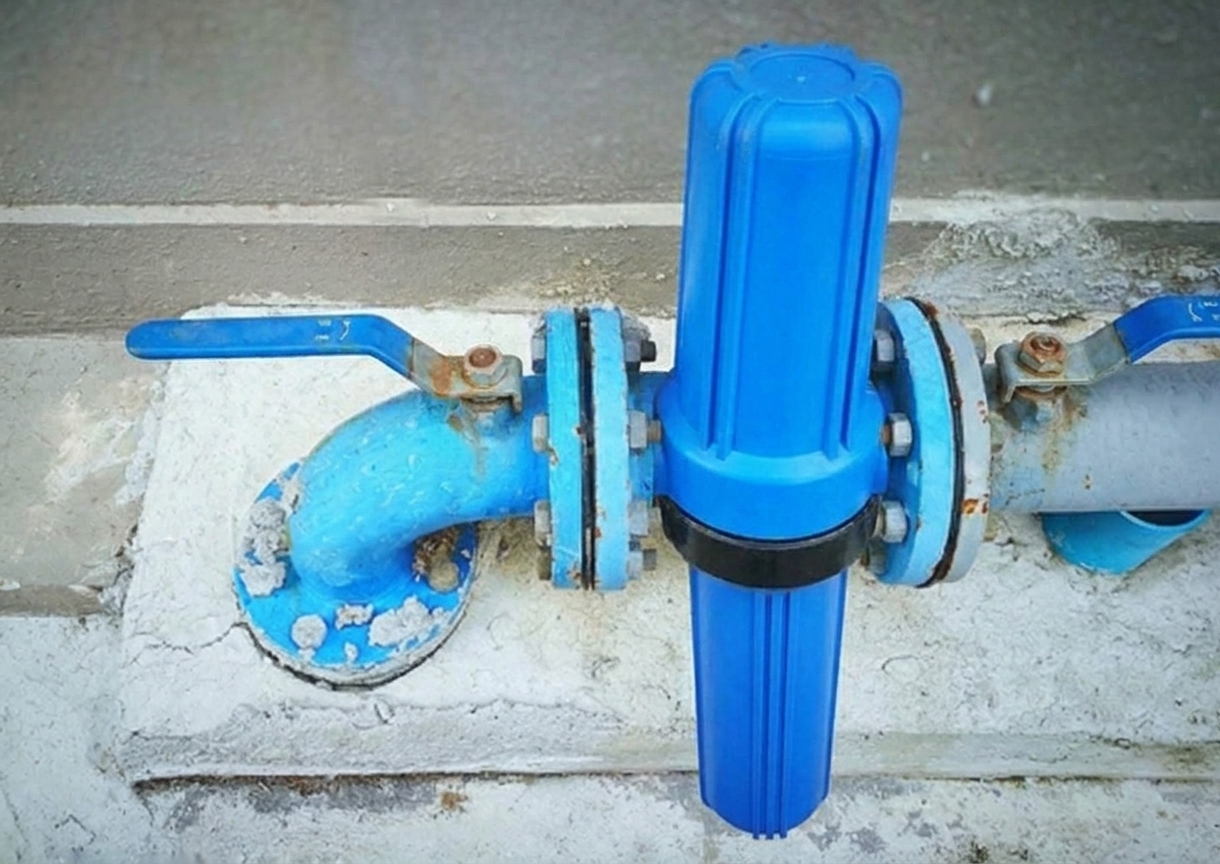
- Whole-house filter housing near the main line
- Water softener prefilter, clogged valve head, or a partially closed bypass
If you have a whole-house filter housing
This is one of the most homeowner-friendly checks. A clogged cartridge can choke your entire house.
- Locate the filter and see if it has a bypass. If it does, set it to bypass briefly and see if pressure returns. Do not leave it bypassed long-term if the filter is handling sediment.
- If no bypass, shut off the main water, relieve pressure at a nearby faucet, then open the filter housing with the correct wrench.
- Inspect the cartridge. If it looks dirty, slimy, or packed with grit, replace it.
If pressure improves immediately after bypassing or swapping the filter, you found your problem.
Step 4: Check utility-side valves
If your inside main valve is open and you still have low pressure, the next suspect is the valve closer to the street. Depending on where you live, the utility company may call it a curb stop or curb valve.
Clues it’s utility-side
- Your neighbors mention low pressure too.
- The problem started right after street work, hydrant flushing, or a water main repair.
- Your pressure is low even at an outdoor hose bibb and your PRV, if present, is not the issue.
In many areas, homeowners are not allowed to operate the curb stop. If you suspect it’s partially closed, call the water utility and ask them to verify the curb stop and meter-side valve are fully open and that there are no known supply issues.
Step 5: Look for supply line restrictions
If you live in an older home and parts of your system are galvanized steel, you can get significant internal buildup that reduces flow everywhere. This is usually a slow decline, not an overnight change, but it can become noticeable after years of “it’s probably fine.”
Signs you may have a restriction issue
- Low pressure or flow has been getting worse gradually.
- Flow is especially poor on the farthest fixtures from the main entry.
- You see galvanized pipe, heavy corrosion, or a mix of old and new piping with narrow sections.
This one is not a quick DIY fix. It usually involves replacing sections of piping or the service line. A plumber can often confirm by checking pressure at multiple points (before and after the PRV, for example) and by inspecting pipe interiors during a repair.
Quick check for hidden leaks
If your pressure issue came with a sudden jump in your water bill, or you hear water when nothing is on, do this simple test:
- Turn off anything that uses water: faucets, toilets, dishwasher, ice maker, humidifier, sprinkler system.
- Find your water meter and look at the leak indicator (a small dial or triangle on many meters) or note the numbers.
- Wait 10 to 15 minutes without using water, then check again.
If the indicator moves or the reading changes, you likely have a leak somewhere, and it can absolutely contribute to weak “pressure” at fixtures.
If you are on a well
If you are actually on a well, the suspects shift a bit. Whole-house low pressure on a well system commonly points to the pressure tank (waterlogged or wrong air charge), a pressure switch issue, a clogged sediment filter, or a pump that is struggling. The same gauge test is still useful, but if you see pressure that drops fast while running water and does not recover smoothly, it’s time to look at the tank, switch, and pump side.
Fast troubleshooting checklist
If you just want the short, organized version, here’s the order I’d follow in my own Michigan fixer-upper.
- Verify whole-house: multiple fixtures, hot and cold.
- Open main shutoff fully: inside valve, then confirm any meter-side valve you are allowed to touch.
- Measure static pressure at a hose bibb with a gauge.
- Check PRV: confirm it exists, inspect for age or corrosion, and consider replacement if pressure is low.
- Bypass or replace whole-house filter if you have one.
- Bypass the water softener briefly if you suspect it is restricting flow.
- Call the utility if neighbors are affected or you suspect curb stop issues.
- Get a plumber for suspected pipe restrictions, PRV replacement, leak diagnosis, or service line problems.
Call a plumber right away
- You can’t locate the main shutoff, or it won’t move.
- The main valve or PRV is leaking or looks cracked.
- Your gauge shows very low pressure (for example under about 30 psi) and basic checks do not improve it.
- You suspect a failing PRV but the piping setup requires soldering or cutting you aren’t comfortable doing.
- You have signs of a hidden leak: new wet spots, hissing, or a moving meter when no water is on.
FAQ
Can low water pressure throughout the house be caused by a water softener?
Yes. A softener that is clogged, malfunctioning, or partially bypassed can restrict flow. If your softener has a bypass valve, temporarily bypassing it is a quick way to see if it’s the bottleneck.
What if the pressure is low only at certain times of day?
That often points to a utility supply or neighborhood demand issue, especially if the pressure is fine late at night or midday and weak in the morning and evening.
Is it safe to increase pressure by adjusting the PRV?
Sometimes, but only if the PRV is working correctly and you verify results with a gauge. If you adjust blindly, you can overshoot and end up with pressure high enough to damage appliances and fixtures.
What pressure should my house water be?
Many homes run comfortably around 40 to 60 psi. If you are far below that, it will feel weak. If you are consistently high, many codes and manufacturers cite 80 psi as a common upper limit before a PRV is recommended.
If you want one takeaway: whole-house low pressure or low flow is usually a valve, PRV, filter, softener, leak, or utility issue, and you can narrow it down in under an hour with a calm checklist and a pressure gauge. And if you get stuck, call a plumber with the info you gathered. You’ll save time, and you’ll sound like the kind of homeowner who keeps their tools organized.