
Why Is My House Humid with the AC Running?
If your home feels cool but clammy with the AC on, the system may be short cycling, oversized, set to the wrong airflow or fan mode, or pulling in humid air. Here’s what causes it and what fixes help.
Good grief. Great questions.
If your air conditioner is running and the temperature looks fine, but the house still feels damp, sticky, or just plain clammy, you are not imagining it. Cooling and dehumidifying are connected, but they are not the same job. Your AC has to run long enough, move the right amount of air, and have the right conditions at the indoor coil to pull moisture out of the air.
Below are the most common reasons a home stays humid with the AC running, what you can check yourself, and what usually needs a technician’s tools.
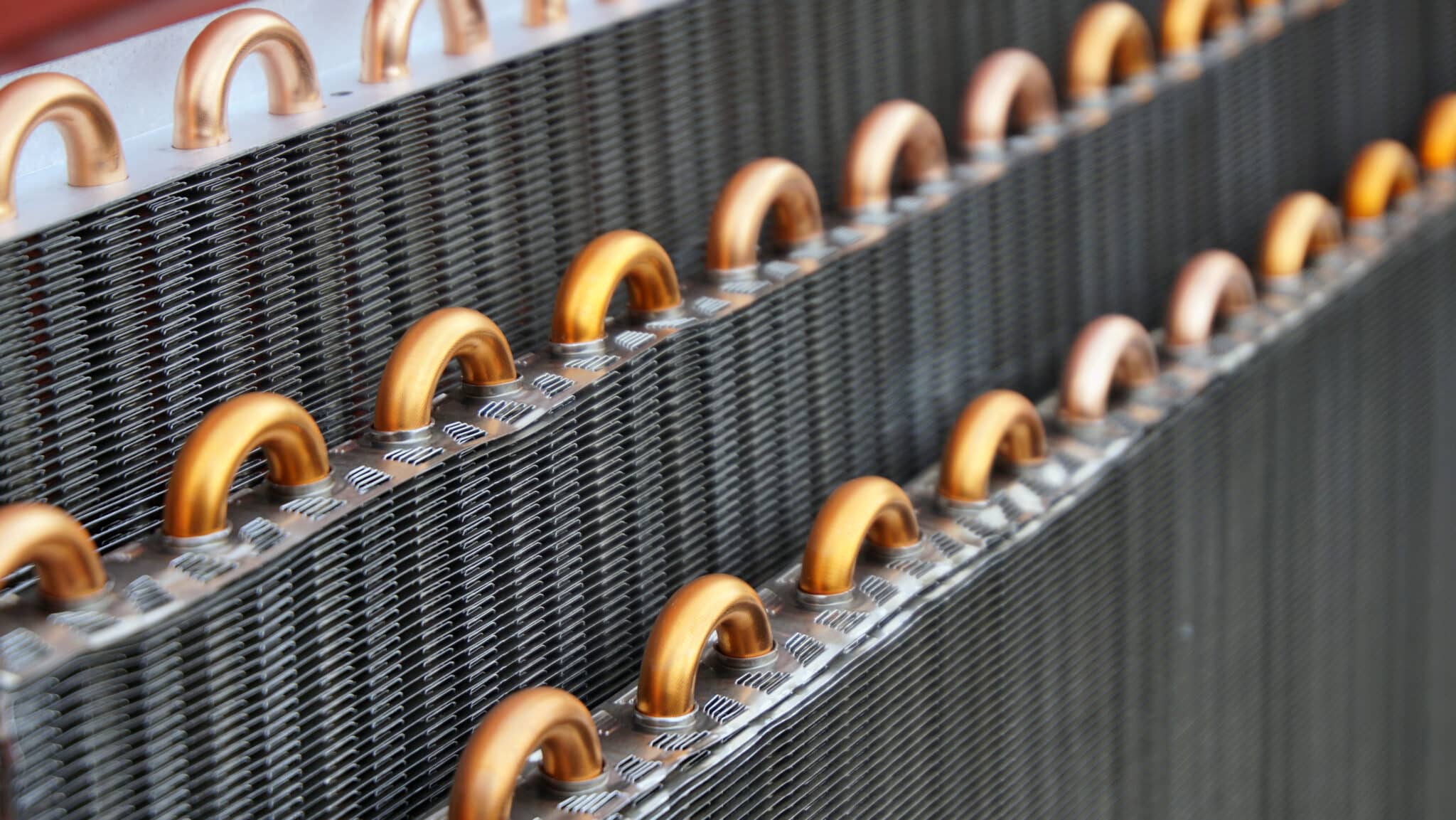
What “too humid” means indoors
Most homes feel comfortable when indoor relative humidity is roughly 30% to 50%. That said, in a humid summer, seeing 50% to 60% indoors is common, especially during mild weather when the AC does not run much.
Above that, you might notice:
- Clammy skin even at a normal thermostat setting
- Musty smell, especially in closets or basements
- Windows that fog up on the inside
- Wood doors that swell or feel “sticky” in the frame
- Dust that seems to clump, or surfaces that feel slightly damp
If you do not already have one, a simple digital hygrometer (humidity meter) takes the guesswork out. Check humidity in a few areas, not just near the thermostat, and note the indoor temperature at the same time.
Also worth saying: “clammy” is not always humidity. Low air movement and cool surfaces (like a cold basement floor) can make a room feel damp even when the RH reading is normal. A hygrometer helps you separate feel from fact.
The big reasons your house is humid with the AC on
1) The AC is oversized
Oversized air conditioners cool the air fast and shut off fast. That sounds efficient, but it often means the system does not run long enough to wring moisture off the indoor coil. Result: the house hits temperature, but humidity stays high.
Clues you have an oversized system:
- Short run times (often under 10 minutes) followed by frequent restarts
- Rooms feel cold quickly, but air still feels damp
- More temperature swings and less even comfort room-to-room
What helps: This is usually a design issue, not a quick tweak. A technician can confirm sizing, duct design, and static pressure.
Some systems can improve humidity control with a thermostat or control that supports dehumidification features (common with variable-speed blowers and communicating equipment). But if you have a severely oversized, single-stage setup, controls can only do so much. The most durable fix is right-sized equipment when it is time to replace.
2) Short cycling from another cause
Even correctly sized equipment can short cycle. The common culprits are thermostat placement issues, airflow problems, refrigerant problems, or an overactive safety switch. When cycles are too short, moisture removal drops.
DIY checks:
- Make sure the thermostat is not in direct sun or near a supply vent.
- Replace a dirty air filter.
- Open supply registers and make sure returns are not blocked.
Call a technician if: the unit starts and stops repeatedly within a few minutes, especially if you also hear unusual clicking, see ice, or notice weak airflow.
3) Dirty evaporator coil or blower issues
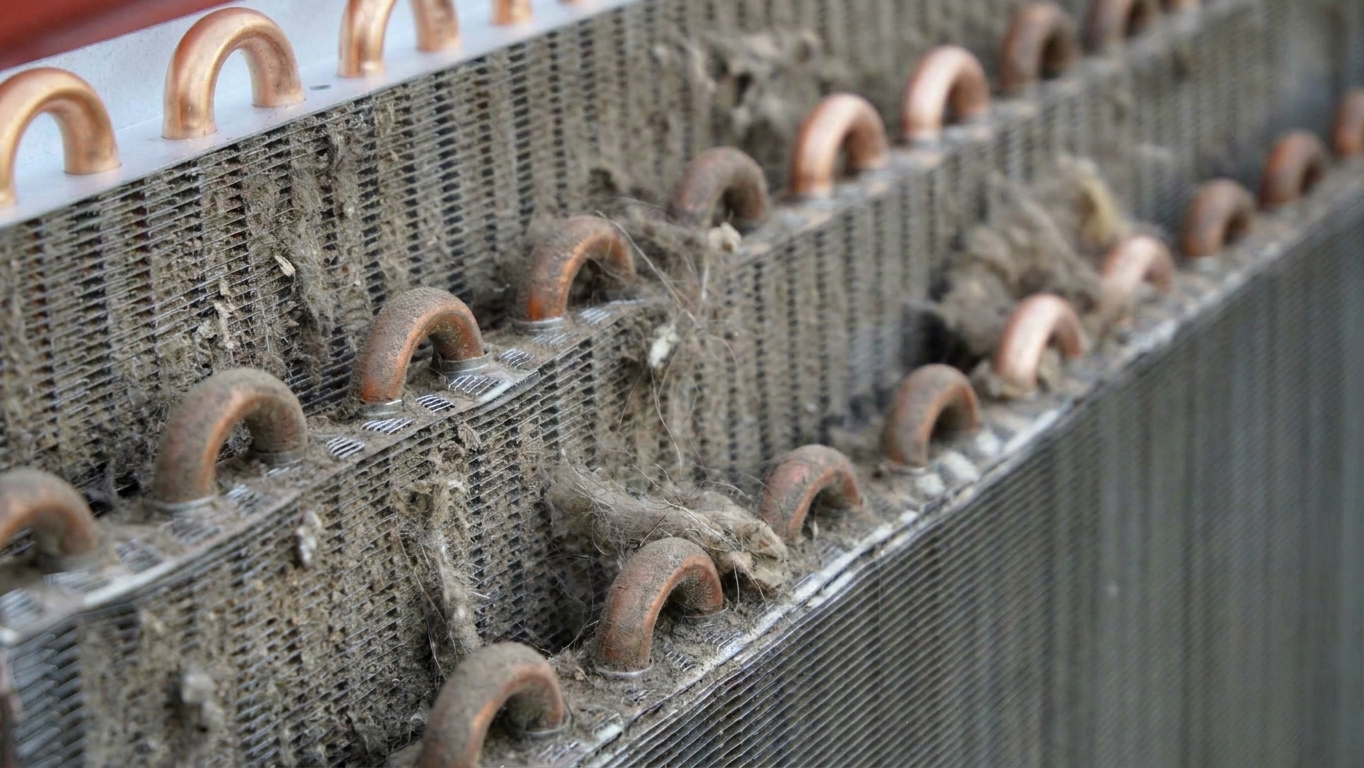
Your indoor evaporator coil needs good airflow and a clean surface so warm, humid air can pass over it and condense water properly. A dirty coil, a dirty blower wheel, or a struggling blower motor can reduce heat transfer and change coil temperature in ways that hurt dehumidification.
Clues:
- Weak airflow at vents
- Long run times but still muggy
- Musty odor when the AC starts
- Condensate drain issues (see the next section)
What helps: Filter changes and keeping returns clear are DIY-friendly. Coil cleaning and blower service are usually best left to HVAC pros because access, fragile fins, and condensate components are easy to damage.
Quick safety note: If you are poking around the indoor unit, turn off power at the switch or breaker. Do not open sealed refrigerant compartments. If you are not sure what you are looking at, stop and call a pro.
4) Blower speed or airflow is set wrong
This one is common after equipment replacements. If airflow is set too high, the air spends less time on the coil, and the system often removes less moisture even though it cools well. If airflow is set too low, the coil can get too cold and may start icing.
Clues:
- The house cools quickly but feels damp
- Noisy or “rushing” air at supply vents
- Humidity problems that started after a new air handler, new blower motor, or new thermostat
What helps: A technician can measure total external static pressure and confirm the correct blower settings for your system and ductwork. This is a measurement problem, not a guessing game.
5) Fan setting is wrong (ON vs AUTO)
This one is sneaky and very common. If your thermostat fan is set to ON, the blower runs even when the compressor is off. That can re-evaporate moisture sitting on the coil and in the drain pan, putting humidity right back into the house.
What to do: Set the fan to AUTO for normal operation. If you need extra air circulation, consider using ceiling fans instead. They help you feel cooler without pushing moisture off the coil between cycles.
6) Clogged or mis-pitched condensate drain
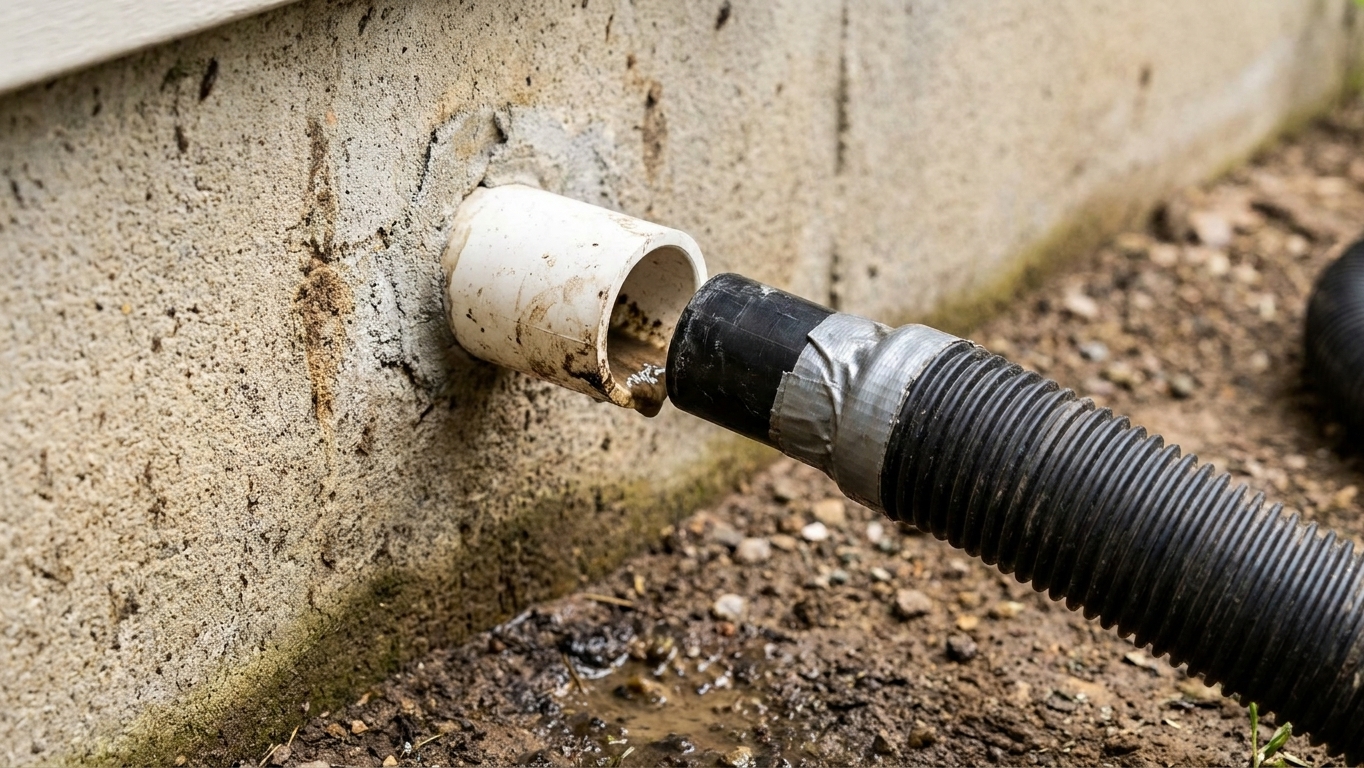
Your AC removes humidity by turning it into water. That water has to leave the system through the condensate drain line. If the drain is clogged, the pan can overflow or hold standing water.
Standing water is usually more of a odor, microbial growth, and overflow problem than a whole-house humidity driver, but it is still a big deal. It can also trip a float switch and shut the system down at the worst time.
Clues:
- Musty odor near the air handler
- Water staining around the unit or on a nearby ceiling
- AC shutting off unexpectedly (some systems have a float switch)
What helps: If you can safely access the drain line, clearing it with a wet/dry vacuum at the outdoor drain termination is a common approach. If you are unsure where the line exits, you see overflow risk, or the pan is already full, get a technician involved.
7) Duct leaks and attic air infiltration
Leaky ducts can make a house humid in two different ways:
- Return leaks can pull hot, humid attic or crawlspace air into the system and distribute that moisture throughout the home.
- Supply leaks can dump cooled air into the attic or crawlspace. That can change house pressure and increase infiltration, meaning more outdoor air (and humidity) gets pulled in through gaps and cracks.
Clues:
- Humidity is worse on windy days or when the attic is blazing hot
- One or two rooms are always clammy (often the farthest rooms)
- Dusty smells when the system runs
What helps: Sealing duct connections with mastic, fixing disconnected runs, and improving return pathways can be high-impact. A home energy audit or duct leakage test can pinpoint the problem fast.
8) Outdoor humidity is winning (and your house is letting it in)
During very humid weather, your AC may be fighting a constant stream of moisture: open doors, leaky windows, unsealed attic access, or even a powerful bath fan or range hood that can depressurize the house and pull humid outdoor air inward. How much depends on your home’s leakage and makeup air paths, but it is a real effect.
What helps:
- Weatherstrip exterior doors and seal obvious gaps.
- Use kitchen and bath exhaust fans as needed, and turn them off after.
- Keep the garage door between house and garage sealed and closed.
- Make sure dryer vents go outdoors and are not leaking into a laundry area.
9) Refrigerant or metering issues (less common, but important)
Low refrigerant charge or metering device problems can cause coil temperature and pressure issues that reduce comfort, sometimes leading to icing or poor latent (moisture) removal. This is not a DIY fix.
Call a technician if: you see ice on refrigerant lines, hear hissing, or the system runs but comfort is inconsistent and humidity is persistently high.
10) Your system has a “dry” or dehumidify mode you are not using
Some mini-splits and some variable-speed central systems have a dedicated dry mode or a dehumidification setting. Typically, these features slow airflow and adjust operation to pull more moisture out without hammering the temperature.
What helps: If your thermostat or indoor unit has a humidity or dry setting, it is worth checking the manual or asking your installer what it actually does on your equipment. Not every system has it, and not every “dehumidify” label works the same way.
Quick fixes you can try today
Before you buy a dehumidifier or book a service call, run through this short checklist.
- Measure humidity. Use a hygrometer, and check a few rooms.
- Set the thermostat fan to AUTO. This alone fixes “cool but clammy” in many homes.
- Replace the air filter. Use the correct size and make sure it seats tightly in the slot.
- Clear return vents. No furniture, rugs, or curtains blocking them.
- Check supply vents are open. Closing too many can increase static pressure and reduce airflow.
- Look for obvious condensate problems. Standing water near the indoor unit is a stop-and-call-it sign.
- Reduce moisture sources. Avoid drying laundry indoors, use lids when boiling, and run bath fans during showers.
When a dehumidifier is the right answer
Sometimes the AC is doing what it can, but your moisture load is simply bigger than what the system was designed to handle. A dehumidifier can be a solid, practical solution when:
- You live in a very humid climate and indoor humidity stays above 50% to 60% even with a properly functioning AC.
- You have a basement or crawlspace that stays damp in summer.
- You need humidity control during mild weather when the AC does not run much.
Pick the right type:
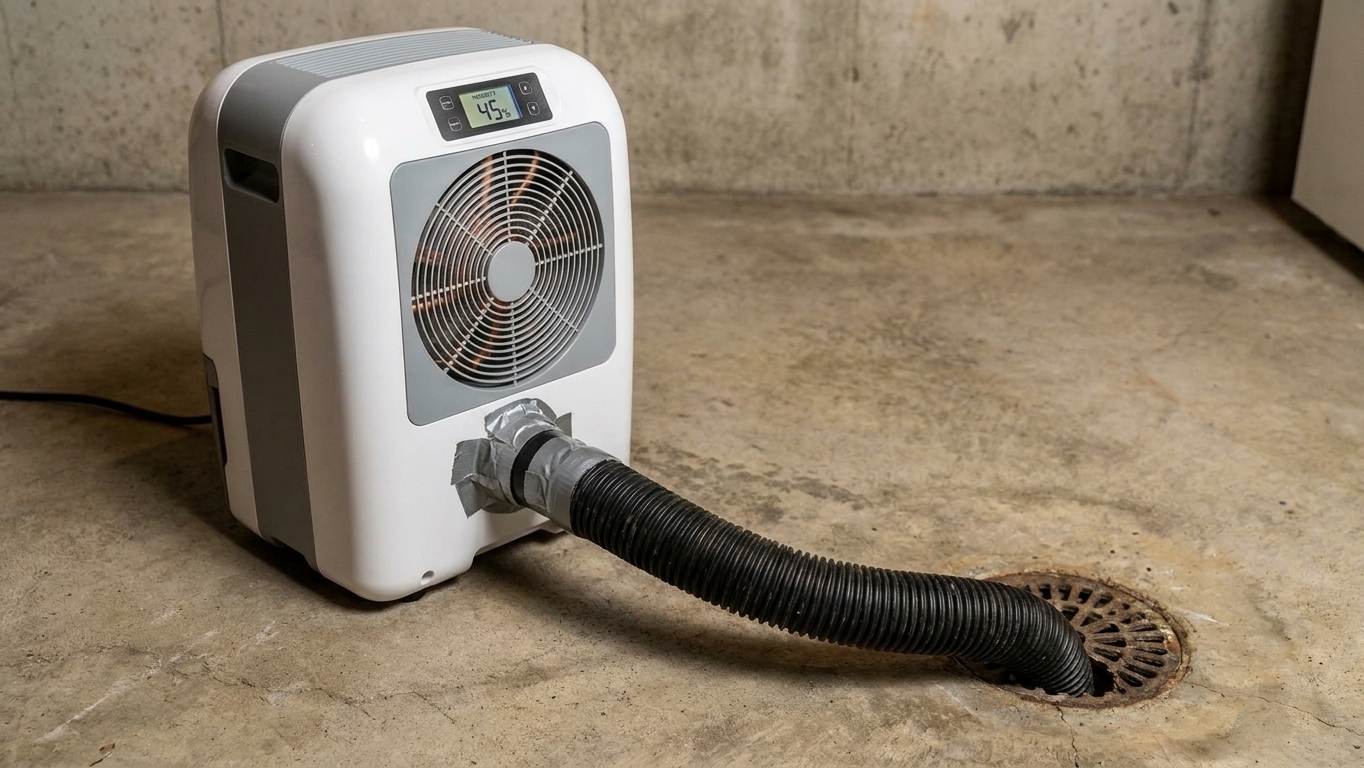
- Portable dehumidifier: Good for one area (basement, a bedroom, a problem zone). Empty the bucket or use a gravity drain if available.
- Whole-house dehumidifier: Higher upfront cost, but it can control humidity without overcooling and can be tied into ductwork. Best for persistent humidity issues and larger homes.
One note from my bench: a dehumidifier should not be used to cover up an AC problem like duct leaks or a clogged drain. Fix the root issue first, then size the dehumidifier for what is left.
When to call a technician
Humidity problems can be simple, but they can also be a symptom of equipment or duct issues that need measurement tools. Bring in an HVAC pro if you notice any of these:
- Short cycling that persists after a filter change and fan set to AUTO
- Ice on the indoor coil or the refrigerant line
- Water around the air handler, overflow pan, or ceiling stains
- Very weak airflow at multiple vents
- Humidity stays above 55% to 60% for days at a time
- Big comfort differences between floors or rooms (possible duct imbalance or leakage)
What to ask them to check: equipment sizing, airflow and static pressure, blower speed settings, coil condition, condensate drainage, refrigerant charge, and duct leakage. Those items map directly to “cool but humid.”
FAQ
Why is my AC blowing cold air but the house still feels humid?
Cold air can still be humid air. The most common reasons are short run times (often from oversizing or short cycling), the thermostat fan set to ON, airflow set too high, or moisture being added faster than the system can remove it (leaks, open doors, attic infiltration, basement dampness).
Should I lower the thermostat to remove humidity?
Sometimes it helps because it increases runtime, but it can also overcool the house without truly solving the cause. If you are dropping the thermostat several degrees just to feel comfortable, focus on the underlying issue (fan setting, airflow, duct leaks, coil condition) or consider a dehumidifier.
Does AUTO fan really matter?
Yes. With the fan set to AUTO, the blower stops when the compressor stops, which helps keep moisture on the coil draining away instead of being blown back into the home.
Can duct leaks really raise indoor humidity?
Yes. Return leaks can pull in humid attic or crawlspace air. Supply leaks can change house pressure and increase infiltration, which can bring in outdoor humidity through gaps and cracks.
Bottom line
If your house is cool but humid with the AC running, think in terms of runtime, airflow, drainage, and unwanted humid air getting in. Start with the simple moves: fan to AUTO, clean filter, clear vents, and reduce moisture sources. If humidity stays high, or you see water, ice, or frequent cycling, it is time to bring in a technician and get real measurements. And if everything checks out but your climate or basement keeps the moisture coming, a dehumidifier can be the missing tool in the kit.