
Why Your Air Conditioner Short Cycles
If your central AC turns on and off every few minutes, it may be short cycling. Learn common causes, what you can safely check, and when to call a pro before damage spreads.
The first time my own central air started doing the two-minutes-on, five-off routine, I did what every confident DIYer does. I stood in the hallway staring at the thermostat like it had personally insulted me. Short cycling is frustrating because the system is running, just not long enough to do its job.
In plain terms, short cycling means your air conditioner starts up, runs briefly, shuts down, then repeats the pattern. That rapid start-stop is hard on the compressor, wastes energy, and usually points to one of a handful of common causes.
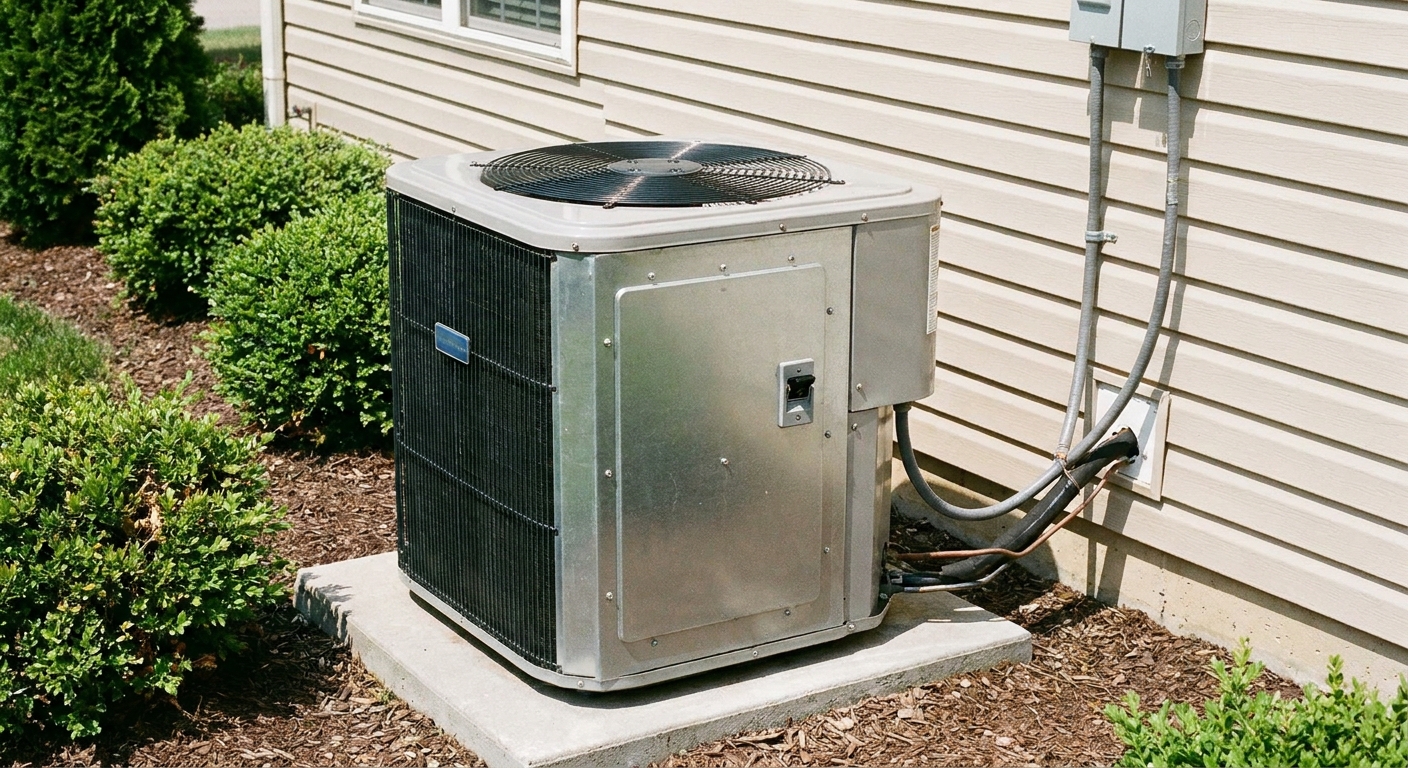
Below is a focused way to diagnose short cycling without rehashing the whole not cooling checklist. We are going to stay on the runtime pattern problem: why it keeps stopping.
First, confirm it is actually short cycling
Before you chase parts, do a quick reality check. A normal cycle length varies by weather, insulation, and equipment, but as a homeowner, here is a simple rule of thumb.
- Likely short cycling: outdoor unit and indoor blower start, then shut off in under 5 minutes, and repeat multiple times per hour.
- Not short cycling: it runs 10 to 20+ minutes at a time, rests, then runs again. That is normal on many systems.
- Different problem: it runs almost nonstop and never catches up. That is a separate troubleshooting path.
Important nuance: that under-5-minutes rule is mainly for conventional single-stage systems. Variable-speed or inverter-driven equipment can run in shorter bursts or modulate in ways that look different, especially in mild weather.
To track it, set a timer on your phone and log two or three cycles. Write down “run time” and “off time.” This little note helps you, and it helps an HVAC tech if you end up calling one.
Before anything: which part is cycling
This matters because the cause changes depending on what is actually shutting off.
- Outdoor unit stops but indoor fan keeps running: often points to a condenser or compressor-side issue (dirty outdoor coil, capacitor/contactor, pressure switches, low refrigerant, or a safety control).
- Both shut off together: more likely thermostat control, power issues, float switch shutdowns, or a control board problem.
Safety basics before checking
There are two places homeowners usually get into trouble: sticking hands near a spinning fan, and poking around electrical compartments. You can do a lot without either.
- At the thermostat: set it to Off to stop a call for cooling. (This is not the same thing as cutting power.)
- At the breaker: if you will remove any indoor access panel on the furnace or air handler, turn off power at the appropriate breaker first.
- At the outdoor unit: turn off the outdoor disconnect near the condenser if you will be inspecting or cleaning around it up close.
- Do not open sealed refrigerant lines or panels that expose capacitors and wiring unless you are trained. A charged capacitor can hurt you even with power off.
The big four causes
Most short cycling complaints land in one of these buckets: airflow restriction, coil freeze-up, thermostat issues, or an oversized system. The trick is separating them quickly.
1) Dirty filter or low airflow
This is the most homeowner-fixable cause, and it can absolutely trigger short cycling. When airflow is restricted, the evaporator coil inside can get too cold, pressures drop, and the system can shut down on safety controls or eventually freeze.
What you will notice:
- Filter looks gray, fuzzy, or bowed inward.
- Some rooms have weak airflow from supply vents.
- The return grille may sound whistly when the system runs.
What to do:
- Turn the system Off at the thermostat.
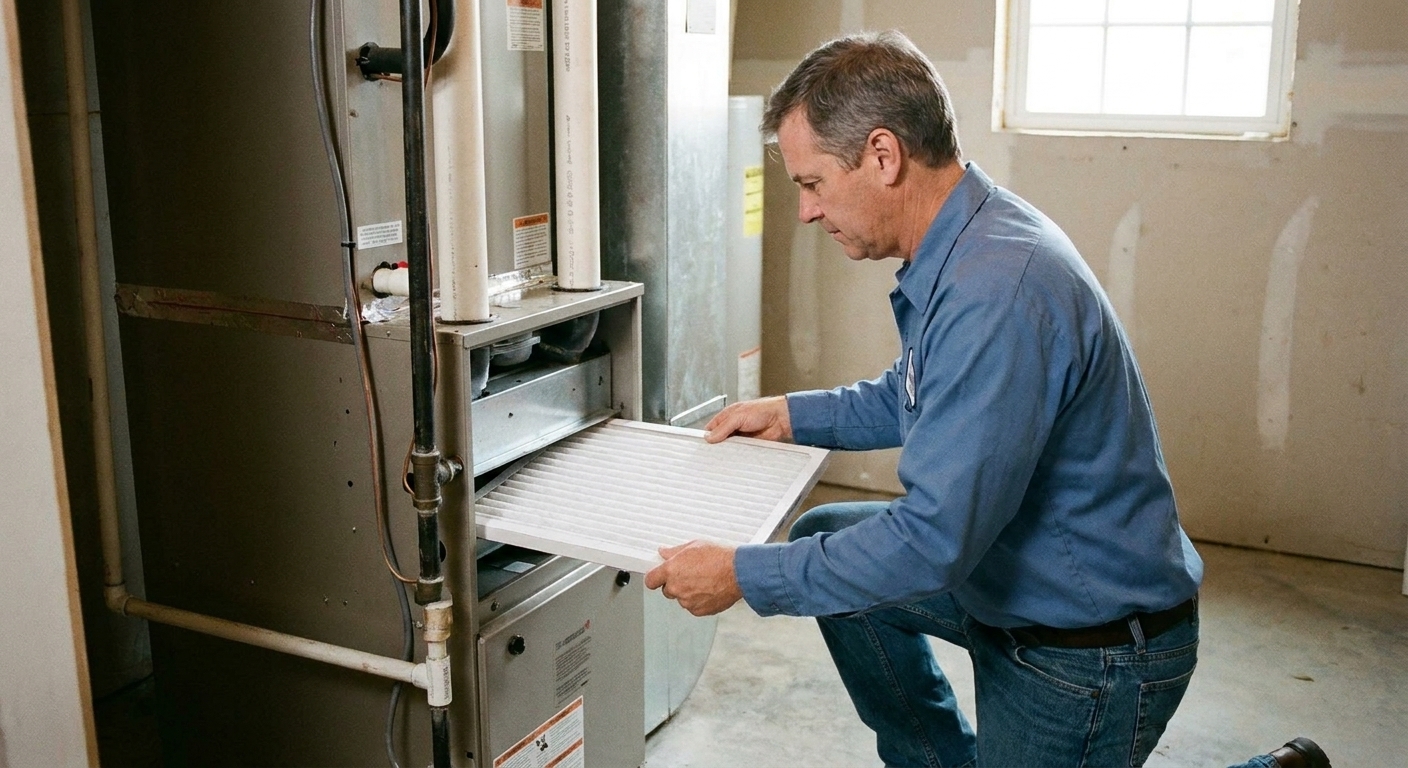
- Pull the filter and hold it up to a light. If you cannot see light easily, replace it.
- Use the correct size and a reasonable MERV rating for your system. In many homes, a basic pleated filter is plenty.
- Make sure supply vents are open and not blocked by rugs or furniture.
- Also check return air: make sure return grilles are not covered, and that a collapsed flexible duct, a closed damper, or a blocked return path is not starving the system of air.
If the system stops short cycling after a filter change, you likely found the culprit. If it improves for a day and then comes back, keep reading, because a freeze-up may be developing.
2) Frozen evaporator coil
A frozen coil is common when airflow is low or refrigerant charge is off. The coil turns into an ice block, airflow drops further, and the system can start tripping protections and cycling strangely.
How to spot it without taking anything apart:
- Ice or frost on the larger insulated copper line near the indoor unit or near the outdoor unit.
- Water around the furnace or air handler when the ice starts melting.
- Airflow from vents gets weaker and weaker even though you hear the blower.
What you can do safely:
- Turn cooling Off at the thermostat.
- Set the fan to On to move warm house air across the coil and thaw it faster.
- Let it thaw fully. Depending on the freeze, that can take a few hours.
- Replace the filter if it is dirty.
When to call a pro: If it freezes again within a day or two, you may have a refrigerant charge issue, a blower problem (like a dirty blower wheel), or a metering issue. Those are not DIY fixes.
3) Thermostat trouble
If the thermostat thinks the house hit the set temperature quickly, it will shut the system down. Then the air warms a bit, it turns back on. Repeat forever. Sometimes the AC is fine and the thermostat is the drama.
Common thermostat triggers for short cycling:
- Thermostat too close to a supply register or in direct sunlight.
- Mounted on an exterior wall that gets hot.
- Low batteries causing erratic behavior.
- Loose wiring or a failing thermostat relay.
- Cycle rate or swing setting (on some thermostats) set too tight.
Quick checks:
- Replace thermostat batteries if it uses them.
- Make sure the thermostat is firmly mounted to its base and not loose. (Leveling matters mainly for older mercury-style thermostats.)
- Look for a nearby vent blowing directly on it. If so, redirect the vent or partially close it and see if cycling improves.
- If you have a smart thermostat, check for an over-aggressive minimum run time or equipment protection setting, and make sure it is configured for the correct equipment type (conventional versus heat pump).
If the thermostat is old and you see random blank screens, incorrect temperatures, or it clicks on and off rapidly, replacement is often cheaper than chasing ghosts. If you are not comfortable with wiring, an HVAC tech or electrician can swap it quickly.
4) Oversized AC
This one surprises homeowners because it sounds like a good problem. More power, more cooling, right? Not exactly. An oversized air conditioner can cool the thermostat area quickly, shut off, then turn back on soon after. That is short cycling by design, and it can leave you with clammy indoor air because it does not run long enough to dehumidify well.
Signs your system may be oversized:
- Short cycles happen even with a clean filter and no ice.
- House temperature is mostly okay, but humidity feels high.
- The system has short cycled since day one or since a replacement install.
What you can do: There is no simple DIY adjustment that makes an oversized unit correctly sized. The real fix is a proper load calculation (Manual J) and equipment selection. In the meantime, some homes benefit from thermostat adjustments, airflow improvements, or humidity control options, but those are case-by-case and best discussed with a reputable HVAC contractor.
Other common causes
If the big four do not fit, here are other causes I see pop up. Some are simple, some are firmly in call-a-pro territory.
Dirty outdoor coil or blocked airflow
If the outdoor coil cannot dump heat, head pressure rises and the system can shut down on a high-pressure switch, then restart after it cools a bit.
Look for: grass clippings packed in fins, cottonwood fuzz, mulch piled against the unit, shrubs crowding the sides.
Homeowner steps:
- Turn power Off at the disconnect.
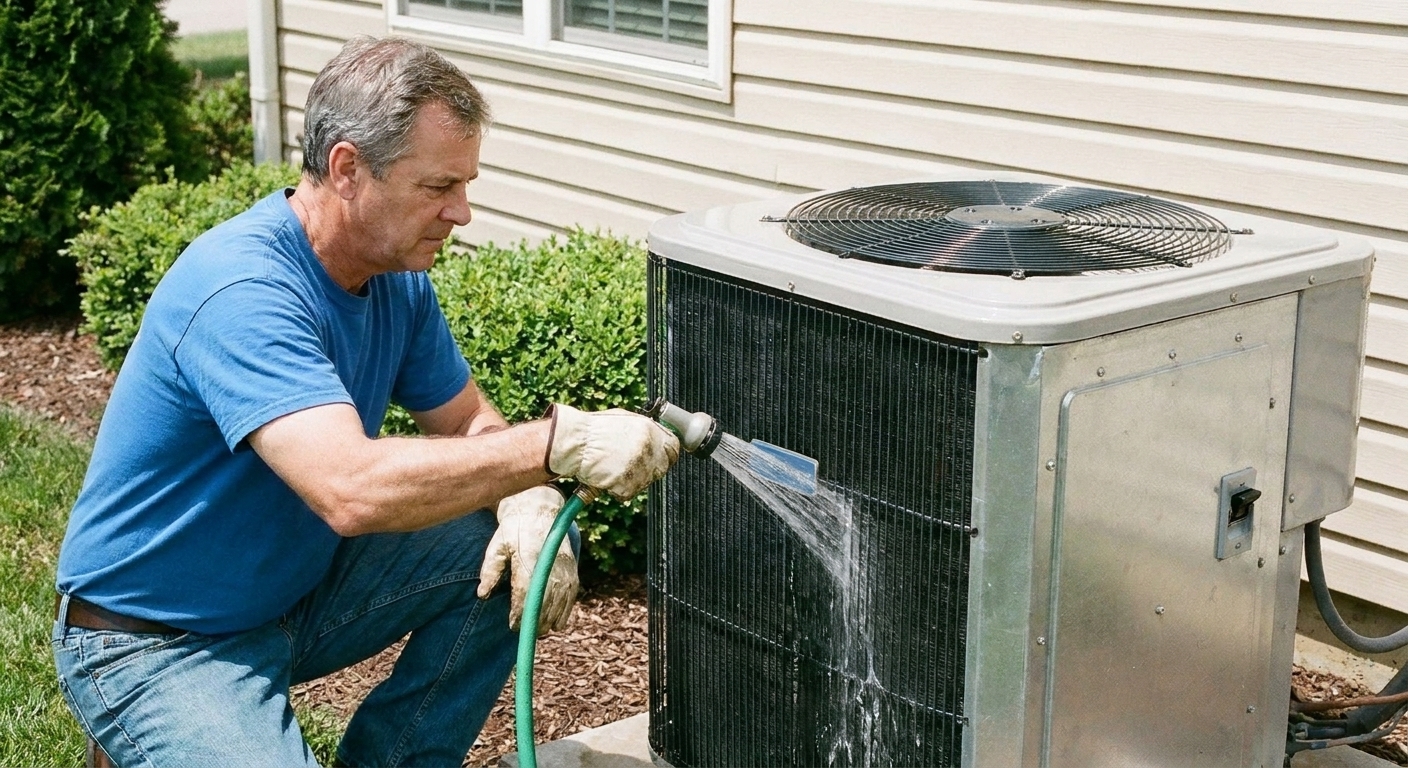
- Gently rinse the coil from the outside with light water pressure.
- Clear 12 to 24 inches of space around the unit.
Deeper cleaning note: a true inside-out wash often requires removing the top and fan assembly. That can be totally normal for a technician, but it is beyond what many homeowners should tackle.
Avoid: pressure washers and aggressive fin combing unless you know what you are doing. Bent fins reduce airflow.
Low refrigerant or a restriction
Low charge can lead to coil freezing and odd cycling behavior. Restrictions can also cause pressure problems that trip safety switches.
Clues: repeated icing, oily residue on refrigerant lines, hissing, or a system that behaves worse over time.
This is a licensed HVAC repair. Refrigerant handling is regulated, and the correct fix is finding and repairing the leak, then charging to specifications.
Condensate drain or float switch trips
Many systems have a float switch in the drain pan or condensate line. If the drain clogs, the float switch shuts the system off to prevent water damage. Depending on how the water level rises and falls, that can look like intermittent shutdowns or weird cycling.
Clues: the AC shuts off unexpectedly, plus you see water near the indoor unit or the drain pan looks full.
What you can do: If you can access the drain line safely, you can often clear a basic clog with a wet-dry vacuum at the drain outlet outside, or flush with vinegar. If water is actively leaking into ceilings or walls, shut the system off and call for service.
Electrical problems
A weak capacitor or failing contactor can cause hard starts, rapid shutoffs, or the outdoor unit dropping out while the indoor fan keeps running. You may hear buzzing or clicking from the condenser.
This is a situation where I recommend a pro. Even with the disconnect pulled, capacitors can store a nasty punch.
Shoulder-season or cool-weather operation
If you run AC when it is cool outside, some systems can act strange. Low outdoor temperatures can affect refrigerant pressures and the way the system controls itself, especially if it was not designed for low-ambient cooling.
If short cycling only happens on mild days but disappears in real heat, talk to a tech about settings and whether your system needs a low-ambient control.
A simple decision tree
- Replace the air filter if it is dirty, then test for an hour.
- Check for ice on the refrigerant line or indoor coil area. If iced, thaw it fully and address airflow (including return-air blockages).
- Check what is cycling: outdoor unit, indoor fan, or both. That points you toward the right bucket faster.
- Check thermostat basics: batteries, sunlight, nearby vents, loose mounting, overly tight swing settings.
- Inspect the outdoor unit for blocked airflow and gently rinse the coil.
- If it still short cycles, stop restarting it repeatedly and call an HVAC pro. Short cycling can damage the compressor, and that is the expensive part.
When it is urgent
Shut it down and call for service if you notice any of the following: burning smell, breaker tripping, loud metal-on-metal noises, visible smoke, or ice returning quickly after a full thaw. Those are signs the system may be damaging itself or creating a safety risk.
FAQ
Is short cycling bad for my AC?
Yes. The compressor takes the most strain during start-up. Frequent starts can shorten its life, and compressor replacements are not the kind of surprise bill anyone wants.
Can a dirty filter really make an AC short cycle?
Absolutely. Restricted airflow can cause the coil to get too cold, which can lead to icing and safety shutdowns. A five-minute filter check is always worth doing first.
My AC short cycles but still cools the house. Should I worry?
If it is truly cycling every few minutes, I would still treat it as a problem. Even if the temperature ends up okay, the wear-and-tear and energy waste add up, and humidity control usually suffers.
Will turning the thermostat lower stop short cycling?
Sometimes it changes the pattern, but it does not fix the cause. Lowering the setpoint can mask thermostat placement problems or keep a marginal system running longer, but it can also push a system into freezing if airflow is poor.