
Why Is My Air Conditioner So Loud?
Buzzing, rattling, squealing, clicking, banging. Track down common AC noises from indoor and outdoor units, try safe checks, and know when to shut it off and call a technician.
Good grain. Great questions.
If your air conditioner has gotten loud, it is not just being dramatic. HVAC systems make a few normal sounds, but new noises or louder-than-usual noises are your AC’s way of waving a tiny red flag.
Let’s sort the common sounds by what they usually mean, what you can safely check, and the moments when you should shut the system off and call a technician.
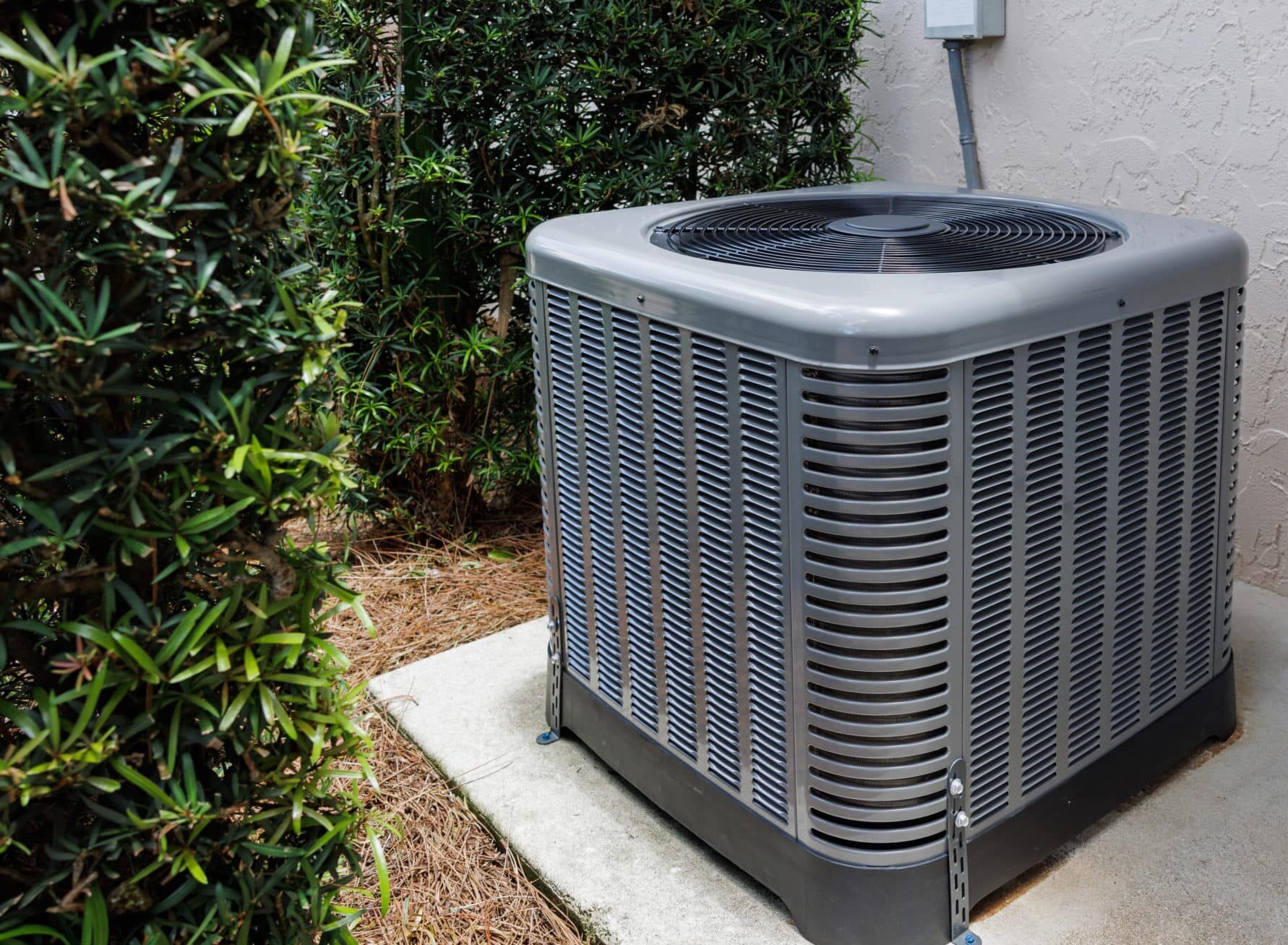
First: what “normal” AC noise sounds like
Most systems make some baseline sound when they start up and run. These are usually fine:
- Soft whoosh from supply vents as air moves through ducts.
- Low steady hum from the outdoor unit when the compressor and fan are running.
- A single click when the thermostat calls for cooling and the system starts.
- Gentle dripping near a floor drain or condensate line as moisture drains away.
What is not normal is a noise that is new, sharp, metallic, screechy, or paired with burning smells, smoke, tripped breakers, or weak airflow.
Before you troubleshoot: two safety rules
Quick safety checkTurn power off before putting hands near moving parts. For the outdoor unit, shut off the disconnect box near the condenser and switch off the breaker if you are unsure.
- Do not open the sealed refrigerant system.Hissing and leaks need a licensed technician.
- Do not reach into the outdoor fan grille.Even with power off, treat blades like they could move.
Match the noise to the likely cause
Think of this section like a soundboard. Find the closest match, then work through the safe checks.
Buzzing
What it often means: electrical vibration, a failing capacitor or contactor, loose wiring, or debris hitting the outdoor fan area.
Safe checks you can do:
- Listen for location.Buzzing at the outdoor unit is more concerning than a mild indoor duct buzz.
- Replace the air filter if it is clogged. Restricted airflow can make the system strain and get noisier.
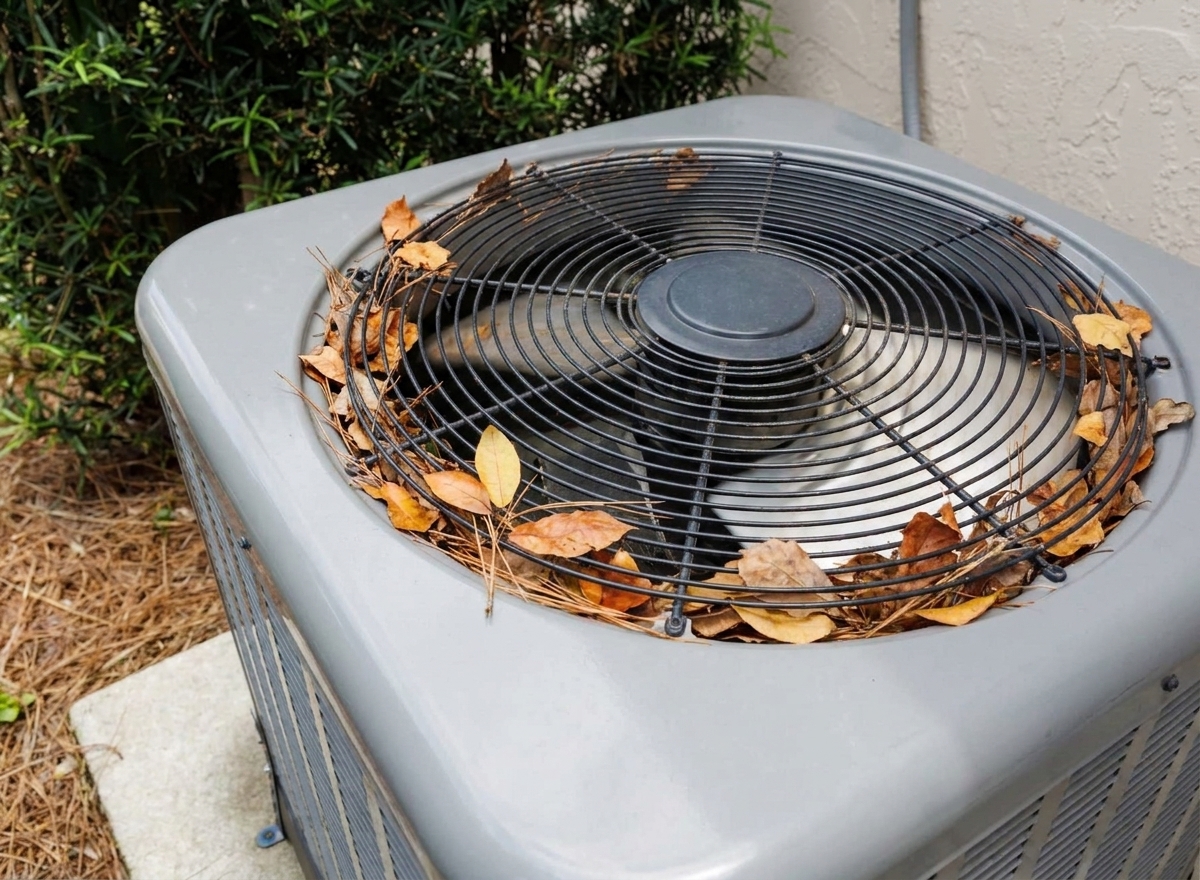
- Clear debris around the outdoor unit. Remove leaves and twigs from the top and sides with power off.
- Check the service panel screws on the outdoor unit for looseness. Do not remove panels, just snug accessible screws if they are obviously backing out.
Shut it off and call a technician if: buzzing is loud and persistent, the outdoor unit will not start, you hear buzzing plus repeated clicking, or a breaker trips. Those point to electrical parts that can fail hard.
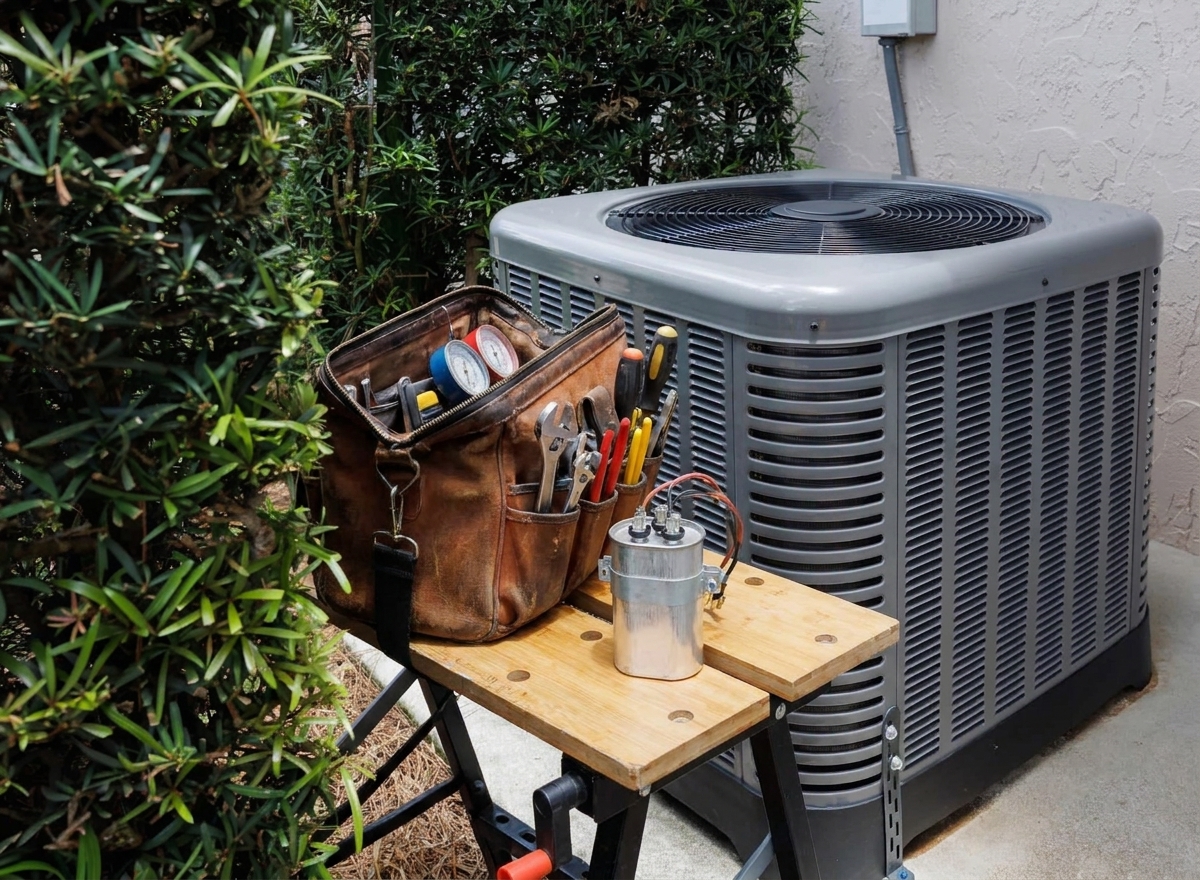
Rattling
What it often means: something loose, something stuck, or something vibrating. This is one of the more DIY-friendly noises.
Safe checks you can do:
- Outdoor unit: With power off, look for sticks, acorns, or pebbles lodged against the fan shroud or inside the top grille area.
- Outdoor panels: Lightly press on exterior panels while the unit is running (hands clear of the grille). If the rattle changes, a panel is vibrating.
- Indoor return grille: A loose grille can buzz or rattle when airflow ramps up. Tighten the screws gently.
- Supply registers: Registers can chatter if they are slightly loose or if airflow is high. Tighten screws or adjust louvers.
- Furniture and frames: The sound might be the room vibrating, not the AC. Picture frames love to join the band.
When to worry: a rattling that becomes a harsher clanking can mean a fan blade issue or a motor mount coming loose.
Shut it off and call a technician if: the rattle is coming from inside the indoor air handler cabinet, the fan looks wobbly, or you hear metal-on-metal contact.
Squealing or screeching
What it often means: a belt issue (older systems), failing motor bearings, or a struggling blower motor. This noise is usually a “do not ignore” one.
Safe checks you can do:
- Confirm which unit is squealing.Indoor squeal often points to the blower assembly. Outdoor squeal can be condenser fan motor bearings.
- Swap the filter if it is dirty. A clogged filter can make the blower work harder and get louder.
- Check vents are open and not blocked by rugs or furniture. Starving airflow can raise noise and strain.
Shut it off and call a technician if: the squeal is high-pitched, continuous, or starts suddenly. Motor bearing failure can escalate, and you do not want a seized motor on a hot day.
Clicking
What it often means: normal relay action, a thermostat calling for cooling, or a component struggling to start.
Safe checks you can do:
- One click at start and stop: usually normal.
- Rapid clicking: check thermostat batteries (if your thermostat uses them) and make sure the thermostat is firmly seated on its base.
- Outdoor unit clicking but not starting: replace the air filter and check the outdoor unit is clear of debris. Then stop and call a technician, since capacitors and contactors often live in this symptom zone.
Shut it off and call a technician if: you hear repeated clicking for more than a minute, the outdoor fan does not spin, or the system short cycles (starts and stops rapidly).
Banging or clanking
What it often means: a loose or damaged fan blade, a failing blower wheel, or ductwork that is expanding and popping.
Two very different “bang” categories:
- Duct pop: A single pop or bang when the system starts or stops can be sheet metal flexing. It is annoying but often not dangerous.
- Mechanical bang: Repeated banging, clanking, or thumping during runtime suggests a part is hitting something it should not.
Safe checks you can do:
- Check filter and vents first. Poor airflow can increase pressure changes that make ducts pop.
- Look for obvious outdoor damage like a bent fan guard or visible wobble while running. Keep distance.
Shut it off immediately if: banging repeats every few seconds, the outdoor fan is visibly wobbling, or you hear clanking from the indoor air handler cabinet. Continuing to run can turn a small repair into a bigger one.
Hissing
What it often means: air leaking (duct leak) or refrigerant leaking. A brief “psst” at shutdown can be normal pressure equalizing, but steady hissing is not a sound to shrug off.
Safe checks you can do:
- Listen near vents.Hissing at a vent can be a partially closed register or high airflow through a small gap.
- Check for ice.If you see ice on the refrigerant line near the indoor unit or on the outdoor unit, shut it off. Ice plus hissing can point to airflow problems or refrigerant issues.
Shut it off and call a technician if: hissing seems to come from the indoor coil area or outdoor cabinet, cooling drops, or you notice oily residue on copper lines or fittings.
Quick checks that fix a surprising number of loud ACs
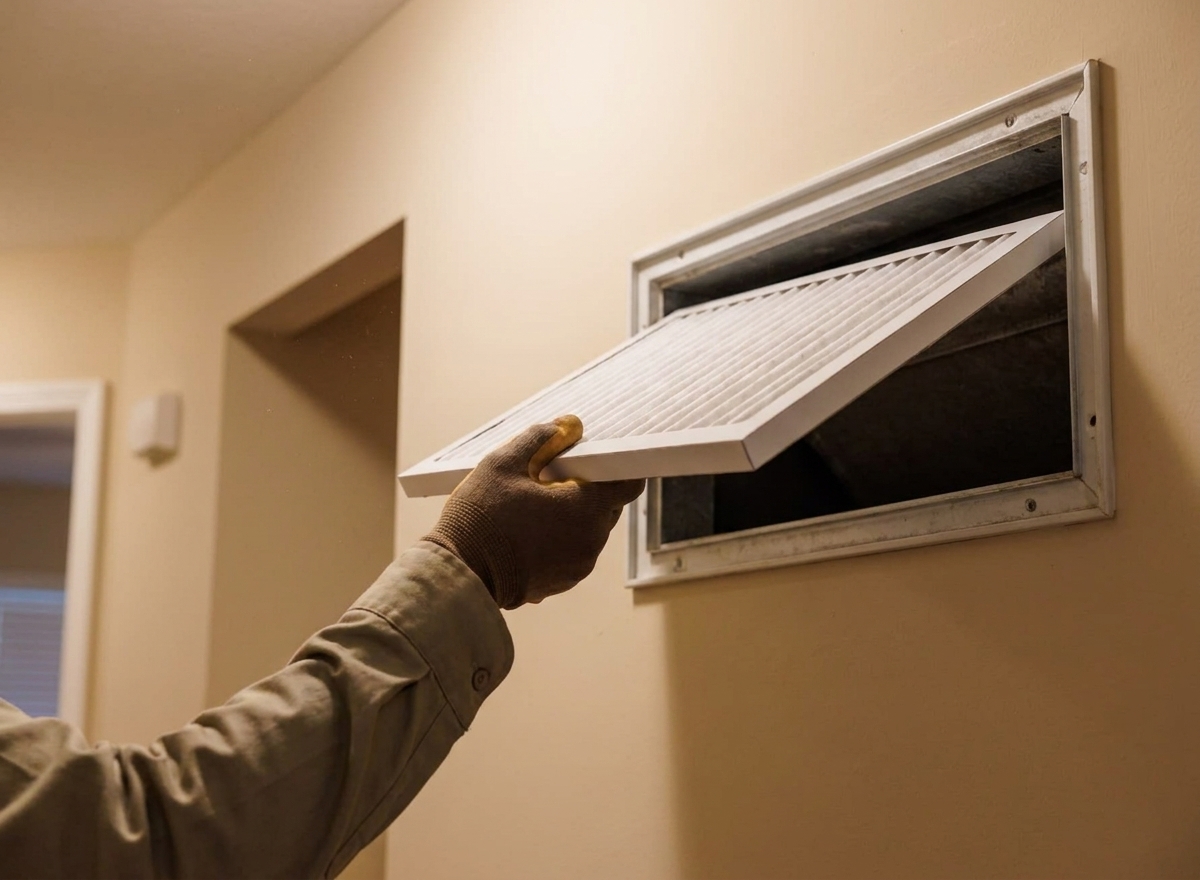
1) Change the air filter
If you do one thing, do this. A clogged filter increases static pressure, makes the blower strain, and can lead to whistling, rattling, and even coil icing.
- Hold the old filter up to a light. If you cannot see much light through it, swap it.
- Make sure the arrow on the filter points toward the blower (toward the air handler or furnace).
2) Clear the outdoor unit and level the pad
Outdoor condensers need breathing room. When they are packed with leaves or sitting crooked, they can vibrate and get noisy.
- Turn power off.
- Clear a 2-foot buffer around the unit if possible.
- If the unit is obviously tilted, do not try to pry it level while running. Leveling is a small project, but it can be unsafe if lines are stressed. A technician can advise if the refrigerant lines are at risk.
3) Tighten what is meant to be tightened
Rattles are often just vibration winning a screw-loosening contest.
- Tighten loose register screws and return grilles.
- Snug exterior screws on the condenser cabinet if they are visibly loose.
- Do not open electrical compartments.
4) Check for blocked returns and closed vents
Your AC wants a clear path for air in and air out.
- Make sure return grilles are not blocked by furniture.
- Open any vents you closed to “push more air” elsewhere. That trick often raises pressure and noise.
When to shut the AC off
Some noises are inconvenience noises. Others are “stop before damage” noises. Turn the system off at the thermostat, then cut power if needed, and call for service if you notice any of the following:
- Burning smell, smoke, or sparking
- Breaker trips or the outdoor disconnect feels hot
- Metal-on-metal grinding or a high-pitched screech that does not fade
- Repeated banging or clanking while running
- Ice on the refrigerant line or indoor coil area
- Outdoor fan not spinning but you hear humming or buzzing
- Hissing that seems to come from the unit with reduced cooling
Running a struggling motor or compressor can turn a manageable repair into a major one. My walnut-wood advice is simple: protect the expensive parts.
Indoor vs outdoor noise
If the noise is indoors
- Dirty filter or airflow restriction
- Loose return grille or rattling register
- Blower wheel imbalance or blower motor bearing wear
- Ductwork popping as it expands and contracts
If the noise is outdoors
- Debris in or near the fan area
- Loose cabinet panels
- Condenser fan motor issues
- Electrical component problems (contactor, capacitor)
- Compressor problems (deeper, harsher noises)
FAQ
Why is my AC suddenly loud at night?
At night, your house is quieter so you notice normal sounds more. But a sudden change can also be temperature-related expansion, looser panels vibrating, or a fan motor that is beginning to complain. If the sound is new and sharp, treat it as a real change, not just a quieter room.
Why does my AC make a loud noise when it turns on?
A single thump can be ductwork flexing or a damper moving. A loud bang, repeated clicking, or a hard buzzing at startup can point to an electrical part struggling to engage. If startup noise is getting worse, schedule service.
Is a loud AC dangerous?
Sometimes it is just vibration. Other times, yes, especially if the noise is paired with electrical symptoms, burning smells, or the outdoor fan not spinning. When in doubt, shut it off and get eyes on it.
Can a dirty filter make the AC louder?
Absolutely. It can raise pressure in the system, make the blower strain, create whistle noises at returns, and contribute to icing that leads to all sorts of bad sounds.
My AC is loud but still cooling. Should I worry?
Cooling does not mean everything is healthy. Many components can be failing while the system still limps along. If the noise is new, getting louder, or falls into squealing, grinding, banging, or persistent buzzing, it is worth investigating now rather than during the next heat wave.
A tidy next step
If you want a quick plan: change the filter, clear around the outdoor unit, and listen again. If the noise stays sharp, metallic, screechy, or electrically buzzy, shut it down and call a technician. Loud is your warning label.
And if you are standing there in the hallway listening to your vents like they are trying to tell you a secret, you are not alone. That is just homeownership, doing its little tap dance. We will keep it sorted.