
Why Does My Bathroom Sink Keep Clogging?
If you already cleaned the pop-up and P-trap but the bathroom sink keeps clogging, the cause is usually a clog past the trap, a trap arm with the wrong slope, or a vent issue. Here’s how to tell which one to chase next.
Good grain. Great questions.
If your bathroom sink clogs, you clean the pop-up stopper and rinse out the P-trap, and then it clogs again a week later, you are not imagining things. That usually means the “hairy part” is handled, but the real slowdown is happening somewhere else.
In my shop-brain, there are three usual suspects once the pop-up and trap are already clean:
- A clog in the branch drain past the trap
- A trap arm with the wrong slope
- A vent problem that shows up at only that sink
This guide is a quick diagnosis. Once you know which suspect fits, you will know what to do next.
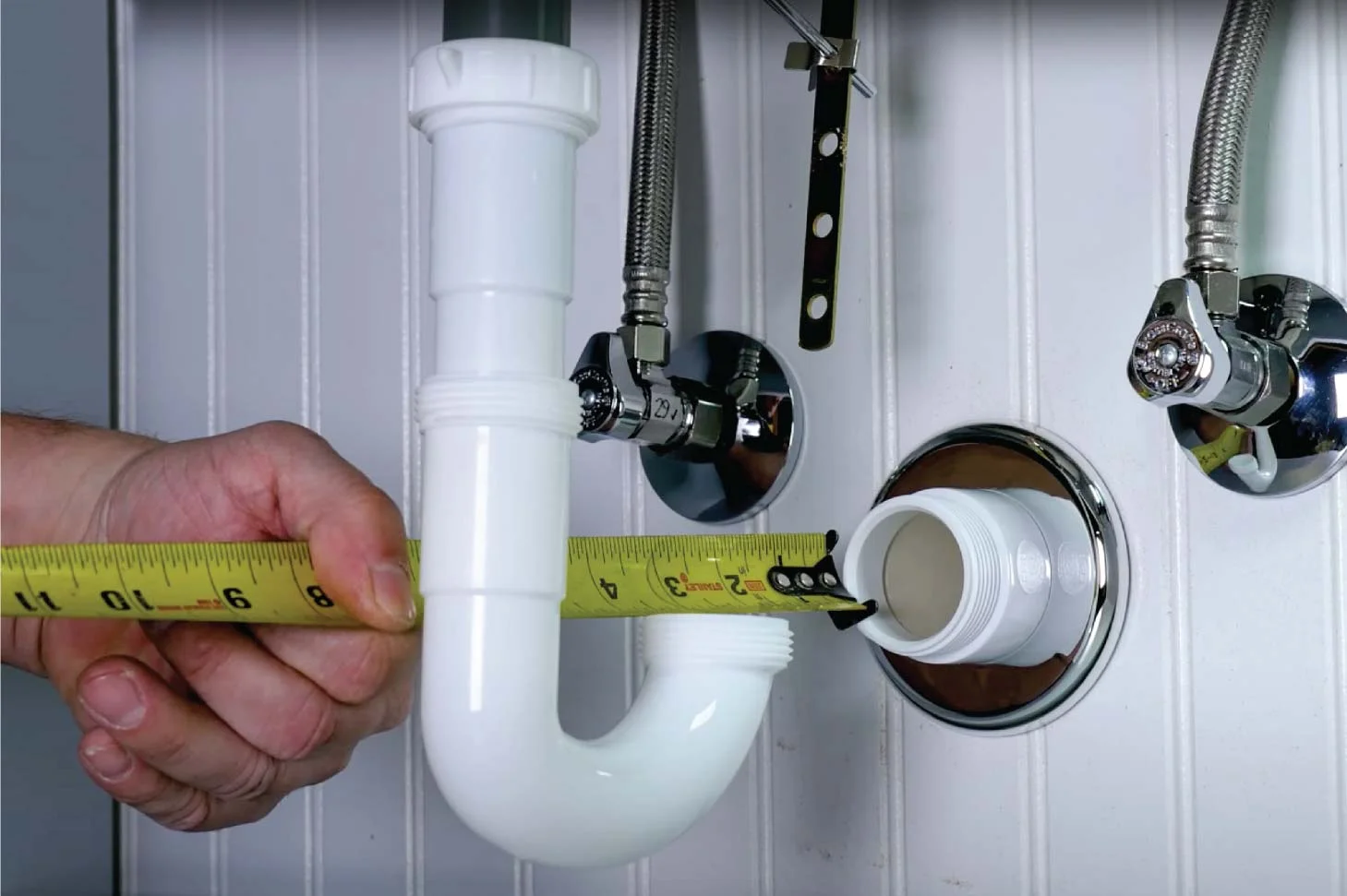
First: confirm it is truly recurring
Before we blame the pipes in the wall, do a couple fast checks after trap cleaning:
- Does it drain great for a day or two and then progressively slower? That points to buildup farther down.
- Does it drain poorly right away after reassembly? That can be a partial blockage still in the trap arm, a mis-seated washer, or the stopper linkage adjusted so the drain opening is partly closed.
Also worth a 30-second look: even if you cleaned the stopper, the drain body itself (the pop-up crossbar area and overflow passages) can hold toothpaste and soap paste. If it is slimy in there, that gunk can break loose and keep feeding a downstream slowdown.
Quick safety note: If you think you might take the trap apart again, skip chemical drain cleaners. They can burn skin and eyes, damage some finishes, and make a simple DIY disassembly a lot more dangerous. If you already poured chemicals and it is still clogged, do not open the trap until you have flushed with lots of water and you are sure it is cool and diluted.
If it ran fine and then started acting up again, keep reading. That pattern matters.
Suspect 1: clog past the trap
If the pop-up and trap are clean, the next place gunk camps out is the branch drain that this sink ties into (plain English: the horizontal line in the wall or floor that carries the sink water away). In bathroom sinks, this is often a slow-growing mix of soap scum, toothpaste, skin oils, and fine hair that sneaks past.
Signs it is a branch clog
- The sink drains okay at first, then slows again over several days.
- A plunger gives temporary relief, then the problem returns.
- You get a slow swirl with periodic gulping, more like “resistance” than a full airlock.
- Only this sink is affected. The toilet and tub are fine.
A quick clue check
With a bucket under the trap, remove the trap and look into the wall connection (the pipe opening the trap arm slips into). If you see standing water right at that opening, or you shine a light and spot sludge close by, that is a strong clue the slowdown is past the trap. It is not a perfect proof by itself, but it is usually enough to pick your next move.
What to chase next
This is when a small hand-crank drain snake is usually the next move. For most bathroom sink lines, a 1/4-inch cable is the right size. Feed it through the wall connection after you remove the trap instead of from the top. It keeps you from beating up the pop-up parts and lets you hit the clog directly.
Avoid going full send with a big power auger on a small sink line. It can damage old piping, and it loves to kink a thin cable. If you snake it and it keeps returning quickly, the line may have heavy buildup that needs more thorough cleaning.
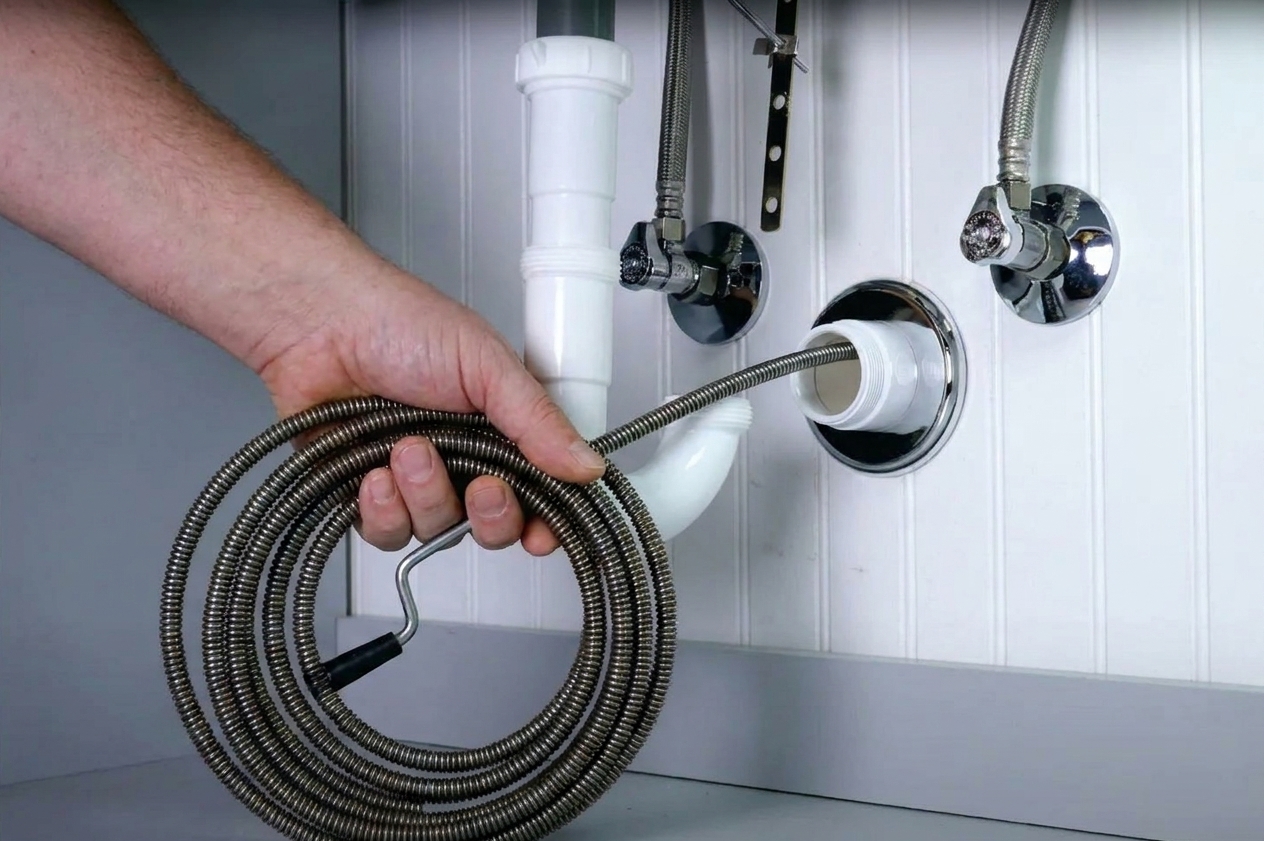
Suspect 2: trap arm slope is wrong
The trap arm is the straight run between the P-trap and the wall connection. It is supposed to have a gentle slope away from the trap toward the drain so water carries toothpaste and soap residue along instead of leaving it behind. In a typical vanity setup that often means it looks like it drops slightly as it heads into the wall, but the real rule is slope away from the trap.
If the trap arm is level, back-pitched, or sagging, the sink can clog over and over because it is basically acting like a tiny settling pond. You clean the trap, but the gunk sitting in that flat run builds right back up.
Signs it is a slope problem
- The sink clogs frequently, even if no one is shedding a wig in it.
- You notice water sitting in the trap arm when you take things apart, not just in the trap itself.
- The plumbing under the sink looks “forced” into place, with the trap arm tilting the wrong way to reach the wall.
- The problem started after a vanity swap, sink replacement, or plumbing work.
A quick check you can do
Open the vanity and eyeball the trap arm. You are looking for a gentle pitch from the trap toward the wall connection, not a dead-level run and definitely not a run that rises as it goes into the wall. If the wall stub-out is higher than where the trap wants to sit, that is not “fine.” That is a geometry problem waiting to become a clog problem.
What to chase next
The fix is not more chemicals. The fix is resetting the geometry: adjusting trap height, trap arm length, or the wall connection so the trap arm can slope the right direction. Sometimes that means swapping to the correct tailpiece length, removing a flexible accordion piece (if present), or redoing the trap arm with proper fittings.
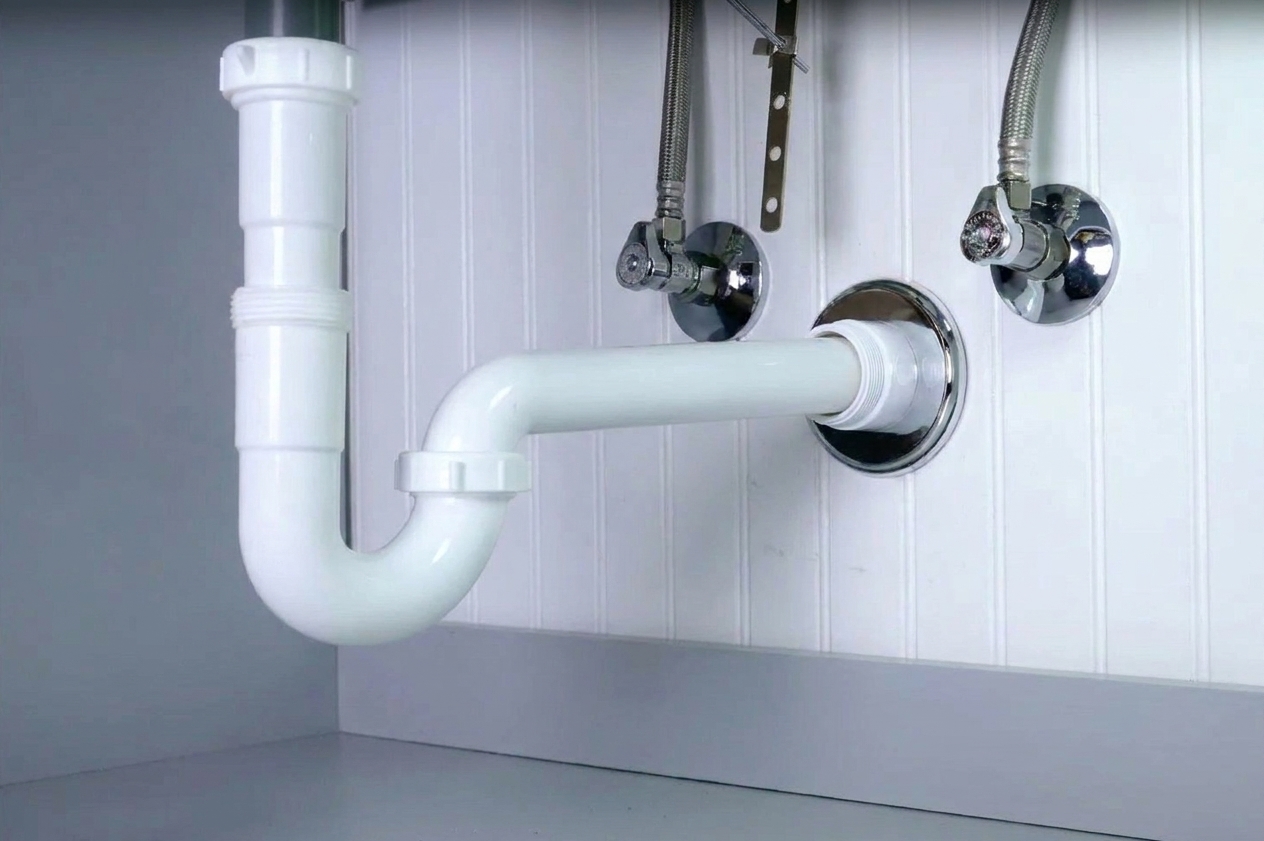
Suspect 3: vent problem
Drain vents are the quiet heroes that let air into the plumbing system so water can flow freely. When a vent is missing, blocked, or poorly tied in, a sink can act like it is clogged even when the pipe is not packed with gunk.
This can show up at only one fixture if that sink’s vent path is the one with trouble, or if the sink is far from the main vent connection.
Signs it is a vent issue
- The sink drains slowly and then can suddenly speed up with a loud gulp or whoosh.
- You hear gurgling from the sink drain after nearby fixtures run, even if the sink itself is not used.
- The sink can drain better if you run the faucet only halfway, but do not treat this as a sure thing since partial clogs can do weird stuff too.
- You get sewer-ish odors that come and go, especially if the trap is being siphoned.
A simple clue test
Fill the sink partway and then let it drain while you listen. If it starts slow, then you hear air slurp and it improves, that points toward airflow being part of the problem, not just sludge.
Worth knowing: If you have an air admittance valve (AAV) under the sink, a failed AAV can mimic a vent blockage. If you see a small valve on a vertical pipe under the vanity, that is a strong hint you are in vent-territory. AAVs generally need to be installed upright and accessible, and local code rules vary.
What to chase next
At this point you are chasing venting: checking for an AAV that is stuck, or tracking whether that sink’s vent line is obstructed. If vent work means opening walls or getting on the roof, that is often where people call in help. The key is that you are no longer “unclogging a sink.” You are restoring proper airflow so it stops acting clogged.
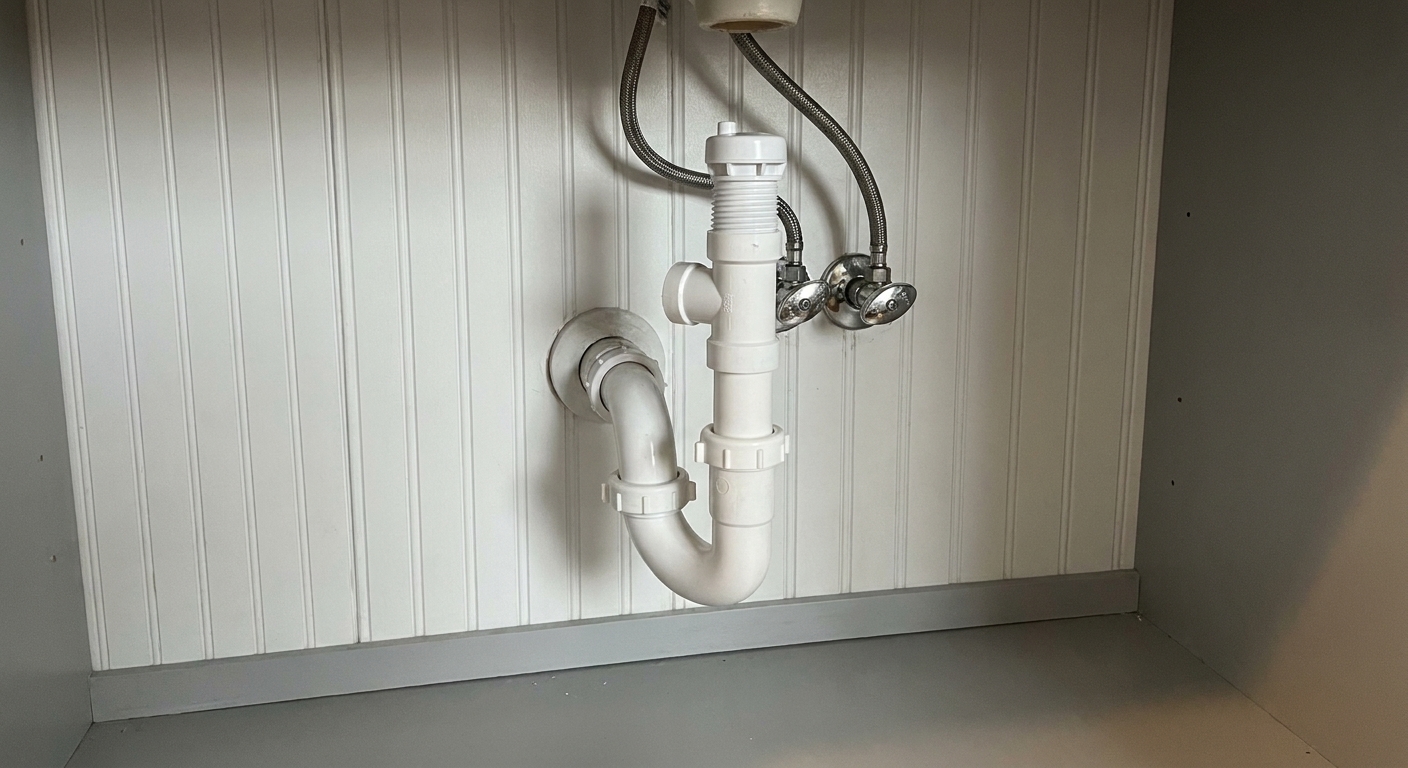
Pick the next step fast
If you want the fastest fork in the road, use this quick sorter:
- It drains fine, then clogs again over days: chase a branch clog past the trap.
- It clogs repeatedly and the trap arm is level or tilting the wrong way: chase the trap arm slope.
- It gurgles, whooshes, or suddenly “lets go”: chase a vent problem.
Once you know which of those three fits your sink’s behavior, you are done guessing. That is the whole goal.
When to stop DIY: If multiple fixtures are backing up, you see leaks that you cannot stop after reassembly, you suspect brittle or corroded drain piping, you smell sewage that suggests trap siphoning, or the clog keeps returning even after a proper snake from the wall connection, it is time to call a plumber. That is especially true if there is any chance the issue is in the wall, in a shared line, or tied to venting.