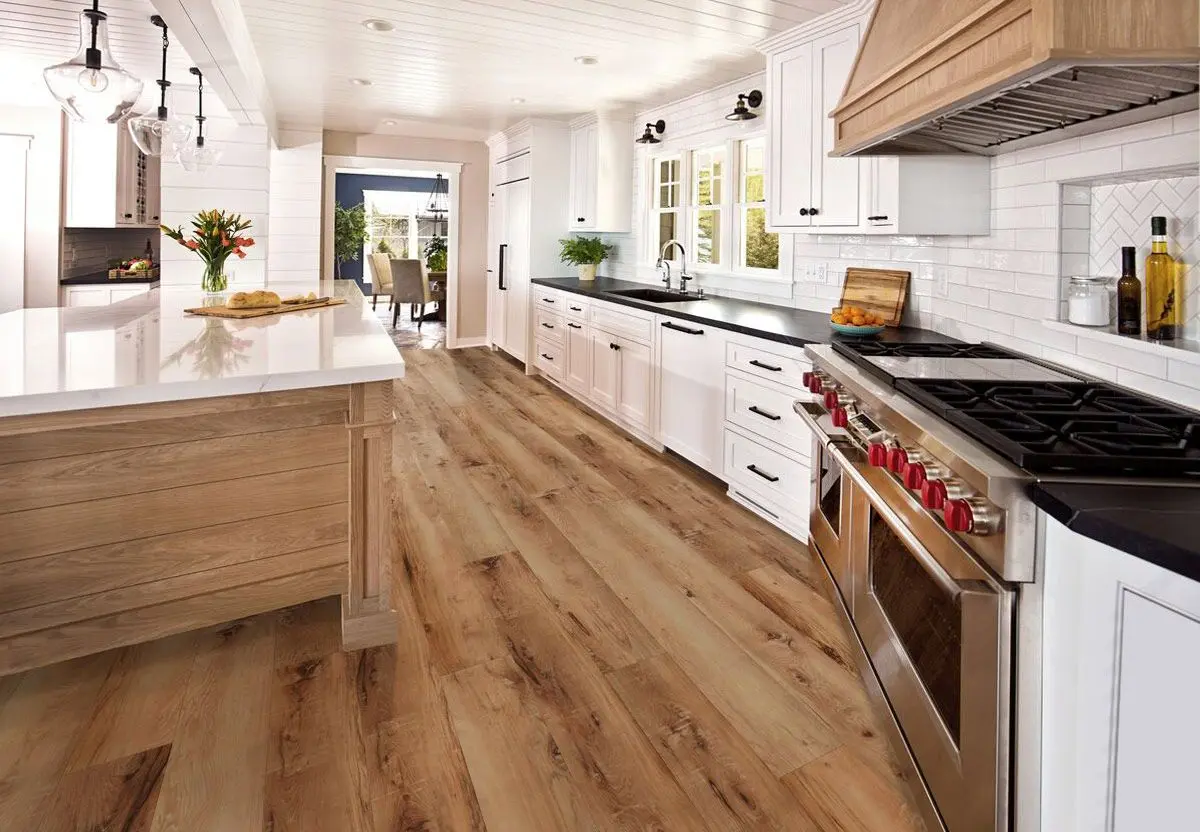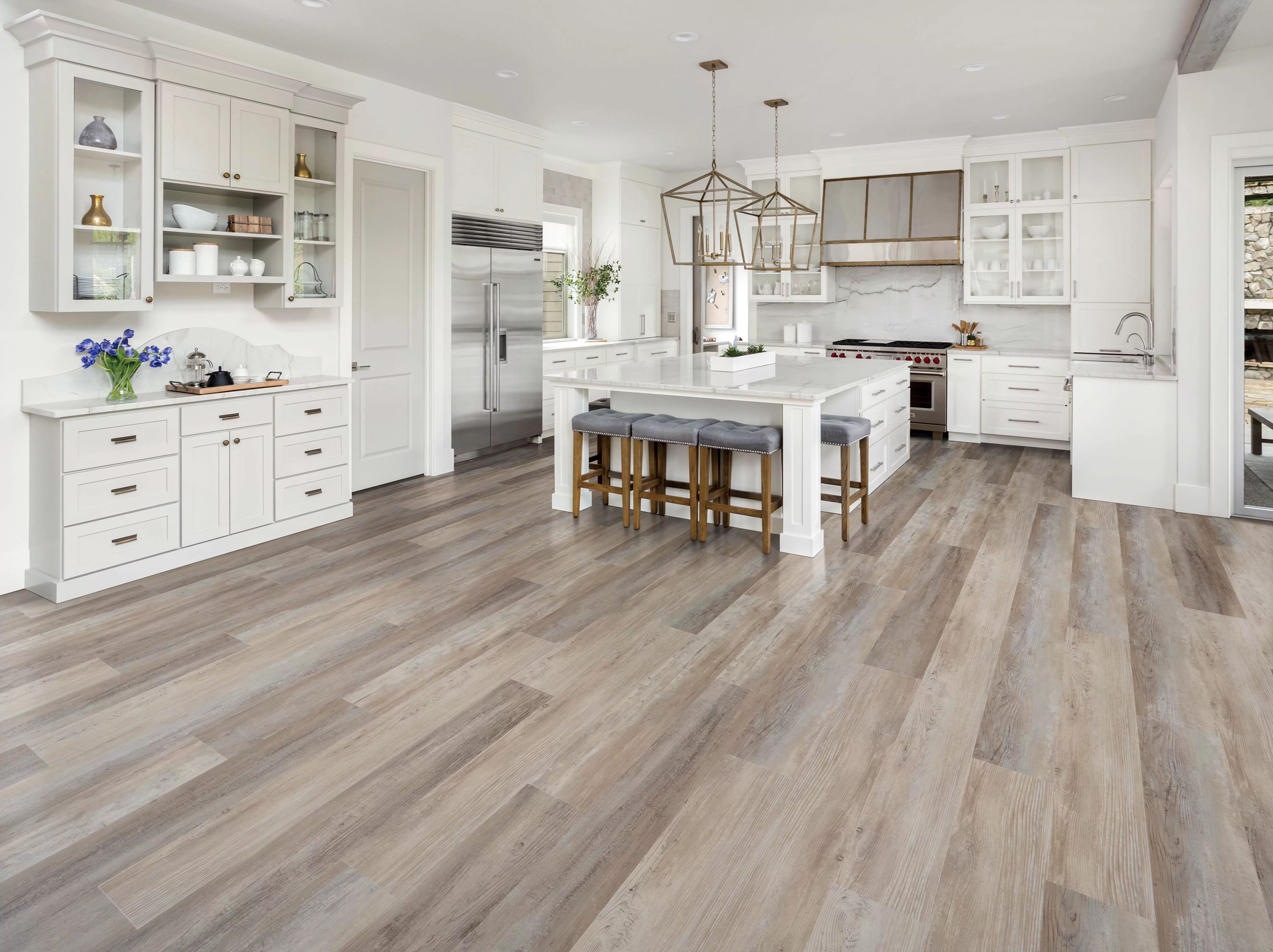
A homeowner-friendly breakdown of LVP and engineered hardwood for high-traffic rooms, including durability, water, maintenance, comfort, appearance, cost, su...
The Homeroom Fix
September 11, 2026
•
By Marcus Delgado
Vinyl Plank vs. Hardwood for Living Rooms
Comparing vinyl plank and hardwood for living room renovations, with real-world durability, price, comfort, resale value, and DIY installation tips so you can pick the right floor for your house and budget.
If you are renovating a living room, flooring is one of those decisions that feels permanent because, well, it kind of is. I have installed both vinyl plank and hardwood in real homes with real dogs, real kids, and real “oops” moments. The best choice is less about what looks fanciest online and more about how your living room actually gets used.
Below is a straight-shooting comparison of durability, cost, and DIY difficulty, plus the stuff homeowners don’t think about until the furniture is back in place.

Quick verdict
- Choose vinyl plank if you want high scratch resistance, easier DIY installation, and a predictable budget, especially with pets, kids, or a not-so-gentle household.
- Choose hardwood if you want long-term refinishing potential, classic feel underfoot, and stronger resale appeal in many markets, and you are okay paying more and being fussier about moisture.
Still with me? Good. Let’s make sure you pick the floor you will still like after the first winter’s worth of boots and furniture shuffling.
Durability
Vinyl plank durability
Vinyl plank, especially LVP (luxury vinyl plank), is basically built for modern chaos. It has a wear layer on top, then a printed pattern layer, then a core. That wear layer is what takes the beating.
Quick shopping cue: wear layers are commonly in the 12 mil to 20 mil range. Thicker is not automatically better, but ultra-thin wear layers tend to show damage sooner in busy rooms. Core type matters too: SPC (stone plastic composite) usually feels stiffer and handles dents better; WPC (wood plastic composite) can feel a bit warmer and quieter underfoot.
- Scratches: Generally very good. A quality wear layer resists everyday scratching from grit, dog nails, and chair movement. You can still gouge it with something sharp, but it is forgiving.
- Dents: Depends on the core and thickness. Heavy furniture can leave dents, especially with thinner products or small furniture feet. Felt pads are still your best friend.
- Moisture: Most vinyl plank is water-resistant, and many lines are marketed as waterproof. Here is the nuance: a plank can be waterproof at the core, but the floor system is not automatically flood-proof. Water can still get into seams, around edges, under baseboards, and through penetrations or transitions. Spills are usually a non-issue if you wipe them up. Standing water for long periods is where trouble starts.
Hardwood durability
Hardwood is tough, but it is not invincible. It is also honest. It shows its scars, which some folks call “character” and others call “why did I do this.”
- Scratches: It will scratch. Even with a strong finish, grit tracked in from outside acts like sandpaper. Area rugs and a solid entry mat help a lot.
- Dents: Softer species dent more (pine, cherry, walnut). Harder species dent less (oak, hickory, hard maple), but nothing is dent-proof when you drop a cast iron pan.
- Moisture: Hardwood and water are not buddies. Small spills are fine if wiped quickly. Repeated wet mopping, humid summers, or a leaky plant pot can lead to cupping, swelling, or gaps.
My note: If your living room is truly “living” and connects to a kitchen, mudroom, or frequently used exterior door, vinyl plank gets a real durability advantage. If it is a more formal space and you can control moisture and grit, hardwood holds up beautifully.
Cost
Costs vary by region and by what you pick off the shelf, but here is how it usually shakes out.
Vinyl plank costs
- Material: Typically lower than hardwood, with a wide range from budget to premium.
- Underlayment: Some LVP has attached pad. If not, you may need underlayment, but it is usually straightforward.
- Prep: You may spend money getting the subfloor flat. Both floors need prep, but click-lock LVP is especially sensitive to flatness tolerances.
- Transitions and trim: Doorway transitions, quarter round, and baseboard touch-ups add up.
Hardwood costs
- Material: Higher, especially for wider planks, premium species, or longer lengths.
- Installation: Nail-down or glue-down often costs more if you hire it out.
- Finishing: Prefinished is easier and faster. Unfinished hardwood can look amazing, but sanding and finishing is a whole project with its own costs.
- Tools: DIY hardwood may require specialized tools like a flooring nailer. Some are manual mallet-driven; some are pneumatic and use a compressor (usually rented).
Budget reality check: Vinyl plank usually wins on up-front cost. Hardwood can often win on long-term value if you plan to stay put and refinish later instead of replacing the whole floor, but it is market- and condition-dependent. Solid hardwood is the safest bet for multiple refinish cycles; engineered hardwood depends on veneer thickness and the product you choose.
DIY installation
Vinyl plank DIY difficulty
For most homeowners, vinyl plank is the more approachable DIY project.
- Common install type: Floating click-lock.
- Tools: Utility knife, straightedge, tapping block, pull bar, spacers, and a saw for tricky cuts (miter saw or jigsaw helps).
- Biggest DIY trap: Subfloor flatness. If the floor has dips, your joints can separate or feel bouncy. Spend time here. Many manufacturers call for something around 3/16 inch over 10 feet, but always follow the specs for your exact product.
- Second biggest trap: Not leaving proper expansion gaps at walls and fixed objects.

Hardwood DIY difficulty
Hardwood is doable for a confident DIYer, but it asks for more precision and more patience. It also punishes shortcuts faster.
- Common install types: Nail-down (often over plywood), glue-down (common over concrete), or floating engineered hardwood (varies by product).
- Tools: Flooring nailer or stapler for nail-down, miter saw, table saw or circular saw, chalk line, and good layout tools.
- Biggest DIY trap: Layout and straightness. If your first rows drift even a little, the whole room will show it.
- Moisture acclimation: Hardwood needs time in the home to acclimate. Skip this and you may get gaps or buckling later.

Comfort and sound
Underfoot feel
- Hardwood: Feels solid, warm, and natural. It has that unmistakable “real floor” vibe.
- Vinyl plank: Can feel slightly softer or more hollow if the subfloor is uneven or if the product is thin. Better products with a rigid core and quality pad feel more substantial.
Noise
- Hardwood: Can be squeaky if the subfloor is loose or framing moves seasonally. It also reflects sound more than carpet.
- Vinyl plank: Floating floors can sound clicky or hollow in some rooms, especially large open spaces. Using the manufacturer-approved underlayment and ensuring flatness helps a lot.
Maintenance
Vinyl plank maintenance
- Sweep or vacuum (hard floor setting) regularly.
- Damp mop with a cleaner approved by the manufacturer.
- Avoid steam mops unless the manufacturer explicitly allows it.
Hardwood maintenance
- Sweep or vacuum often. Grit is the enemy.
- Use a hardwood-specific cleaner. Avoid soaking the floor.
- Plan for periodic recoating or refinishing depending on wear.
My rule of thumb: If you want the floor to look good with minimal babysitting, vinyl plank is easier. If you do not mind a little routine and you love the real-wood payoff, hardwood is worth the fuss.
Repairability
Vinyl plank repairs
Small scratches are usually a “live with it” situation. Deep damage often means replacing a plank. That is possible, but it can be annoying if the damaged plank is in the middle of the room and the floor is click-lock floating. You may need to unclick rows back to the damaged piece.
Hardwood repairs
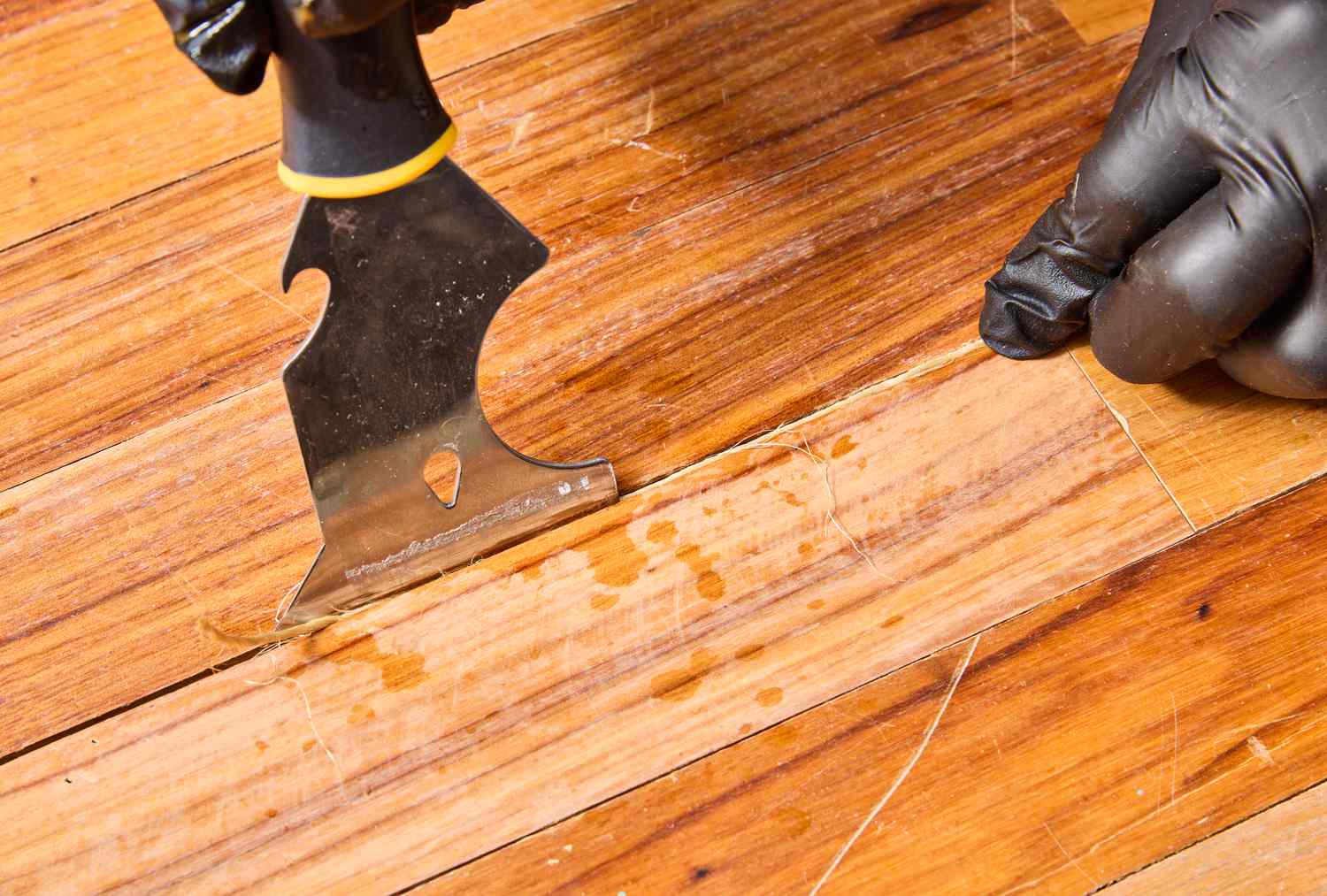
Hardwood is the king of second chances. You can spot-repair small areas sometimes, but the big advantage is refinishing. When the finish is worn and the surface is scratched, you can sand and refinish (solid hardwood more than once, engineered depends on veneer thickness).
Resale value
Resale is local, but here is the general pattern I see: buyers recognize and value real hardwood. Quality vinyl plank is widely accepted and can still help a home show well, but it usually does not carry the same prestige.
- Hardwood: Often a selling point, especially in older or higher-end neighborhoods.
- Vinyl plank: Often a practical selling point. Buyers with pets and kids appreciate it. It can also look impressively close to wood when chosen well.
If you are renovating for yourself first, do not let resale bully you into a floor you will stress over every time someone walks in with wet shoes.
Sunlight and rugs
Living rooms get big windows and big rugs, so two quick notes that save headaches later.
- UV and fading: Both hardwood and vinyl can change color with sunlight. Hardwood can amber or deepen over time; some vinyl can fade or shift. If you have strong sun exposure, ask about UV resistance, use window coverings when needed, and know that moving rugs later can reveal “tan lines.”
- Rug backings: Some rubber or latex rug pads can discolor certain finishes or vinyl over time. I stick with a pad the flooring manufacturer approves, especially for new installs.
How to choose in 6 questions
- Do you have pets with nails or kids who treat the living room like a gym? Vinyl plank is usually the calmer choice.
- Is the living room near an exterior door or open to the kitchen? Vinyl plank handles moisture and mess better.
- Is your subfloor uneven or your house older? Either floor needs prep. Click-lock LVP is especially sensitive to flatness specs; hardwood needs a solid, secure subfloor so it does not squeak or move.
- Do you love the feel of real wood? Hardwood wins, no substitute.
- Are you hoping to refinish instead of replace in 10 to 20 years? Hardwood, especially solid. Engineered can, but only if the veneer is thick enough.
- Are you DIYing with basic tools and a weekend timeline? Vinyl plank is more forgiving.
DIY tips
If you pick vinyl plank
- Get the subfloor flat before you start. Not level, flat. Use a long straightedge and mark dips.
- Buy extra. I like 10% extra for normal rooms, 15% if there are lots of angles.
- Stagger seams correctly per the manufacturer. Random is not the same as “whatever.”
- Use felt pads on furniture, especially dining chairs if your living room pulls double duty.
If you pick hardwood
- Acclimate the wood in the room for the time recommended by the manufacturer.
- Check the subfloor moisture if you can. Moisture problems do not improve once the floor is down.
- Plan your layout so you do not end up with skinny slivers along a wall.
- Use the right fasteners and spacing. This is not the moment for mystery nails from the bottom of a bucket.

FAQ
Is vinyl plank cheaper than hardwood?
Almost always up front, yes. Material and installation are typically lower. Hardwood can pay back over time if you refinish instead of replace.
Does vinyl plank look fake?
Budget vinyl can. Mid-range and premium products have better embossing and more realistic patterns. My advice is to look at full planks in person and view them in the lighting of your home, not just online photos.
Can I install vinyl plank over hardwood?
Sometimes, yes, if the existing hardwood is flat, solid, and well-bonded with no major cupping. You still need to address squeaks and height transitions. Follow the vinyl manufacturer’s rules.
Is engineered hardwood a good compromise?
Often, yes. Engineered hardwood can be more dimensionally stable than solid hardwood, and some products can be refinished. DIY difficulty varies by install type and veneer thickness.
What is the best option for radiant heat?
Both can work depending on the product, but you must follow manufacturer requirements for temperature limits and installation method. Many engineered hardwoods are better suited than solid wood. Some vinyl products are rated for radiant heat as well.
My bottom line
If you want a living room floor that shrugs off everyday life and is friendly to a first-time installer, vinyl plank is hard to beat. If you want that classic, solid feel and the ability to renew the surface years from now, hardwood is still the gold standard.
Whichever you choose, the real secret is prep. A flat, solid base and careful layout can make a modest floor look expensive, and a rushed install can make an expensive floor look like a Saturday mistake.