A homeowner-friendly comparison of vinyl plank and hardwood for living room remodels: durability, costs, comfort, resale value, and which one is more DIY-fri...
The Homeroom Fix
September 28, 2026
•
By Marcus Delgado
Luxury Vinyl Plank vs. Engineered Hardwood
Choosing flooring for a busy home? Compare luxury vinyl plank and engineered hardwood by durability, water resistance, comfort, upkeep, looks, sunlight fading, and long-term cost, with room-by-room picks.

Marcus Delgado
Marcus Delgado is a former residential carpenter and lifelong DIY enthusiast who believes every homeowner has the power to transform their space. After a decade of swinging hammers for general contractors, he shifted gears to share practical, budget-friendly home improvement advice. When he's not renovating his own 1970s fixer-upper, you can find him hunting for salvaged wood or teaching weekend workshop classes.
If you are flooring a high-traffic room, your floor is going to take a daily beating. Kids sprinting for the door. A dog doing full-body shake after a rainy walk. Grocery bags dragged across the hall because nobody listens when you say “lift with your knees.”
Two of the most common upgrades I see homeowners debating are luxury vinyl plank (LVP) and engineered hardwood. Both can look great. Both can be DIY-friendly in the right situation. But they behave very differently once real life shows up.
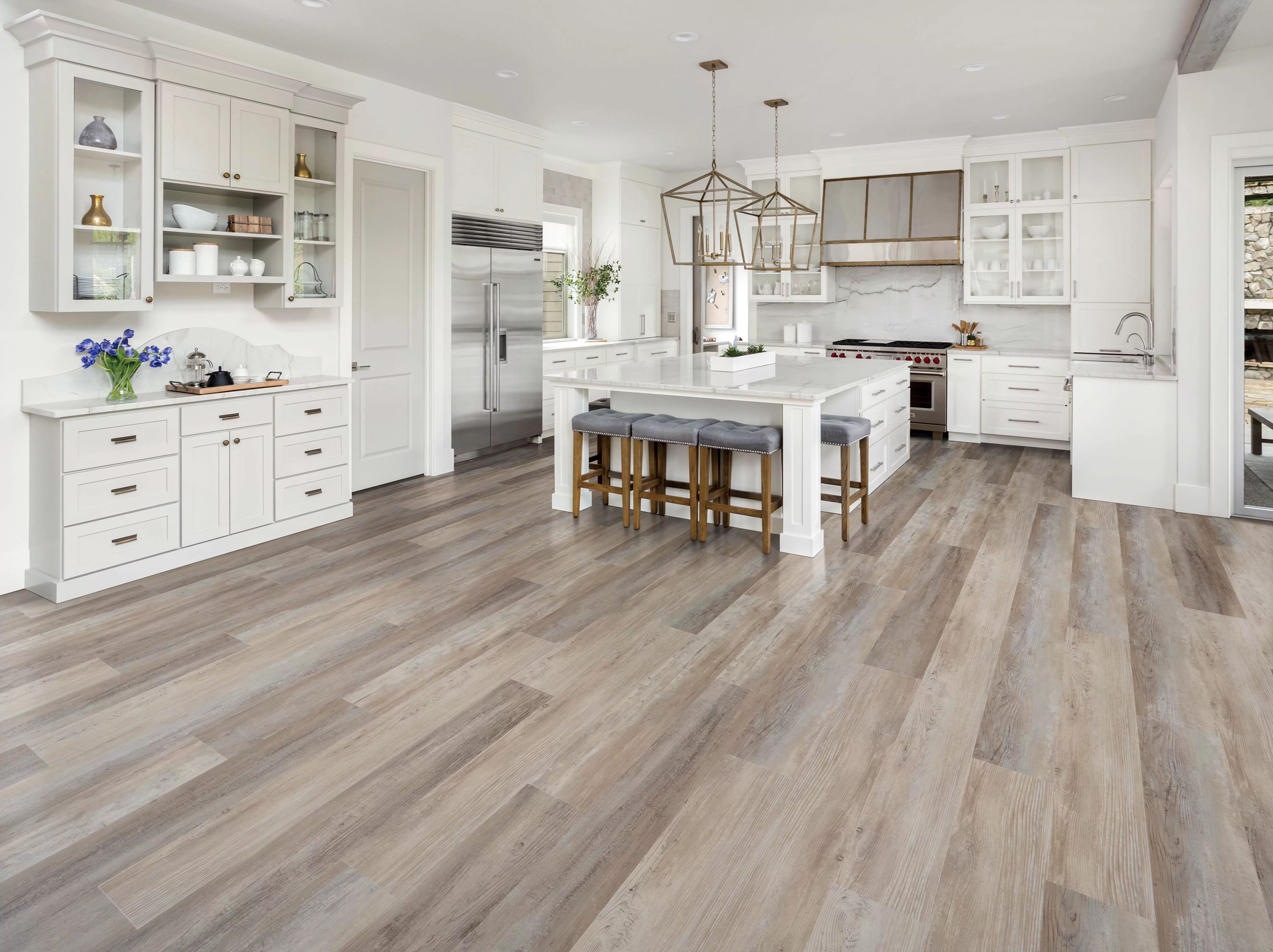
Below is a straight homeowner decision guide: how each option holds up, what it costs over time, and which rooms I would put each one in if this were my own house.
Quick answer: which to choose?
If you want my plainspoken shortcut:
- Choose LVP for mudrooms, entryways, kitchens, basements, and homes with big pets or frequent spills. It is usually the safer bet for moisture and everyday chaos.
- Choose engineered hardwood for living rooms, dining rooms, hallways (when you can control moisture), and primary bedrooms where you want the real-wood feel and long-term value.
My rule of thumb: If the room sees wet boots, dripping dogs, or regular mop-and-bucket action, I lean LVP. If the room is mostly dry and you want that authentic wood warmth underfoot, engineered hardwood is worth a serious look.
What you are buying
Luxury vinyl plank (LVP)
LVP is a layered, synthetic plank. Typically you get a wear layer on top (clear protective coating), a printed design layer (the wood look), a waterproof core (often SPC or WPC), and an attached pad on many products. Most installs are click-lock floating floors.
Quick core translation: SPC (stone-plastic composite) is denser and often more dent resistant, but can feel harder and colder. WPC (wood-plastic composite) tends to feel a little softer and can help with sound, but may dent a bit easier depending on the product.
Engineered hardwood
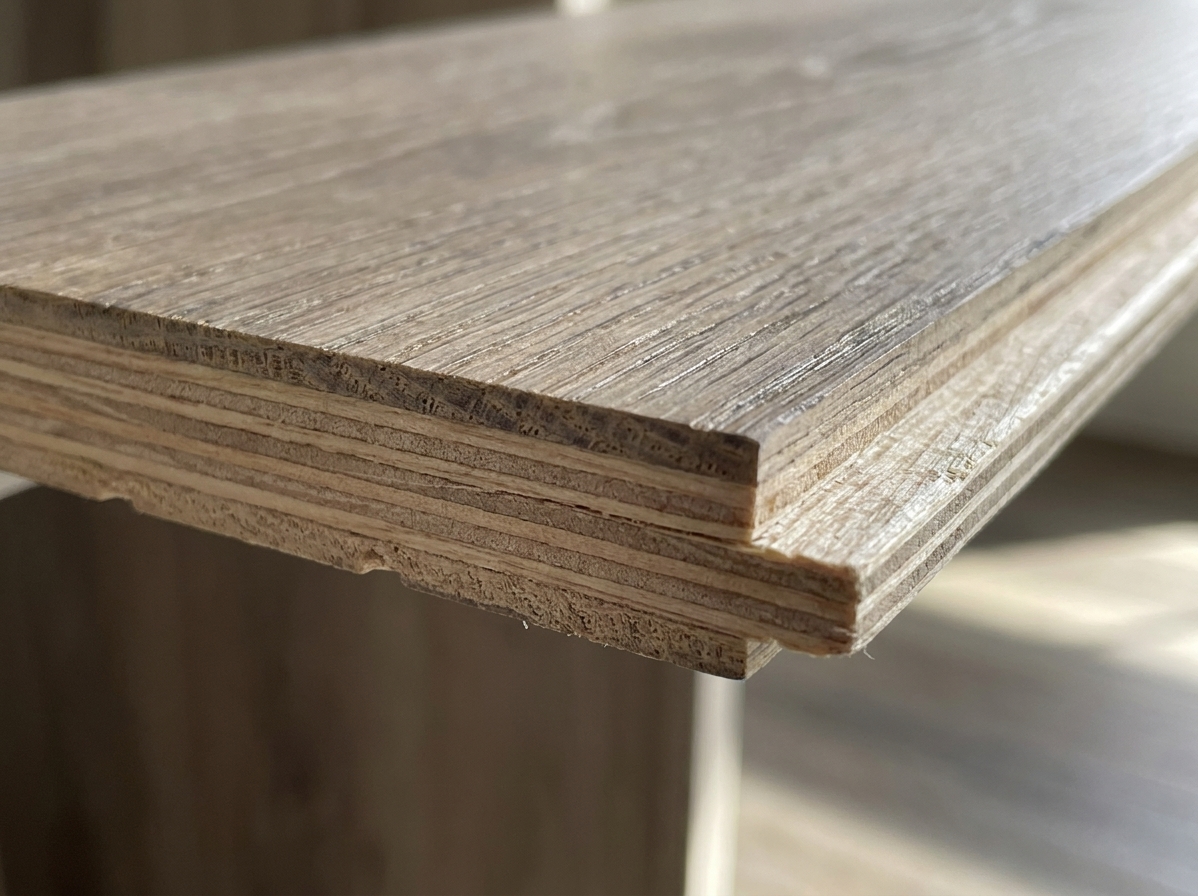
Engineered hardwood is real wood on top. It has a thin hardwood veneer (oak, maple, hickory, etc.) bonded over a multi-layer core (often plywood, sometimes HDF). That layered structure can make it more stable than solid hardwood, which is why it is popular for wider planks and for homes that see seasonal humidity swings.
One important detail: not all engineered hardwood is built the same. Core material, ply count, veneer thickness, and overall construction can vary a lot between a budget box-store option and a higher-end product.
Durability in busy rooms
Scratches and scuffs
LVP often wins for scratch and scuff resistance, especially if you pick a quality wear layer. In a busy house, the wear layer is your armor. Many good residential options are around 12 to 20 mil wear layers.
One catch: mil is not the whole story. The finish system (often urethane), overall construction, and edge quality matter a lot too. Two floors can both say “20 mil” and still perform very differently.
Engineered hardwood can scratch like any real wood. Some species and finishes are tougher than others, but dog nails and sand on shoes will eventually leave their signature.
Dents
This one surprises people. Some LVP dents easier than you think under heavy furniture or high heels, depending on the core and what is underneath it. Rigid cores help, but a concentrated load can still leave an impression.
Engineered hardwood denting depends on the wood species. Hickory tends to take hits better than a softer wood like pine. If you love the look of a softer species, accept that it will “character up” faster.
Real-life takeaway
- Lots of kids, big dog, frequent guests: LVP is usually the calmer choice.
- Normal family traffic, you can enforce “shoes off” sometimes: engineered hardwood can hold up beautifully with runners and felt pads.
Water and moisture
LVP
Many rigid-core LVP products have waterproof planks in the sense that the material itself does not absorb water. That is a big deal in entryways, kitchens, and basements.
Still, real life has loopholes. Water can sneak down at edges, seams, and around cabinets and penetrations. And most warranties are very specific about what “waterproof” means (often excluding flooding, long-duration standing water, or moisture coming from below). Translation: LVP is forgiving, not magical.
Engineered hardwood
Engineered hardwood is more moisture-stable than solid wood, but it is not a “wet floor” product. Standing water can cause swelling, edge cupping, or finish issues. And if moisture gets underneath, you can end up with warping or moldy underlayment problems.
Important reminder: “Water resistant” is not the same as “waterproof.” If your room regularly sees puddles, melting snow, or wet pet bowls, engineered hardwood is a risk you should take with eyes wide open.
Maintenance and cleaning
Daily and weekly
- LVP: Sweep or vacuum (hard-floor setting), then damp mop with a cleaner made for vinyl. Simple and forgiving.
- Engineered hardwood: Sweep or vacuum, then use a wood-floor cleaner with a lightly damp microfiber. Avoid soaking the floor or using steam.
Long-term upkeep
LVP is mostly “set it and forget it.” When it wears out or gets damaged, you replace planks or replace the floor.
Engineered hardwood can be a longer relationship. Some products can be refinished, but not all. Refinishing depends on the thickness of the real wood veneer. If you like the idea of refreshing the surface years down the road, ask about veneer thickness and whether the product is rated for refinishing.
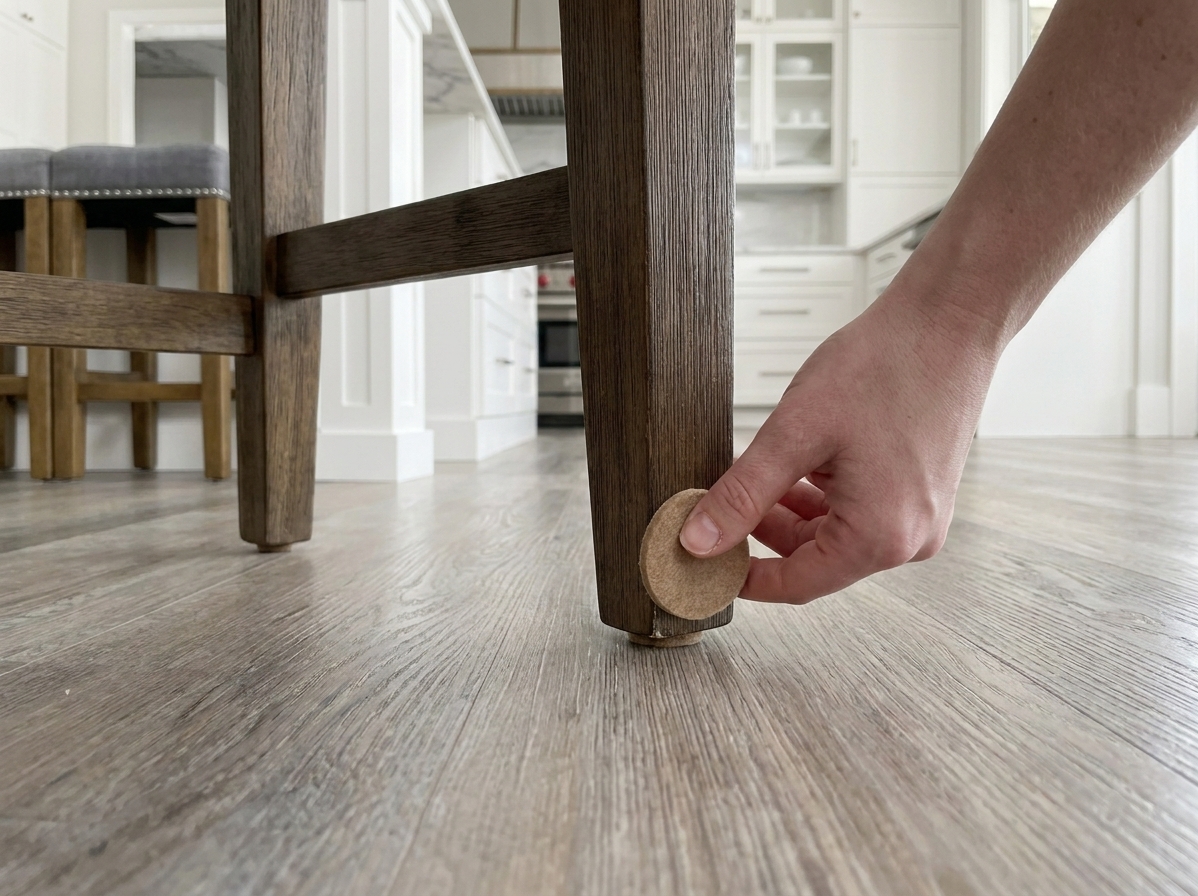
Either way, the best maintenance tool is boring: felt pads under furniture and good entry mats.
Comfort and noise
Underfoot feel
Engineered hardwood feels like wood because it is wood. It has a natural warmth and a solid sound that many homeowners love.
LVP feel depends on thickness and underlayment. Some rigid-core LVP can feel harder and a little “tap-tap” underfoot. Higher-quality planks with attached pad, plus a flat subfloor, make a big difference.
Sound
In busy homes, sound matters. Floating floors can transmit noise if the subfloor is uneven or the underlayment is thin.
Engineered hardwood can also be noisy when installed as a floating floor. Glue-down or nail-down installs often feel more solid and less hollow underfoot, although sound performance also depends on what is under the floor and how the assembly is built (especially between levels).
If you are putting either product on a second floor, pay attention to the underlayment and the manufacturer’s requirements. The right pad can reduce footfall noise, but the wrong one can void warranties.
Looks and resale
Appearance
LVP has come a long way. Good LVP has convincing texture, decent edge detail, and modern color options. From a few feet away, many people will not know it is vinyl.
Still, engineered hardwood has depth that is hard to fake. Grain variation, the way it reflects light, the feel at the edges, it reads as “real” because it is.
Resale
In many markets, real wood floors (including engineered) are still a selling point. LVP is widely accepted and can absolutely help a home show well, but buyers who care about wood often still prefer wood in main living areas.
Sunlight and fading
Both materials can change over time in sunlight. Wood can amber depending on species and finish. LVP can fade or discolor in intense sun with some products. Also watch rubber-backed mats and certain foam underlayments, which can sometimes react with vinyl and cause staining. If you have big south-facing windows, plan for rugs, UV window film, or at least a little furniture rotation.
Cost over time
Prices vary wildly by brand and quality, so I will keep this practical.
Up-front
- LVP: Often lower material cost, and DIY install is very doable for many homeowners. Subfloor prep still matters, though.
- Engineered hardwood: Usually higher material cost. Installation can be DIY if you are comfortable with saws, layout, and transitions, but many homeowners hire it out, especially for nail-down or glue-down.
Long-term
- LVP: If you damage a section, you may be able to replace planks, but color-match years later can be tough if the product is discontinued. Also, click-lock floors are easiest to repair from a wall. “Patching” a plank in the middle can mean unlocking several rows to get there.
- Engineered hardwood: Repair depends on install method. Floating floors can sometimes be disassembled to replace boards; glue-down repairs can be more surgical. If the veneer is thick enough and the product supports it, refinishing can extend the life.
Translation: LVP tends to be cheaper and lower risk in wet, busy rooms. Engineered hardwood can be a better long-game investment in dry, central spaces where you want that premium feel.
Room-by-room picks
Entryway and mudroom
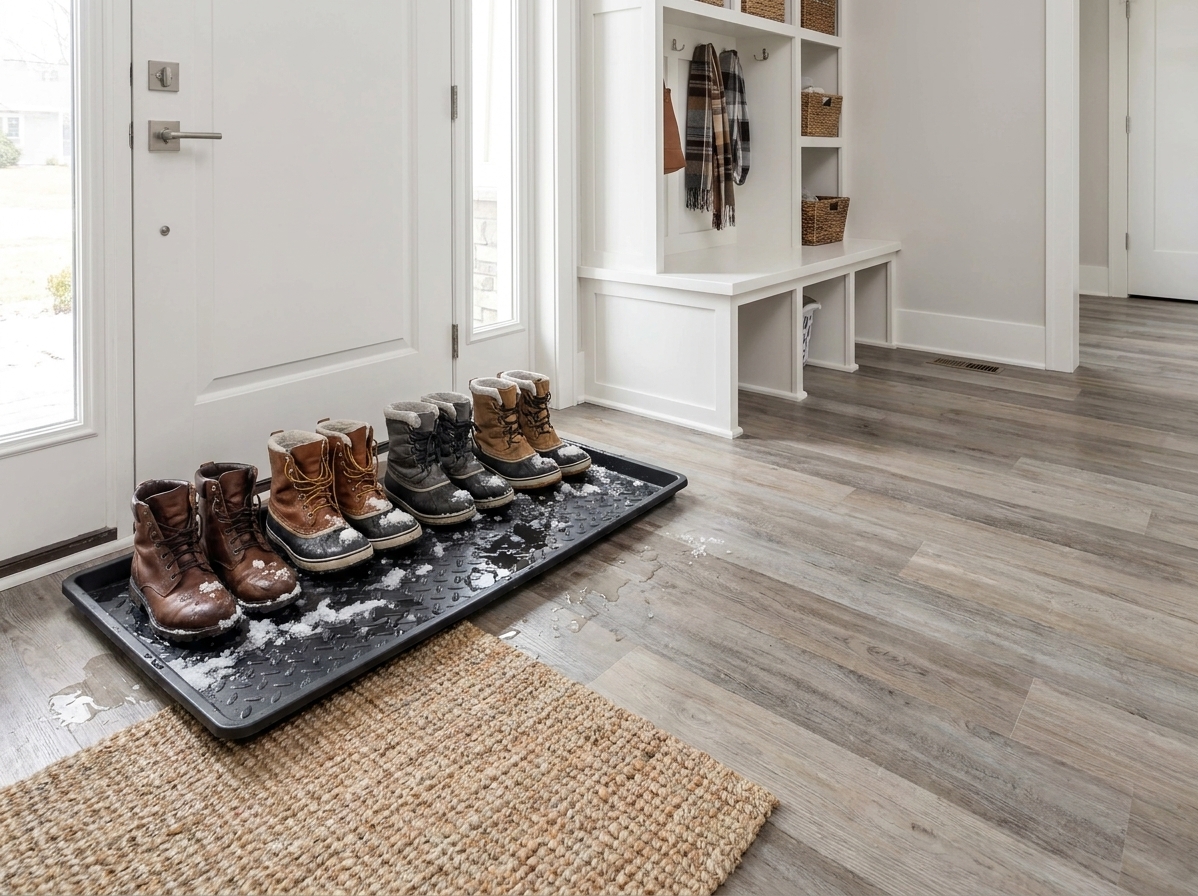
Pick: LVP. Wet boots, salt, grit, and dripping umbrellas are a perfect storm for wood. Use a boot tray and a big mat, and you will love how stress-free LVP feels here.
Kitchen
Pick: Usually LVP. Kitchens are high-traffic and wet by nature. Engineered hardwood can work if you are meticulous about wiping spills fast and you trust your dishwasher, fridge line, and sink habits. Most families are happier with LVP in the long run.
Living room and dining room
Pick: Engineered hardwood if you want the warm, real-wood look where people gather. LVP is still a solid option if you have pets that treat your living room like a racetrack.
Hallways
Pick: Depends. If your hallway connects to an exterior door or sees winter slush, LVP is safer. If it is interior and stays dry, engineered hardwood is gorgeous and cohesive with adjacent rooms.
Bathrooms
Pick: LVP (or tile). Engineered hardwood in a bathroom is a gamble. Some people do it and get away with it. Plenty do it and regret it.
Basements
Pick: Usually LVP. Even “dry” basements can have humidity swings. Engineered hardwood is generally not recommended below grade unless the specific product allows it and you handle moisture the right way (moisture testing, proper vapor control, and a slab that is actually behaving). In a Michigan basement, I would rather you sleep at night.
Bedrooms
Pick: Either. Bedrooms are low moisture and moderate traffic. Choose engineered hardwood for a premium feel, or LVP for budget and continuity with other rooms.
DIY reality check
LVP DIY pros and pitfalls
- Pros: Click-lock floating install is approachable, minimal tools, easy to pause and resume.
- Pitfalls: Subfloor flatness is non-negotiable. If the floor is wavy, joints can separate or feel spongy. Also, cheap LVP can look good in the box and disappoint once installed.
Engineered hardwood DIY pros and pitfalls
- Pros: Real wood look, multiple install methods (floating, glue-down, nail-down) depending on product and subfloor.
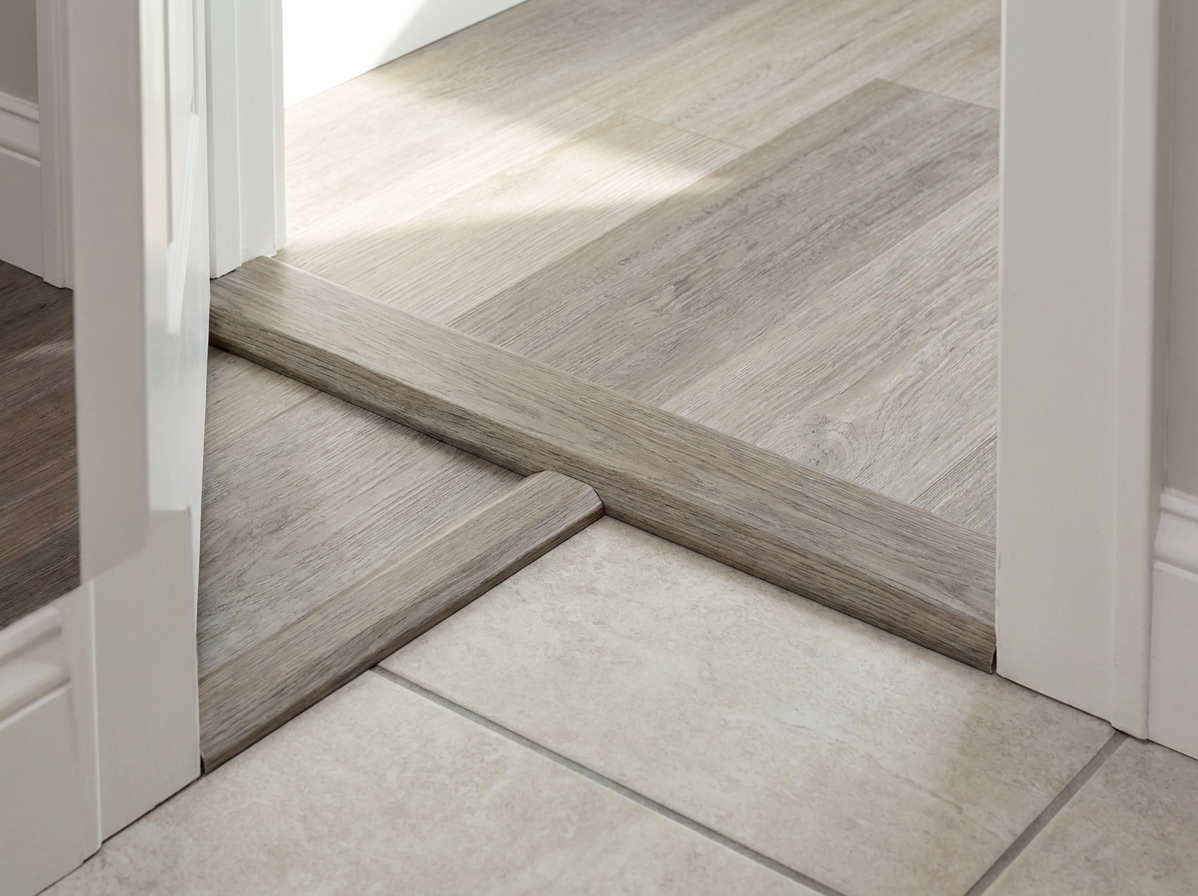
- Pitfalls: More planning at transitions, more sensitivity to moisture, and mistakes get expensive fast. Acclimation and manufacturer instructions matter.
Safety note: Flooring cuts create fine dust. Wear eye protection and a properly rated dust mask or respirator, especially when cutting indoors.
Subfloor and install notes
This is the unglamorous part that decides whether you love your floor or curse it.
- Flatness matters for both. Many floating floors call for something around 3/16 inch over 10 feet, but it varies by brand. Always check your specific product spec and prep accordingly.
- Over concrete slabs, moisture rules the day. Engineered hardwood over slab often requires moisture testing and an approved vapor barrier or adhesive system. If you skip this step, you are basically gambling with expensive planks.
- Perimeters and penetrations matter. Toilets, dishwashers, islands, and cabinets create opportunities for moisture to get where you do not want it. Read the warranty fine print before you assume any floor is “covered” in a leak.
Decide in 10 minutes
If you are stuck, walk through these questions:
- Will this room regularly get wet? If yes, lean LVP.
- Do you have large pets or lots of grit coming in? LVP handles the chaos better.
- Do you care about real-wood feel and resale appeal? Lean engineered hardwood in main living areas.
- Do you want the option to refresh the surface later? Engineered may win if it has a refinishable veneer.
- Is your subfloor flat? If not, budget time and money for prep either way.
Before you buy, make a quick room list and note your subfloor type (plywood, OSB, or slab) and your moisture risk (entry door, pets, basement humidity). That little checklist prevents expensive surprises.
FAQ
Is LVP “cheap looking”?
Not automatically. Cheap LVP can look plasticky, repeat patterns too often, and have shiny finishes. Mid-grade and higher LVP can look genuinely convincing, especially in busy rooms where durability matters more than flooring bragging rights.
Can engineered hardwood go in a kitchen?
It can, but it is not forgiving. If you do it, use good mats at the sink and exterior doors, wipe spills immediately, and consider a more durable species and finish. If your household is more “real life” than “show home,” LVP is often the better kitchen pick.
What is a good wear layer for LVP in high-traffic rooms?
For busy family areas, I generally prefer 12 mil or higher, with 20 mil being a common “tough household” target. Wear layer is not the only quality factor, but it is an important one.
Which is better with radiant heat?
Both can work, but you must follow the specific product’s temperature limits and installation instructions. Many LVP and engineered hardwood products are approved for radiant, but not all. Always check the manufacturer documentation before buying.