
A homeowner-friendly comparison of vinyl plank and hardwood for living room remodels: durability, costs, comfort, resale value, and which one is more DIY-fri...
The Homeroom Fix
September 24, 2026
•
By Marcus Delgado
Vinyl Plank vs Laminate for Busy Homes
Vinyl plank or laminate? Compare durability, water resistance, install difficulty, comfort, cost, indoor air quality, and upkeep so you can pick the best flooring for kids, pets, and everyday messes.

Marcus Delgado
Marcus Delgado is a former residential carpenter and lifelong DIY enthusiast who believes every homeowner has the power to transform their space. After a decade of swinging hammers for general contractors, he shifted gears to share practical, budget-friendly home improvement advice. When he's not renovating his own 1970s fixer-upper, you can find him hunting for salvaged wood or teaching weekend workshop classes.
If your house sees muddy boots, spilled juice, dog zoomies, and the occasional mystery puddle, you do not need “the perfect floor.” You need a floor that survives Tuesday.
Vinyl plank flooring (often called LVP) and laminate are the two big “looks like wood, installs like a puzzle” options. They can look surprisingly similar at a glance. The differences show up when life happens: water, dents, scratches, and how forgiving the floor is underfoot.
Below is how I help friends decide, based on what actually goes wrong in busy homes.
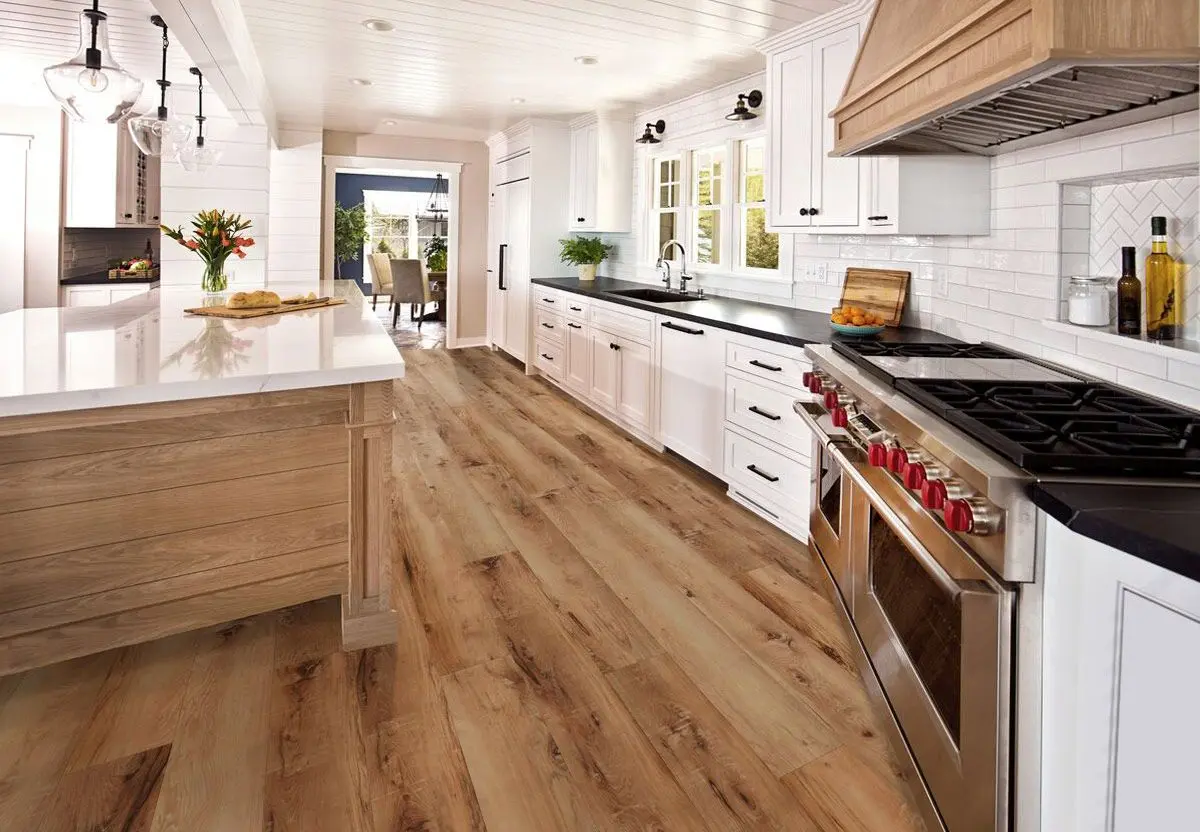
Quick pick: which one should you choose?
If you just want the answer, here is my “neighbor over the fence” decision shortcut.
Choose vinyl plank if:
- You have kids, pets, or frequent spills.
- This floor is going in a kitchen, mudroom, basement, laundry room, or near an exterior door.
- You want the best shot at a waterproof material and a water-smart installation (product choice and details matter).
- You prefer low-fuss upkeep and easier spot repairs if a plank gets damaged.
Choose laminate if:
- You want a warmer, slightly less “plasticky” feel underfoot.
- You are installing in living rooms, bedrooms, hallways, or a dining room where spills are occasional, not daily.
- You care most about a crisp, realistic wood print at a value price point.
- You can commit to fast cleanup and reasonable humidity control.
What they are (in plain English)
Vinyl plank (LVP)
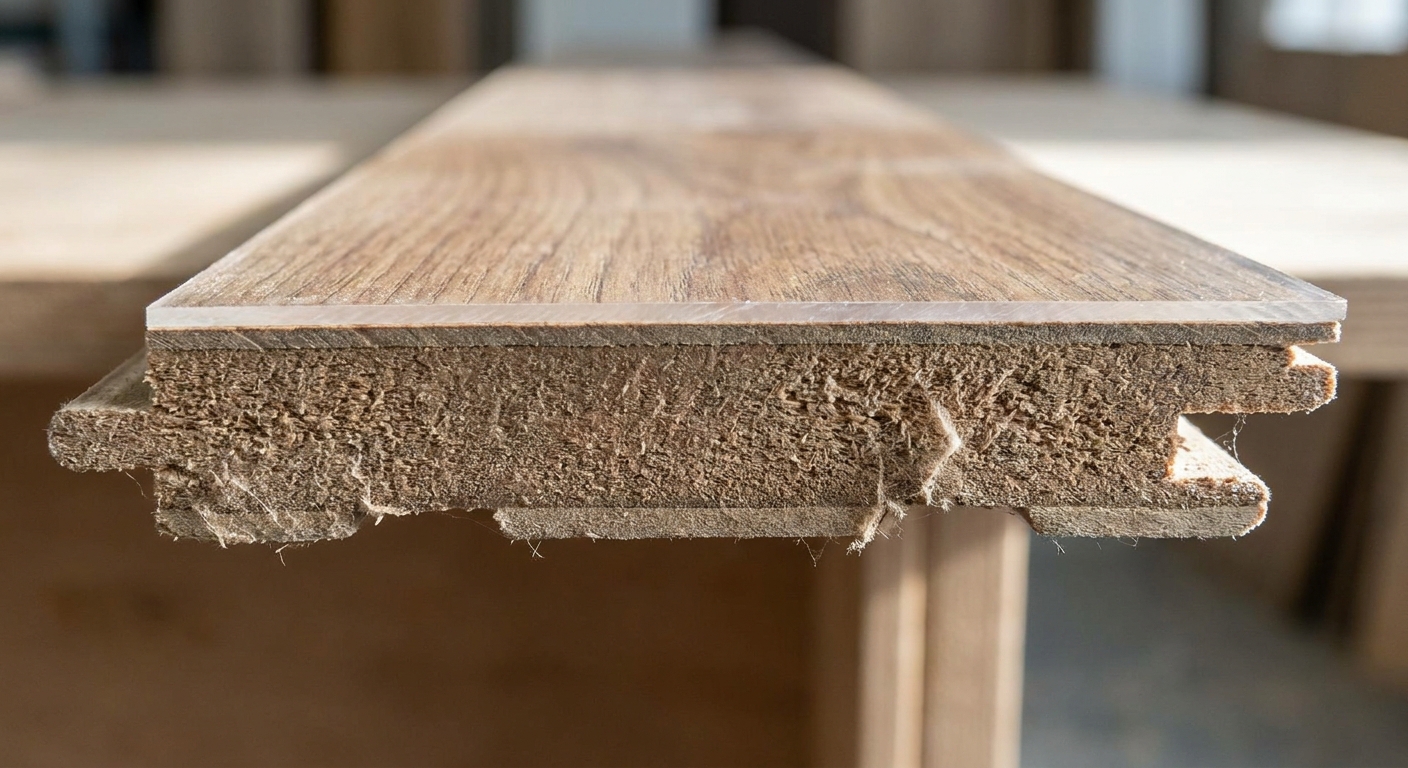
Vinyl plank is a layered plastic floor. Most modern LVP is either rigid core (SPC or WPC) or flexible vinyl. The wear layer on top is what handles scratching and scuffing. The core determines how stable it feels and how well it hides minor subfloor imperfections.
Laminate
Laminate is usually a high-density fiberboard (HDF) core with a photo layer (the “wood look”) and a clear protective top layer. It is not “cheap wood.” It is more like a very tough printed surface bonded to a wood-fiber core that does not love water.
Durability in a busy home
Scratch resistance
Laminate often wins on scratch resistance for day-to-day grit and pet nails, especially in mid to higher quality products. That melamine-style wear surface can be impressively tough.
Vinyl plank can still be very scratch resistant, but performance varies more by wear layer thickness and finish. Premium LVP with a thicker wear layer and a strong urethane coating can absolutely compete. Some LVP scuffs a little easier, and rubber-backed mats or gritty debris can leave micro-scratches that show in sunlight.
Dent resistance
Rigid core vinyl (especially SPC) often does well with dents from dropped toys, chair legs, and heavy furniture, but it is not a guaranteed win. Thickness, density, and subfloor support matter.
Laminate can dent or “crush” at the edges if something heavy hits just right, and once the core is damaged, it is not something you sand and refinish. You replace boards. The flip side is that some higher-end laminates are surprisingly dent-resistant when installed over a properly flat subfloor.
Traffic and wear patterns
Both materials handle busy hallways well if you pick a quality product and use felt pads on furniture. The bigger difference is how they age:
- Laminate tends to keep a consistent look until it gets damaged, then the damage can be obvious.
- Vinyl can show scuffing or sheen changes over time in high-traffic lanes if you are using the wrong cleaner or dragging chairs.
Water resistance
This is where busy homes usually make the decision for you.
Vinyl plank
Vinyl plank is water resistant by nature, and many rigid-core products are marketed as waterproof. Spills sitting on top are rarely a problem. The bigger risk is water that works its way under the planks, usually from a long leak, a dishwasher line, an overflowing toilet, or repeated soaking at an exterior door.
If water gets underneath, it can still cause trouble like moldy underlayment, swollen subfloor seams, or loose click-lock joints. “Waterproof floor” does not mean “I can ignore plumbing.” I wish it did.
Laminate
Traditional laminate is not a fan of water because the core is wood fiber. Once it swells, it rarely returns to normal. Newer “water resistant” laminates are better, but they still rely on tight seams and fast cleanup to keep water from reaching the core.
Busy-home reality check If you have a kid who can spill a full cup and walk away like nothing happened, vinyl plank is usually the safer bet.
Installation difficulty
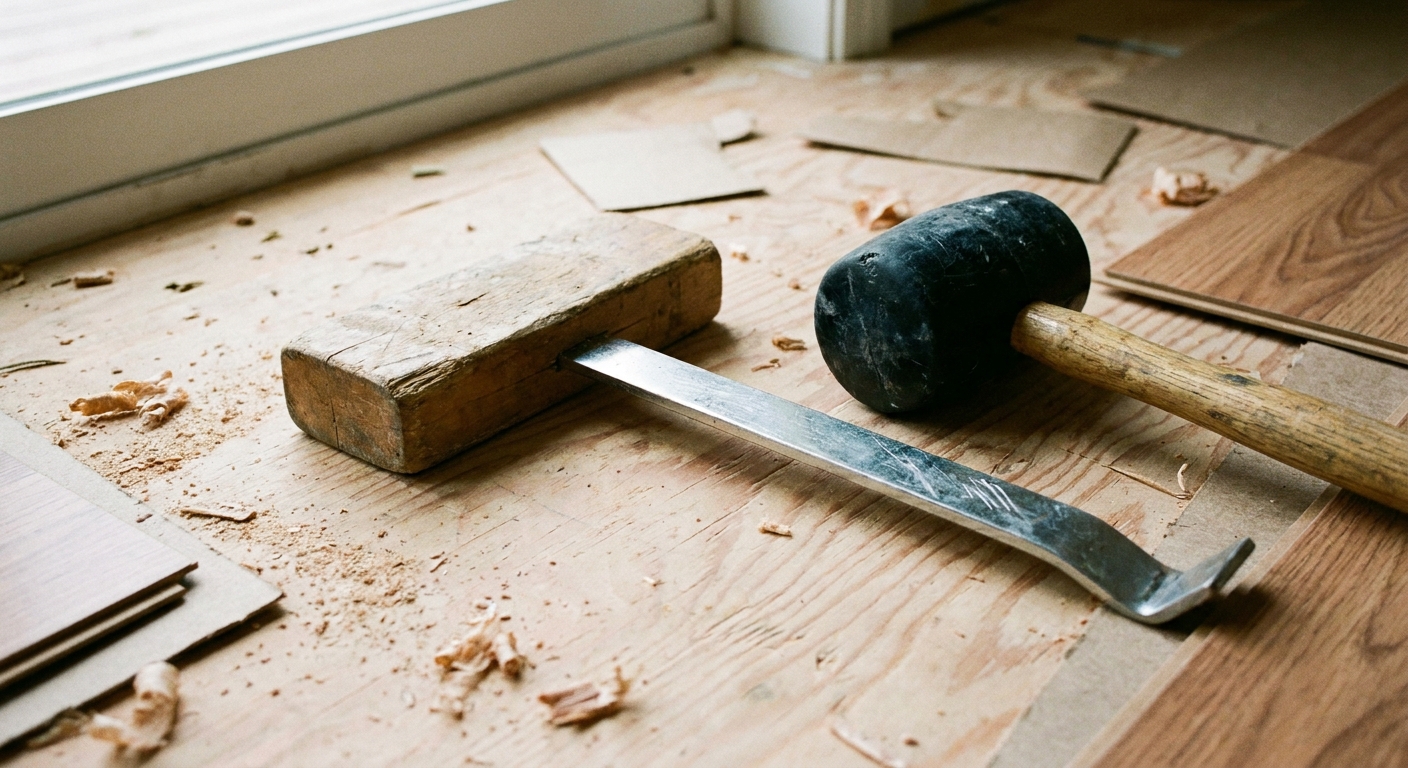
Both are popular DIY floors because of click-lock edges and “floating” installation. Neither one requires nails or glue in most situations. But the gotchas are different.
Vinyl plank installation notes
- Subfloor flatness matters a lot. Rigid vinyl does not like waves. Manufacturers usually specify tight flatness tolerances, and ignoring them is how you end up with flexing, noise, and joints that fail early.
- Cutting is easy. Many LVP planks score and snap with a utility knife, though thicker SPC might need a saw for clean cuts.
- Expansion gaps still matter. Floating floors need space at the edges even if the box says “dimensionally stable.”
Laminate installation notes
- Also needs a flat subfloor. Laminate can click nicely but squeak or separate if it is riding a roller coaster of dips and humps.
- Cutting usually means a saw. A miter saw or circular saw with the right blade makes cleaner cuts, plus dust control matters. Yes, you can score and snap some laminates, but chipping is common and it is rarely worth the frustration.
- Underlayment is often part of the system. Some laminates have attached pad, others need a separate underlayment for sound control and minor smoothing.
DIY tip from my carpenter days: whichever floor you choose, spend extra time on prep. Most “bad flooring” stories are actually “bad subfloor” stories wearing a disguise.
Comfort and sound
Warmth and feel
Laminate often feels warmer and a little more wood-like underfoot because of its density and surface texture. Vinyl can feel slightly cooler and more resilient, especially thinner products.
Sound
Both can sound a bit clicky if installed over a hard subfloor with poor underlayment. In general:
- Laminate can have a sharper tapping sound in open spaces.
- Rigid vinyl can sound hollow if the subfloor is uneven or if the underlayment is not appropriate.
If quiet matters, look for:
- A quality attached pad or manufacturer-approved underlayment
- Flat subfloor prep
- Area rugs in echo-prone rooms
Looks
At similar price points, laminate often has the edge on a crisp, realistic print and a more convincing surface texture. High-end vinyl plank can look fantastic too, but bargain LVP sometimes has repeating patterns that scream “I am a floor from aisle 7.”
My quick in-store test: grab 4 or 5 planks from different boxes and line them up. If you see the same knot pattern repeating, keep shopping.
Long-term upkeep
Cleaning
Both floors like the same basic rule: remove grit, avoid soaking.
- Sweep or vacuum frequently (grit is sandpaper in disguise).
- Damp mop, not wet mop.
- Use a cleaner approved for that floor type. Avoid waxes or “shine” products unless the manufacturer specifically allows them.
Repairs
Neither floor can be sanded and refinished like hardwood. When damage happens, you replace boards.
- Vinyl plank is often easier to patch because individual planks can sometimes be swapped, and it tolerates minor moisture incidents better.
- Laminate repairs can be more urgent when water is involved, because swelling spreads and edges can get ragged.
Sunlight and fading
Both can fade over time in strong direct sunlight, though it varies by product. If you have big south-facing windows, plan on blinds, UV film, or rugs in the hot spots.
Cost
Prices bounce around a lot by brand and thickness, but here is the practical takeaway: the cheapest option in either category is usually where regret lives. Not always. Just often.
Where to spend a little more
- For vinyl plank: a thicker wear layer, a solid locking system, and a rigid core that feels stable. In busy homes, you will often see wear layers in the 12 to 20 mil range on better products (not a magic number, just a helpful shopping filter).
- For laminate: higher abrasion performance, strong edge sealing, and a quality core. You will often see AC ratings (AC3 to AC5), but not every brand uses them and they are not the only durability clue.
Hidden costs to plan for
- Underlayment (if not attached or required)
- Moisture barrier (common over concrete, especially basements)
- Transition strips and stair noses
- Baseboard or shoe molding if you want a clean edge
- Floor leveling compound or patching for subfloor prep
Room-by-room picks
Kitchen
Vinyl plank is usually the safer choice because spills and wet mopping happen here. Laminate can work if you are disciplined about wiping water quickly and you pick a water resistant product, but most busy kitchens are not disciplined. Mine sure is not.
Mudroom and entryway
Vinyl plank almost every time. This is ground zero for wet shoes, snow melt, salt, and pet paws.
Basement
Vinyl plank is the usual winner, especially over concrete. Basements bring humidity and the occasional surprise leak. Plan on whatever vapor barrier the manufacturer calls for, and do not skip the moisture testing if your slab is questionable.
Living room and bedrooms
Laminate or vinyl plank both work well. If you want warmer feel and great wood visuals, laminate shines here. If you have pets that track water bowls around, vinyl is less stressful.
Bathrooms
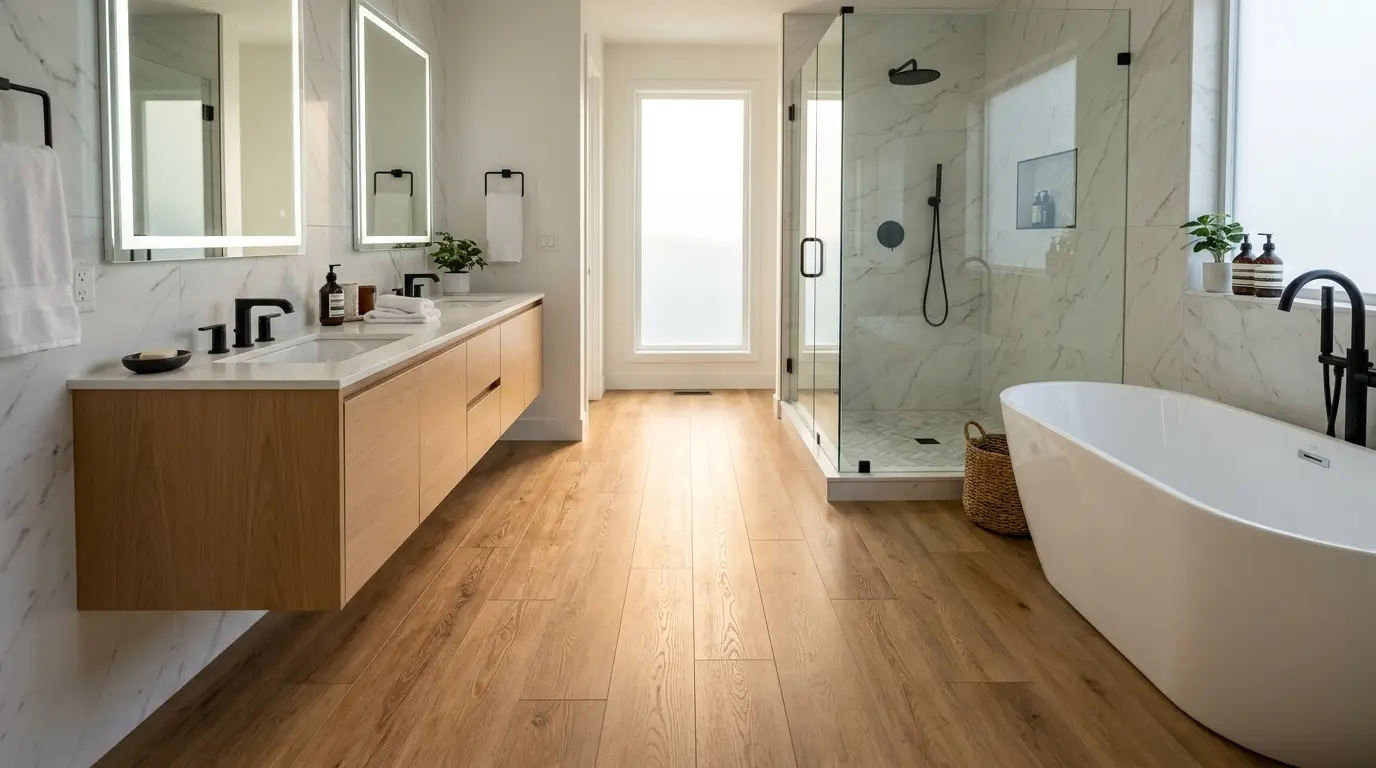
Vinyl plank. Bathrooms are basically a water obstacle course. If you install laminate here, you are betting against splashes, overflows, and steamy humidity.
Indoor air quality
If your household is sensitive to odors or you are just trying to keep things low-VOC, it is worth checking certifications. For vinyl plank, look for FloorScore or GREENGUARD Gold. For laminate, check the product emissions info too (many meet strict standards now, but it is still worth a glance). This is one of those boring label details that can matter a lot after install day.
Common mistakes
- Ignoring subfloor prep. Flat matters. A lot.
- Skipping expansion gaps. Then the floor buckles and everyone blames the product.
- Using the wrong underlayment. Some vinyl warranties get picky about this.
- Installing cabinets on a floating floor. Many floating floors should not be pinned under heavy built-ins. Check manufacturer rules.
- Wet-mopping like it is tile. Both floors prefer damp, not drenched.
FAQ
Is vinyl plank really waterproof?
The planks themselves can be waterproof, but water can still get under the floor through seams, edges, or penetrations. Think “waterproof material,” not “invincible system.”
Is laminate okay with pets?
Yes, especially for scratch resistance, but wipe accidents quickly and keep water bowls on a tray. If you have frequent pet messes, vinyl is usually less stressful.
Which one is better for radiant heat?
Many products in both categories are compatible with radiant systems, but you must follow the manufacturer’s temperature limits and installation instructions. Check the maximum surface temperature (often around 80 to 85°F), use the specified underlayment, and avoid rapid temperature swings. Electric versus hydronic can matter depending on the product, so confirm compatibility before you buy.
Which one feels less cheap?
Laminate often feels more like wood underfoot. High-quality vinyl can feel great too, but thin vinyl over a rough subfloor is where that “cheap” feeling shows up.
My bottom line
For most busy homes, vinyl plank is the safer all-around choice because water is the most common flooring deal-breaker. If your home is more “busy” than “wet,” and you want a warmer feel with excellent scratch resistance, laminate can be a smart pick in living spaces.
If you tell me two things, I can usually steer you right: where the floor is going, and whether spills get cleaned up fast or eventually. No judgment. Just the truth that helps you buy once and install once.


