
How to Unclog a Bathtub Drain
Step-by-step instructions to unclog a slow or fully clogged bathtub drain. Identify your stopper type, clean the overflow and crossbar, and snake the tub shoe, including trip-lever drains.
The first house I helped maintain was my grandpa’s, and his bathtub had one setting: pool. We did not call a plumber. We pulled the stopper, fished out a truly heroic hair blob, and I learned two important lessons: clogs are usually gross but simple, and most of the “magic” happens right under the drain or just past the tub shoe.
This guide walks you through the process I use in my own 1970s Michigan fixer-upper: identify the stopper type, clean what you can reach (including the crossbar and overflow), then snake the tub until the clog is past the tub and the water drains normally. We stop once the blockage is past the tub, because that is the goal, and because running a snake deep into the main line without a plan can create bigger problems.
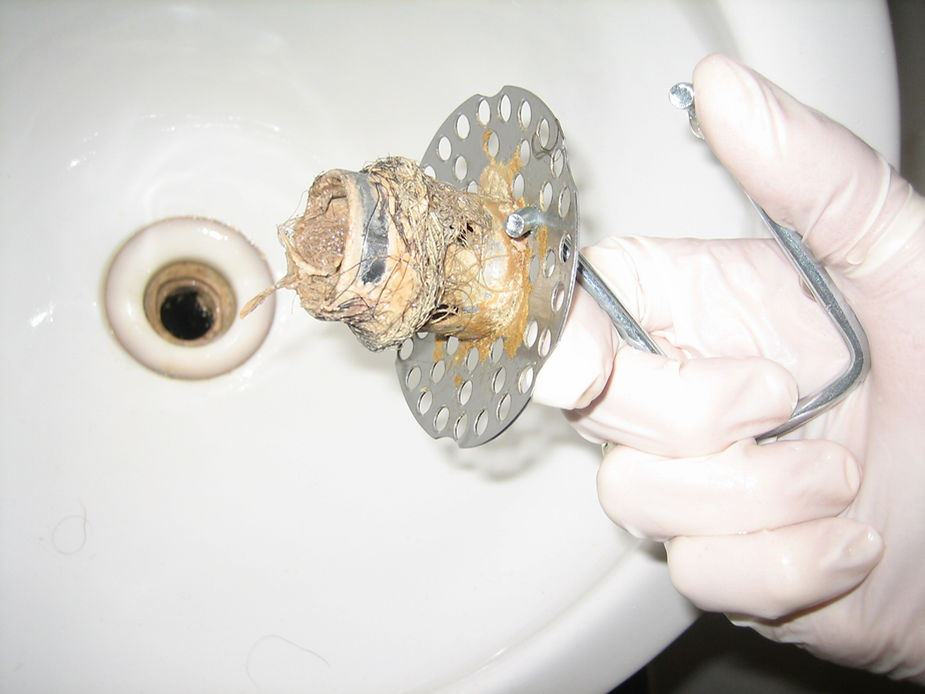
Before you start: quick safety and setup
- Skip chemical drain cleaners. They can damage old plumbing, soften some plastic parts, and make the next steps dangerous if you end up opening the drain and splashing.
- Protect the tub. Put a rag down where tools might slip, especially if you are using pliers.
- Have a catch bucket and towels ready. Overflow openings and trap areas can burp out nasty water.
- Wear gloves and eye protection. Tub clogs are basically hair plus soap scum plus whatever that mystery slime is.
Tools and supplies that actually help
You do not need everything on this list. Choose based on how bad the clog is and what stopper you have.
- Flashlight
- Rubber gloves
- Needle-nose pliers or hemostats (great for hair)
- Small flathead screwdriver and Phillips screwdriver
- Allen key set (some stoppers use a set screw)
- Plastic drain hair tool (barbed “zip” style)
- Plunger (regular cup plunger is fine for tubs)
- Hand drain snake (a 1/4 inch cable, 15 to 25 feet is ideal for tubs)
- Old toothbrush or small nylon brush
- Paper towels or shop rags
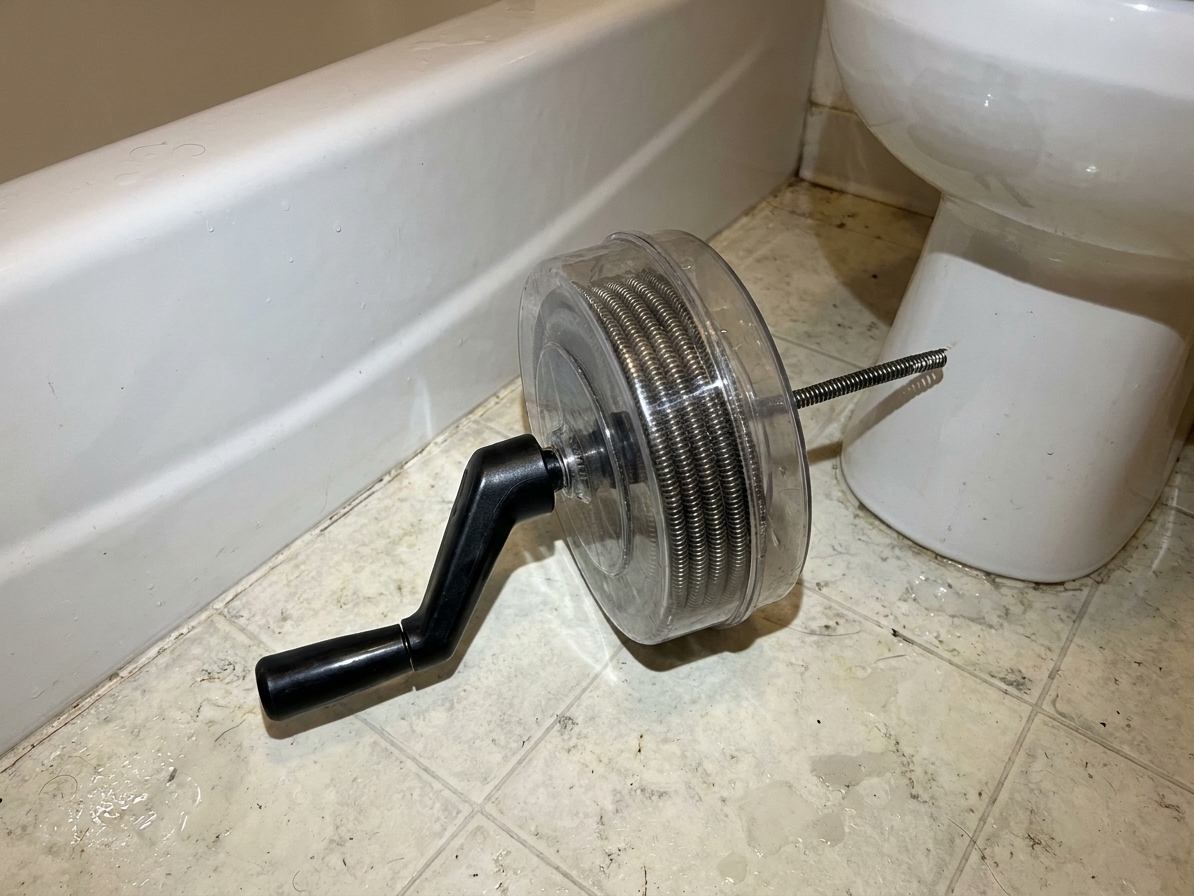
Step 1: identify your bathtub stopper type
Bathtub drains clog differently than sinks because the stopper and overflow add extra parts that love to catch hair. Figure out what you have so you can remove it without breaking anything.
Trip-lever (overflow lever)
You have a lever plate on the overflow, usually below the tub spout. This style often has a plunger or linkage that sits inside the overflow pipe, and hair can snag on it.
Toe-touch (push to close, push to open)
Looks like a little mushroom cap. You press it with your toe to open or close.
Lift-and-turn
Small knob on top. You lift slightly and twist to open, twist back to close.
Flip lever
Little lever on the stopper itself that flips open or shut.
Pop-up (sometimes with a rocker)
Common in some tubs, less common than toe-touch. Usually unscrews or lifts off after loosening a set screw.
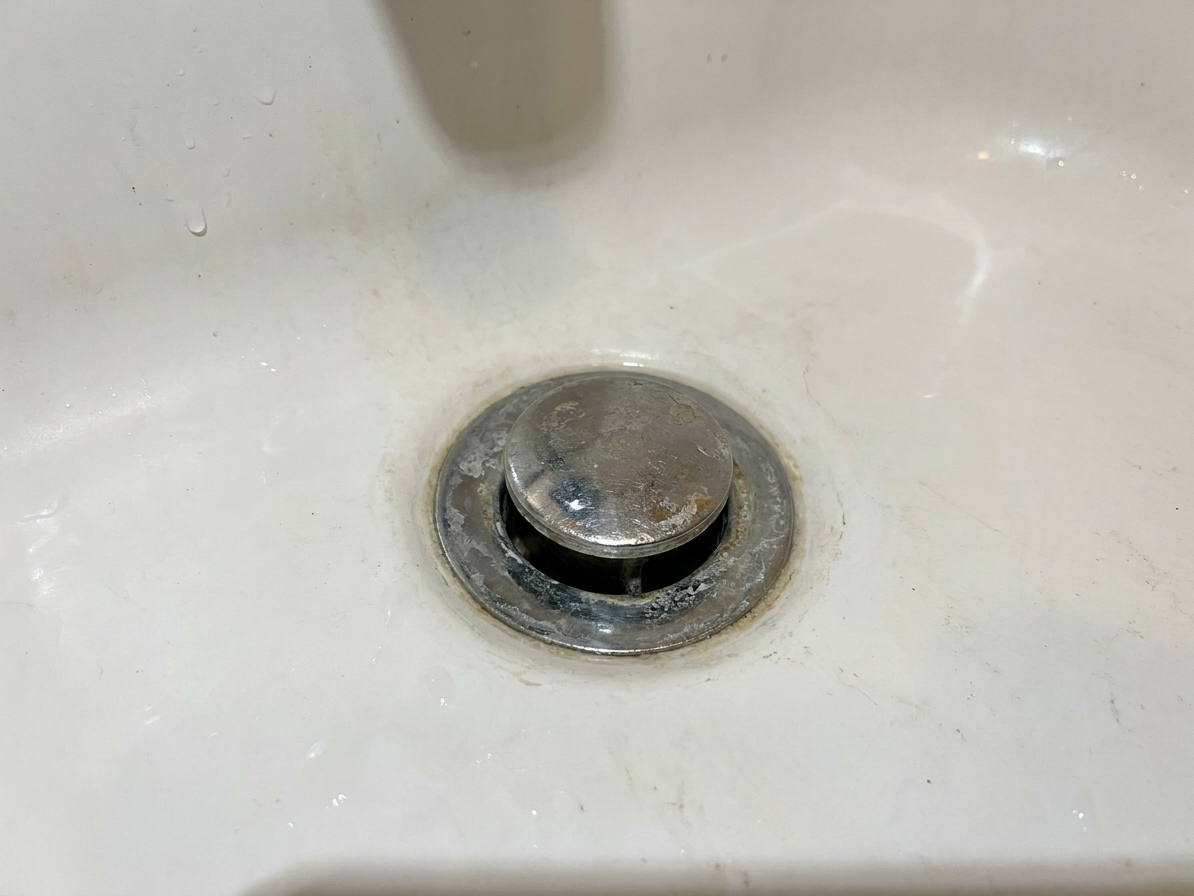
Step 2: remove the stopper and clean the easy stuff first
This is the high-success, low-effort phase. A big chunk of tub clogs are right under the stopper or caught on the crossbar.
How to remove common stoppers
- Toe-touch: Unscrew the top cap (counterclockwise). Many have a second piece underneath that also unscrews. If it spins but will not come out, look for a tiny set screw on the side of the stem.
- Lift-and-turn: Hold the stopper up and look for a small set screw on the side of the knob or collar. Loosen it, remove the knob, then unscrew or lift off the stopper body.
- Flip lever: Usually unscrews as a unit, or the top cap unscrews first.
Clean the stopper, drain opening, and crossbar
Shine a flashlight down the drain. You will often see hair wrapped around the crossbar, which is the metal piece that spans the drain opening inside the pipe. Use needle-nose pliers to pull hair out slowly so you do not break the crossbar.
If hair is deeper, a plastic barbed hair tool can grab it. Push it in 6 to 10 inches, twist a bit, then pull straight up. Expect resistance and do not fling it across the room. Ask me how I know.
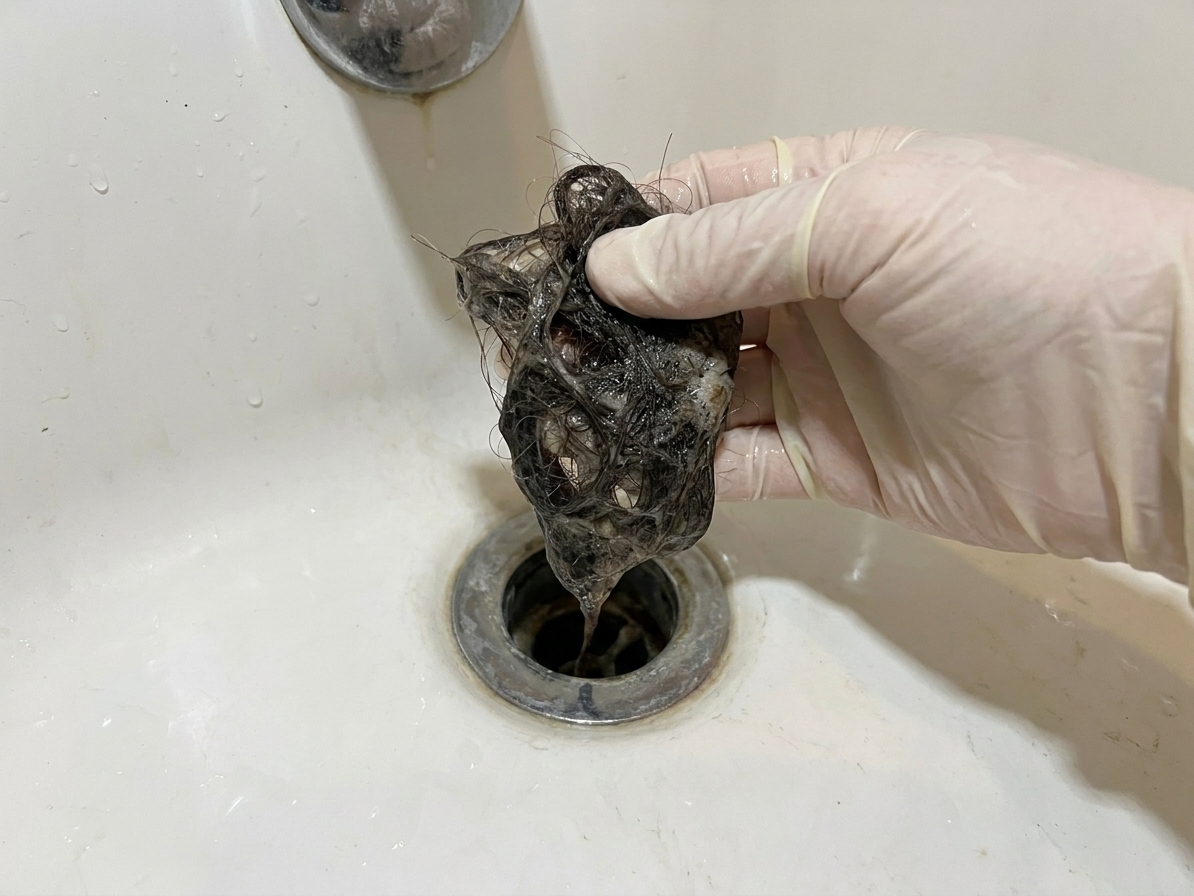
Step 3: clear the overflow and crossbar path (especially for trip-lever tubs)
On many tubs, the best place to snake is through the overflow opening, not straight down the drain. The overflow gives you a more direct shot at the trap and tub shoe area.
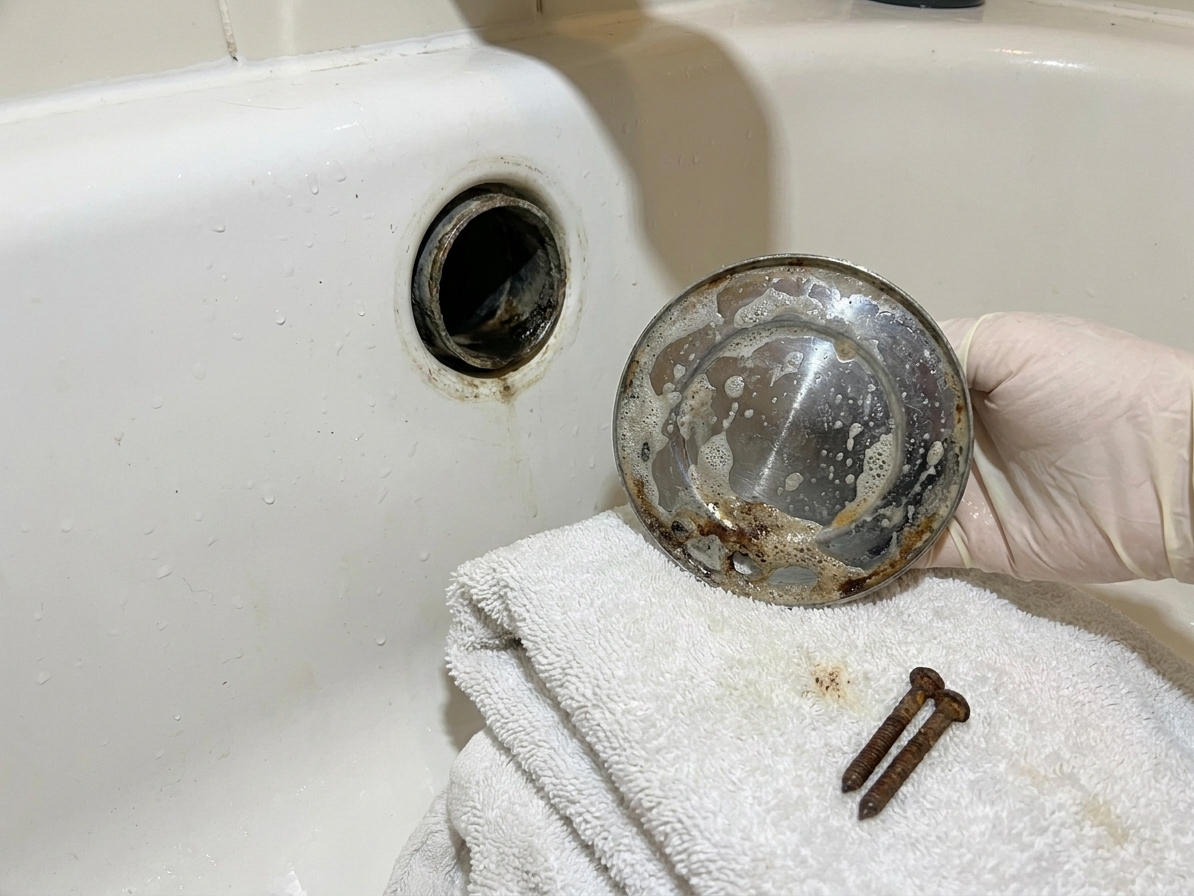
Remove the overflow plate
- Take out the two screws on the overflow plate.
- Pull the plate straight out slowly. If it is a trip-lever style, you will likely pull out a linkage assembly and possibly a plunger.
If you have a trip-lever plunger, clean it
The plunger and linkage can come out covered in hair and black slime. That buildup alone can slow drainage.
- Lay a towel down and set the assembly on it.
- Pull hair off the linkage and plunger. An old toothbrush helps.
- Rinse with hot water in a bucket, not down the tub drain you are trying to fix.
Heads up: Do not force the linkage back in if it will not seat easily. It should slide in without bending. If it hangs up, rotate slightly and try again.
Step 4: plunge the tub (yes, it can work)
Plunging is worth a try before you snake, as long as you do it correctly.
- Put 2 to 3 inches of water in the tub if it is not already there.
- Cover the overflow opening with a wet rag and hold it tight. This forces pressure into the drain instead of shooting air out the overflow.
- Set the plunger over the drain opening and pump firmly 10 to 20 times.
- Pull the plunger off quickly and see if the water starts moving.
If you get a brief whoosh and then it slows again, that is your sign the clog is still there but you loosened it. Time to snake.
Step 5: snake the tub shoe and trap (stop once the clog is past the tub)
This is the main event. Your goal is to get past the tub shoe and trap area where hair and soap scum usually pack in.
Where to insert the snake
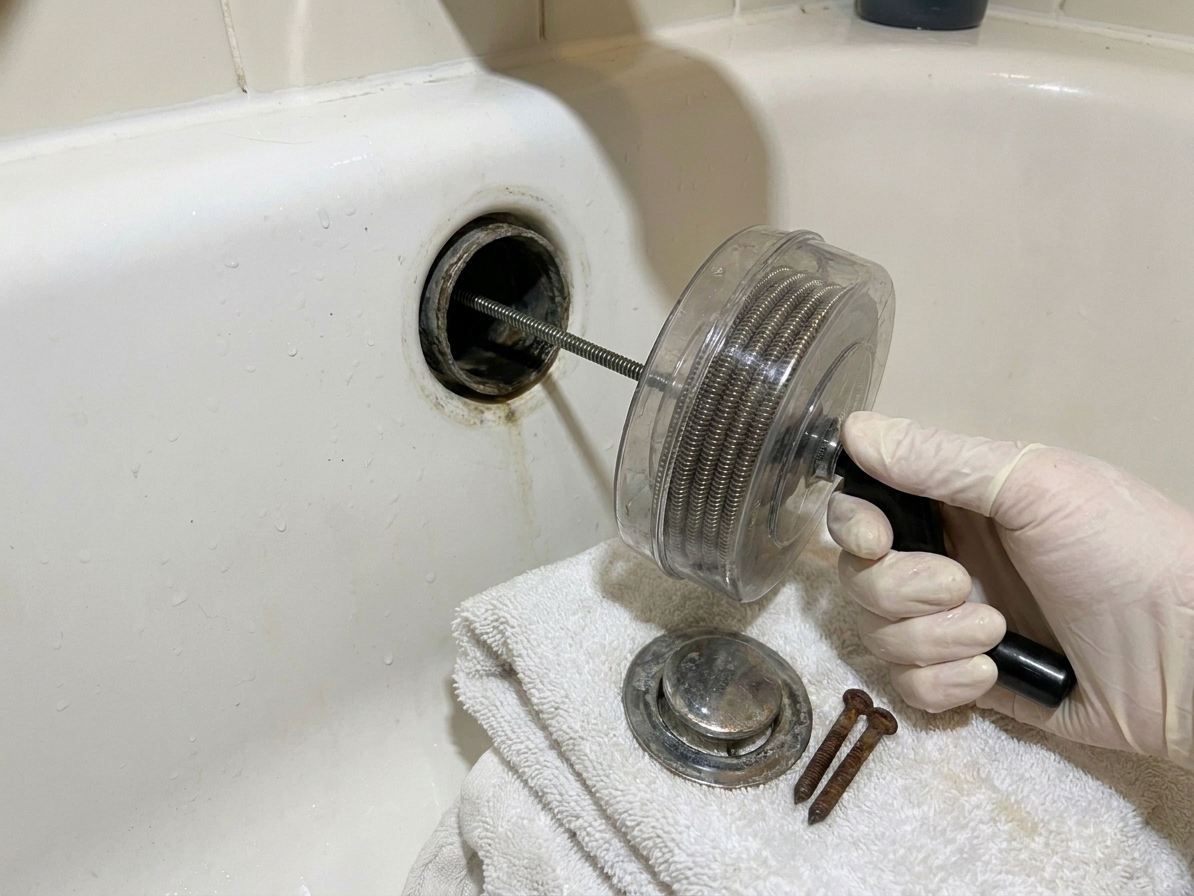
- Best choice for most tubs: through the overflow opening (with the plate removed). It gives a straighter path.
- Alternate: through the drain opening if your overflow path is blocked or your linkage makes access difficult.
How to run the snake
- Feed the cable in slowly while turning the handle clockwise.
- When you feel resistance, stop pushing and rotate to let the cable work. Forcing it can kink the cable or damage fittings.
- Once the cable bites into the clog, keep a steady clockwise turn and gently advance.
- Pull the cable back out while continuing to rotate. Have a trash bag ready. What comes out will not be polite.
- Repeat until you can feed the cable smoothly and you are no longer hitting that same resistance point.
How far should you snake?
Most bathtub clogs are within the first several feet, often near the trap. In a typical home, 5 to 10 feet is plenty to clear a tub-only blockage. The moment water starts draining freely and you no longer feel the clog, you can stop. You are trying to clear past the tub, not clean the entire house drain system in one go.
Good stopping point: When the tub drains at full speed and stays that way after a few minutes of running hot water, you are done. Going deeper without a reason can snag the snake in fittings further down the line.
Step 6: flush and reassemble
Flush the line
- Run hot water for 2 to 3 minutes.
- If you have a removable showerhead, aim water directly down the drain for extra flow.
- Watch the drain speed. A slight swirl is normal. Standing water is not.
Put everything back
- Reinstall the overflow plate (and linkage if trip-lever).
- Reinstall the stopper parts.
- Test the stopper operation and confirm it seals when closed.
What if the tub is still slow?
If you cleaned the stopper and crossbar, pulled and cleaned the trip-lever plunger, and snaked several feet through the overflow with no improvement, you likely have one of these situations:
- Soap scum narrowing the pipe: You may need a few snake passes to scrape the walls, not just punch a hole through.
- A clog beyond the tub branch: If nearby fixtures gurgle or a toilet bubbles when the tub drains, the blockage may be further downstream.
- Old or damaged plumbing: Corroded galvanized pipe or a badly sloped line can act “clogged” all the time.
Call a plumber now if multiple drains are backing up, sewage smell is strong, or water is coming up in another fixture when you run the tub. That points to a main line issue, not a tub-only clog.
How to keep a bathtub drain from clogging again
- Use a tub hair catcher that sits over the drain. Ugly? Maybe. Effective? Absolutely.
- Clean the stopper monthly. Two minutes beats an hour of snaking.
- For trip-lever drains, pull and clean the linkage a couple times a year if you shed a lot of hair.
- Go easy on oily products. Heavy bath oils and some conditioners can contribute to gunk buildup when they mix with soap scum.
Quick FAQ
Should I snake through the drain or overflow?
Usually the overflow. It is a straighter shot to the trap area, especially on tubs with tricky stoppers.
What is the crossbar, and can I break it?
The crossbar is the metal piece inside the drain throat. Yes, you can damage it if you yank too hard with pliers. Pull hair slowly and avoid using it as a handle.
My trip-lever is stuck or will not move. Is that the clog?
Sometimes. Hair can jam the plunger or linkage. Remove the overflow plate and clean the assembly. If the lever is still stuck, the linkage may be bent or incorrectly assembled.
How do I know I have cleared the clog “past the tub”?
The tub should drain quickly and stay fast while running water for a few minutes. If it drains for a second then slows, you probably only poked a small hole through the clog.