
How to Thaw a Frozen Pipe
No water at one faucet? Learn how to safely thaw a frozen supply pipe, find the cold spot, open the faucet, apply gentle heat, and know when to shut the water off for a split pipe.
The first winter my wife and I spent in our 1970s Michigan fixer-upper, we woke up to a kitchen faucet that had all the enthusiasm of a teenager before noon. Nothing. No drip. Just silence.
The good news is most frozen supply pipes can be thawed safely with patience and gentle heat. The bad news is rushing it can turn a temporary freeze into a split pipe and a real mess. Here is how I do it, step by step, without trying to turn your house into a science experiment.
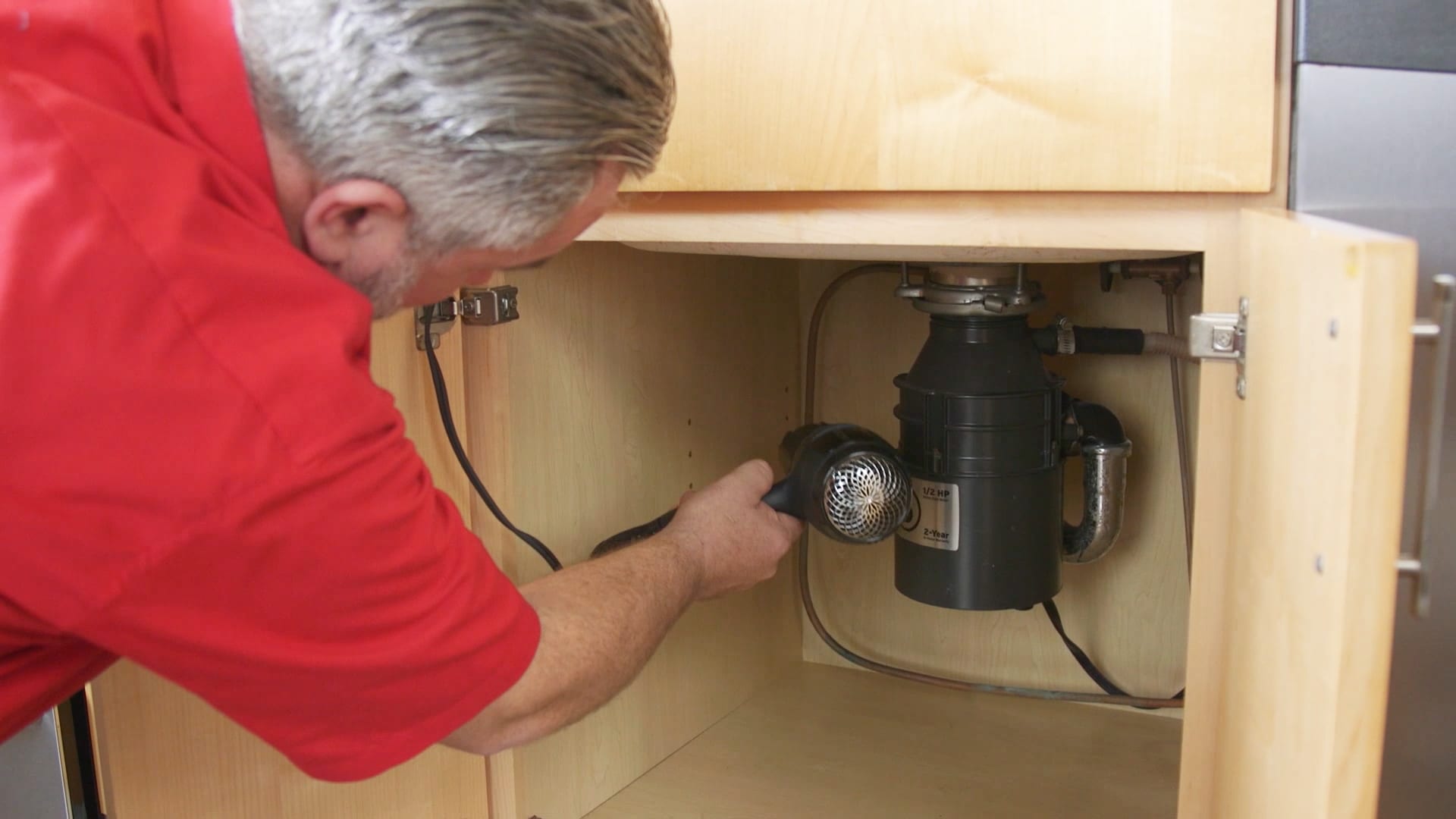
Before you start: confirm it is a frozen supply pipe
A frozen supply pipe stops water from reaching a faucet or toilet. A drain issue usually means water comes out but will not go down. This guide is for supply pipes only.
Quick clues it is frozen
- No water (hot, cold, or one side) at a single fixture, especially on an exterior wall.
- The rest of the house has normal water flow.
- It happened right after a cold snap, power outage, or a cabinet left closed on an outside wall.
Check the easy stuff first
- Verify other fixtures: If multiple faucets are dead, you might have a frozen main, a frozen branch serving a whole area, or a water service issue.
- Confirm the shutoff is open: Under-sink stop valves get bumped sometimes.
- If you have a well: Look for power to the well pump and any obvious alarm or fault at the pressure switch. A frozen pipe is still common, but do not skip the basics.
Safety first: when to stop and shut water off
Stop and shut the water off immediately if you see any of these:
- Water dripping or spraying from a pipe, fitting, or valve.
- A bulge, split, or crack in the pipe.
- Water stains forming on drywall, a ceiling, or flooring near the suspected freeze.
- You thawed it and now the pipe leaks.
Frozen water expands. Sometimes the pipe splits while it is still frozen, but you do not discover the leak until it thaws and water starts flowing again. If there is any sign of damage, shut off the nearest valve you can and call a plumber if you are not comfortable repairing it.
- Nearest valve, in plain English: First choice is the fixture stop valve (the little shutoff under the sink or behind the toilet). If you cannot isolate it there, look for a branch shutoff serving that bathroom or kitchen. Last resort is the main shutoff, which is commonly near where the water line enters the house (basement wall, crawlspace, utility room) or by the water meter.
Avoid these fast thaw methods
- Open flame: no propane torch, no candle. Fire risk is real, and you can cook a pipe, melt soldered joints, or ignite framing.
- High-heat spot heating: avoid blasting one spot with a heat gun or similar tool. It is easy to overheat plastic pipe, scorch wood, or damage fittings.
- Boiling water on pipes: it can work on exposed metal with towels, but it gets risky fast around electrical, plastic piping, and anywhere water can run into wall cavities or insulation.
- Space heater aimed into a wall cavity: it can overheat materials you cannot see.
Step 1: Open the faucet and leave it open
Pick the fixture that is not getting water and open it. If it is a sink, open both hot and cold if you are not sure which side is frozen.
- Why this matters: As the ice melts, water needs somewhere to go. An open faucet relieves pressure and lets you know you are making progress.
- What to expect: You might get a sputter, then a trickle, then full flow. Keep it open until you have steady, clear flow. If you opened both sides, let each side run briefly once it is moving.
Step 2: Find the cold spot
You do not have to guess. Locate where the pipe is frozen, then start warming from the faucet end back toward the frozen section.
Where frozen sections usually hide
- Under kitchen sinks on exterior walls
- In unheated crawlspaces
- In basements near rim joists
- In garages, especially on shared walls
- Behind vanity cabinets on outside walls
- Near hose bibs and sillcocks
How to confirm you found it
- Feel the pipe: A frozen section often feels noticeably colder than the rest, sometimes with visible frost.
- Look for the pinch point: Bends, tees, shutoff valves, and sections tight to exterior sheathing freeze first.
- If you have access: Follow the line from the fixture back toward where it disappears into a wall or floor.
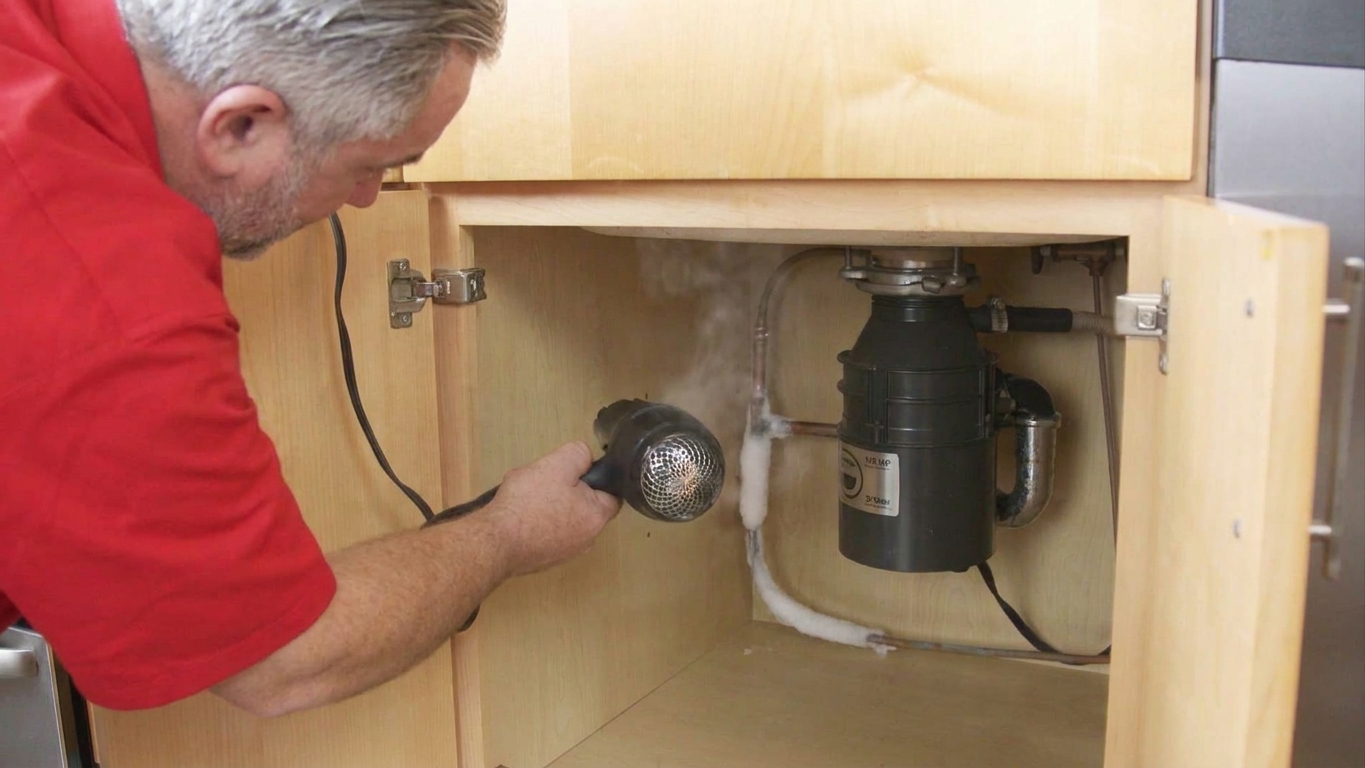
Step 3: Thaw it with gentle heat
If the frozen section is exposed, a hair dryer is my favorite tool because it is controlled and unlikely to overheat things quickly.
What you need
- Hair dryer
- Towels and a small bucket
- Work light or flashlight
- Gloves (optional, but helpful in a cold crawlspace)
How to do it safely
- Keep the faucet open. Leave it cracked so pressure does not build.
- Start at the fixture end. Aim the warm air at the pipe closest to the faucet first, then move slowly back toward the colder section. This gives melting water a path out.
- Keep the dryer moving. Do not park heat in one spot. Sweep back and forth.
- Watch and listen. You may hear a faint crackle as ice loosens, then water will begin to sputter.
- Stop when flow is steady. Let it run a few minutes, then check the pipe for leaks.
Time expectation: It can take 10 to 45 minutes depending on pipe type, how long it has been frozen, and how cold the surrounding space is.
Electrical warning: Do not use a hair dryer in standing water. If the area is wet and you cannot keep the dryer and cord dry, shut off power to that area and switch to a safer approach like warming the room with a safe heat source away from water.
Other safe thaw options
If a hair dryer is not practical, these are my next picks, as long as you still keep the faucet open and you avoid overheating one spot.
- Warm towels: Wrap towels around the pipe and refresh them with hot tap water. Keep the mess controlled with a bucket and more towels.
- Heating pad: A basic household heating pad can work on exposed piping if it stays dry. Do not wrap cords where they can get wet.
- Warm the room: Bring the room temperature up and use a fan to push warm air into the cold corner.
If you already have heat tape installed
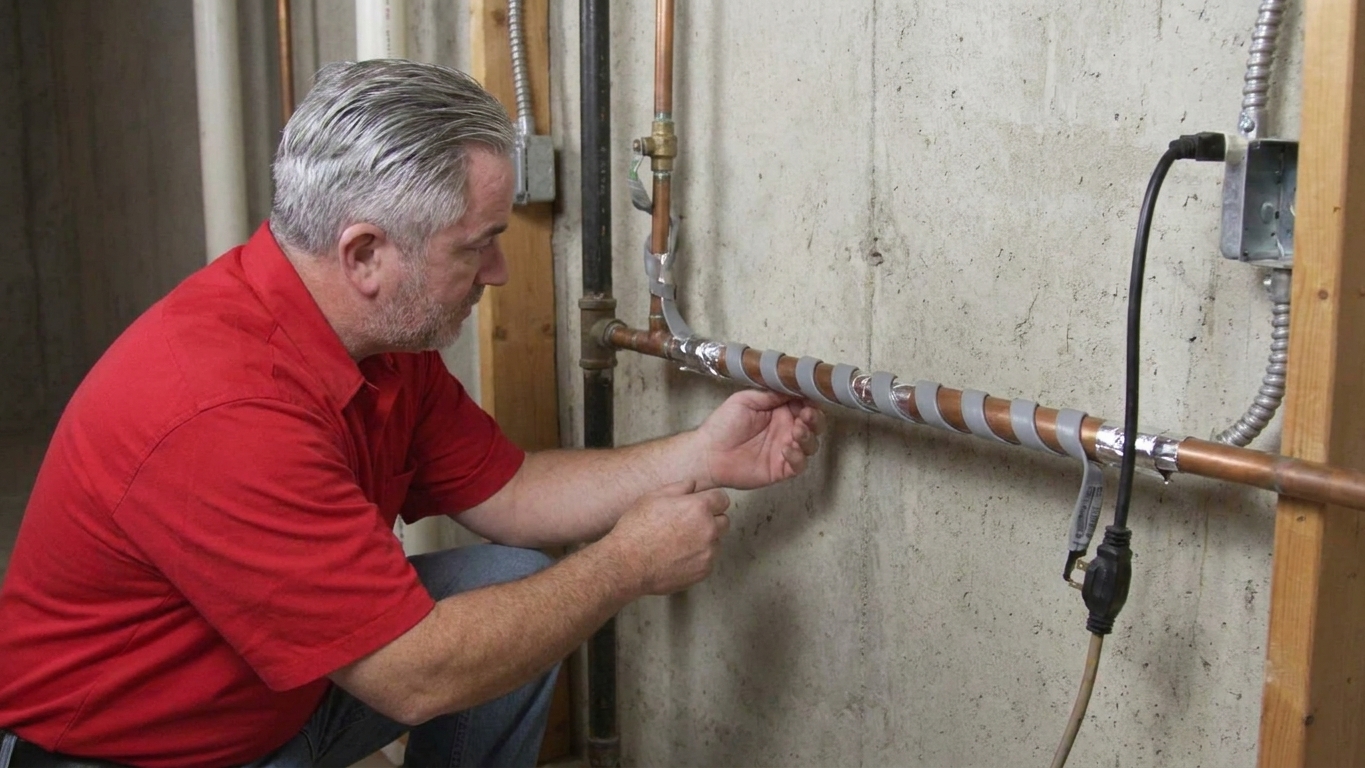
Heat tape (or heat cable) can be a lifesaver, but only if it is installed and used correctly. If your pipe has heat tape on it already, this is the moment it was made for.
What to do
- Inspect first: If the cable looks frayed, cracked, or damaged, do not plug it in.
- Follow the manufacturer rules: Some cables can be insulated over, some cannot, and overlap rules vary. If you do not know what is installed, look up the brand and model and follow its instructions.
- Confirm what type it is: Some are thermostatically controlled and only heat when cold. Others are constant wattage and get warm whenever powered.
- Plug directly into a proper outlet: Avoid daisy-chaining extension cords. If you must use one, use a heavy-duty cord rated for the load and keep connections dry and off the floor.
- Keep the faucet open: Same rule as always.
- Give it time: Heat tape is slow and steady. It may take 20 to 60 minutes or longer depending on conditions. Check the faucet occasionally for signs of flow.
If the pipe is insulated over heat tape, leave it as installed unless the heat tape instructions say otherwise. Tearing it apart in a hurry is a good way to damage the cable or make things worse.
If the frozen section is inside a wall
If you are reasonably sure the freeze is behind drywall, focus on warming the space, not baking the wall surface.
Safer ways to warm the area
- Open cabinet doors under sinks on exterior walls.
- Turn up the heat in the house a few degrees.
- Use a space heater in the room to warm the air (keep it away from curtains and cabinets, and never leave it unattended).
- Use a fan to push warm air into the cold corner.
If you cannot restore flow and temperatures are staying low, it may be time to call a plumber sooner rather than later. Pros can, in some situations, use tools like thermal cameras and pipe-thaw equipment to pinpoint a frozen section without opening up half the house.
If you do decide to open a wall, do it strategically. Start near the most likely freeze points like a rim joist area, the back of a vanity on an exterior wall, or where the pipe turns up into a fixture. Avoid cutting random holes and hoping for the best.
Pipe material notes
Most thawing mistakes happen when people treat every pipe the same. A quick reality check helps.
- PEX: It can tolerate freezing better than rigid pipe, but fittings and connections can still fail. Stick with gentle heat and keep it moving. Do not try to cook it hot.
- CPVC or PVC: More heat-sensitive and more brittle in cold. Avoid high-heat tools and concentrate on warming the space and using a hair dryer at a safe distance.
- Copper: Thaws well with a hair dryer, but be mindful of soldered joints and tight spots near fittings, where splits often show up after thawing.
If the whole house is out: main line basics
If no water is working anywhere, you might be dealing with a frozen main/service line, not a single fixture.
- Where it freezes: near where the service enters the house, in a crawlspace, near a foundation wall, or in a shallow-buried section outside (especially after a deep cold snap with little snow cover).
- Why it is higher-stakes: thawing and repair can involve the meter, the main shutoff, or underground pipe.
- What to do: confirm your main shutoff is open, look for obvious leaks, then call a plumber. If you are on municipal water, your utility may also have guidance for the meter area. Do not apply open flame to a main line area.
After it thaws: check for leaks like you mean it
This part is not optional. A pipe can crack during the freeze, then stay sealed by ice until it melts.
Leak check checklist
- Look along the whole exposed run: fittings, valves, elbows, and tees first.
- Feel with a dry paper towel: Wipe joints and underside of pipe. Even a slow seep shows up.
- Check below: Look for drips onto the cabinet bottom, basement floor, or insulation.
- Listen: If you hear hissing or running water when everything is off, investigate.
If you find any leak, shut off the nearest valve immediately.
How to keep it from freezing again
Once you get water back, take ten minutes to reduce the odds you will be doing this again next week.
- Seal drafts: Rim joists, crawlspace vents, and gaps where pipes pass through framing. A can of spray foam and some caulk go a long way.
- Add pipe insulation: Foam sleeves are cheap and quick on exposed pipes.
- Protect exterior-wall plumbing: Keep sink cabinet doors open during extreme cold.
- Keep heat consistent: Letting a house or room drop too low overnight is a common cause.
- Keep garage doors closed: A cold garage can freeze lines in shared walls faster than you would think.
- Let it drip (only when needed): During extreme cold, a slow drip from the most vulnerable faucet can prevent freezing because moving water is harder to freeze. This is a last resort, not a whole-winter strategy.
- Disconnect hoses and winterize hose bibs: A hose left attached can freeze the line back into the wall.
FAQ
Should I thaw a frozen pipe from the middle?
Start near the faucet and work back toward the frozen spot. That way, melted water can escape instead of getting trapped behind ice.
Can I use a heat gun?
I do not recommend it for most homeowners. Heat guns can overheat one spot fast and scorch wood, melt plastic supply lines, or damage fittings. A hair dryer is slower but much safer.
What if only the hot water is frozen?
That happens when a hot line runs through a colder area or sits against an exterior wall. Open the hot side and thaw the hot supply line the same way. Do not ignore it, because a frozen hot line can still split.
What if no water is working anywhere in the house?
That is bigger than a single frozen branch line. You could be dealing with a frozen main line, a closed main shutoff, a well or pump issue, or a municipal supply problem. Start by checking your main shutoff position and looking for obvious leaks, then consider calling a plumber if you cannot quickly confirm the cause.