A step-by-step way to find air leaks and seal common draft points in older homes using caulk, weatherstripping, and door sweeps, plus key safety notes and wh...
The Homeroom Fix
September 26, 2026
•
By Marcus Delgado
Seal Drafty Windows and Doors Before Winter
Find sneaky air leaks and stop drafts fast with weatherstripping, caulk, and door sweeps. A step-by-step, budget-friendly guide to tightening up your windows and doors before winter.

Marcus Delgado
Marcus Delgado is a former residential carpenter and lifelong DIY enthusiast who believes every homeowner has the power to transform their space. After a decade of swinging hammers for general contractors, he shifted gears to share practical, budget-friendly home improvement advice. When he's not renovating his own 1970s fixer-upper, you can find him hunting for salvaged wood or teaching weekend workshop classes.
Once the first real cold snap hits, your house has a way of pointing out every little gap you ignored all summer. You feel it on your ankles by the back door. You hear it whistling at a window corner. And your heating bill? It notices too.
The good news: you do not need new windows or a contractor to make a big difference. A careful draft hunt plus a few basic materials can tighten up your place in an afternoon.

Quick safety note
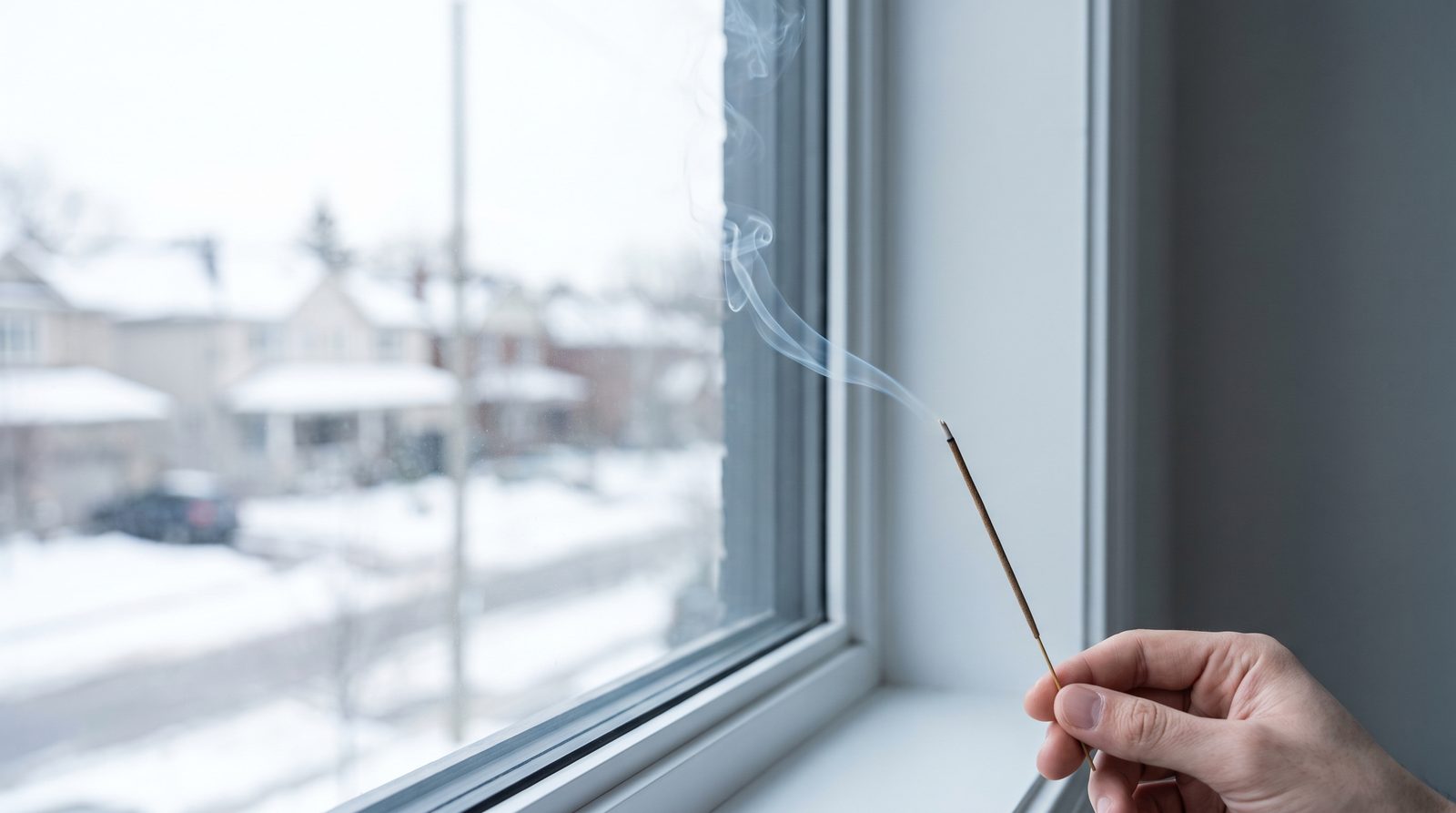
Safety first: Use caution with candles or open flames when testing for drafts. If you have pets, kids, or curtains nearby, skip the flame and use a smoke pencil, an incense stick in a safe holder, or even a thin strip of tissue instead. If you suspect a gas leak, stop and call your utility company right away.
Combustion appliance note: If you have naturally drafted (atmospheric) gas appliances (common in older water heaters and some furnaces) or a fireplace, running exhaust fans can sometimes backdraft flue gases. For draft testing, avoid running big exhausts if any combustion appliance is operating, and never test with an open flame.
How to find air leaks
You can seal faster when you know exactly where the air is getting in. Pick a windy day if possible. You can also create a little pressure difference to help reveal leaks, but use the safety note above and do not do this with combustion appliances running.
Method 1: The hand test
Slowly move your hand around the edges of windows and doors. Focus on:
- Window corners and along the sash (the moving part)
- Where window trim meets the wall
- Door frame edges, especially latch side and top corners
- Under the door at the threshold
Method 2: Tissue, incense, or a smoke pencil
Hold a strip of tissue or a smoke source near suspected gaps. If it flutters or the smoke gets pulled sideways, you found a leak.

Method 3: The flashlight trick
Best at night. Have one person stand outside with a flashlight while the other stands inside. Trace the perimeter of the closed door or window with the beam. If you can see light coming through, it often means air can come through too.
What leaks usually mean
- Draft between moving parts of a window or door: needs weatherstripping.
- Draft between trim and wall or between frame and siding: needs caulk.
- Draft under a door: needs a door sweep or threshold adjustment.
Materials list
You can walk into any hardware store with this list and walk out ready for battle.
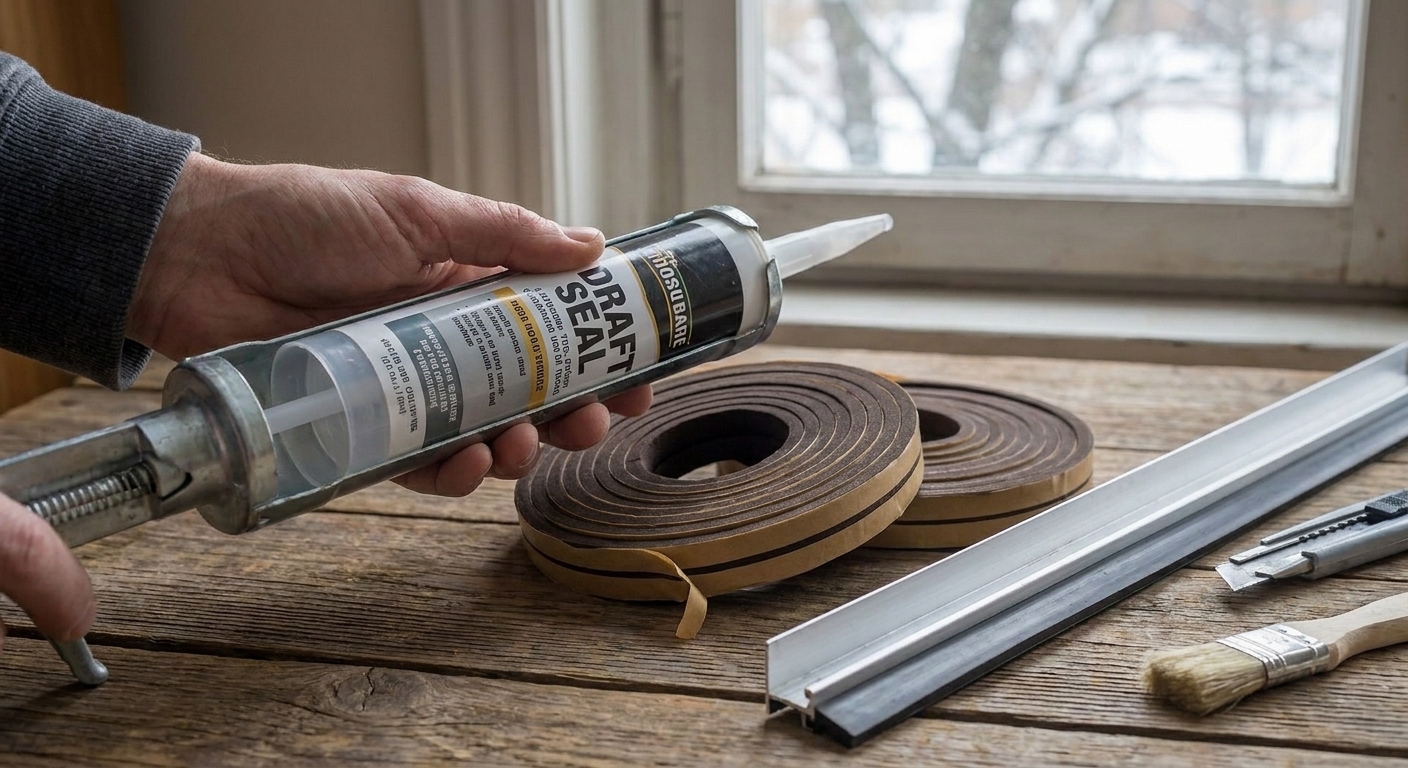
- Caulk (silicone, siliconized acrylic, or a paintable hybrid, more on that below)
- Caulk gun
- Weatherstripping (foam tape and a bulb seal for doors)
- Door sweep (or a door-bottom seal)
- Utility knife or scissors
- Rubbing alcohol and rags (for cleaning surfaces)
- Putty knife or 5-in-1 tool (for scraping old caulk)
- Painter’s tape (optional, for clean caulk lines)
Pick the right seal
Caulk: for gaps that do not move
Caulk is for seams and cracks where two surfaces meet and stay put, like where window trim meets siding, or where interior trim meets drywall.
- Siliconized acrylic latex caulk: easy to tool, paintable, great for interior trim gaps.
- 100% silicone caulk: very durable and water resistant, great for wet exterior areas, but usually not paintable.
- Polyurethane or hybrid (STPE/MS polymer) sealant: a favorite for exterior window and door trim because it is tough, flexible, and often paintable. The label will spell out “window and door” and “exterior.”
If you are sealing outside and your trim will be painted later, look for an exterior-rated, paintable window and door sealant. The tube will say so.
Weatherstripping: for gaps that open and close
Doors and operable windows move. You need a compressible seal that can handle that movement.
- Foam tape: cheapest and easiest. Great starter option for windows and some door stops, but it can peel in cold weather and it wears out faster.
- V-seal (tension seal): good for double-hung windows and sliding windows, lasts longer than foam in many spots.
- Rubber or silicone bulb weatherstripping: a great choice for exterior doors because it seals well and holds up.
Quick reality check: if your window or door is already tight, thick foam can keep it from locking. Start thin, test often, and step up only if you need to.
Door sweeps: for the gap at the bottom
If you can see daylight under your exterior door, a sweep is usually the fastest fix. Some sweep styles screw to the inside face of the door, others slide onto the bottom edge.
Seal drafty windows
1) Clean and inspect
Wipe the surfaces where you plan to stick weatherstripping or apply caulk. Dust and old paint flakes are the enemy of good adhesion.
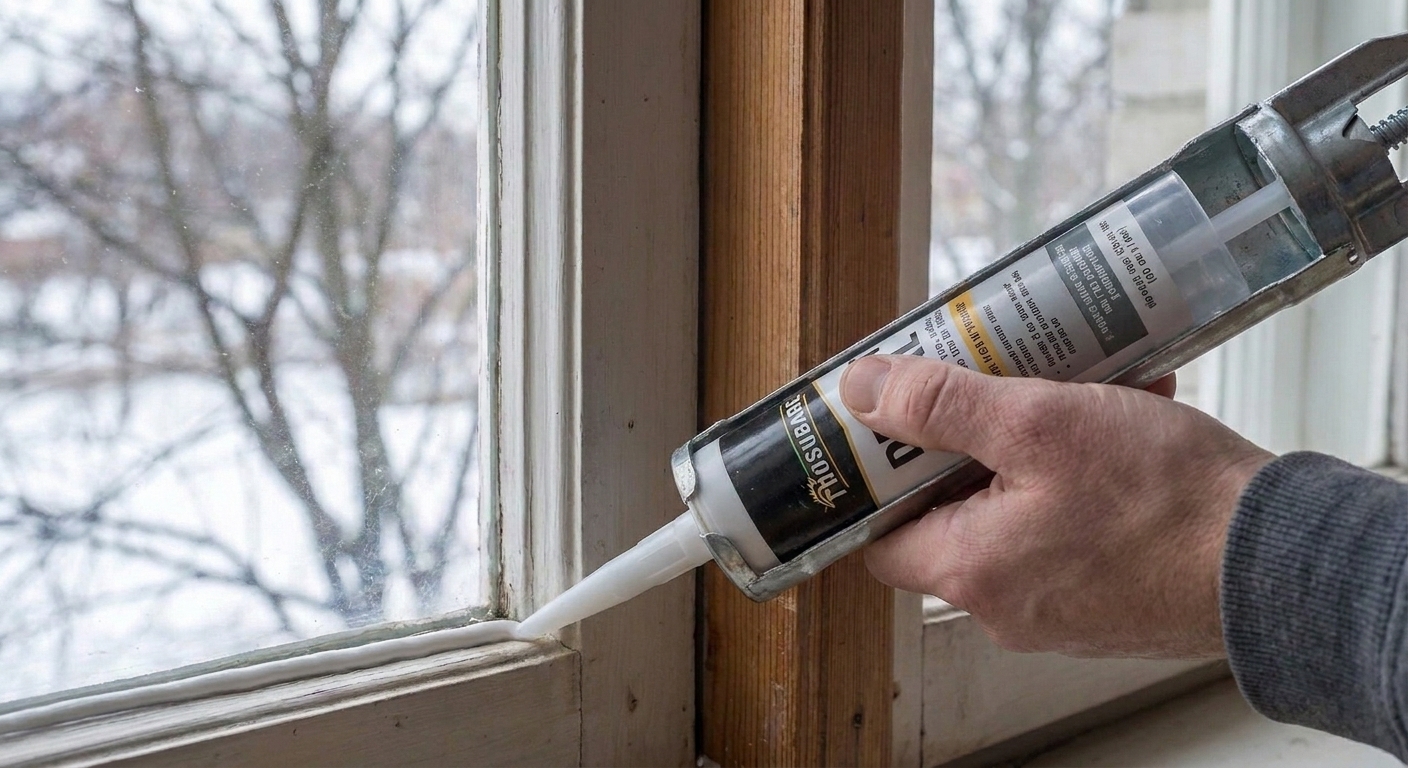
2) Seal trim gaps with caulk
Look for cracks where:
- Interior casing meets drywall
- Exterior trim meets siding or brick
- The window frame meets exterior trim
How to caulk cleanly:
- Scrape loose or failing caulk with a putty knife.
- Cut the caulk tip at a small angle (start small, you can always cut bigger).
- Run a steady bead along the gap.
- Tool it smooth with a damp finger or caulk tool.
3) Add weatherstripping to moving parts
For many drafty windows, the leak is where the sash meets the frame.
- Foam tape: stick it where the sash compresses against the frame when closed. Do not block weep holes on the exterior side of a window.
- V-seal: install along the tracks where the sash slides, following the product directions.
Close the window after applying to confirm it still locks. If it will not close, your weatherstripping is too thick or placed in the wrong spot.
4) Temporary fix for truly leaky windows
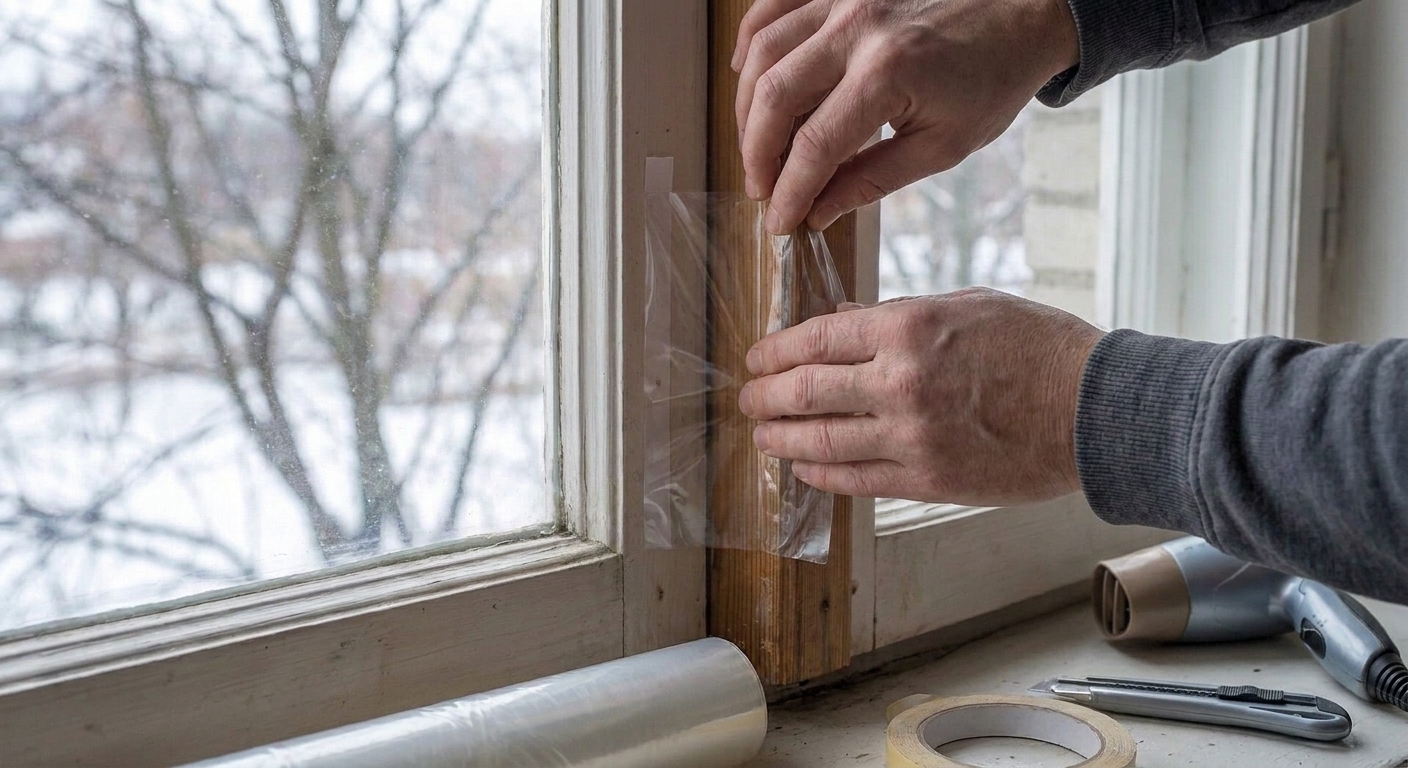
If a window is old enough to have opinions about modern life, use window insulating film on the inside. It is not glamorous, but it works and it is removable in spring. Clean the frame well, tape the film tight, and shrink it with a hair dryer.
Seal drafty doors
1) Check door alignment
If the door does not latch smoothly, or you can see uneven gaps, sealing materials might help, but they will not fix a door that is sagging or out of square. Do this quick check:
- Close the door slowly and watch the reveal (gap) around the door.
- If the top latch side gap is wider than the bottom latch side gap, the door may be sagging.
- Tighten hinge screws. If screws spin, replace one short screw in each hinge with a 3 inch (76 mm) construction screw that bites solid framing. Predrill if needed, and be mindful of wiring in older homes.
2) Replace or add weatherstripping
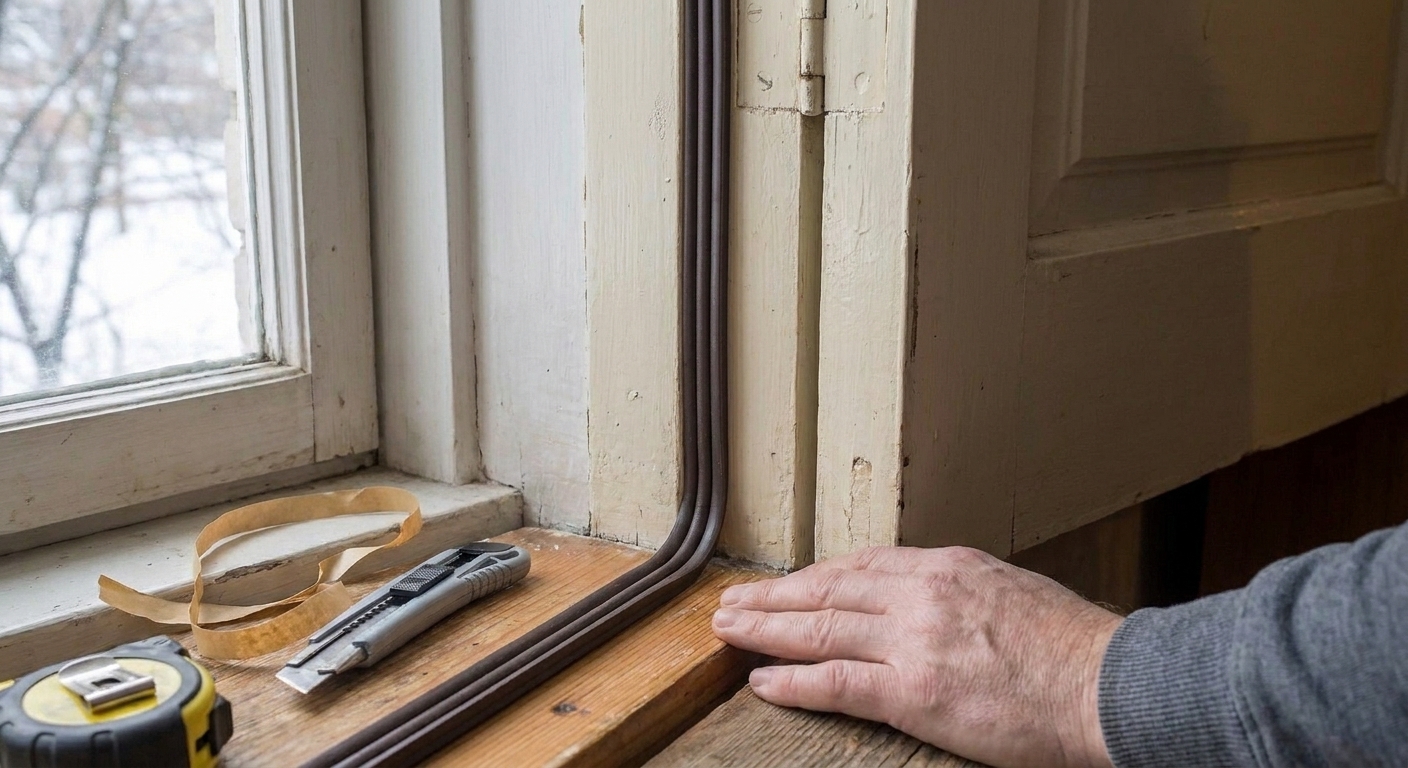
Most exterior doors have weatherstripping that presses against the door slab when closed.
- Pull off old, brittle weatherstripping.
- Clean the surface with rubbing alcohol.
- Install new foam (quick fix) or a proper bulb seal (best long-term) along the two sides and top.
- Close the door and test for a snug seal without needing to shoulder-check it.
3) Install a door sweep
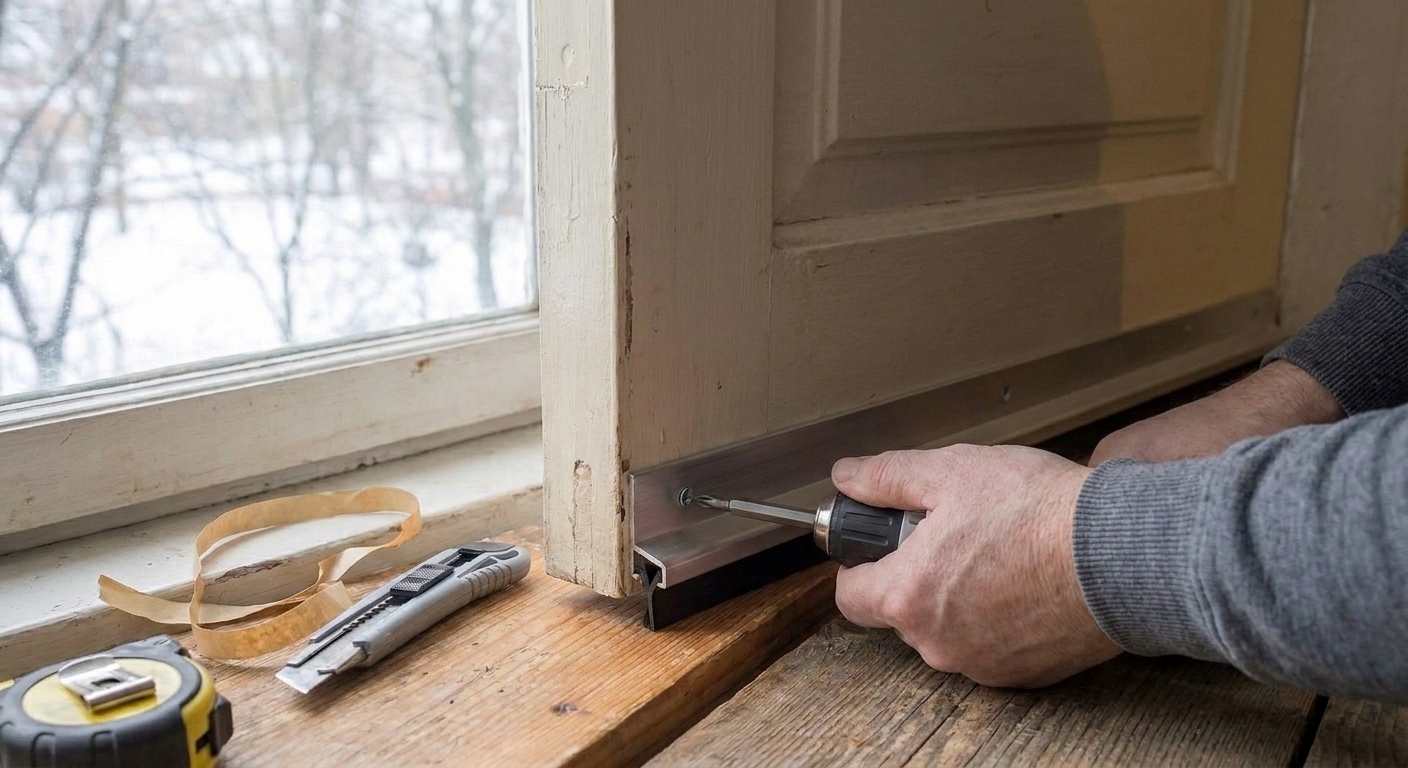
For most homes, this is the biggest bang for the buck.
- Measure the door width.
- Cut the sweep to length (usually with a hacksaw for aluminum styles).
- Hold it in place so the rubber fin just kisses the threshold.
- Screw it on. Open and close the door a few times to confirm it does not bind.
If your threshold is adjustable, you can also raise it slightly so the sweep seals better. Make small adjustments and test as you go.
Common mistakes
- Caulking a spot that needs weatherstripping: if the part moves, caulk will crack or tear.
- Using interior caulk outside: it will fail faster. Look for exterior-rated products outdoors.
- Blocking window weep holes: those little openings help drain moisture. Keep them clear.
- Caulking shut drainage paths: the goal is sealing air, not trapping water. Do not caulk storm window drain channels or anywhere water is meant to weep out.
- Going too thick on foam tape: if the window or door will not close easily, step down a thickness.
- Skipping cleaning: adhesive-backed seals need a clean surface or they peel off right when you need them.
- Sealing what should never be sealed: do not caulk or tape over dryer vents, furnace vents, or any other exhaust termination.
Check your work
After sealing, do a quick re-test on a windy day or with a fan running (again, follow the safety note):
- Run your hand around the same spots you marked earlier.
- Use tissue or smoke again to confirm the leak is gone.
- Listen for whistling at corners. Quiet is a win.
Bonus points if you notice the room feels more even. Drafts create cold pockets, so comfort is usually the first improvement you feel.
Other leak spots
If you still feel a chill after windows and doors, the problem might be nearby. Quick places to check next:
- Attic hatch or pull-down stairs
- Basement rim joist and sill plate
- Plumbing and electrical penetrations under sinks and behind toilets
- Recessed lights that leak into an attic
- Fireplace damper area
- Exterior hose bibs and pipe penetrations
- Switches and outlets on exterior walls (see FAQ)
FAQ
Should I caulk around exterior window trim?
Usually yes, but be smart about it. Caulk the sides and top where trim meets siding or brick. Many pros leave the bottom edge uncaulked so any water that gets behind the trim can drain out. When in doubt, follow how your house was originally detailed and do not seal in a way that traps water.
Is replacing windows the only real fix?
Nope. New windows can help, but air sealing is often the bigger comfort boost per dollar. Even brand-new windows feel drafty if the trim and frame gaps were never sealed.
What if I feel a draft but cannot find a visible gap?
Try the smoke or tissue test, and check outlets on exterior walls near the window or door. Also look at the trim-to-wall seam. Tiny cracks can move a surprising amount of air.
How do I fix drafty outlets on exterior walls?
Turn off power at the breaker, pull the cover plate, and add a foam outlet gasket (cheap and effective). If you feel a strong draft from the box itself, that can be a bigger air-sealing issue in the wall cavity, so consider sealing from the attic or basement side where you can do it safely.
How long does this stuff last?
Foam tape might last a season or two in high-use spots. Better door weatherstripping and a solid caulk job can last several years. If something peels, it is usually because the surface was dirty or the seal was under constant rubbing.
When should I stop and call a pro?
If you find rotten exterior trim, persistent moisture or mold, failed window glazing, or you suspect backdrafting from a combustion appliance, get help. Also, if you have sealed obvious gaps and the room is still ice-cold, you may be dealing with missing insulation, not just air leaks.
Marcus’ neighbor-fence tipIf you only have time for one fix this weekend, do the door sweep. Cold air loves sneaking in at floor level, and that one strip of rubber can make the whole entryway feel less like a walk-in freezer.


