
How to Keep Tree Roots Out of a Sewer Line
Keep roots from invading your sewer lateral again with smarter pipe joints, planting distance rules, barriers, and chemical options that actually match the problem.
The first time I watched a sewer camera snake through a lateral and hit a wad of roots, it looked like a little underwater tumbleweed had set up camp. The frustrating part is this: roots are not “breaking in” out of pure spite. They are following moisture and nutrients, and in most cases they only get a foothold where the pipe gives them an opening.
So if your line is newly repaired or you just had it cleaned out, prevention comes down to two things: making the pipe harder to enter and making the yard less tempting right above it.
When prevention can wait
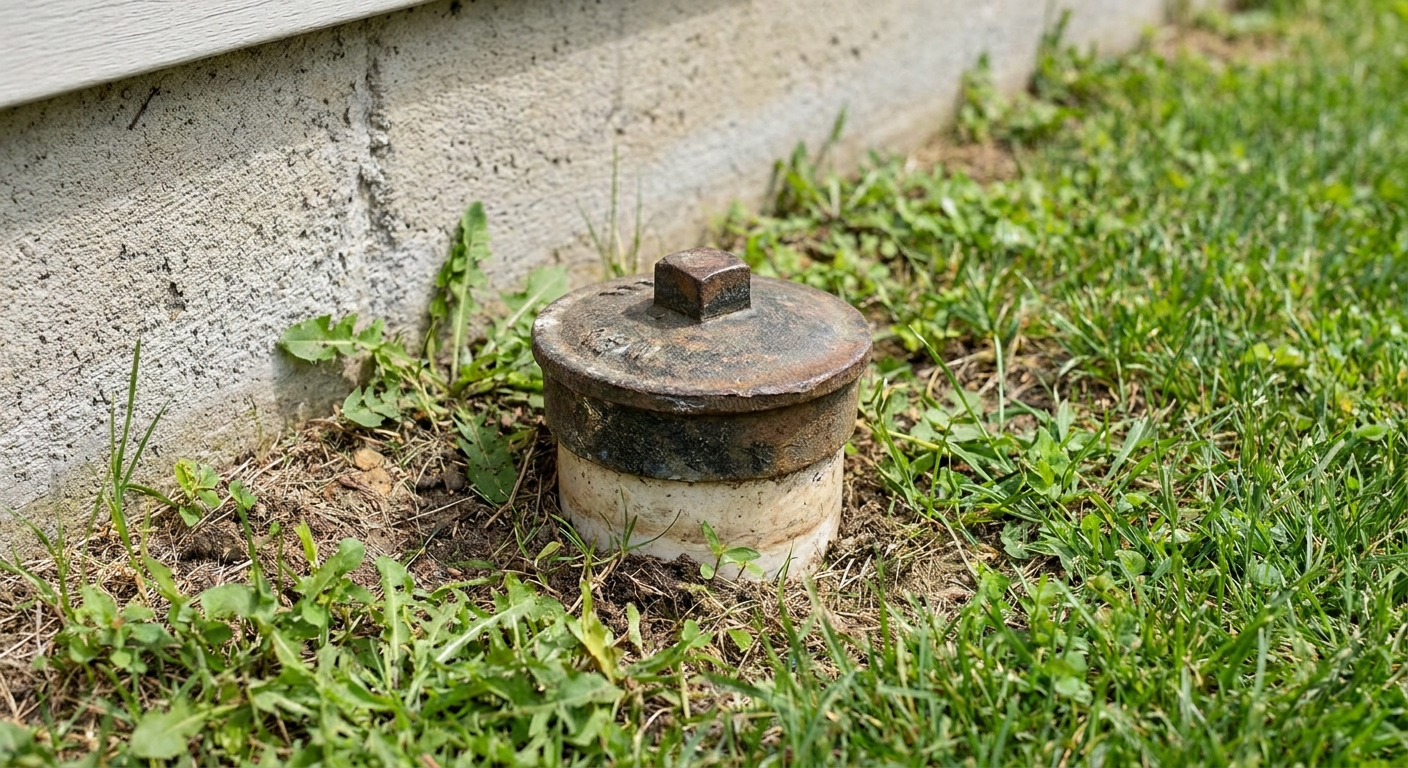
I am going to save you some money and false hope right up front. If your sewer lateral has any of the following, chemicals and “root killers” are mostly a delay tactic:
- Cracked or broken pipe
- Offset joints (one section has slipped so there is a step inside)
- Separated joints
- Belly or sag (standing water that keeps feeding roots and snags)
- Collapsed section
Roots need an entry point. If the entry point is a structural defect, the long-term solution is repair, lining, or replacement. Treating roots in a damaged pipe is like hanging curtains on a broken window. Something is still open.
Important: If you do not know the pipe condition, a camera inspection is the most practical next step before spending money on barriers or repeated chemical treatments.
Know your pipe type
Root prevention changes a lot depending on what your lateral is made of. If you are not sure, a camera inspection usually tells the story fast.
- Modern PVC or ABS: Typically the most root-resistant when joints are installed correctly and the trench is bedded and compacted well.
- Clay tile: Common in older neighborhoods. Joints are frequent, and over decades they can shift and seep, which is basically an invitation to fine feeder roots.
- Cast iron: Can last a long time, but corrosion and rough interiors can catch debris, and joints can leak as the line ages.
- Orangeburg: A fiber pipe used mid-century in some areas. It can deform and deteriorate over time, and roots can turn “small problems” into big ones quickly.
Choose repairs that resist roots
Not all “fixed” laterals are fixed the same way. If you are repairing now or planning a replacement, the best root prevention is choosing materials and joints that stay tight for decades.
Best options for root resistance
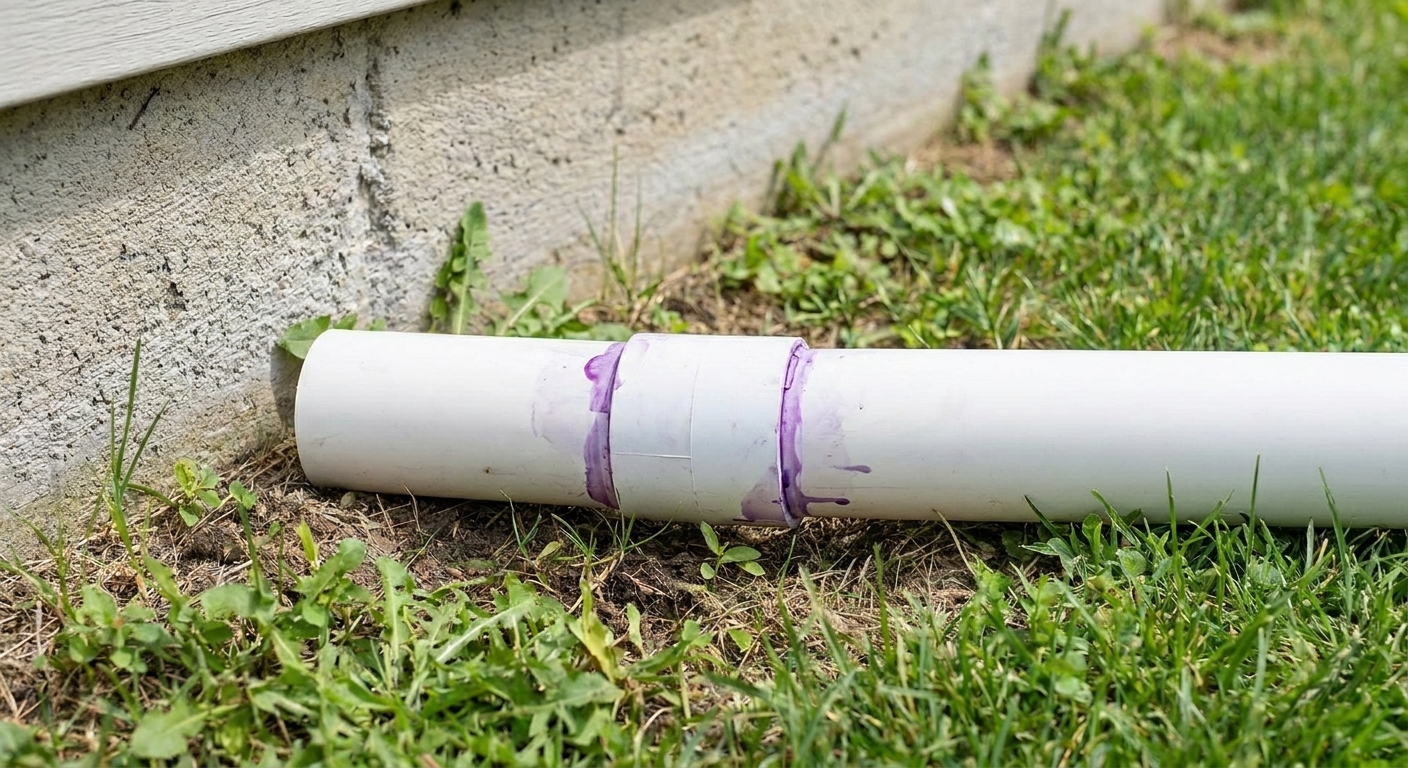
- Solvent-welded PVC (glued joints): Common for replacements. When installed correctly on solid bedding, glued joints are very root-resistant because there is no seam gap to exploit. Like anything, a rushed or contaminated joint can fail, so installation quality matters.
- ABS with solvent-welded joints: Similar idea to PVC, depending on what is common in your area and allowed by code.
- Gasketed PVC (SDR) for sewers: Uses an elastomeric gasket. These can be excellent when properly seated and the trench is compacted correctly, because the gasket can tolerate a tiny bit of movement without immediately opening a gap. If a joint is not fully seated or grit gets on the gasket, it can leak and become root-prone like any other joint.
- Cured-in-place pipe lining (CIPP): A liner creates a new pipe inside the old one and seals off joints and small cracks. Great when the old pipe is mostly intact but leaky at joints. It does not fix a belly or sag, and it is not always suitable if the pipe is badly deformed or collapsed.
Repairs to be careful with
- Spot repairs with banded couplings: A quality shielded coupling installed correctly can last, but a patch between old clay or cast iron and new plastic still leaves you with multiple transitions. If the surrounding pipe is brittle, roots may simply find the next weak joint.
- Cleaning only: A cleanout and auger or jetting removes the blockage, but it does not change the entry point. If the joints are open, roots will come back.
If you are hiring this out, the question I like to ask is simple: “How does this repair eliminate the opening roots used to enter?” A good contractor will have a clear answer, not a shrug.
Know where the lateral runs
Prevention gets a lot easier when you are not guessing where the pipe is. Ideally you have one of these:
- A drawing from a recent repair or lining job
- A sewer camera locate (many plumbers can mark the route)
- A utility locate plus your own measurements from cleanout to street
If you have never done a locate, here is what you are usually asking for: the plumber runs the camera with a transmitter (often called a sonde), then uses a handheld surface locator to trace and paint- or flag-mark the line path and sometimes approximate depth.
Even if you do not need exact inches, knowing the general corridor lets you make smarter landscaping choices.
Planting distance rules
Here is the honest truth from a guy who loves trees: most tree and shrub roots can coexist with a sewer line if the pipe is sound. The problem is that older laterals and bad joints turn that coexistence into a water-and-fertilizer buffet.
Instead of memorizing a “bad tree list,” use two practical rules of thumb (species, soil, and irrigation habits can shift the numbers):
Rule 1: Big plants need big separation
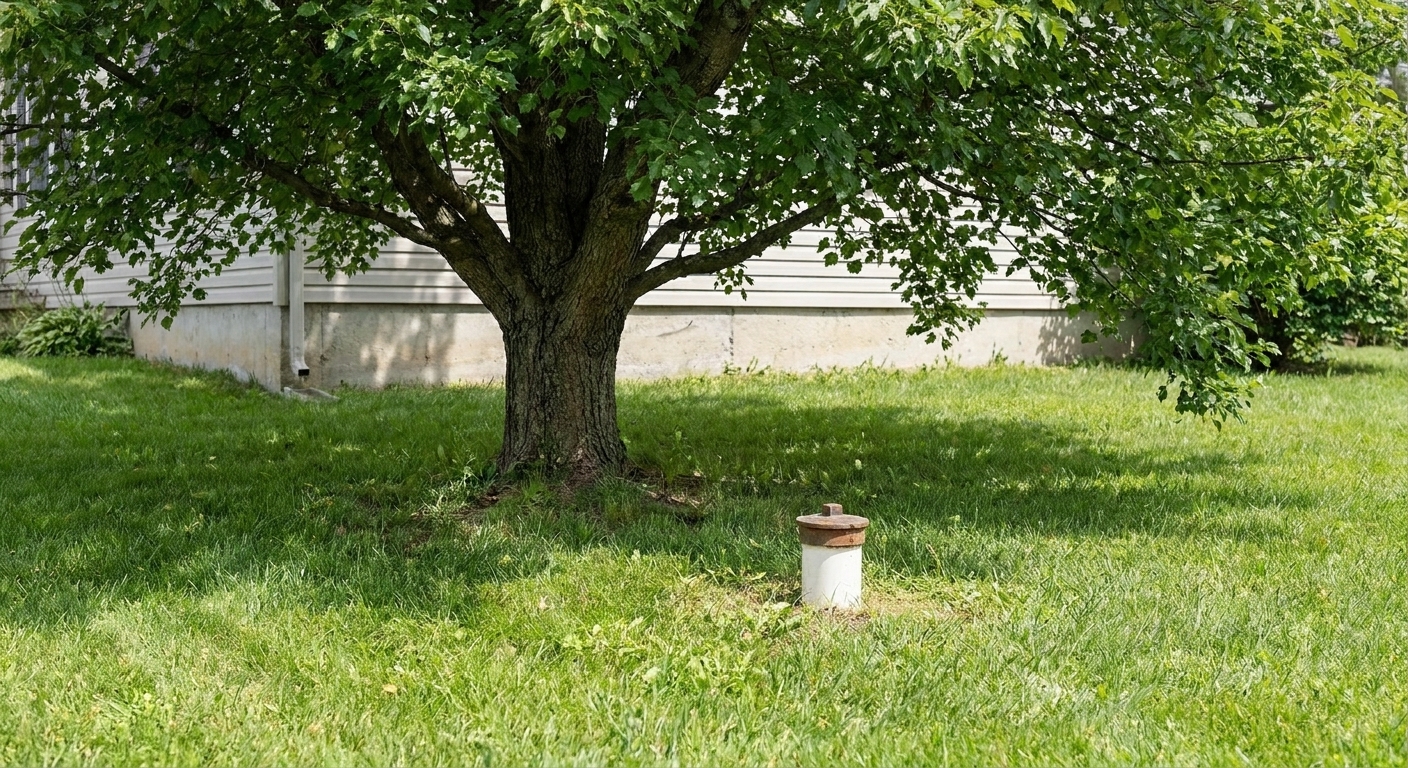
For large shade trees and fast-growing species, I like a conservative buffer from the sewer lateral of 20 to 30 feet when you have the space. If you have a small urban lot and cannot do that, prioritize placing the tree so it is not directly over the lateral corridor.
Rule 2: Use mature size as your cheat code
A decent guideline is to plant at least half the mature canopy width away from the line, and more if you are dealing with an older clay or cast iron lateral. Bigger canopy usually means bigger, more ambitious root system.
Better choices near the lateral
- Perennials and ornamental grasses (shallow-rooted)
- Small shrubs placed with room to grow and watered sensibly
- Raised garden beds that keep deep-rooting plants out of the native soil above the pipe
One more neighbor-to-neighbor tip: if you have a willow, silver maple, cottonwood, or poplar already dominating the yard near the line, do not panic. Just be realistic. Those species are notorious for seeking moisture, which means you will want the pipe condition to be excellent and your prevention plan to be more proactive.
Water smart above the pipe
Roots go where the water is. After a repair, you can reduce temptation by not turning the lateral corridor into the wettest strip of your yard.
- Fix leaky hose bibs and sprinkler heads that constantly soak one area.
- Aim drip irrigation and soaker hoses away from the sewer route when possible.
- Do not bury downspout extensions right along the lateral path.
- Grade soil so surface water moves away from the foundation and does not pond over the pipe.
None of this stops roots from growing. It just stops you from advertising, “Hey roots, free water over here.”
Chemicals: what they can do
Root chemicals are widely misunderstood. They are not a magic force field. Think of them as a way to slow regrowth in a line that is already vulnerable, or as a maintenance step in a pipe that has minor seepage but is not worth replacing yet.
Root foams
What they can do: Foam can coat the upper interior of the pipe where fine feeder roots typically enter, killing or suppressing those roots near the joint.
What they cannot do: They do not repair cracks, separations, or offset joints. If the pipe is damaged, roots will return. Also, “root foam” is a category, not one single chemical. Active ingredients vary by product and region, and some are restricted in certain jurisdictions. Read the label, follow local rules, and if you are unsure, ask your wastewater authority or a licensed plumber what is commonly permitted where you live.
Copper sulfate crystals
What they can do: In some situations, copper sulfate can inhibit fine feeder roots in the pipe near the point of application.
What they cannot do: Efficacy is mixed, and it is not a cure for structural problems or large woody root masses. It can also be hard on the environment and may be restricted or discouraged in some areas. If you are on a septic system, copper products can be a bad idea for the biology in the tank. At high concentrations, copper products may also accelerate corrosion of some metals.
Rock salt, bleach, drain cleaners, and DIY mixes
Skip them. These are unreliable for root control and can be harsh on pipes, fittings, and downstream systems. They also tend to give homeowners a false sense of progress while the real issue, an opening in the line, keeps getting worse.
Safety note: If you use any root control chemical, follow the label exactly and wear eye protection and gloves. Mixing chemicals, especially anything with bleach, is how you end up with dangerous fumes. Also, do not dump leftover product outdoors or into a storm drain. Use and dispose of it the way the label and local rules require.
Root barriers
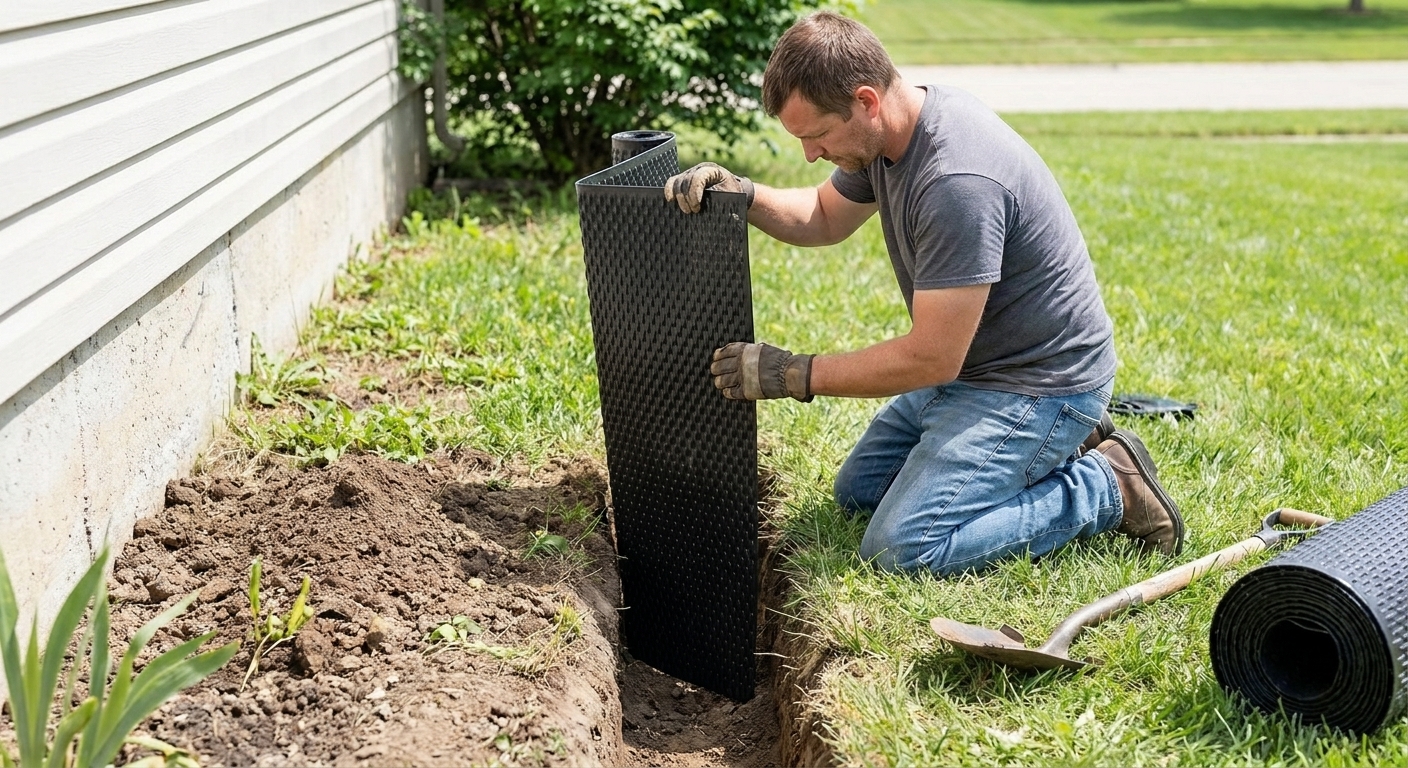
Root barriers can work, but they are not a blanket fix. A barrier is most useful when you are planting a new tree or shrub and you can install the barrier properly at the same time.
What barriers can do
- Encourage roots to grow downward or away from a protected zone
- Reduce the chance of a new planting concentrating roots right above the lateral
What barriers cannot do
- Stop roots from an established tree that is already sending roots under the barrier
- Make a broken or leaky pipe “safe”
- Guarantee zero roots forever, especially if the barrier is shallow or ends short of the root zone
If you are considering a barrier, the success factors are depth, continuity, and placement. A short, shallow barrier installed after the fact is usually more peace-of-mind than true protection.
When to call a pro fast
I am all for prevention and DIY, but some sewer symptoms deserve a real diagnosis quickly. Call a licensed plumber if you have:
- Multiple fixtures backing up (toilets, tubs, and floor drains acting up at once)
- Sewage odors that persist indoors or near the foundation
- Repeat backups even after snaking or cleaning
- Soft spots, sinkholes, or sudden settling in the yard above the suspected line path
- Overflow at a cleanout when you run water inside
Keep maintenance boring
Once the line is clear and the pipe is in good shape, prevention should feel like easy housekeeping, not a yearly emergency.
If your lateral is modern PVC
- Focus on planting distance and smart watering.
- Camera inspection only as needed if you have no history of issues.
If your lateral is older but serviceable
- Plan periodic camera checks to catch small issues early.
- Consider proactive root control only if you have confirmed recurring intrusion at joints.
- Budget for lining or replacement if the camera shows multiple leaky joints, deterioration, or a belly that keeps holding water.
In my own 1970s fixer-upper, I try to treat “old underground stuff” the same way I treat an old roof. You can patch and maintain for a while, but you also keep one eye on the calendar and the savings account.
Quick FAQ
Can roots break a good sewer pipe?
Most of the time, roots exploit existing openings. A truly sound, modern pipe with tight joints is hard for roots to penetrate. The more common scenario is an older line where joints have shifted or deteriorated and roots take advantage. In rare cases, roots can worsen a compromised material or defect until it becomes a bigger failure.
If I cut down the tree, will the roots stop coming?
Cutting down the tree can slow new root growth, but it does not repair the entry point. Existing roots can remain in the soil for a long time, and other plants may take advantage of the same moisture source. Fixing the pipe condition is the real prevention.
Is hydro jetting prevention?
Hydro jetting is a great cleaning method. It is not prevention by itself. If roots got in through a seam or crack, they will be back unless that opening is sealed or replaced.
Should I plant anything over the sewer lateral?
Shallow-rooted plants are usually fine. Avoid planting trees and large shrubs directly over the lateral if you can. Also avoid putting anything there that would be a nightmare to dig up later, like a prized tree or permanent hardscape, until you are confident the line is in good condition.