
How Long Do Garbage Disposals Last?
Many garbage disposals last around 8 to 15 years, depending on build quality and use. Learn lifespan by tier, end-of-life signs, maintenance tips, and when replacement beats repair.
Good grain. Great questions.
Garbage disposals are the kind of kitchen helper you only notice when they start complaining. Many homeowners see a unit last around 8 to 15 years, but the real answer depends on what you feed it, how often it runs, and whether the inside is staying clean and corrosion-free.
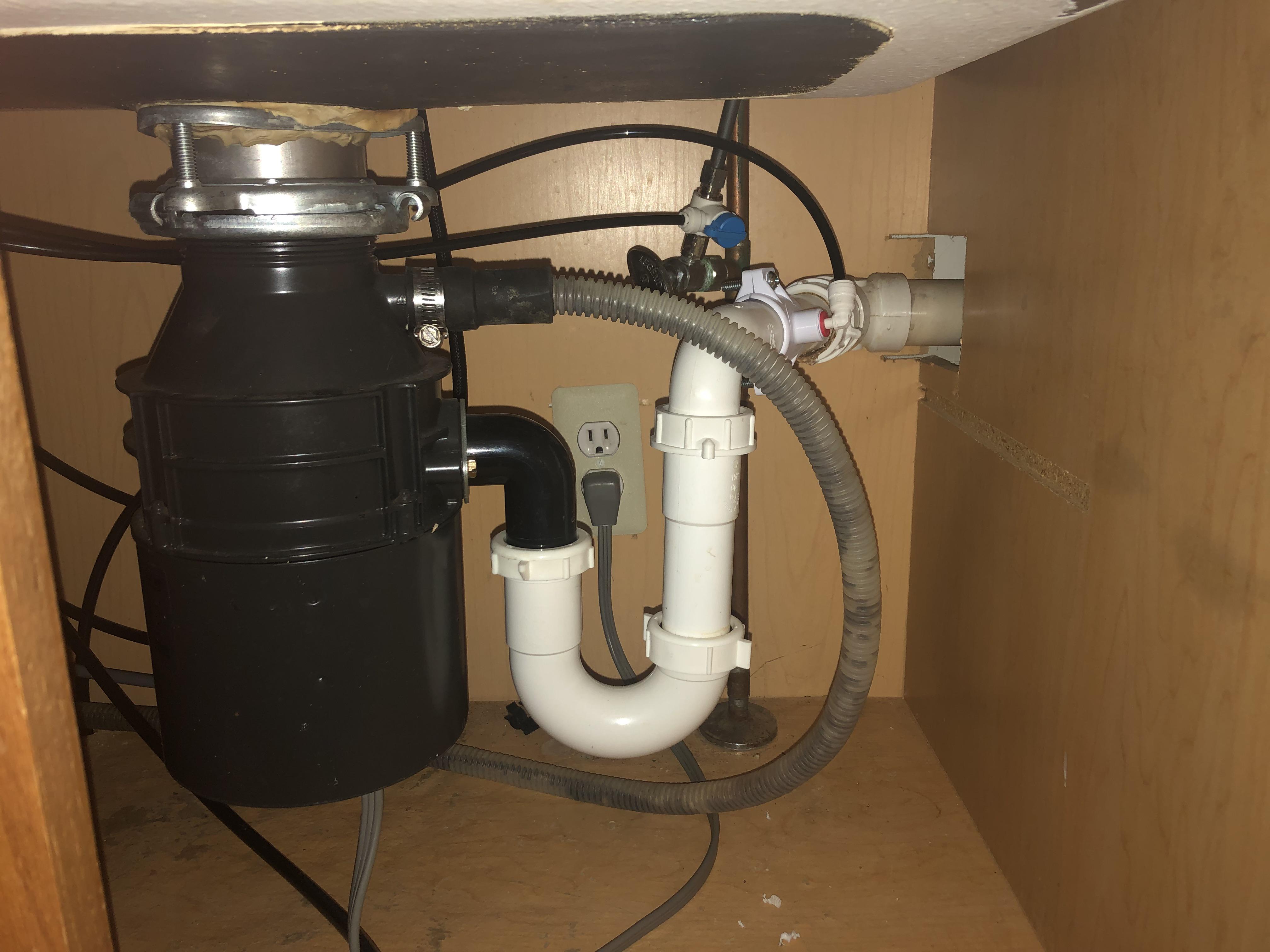
Typical garbage disposal lifespan
Most homeowners land somewhere in the middle, but build quality and usage make a big difference. Here is a practical range you can use for planning. Think of the type row as a baseline, then apply the usage adjustment below it.
| Disposal type | Common lifespan range | What changes the outcome |
|---|---|---|
| Budget (lighter build, smaller motor) | 5 to 8 years | Frequent use, fibrous foods, and hard water can shorten life fast. |
| Midrange (most common homeowner pick) | 8 to 12 years | Good habits can push it to the high end of the range. |
| Premium (heavier grind components, quieter design) | 12 to 15 years, sometimes longer | Still vulnerable to corrosion and abuse. Some models have sturdier components and longer warranties, but most disposals are not truly rebuildable beyond basic external parts. |
| Usage adjustment | How it shifts lifespan | Why |
|---|---|---|
| Light use (small household, careful loading) | Add 2 to 4 years | Less heat, less wear, fewer jams. |
| Heavy use (large household, lots of cooking scraps) | Subtract 2 to 5 years | More starts and stops, more chance of clogs and splash guard wear. |
Age alone does not doom a disposal. A 10-year-old unit that runs smoothly and does not leak can keep going. A 4-year-old unit that is constantly jammed and corroding is already on borrowed time.
What wears out inside a disposal
Disposals are simple machines with a few common failure points:
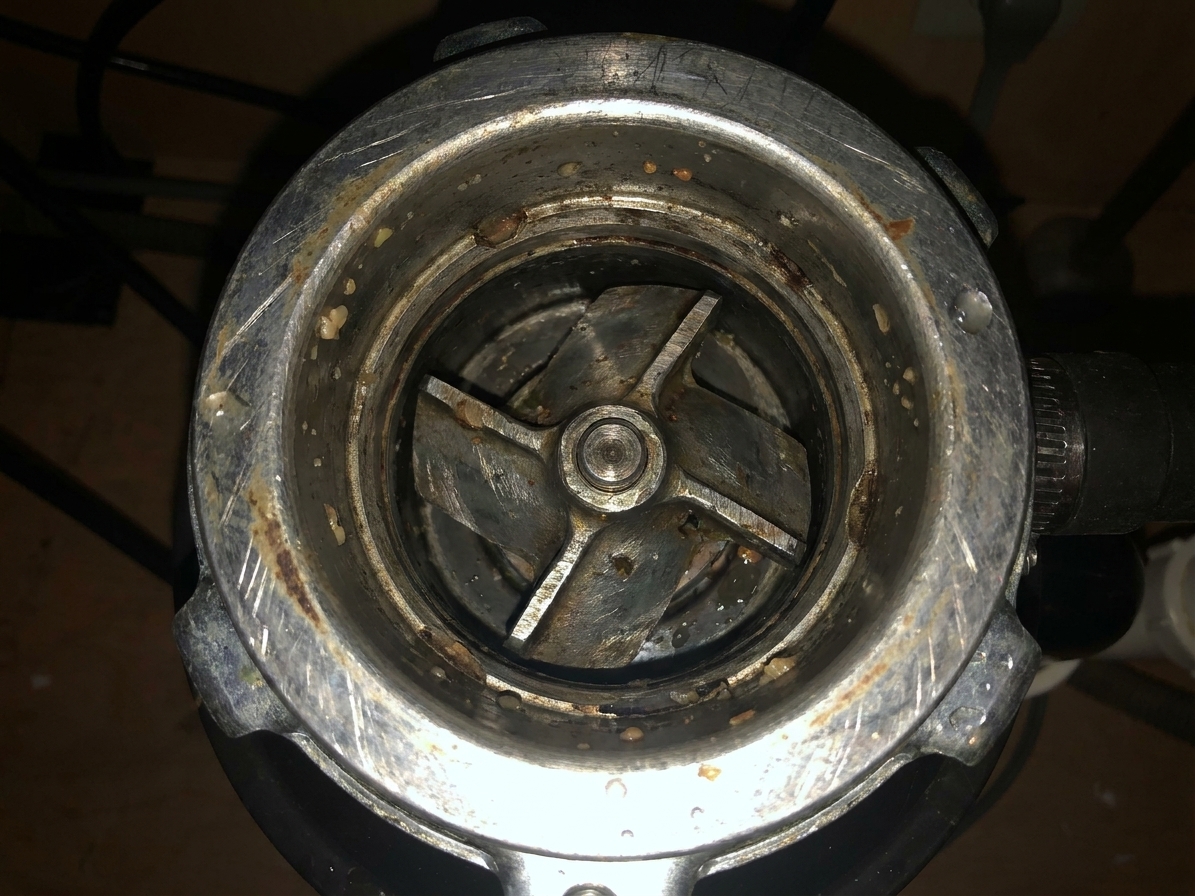
- Grinding ring and impellers: They can get rounded over, pitted, or jam-prone from hard items and repeated stalls.
- Motor and bearings: Excessive load, repeated overheating, and water intrusion shorten motor life.
- Seals and gaskets: The sink flange gasket, tailpipe connections, and internal seals can degrade and begin leaking.
- Corrosion: Standing water, salty liquids, and harsh chemicals speed up rust and pitting, especially on lower-end housings.
Signs your disposal is near end of life
A disposal does not always die dramatically. Often it gets louder, weaker, and fussier until you realize you have been tiptoeing around it for months.
1) It is loud in a new, unpleasant way
Some noise is normal, but these are red flags:
- Metallic rattling or clanking that persists after you remove anything stuck
- High-pitched squeal that suggests bearing trouble
- Grinding that sounds rough, like rocks in a coffee grinder, even with soft food
2) It hums but does not spin (and keeps doing it)
A humming disposal may just be jammed, but if you are resetting it often, the motor may be weakening or the grind parts may be damaged.
If your model has a hex socket on the bottom, you can often free a jam by inserting the correct hex key and rocking it back and forth with the power off. Many units also have a small red reset button on the bottom.
3) It trips the reset button or breaker repeatedly
Occasional overload happens. Repeated overload can mean a failing motor, binding bearings, or chronic jams.
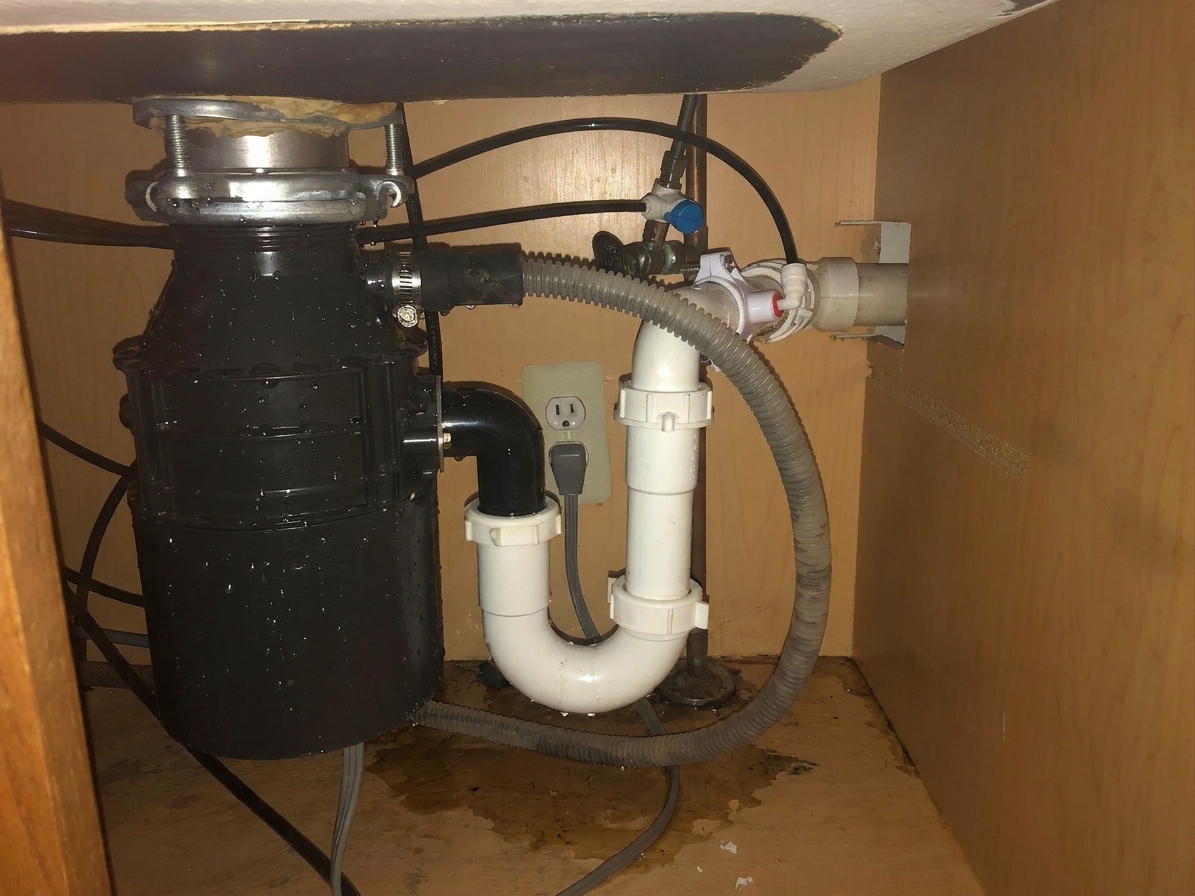
4) It leaks from the body of the unit
Leaks at a connection are often repairable. A leak from the disposal housing itself is usually an internal seal or corrosion issue, and replacement is typically the right move.
5) It drains slowly even after you clear the trap
If the disposal is no longer moving food along efficiently, you may be dealing with internal buildup, weakened grinding action, or recurring partial clogs in the disposal outlet.
Also keep in mind that a slow sink is not always the disposal. The clog can be downstream in the branch line, especially if both sink bowls drain poorly or a dishwasher backs up too.
6) It smells no matter what you do
Persistent odor can come from food buildup under the splash guard or inside the grind chamber. If deep cleaning helps only briefly, the unit may have rough, pitted surfaces that hold gunk.
Maintenance habits that help it last
You do not need fancy routines. You need consistent, gentle habits that prevent jams and corrosion.
Run plenty of water
- Turn on cold water before starting the disposal.
- Keep it running for 15 to 30 seconds after the grinding sound clears to flush the line.
- Cold water helps fats stay more solid so they are carried away instead of smearing into pipes.
If you do use hot water, keep it brief and do it after the grinding is done to help rinse non-greasy residue. Either way, avoid putting grease and fats down the drain in the first place.
Feed scraps gradually
Big handfuls are a common reason motors strain and jam. Let the disposal work a little at a time.
Use it regularly (but not as a trash can)
Infrequent use can allow corrosion and stuck parts. Regular use helps keep things moving, but remember a disposal is for small scraps, not full plates of leftovers.
Keep fibrous and starchy foods out
These items shorten lifespan by causing stalls, wraparounds, and gluey buildup:
- Celery, corn husks, artichokes, asparagus ends
- Onion skins
- Potato peels and large amounts of cooked rice or pasta
- Coffee grounds in large quantities
Avoid harsh drain chemicals
Caustic drain openers can damage metal and seals. If you have a clog, mechanical clearing and safe cleaning approaches are better for the disposal and the plumbing.
Simple cleaning that actually helps
- Dish soap + water: A squirt of grease-cutting dish soap while running water can help rinse residue.
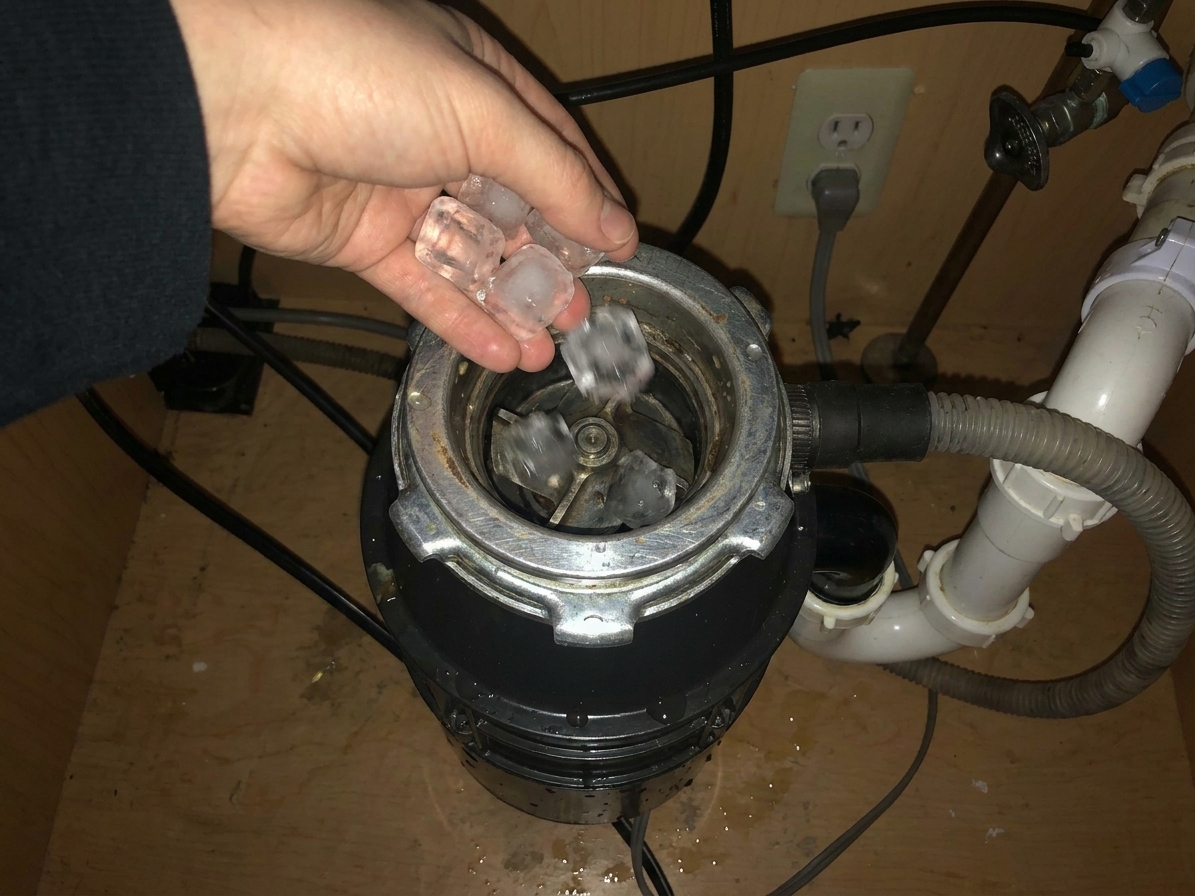
- Ice cubes: A small handful can help knock loose soft buildup. Run cold water and grind briefly.
- Citrus peel (optional): A little lemon or orange peel can freshen odor, but do not overdo it. Too much fibrous peel can contribute to jams.
When replacement beats repair
If your disposal is acting up, the decision is usually about leaks, age, and repeat failures.
Replace it if any of these are true
- It is leaking from the disposal body (not a slip joint or the sink flange).
- It is 8 to 10+ years old and you are facing a meaningful repair bill.
- It frequently hums, jams, or needs resetting even after you clear obstructions and clean buildup.
- Corrosion is visible on the housing or at seams, especially if you see pitting or rust trails.
- You want quieter operation and your current unit is loud by design. Noise is a quality-of-life issue, and newer insulated units can be a big upgrade.
Troubleshoot first in these cases
- It is new-ish (under 5 years) and the problem is a jam, a simple clog, or a loose connection.
- It is leaking at the tailpipe, dishwasher inlet, or sink flange and the unit body is dry. Those are often fixable with new gaskets, tightening, or resealing.
- It just stopped suddenly and the reset button or breaker has not been tried yet.
Safety reminder: Always cut power at the switch and unplug the disposal or shut off the breaker before putting your hands anywhere near the grinding chamber. Use tongs or pliers for retrieval, not fingers.
Repair vs replace guide
If you want a simple workshop rule of thumb, here you go:
- Leak from the housing: replace.
- Repeated electrical trips: if clearing jams and cleaning does not solve it, replace.
- One-time jam: repair or DIY clear.
- Leaking connection: repair first.
- 8 to 15 years old and noisy or weak: replacement is usually the better value.
FAQ
Is 10 years a good life for a garbage disposal?
Yes. Ten years is a solid run for a midrange disposal in many homes. If it is still strong, not leaking, and not constantly jamming, you can keep using it.
Do higher horsepower disposals last longer?
Often, yes. A stronger motor is less likely to stall and overheat under normal use. Lifespan still depends on build quality and habits, but higher horsepower can reduce strain.
Can a garbage disposal last 20 years?
It is possible, especially with light use and a well-built unit, but it is not typical. At that age, seals and corrosion become the main enemies, even if the motor still runs.
Does running hot water help a garbage disposal?
Cold water is usually better during grinding because it helps flush fats along. Hot water can be helpful briefly after grinding to move non-greasy residue, but it is not a fix for grease. Avoid putting grease and fats down the drain regardless.
My disposal is loud but still works. Should I replace it?
If it is loud due to wear, rough grinding, or bearing noise, that can be an early end-of-life sign. If it is simply an older, non-insulated model that has always been loud, replacement can be a comfort upgrade rather than a necessity. If the noise is new or worsening, treat it as a warning flag.