
Does Baking Soda and Vinegar Really Unclog a Drain?
Baking soda and vinegar fizz, but does it clear clogs? Learn what the reaction can and cannot do, how to use it safely, and better ways to unclog a sink or tub.
Good grain. Great questions.
The baking soda and vinegar drain trick is a classic because it looks like it is working. You pour, it foams, it hisses, and you can practically hear the clog surrendering. But drains do not unclog based on vibes. They unclog when something dissolves, breaks up, or gets pulled out.
So does baking soda and vinegar really unclog a drain? Sometimes a little, mostly for minor grime and odor. For most real clogs, it is not strong enough, and in a few situations it can even make the next steps harder.
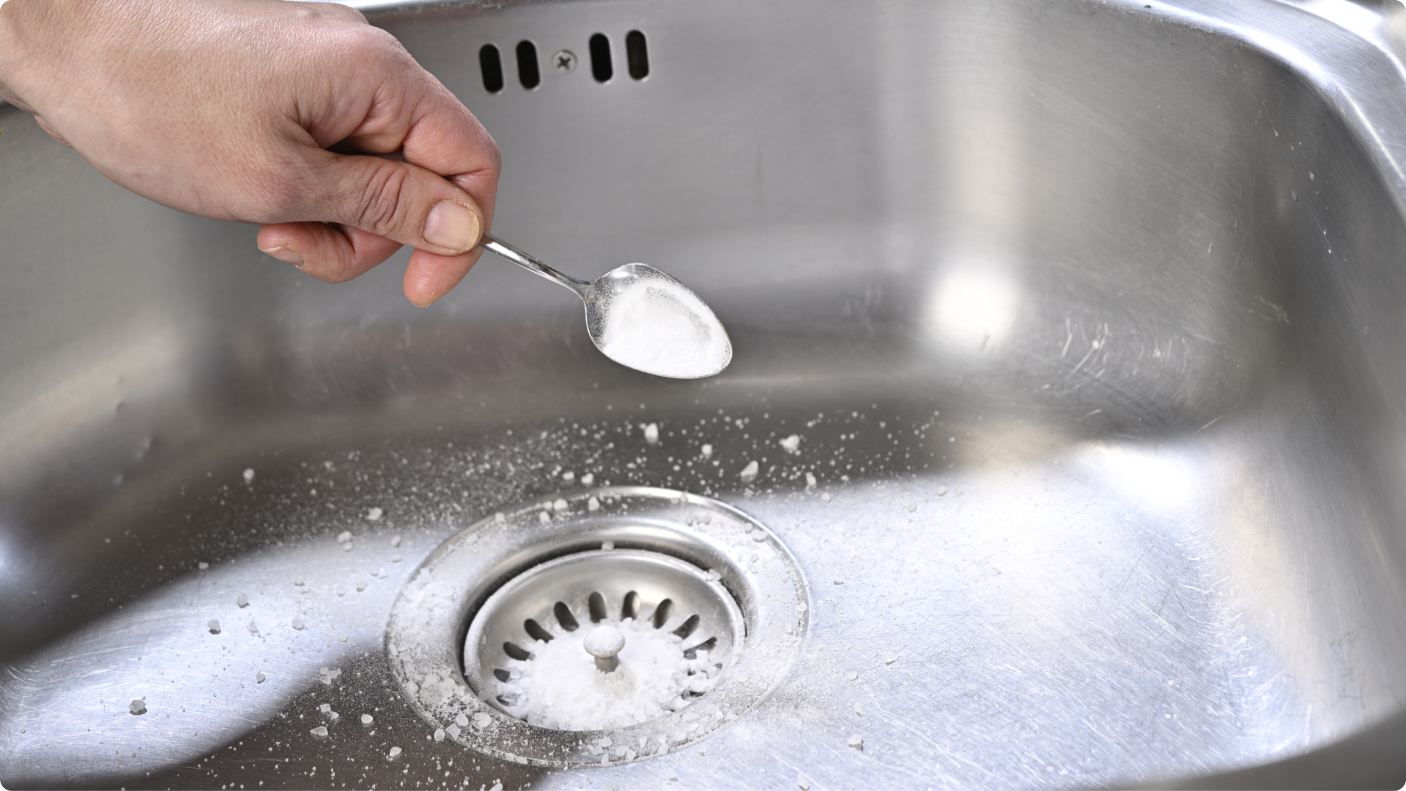
What the fizz does
When baking soda (sodium bicarbonate) meets vinegar (typically about 5% acetic acid in water), you get a bubbly reaction that produces carbon dioxide gas, water, and a salt (sodium acetate). In a real sink, the exact mix varies because nothing is lab-pure and drains are already wet.
What that means in drain terms:
- The bubbling can agitate a little gunk on the surface of a slow drain.
- The liquid can help rinse loosened grime if you follow with hot water.
- It may help reduce odors by loosening light film near the top of the line, but the flush usually does most of the odor-improving work.
What it does not mean: it does not create a powerful drain-clearing chemical that melts a clog. The acid and base mostly neutralize each other fast. After the show, you are left with mostly water and dissolved salts. The foam is satisfying, but it is not the same as dissolving hair or digesting grease.
What it helps with
A quick diagnostic that saves time: bathroom clogs are usually hair and soap film. Kitchen clogs are usually grease and food. Baking soda and vinegar sits in the “light cleaning” lane for both.
It can help with
- Minor slow drains where buildup is thin and recent.
- Smelly drains caused by light film in the first stretch of pipe.
- Routine maintenance rinses when you already keep hair and grease out.
It usually cannot touch
- Hair clogs in bathroom sinks, tubs, and shower traps. Hair is stubborn, and the reaction is not a hair solvent.
- Grease plugs in kitchen lines. Hot water and dish soap can help with light grease, but serious grease needs mechanical clearing.
- Soap scum plus mineral scale that has hardened over time. Vinegar is mild and gets diluted fast in a drain.
- Food scraps, coffee grounds, rice, or fibrous peelings that have packed into a bend.
- Something is stuck like a bottle cap, a toy, a toothbrush, or a wad of paper.
- Main line problems or repeated backups across multiple fixtures. That is bigger than a sink remedy.
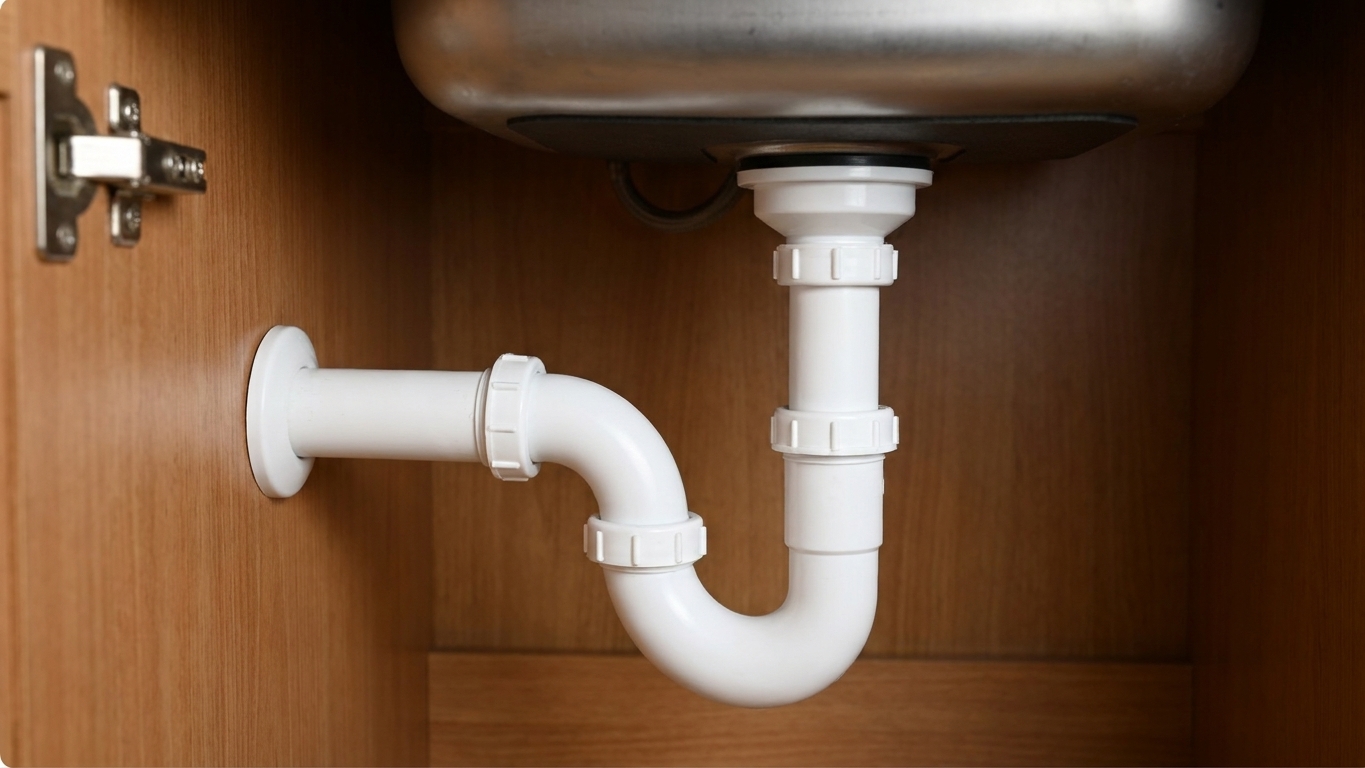
If your sink is totally blocked, only drains temporarily after plunging, or backs up again within a day, baking soda and vinegar is rarely the fix. At best it freshens things up while the clog remains.
How to use it safely
If you want to try it, do it like a gentle cleaning step, not a miracle unclogger.
Best method for a slow drain
- Remove standing water if you can. A cup or small bowl works.
- Add baking soda: pour about 1/2 cup down the drain. If the drain opening is wet, it may clump. That is fine.
- Add vinegar: pour about 1/2 cup white vinegar slowly.
- Cover the drain with a stopper or a damp rag for 10 to 15 minutes. This helps keep the fizz working in the pipe instead of foaming up into the sink.
- Flush with hot water: run very hot tap water for 1 to 2 minutes. If you have plastic drains or traps, avoid pouring a full kettle of near-boiling water straight into the opening. Very hot tap water is the safer default.
Safety rules that matter
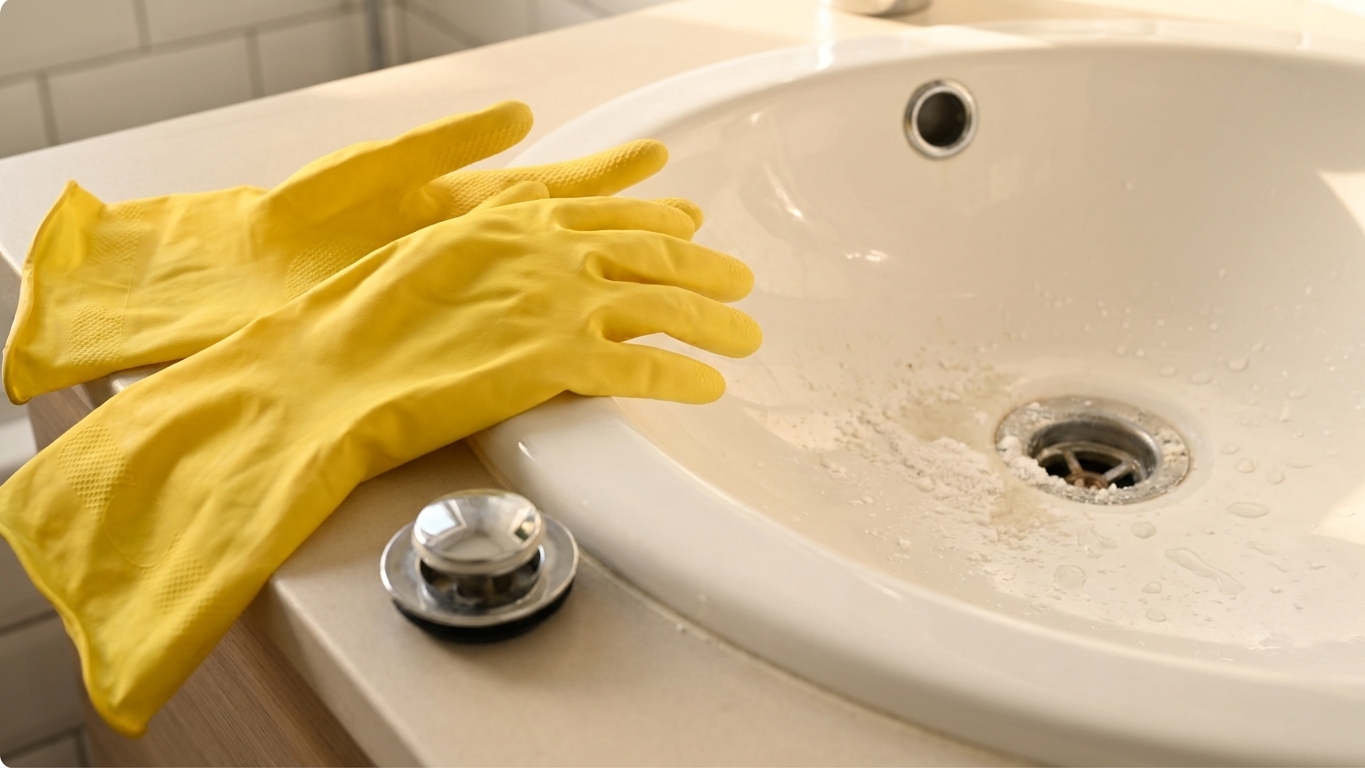
- Do not mix with commercial drain cleaners. If there is any chance a chemical cleaner was used recently, skip the vinegar. Mixing chemicals can create dangerous splashes or fumes. If you already used a drain cleaner, follow the product label and consider calling a plumber if the clog persists.
- Do not expect it to fix repeated clogs. Repeating the same mild reaction usually just wastes time and delays effective mechanical clearing.
- Use ventilation. Vinegar smell is not toxic, but it is strong up close. Also, do not lean directly over the drain while it is reacting.
- If you have a disposal, keep powders out of it. If a garbage disposal is slow or jammed, do not dump baking soda into it hoping for a fix. Follow the manufacturer-safe steps, and work the clog from the sink side with hot water flow, a plunger, or a plumber if needed.
Knob’s workshop reminder If you suspect a grease clog, skip the vinegar-and-baking-soda duet and go straight to mechanical clearing. Also, do not keep chasing grease with hot water alone. It can move softened grease downstream where it cools and hardens again.
Why it seems to work
If someone pours baking soda and vinegar down a slow drain and it improves, one of these is usually true:
- The clog was never a real clog. It was light slime, a bit of soap film, or a small pocket of debris.
- The hot water flush did the heavy lifting. Heat and flow can move soft gunk along.
- Time did the heavy lifting. A slow drain can clear temporarily as water level changes and debris shifts.
None of that makes it a bad trick. It just puts it in the right job category: light cleaning, not clog removal.
Better unclog options
If you want a higher success rate, match the tool to the clog. Here are the reliable go-tos.
1) Pull hair and gunk
For bathroom sinks, tubs, and showers, clogs often live right under the stopper or strainer.
- Remove the stopper or strainer.
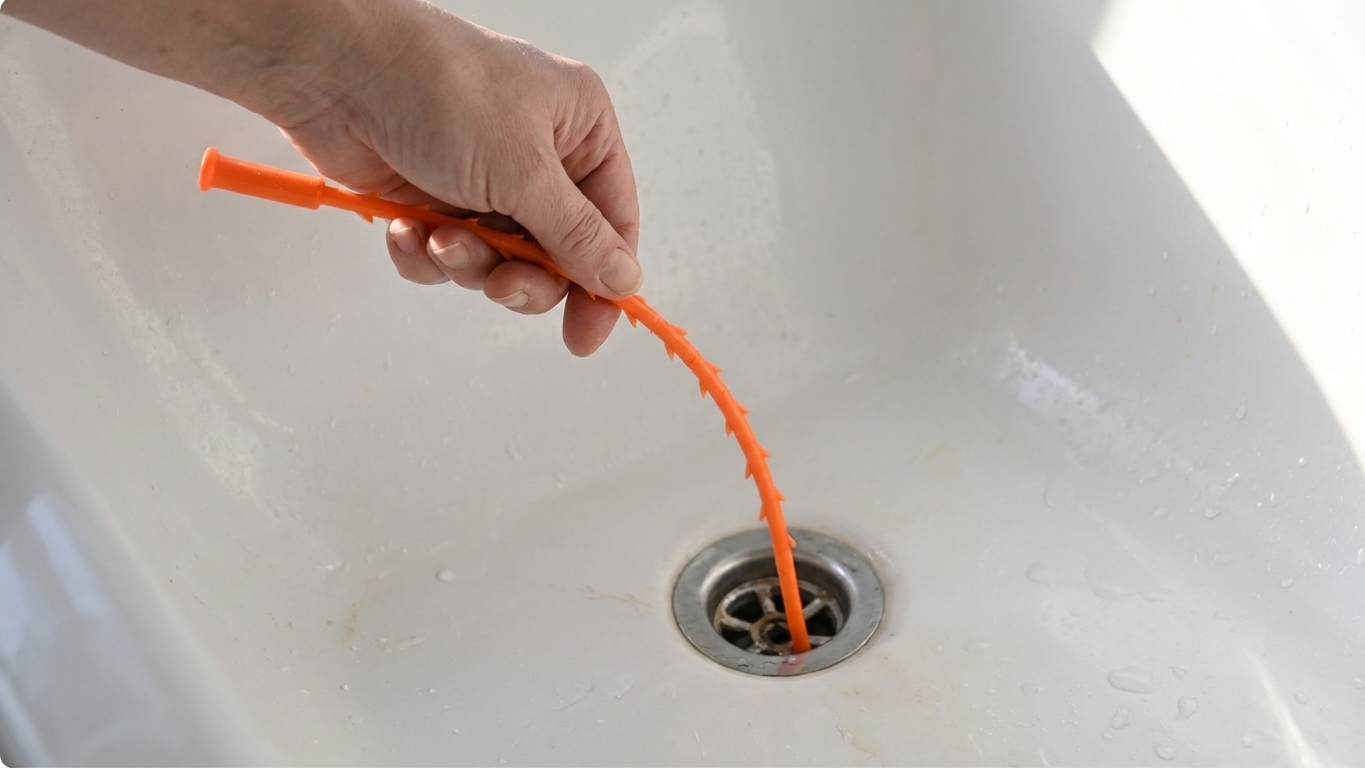
- Use a plastic drain snake (zip tool) or hemostats to pull out hair and sludge.
- Flush with hot water.
2) Plunge the right way
A plunger is not just for toilets. A cup plunger works great on sinks and tubs when you get a good seal.
- Block the overflow opening with a wet rag.
- Add enough water to cover the plunger cup.
- Plunge in firm, steady strokes for 15 to 30 seconds.
- Test, then repeat once if needed.
3) Clean the P-trap
If the clog is in the bathroom sink trap, you can often fix it with a bucket and a little patience.
- Put a bucket under the trap.
- Loosen the slip nuts and remove the curved section.
- Dump and scrub out the trap.
- Reinstall and check for leaks.
4) Use a hand auger
When the blockage is past the trap, a small hand auger is usually more effective than any home kitchen chemistry set.
Clogs it will not fix
Some problems are telling you, plainly, that you need a different approach.
- Multiple fixtures backing up (sink plus tub, or toilet plus shower). That points to a branch line or main line issue.
- Water rising in another drain when you run a sink or flush.
- Gurgling plus sewer smell that does not go away after simple cleaning.
- Recurring clogs every few days or weeks even after you remove hair and clean the trap.
Stop and get help If you have used a chemical drain opener and the drain is still blocked, be cautious about plunging or disassembling pipes. Chemical splash burns are no joke. When in doubt, call a plumber and tell them exactly what you used.
So, should you use it?
Use baking soda and vinegar when you want a gentle refresh for a slightly slow or smelly drain, and you plan to follow with a good hot water flush.
Skip it when you have a true clog you can feel with symptoms like standing water, repeated backups, or a tub that drains only after a long wait. In those cases, go mechanical first: pull the hair, plunge correctly, clean the trap, then snake.
That is the workshop way. Make the simple thing do the simple job, then bring out the right tool when it is time.
FAQ
Can I use baking soda and vinegar every week?
Occasionally is fine for most drains as a light cleaning rinse, especially if you follow with hot water. Weekly is usually unnecessary. Preventing clogs with hair catchers and keeping grease out of the sink does more.
Does it work better if I use boiling water?
Be careful. Very hot water is useful, but near-boiling water dumped quickly into some plastic drain setups can soften parts or stress older connections and washers. Very hot tap water is a safer default. If you have metal pipes, the pipe itself is less sensitive, but splash burns are still a risk.
What about adding salt, dish soap, or lemon?
Dish soap can help emulsify light grease during a hot-water flush, but it still will not dissolve a grease plug on its own. Lemon juice is just another mild acid. Salt does not add meaningful unclogging power in this reaction.
Why did it foam up into my sink instead of going down?
That often means the drain is already restricted near the top. Remove the stopper or strainer and pull out debris first. If water cannot pass, foam will not either.