
Backwater Valves: What They Do and When You Need One
A backwater valve helps stop sewage from flowing backward into your home during a municipal sewer backup. Learn how it works, who needs one, costs, installation basics, and maintenance.
Good grain. Great questions.
If you have a basement, a floor drain, and the kind of luck that attracts “once-in-a-decade” rainstorms, a backwater valve is worth knowing about. It is a simple device with a big job: stopping sewage from flowing the wrong direction and coming up through your lowest drains.
Think of it as one more shop-grade safeguard between your house and the street sewer on its worst day.
Let’s sort out what it is, when it makes sense, and what owning one actually asks of you.
What a backwater valve is
A backwater valve is a one-way valve installed on a home’s drain line. It is designed to allow wastewater to leave your house but block sewage from the municipal sewer from flowing back in when the street sewer is overloaded.
When city mains surcharge during heavy rain, snowmelt, or system blockages, pressure can push sewage backward. Without protection, that backflow takes the easiest path up, which is often the lowest openings in your home like a basement floor drain, a first-floor shower, or a laundry standpipe.
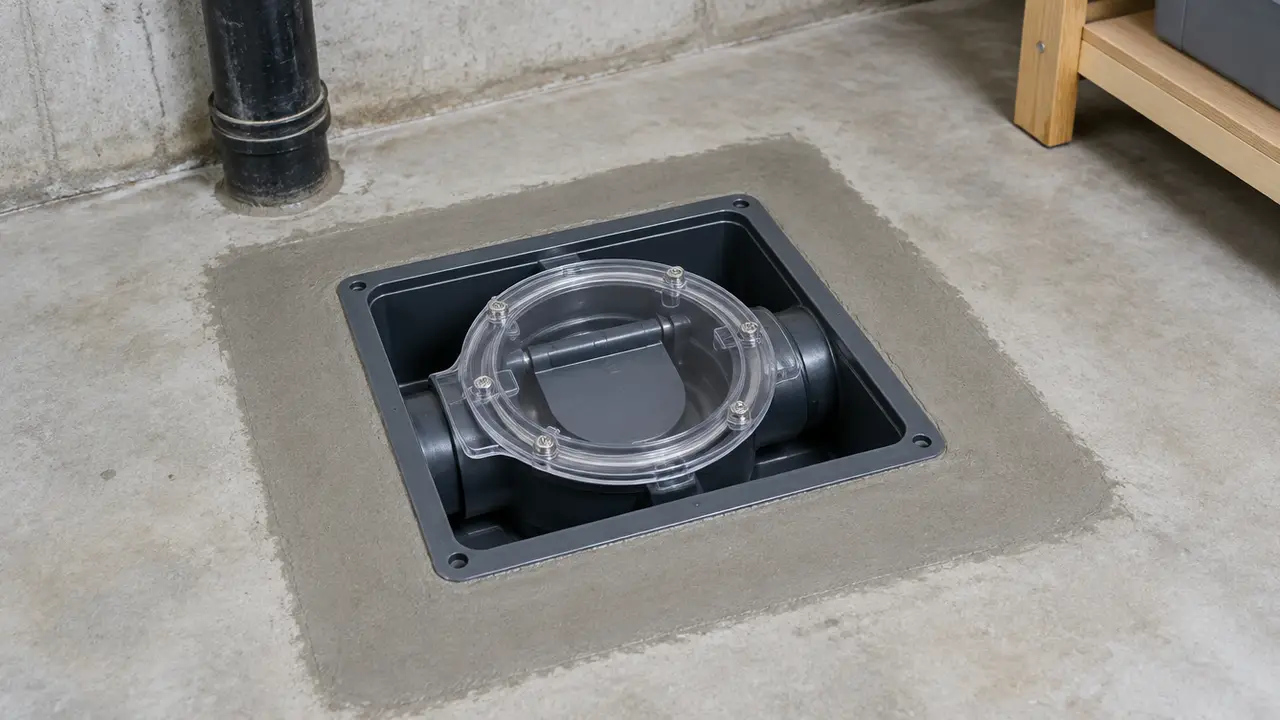
How it stops sewer backflow
Many common residential backwater valves use a flapper-style gate or swing gate inside the pipe. Some designs use a floating mechanism. Different hardware, same goal: let flow go out, stop it from coming back in.
- Normal flow out: Wastewater from sinks, toilets, tubs, and laundry pushes the gate open as it exits the house.
- Reverse flow in: If sewage tries to come back toward the house, the gate is pushed closed, sealing against a seat to block the backup.
Most serviceable models include an access cover so the gate can be inspected and cleaned. Some also include a manual shutoff or lock-down feature. That feature varies by model and it matters: it is typically used to intentionally block flow (including outflow) in specific situations, which can increase the risk of an internal backup if you keep using plumbing during a surcharge event.
Workshop reality check:
If the gate cannot close because of debris, grease buildup, or a stuck hinge, the valve cannot do its job. A backwater valve is protection, not a set-it-and-forget-it gadget.
Valve terms
These terms get tossed around like loose screws on a workbench. Here is the quick sorting:
- Backwater valve: Typically installed on the building drain or building sewer (main line or a branch, depending on layout and code) to prevent sewage from backing up into the home from the municipal sewer.
- Check valve: A general one-way valve used in many plumbing situations, often seen on sump pump discharge lines to prevent pumped water from flowing back into the pit.
- Backflow preventer: Often refers to devices that protect the potable water supply from contamination, such as on irrigation systems or hose bibs. Different job, different risks.
If your concern is sewage coming up through basement drains during storms, you are usually talking about a backwater valve.
Do you need one?
You are the best candidate for a backwater valve if your home is more likely to be on the receiving end of a surcharged sewer main. Common “yes, consider it” signals:
Best-fit situations
- Basement fixtures below street level, especially a basement bathroom, shower, or laundry drain.
- A basement floor drain that has ever gurgled, overflowed, or smelled strongly after big storms.
- Older neighborhoods with combined storm and sanitary sewers or aging sewer mains.
- Flat lots or low-lying homes where the municipal system can surcharge during heavy rain.
- History of sewer backups on your street or in nearby homes.
When it may not help
- Your backups are from inside-the-house clogs (toilets, branch lines, kitchen grease). A backwater valve will not fix a blocked line downstream of your fixtures.
- You are on a septic system. Municipal sewer surcharge is not your issue, though you can still have other backup causes.
- No below-grade fixtures and your lowest plumbing is well above likely surcharge levels. Risk is typically lower, not zero. If a street sewer surcharge rises high enough, even first-floor fixtures can be affected.
Important: If you have a history of backups, confirm whether they were caused by a municipal sewer event or a private line problem. Your city’s sewer department, a licensed plumber, or a drain camera inspection can help pinpoint the source.
Installation basics
Backwater valves are commonly installed to protect the lowest drains in the home, but the exact location varies. In many houses the valve is installed on the main building drain before it exits the house. In other cases it is installed on the building sewer just outside the foundation, or on a specific branch like a basement bathroom group. Placement is part plumbing layout, part code, part practicality.
Either way, this is typically a permit and inspection job.
Typical steps
- Locate the main line and choose placement so the valve protects the drains you care about.
- Access the pipe, often by opening a basement slab or working in a crawlspace, sometimes by excavating outside.
- Install the valve body with correct orientation and slope, then solvent-weld or clamp-connect depending on material and local code.
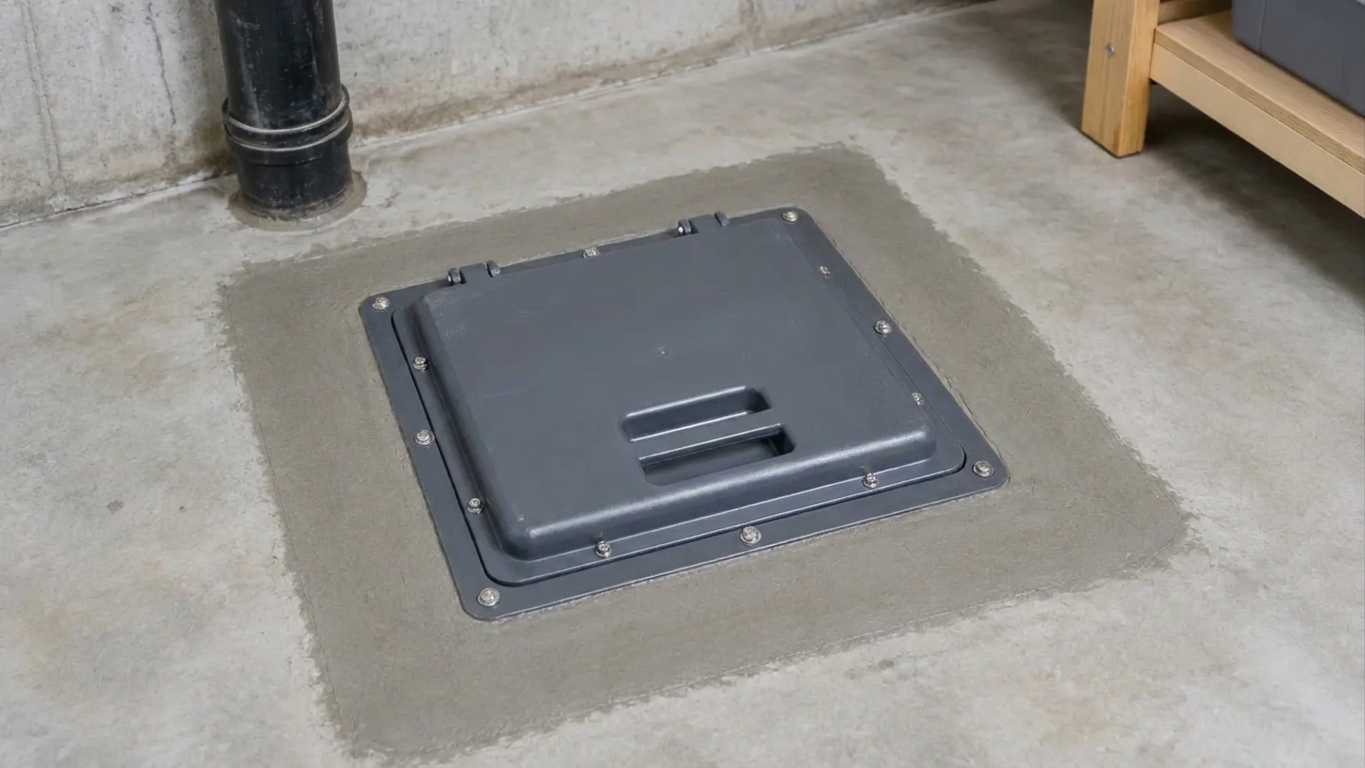
- Add an access box and cover flush with the finished surface so it can be serviced later.
- Test and inspect, then restore concrete or backfill.
Code and approved types
Local rules can be picky here, and for good reason. Some jurisdictions require specific standards approvals, certain designs, or specific installation details to ensure the valve is serviceable and does not create new problems. Ask your plumber what is approved in your area, and do not treat this as a “close enough” parts-counter project.
Cost
Costs vary widely because labor and access are the big variables. The valve itself is usually a modest portion of the total. What moves the needle is access, pipe material, how much concrete must be opened and repaired, exterior excavation needs, and permit requirements.
Typical ranges
- Valve materials: often a few hundred dollars, depending on size and design.
- Installed cost: commonly around $1,000 to $5,000+ in many U.S. and Canadian metro areas, sometimes more in complex situations. Get local quotes.
Some municipalities and insurers offer rebates or incentives for backwater valves or other flood mitigation. It is worth checking your city’s sewer utility page and your homeowner’s policy language.
Maintenance
A backwater valve is only dependable if it is kept clean and able to move freely. The good news is that maintenance is usually simple. The not-so-fun news is that it is not optional.
How often to inspect
Follow the manufacturer and local guidance, but a practical rule of thumb is:
- Inspect at least once or twice a year.
- Inspect after any known sewer backup event on your street.
- Inspect after major remodeling that could have introduced debris into drains.
What you are checking
- Debris that could keep the gate from sealing (wipes, hair, grit, small objects).
- Grease or sludge buildup that makes the gate sluggish.
- Damage to the flap, hinge, or sealing surface.
- Water standing in the access box that suggests other drainage issues.
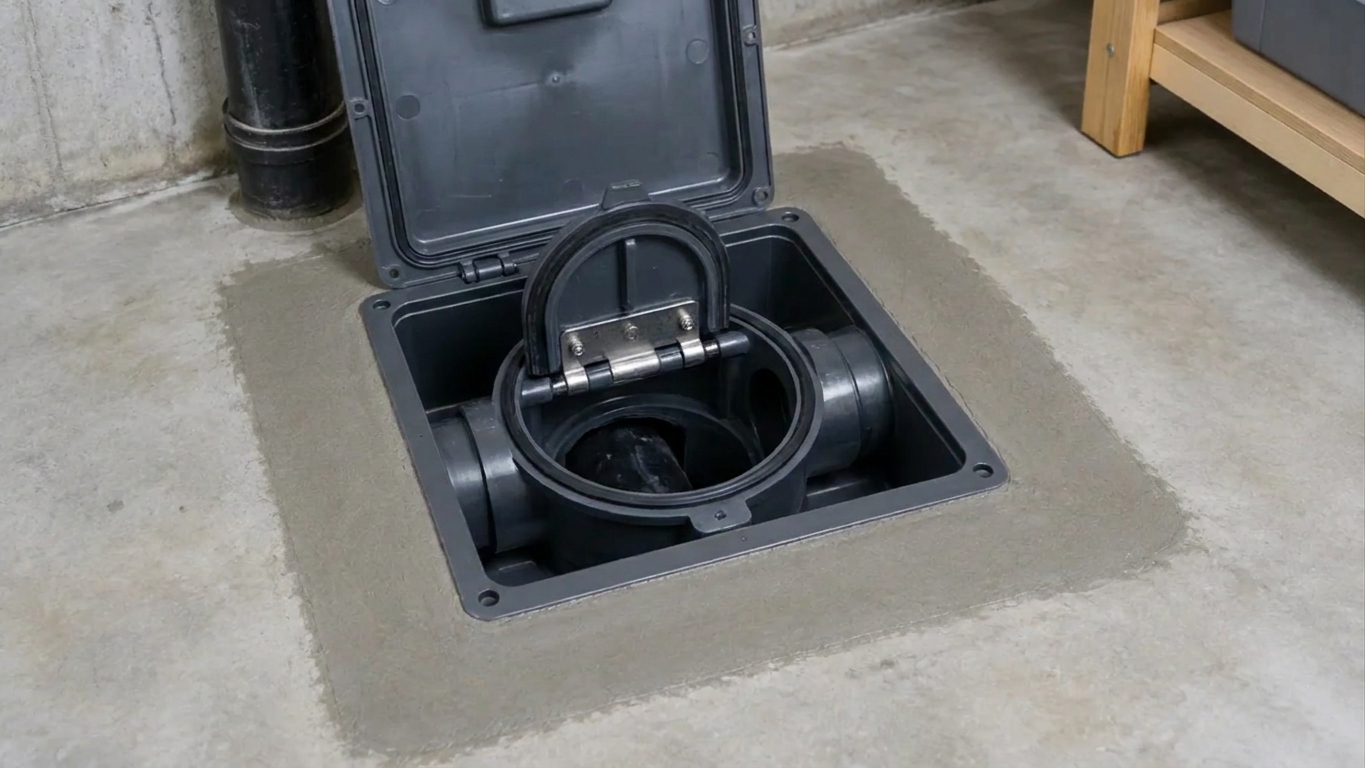
Basic cleaning
- Wear gloves and eye protection.
- Open the access cover carefully.
- Remove debris as needed and wipe the sealing surfaces clean.
- Confirm the gate swings freely and closes fully.
- Re-seat and tighten the cover so odors do not escape.
Safety note: Sewer systems can contain bacteria and harmful gases. If you see heavy buildup, cannot access the valve safely, or suspect damage, call a licensed plumber.
What to do during a backup
If you suspect the street sewer is backing up, treat your drains like a loading dock with the doors shut. Keep adding water and it will stack up somewhere.
- Stop using water: no showers, laundry, dishwashers, or extra sink use.
- Avoid flushing unless absolutely necessary.
- Keep people off the basement floor drain area and move valuables up.
- Once the event passes, check the access cover area for signs the valve operated and inspect if needed.
Downsides
Backwater valves are helpful, but they come with tradeoffs. Here are the common ones homeowners are surprised by:
- When the valve closes, your drains may not drain. If the municipal sewer is pushing back and the valve is shut, your home’s wastewater has nowhere to go. Using sinks, showers, dishwashers, or toilets during the event can cause an internal backup.
- Access must stay accessible. If you finish a basement, do not bury the service cover under built-ins or permanent flooring without an access plan.
- It does not cover every backup scenario. Depending on where the valve is installed, it may not protect you from a blockage in your private sewer line downstream of the valve location.
- Not all products and installations are equal. The correct size, orientation, and location matter, and local code may specify approved types.
- Maintenance is required. A stuck gate is like a locked door that never closes.
Questions to ask
- Has there been a documented municipal sewer surcharge problem in this area?
- Where is my main building drain or building sewer, and what is the best valve location to protect my lowest fixtures?
- Will the valve protect the whole house or only certain branches?
- Is an interior or exterior installation typical here, and why?
- What permits and inspections are required here?
- Which valve types are approved by local code, and why?
- How will the access cover be finished so I can service it easily?
- What is the maintenance schedule and what parts typically wear out?
FAQ
Will a backwater valve stop a clog in my house plumbing?
No. It is meant to stop reverse flow from the municipal sewer. If your line is clogged downstream of a fixture, you can still back up inside the home.
Do backwater valves prevent sewer smells?
They can help by sealing against backflow, but they are not a substitute for proper traps, venting, and a correctly sealed access cover. If you have persistent sewer odor, it is worth checking floor drain traps, dried-out traps, and cleanout caps.
Can I install one myself?
Because installation often involves cutting into the main drain, working below slab or excavating outside, and meeting plumbing code, this is commonly a licensed plumber job with permits and inspection. In many areas it is not considered DIY-friendly.
What if I already have a sump pump?
A sump pump helps manage groundwater and perimeter drainage. A backwater valve addresses sewage backflow from the municipal system. They solve different problems and sometimes you want both.
Bottom line
A backwater valve is a one-way gate for your home’s drains. When the city sewer is overwhelmed, it can prevent a miserable and expensive sewage backup into your basement. If you have below-grade fixtures, a history of neighborhood backups, or live in an area prone to sewer surcharge during storms, it is worth a serious look.
Just remember the deal: a backwater valve earns its keep only if you can access it and maintain it. Keep that service cover reachable, put inspections on your calendar, and you will have one more smart layer between your home and the street sewer’s worst day.