
Are Flushable Wipes Safe for Pipes and Septic?
“Flushable” wipes often do not break down like toilet paper. Learn what they do to home plumbing and septic systems, why clogs happen, and what to use and toss instead.
Good grain. Great questions.
If you have ever stood in the bathroom holding a wipe and thinking, it says flushable, so I am good, you are not alone. That one word is doing a lot of heavy lifting.
Here is the straight shop-talk answer: flushable wipes are often not safe for home pipes, and they are usually an even worse idea for septic systems and grinder pumps. Some wipes may make it out of your toilet, but that is not the same as falling apart fast enough to behave like toilet paper.
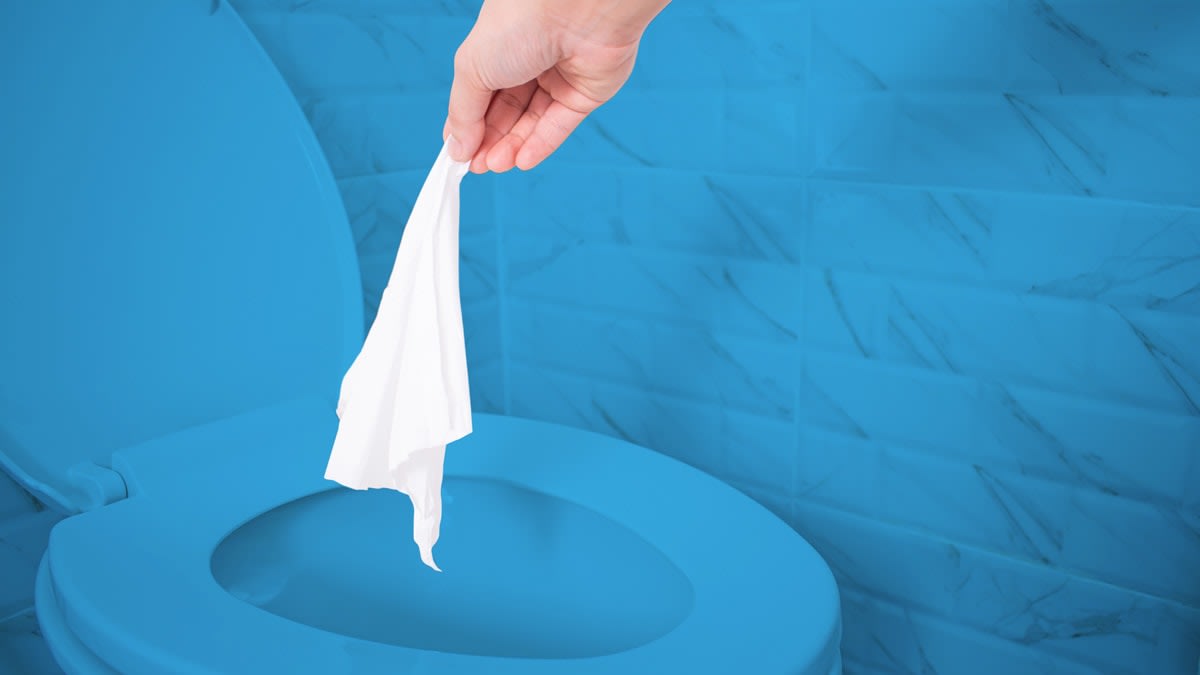
What “flushable” really means
In most stores, the word flushable is a marketing claim, not a guarantee that the wipe will:
- Break down quickly in water
- Pass through your home drain lines without snagging
- Play nice with a septic tank without building up as solids
- Move through pumps without tangling
There is also no single, universally enforced consumer-facing performance standard in the U.S. that guarantees a wipe will behave like toilet paper in every home. There is industry guidance out there, but in the real world the label does not protect your pipes.
Toilet paper is designed to lose strength fast once it is soaked and agitated. Most wipes are designed to do the opposite: stay strong, stay intact, and stay usable. That strength is exactly what makes them risky downstream.
Even wipes sold as “septic safe” can still cause trouble because the issue is not only the septic tank. It is the whole trip. Toilet trapway, main line, house-to-street lateral, septic inlet baffle, effluent filter, pumps, and drain field components.
Why wipes do not act like toilet paper
Toilet paper is made to disperse. Many wipes are made with nonwoven fibers. Some are mostly plant-based (cellulose or viscose blends). Some include plastics like polyester or polypropylene. Either way, most are built to hold together when wet.
In a real plumbing system, “falling apart” has to happen under conditions that are not gentle:
- Low-flow flushes
- Long horizontal runs
- Older pipes with rough interiors or bellies
- Turns, tees, and transitions
- Variable water volume in the line depending on what else is running
A wipe that stays sheet-like for too long becomes a perfect net. It can catch hair, grease, soap scum, and the usual suspects, and then the whole mess starts acting like a rope.
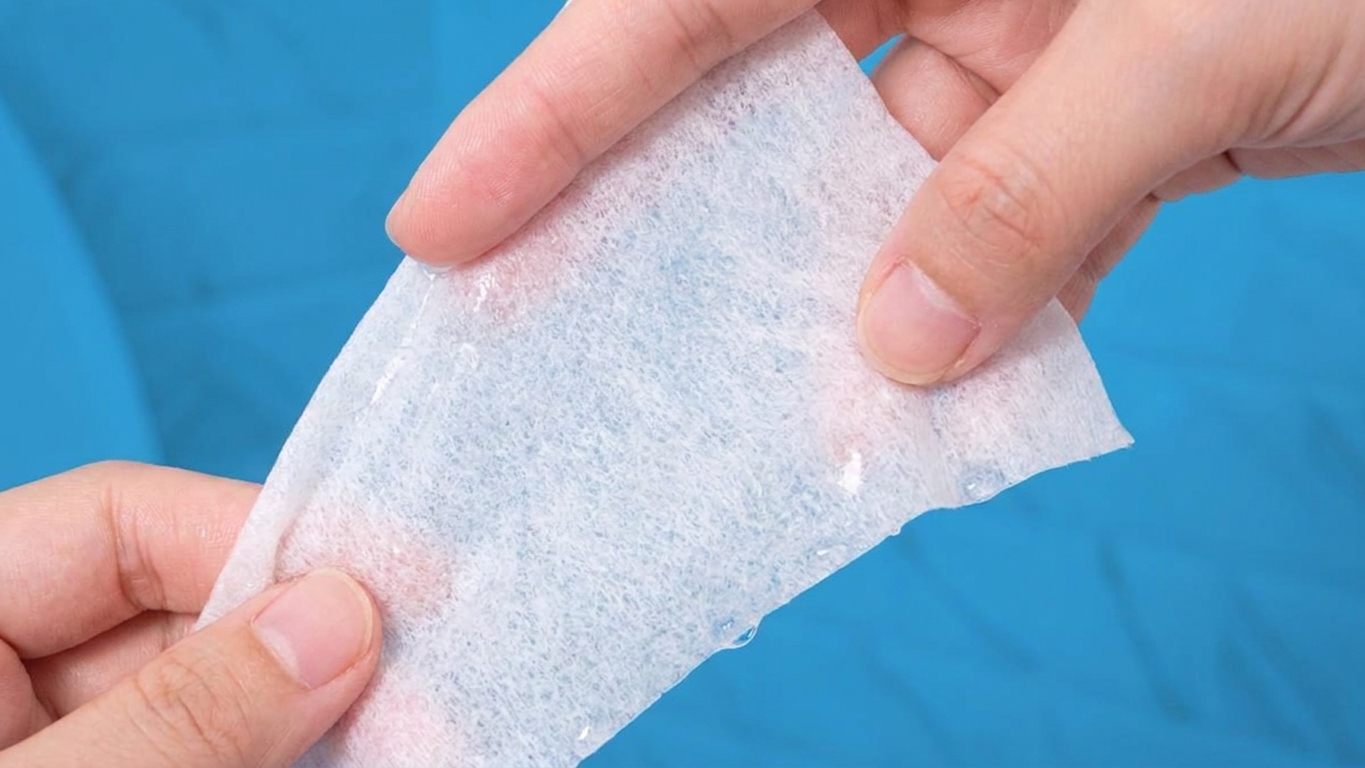
What wipes do to home plumbing
They snag and stack
Most wipe-related clogs are not a single dramatic blockage. They are a slow build. One wipe gets hung up on a rough spot or a small obstruction, then the next wipe grabs onto that, and soon you have a wad that grabs everything else moving through.
They cause the “everything backs up” problem
When a main line starts to plug, you can see:
- Toilets that gurgle or drain slowly
- Tubs or showers backing up when the toilet flushes
- Water appearing around floor drains
- Sewage smells near drains
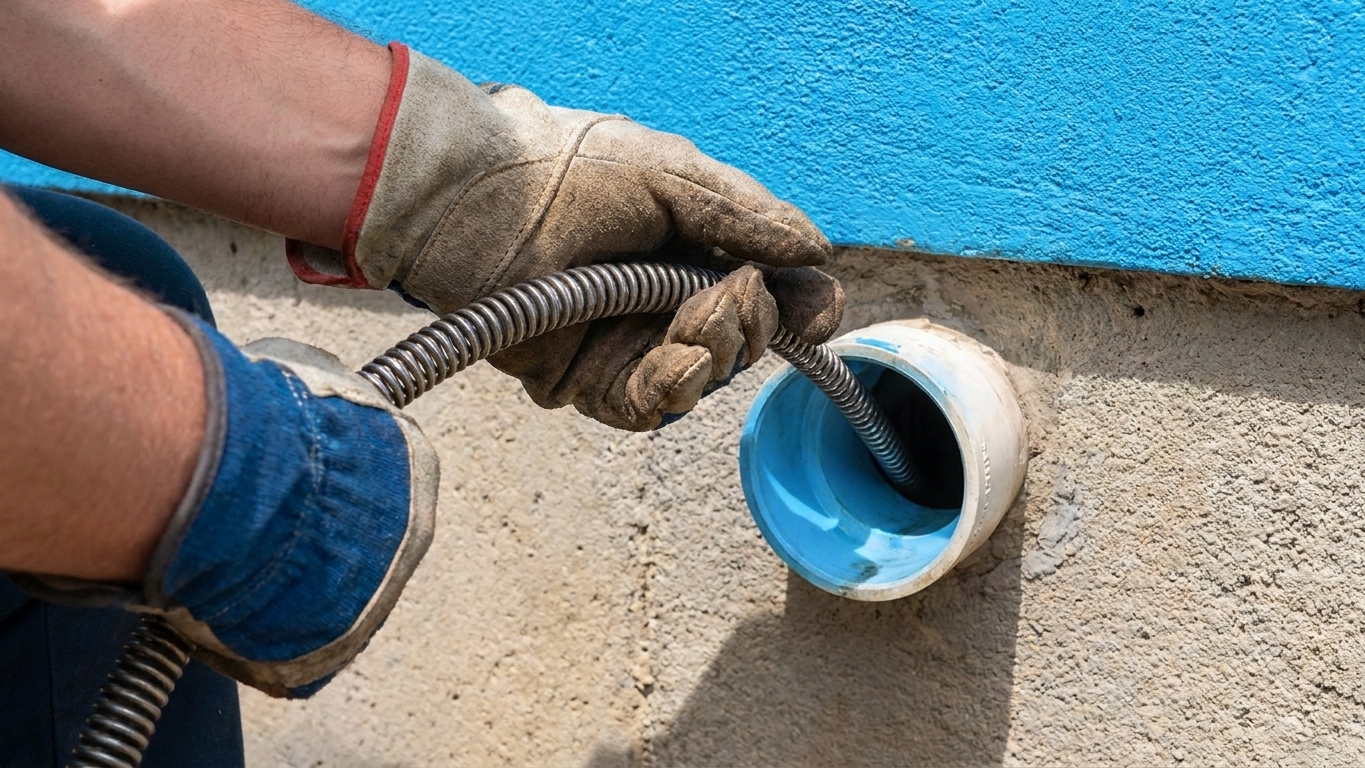
And because wipes do not disperse well, snaking the line can turn into pulling out long, stringy clumps instead of clearing a soft paper plug.
They make drain cleaning uglier
A toilet paper clog can often be cleared with normal plunging or a basic auger. Wipes can wrap around a cable head, pack into bends, and resist tearing. That means more time, more mess, and sometimes a service call.
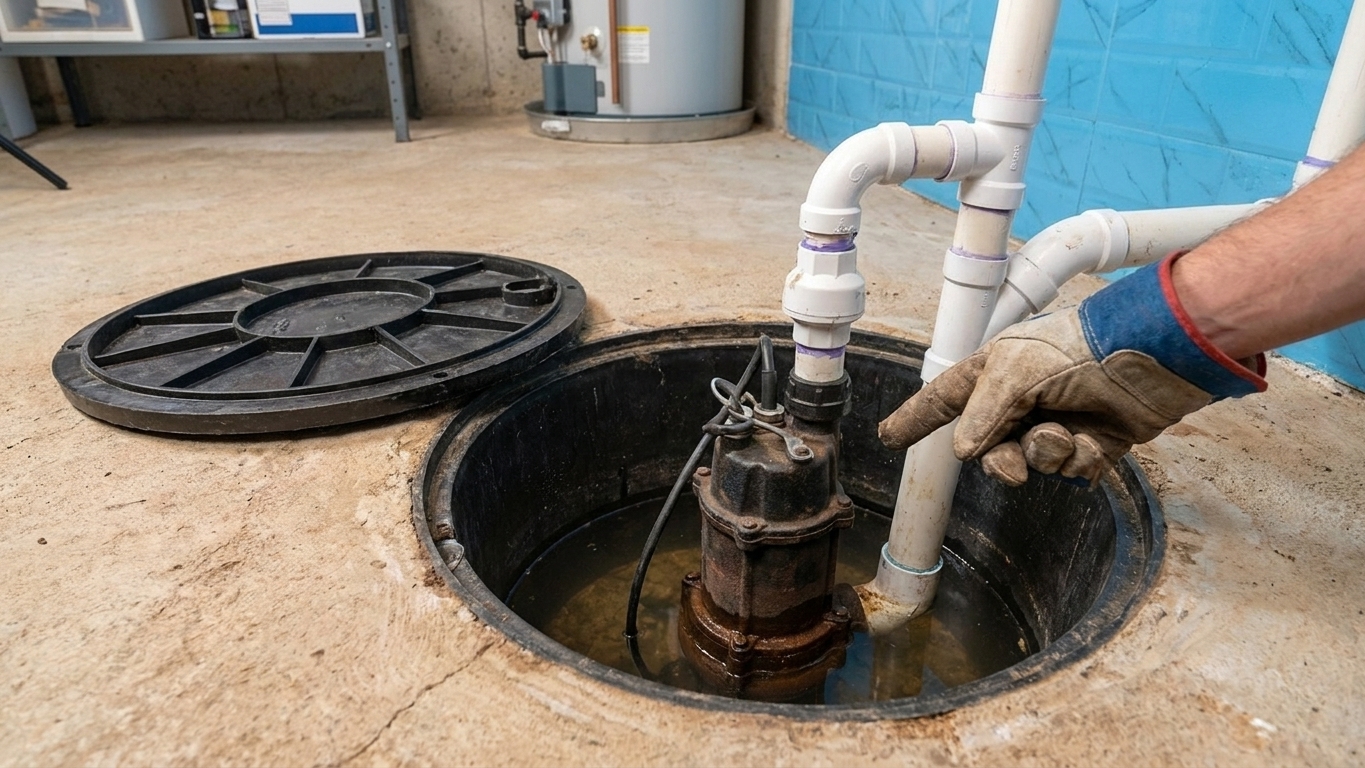
Why wipes are rough on pumps
If your home has any of the following, wipes are a high-risk habit:
- Septic ejector pump
- Grinder pump
- Sewage lift station for a low bathroom
- Basement bathroom that relies on pumping
Wipes can tangle around impellers and floats, jam grinder mechanisms, and create “rag balls” that stop pumps from doing their one job. When that happens, you do not just get a clog. You can get an overflow.
And if you have ever seen one of those rag balls in real life, it looks like a gray, twisted mop head. Wet, heavy, and wrapped tight around anything that spins.
Knob’s shop reminder: A pump does not care what the package said. If it can wrap, it will wrap.
What wipes do to septic systems
Septic systems work by separating and digesting waste. Inside the tank, solids settle, scum rises, and liquid flows out to the next stage. The tank needs a balance of time, bacteria, and separation.
Wipes add solids that do not digest well
Because wipes are tough, they can accumulate as extra solids. That can mean:
- More frequent pumping required
- Higher chance of outlet filter clogging (if you have one)
- More maintenance headaches at the tank, not less
They clog filters and baffles
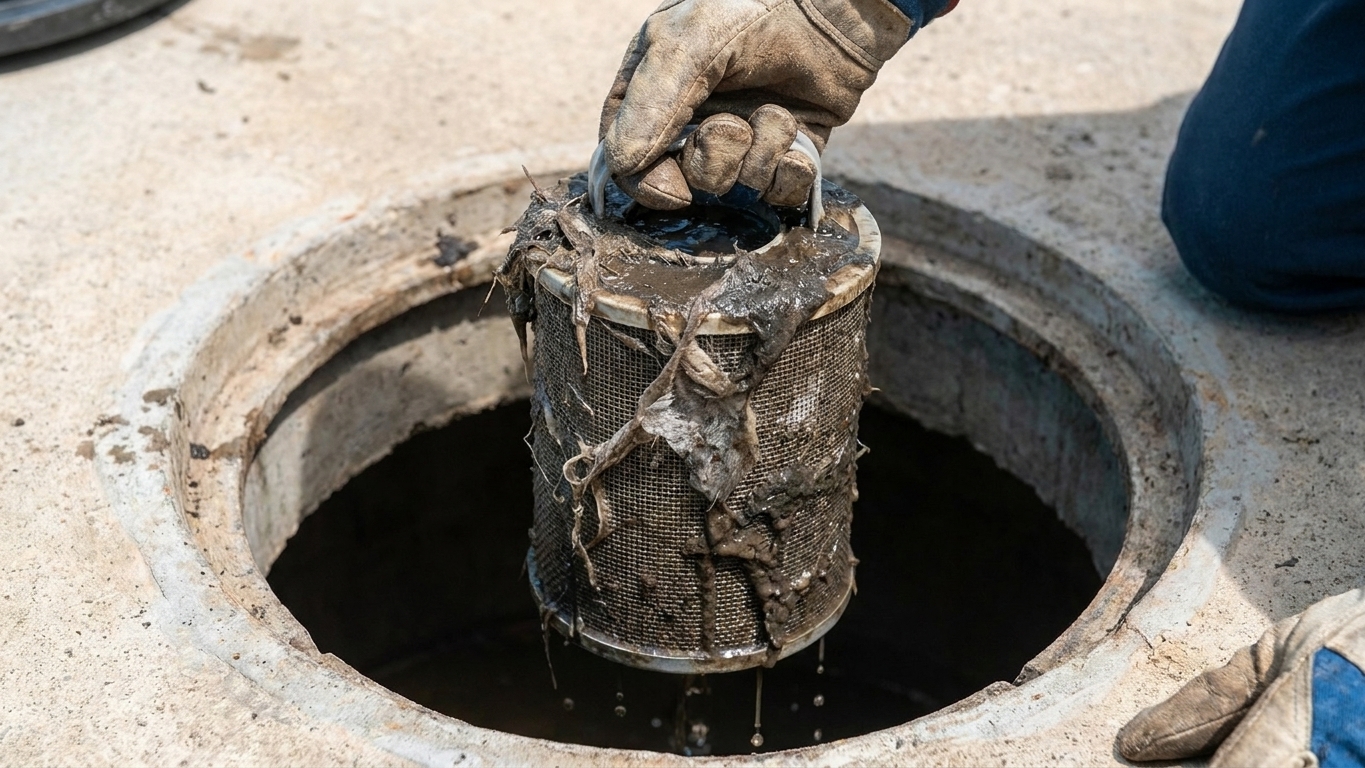
Many septic tanks have an effluent filter at the outlet. It is there to protect the drain field. Wipes can mat on the filter, reducing flow. The result can be slow drains in the house or alarms on pumped systems.
They can set up drain field trouble
Wipes usually stay in the tank as solids or scum, but they can still contribute to drain field problems indirectly. If a filter or baffle clogs and flow gets restricted, the system can short-cycle or get neglected until solids push farther than they should. A drain field wants mostly liquid effluent. When fibers and solids make it past the tank, the field can clog faster, and that is where repairs get expensive.
Why people get away with it
Sometimes a wipe makes it through the system. Sometimes a whole bunch do, until one day they do not.
A few factors that can make it seem fine for a while:
- Short, newer plumbing runs with smooth pipe
- High water volume and frequent use
- No pump equipment in the chain
- Luck, and lots of it
But plumbing is a long game. The risk is not every flush. The risk is the accumulation, the snag, and the day the line is already stressed by grease, roots, or a partial blockage.
Edge cases that are even riskier
Some setups are less forgiving than a typical main-floor bathroom. If any of these apply, treat wipes as a hard no:
- RV or marine toilets
- Macerating toilet systems
- Older homes with low-slope lines or known bellies
- Anything with a pump, even if it is labeled grinder or “handles solids”
What to do instead
Best option: Wipe, then trash
If you like wipes for cleanup, the simplest safe habit is: use it, wrap it, toss it. A small lidded trash can with a liner goes a long way, especially in bathrooms used by guests or kids.
If odor is your hang-up, line the can and tie it off. Some households keep a small roll of disposal bags under the sink. Simple setup, less drama.
Baby wipes vs. personal wipes
Different label, same rule. Baby wipes, personal wipes, and cleaning wipes should all go in the trash.
If you want a wet clean without wipes
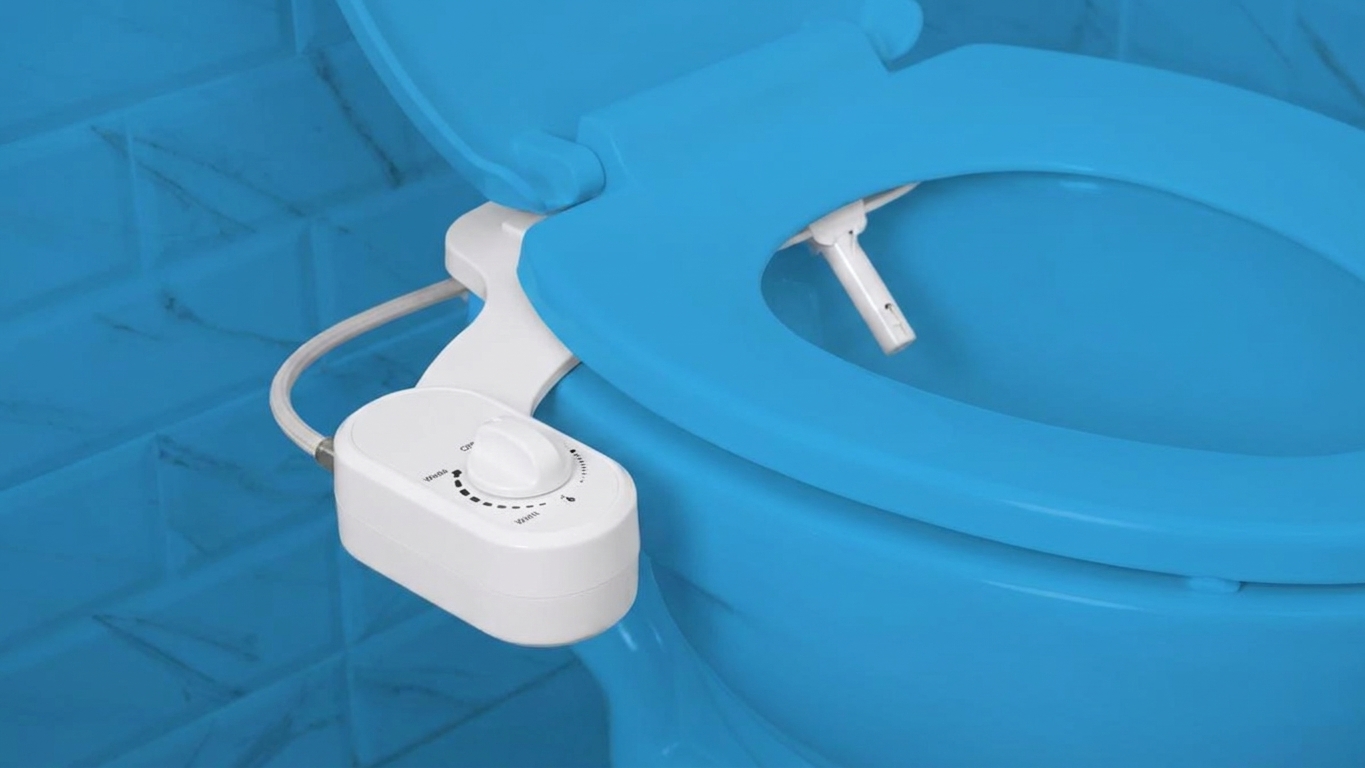
- Bidet attachment: A budget bidet adds cleaning power without adding solids to your plumbing.
- Dampened toilet paper: A small amount of water on toilet paper (not dripping) is gentler on pipes than a tough wipe. Do not overdo it, and never flush paper towels.
For makeup or cleaning tasks
Use what matches the job, then toss:
- Cotton rounds or reusable cloths for makeup
- Microfiber cloths for counters and surfaces
- Disposable disinfecting wipes go in the trash, always
If you already flushed wipes
No need to panic-sprint to the cleanout. Tighten up the habit going forward and watch for early warning signs.
Stop adding more
The biggest help is to stop feeding the problem. Switch to trash disposal immediately.
Watch for symptoms
- Slow toilet flush and rising water level
- Gurgling in nearby drains
- Frequent clogs that did not happen before
- Septic alarm or pump alarm
When to call a pro
If you see any of the following, stop the DIY cycle and get help:
- Multiple fixtures backing up (toilet plus tub, shower, or floor drain)
- Sewage smell along with slow drains
- Recurring clogs that come back quickly after plunging
- Pump or septic alarm, or a pump that runs constantly
If you are on septic
If drains are slowing across the house or wipes have been part of the routine for a while, consider calling a septic pro to check the filter and tank levels. Catching a blockage early is cheaper and cleaner than dealing with a backup.
Safety note: If you suspect a sewer backup, avoid running water and keep kids and pets away from affected areas. Sewage can carry bacteria and pathogens.
FAQ
Are any wipes truly safe to flush?
Some wipes may pass through some systems sometimes, but “safe to flush” is not the same as “won’t ever clog.” For home plumbing reliability, the safest rule is: only flush toilet paper.
If you want to use wipes anyway, keep it to rare emergencies and never on a pump or septic system. Even then, you are rolling the dice with your own drain line.
What about “septic safe” wipes?
Septic systems are sensitive to extra solids and fibers. Even if a wipe eventually breaks down, it can still cause problems on the way there or build up on filters and baffles. If you have a septic tank or any pump equipment, trashing wipes is the safer move.
Will one wipe clog my toilet?
One wipe might not, especially in a newer toilet and short run. But wipes increase the chance of snagging and creating a catch point for other debris. The risk grows with repetition.
If my city sewer can handle wipes, why can’t my house?
Municipal systems are designed for wastewater, not wipe bundles. Many cities still report wipe-related issues at pump stations. Your home line is smaller, has more turns, and has fewer ways to recover when something hangs up. Your house is the first bottleneck.
What is the number one rule for preventing wipe clogs?
Trash can in the bathroom. Convenience beats willpower every time. Make the right choice the easy choice.
The bottom line
If you want fewer clogs, fewer pump surprises, and fewer septic headaches, treat “flushable” as a suggestion, not permission.
Flush toilet paper only. Wipes belong in the trash.
And if you need me, I will be in the workshop, labeling a little bathroom bin with big “DO NOT FLUSH” energy.