
Why Is Water Leaking Under My Bathtub?
Seeing water on the ceiling or floor under a bathtub that still holds water? Learn the most common leak points, including drain, overflow, trap, and tub seam leaks, plus step-by-step tests to narrow it down safely.
If you are finding water on the ceiling below a bathroom or puddling on the floor near the tub, but the tub itself still holds water just fine, you are not crazy and your eyes are not playing tricks on you. That combo usually means the leak is happening outside the tub basin. In other words, the tub is doing its job. Something under it or around the drain assembly is not.
There is one important exception: you can have a tub that “holds water” and still leak during a shower because water is escaping at the tub-to-wall seam, a shower door seal, or simple splash-out. So we will cover the under-tub plumbing suspects, but we will also talk about the surround and seam leaks that can fool you.
I have chased a lot of these leaks in old Michigan houses where the bathroom remodel happened in 1998 and nobody left an access panel because it “ruins the look.” The good news is that most bathtub leaks come from a short list of usual suspects. The trick is narrowing it down without ripping out tile on a hunch.
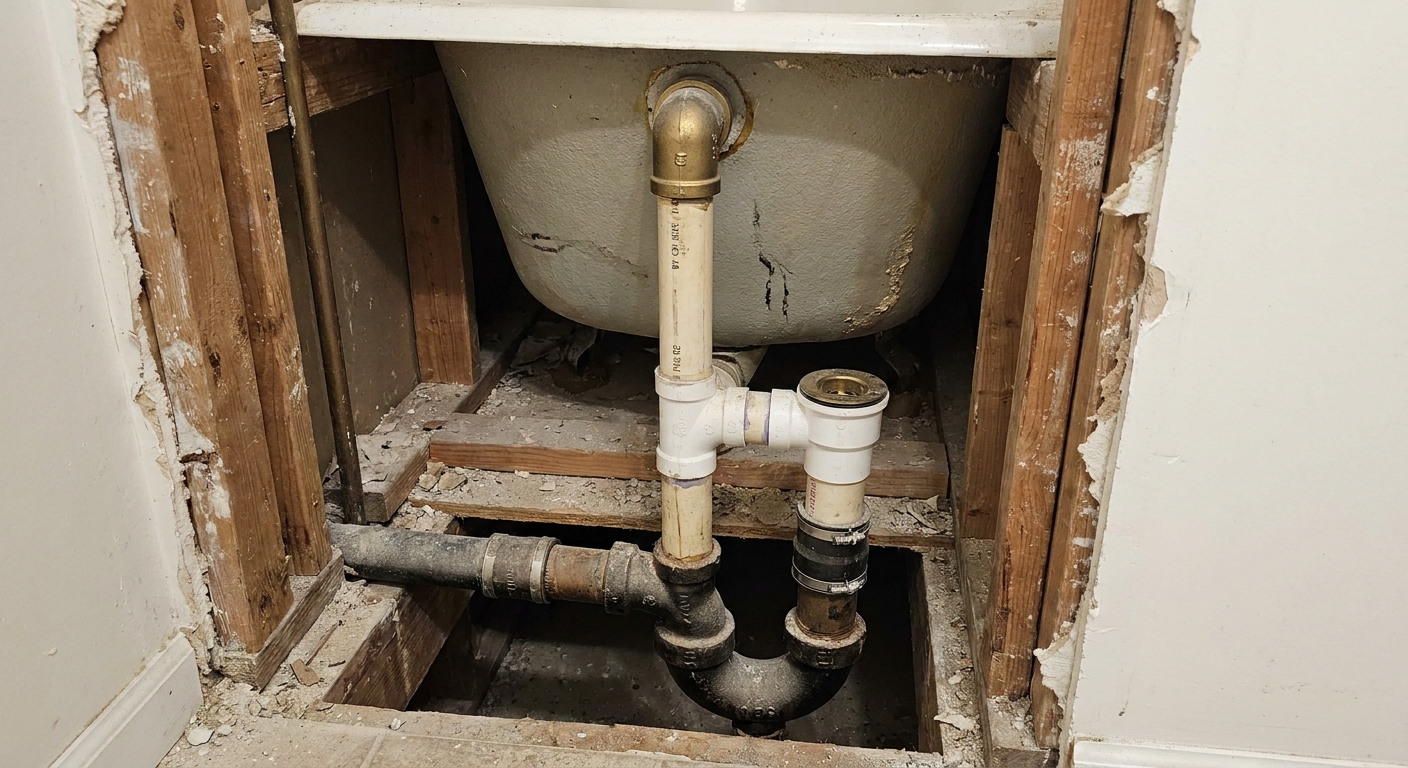
First things first: stop the damage and confirm the source
Before we play detective, protect the house.
- Stop using the tub until you know what is leaking.
- Confirm it is not something nearby like the toilet, vanity supply line, or shower valve piping. Water can travel along joists and show up far from the real leak.
- If the leak is showing on a ceiling, treat it like an electrical hazard until proven otherwise. If there is a light fixture nearby, the drywall is bulging, or water is actively dripping, shut off power to that area at the breaker.
- If you need to relieve a ceiling bubble, do it carefully. Place a bucket, probe gently with a small awl or screwdriver, and go slow. Watch for wires and pipes, and do not do this in a ceiling with old textured material you suspect could contain asbestos. If you are unsure, leave it alone and call for help.
Now, the key clue you gave is important: the tub still holds water. That usually points away from the stopper itself and toward the drain and overflow system, the trap, the piping, or a leak that only shows up during showering around the tub seam.
The five common leak paths
When water shows up under or near a tub, it typically comes from one of these:
- Failed tub shoe gasket (the seal under the drain flange at the bottom of the tub)
- Loose or leaking overflow joint (behind the overflow cover plate)
- Trap or drain pipe leak (the P-trap or nearby joints under the tub)
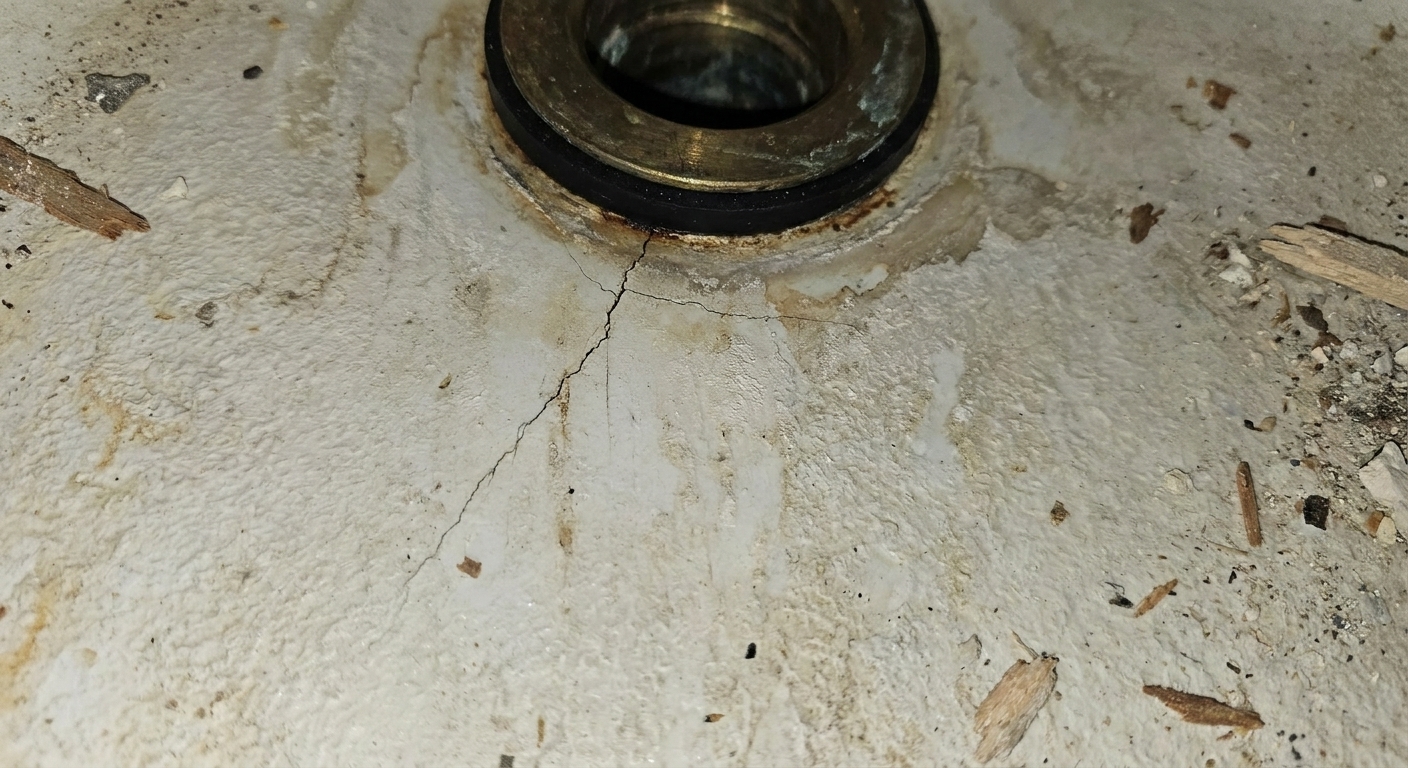
- Cracked tub body (porcelain, fiberglass, acrylic, or an old enamel tub with a fracture)
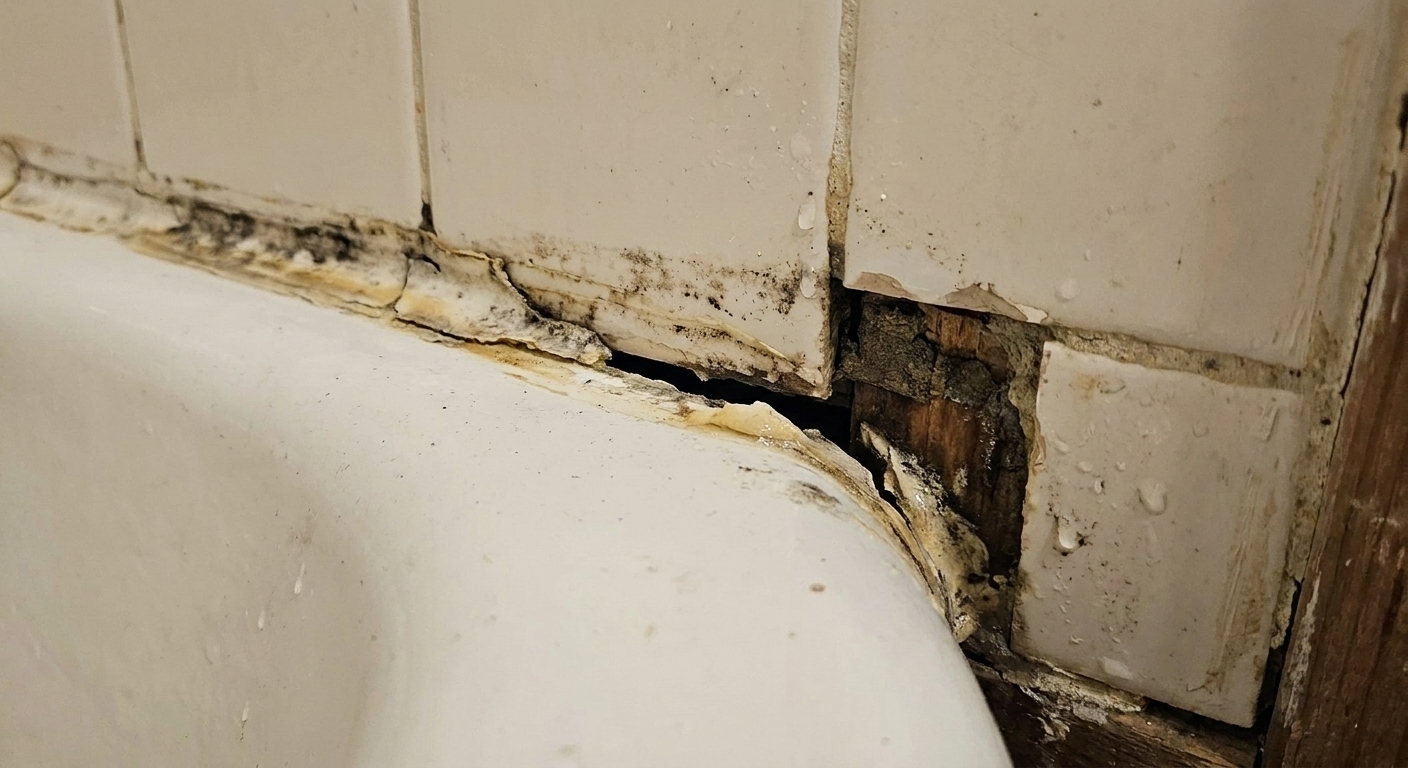
- Tub-to-wall seam or splash leak (failed caulk, grout gaps, shower door seals, or water tracking over the tub lip)
Let’s break each one down, what it looks like in real life, and whether a homeowner can typically reach it.
1) Failed tub shoe gasket
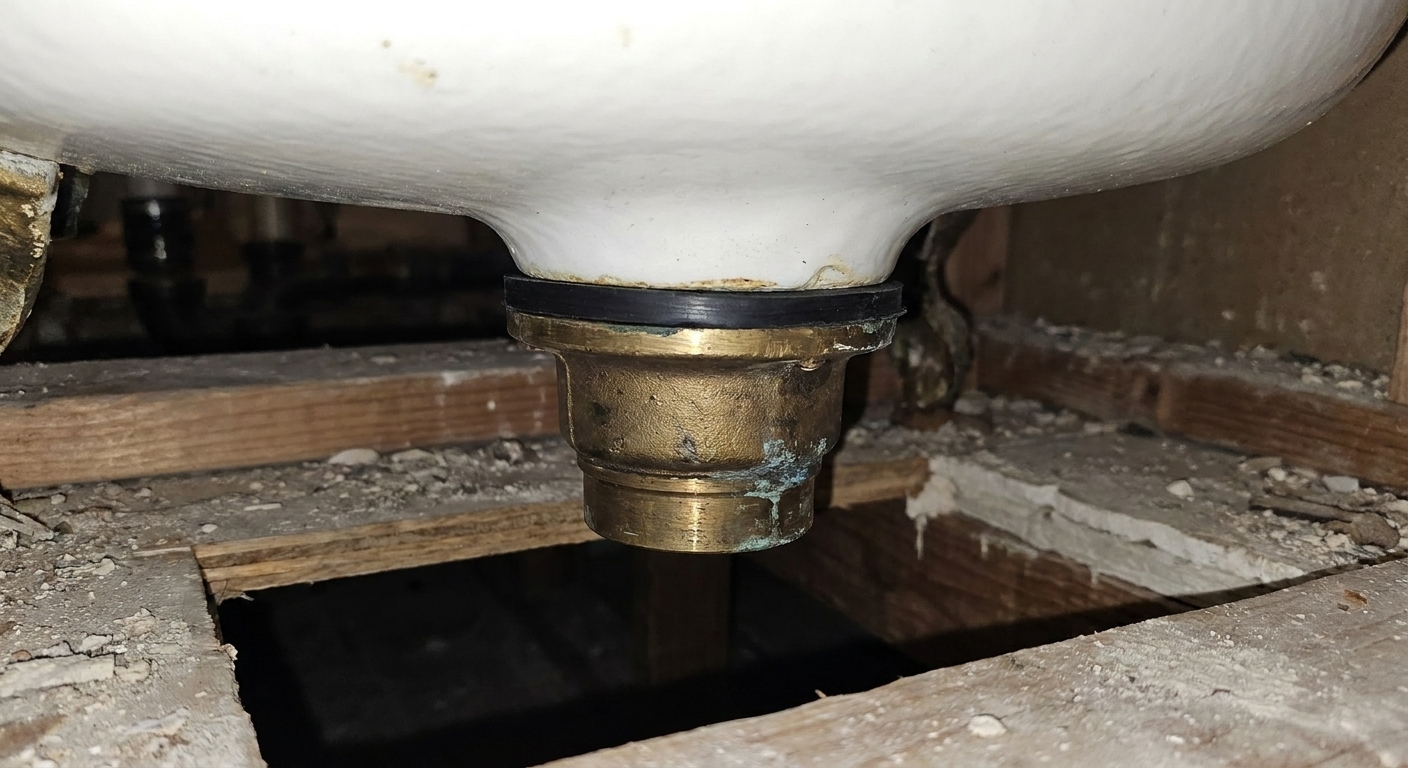
What it is: The “shoe” is the drain fitting that sits directly under the tub drain opening. Between the tub and that fitting is a thick rubber gasket or washer. That gasket is what keeps drain water from sneaking out around the drain opening and dripping onto the subfloor.
Why it can leak even if the tub holds water: When you drain the tub, a lot of water rushes through that connection at once. If the gasket is old, squished, misaligned, or the drain body loosened, you can get a leak only during draining.
Common signs
- Leak shows up after you open the drain (pull the stopper), not while the tub is sitting full.
- Water staining centered near the drain location below.
- Drips can be steady for a minute or two, then stop once the tub is empty.
Can a homeowner reach it?
Sometimes. If you have an access panel behind the tub, a removable ceiling below, or an unfinished basement ceiling, you can often see the drain shoe and gasket area.
Often not. In a lot of homes, the plumbing is buried behind finished ceilings and walls. You might not be able to get hands on the shoe without opening drywall from below or from the backside wall.
2) Loose overflow joint
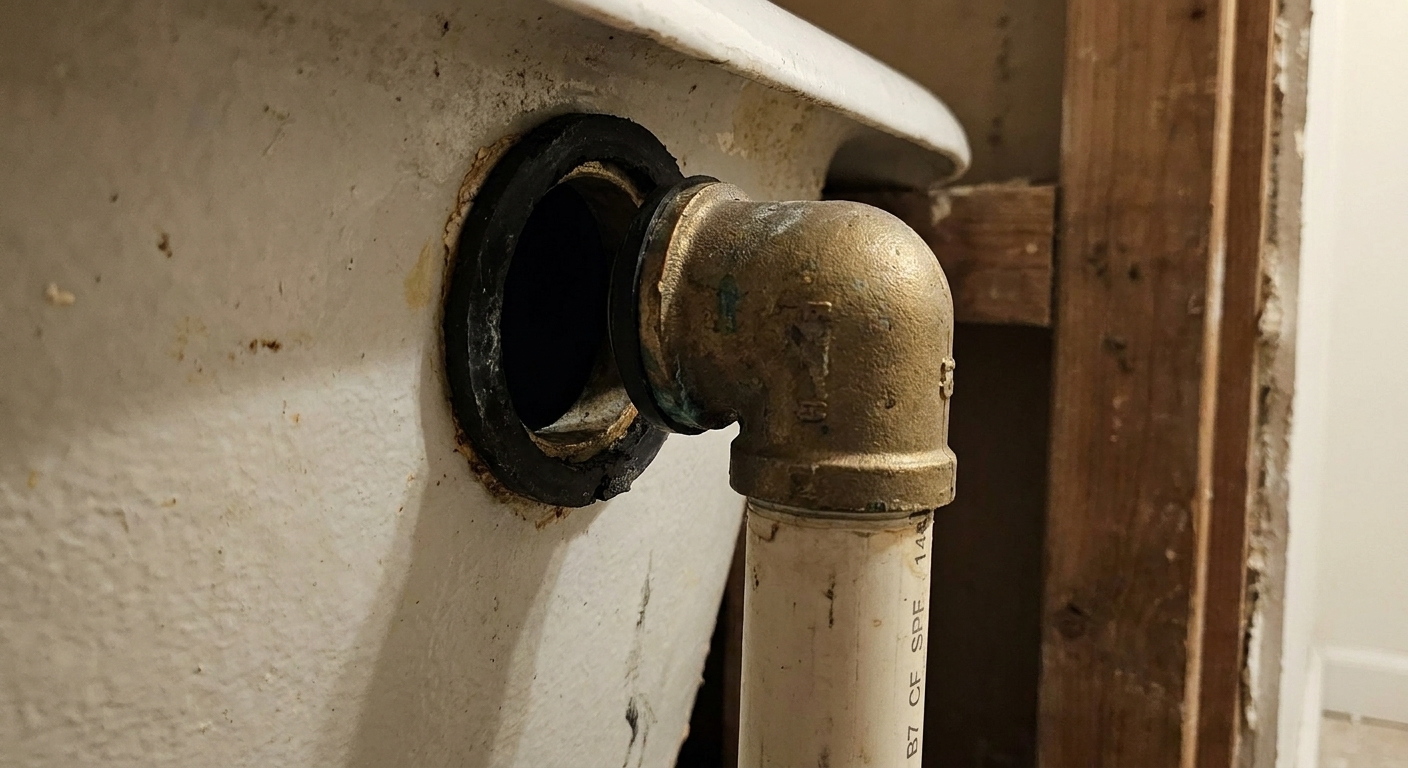
What it is: The overflow is the opening partway up the tub wall. Behind that cover plate is an elbow fitting connected to the drain assembly. It is sealed to the tub with a gasket, and the cover plate screws help clamp everything tight.
Why it leaks when the tub “holds water”: Even if you never overfill the tub, water can splash into the overflow opening during bathing or showering. Water can also run down the tub wall and sneak behind a bad gasket or a loose cover plate.
Common signs
- Leak happens during a shower or while someone is moving around in the tub, even if you never filled it high.
- Leak gets worse when water hits the overflow cover area.
- Staining below seems closer to the tub wall side where the overflow sits.
Can a homeowner reach it?
From inside the tub, you can remove the overflow cover plate to inspect for obvious issues like a loose plate, a gasket edge that is out of place, or corrosion. Actually correcting a bad seal usually requires reaching the plumbing behind it to hold the elbow in position while the screws clamp the gasket.
If you have an access panel behind the tub, this is a realistic DIY repair. If you do not, it can turn into a “cut drywall” job quickly.
3) Trap or drain pipe leak
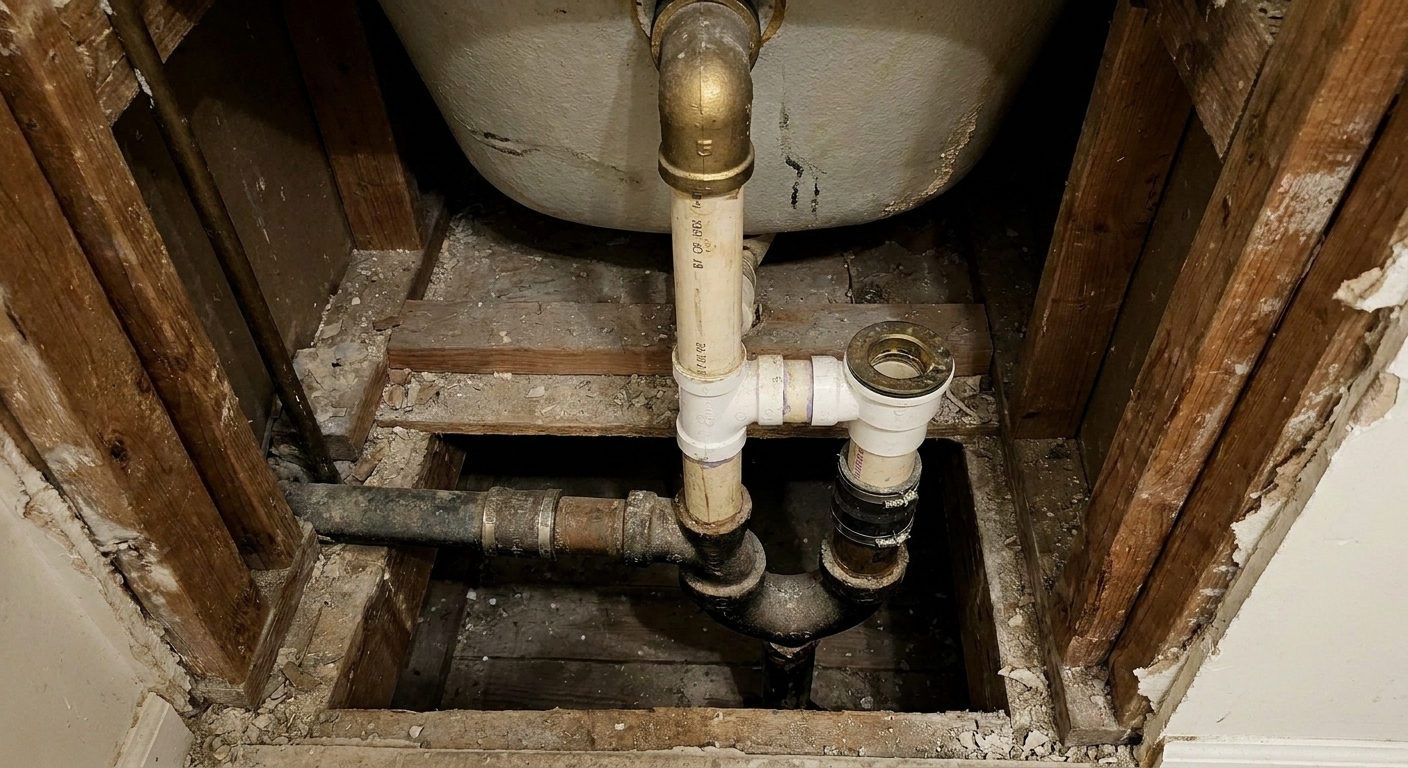
What it is: Under the tub drain is a P-trap and a run of drain piping that carries water to the main drain. Depending on age and region, it might be PVC, ABS, cast iron, galvanized steel, or a mix of all the above thanks to past repairs.
Why it leaks while the tub holds water: These leaks usually show up when the tub is draining, because that is when the trap and horizontal piping are fully flowing. Sometimes they leak when bumped or when the tub shifts slightly.
Common signs
- Leak happens mostly during draining.
- Drips appear further away from the drain opening because the water is running along the pipe before dropping.
- You may see signs of past leaks: mineral crust, rusty streaks, or darkened wood.
Can a homeowner reach it?
If you can see the plumbing, yes. In an unfinished basement ceiling, open utility chase, or a tub access panel, you can often identify a trap leak visually. The repair difficulty depends on the pipe type and connection style.
If you have access, one simple trick is to lay down dry cardboard or paper towels under the trap and along the pipe run. A single drip will leave a clear spot and help you pinpoint the exact joint.
4) Cracked tub
What it is: A crack in the tub itself. This is more common in fiberglass and acrylic tubs, but cast iron and steel tubs can also develop damage, especially around stress points or if the tub is not properly supported.
How it can leak even though the tub holds water: Not all cracks leak like a cartoon. Some only open up when weight is in the tub. The tub flexes, the crack widens, and water escapes into the framing. When nobody is standing in the tub, it may look totally fine and even hold water for a while.
Common signs
- Leak happens only when someone is standing in the tub.
- You notice soft spots or extra flex in the tub floor.
- You can spot a hairline crack or “crazing” in the finish, often near the drain or along the tub floor.
- Water below may show up a bit delayed, after the tub was used.
Can a homeowner reach it?
Yes, the surface is reachable from inside the bathroom. The hard part is confirming it is truly the tub and not the drain or overflow. If you suspect a crack, it is worth inspecting closely with a bright flashlight.
Be cautious with quick patch kits. Some are fine as a temporary bandage, but if the tub is flexing because it lacks proper support, the crack often comes back. In those cases the real fix is support work or replacement.
5) Tub seam or splash leak
What it is: Water escaping where the tub meets the wall, around a shower door, through a bad curtain setup, or through grout and caulk that has cracked or pulled away. This water may never touch the drain plumbing at all. It just runs where gravity and capillary action take it.
Why it fools people: The tub can hold a full bath just fine, but a shower sends water at the walls, corners, and ledges. Once water gets behind a loose caulk bead, it can travel and show up below or at the tub base far from where it started.
Common signs
- Leak happens during showering, not during a bath drain.
- Wetness shows up near the tub apron, at a corner, or outside the tub where splashing happens.
- You can see missing caulk, cracked grout, or a shower door sweep that no longer seals.
Can a homeowner reach it?
Usually, yes. You can inspect and often repair caulk and door seals from inside the bathroom. Just remember that caulk is not a magic fix if the wall system behind the tile is already compromised. If things feel spongy or smell musty, slow down and investigate before sealing water in.
How to narrow it down
You do not need fancy tools to isolate the leak. You just need a calm, step-by-step test so you are only changing one variable at a time. Also remember: staining location can mislead because water can run along joists and framing before it finally drops.
Test A: Run water with the drain closed
Put the stopper in, run water for a minute or two, and keep the water level well below the overflow. Try not to splash the walls.
- If water appears below during this test, the leak is likely not the trap or a drain-only issue. Look harder at a tub crack that opens with movement, or a supply or valve leak in the wall (spout, shower arm, valve body, or riser).
- If everything stays dry, move to Test B.
Test B: Drain a partially filled tub
Fill the tub several inches, then open the drain while someone watches the area below if possible.
- If it leaks only while draining, suspect the shoe gasket or a trap or drain pipe joint.
- If it still does not leak, move to Test C.
Test C: Target the overflow area
With the drain closed and only a little water in the tub, use a cup or handheld shower to direct water at the overflow cover for 30 to 60 seconds. Try not to soak the whole surround or floor. You are isolating the overflow, not doing a full shower simulation.
- If the leak starts when water hits the overflow, suspect a loose overflow joint or gasket.
Test D: Check the tub seam and splash zones
With the tub empty, run the shower and aim water at the tub corners, the tub-to-wall seam, and the shower door area one section at a time. Watch for water escaping the tub onto the floor, or disappearing into a gap at the seam.
- If the leak correlates with spraying a specific corner or seam, suspect failed caulk or grout, or a door or curtain sealing problem.
Test E: Weight test for a tub crack
With the tub dry, have an adult stand in the tub while another person looks closely for flexing or listens for creaks. If you can access below, check for any drip starting with weight alone after a small amount of water is introduced.
- If it leaks only when someone is standing in it, suspect a crack or a support issue (or both).
Safety note: If the ceiling below is sagging, bubbling, or actively dripping near a light fixture, turn off power to that circuit at the breaker and keep the area clear until it dries out and you confirm what got wet.
What you can realistically reach
This is the part people do not like hearing, but it saves money and drywall: bathtub plumbing is often hidden by design. Whether you can DIY the fix depends more on access than skill.
Usually reachable without opening walls
- Overflow cover plate removal for inspection
- Visible tub cracks and obvious flexing or soft spots
- Caulk and shower door seals at the tub seam
- Basic visual checks through an existing access panel
Reachable if you have an access panel or open ceiling below
- Overflow elbow connection and overflow gasket seating
- Drain shoe and gasket area
- P-trap and nearby joints
Usually not reachable without opening something
- Drain and overflow connections when the tub is set against a finished wall with no access
- Trap leaks under a finished ceiling with no access from below
- Anything behind a tiled wall with cement board and no access panel
If you are deciding where to open up drywall, my carpenter brain always says: open the cheapest, easiest surface first. A drywall ceiling below is usually less painful to patch than tile.
When to call a plumber
I am pro-DIY, but I am also pro “do not turn a small leak into a mold renovation.” Bring in help if:
- The leak is steady, heavy, or worsening quickly.
- You cannot access the plumbing and do not feel comfortable opening drywall.
- You suspect a cracked tub plus movement or poor support.
- You see old, corroded metal piping that looks one bump away from crumbling.
- Water has been leaking long enough that framing feels soft or smells musty.
FAQ
Why is there water under my tub when the tub is not overflowing?
Most often, water is escaping from a connection under or behind the tub, like the drain shoe gasket, overflow gasket, or trap. But shower-only leaks can also come from the tub-to-wall seam, grout or caulk failure, or splash-out around a door or curtain.
Can a tub leak only when it is draining?
Yes. That is classic for a failed shoe gasket or a trap or drain joint leak. Everything can look fine until the drain is flowing at full speed.
Can the overflow leak if the water level never reaches it?
It can. Splashing and water running down the tub wall can get behind the overflow cover and into a bad gasket or loose joint.
Is it ever just the stopper?
If the tub holds water, the stopper is doing its job. A bad stopper can waste water down the drain, but it does not usually create water under the tub unless there is also a leak in the drain assembly below.
Fastest path to the right fix
If you can do only one thing today, do this: figure out whether it leaks during draining, during targeted overflow splash, during shower spray at the seam, or only with body weight in the tub. That one observation usually narrows the problem to the correct part of the system, and keeps you from tearing into the wrong wall.
And if you do end up opening drywall from below, consider it a small win: you are buying yourself visibility. Bathtub leaks are stressful, but they are also very solvable once you can actually see what is dripping.